The commercial architecture landscape is moving toward transparency, sustainability, and digital integration. Transparent LED screen technology now plays a key role in this change. It redefines how glass curtain walls work as both architectural elements and communication tools.
The Growth of Transparent LED Screen Applications
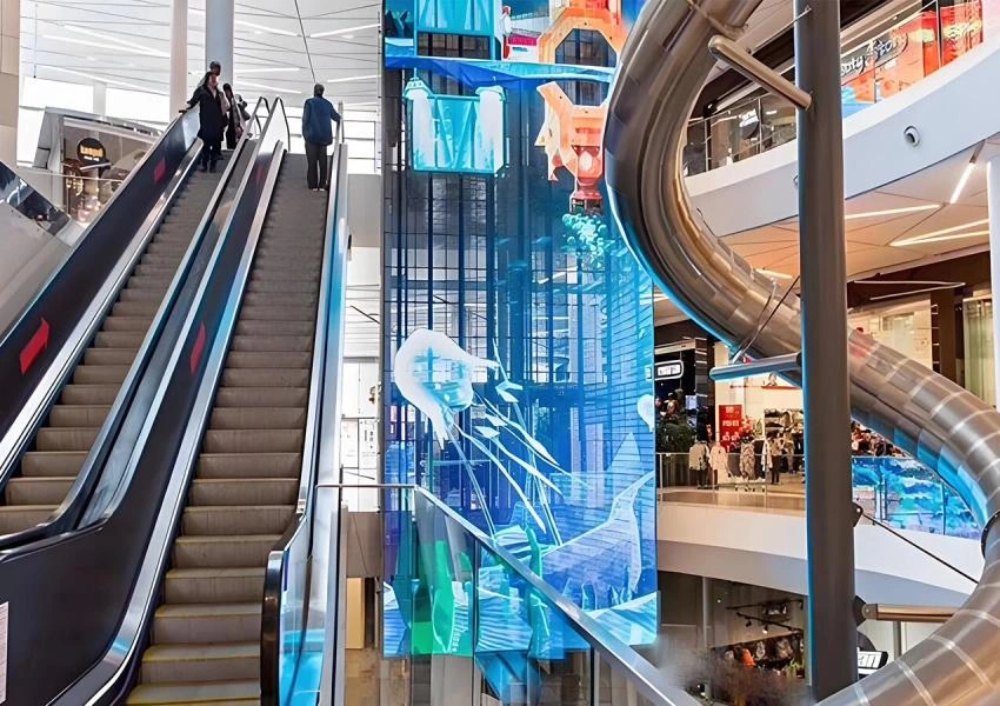
Transparent LED screen adoption keeps growing fast in retail spaces, corporate offices, and major building projects. People often notice semi-transparent LED displays placed outdoors or inside shop windows. These displays show advertisements while keeping the lighting natural. This ability to maintain daylight and still deliver moving digital content has led to the broad acceptance of transparent displays.
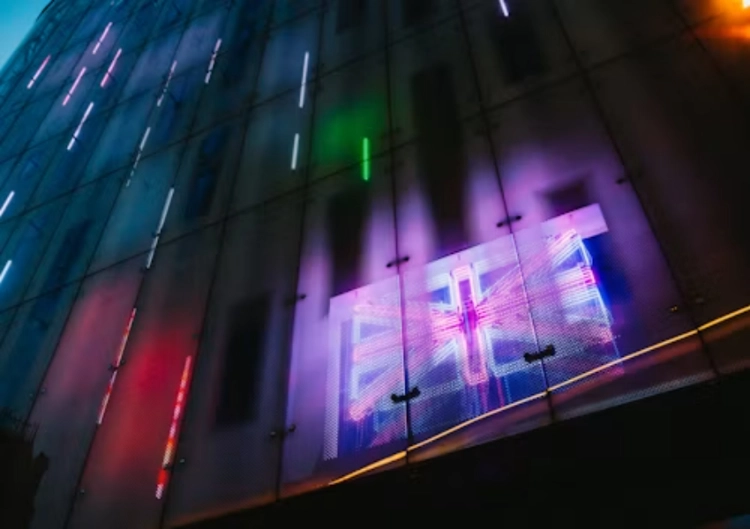
As more urban buildings use glass façades, the need for design harmony between display systems and architecture grows stronger. Transparent screens usually provide a transparency rate of 40%-90%, depending on the model. They create a see-through look where displayed content appears over the real view, and they solve the common issue of blocked sight that comes with traditional screens. Lightweight build and energy efficiency make these systems suitable for modern high-rise buildings where elegant design must work together with strong performance.
Evolution of Traditional LED Displays in Commercial Spaces
Traditional LED displays still lead in large outdoor advertising because they offer high brightness and easy scaling. Yet their solid structure reduces design options when they are placed on glass buildings. Transparent screens fix this by combining digital content with building transparency. They let structures act as interactive surfaces instead of fixed walls.
Technical Comparison: Transparent Screen vs Traditional LED Display
Before choosing between transparent and traditional LED options for façade work, teams need to review structural design, image quality, energy use, and upkeep needs.
Structural Design and Installation Considerations
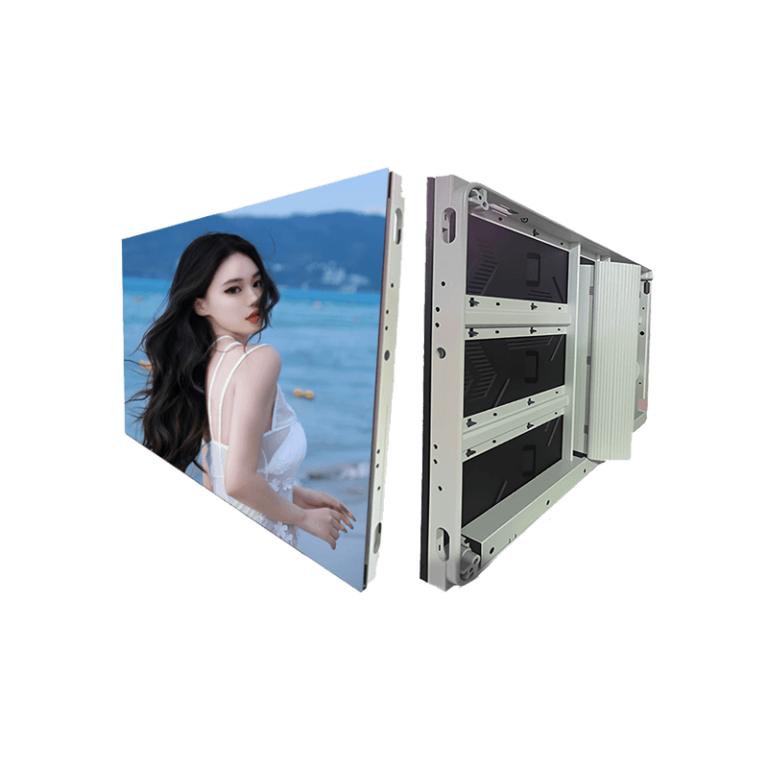
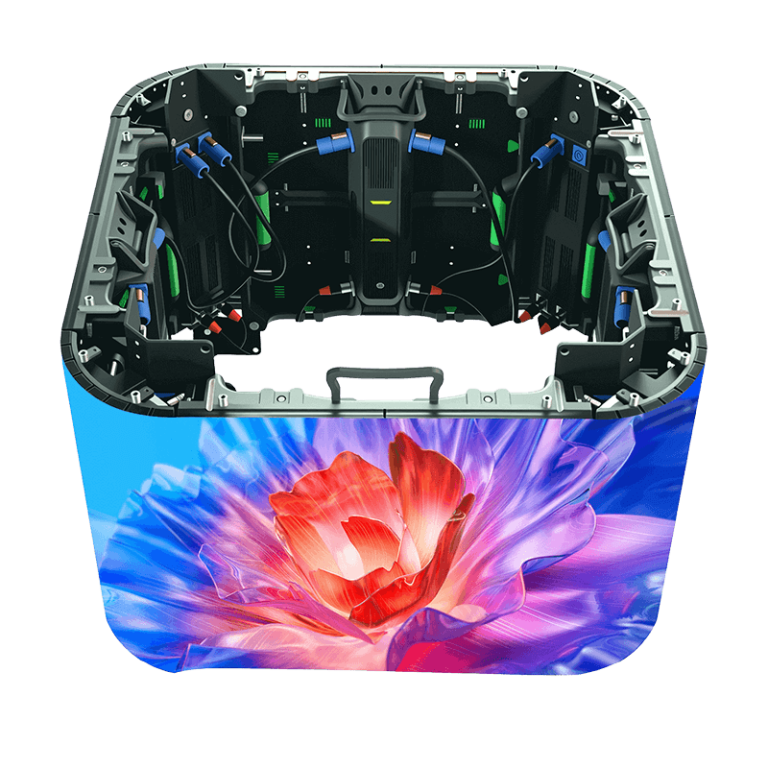
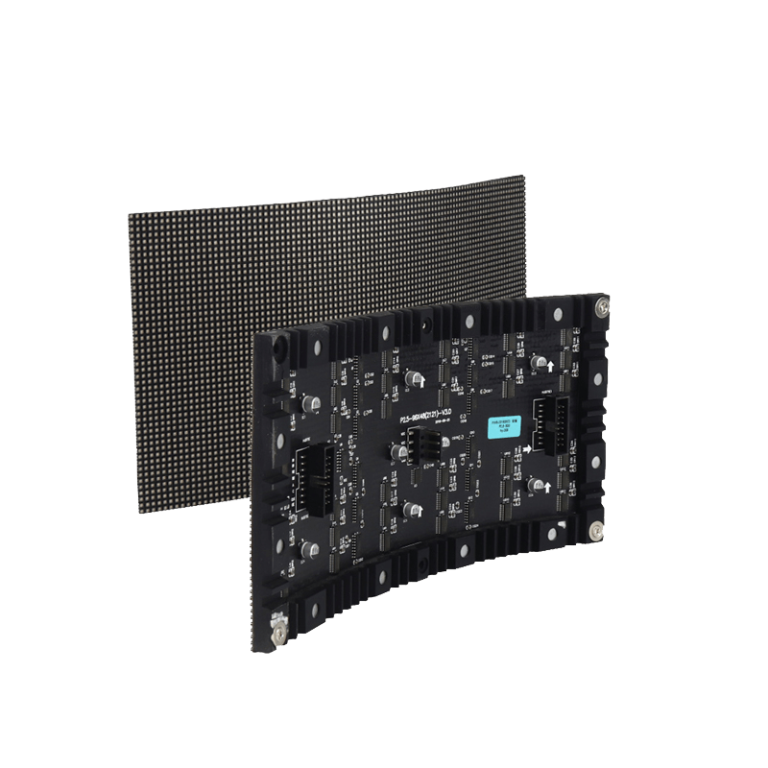
The transparent LED display screen uses a hollow strip layout. This layout gives it more flexibility than the solid cabinet of a traditional LED display screen. The modular style lets panels mount straight onto glass without heavy steel frames. Traditional LEDs, on the other hand, need solid back panels. Those panels add weight to the façade and make installation more complex. Transparent walls keep natural light passing through while allowing viewing from both sides. This benefit fits well with the current architectural style.
Visual Performance and Transparency Ratio
Transparent LED displays reach transparency rates between 60% and 90%. They keep the natural look of glass curtain walls while showing clear images. When content appears, it seems like a three-dimensional picture floating in the air. Traditional LEDs give stronger brightness that suits outdoor signs, but they block all views from inside. New transparent models keep colors accurate even in direct sunlight. They use improved driver ICs and positive light methods to spread brightness evenly across wide angles.
Energy Efficiency and Maintenance Requirements
Energy use stands out as a main point of difference between the two technologies. Transparent LED displays do not need extra cooling units. Airflow cools them naturally, which cuts energy use by more than 30% compared with standard LED displays. Their better heat handling lowers the cooling load inside buildings and reduces running costs over time. In addition, the modular layout makes repairs simple. Workers can swap single faulty strips without taking apart whole sections, which keeps long-term costs down.
Application Scenarios for Commercial Glass Facades
Transparent display systems open new creative options in many commercial areas. They turn plain glass into active media for messages.
Retail Storefronts and Shopping Malls
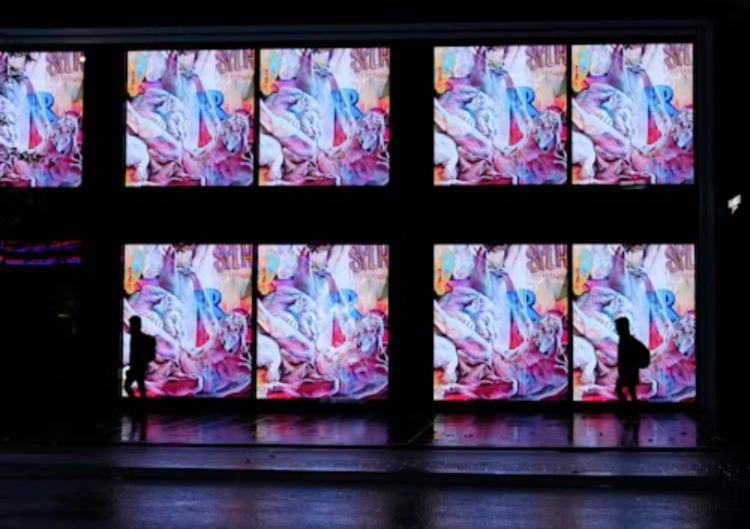
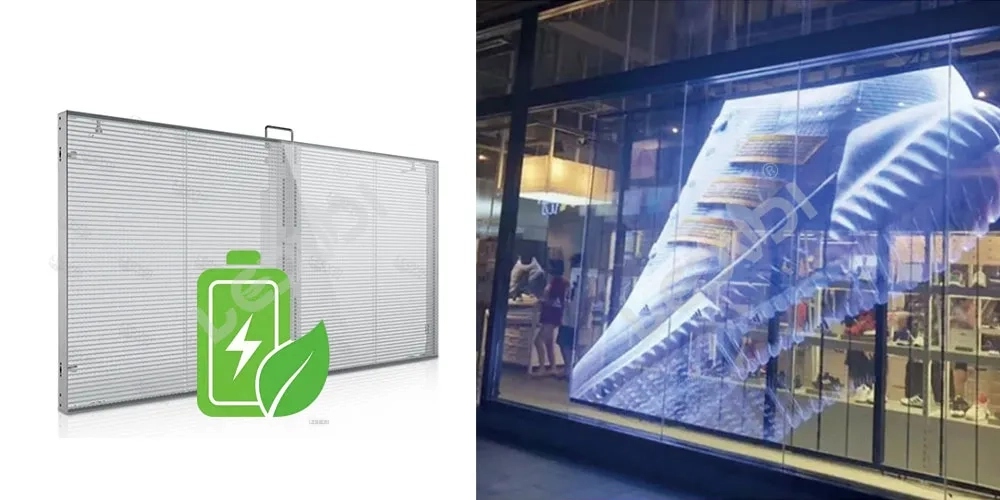
Retailers now place transparent LED walls in store windows. These walls become interactive ad surfaces while they still show products inside. Transparent screens in storefront windows can run product videos without hiding interior displays. This mix of real goods and digital messages strengthens brand stories and draws customer attention at any hour.
Corporate Buildings and Business Centers
In modern office buildings, transparent screens act as branding tools that fit smoothly into façades or entrance areas. They allow scheduled content updates for announcements or events. At the same time, they preserve an open view that supports a professional setting.
Airports, Hotels, and Exhibition Halls
Airports and hotels use transparent displays to share information without reducing open space or natural light. Glass curtain walls already form a key part of city design. Adding transparent LED screens to these walls increases their visual appeal. The screens stay reliable during long hours of operation in busy public areas.
Key Advantages of Leyaled Transparent LED Screen Technology
To handle these varied uses well, we have created advanced solutions. They fit into building structures and keep image clarity high.
Innovative Design Integration for Glass Structures
Our transparent LED screen offers panel sizes that can be adjusted for complex façade shapes without changing the building structure. Its thin profile makes it easy to add to existing glass setups. This feature helps greatly in renovation work where little structural change is wanted.
Superior Visual Clarity and Light Transmission Balance
With transparency above 80% and support for Full HD or 4K resolution, the system gives sharp images from wide angles. Even in bright outdoor light, it holds color accuracy and avoids screen washout. Advanced driver ICs stop flicker during video or live streaming.
Durability, Service, and Long-Term Performance Support
The systems use quality parts that have been tested across temperature ranges. They deliver steady performance over long periods. We offer full after-sales support that includes remote checks through our contact network. This ensures clients receive help quickly when needed.
Cost Analysis: Investment vs Long-Term Value in 2026 Projects
A cost review between transparent screens and traditional LEDs goes beyond the first price. Total costs over the full life of the system must be examined.
Installation Costs and Operational Efficiency Comparison
Initial costs may seem higher because transparent systems use special materials. Yet the reduced need for extra support structures offsets some of that cost. Over time, lower power use and simpler repairs bring clear savings compared with older opaque setups.
Return on Visual Impact and Brand Value Enhancement
Transparent façades create a strong visual impact that appeals to premium tenants and high-end clients who want modern spaces. Companies gain from easy content control that matches seasonal plans or marketing goals. This turns building exteriors into active brand displays that change throughout the year.
Why Choose Leyaled as a Reliable Manufacturer Partner in 2026 Projects
Expertise in Transparent Display Engineering Solutions
Through years of focused research at Leyaled, we have built transparent wall systems for architectural projects around the world. FWS Technology Co., Ltd. is a high-tech enterprise specializing in the integrated LED display industry encompassing R&D, production, and sales. Our R&D team works on better transparency, even brightness, faster installation, and longer product life across every line.
Proven Track Record Across Global Commercial Installations
Our project list shows successful work in retail chains, airports, hotels, exhibition halls, and corporate sites worldwide. Each project shows reliable results in different conditions, which can be seen on our case studies page. Ongoing development keeps the systems ready for future smart-building needs in growing cities.
Comprehensive Service Network and Customer Support
We provide complete service from the first discussion to after installation. This service follows our stated standard of quality, which appears on our about us page. Clients can contact us through the official channel to request quotes or project advice for transparent display solutions.
Comparative Evaluation Summary: Transparent vs Traditional Displays for 2026 Façade Projects
Decision-makers who plan façade upgrades should consider both performance numbers and long-term sustainability targets. Transparent technology matches current trends that favor open views, daylight use, and continuous space. Traditional LEDs still work where full opacity is required, yet they limit creative options inside glass structures. For projects that focus on energy savings, visual appeal, flexibility, and lower environmental impact, transparent display technology offers better lasting value in commercial settings planned for 2026 city growth.
FAQ
Q1: What is the main difference between a transparent LED screen and a traditional LED display?
A1: Transparent LED screens let light pass through the panels while they show moving images. Traditional LEDs are solid units that block all views from behind.
Q2: How does Leyaled ensure the quality of its transparent LED wall products?
A2: We follow strict production rules backed by certified tests. These steps confirm durability in varied climates and steady color output during long running times.
Q3: Where can I get more information or request a quotation?
A3: Visit our official website’s contact section to discuss your project needs or receive custom quotes for commercial façade work that uses advanced transparent LED display solutions built for future architecture.