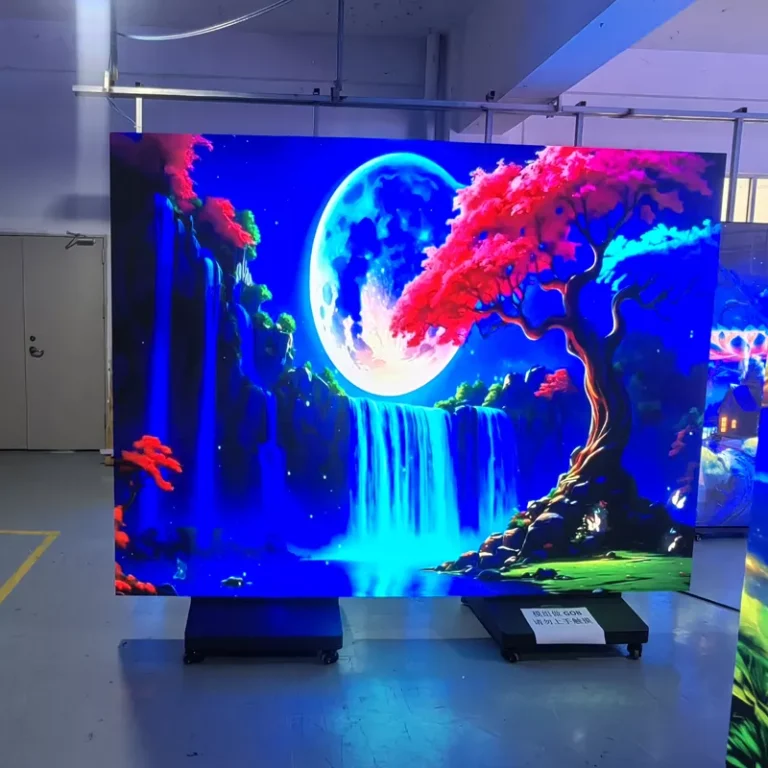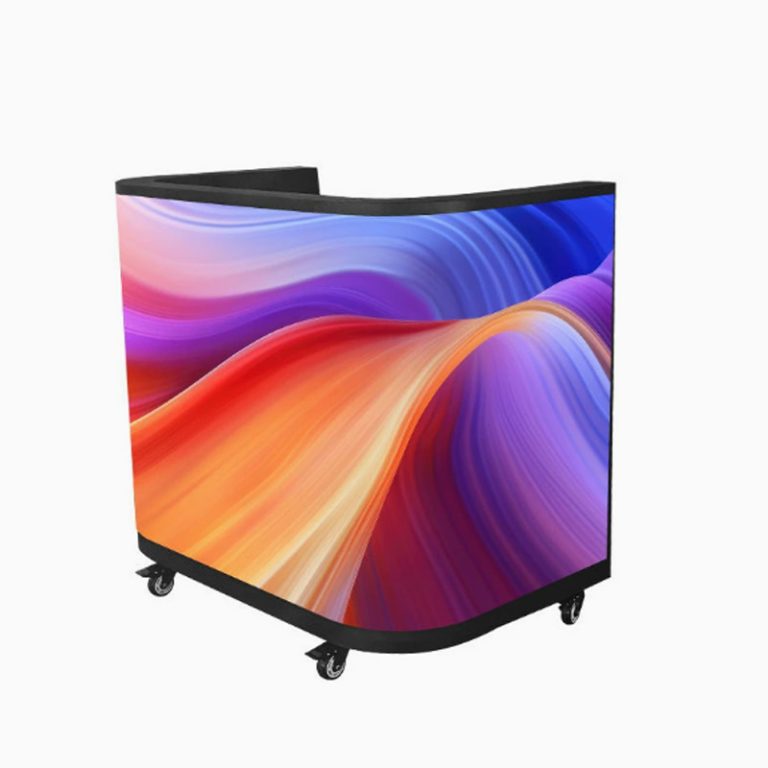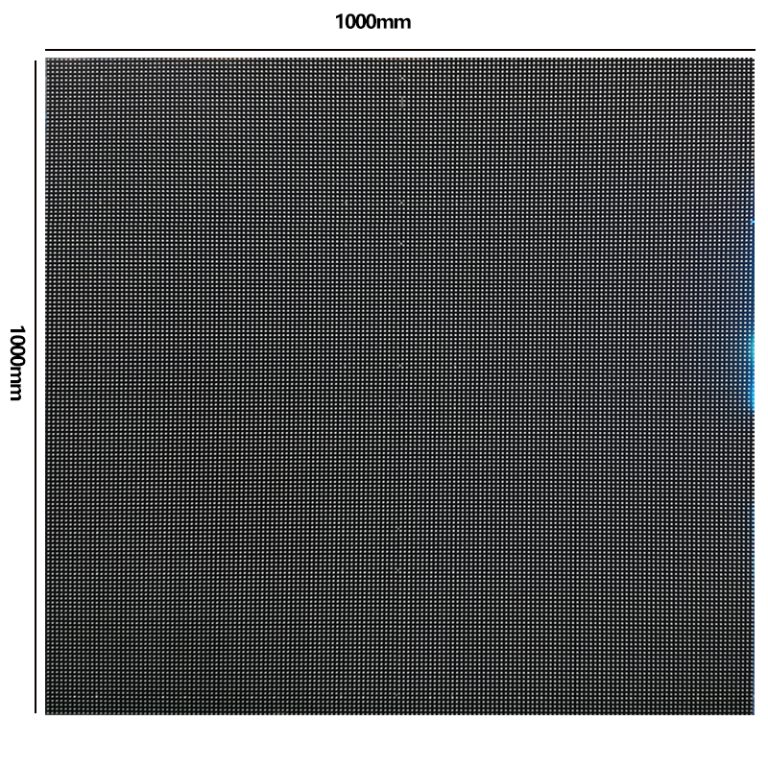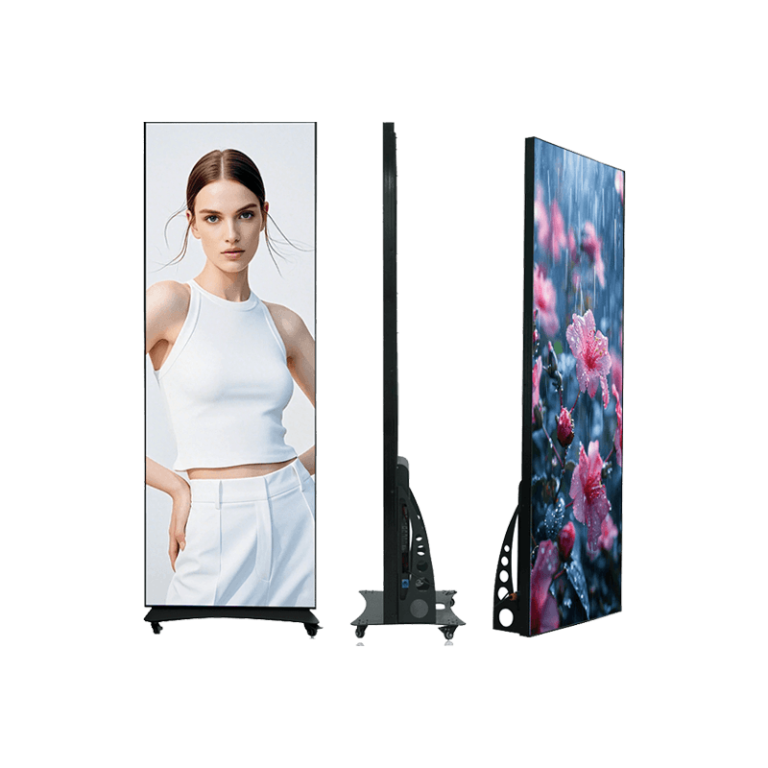
The LED display industry has seen a big change over the past ten years. It moved from fixed setups to flexible display technology that focuses on easy adaptation and fresh design ideas. The shift from rigid to flexible forms marks a key step forward in how displays look and work. Technology moved on from heavy old CRT screens to thinner LCD panels, and now it brings in flexible options that fit curved or uneven surfaces well. This change helps both how the screens perform and how they look in different spaces.
Rigid displays use solid frames for stability, yet flexible LED screens bring in bendable modules that adjust to various spaces while keeping picture quality high. Items like flexible screen displays, P3.91, show this move toward more adaptable digital signs for lively settings.
Overview of Flexible LED Screens and Rigid Displays
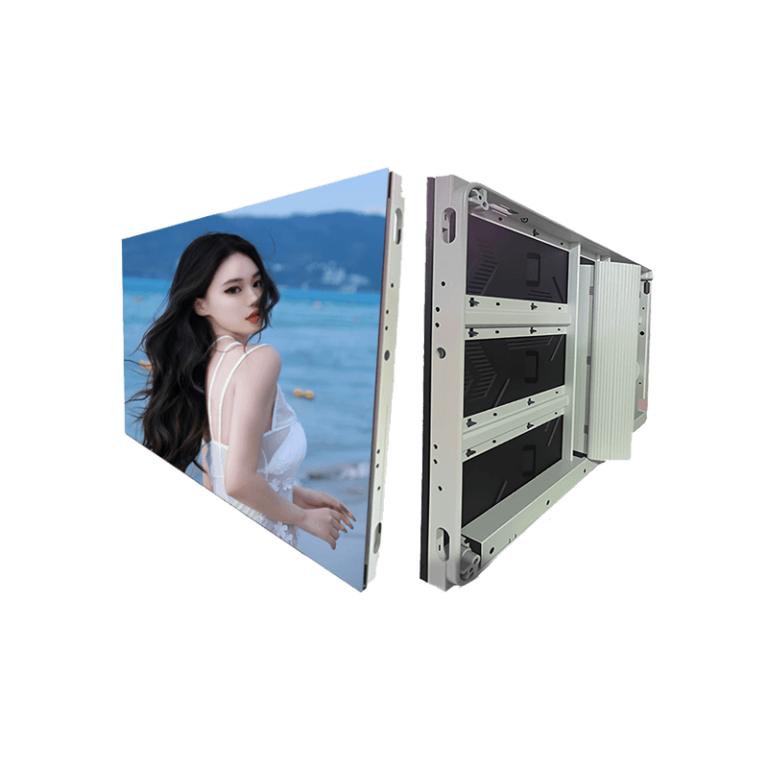
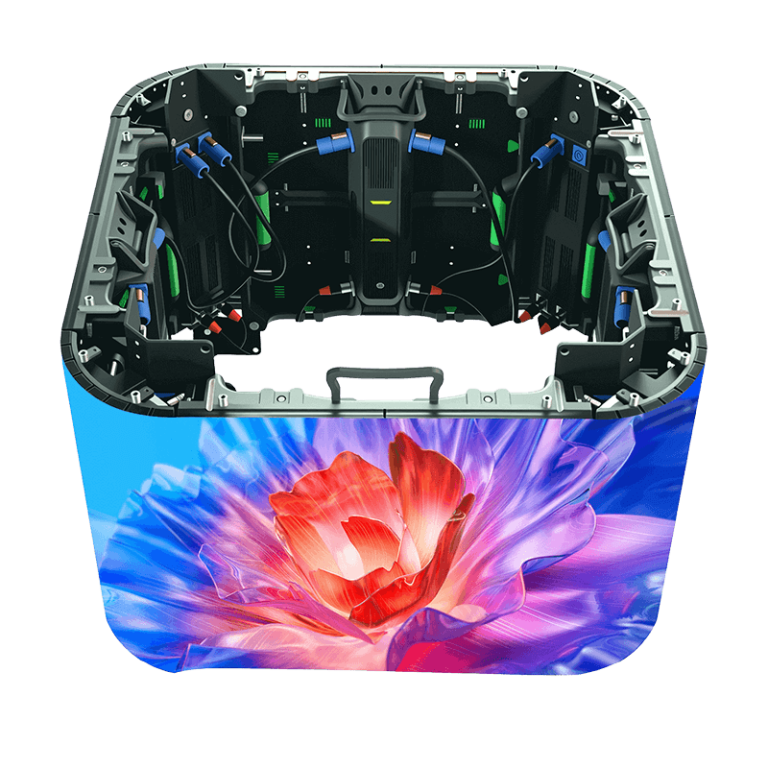
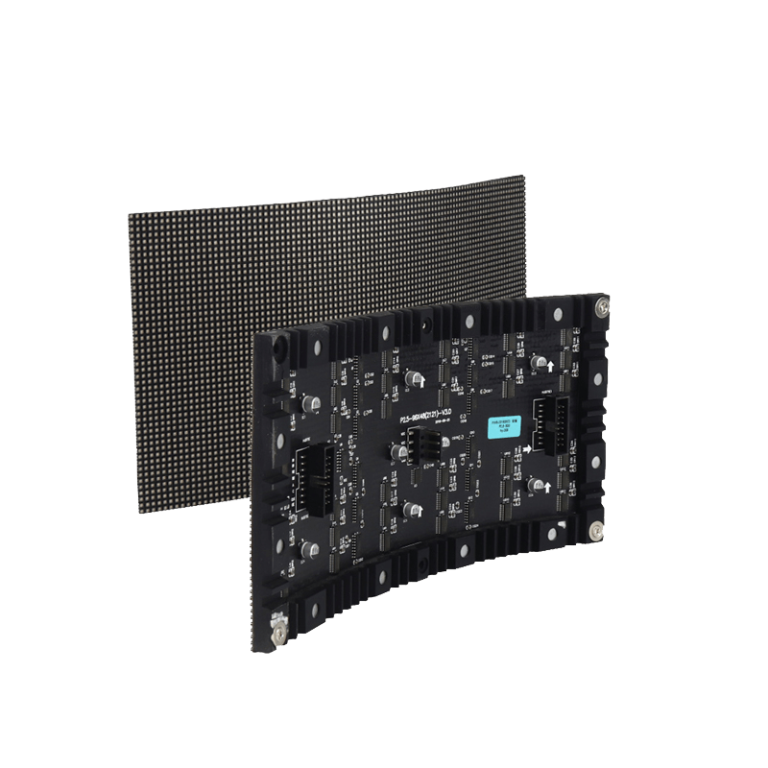
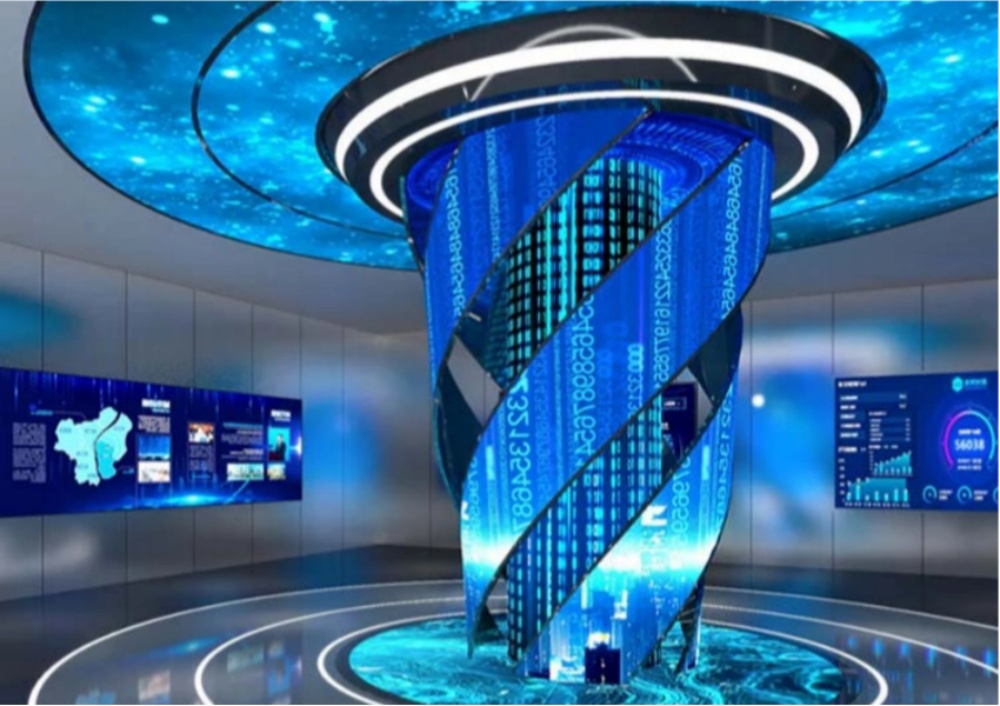
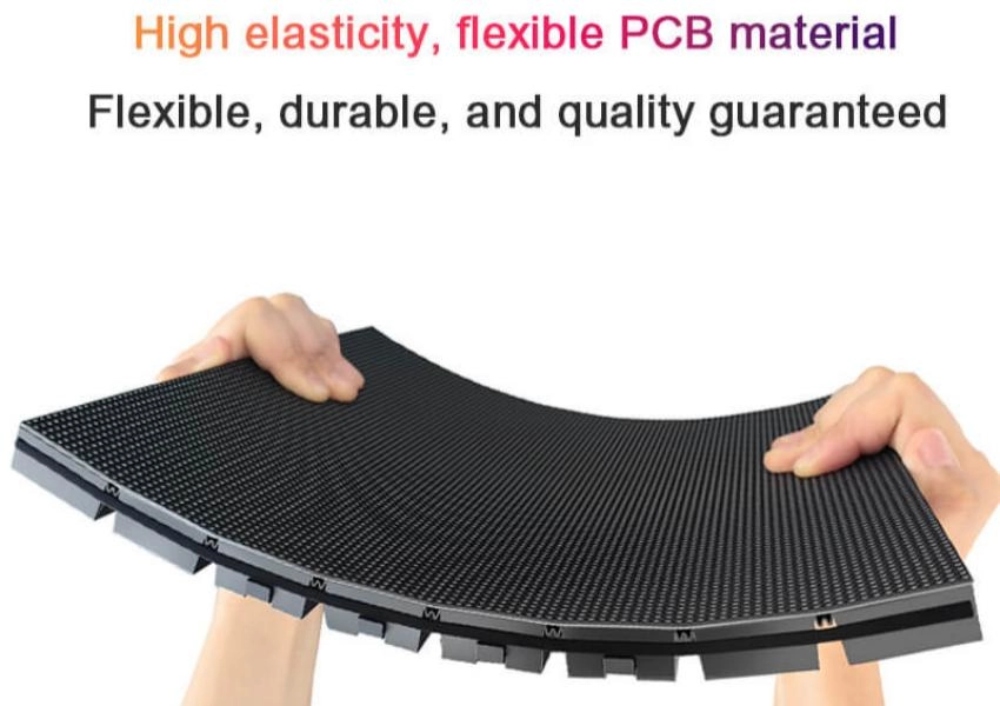
Rigid displays use strong PCB boards with metal frames to stay steady, though this limits how much they can bend. Flexible LED screens rely on soft modules fitted with strong magnetic links and FPC boards on bendable bases. Their silicone fronts offer solid strength under pressure and allow bending in many directions. This lets installers shape them into cylinders, waves, or spirals and opens up design choices that flat panels cannot match.
Technical Comparison Between Flexible LED Screens and Rigid Displays
Design Flexibility and Application Scenarios
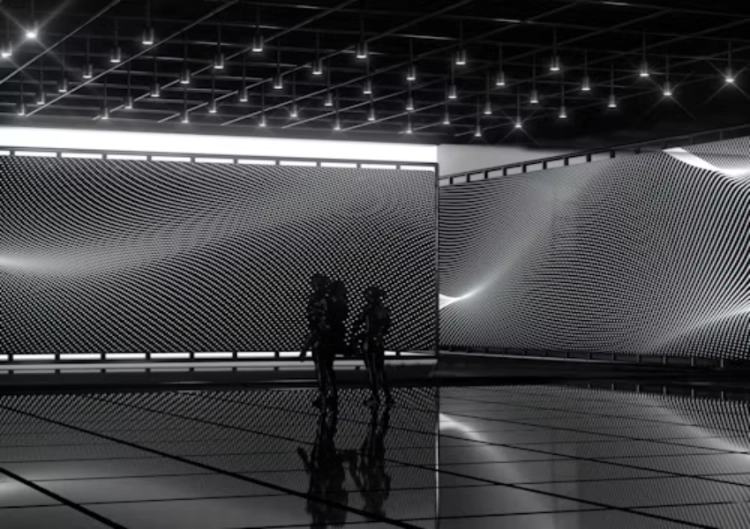
Flexible LED screens stand out because they bend or fold without harm to the circuits inside. Each module can curve up to 35 degrees left or right, creating an arc over 110 degrees, so they suit curved walls or odd shapes in stage backdrops, building fronts, or spots that need eye-catching visuals. Rigid displays work best on flat surfaces where even looks matter more than shape changes.
Performance Metrics: Brightness, Resolution, and Durability
Both types deliver strong brightness and sharp pixels, but they handle stress in different ways. Bending does not blur the image on flexible screens, and colors stay bright and even. These screens resist shocks better thanks to their soft bases, while rigid panels hold their shape well yet cannot withstand much bending. The LED flexible screen keeps clear pictures even outdoors in tough weather.
Installation and Maintenance Efficiency
Light flexible modules cut transport costs and make fitting easier on tricky surfaces. They work for hanging on indoor walls or ceilings, for pendant setups in big halls, or for flush mounts that blend into buildings. Magnetic modules allow fast assembly or removal, and front access makes upkeep simple on commercial jobs.
Curved Flexible LED Screen Applications in Modern Environments
Architectural Integration and Creative Display Solutions
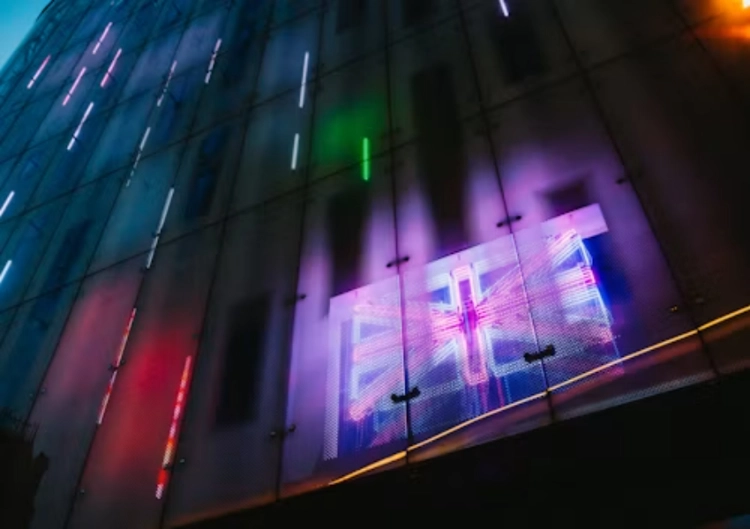
Curved flexible LED screens fit well into modern buildings because they follow curves without gaps. In museums, they match rounded walls and give a sense of open space, while they wrap columns or blend into indoor fronts without breaking the design flow. The flexible screen display P3.91 offers custom curves that help tell stories in museums, malls, or show halls.
Event Production and Stage Design Advantages
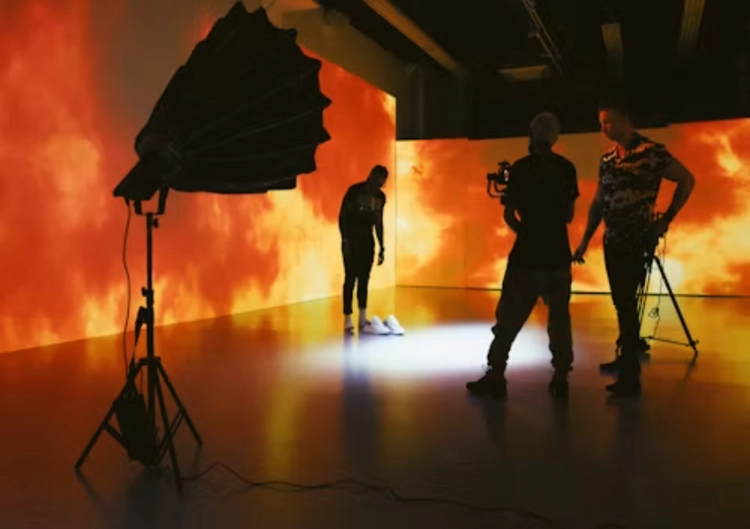
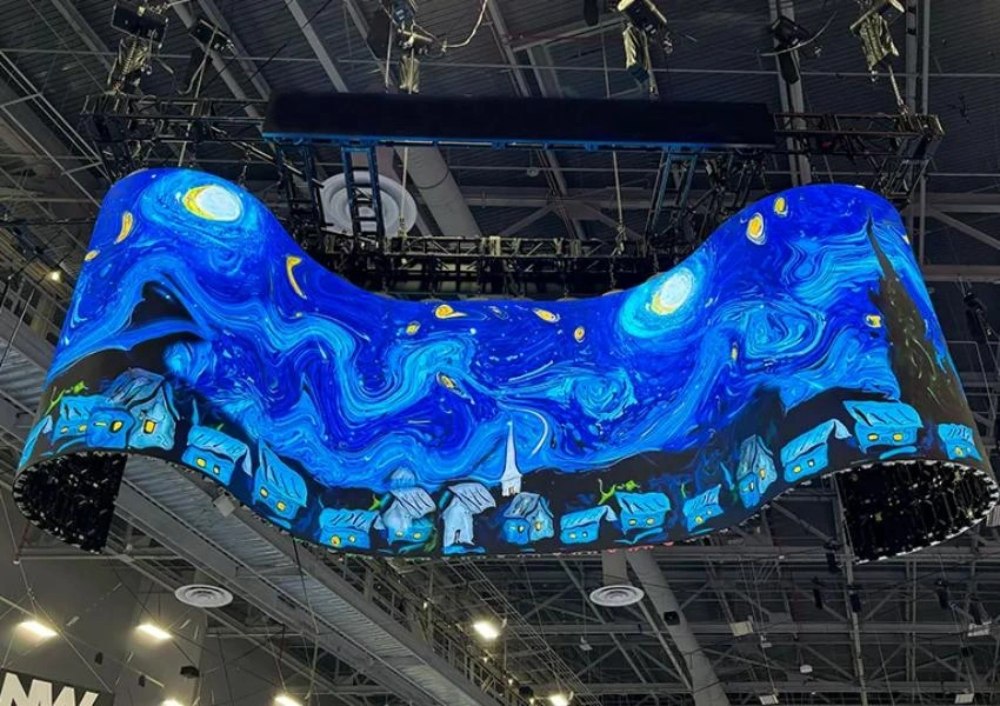
Event teams gain freedom with flexible displays for lively backdrops. At large shows, the screens join to form curved or wave shapes that pair with lights. High refresh rates keep motion smooth during live acts or broadcasts and avoid ghosting, which matters for pro stage work.
Technological Innovations Driving Flexible Display Development
Advances in Flexible Circuitry and Encapsulation Materials
New materials have raised the limit on how far screens can bend and have lengthened their working life. Better sealing keeps LEDs safe from damp and dust. These steps help both indoor and outdoor models hold steady brightness even when temperatures shift over time.
Integration with Smart Control Systems
Modern flexible displays link with smart control platforms for wireless content updates through CMS tools. Built-in checks spot issues early and keep large setups running without breaks, whether on curved walls or moving stages.
Cost Considerations: Investment vs Long-Term Value
Initial Costs Compared to Operational Efficiency
Flexible displays may cost more at first because of their advanced build, yet they save money later through lower labor needs and better power use. Outdoor models like LED flexible screens give strong brightness while keeping energy use in check.
ROI Factors for Commercial Projects
Returns come from more than just lower bills. Eye-catching visuals lift brand presence in shops or public areas. The modular design lets firms add more units later without full replacement, which improves value over the full life of the system.
Leyaled: A Reliable Manufacturer of Advanced Display Solutions
Leyaled makes advanced LED products for many fields such as commercial displays, control rooms, smart plazas, and transport hubs. It handles research, production, and sales in the LED field from its Shenzhen site. The 7,200-square-meter plant runs eight SMT lines and meets ISO 9001:2008 rules for both indoor color modules and outdoor waterproof units.
A team of over fifty engineers works on optics and power systems to improve the flexible range, including the flexible screen display P3.91. Every unit passes tests for brightness and stability before it ships worldwide.
The company supports clients from the first talk through final setup and offers ongoing help via its contact page.
Summary of Key Differences Between Flexible LED Screens vs Rigid Displays
Flexible LED screens bring lighter weight, easy scaling, and wide design options that rigid panels lack due to their fixed shape. Soft bases let architects place digital content right on building parts while image quality stays on par with older systems, giving both creative scope and practical gains in one package.
FAQ
Q1: What are the main benefits of choosing a curved flexible LED screen?
A1: Curved flexible LED screens blend into building shapes for a strong visual impact in architecture or stage work, and they keep brightness even from every angle.
Q2: How does Leyaled ensure consistent performance across its flexible display technology?
A2: Strict tests on material strength, heat resistance, and brightness calibration take place in the factory before any unit leaves.
Q3: Where can I learn more or request technical support from Leyaled?
A3: Visit the contact page for specs or help with projects that compare flexible LED screens vs rigid displays.