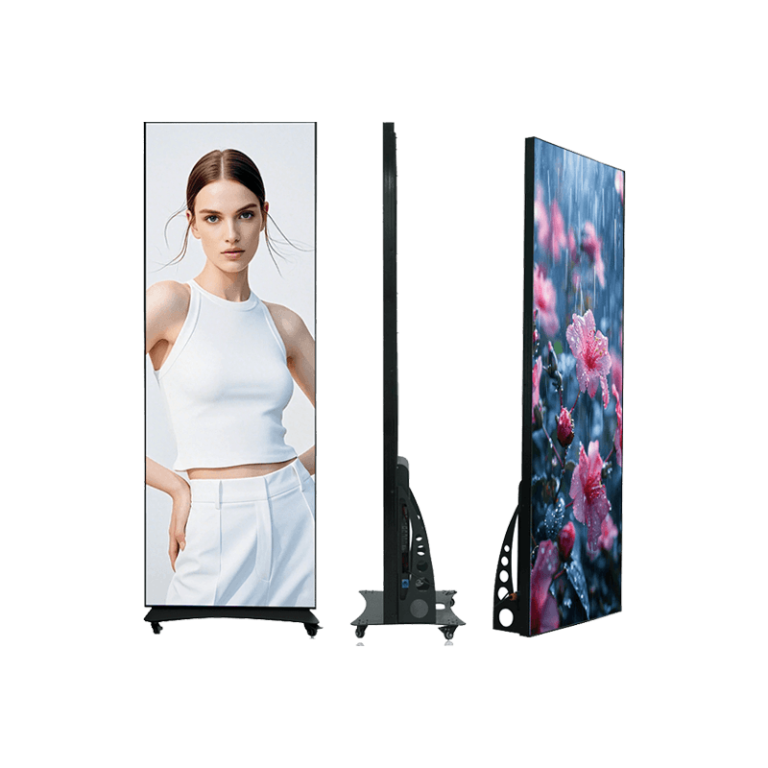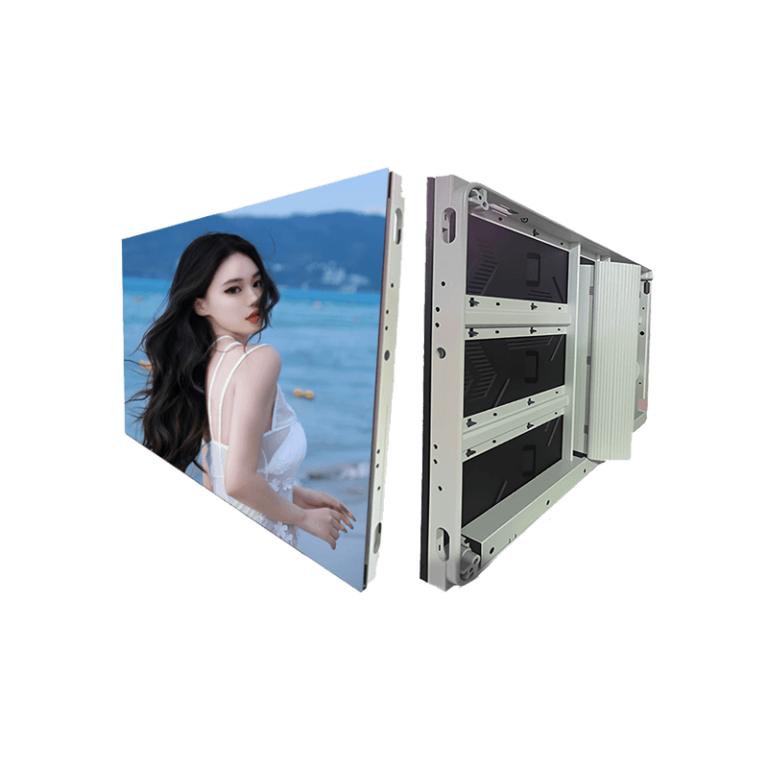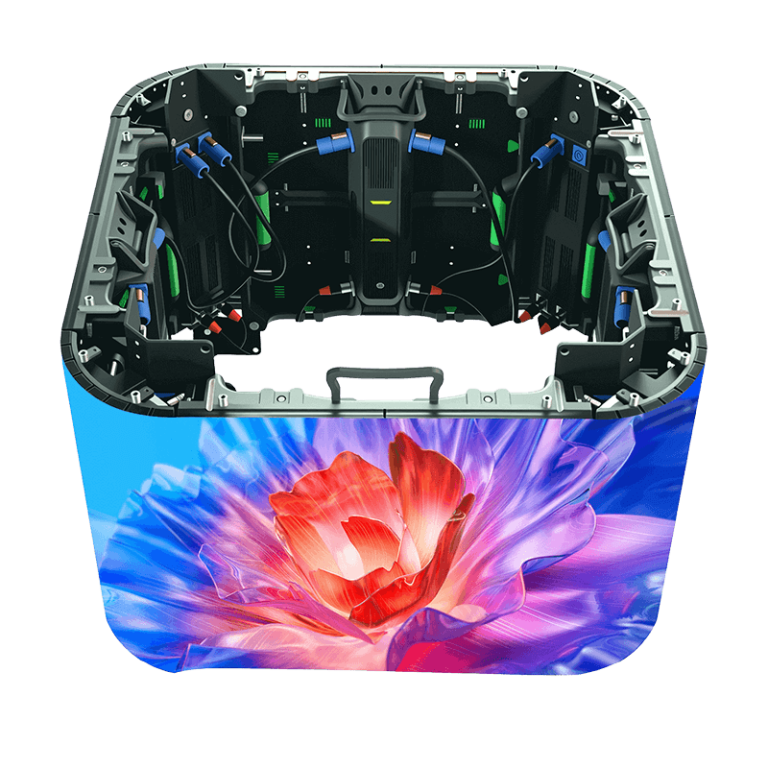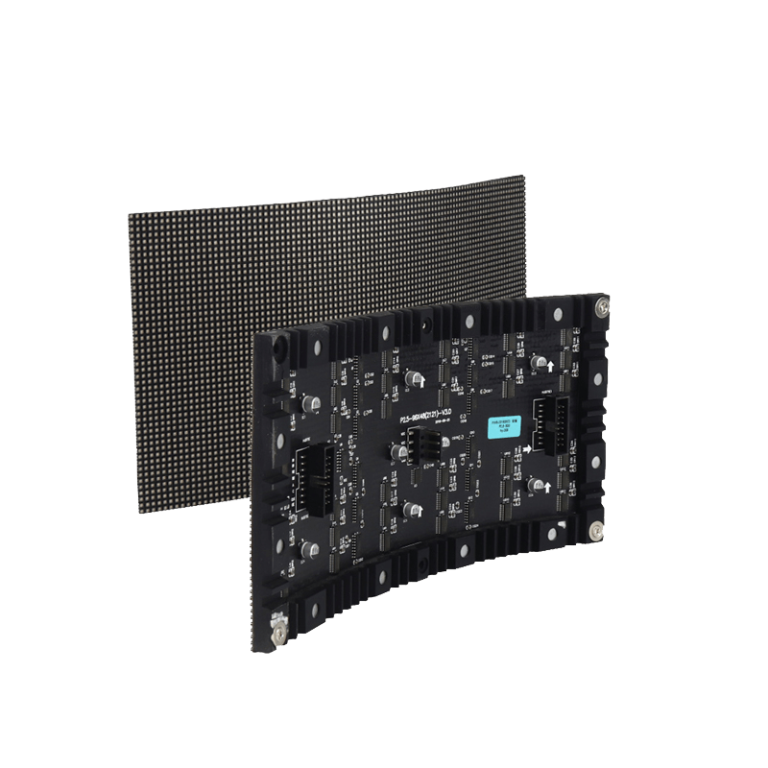
The LED display industry has evolved into a cornerstone of modern visual communication, integrating advanced electronic and optical design to deliver high-resolution, energy-efficient imagery across indoor and outdoor environments. These systems are now indispensable in advertising, entertainment, and real-time information broadcasting.
Core Principles Behind LED Display Operation
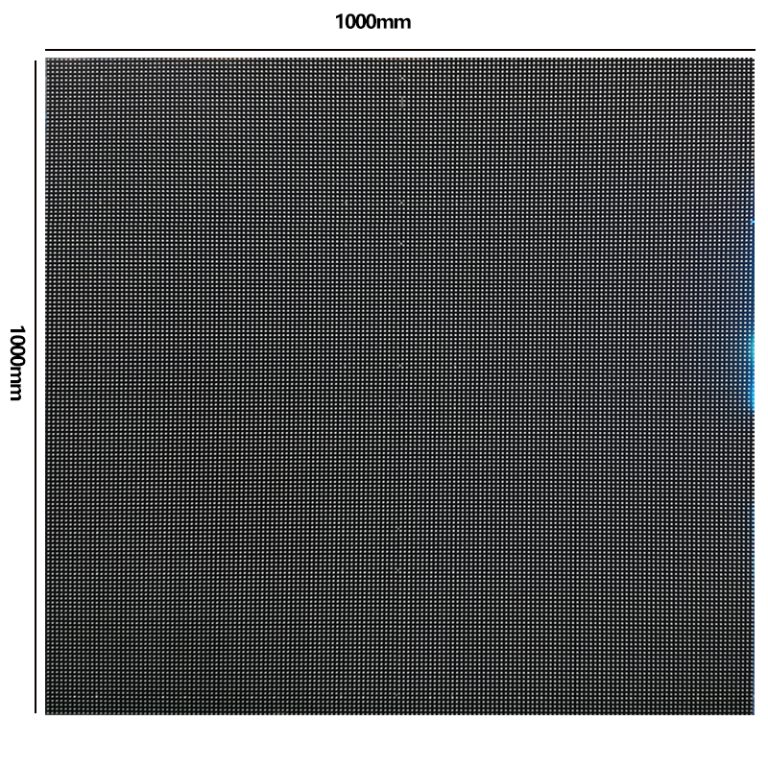
LED displays operate through arrays of light-emitting diodes that generate vivid colors and high brightness with minimal power consumption. The pixel pitch—the distance between adjacent diodes—directly determines image resolution and optimal viewing distance. Smaller pitches enhance clarity for close-range applications such as control rooms or retail spaces, while larger pitches suit expansive outdoor settings.
Two key packaging technologies dominate the market: SMD (Surface-Mount Device) and DIP (Dual In-line Package). SMD technology integrates red, green, and blue diodes within a single package for superior color uniformity and wide viewing angles, whereas DIP offers higher brightness levels ideal for outdoor visibility.
Market Segmentation of LED Displays
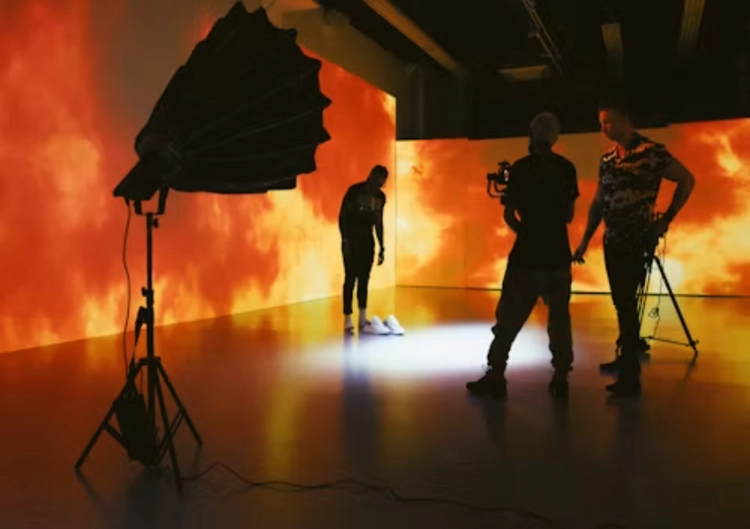
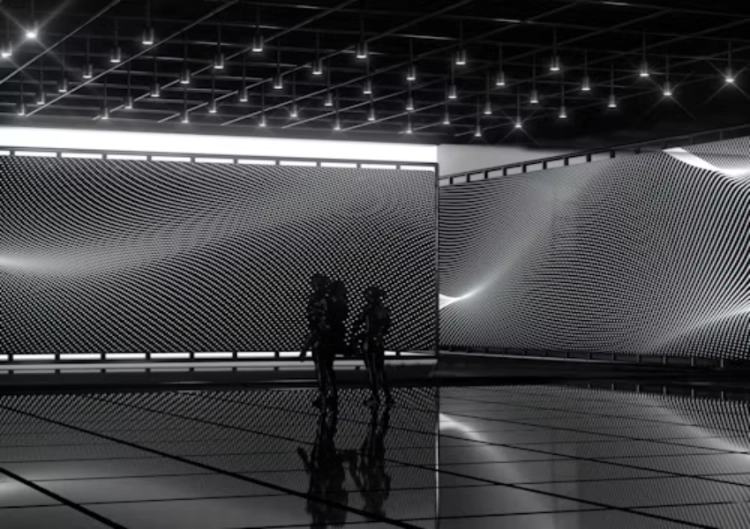
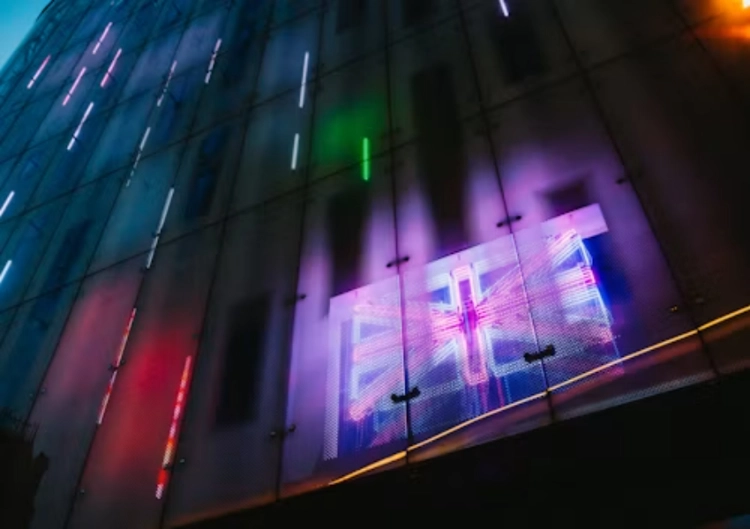
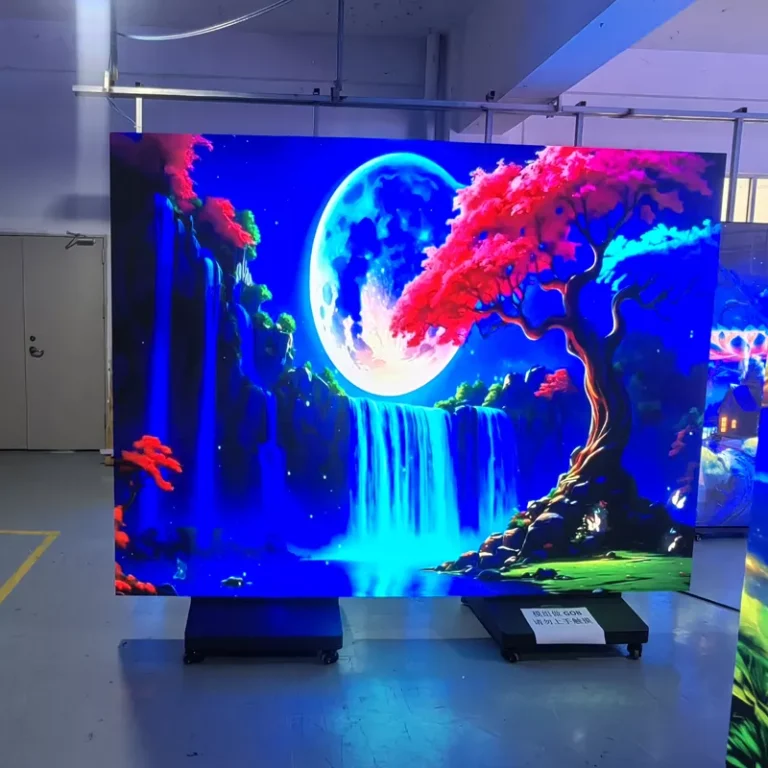
The market divides primarily into indoor LED display and outdoor LED display categories. Indoor models emphasize fine pixel pitch and seamless splicing for immersive visual experiences, while outdoor versions prioritize weather resistance, high brightness, and structural durability. Specialized variants include flexible LED displays that conform to curved surfaces, transparent screens for architectural integration, and stadium systems designed for sports arenas.
Stadium LED displays boast several outstanding advantages: brightness ranging from 5000 to 10000 nits, ensuring clear visibility even in bright outdoor light; and refresh rates of 1920Hz or higher, effectively eliminating motion blur and ghosting. Demand continues to rise across advertising networks, entertainment venues, transportation hubs, and large-scale sporting events due to their ability to deliver dynamic content efficiently.
Types of LED Displays for Professional Applications
As professional environments diversify, selecting the right LED display type becomes critical to achieving both visual performance and operational reliability.
Indoor LED Display Solutions
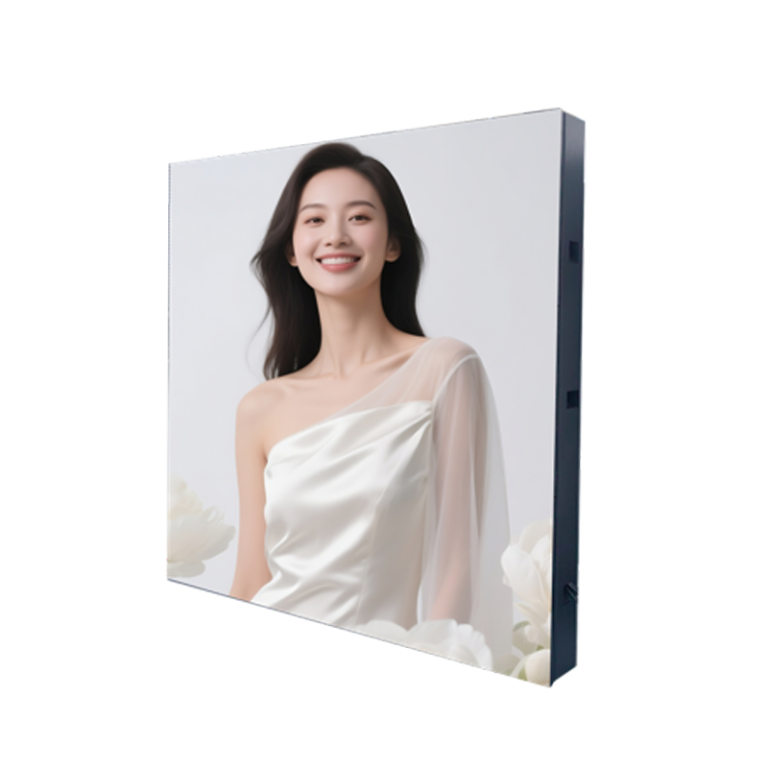
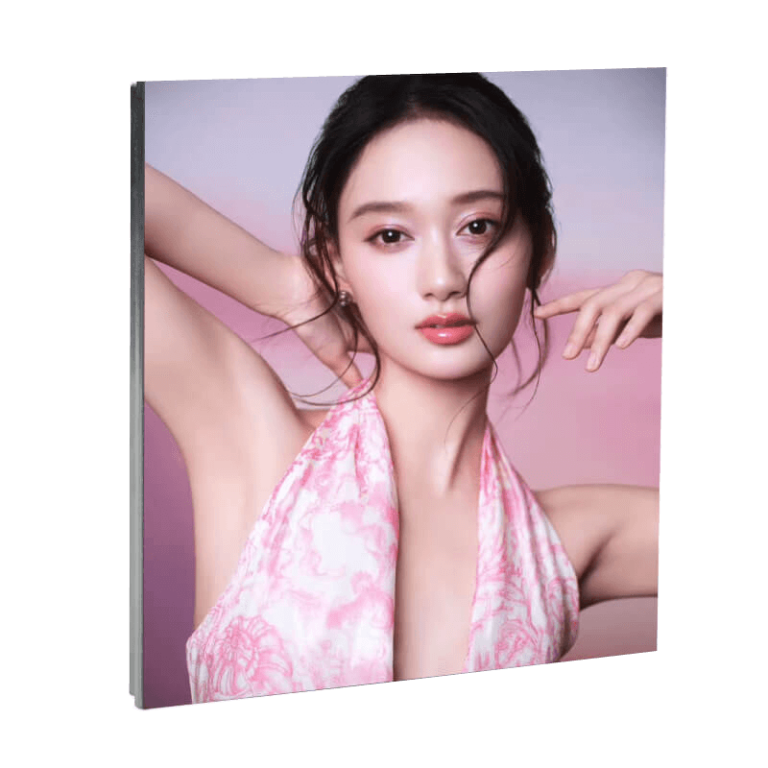
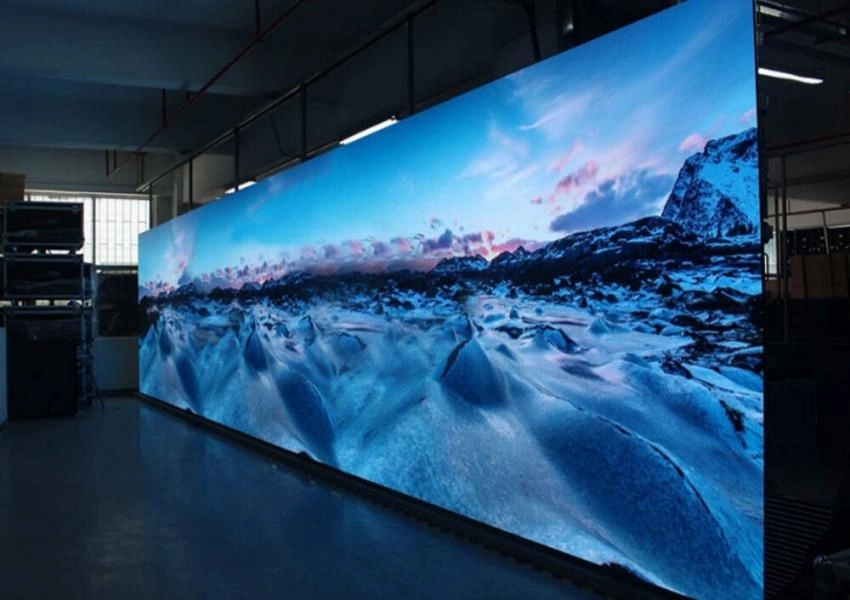
Indoor installations require precise pixel alignment and consistent color reproduction under controlled lighting conditions. Fine-pitch models such as the indoor P4.81 display enclosure provide high-definition output with seamless splicing capabilities suitable for control centers or conference halls. The LED display screen, designed with a custom die-cast aluminum cabinet, prioritizes lightness, thinness, and quick installation. Its modular design allows rapid setup without extensive structural reinforcement—ideal for corporate presentations or retail promotions requiring frequent configuration changes.
Applications extend from command centers to exhibition venues where clarity at close distances is paramount. The combination of lightweight panels and synchronous control systems enables real-time playback of video feeds through multiple input formats, including DVI or HDMI connections—delivering lifelike visuals with low latency across professional environments.
Outdoor LED Display Solutions
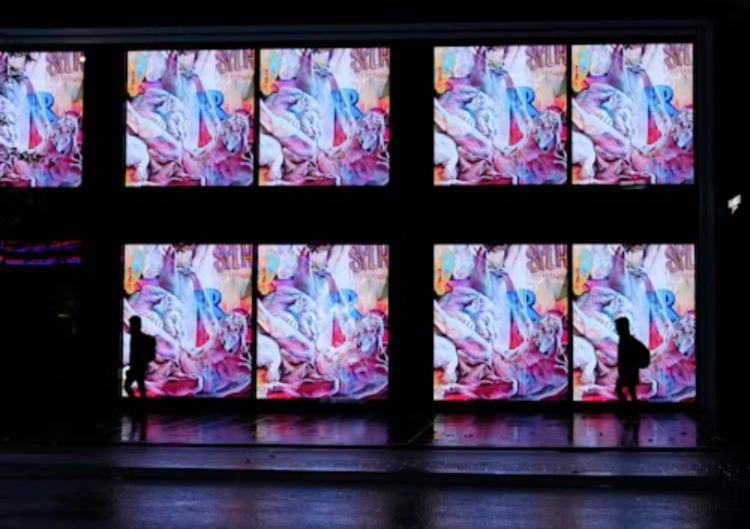
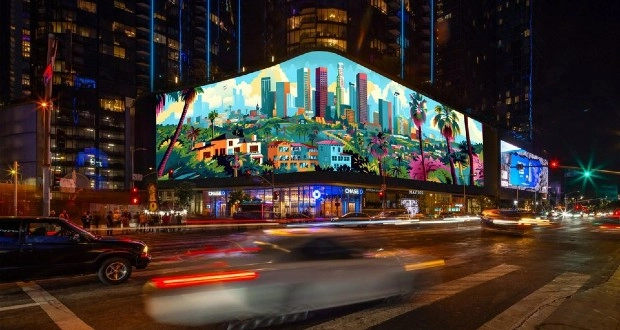
Outdoor setups face tough natural issues like bright sun, heavy rain, and changing heat. Because of this, they need strong builds mixed with great brightness over 6000 nits. The die-cast aluminum P6 shows this toughness, which uses rust-proof parts made for long-lasting use in public areas or stadium edges. Outdoor LED displays fight bad weather very well and can handle many different outside conditions. They work steadily in very hot or very cold weather, and they also allow remote content changes through smart control systems, which makes sure messages change quickly based on marketing plans.
People often place these very bright panels in bus stations or city squares. In these places, being seen from far away is needed to grab the crowd’s attention or share public news. Their block-like build makes repairs easy. You can change a single cabinet without stopping the whole system.
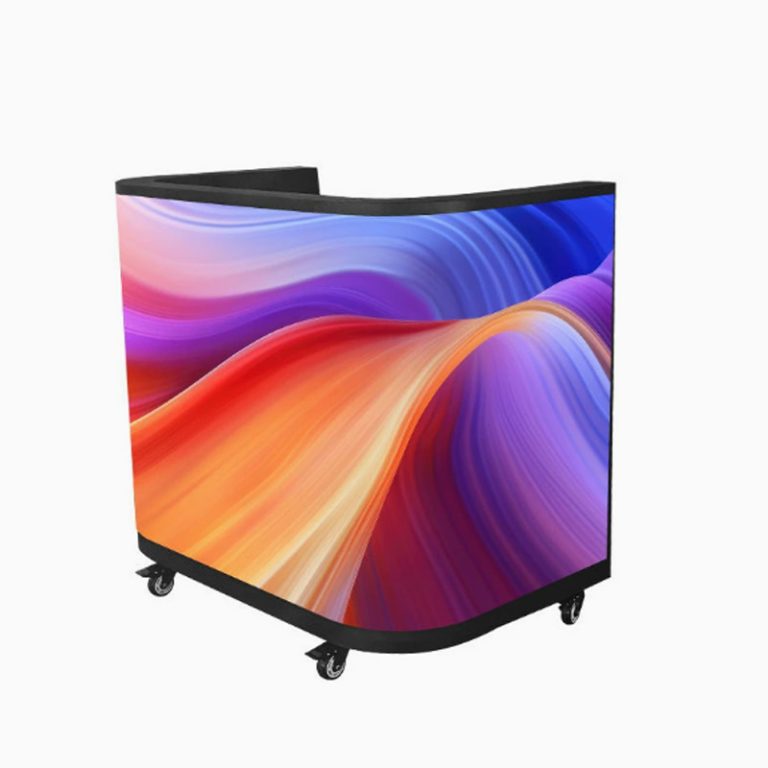
Flexible and Creative LED Display Options
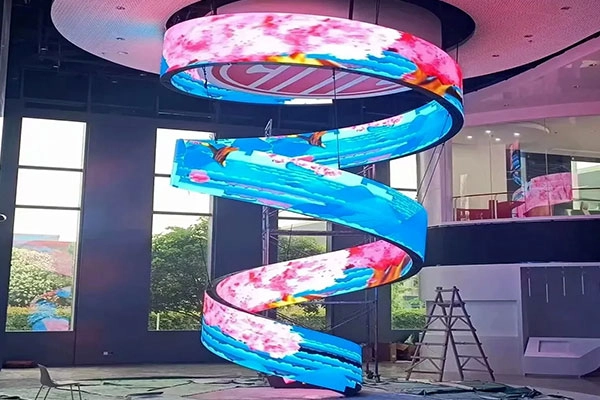
For special building designs or stage events that need unusual shapes, flexible screens change what is possible. The LED flexible screen uses very thin bases, which allow bending at many angles. It fits round pillars or tunnel curves well. At the same time, it keeps true colors across its curved shape. Flexible & bendable: You can fold or curl it at many angles. This is perfect for curved stages, round building fronts, and special setups. Its light but tough build makes moving and setting it up easy, which helps during traveling shows or deep brand events where fast setup is key. Using it is simple and easy. Every small part is made to help with putting it up and taking it down. These creative choices mix nice looks with good running costs. They cut power use by up to 20% compared to normal hard panels, which makes them a great fit for green event plans.
Selecting the Right Size for an LED Display Project
Picking the right screen size makes sure the audience watches nicely, and it also balances saving money with what is technically possible.
Factors Influencing Display Size Selection
The viewing distance is the main thing to think about when picking pixel pitch. People standing close need a finer picture. People standing far away need bigger panels that focus on brightness instead of small details. When you buy an outdoor full-color LED display screen, you must think about its size, brightness, picture quality, and refresh rate. The place also changes which panel you pick. Indoor spots have normal light levels around 800 to 1200 nits. Outdoor setups need more than 5000 nits to fight outside light. How crowded the audience is changes the screen shape plan. Wider screens fit side-to-side moving videos, like sports replays. Taller screens help up-and-down ads in busy city areas.
Common Size Configurations in Commercial Installations
Standard block cabinets let you grow the screen size to fit the space. This ranges from small store stands using small panels to huge digital signs covering building fronts. Mix. Combine. Magnify. You can use the advertising LED screens alone or put them together to make a giant picture. Large outdoor displays boost brand views along highways or outside stadiums. Meanwhile, small indoor screens improve how clear things look inside nice shops or boss meeting rooms.
Leyaled: A Reliable Manufacturer of High-End LED Displays
For 14 years, Leyaled has focused only on improving visual sharing tech. It acts as a trusted partner. It gives special indoor LED display and outdoor LED display choices all over the world. Leyaled is a high-tech business in the full LED display industry. This includes research, making things, and selling, which main office in Shenzhen, China. Our work areas cover more than 7,200 square meters. We have eight automatic SMT lines. These ensure exact making rules supported by CNAS, UL, SGS, and TÜV papers. This promises that the product is safe from the first model to mass production.
We mix research, new ideas, machine building, and light fixing. This provides top picture quality, power saving, and toughness. Our global service group helps with complete setups. This covers stadium builds, flexible building fronts, and smart traffic screens. All are made to boost client money returns. We use growing block designs built for smooth fitting into current setups.
Conclusion
Choosing between an indoor LED display and an outdoor LED display mostly depends on the weather, pixel packing needs, and how easy it is to fix. Teaming up directly with skilled manufacturers ensures exact tech details. It also gives fast global support setups. Smart spending on modern block builds boosts brand views. At the same time, it gives clear running savings needed in tough business areas. For special advice on your next task, our engineering group welcomes questions through the contact page.
FAQ
Q1: What differentiates an indoor LED display from an outdoor LED display?
A1: Indoor models focus on a fine pixel pitch made for short viewing distances. Outdoor types have waterproof covers, high light scores, and strong boxes made to handle bad weather all year.
Q2: How does Leyaled ensure consistent quality across its product lines?
A2: Every unit goes through many testing steps. This includes color fixing, heat clearing, shaking checks, and long-term running stress tests. This ensures steady running before shipping to clients worldwide. They hold ISO, CE, and CCC papers, promising global rule matching.
Q3: What factors should be considered when planning a large-scale installation?
A3: Checking the place should look at outside light hitting it, how much weight the frame can hold, power lines, and how easy it is to reach for future fixes. You also need to check safety rules. Using special engineering help makes putting it up smoother. This lowers long-term risk profiles a lot.