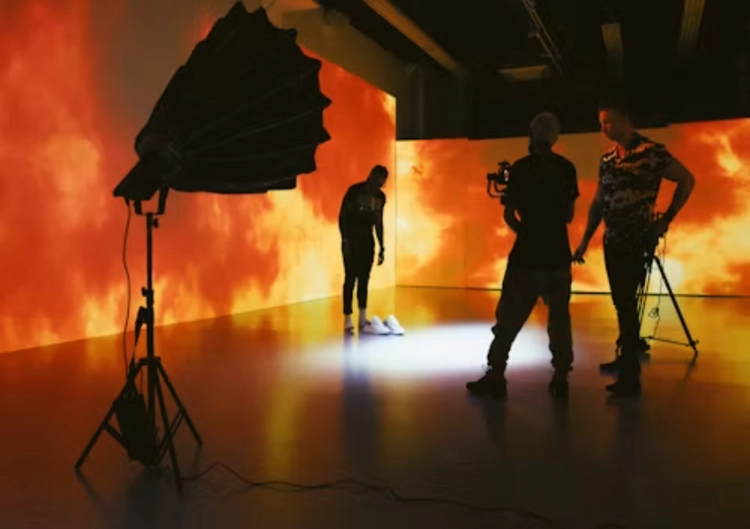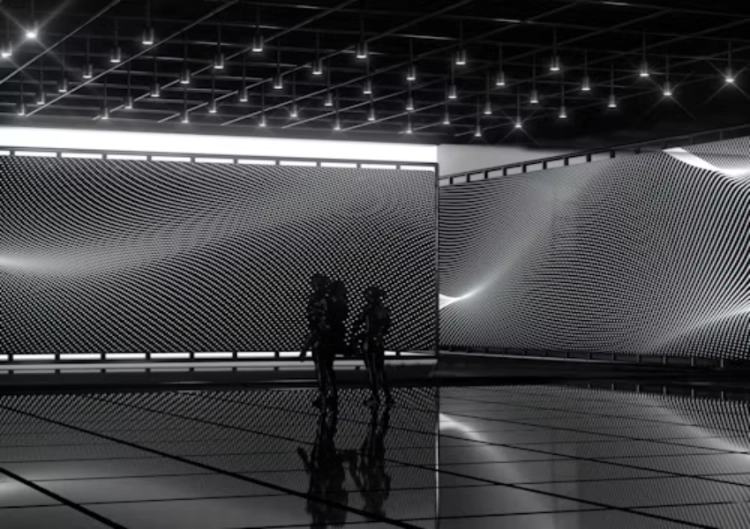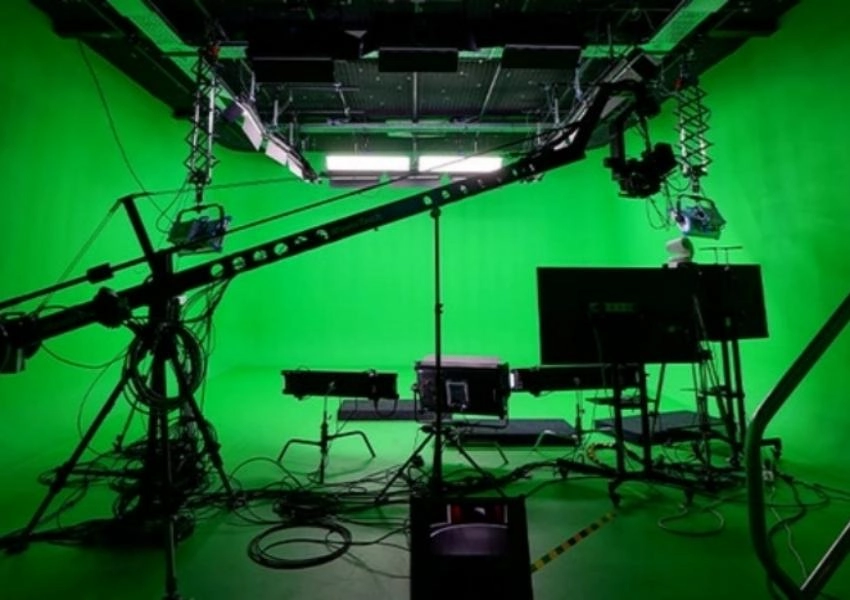
For decades, broadcasters have relied on green screen setups to simulate virtual backgrounds and visual effects. This technique, while effective, has always required extensive post-production and precise lighting calibration. However, with the rise of smart display systems powered by advanced LED display screen technology, a new era of real-time visual integration has begun. These modern systems combine physical and digital environments seamlessly, allowing for instant scene changes and natural reflections that were previously impossible with chroma keying.
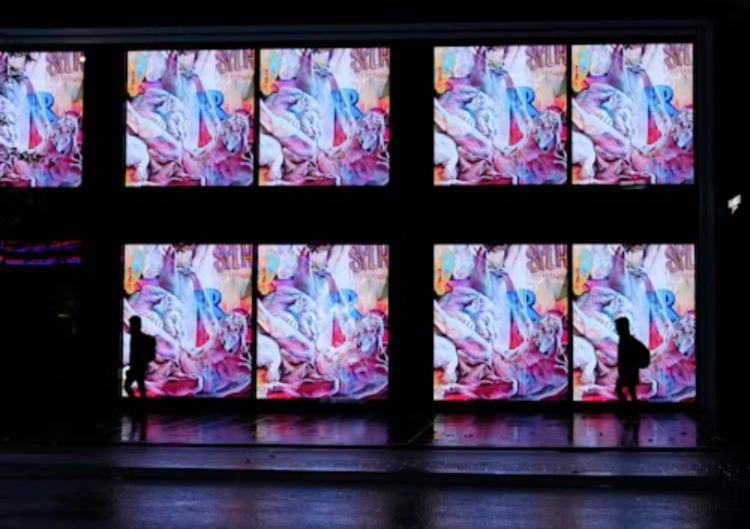
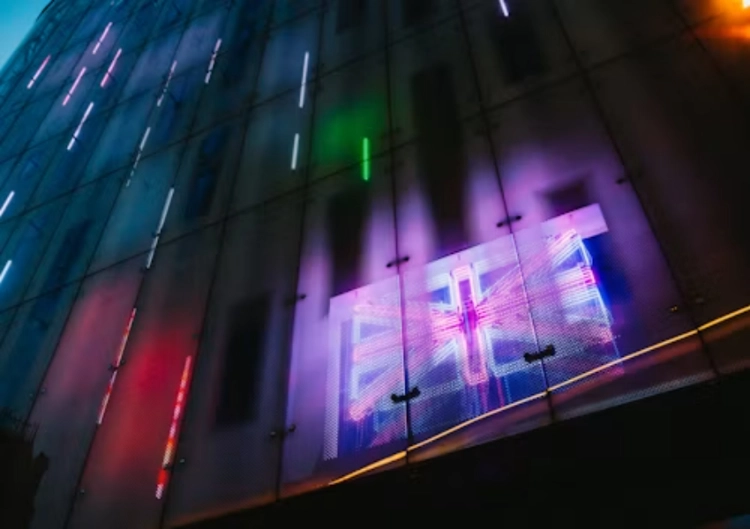
LED displays can display changing numbers, text, and graphic images; they can be used not only indoors but also outdoors and have advantages that projectors, video walls, and LCD displays cannot match. This flexibility allows broadcasters to transition effortlessly between dynamic backdrops without losing visual fidelity. Smart display technologies also provide a more immersive experience for live audiences by eliminating the artificial feel often associated with green screens.
Key Drivers Behind the Transition to Smart Display Solutions
The primary motivation behind this shift lies in the demand for higher realism and efficiency. Viewers now expect lifelike visuals that respond naturally to lighting conditions. LED displays are developing towards higher brightness, higher weather resistance, higher luminous density, higher luminous uniformity, reliability, and full color. These advancements have made LED-based smart displays capable of replicating environmental lighting in real time. Moreover, integration with camera tracking systems enables synchronized movement between digital content and live subjects. This eliminates parallax errors common in traditional setups and enhances immersion during live broadcasts or sports coverage.
Technical Comparison: Smart Display vs Green Screen
Image Quality and Realism
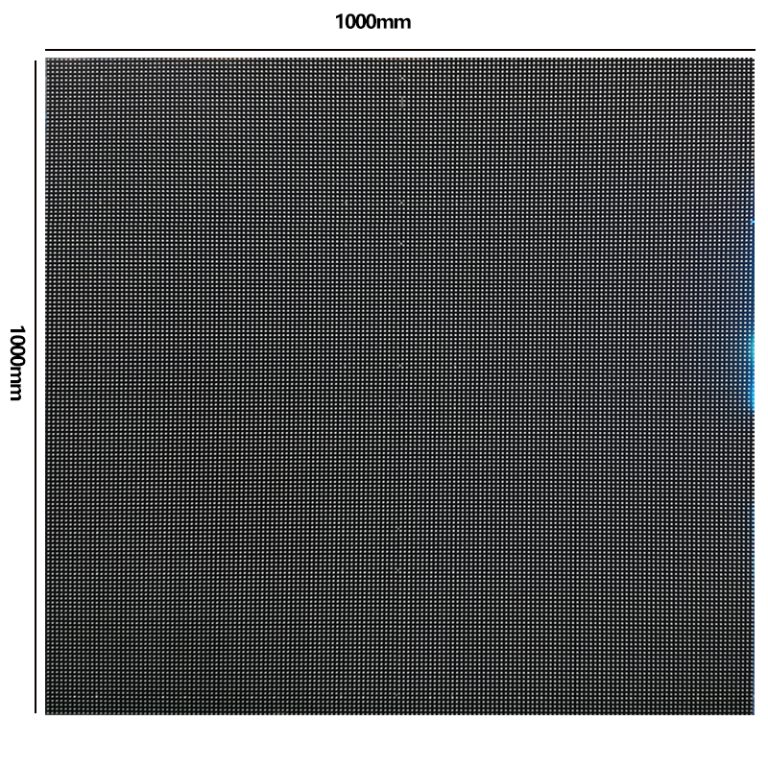
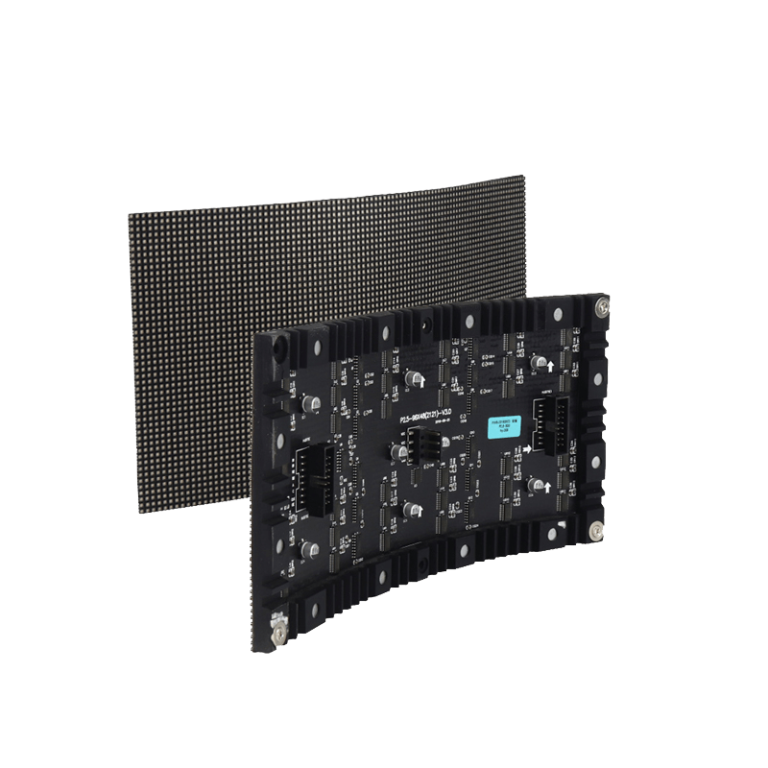
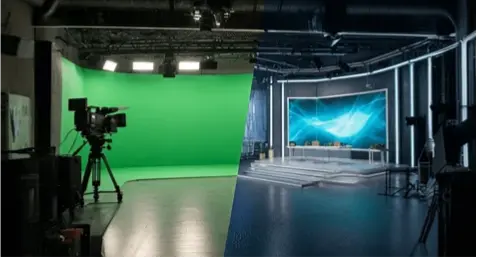
When comparing smart display vs. green screen technologies, image quality stands as the most defining factor. Smart displays deliver true-to-life visuals through precise color reproduction and consistent brightness across large surfaces. Studio LED full-color displays utilize high-quality small-pitch LED screens characterized by seamless splicing, high color gamut, high refresh rate, and low energy consumption. Such characteristics ensure that even close-up shots maintain clarity without visible seams or flicker.
In contrast, green screens depend heavily on post-processing techniques such as chroma keying. This often introduces chroma spill or mismatched lighting between subjects and backgrounds. LED panels eliminate these issues by producing natural light reflections directly onto presenters or objects within the studio space.
Workflow Efficiency and Production Flexibility
Smart display systems significantly streamline production workflows. Real-time scene switching allows producers to adapt instantly during live events without lengthy editing sessions afterward. The LED display screen, designed with a custom die-cast aluminum cabinet, prioritizes lightness, thinness, and quick installation. Its modular design simplifies setup and dismantling processes—ideal for studios that frequently change sets or broadcast formats.
By contrast, green screen workflows require detailed keying work for each frame sequence. This increases labor costs and prolongs production cycles. Smart display setups not only reduce editing time but also minimize technical errors that might occur during compositing.
Cost Efficiency Over Long-Term Use
While initial costs for installing large-scale smart displays may be higher than setting up a chroma studio, operational savings quickly offset these expenses. Maintenance is minimal thanks to long-service-life LEDs—the P1.86 three-fold LED screen has a service life of ≥ 100,000 hours—and reduced reliance on postproduction specialists lowers ongoing labor costs. Additionally, modular components allow partial replacements rather than complete system overhauls.
Application Scenarios in Modern Broadcasting Studios
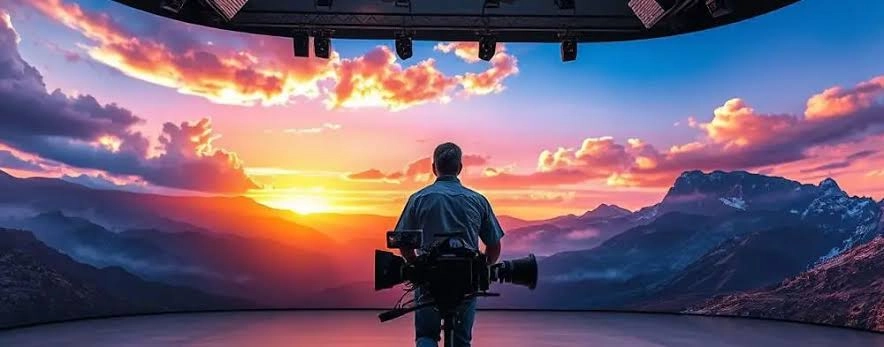
Virtual Sets and Real-Time Environments
Smart displays redefine how virtual sets are created by merging physical props with digital extensions displayed on high-resolution LED walls. These setups create realistic depth perception through accurate light interplay between foreground subjects and background visuals. High contrast and wide color gamut ensure that the image remains clear and vibrant under different lighting conditions. This capability makes them ideal for talk shows or entertainment programs requiring multiple theme transitions within one session.
Sports and Live Event Broadcasting
Sports broadcasting benefits immensely from LED-based smart display systems that allow instant background transitions during live matches or halftime reports. Stadium LED displays boast several outstanding advantages: brightness ranging from 5000 to 10000 nits, ensuring clear visibility even in bright outdoor light; refresh rates of 1920Hz or higher, effectively eliminating motion blur; and excellent protective performance, achieving IP65 protection ratings. These features make them reliable even under challenging environmental conditions while maintaining sharp imagery for viewers both onsite and online. Broadcasters can also integrate live statistics or augmented reality overlays directly onto the screen surface—creating interactive storytelling experiences unmatched by traditional broadcast methods.
Newsrooms and Corporate Studios
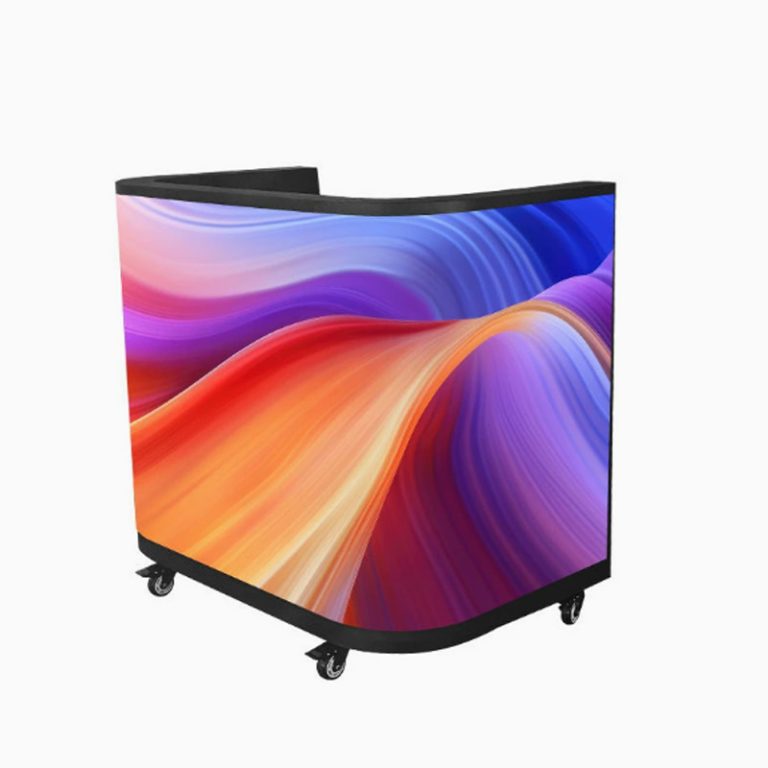
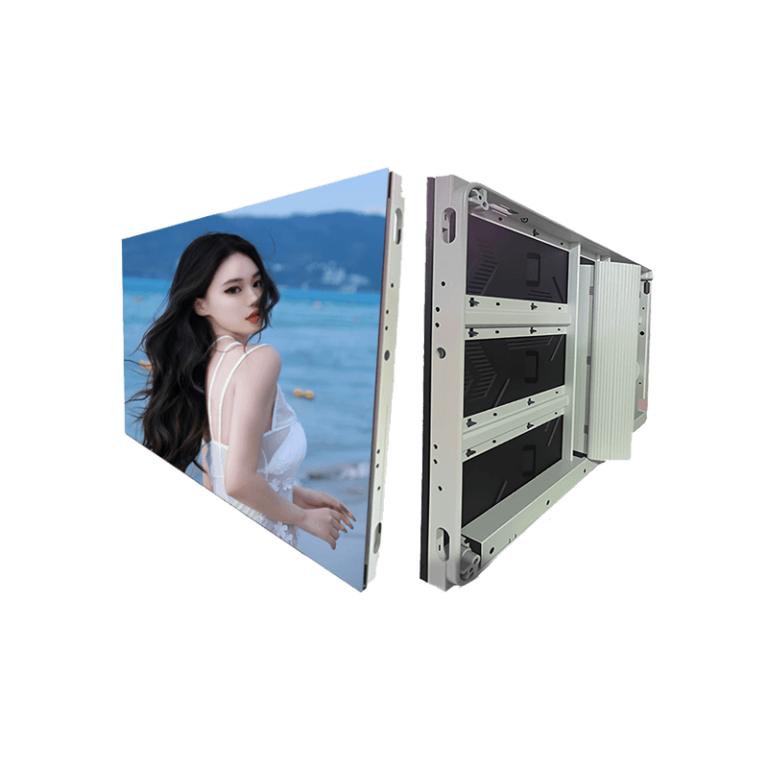
In corporate studios and newsrooms where consistency with a company’s brand is key, the smart display can be used as a dynamic background to display logos or animations that are in line with a company’s identity. The front desk screen delivers stunning ultra HD images with rich and vibrant colors and high dynamic contrast, providing a dramatic and engaging atmosphere to display news updates or communications from senior management while maintaining a corporate look. Green screens still have relevance in smaller studios where space constraints exist; however, they lack interactivity compared to LED installations capable of adapting content dynamically through software control interfaces.
Leyaled’s Advanced LED Display Solutions for Broadcasters
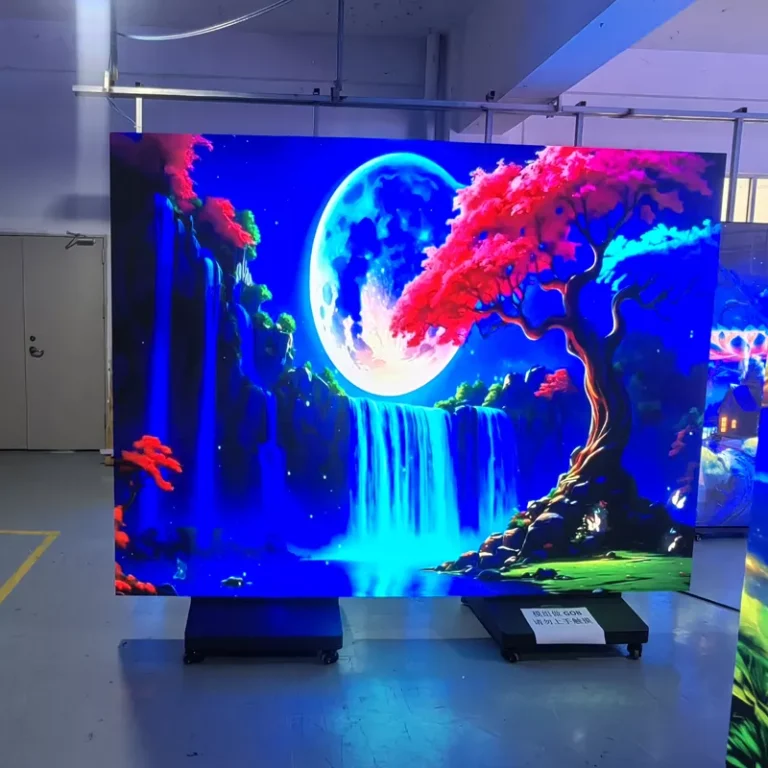
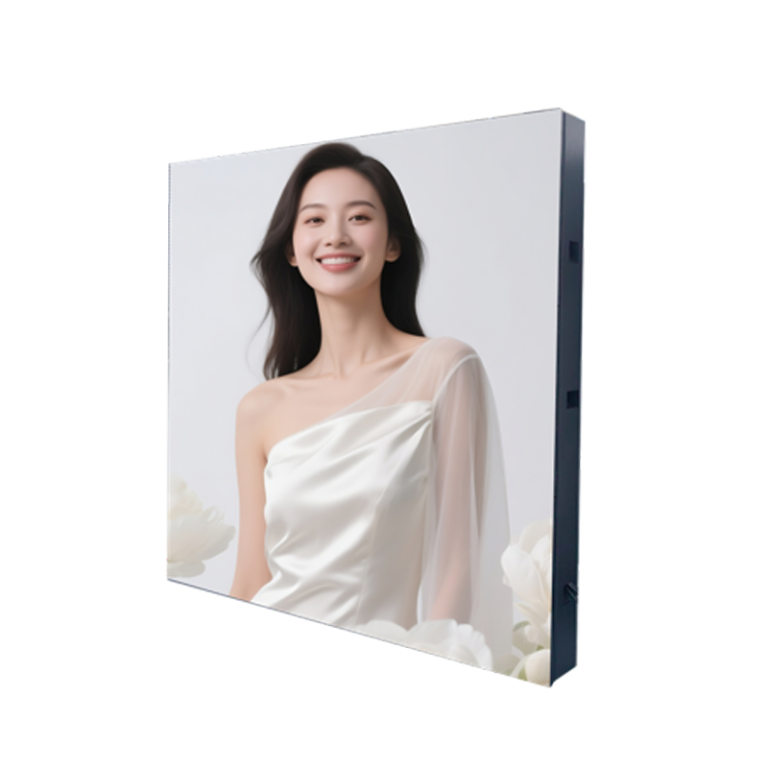
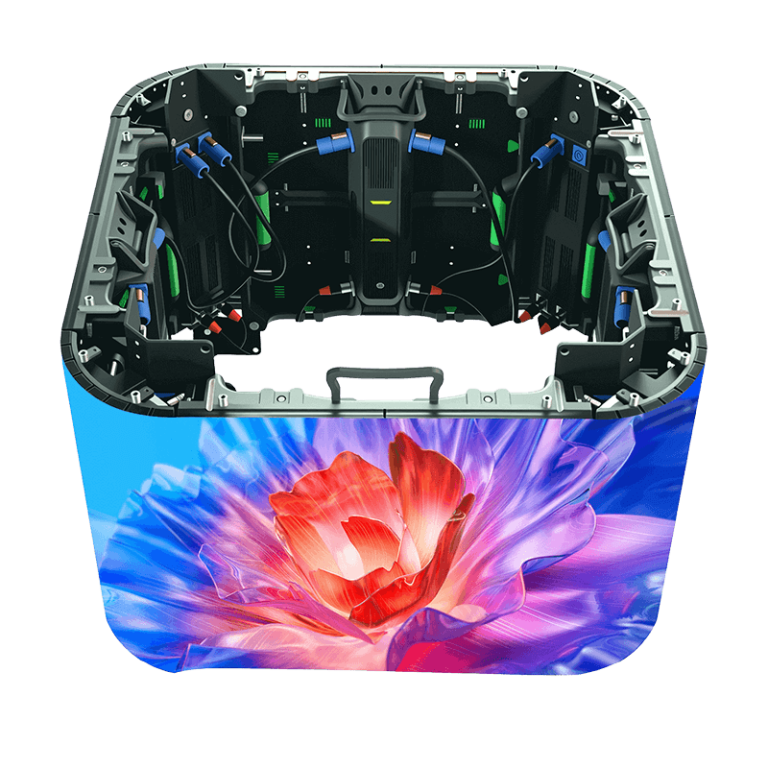
The P1.86 three-fold LED screen delivers ultra-high-definition images for the compact studio or for mobile broadcasting. Its stable and strong aluminum construction allows for easy transport and quick setup. With its innovative seamless splicing system, several panels can be connected without any gap to create the ideal live-streaming background, press conference, or other high-end application.
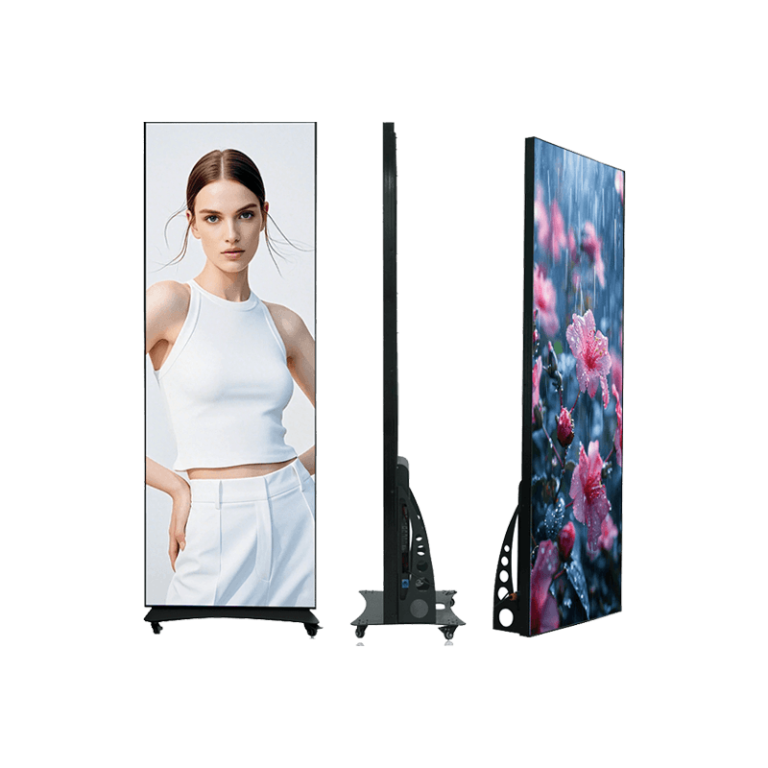
The front desk screen is designed for indoor environments such as reception areas or newsroom sets. This model features curved construction options enhancing spatial perception in camera shots. With its 3840Hz refresh rate ensuring flicker-free motion capture under studio lighting conditions, it maintains consistent color accuracy crucial during continuous broadcast operations.
Intended for use in very bright ambient light environments such as sports stadia and events, stadium screen are suited for integration with broadcast control systems, allowing for perfect synchronization of playout across multiple feeds. The series is also rated IP65 weatherproof, making it the perfect choice for outside use such as international football tournaments and outdoor concerts.
Why Leyaled is a Reliable Partner for Broadcast Display Solutions
We specialize in precision-engineered LED display screens designed explicitly for professional broadcasting applications where performance stability is paramount. Leyaled, headquartered in Shenzhen with over 15 years of history and equipped with 8 state-of-the-art SMT automated production lines, ensures every product meets stringent quality standards certified under ISO9001:2008 CE protocols. Our modular manufacturing approach allows us to tailor configurations according to each client’s spatial constraints or creative requirements while promoting energy efficiency through advanced power management systems.
Global Service Network and Technical Support Excellence
Our global service infrastructure is well positioned to provide the highest level of support to our customers worldwide, from system integration consultation to on-site calibration support to ensure optimal operation during the deployment phase and subsequent maintenance updates to keep abreast of developments in the broadcast industry. This service is available 24/7 via dedicated engineers located in strategic areas around the globe to offer local service and support to current and future customers in all markets served by the company.
Conclusion
When evaluating smart display vs. green screen solutions for future investments in broadcasting infrastructure, decision-makers must weigh realism against cost-effectiveness over time. For those prioritizing authentic lighting interaction combined with flexible content management capabilities, smart displays utilizing cutting-edge LED technology represent a sustainable evolution beyond traditional chroma workflows. Green screens retain niche utility but cannot replicate the immersive realism achievable through integrated digital-physical environments offered by modern smart displays supported by our engineering expertise at Leyaled.
Partnering with us allows broadcasters worldwide to access durable high-performance products backed by responsive technical service teams ready to assist at every stage—from planning through execution—ensuring your studio remains visually ahead of industry standards.
FAQ
Q1: What are the main advantages of using a smart display over a green screen?
A1: A smart display provides real-time visualization without complex post-production work while offering natural lighting effects derived from advanced LED panel technologies, delivering seamless splicing and high refresh rates suitable for live broadcasts.
Q2: How does an LED display screen improve broadcast quality?
A2: An LED display enhances uniform brightness, reduces chroma interference common in keyed footage, and ensures accurate color rendering across scenes, resulting in superior realism essential for professional-grade productions.
Q3: Why choose Leyaled as a supplier of smart display solutions?
A3: We deliver certified high-quality products engineered specifically for broadcasting, combined with global support services guaranteeing consistent performance reliability, making us an ideal partner for long-term technological advancement initiatives within modern media environments.