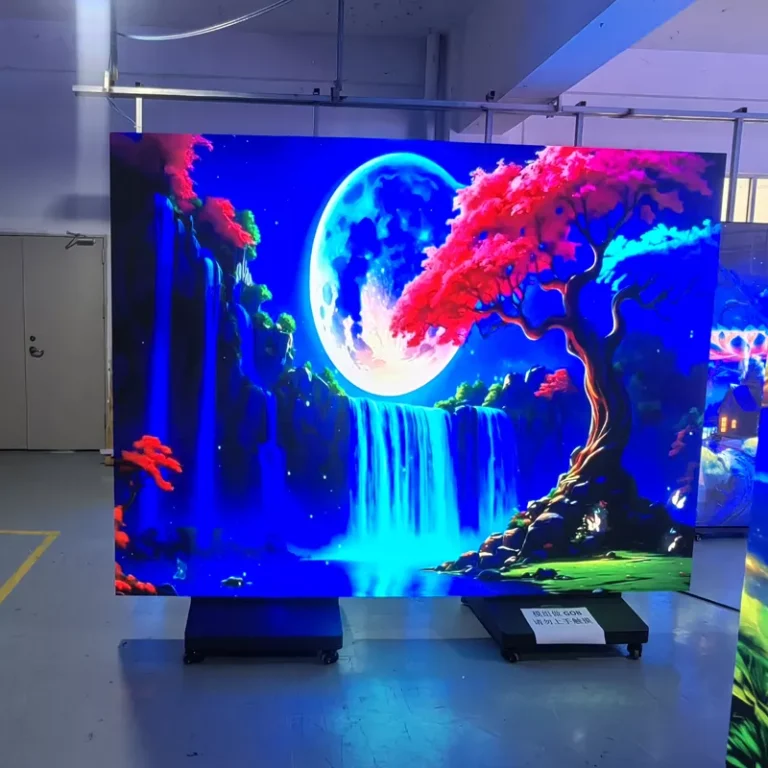
Display technology has advanced greatly, leading to the emergence of 3D LED screens. These devices combine basic optics with digital methods to offer engaging visual setups. They depend on accurate pixel placement, smart rendering methods, and how humans sense depth to mimic real space effects.
Core Structure and Composition of 3D LED Displays
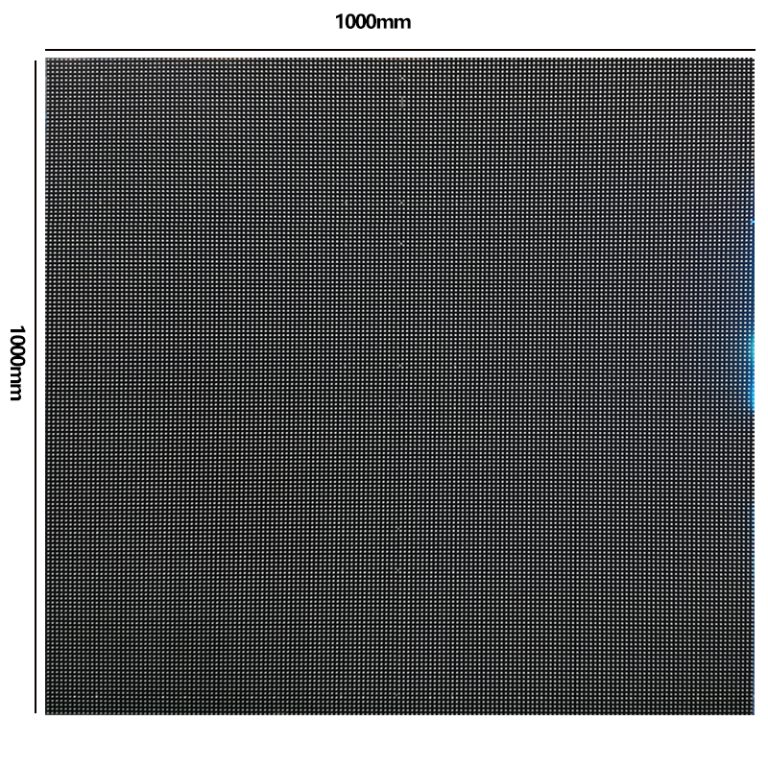
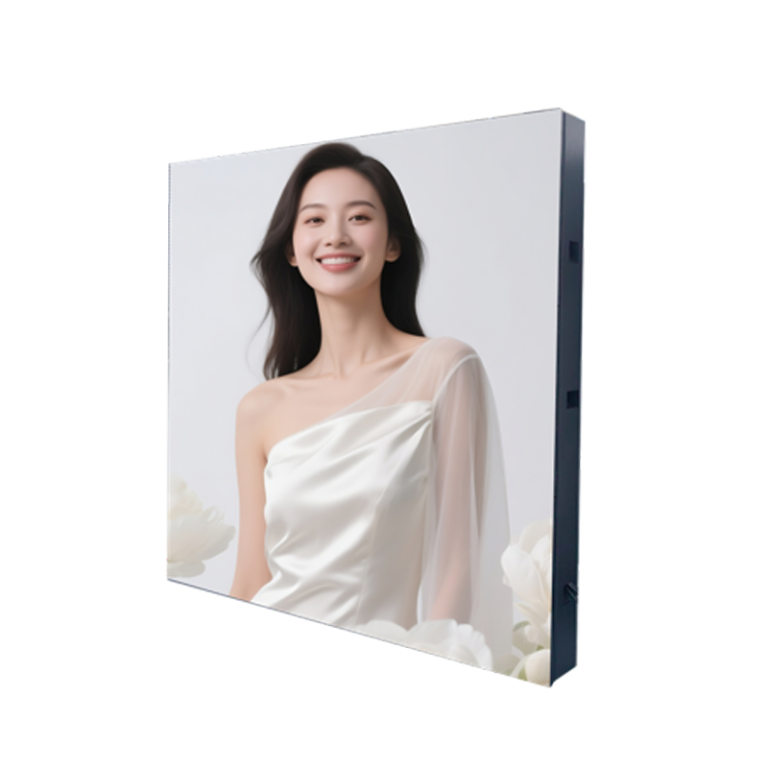
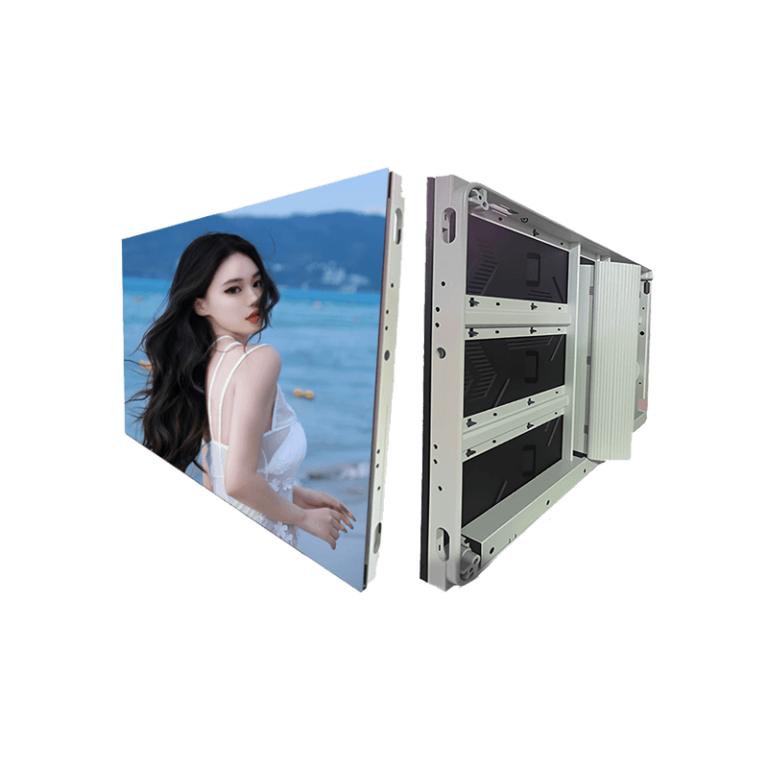
Every 3D LED screen has a basic setup made of modules with fine-tuned RGB diodes. Each part includes many red, green, and blue lights that mix to create a wide range of colors. How they are placed sets the sharpness and influences depth accuracy. Our profile aluminum cabinets weigh 15% less than usual ones. Moreover, they provide excellent cooling and fully meet IP65 waterproof needs. The light aluminum frame handles heat well. At the same time, it keeps the structure steady, which is vital for big setups.
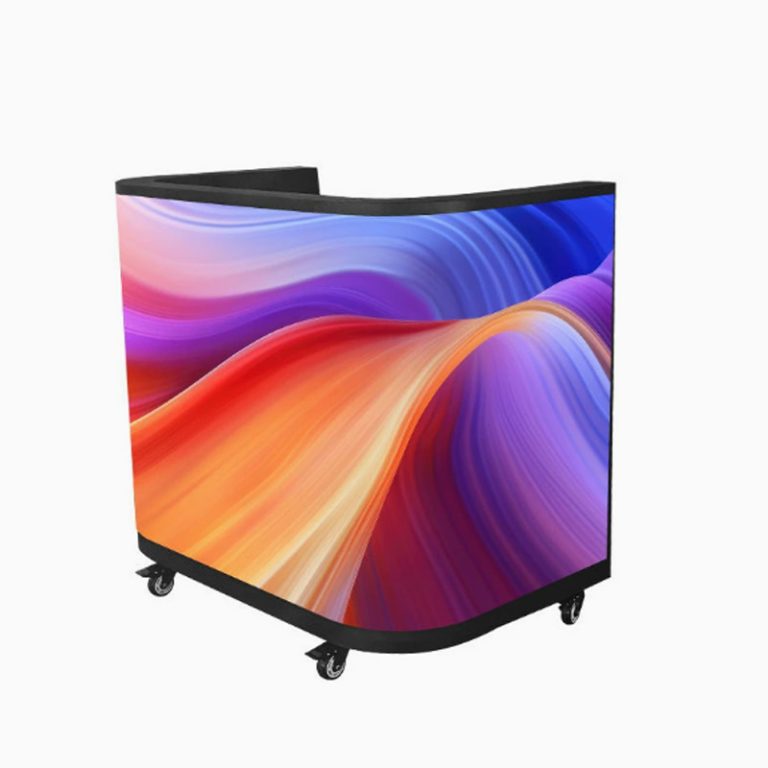
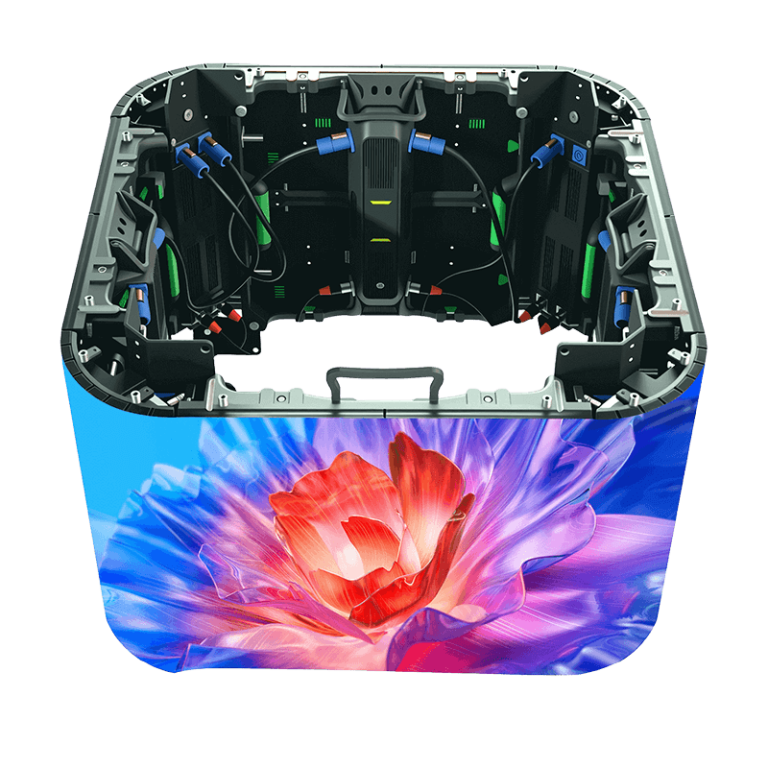
Unlike typical 2D screens that show flat pictures, 3D systems apply space mapping and matched dual-view methods to make volume-like tricks. When tech meets imagination, the LED cube screen appears. Its special 3D build, adaptable shape, and striking visuals set it apart from many display options. As a result, it has turned into a fresh choice for business uses, shows, and open areas. This module-based joining lets it fit smoothly into shapes like cubes or bends, allowing views from various sides without any warping.
Principles Behind 3D Visual Perception
Humans sense depth through binocular difference, where each eye sees a slightly varied picture, and the mind joins them into one 3D view. LED screens copy this with stereo images by sending unique left-eye and right-eye pictures that meet at set points. Tricks like parallax barriers or lenticular sheets boost the sense of depth by guiding light from pixels. Adding these light layers changes flat digital info into realistic volume scenes that people can see without extra glasses.
Mechanisms That Create the 3D Effect on LED Screens
To get true-to-life results, various tech methods work together with how the mind sees things, blending hardware accuracy and viewer psychology.
Stereoscopic Display Techniques in LED Systems
Stereo projection uses two image sources, each set for one eye, to build depth hints via angle differences. Matching the timing of image flows, how far the viewer stands, and the angle of meeting keeps the view steady without flashes or overlaps. Special light filters or polarization covers hold color splits between paths while keeping even brightness over broad angles. This matching matters a lot in changing content, where moving parallax might break the engagement if not handled right.
Glasses-Free (Autostereoscopic) 3D LED Technologies
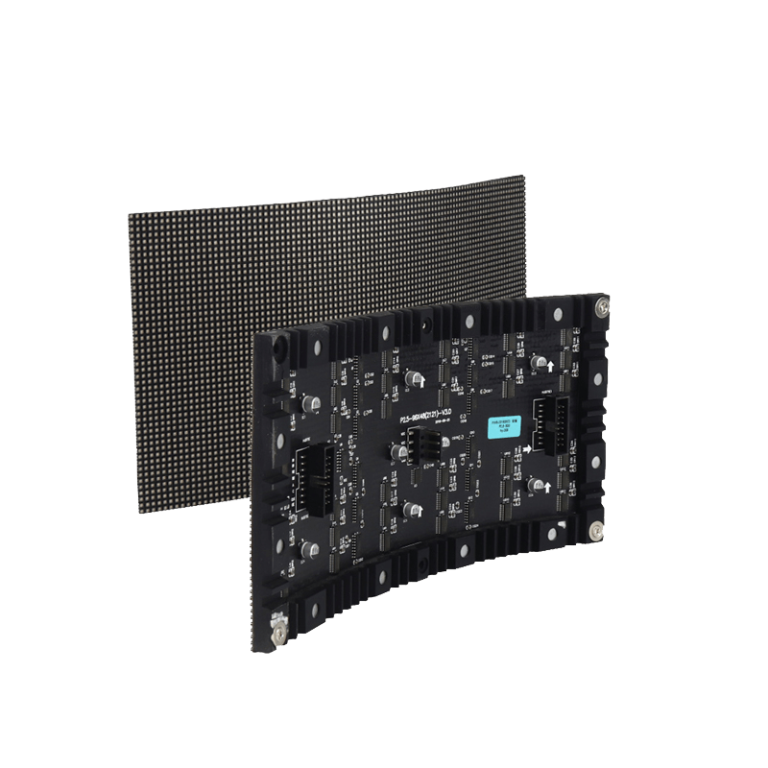
Designs without glasses are built in lenticular sheets or parallax barriers right on top of pixel groups. Bendable screens truly change the game in display tech. They break free from the stiff rules of old screens, using soft bases and thin-film parts for great flexibility and shaping ability. Their bends create better watch areas where each eye gets its own image feed. Yet, keeping steady depth over wide angles stays tough because of how sensitive they are to angle shifts. Dense pixels paired with exact sub-pixel tuning reduce these issues. Thus, it holds clear images even up close.
Image Processing and Rendering in 3D LED Displays
Every picture shown on a 3D LED screen comes from detailed signal handling that turns digital shapes into clear space views.
Signal Processing Architecture for Depth Representation
Input stereo material splits into matched left-right picture sets via live processing units. These units handle movement paths, fix view adjustments based on where the viewer is, and create parallax changes on the fly. Fast hardware with GPU help allows refresh speeds over 3840 Hz for even shifts, as seen in our Profile Aluminum LED Display that offers a 3840 Hz refresh rate, 10000:1 contrast ratio, 16-bit grayscale, and a 160° wide viewing angle. These features make sure of no-flicker work, key to easy watching over time.
Integration with Content Creation Pipelines
From design tools to real-time play systems, proper setup matches virtual camera settings with the actual screen shape. Methods like frame mixing align shade changes with light setups to keep things real in different light conditions. Ultra-high-definition sharpness, with 4K and 8K now common, gives very fine details, showing textures of items or smooth moves in almost natural ways. This clearness lets manufacturers create movie-like sights fit for fun spots and work models alike.
Applications Across Industries Using 3D LED Technology
Today’s 3D LED setups work in many ways beyond just ads. They change how visuals work in several fields.
Entertainment and Advertising Environments
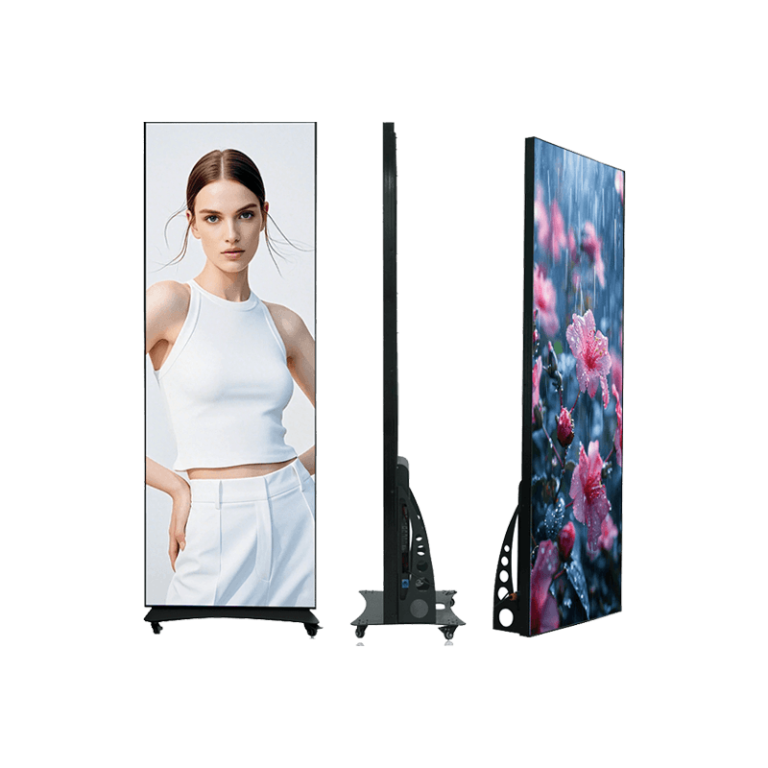
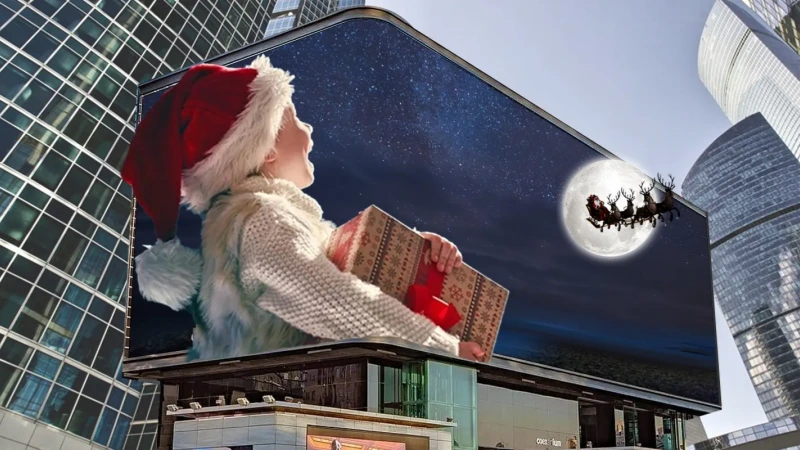
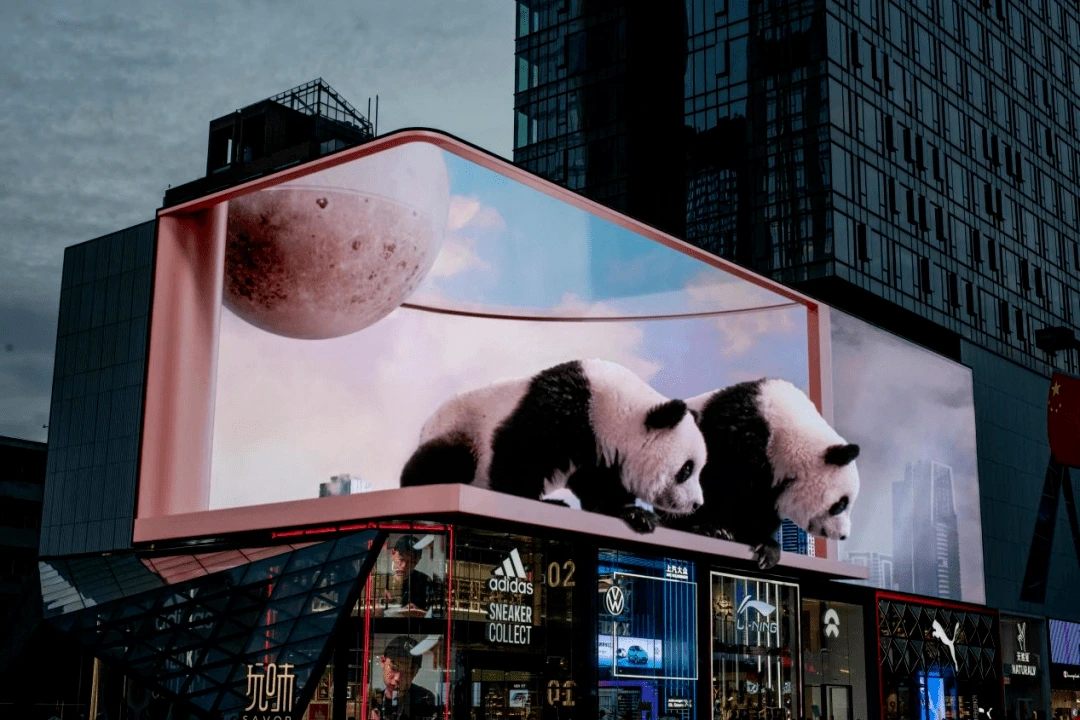
Engaging signs now fill city views with super-real moving pictures that seem to reach into real space. L-shaped naked-eye 3D screens used outside can give a deeper space feel and make a big mark on viewers. Shows, displays, and digital art spots use this to draw in crowds with stories that match music or live moves.
Simulation, Education, and Industrial Visualization
In work areas like building design or health care, space views improve understanding of hard data sets. A see-through LED screen with 90% light pass sits on artifact cases outside. It adds digital facts about items right on the clear LED screen. This mix shows how clear screens link real shows with digital ads, perfect for museums or training tools that need layers without blocking sight.
Performance Considerations and Technical Limitations
Though capable, some factors shape picture clarity and ease for users over long use.
Factors Affecting Image Quality and Viewing Comfort
A fast refresh rate cuts down on flash-related tiredness, and even light spread stops hot spots at joins. Pixel spacing sets how sharp things look; smaller ones make depth changes smoother nearby. Overlap or shadows might happen if stereo paths lose sync, so exact time controls in drive parts are a must.
Energy Efficiency, Heat Management, and Durability Issues
Heat control is key since diode heat spots change color steadiness and life span. As a top heat mover, aluminum profiles shift warmth from LED parts well during work. Our Aluminum Profiles P6.67 use this plus rust resistance for outside strength in tough spots like wet coasts or straight sun, giving long-term trust with little upkeep.
Future Directions in 3D LED Screen Development
New display steps mix tiny builds with smart auto systems to go further.
Advances in MicroLED and Quantum Dot Technologies
MicroLED groups offer better light use, and quantum dots add a wider color range past old limits. Making things smaller boosts pixel count for better parallax handling, which is needed for true depth in small screens like car dashboards or wearables.
Integration with AI-Based Visual Enhancement Systems
AI brings changing tweaks where learning models check viewer spots with sensors to fix depth maps live. Forward-thinking methods cut delays between moves and show replies for even shifts in hands-on times, a big step to fully mixed-real spots run by auto-setup tasks.
In this growing field, we at Leyaled keep pushing full-display answers that blend exact builds with open creativity. As a tech firm based in Shenzhen focused on research, making, and selling full-color LED displays from indoor/outdoor parts to bendable ones, FWS Technology Co., Ltd. has a 15-year history. It has eight top SMT auto lines and provides indoor/outdoor full-color LED displays, certified with ISO 9001:2008 and CE standards. Our goal remains straightforward: to light up areas around the world with new visual systems based on trust and skill.
One of our top items is the LED Flexible Screen, with multi-angle folding/curling ideal for curved stages, along with a refresh rate up to 3,840 Hz. This ensures smooth shows fit for deep building fronts or stage backs where naked-eye 3D tricks draw viewers in easily.
Conclusion
Moving from flat-show areas to volume-active spaces marks a key point in digital talk design. Through careful builds, from RGB diode setups to AI-run rendering paths, current 3D LED screens change how people see visual stories in fields from cultural keepsakes to live fun spots.
For custom advice on adding advanced display tech to your work plans or checking special shape setups like clear fronts or bent installs for smart show halls, we welcome pros aiming for top quality to reach us via our site’s inquiry spot at Contact Us.
FAQ
Q1: What differentiates a 3D LED screen from conventional 2D panels?
A1: A 3D LED screen sends separate image flows per eye using stereo projection or autostereoscopic optics that copy human binocular disparity; conventional panels show the same frames without depth hints.
Q2: How durable are outdoor 3D LED systems?
A2: Outdoor-grade units use rust-proof aluminum profiles with IP65-rated seals to ensure steady work under rain or sun while holding even brightness over long periods.
Q3: Can flexible displays support naked-eye 3D effects?
A3: Yes, high-refresh-rate flexible modules let curved joining setups that guide parallax in natural ways, so viewers sense volume in pictures without special glasses when in the best watch zones.