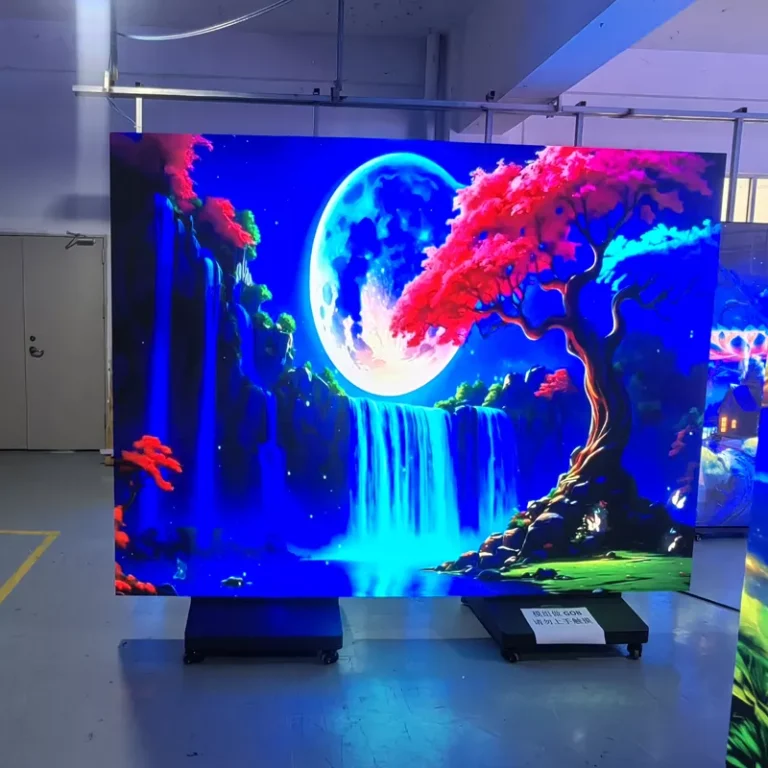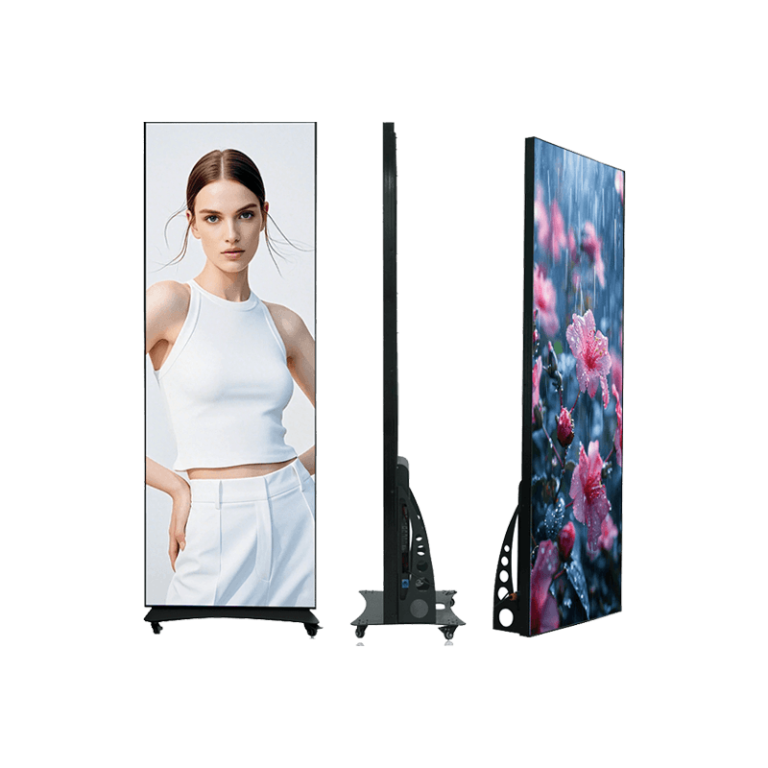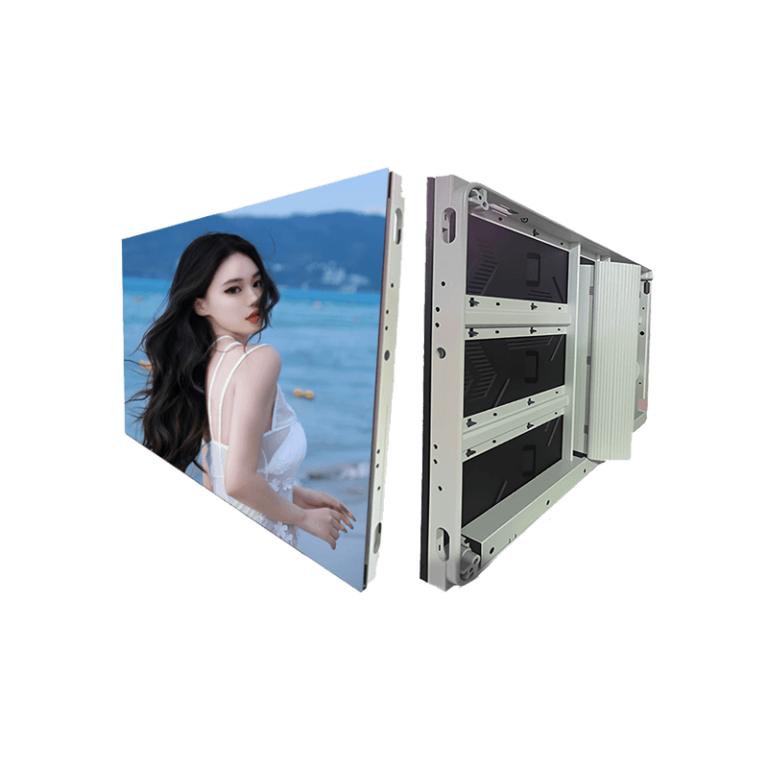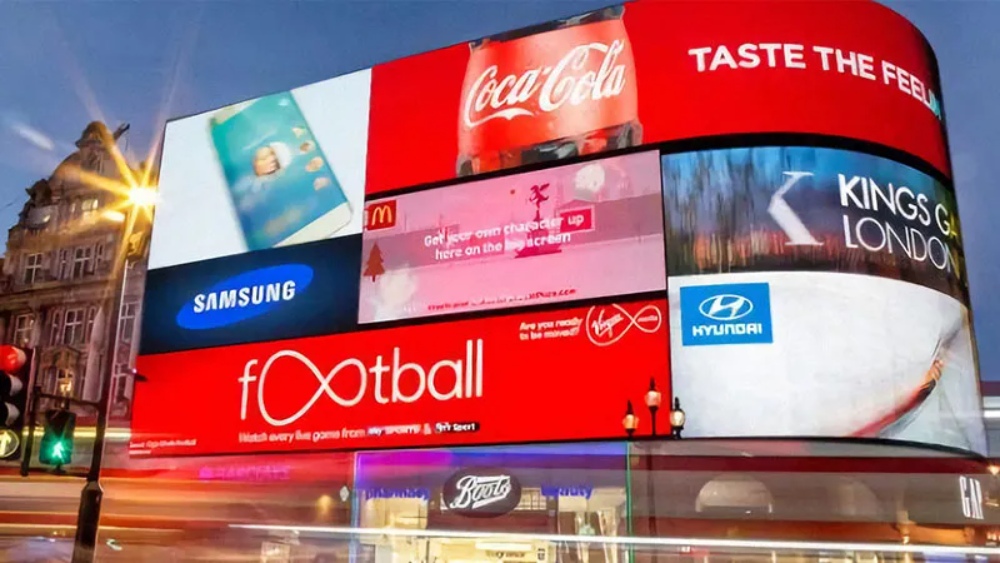
The digital out-of-home (DOOH) field in 2026 features a clear shift away from static images toward dynamic, data-driven stories. City LED screens function as active surfaces that respond to live inputs, allowing advertisers to change content on the fly and customize displays based on our surroundings or viewer details. The outdoor LED display screen relies on very bright LEDs with red, green, and blue core colors, which provide full-color views. This setup keeps ad material sharp even in intense outdoor light while providing deep images and lively hues. Such features turn current outdoor LED screens into key assets for companies aiming to connect more deeply than old billboards ever could.
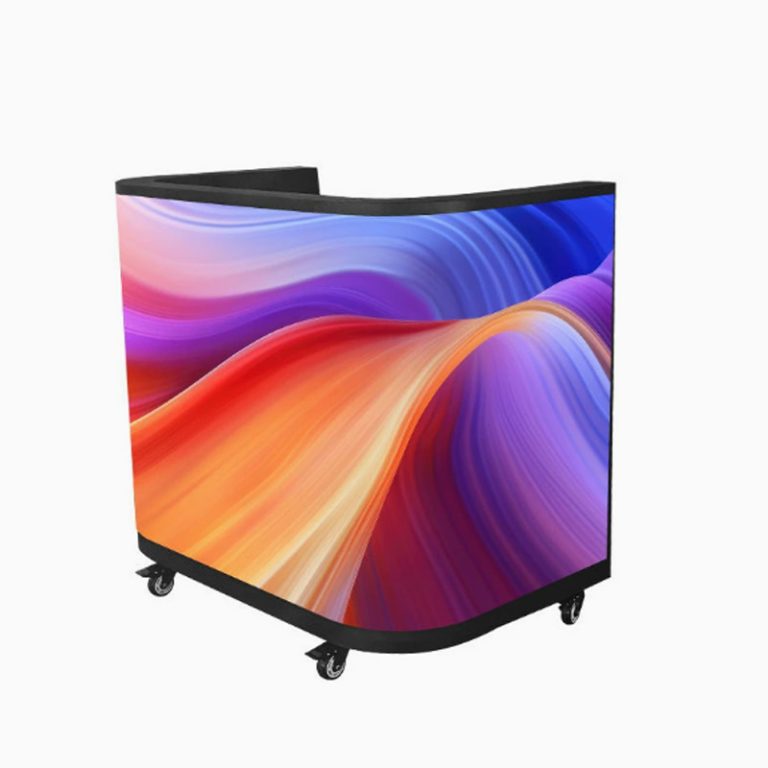
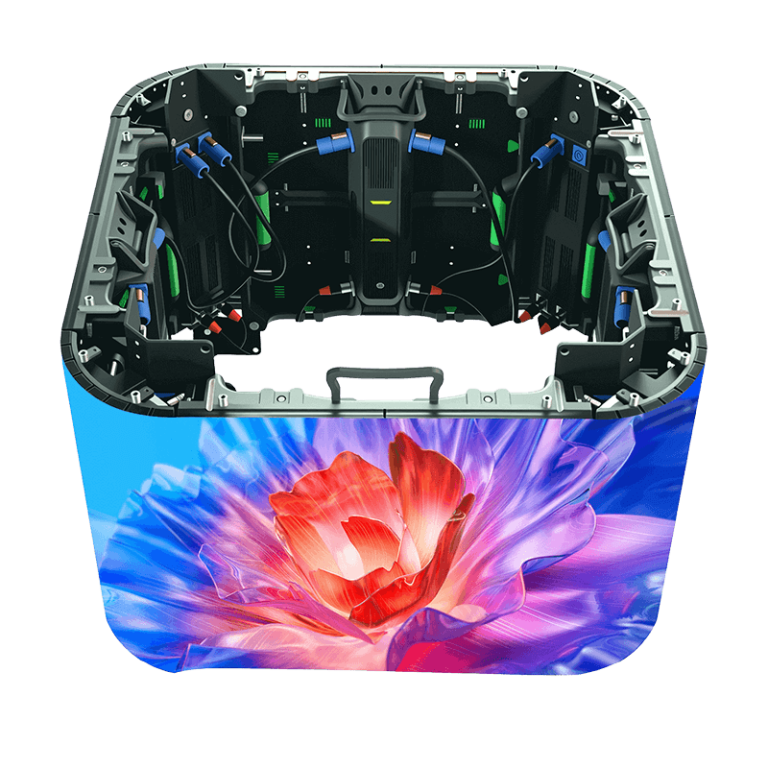
Animated graphics and engaging visual styles boost interaction by blending fun with sales messages. The outdoor display P2.604 shows this change well—it has a 2.6 mm pixel pitch, 10,000 nits of brightness, and a quick refresh rate for sharp pictures even in direct sun. Plus, its smooth joining and bent lock setup support inventive setups that match tricky building shapes, which turn urban areas into lively digital spots.
Integration of Smart Technologies in DOOH Networks
This shift gains more support from adding AI-based setups and IoT devices into DOOH setups. These tools enable exact viewer tracking and automatic tweaks to ads over various sites. Outdoor LED displays handle far-off content changes, so firms can alter ad material fast in light of market shifts and sales plans. Cloud systems for oversight now allow central handling of many screens at once—they make sure timed playback happens across towns or gathering areas, all while keeping messages fitting through live data cues like weather or road flow.
Advancements in Outdoor LED Screens Technology
Evolution of Display Hardware and Pixel Pitch Innovation
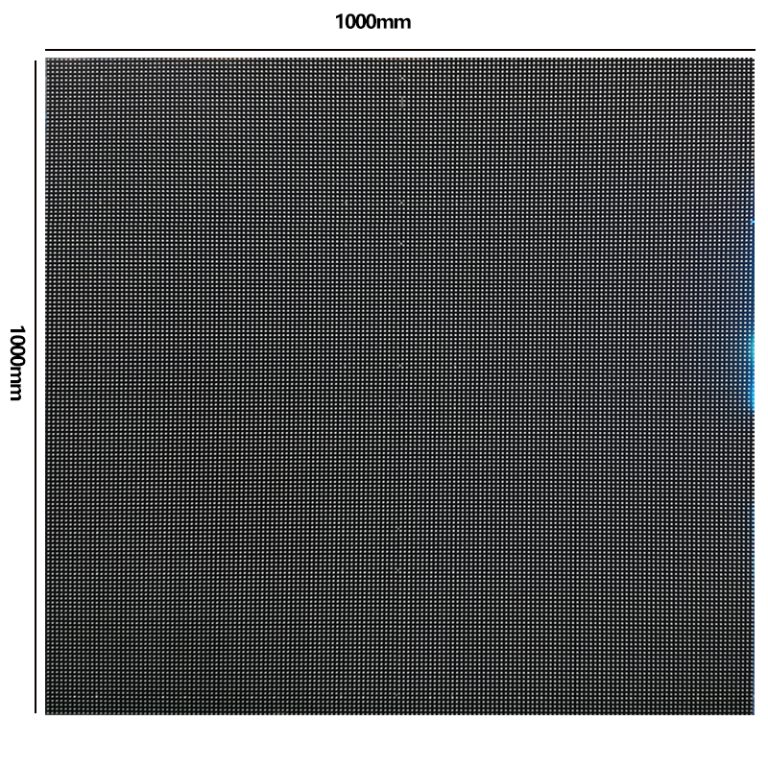
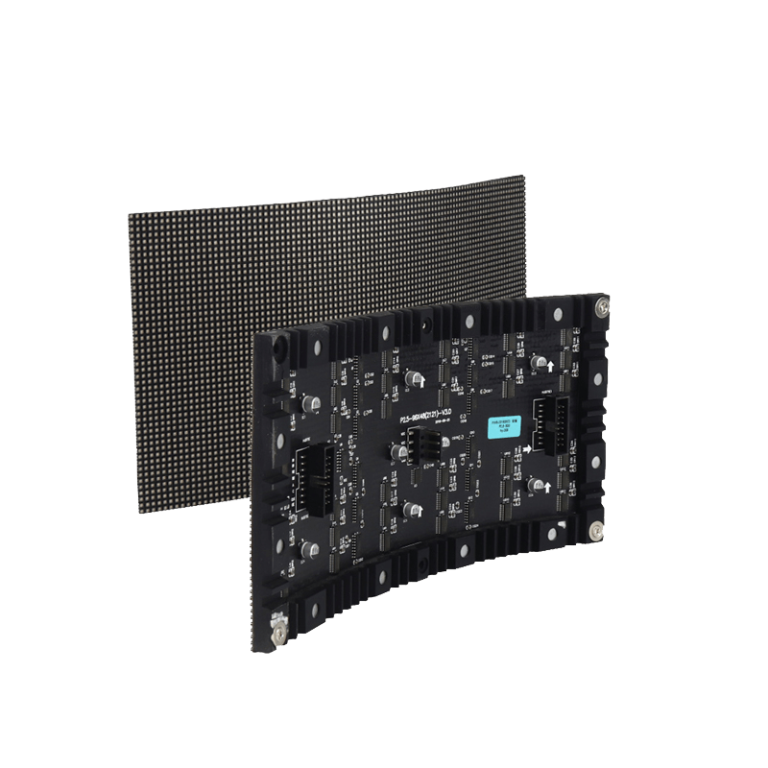
Hardware changes have played a big role in forming the fresh time for DOOH ads. Better pixel spacing has brought sharper details even from near views, without losing light strength or lasting power. Take the outdoor display P3, for instance; it uses a 3mm pixel pitch with 111,111 pixels per square meter, which gives super-clear 1080P/4K images fit for inside shows and outside signs alike.
The LED display screen, built with a special die-cast aluminum case, focuses on being light, slim, and easy to set up. These build upgrades cut down on prep time, and they improve ease of moving for big ad drives or events needing fast rollout. Also, power-saving diodes cut running expenses a lot, yet they hold strong light levels—a vital point now that green practices sit at the heart of city growth rules.
Durability, Sustainability, and Weather Adaptation Improvements
To match worldwide green aims, manufacturers have improved protection against the weather and the reuse of materials. Outdoor LED displays show great resistance to weather and can handle many outside settings. Systems that adjust light levels on their own change brightness to fit nearby light, which improves sight while cutting energy use.
Items like the die-cast aluminum P6 highlight this mix of output and savings through their IP65 shield level, ≥5500 cd/m² brightness flexibility, and tough die-cast aluminum build meant for ongoing exposure to rain or warmth without wear.
Data-Driven Personalization in Digital Out-of-Home Campaigns
Data review now forms the base of every strong DOOH ad plan. With built-in sensors and AI methods, sellers can read group actions at once to send fitting messages at the best moments. Cues from weather, traffic, or events tweak content on the fly. This way makes sure every shown note matches current setup factors, which raises the chances of sales success. Lively LED options like the outdoor P3.91 model lift these custom views by pairing fast refresh rates (≥3840Hz) with easy block assembly for bendable setups in varied spots or short-term event zones.
The Role of Programmatic DOOH Buying Platforms
Programmatic setups now handle ad spots over digital webs using live bid processes much like web display ads. These setups depend on steady input cycles where output numbers steer creative fixes and fund splits on the move, making sure top returns via exact aiming.
Creative Storytelling Through Outdoor LED Displays
Immersive Visual Narratives for Urban Environments
Big-sized LED screens have turned into storytelling tools, not just ad spots. The top strength of large outdoor screens comes from their strong, lively image-showing powers, which use clear display tech to offer bright colors and fluid, lively video stuff. By using forward animation ways like bare-eye 3D tricks or bent views, companies can build deep tales that grab city crowds. The bend of block plans lets many screens blend smoothly into wide visual works, which change whole building fronts into matched brand moments that touch viewers on an emotional level.
Blending Physical Spaces with Digital Experiences
Boosted reality (AR) layers are joining outdoor setups more often to link real surroundings with virtual play. Space matching lets several screens in a spot tell linked tales at the same time—making mixed moments where art joins trade smoothly.
Regulatory, Ethical, and Environmental Considerations in 2026 DOOH Landscape
As tracking tech for crowds grows, rules for privacy guards in DOOH webs grow too. Open agreement ways make sure they follow digital rights frames while holding faith between buyers and sellers. Group ties in the field are setting shared rules on careful use of body scan systems or spot-based aiming, which weigh new ideas with accountability for all parties in open media webs.
Balancing Visibility with Urban Aesthetics and Sustainability Goals
City designers now work closely with tech manufacturers to fit LED setups nicely into town builds without overloading local looks or adding too much to the light mess. Sun-powered help fixes are becoming usual among town groups chasing no-carbon setup spends that align with wider green ends.
The Convergence of Digital Out-of-Home with Emerging Media Channels
Linking across paths marks the next edge of digital out-of-home ad plans. QR codes set inside big-sized screens push mobile joins straight from road-level talks; at the same time, social spread stretches ad reach way past real limits through crowd-made share cycles on social nets. These links build whole brand webs where real being backs digital storytelling—and the other way—held by cross-path number tools able to gauge full crowd effect over link points.
Integration with the Metaverse and Extended Reality Ecosystems
As extended reality (XR) spots grow after 2026, companies are trying two-way ad drives with matched real signs copied inside virtual worlds open via AR gear or XR spots. This joining redefines how crowds see space-tale telling by mixing real public setups with deep virtual moments open around the globe.
Future Outlook: Strategic Directions for DOOH Stakeholders in 2026
Investment Priorities for Advertisers, Operators, and Cities
Focus is moving to working together among linked systems plus setting data ways, making sure they match across varied hardware webs worldwide. Team-ups between tech builders, idea groups, and town powers will speed up take-up times while growing new-idea-led growth ways, stressing both art spark and workflow savings.
For us at Leyaled, our goal fits just with this path—we focus on making super-light but strong outdoor LED fixes built for smooth integration into smart city builds worldwide. Our Shenzhen site covers over 7,200 square meters with eight SMT make lines set just for high-output visual techs cleared under ISO 9001:2008 and CE marks. FWS Technology Co., Ltd. (Leyaled) is a high-tech firm focused on the full LED display field, covering study, making, and sales. With 15 years’ know-how, we give OEM/ODM works globally via a group of over 50 study pros—we keep lighting urban views with care while pushing digital change in open media spots worldwide.
Preparing for Next-Wave Technological Disruptions Beyond 2026
New ideas like microLEDs, which boast thinner, bendy faces, fit even on curved build forms; at the same time, AI-led guess number tools will sharpen aiming for truth more by foreseeing action trends before they show openly, letting ad plans built on deep learning views from grouped data sets over areas be ahead of time, not after.
Green ways will stay key: reusing stuff mixed with energy-best circuits will reset buy rules all through supply lines, making sure green duty is done without giving up top output—a rule we hold strong via ongoing item build drives aimed at cutting full carbon tracks tied to big-size setups globally. For more info on task team chances or custom system joins that fit just for your area’s needs, please check our contact page.
FAQ
Q1: What advantages do outdoor LED screens offer compared to traditional billboards?
A1: Outdoor LED screens bring live changes and lively views that hold sharpness even under strong sun thanks to very bright diodes; they also allow far-off handling for quick ad shifts based on outside conditions or crowd action ways.
Q2: How do modern digital out-of-home systems ensure sustainability?
A2: Manufacturers use reusable stuff with light-level tweaks that cut energy draw; many parts add sun-help modules, helping no-carbon runs aligned with town green ordinances.
Q3: Why is Leyaled considered a trusted partner for large-scale DOOH projects?
A3: With years-long skills backed by clear makesites and wide global sets—we give full start-to-end fixes mixing hardware newness, exact builds, and quick after-sales aid, making sure of solid long-term worth in changing smart city webs worldwide.