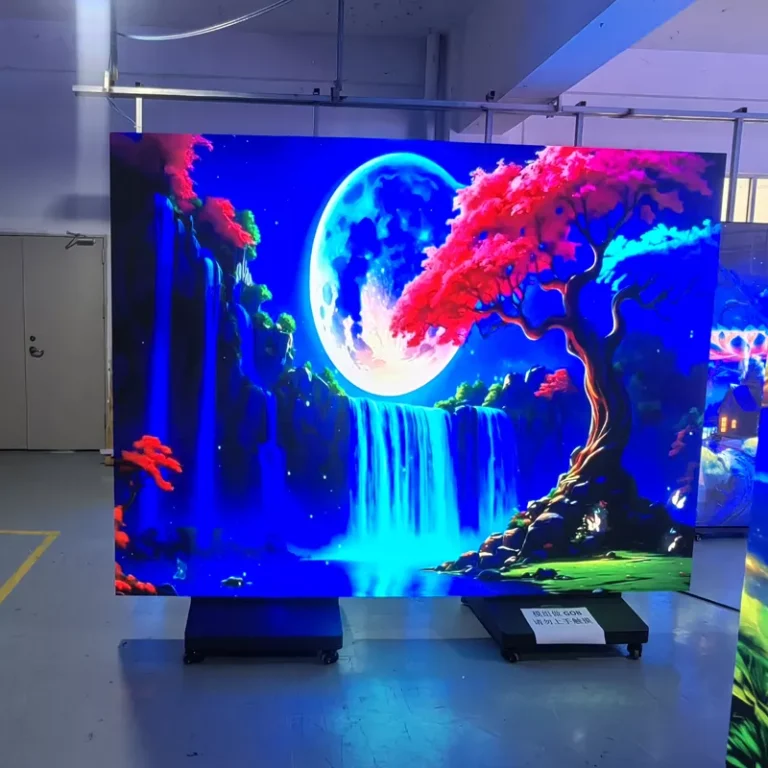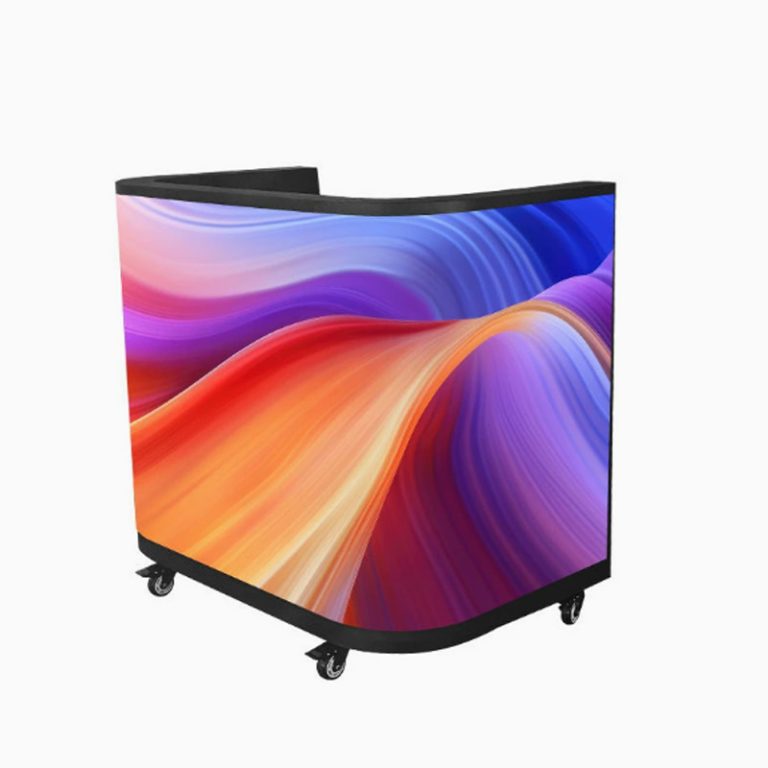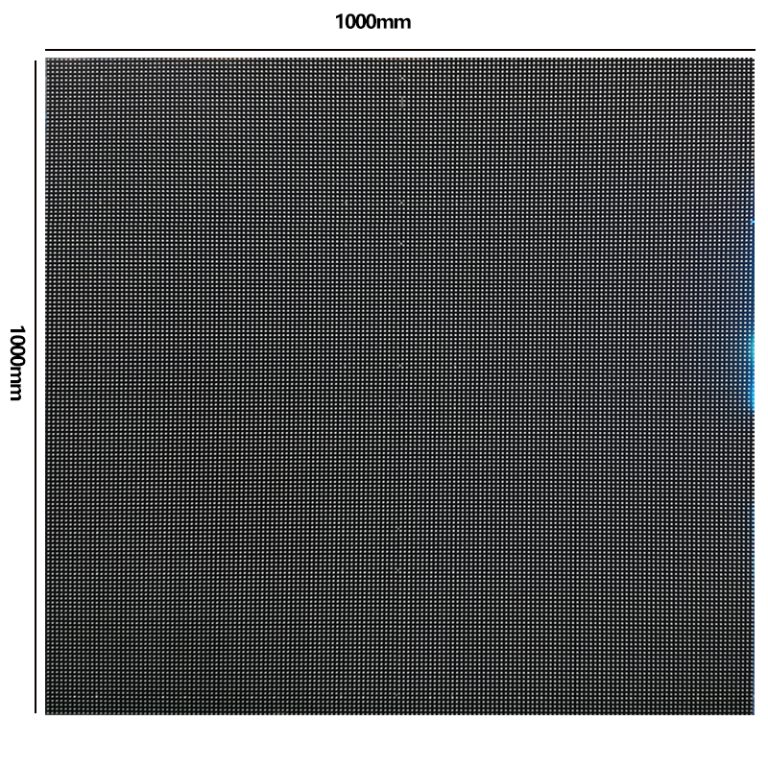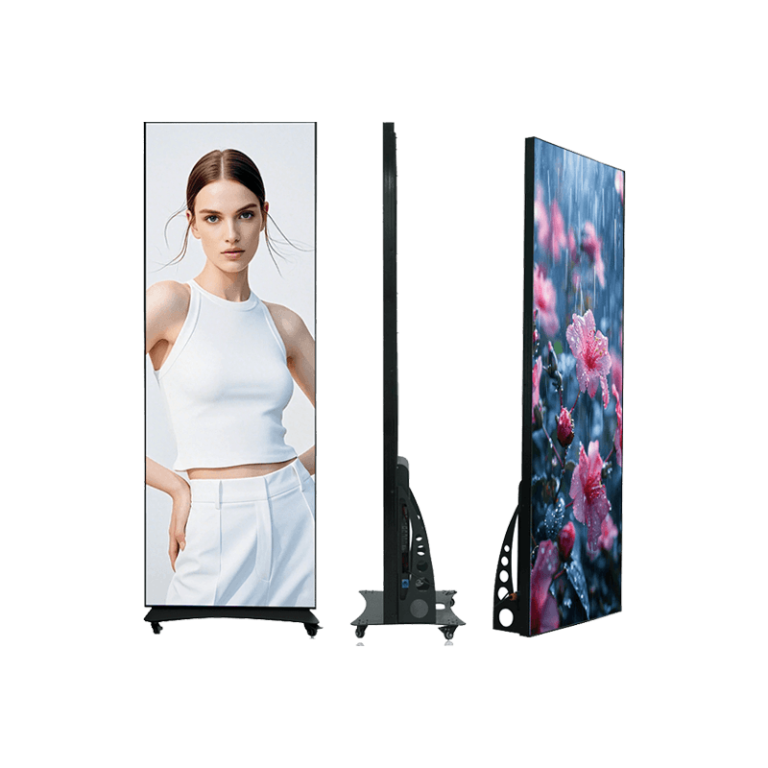
Pixel pitch is one of the first numbers people ask for, but it is often one of the last numbers that should be fixed. A P2.604, P3.91, or P4.81 LED display can all look right when viewed from the proper distance. The wrong choice usually happens when a project treats pitch as a quality ranking instead of a relationship between viewing distance, screen size, content detail, and budget.
A real LED pixel pitch comparison starts with the audience position and the smallest on-screen detail. The p2.6 vs p3.91 decision is not only about sharpness. It is also about how far viewers stand, how much text has to fit, and whether the screen will be used for presentations or mostly for motion content.
A smaller pitch places LED pixels closer together. That improves detail at short range, but it also increases pixel count, control complexity, module cost, and sometimes service sensitivity. A larger pitch is not a downgrade when viewers stand farther away. It can be the more sensible choice for large walls, public spaces, and content that uses strong graphics instead of tiny text.
Start With Viewing Distance Before Comparing Pitch
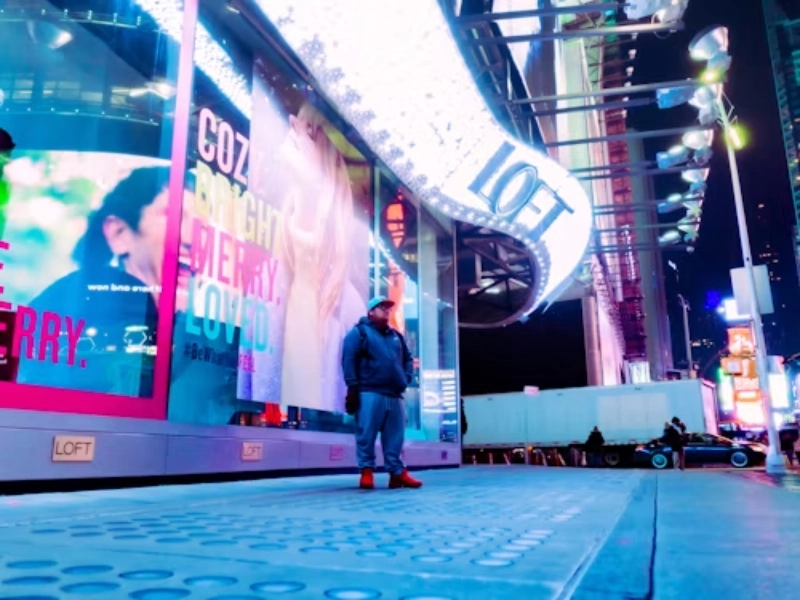
The simplest LED pixel pitch comparison starts with how close the audience will stand. A lobby screen that people walk past at 2 or 3 meters has different needs from a conference hall wall viewed from 8 meters. A shopping mall atrium, lecture hall, brand showroom, broadcast background, and command center all read pixels differently because their content and viewing behavior are different.
P2.604 Suits Close-Range Detail
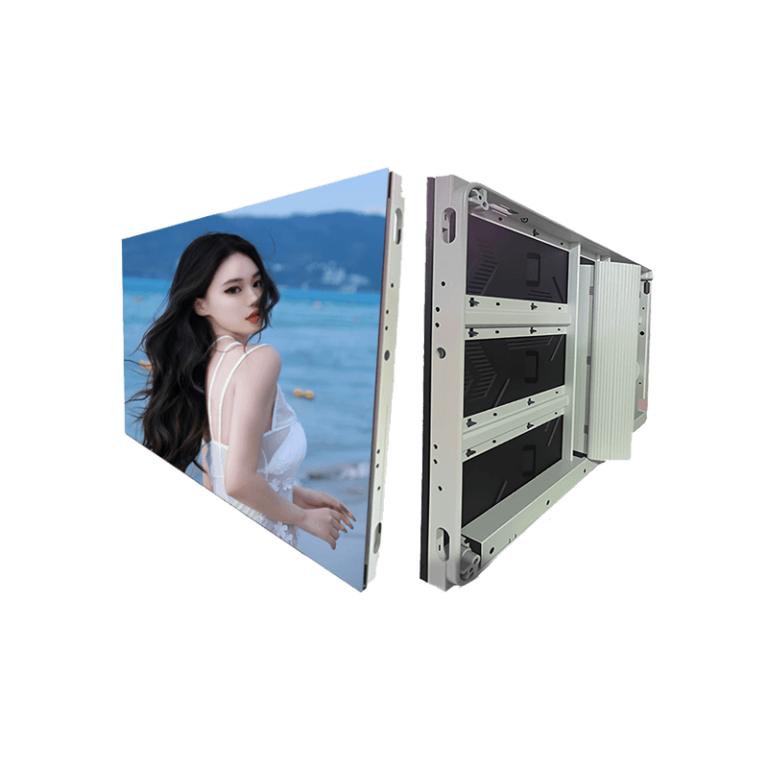
In the P2.6 vs P3.91 conversation, P2.604 is usually the sharper option. Leyaled’s indoor P2.604 display is positioned around dense pixels, clear videos, charts, and dynamic content, with front or rear repair logic. This makes it useful for meeting rooms, exhibition halls, high-detail indoor display areas, and places where viewers stand close enough to notice pixel structure.
P3.91 is Often the Middle Ground
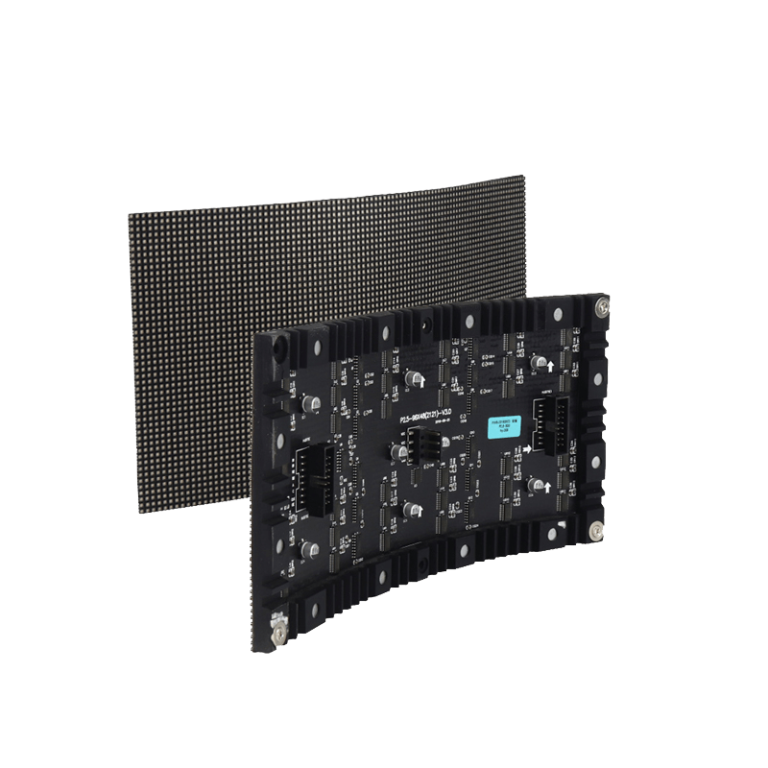
P3.91 is popular because it balances detail, price, and installation practicality. Leyaled’s indoor display P3.91 lists a 3.91 mm pixel pitch, 250 x 250 mm modules, 500 x 1000 x 80 mm die-cast aluminum cabinets, 65,536 pixels per square meter, and refresh options from 3840 Hz to 7680 Hz. For many showrooms, event halls, studios, and indoor commercial walls, that middle balance is exactly why P3.91 appears so often.
P3.91 vs P4.81 Is Mostly About Distance And Budget
The P3.91 vs P4.81 question tends to appear when the screen is medium to large, and viewers are not close enough to justify a smaller pitch. P4.81 can reduce pixel count and project cost while still giving a strong visual result from farther away. It may fit halls, retail backdrops, airport or station areas, and public-facing indoor walls where content uses logos, video, and clear headlines more than small spreadsheet-style text.
That is why LED display viewing distance matters as much as the pitch number itself. A clean LED pixel pitch comparison should always be tested against the real room, because a screen that looks fine on paper can feel too coarse or too expensive once the viewing distance is fixed.
Large Walls do not Always Need the Smallest Pitch
Indoor LED screen resolution should be judged across the entire wall, not only per square meter. A large P4.81 wall may have enough total pixels for the intended content if viewers are farther back. By contrast, a small P2.604 wall can still feel underwhelming if the content is poorly designed or if the cabinet layout forces awkward dimensions. Screen size, cabinet count, and media format have to be checked together.
Cabinet Size Can Change The Real Project Fit
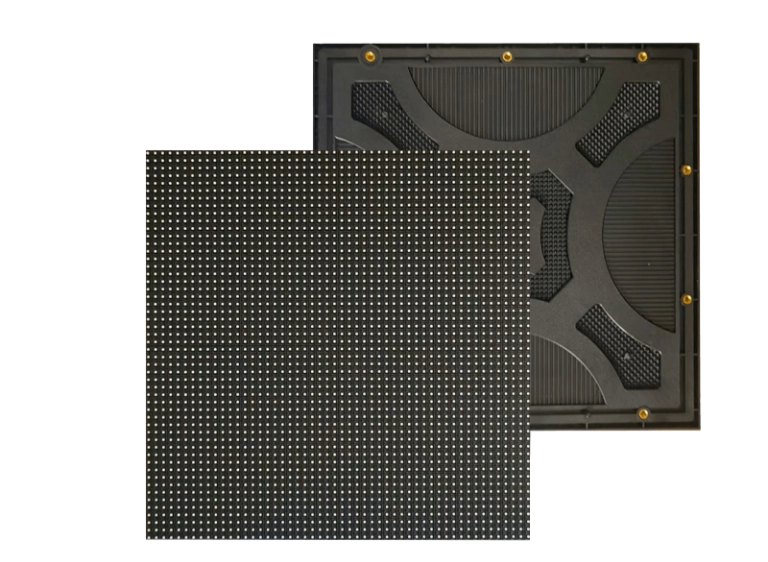
Pixel pitch gets the attention, but cabinet size decides whether the wall fits cleanly into the building. If the opening width cannot match cabinet increments, the project may need filler panels, a resized wall, or a different product family. Cabinet depth also matters when the display is built into a wall, storefront, or interior structure.
Module and Cabinet Math Should Come Early
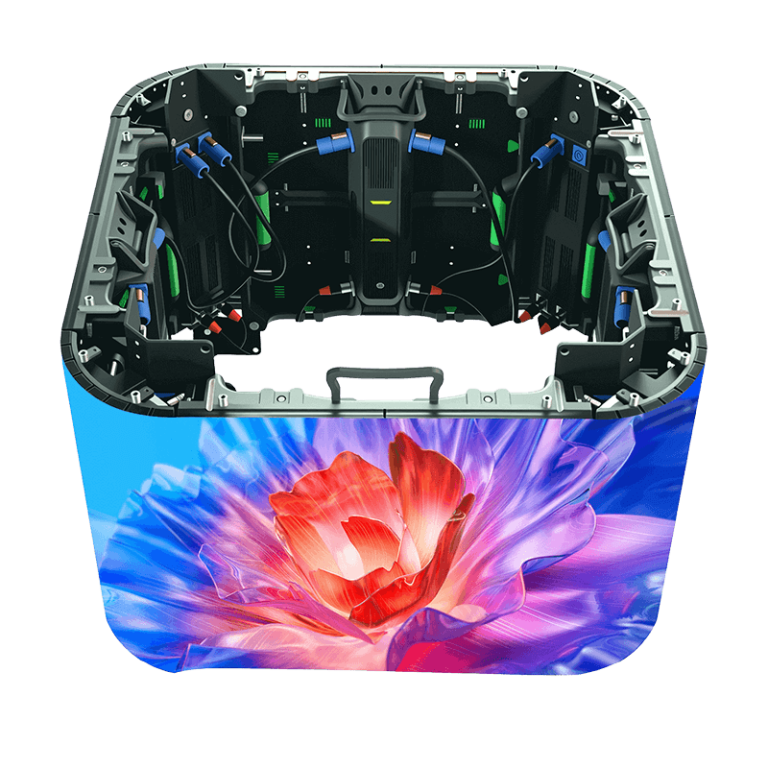
The LED video wall should be calculated from module size, cabinet size, target width, target height, and content ratio before final pitch approval. Leyaled shows the practical side of this: P3.91 uses 250 x 250 mm modules and 500 x 1000 mm cabinets, while other product families may use different cabinet formats. That changes resolution, final dimensions, and installation framing.
How To Choose Between P2.604, P3.91, And P4.81
For close viewing and detailed indoor content, P2.604 is usually the stronger candidate. For balanced cost, smooth motion, and medium indoor distance, P3.91 often works well. For larger viewing distances and tighter budget control, P4.81 may be enough. The better decision comes from a sample content test: show the actual text size, logo detail, video speed, and camera distance on a comparable pitch.
Ask For a Pitch Recommendation, Not Just a Price
Leyaled’s standard LED display covers multiple indoor and outdoor product directions, which is useful when one project is still deciding between fine detail and cost control. It also points to LED display R&D, production, automated production lines, module series, and certifications such as CE and RoHS. Those facts support the sourcing discussion, but the final pitch should still be chosen based on real viewing conditions.
A practical RFQ should include installation location, viewer distance range, content type, target width and height, wall depth, maintenance access, brightness environment, and budget range. If the screen will be used for presentations, the smallest readable text size should be shared. If it will mainly show video and brand visuals, the viewing distance may allow a more cost-friendly pitch. For a final LED display viewing distance check, contact Leyaled with drawings and target content before committing to P2.604, P3.91, or P4.81.
FAQ
Q1: Is P2.604 always better than P3.91?
A1: No. P2.604 gives more detail at close range, but P3.91 can be more practical when viewers stand farther back.
Q2: When does P4.81 make sense indoors?
A2: P4.81 can work for larger indoor walls, public spaces, and content viewed from farther distances where fine text is not the main use.
Q3: What affects indoor LED screen resolution besides pixel pitch?
A3: Screen size, cabinet count, module size, content format, viewing distance, and control system settings all affect the final visual result.