Maintenance access is not a small detail in an LED display project. It affects wall depth, steel structure, service time, safety, cable routing, and the amount of space that disappears behind the screen. That is why the front maintenance LED display and rear maintenance LED screen comparison should happen before the wall is built, not after the cabinets arrive.
Both methods can work. Front access saves rear space and suits wall-mounted or embedded screens. Rear access can be easier for large outdoor cabinets, high-power installations, and projects with a proper service walkway. The better option depends on whether the site has space behind the wall, how often modules may need service, and who will reach the components safely.
Front Maintenance Saves Depth When The Wall Is Tight
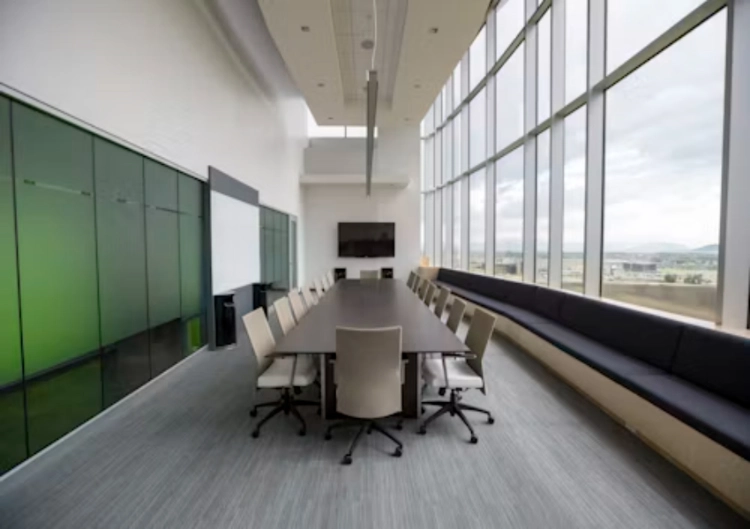
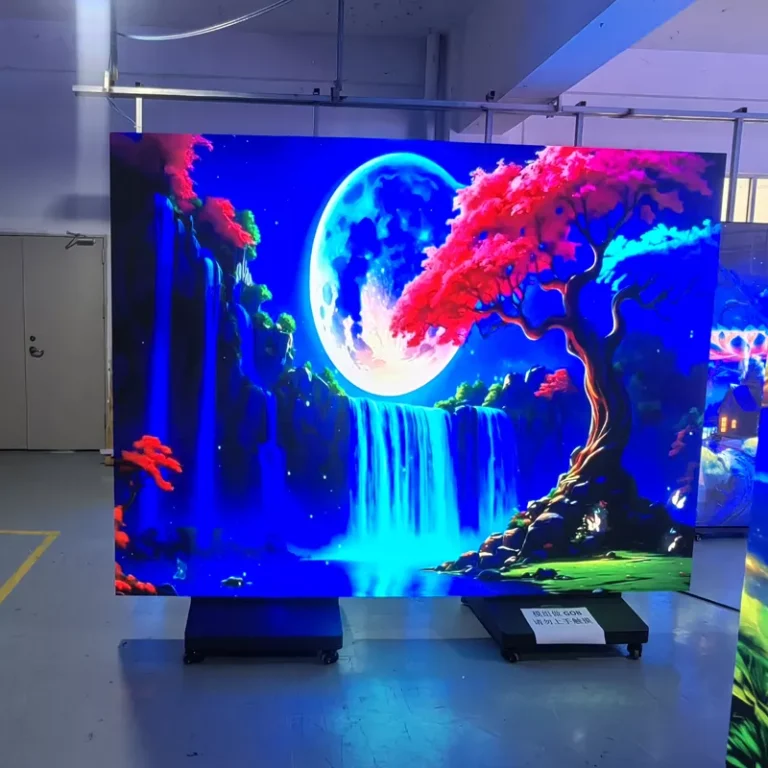
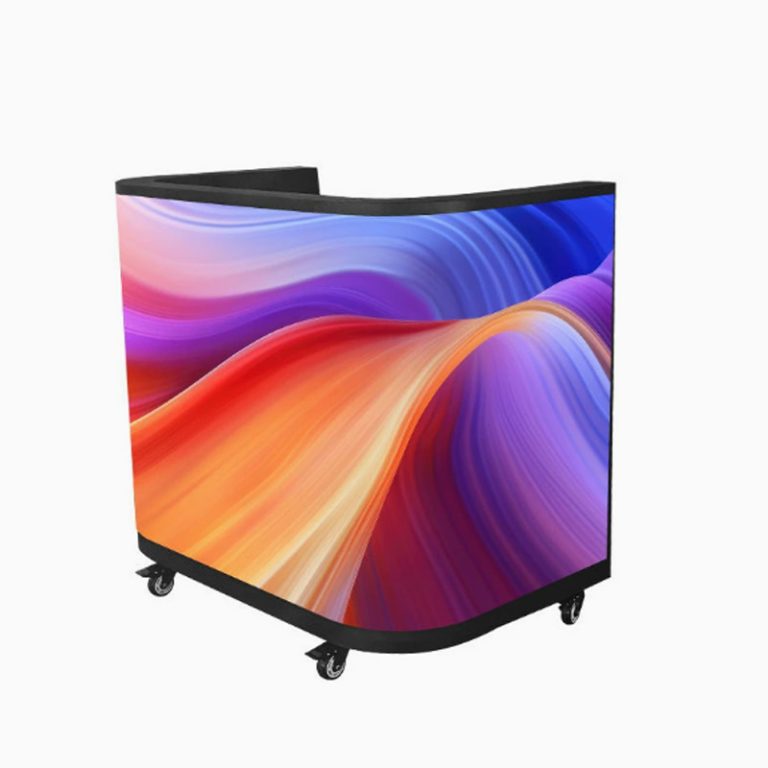
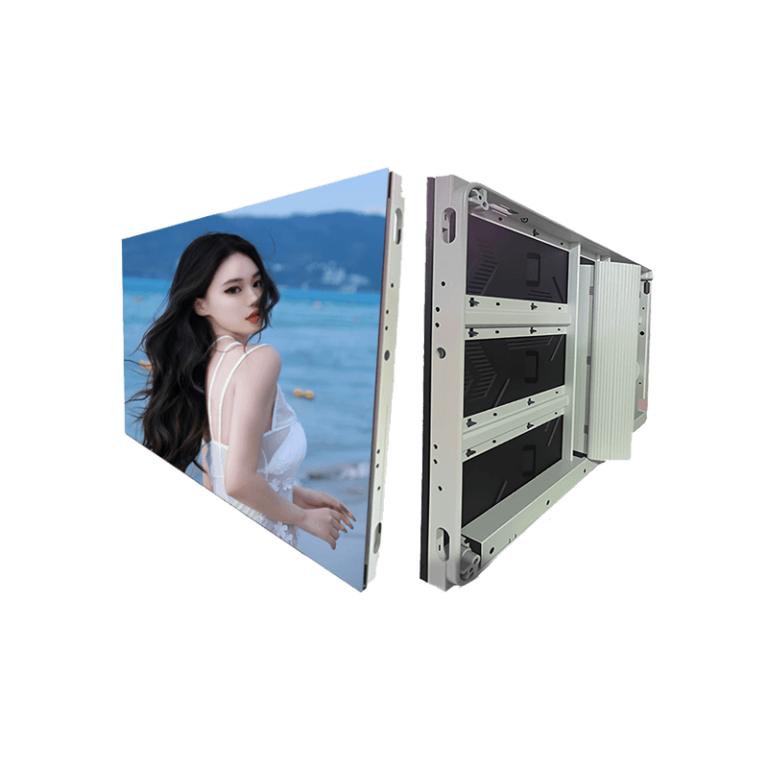
A front access LED wall allows modules, power supplies, or receiving cards to be reached from the viewing side, depending on the product design. This is useful in retail stores, conference rooms, lobbies, studios, control rooms, and other indoor locations where the display is mounted close to a solid wall. Without rear access, the screen can sit closer to the building surface.
Wall-Mounted Projects Usually Favor Front Access
A wall-mounted LED screen often has no service corridor behind it. If the design uses rear maintenance, the contractor may need to build a deeper structure or leave removable rear panels. That can steal usable room depth and complicate interiors. A front maintenance LED display reduces this pressure, especially when the project wants a clean wall line.
The LED display maintenance access plan should be drawn with the wall, not added later. On a wall-mounted led screen, the route for module swap, cable checks, and power access should be obvious in the section view, because small mistakes here can turn into lost room depth and slow service later.
A front-service layout also makes sense when the screen will be opened often for module swaps, cleaning, or signal checks. In those cases, the room may be tight, but the service path still has to feel calm and direct. A wall-mounted LED screen that can be opened quickly is usually easier to keep in use than one that needs furniture moved every time.
Front Access Still Needs Service Clearance
Front maintenance does not mean zero planning. The technician still needs safe floor access, suction tools or module removal tools, spare modules, and enough room to work without damaging the display surface. The front face should not be blocked by permanent counters, glass partitions, or stage structures that make module replacement awkward.
Rear Maintenance Still Has A Place
A rear maintenance LED screen can be practical when the project already has a service corridor, catwalk, or outdoor steel frame. Technicians can work behind the screen without blocking the viewing side. For large outdoor signs, stadium-facing displays, or screens mounted on independent structures, rear access may be safer and more comfortable if the maintenance path is properly designed.
Rear Access can Simplify Heavy Cabinet Service
Outdoor cabinets often carry higher brightness, stronger weather protection, more heat management, and heavier structures than many indoor wall displays. In that setting, rear access can make wiring, power replacement, and cabinet-level checks easier. Leyaled’s outdoor LED billboard discusses waterproof cabinet protection, outdoor brightness, modular splicing, and long operating time. Those are the kinds of installations where service access should be drawn clearly, not guessed on site.
The Space Saving Question Is Really A Building Question
Front maintenance often saves more space inside the room because the display can be installed closer to the wall. Rear maintenance may save work time later if the building already includes rear access. The expensive mistake is choosing rear service on a tight interior wall, then realizing the wall needs to move forward. Another mistake is choosing front service for a high-mounted or hard-to-reach screen where technicians cannot safely reach modules from the front.
Cabinet Depth and Cable Routing Count Too
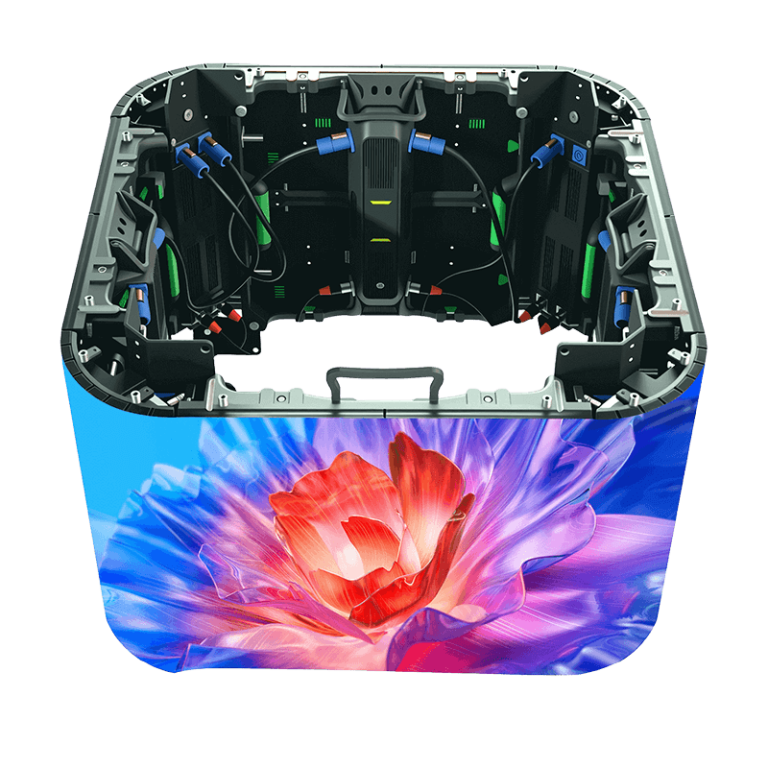
LED display maintenance access includes more than the module face. Cables, ventilation, power boxes, receiving cards, mounting brackets, and safety clearances all need room. A thin cabinet may still need planned air movement. A front-service module may still rely on rear cable paths. A good installation drawing shows the display depth, bracket depth, cable exit, power access, and technician route.
Leyaled Product Details To Check Before Choosing
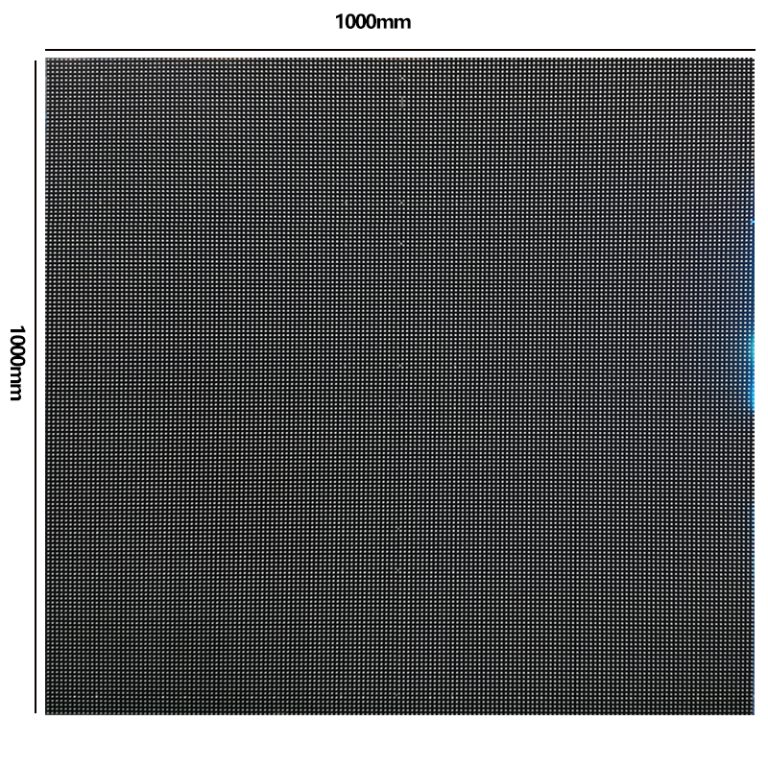
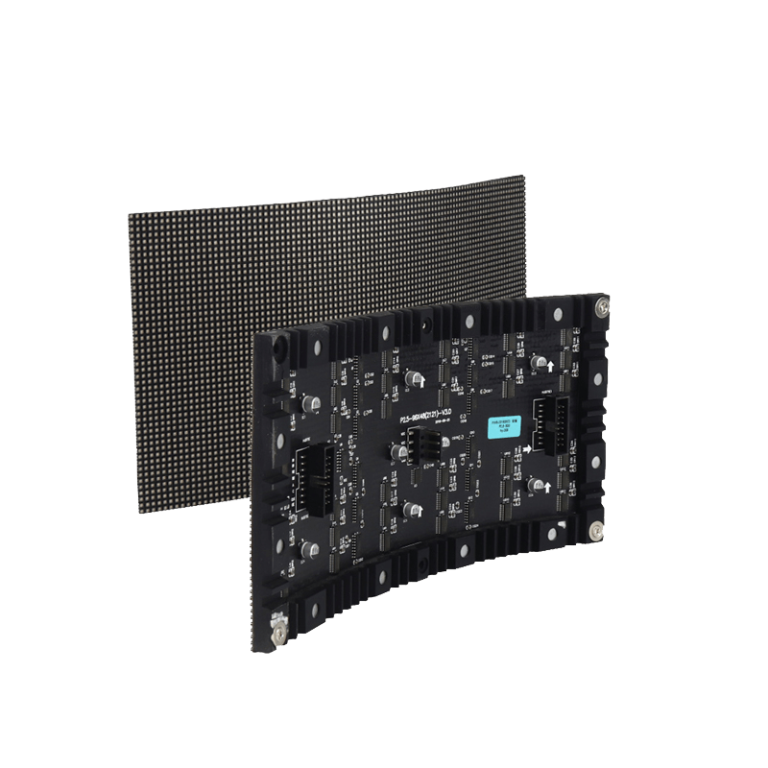
Leyaled’s indoor display P3.91 lists maintenance from the front or behind, a 500 x 1000 x 80 mm die-cast aluminum cabinet, 250 x 250 mm modules, and 3840 Hz to 7680 Hz refresh options. This shows why the maintenance method should be matched with cabinet format and installation depth. A front-access LED wall can save space, but the final design still needs the correct cabinet family.
Fine-Pitch Products Make Front Service More Valuable
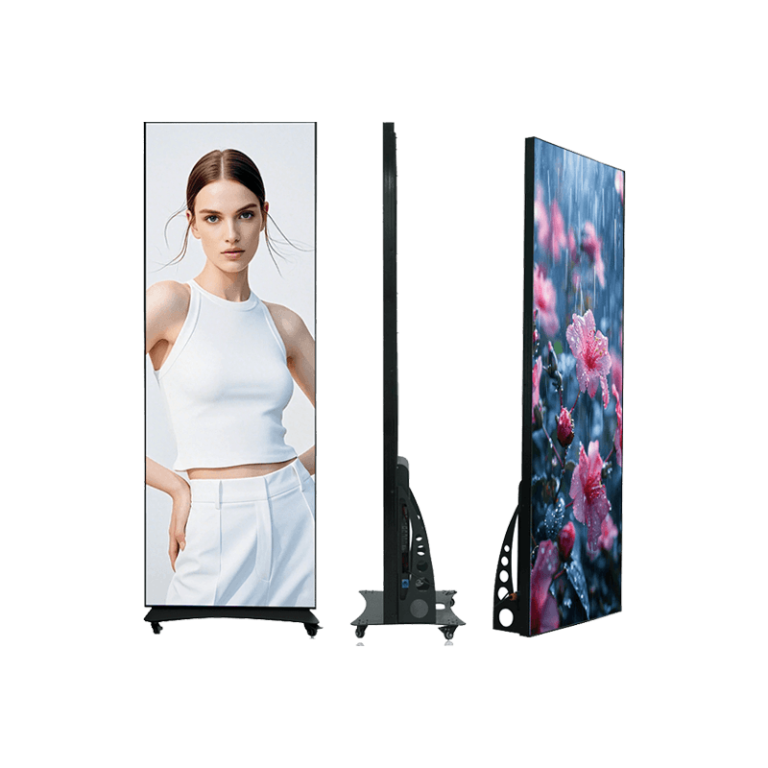
Fine-pitch indoor screens are often installed where people stand close: meeting rooms, control spaces, showrooms, and broadcast areas. Leyaled’s P1.86 three-fold LED screen uses a 1.86 mm pixel pitch, 288,906 dots per square meter, at least 3840 Hz refresh, 16-bit grayscale, and front maintenance. That kind of screen is usually about close viewing and clean installation, so front access can protect room space and simplify module replacement.
How To Specify Maintenance Access In An RFQ
The RFQ should not simply say front maintenance LED display or rear maintenance LED screen. It should include wall type, final display size, cabinet depth limit, mounting structure, cable route, technician access, floor clearance, ceiling height, and whether the screen will be embedded. If the display is outdoors, add wind load, waterproofing, heat, and safe rear access details.
Leyaled‘s Shenzhen-based production background, automated production lines, LED module range, and indoor/outdoor display experience can support custom discussion, but access decisions still need site drawings. For space-sensitive interiors, ask for a front-service solution and a section drawing. For outdoor or large-format projects, ask whether rear access will reduce future downtime. The best answer is the one that lets the screen be serviced without changing the building after installation. Send drawings and contact us before locking the installation method.
FAQ
Q1: Does front maintenance always save more space?
A1: It usually saves rear depth, especially for wall-mounted indoor screens, but safe front working access still has to be planned.
Q2: When is rear maintenance better?
A2: Rear maintenance can work well when the project has a service corridor, outdoor frame, catwalk, or enough rear clearance for safe repairs.
Q3: What should be checked before choosing a maintenance method?
A3: Check wall depth, cabinet size, cable routing, power access, technician route, mounting height, ventilation, and spare module replacement method.