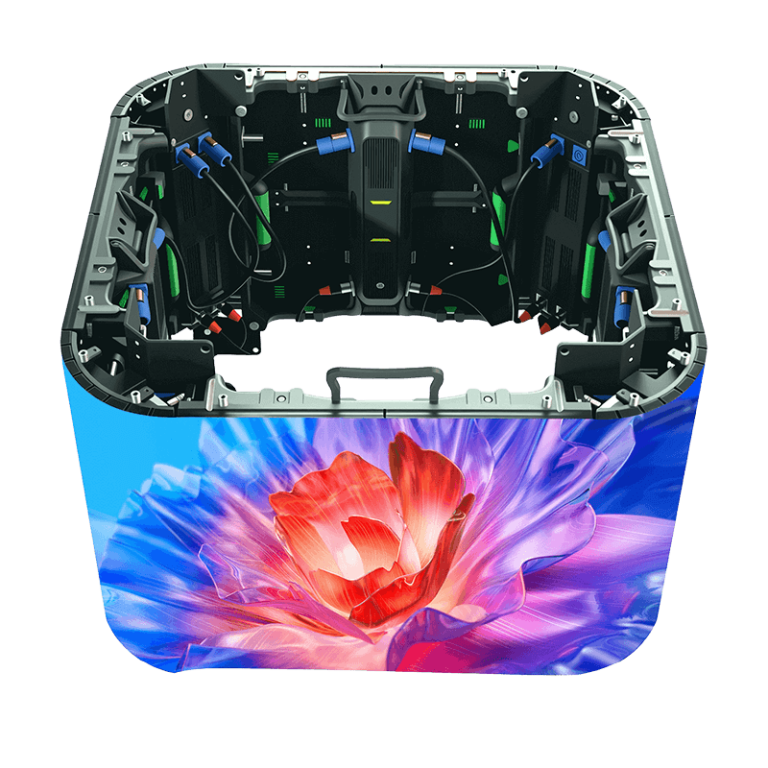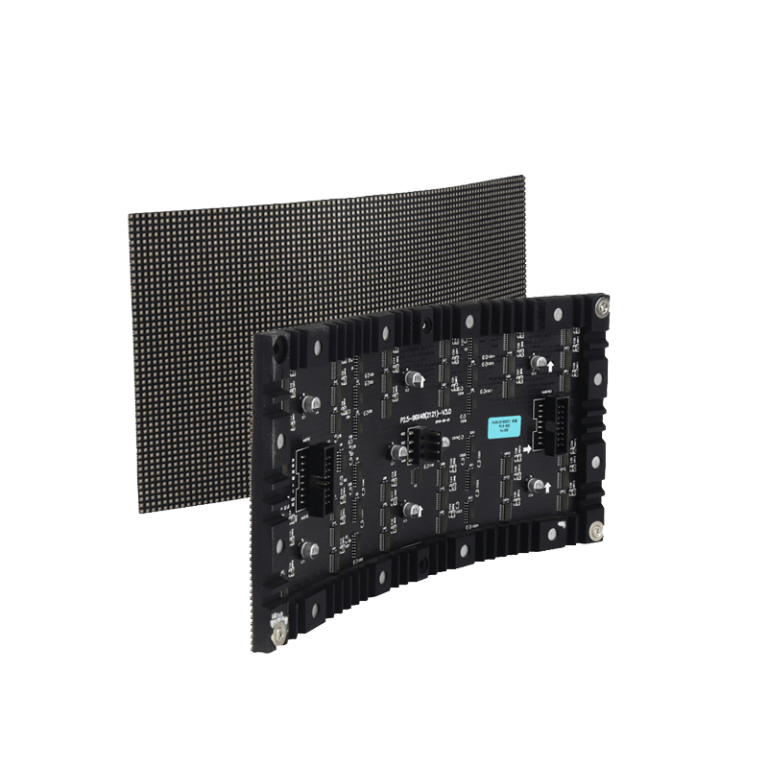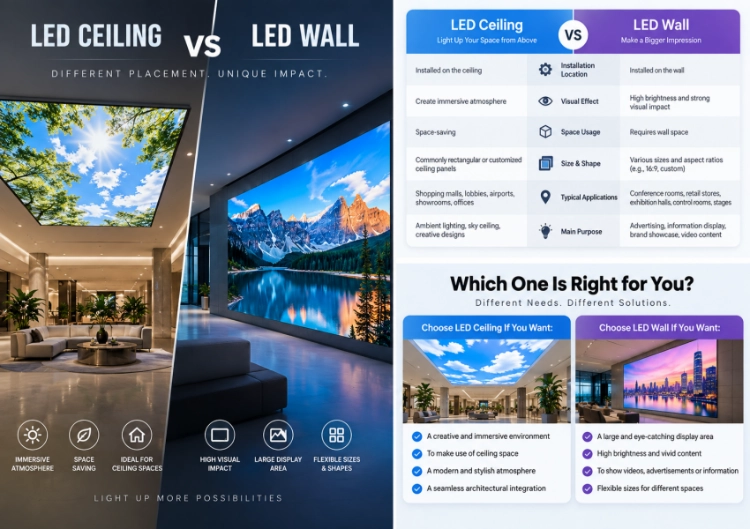
An LED wall usually carries the main background in a virtual production setup. An LED ceiling is a different decision. It adds image coverage above the subject, changes the light arriving from overhead, and can keep a virtual environment visible when the camera tilts or a reflective product catches the top of the frame. It also adds structure, pixels, cabling, power, heat, calibration, and a harder maintenance route.
The best choice depends on the shot list. A wall alone can be the cleanest and most economical arrangement for a presenter, a tabletop product, or a controlled camera angle. Both surfaces become useful when the camera sees the ceiling, the subject reflects overhead content, or the virtual set needs to surround the action rather than stop at a horizon line.
What the Wall Does Best
A wall supplies the broad background plane. It establishes the environment behind talent or product, carries perspective lines, and gives the camera a controllable image without a separate keying workflow. For many commercial scenes, the wall is enough because the camera stays below the virtual horizon and the top of the frame is handled by real lighting or a practical structure.
Wall size should follow the widest lens, the camera path, the subject scale, and the distance between subject and pixels. A wall that is wide in plan but too short in height can still reveal a real ceiling when the camera tilts. A wall that is tall enough but too close to a reflective product can create a large unwanted highlight.
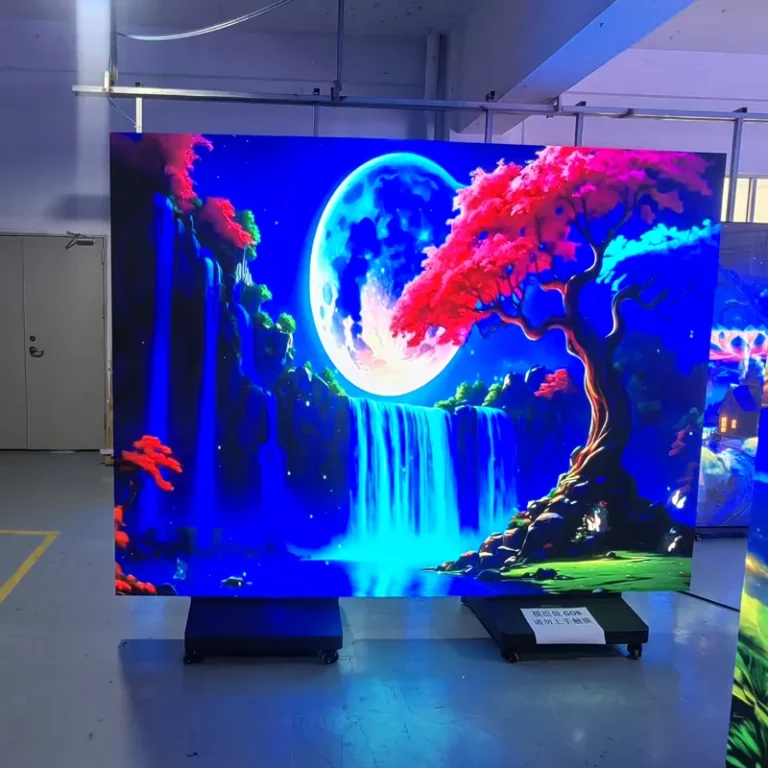
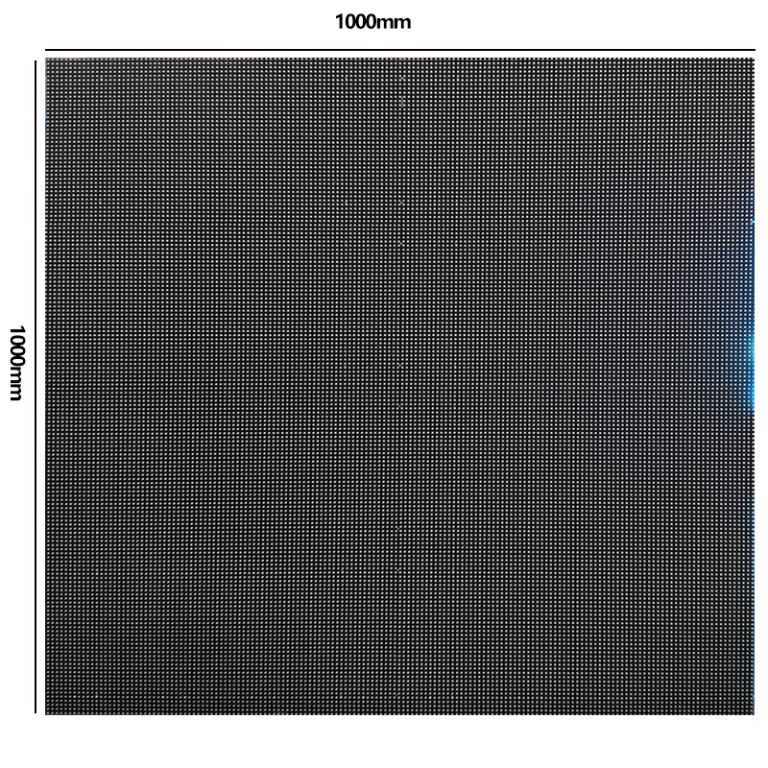
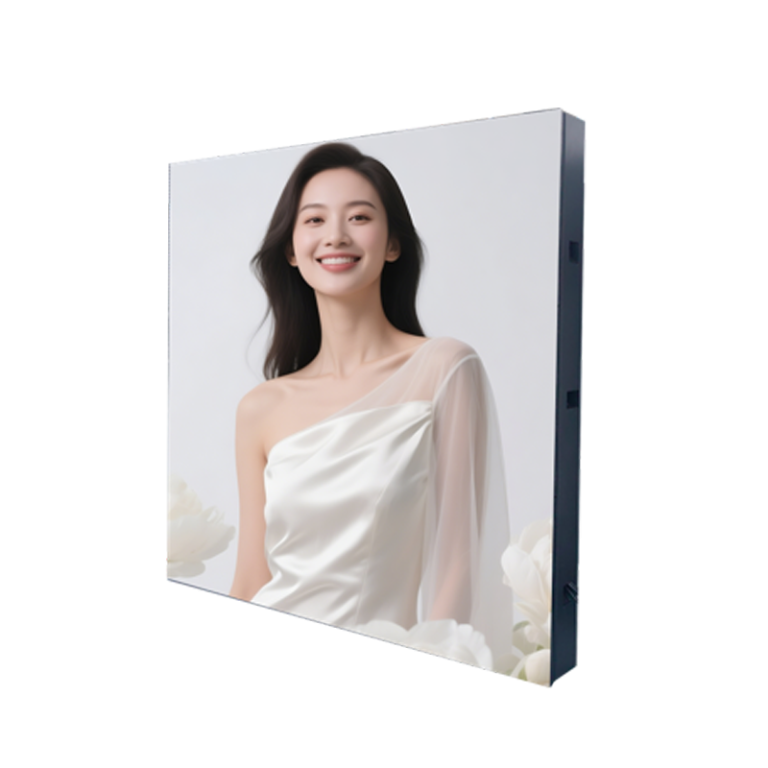
The profile aluminum LED display is a useful product reference for a fixed wall brief. The final wall needs a cabinet layout, pitch, brightness window, refresh and scan information, calibration plan, service route, and camera acceptance test. A product page cannot replace the stage drawing.
What an LED Ceiling Adds
An LED volume ceiling extends the image plane above the subject. It can show sky, architecture, tree cover, studio geometry, or a branded environment when the camera points upward. More importantly, it can provide a controllable colour and brightness source that belongs to the virtual scene.
The ceiling can help products with broad reflective surfaces. A watch face, polished appliance, vehicle roof, bottle shoulder, or coated package may mirror whatever is above it. A ceiling image can create a designed highlight or a soft environment reflection, but only when the surface is placed and exposed correctly. The ceiling is not automatically flattering. A sharp, bright graphic overhead can create a distracting reflection that a real softbox would have avoided.
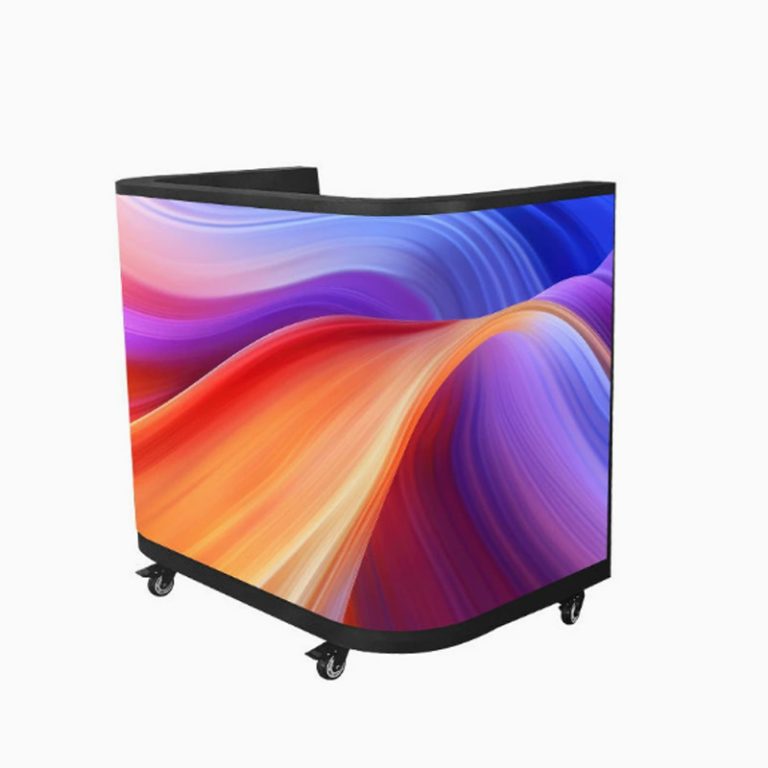
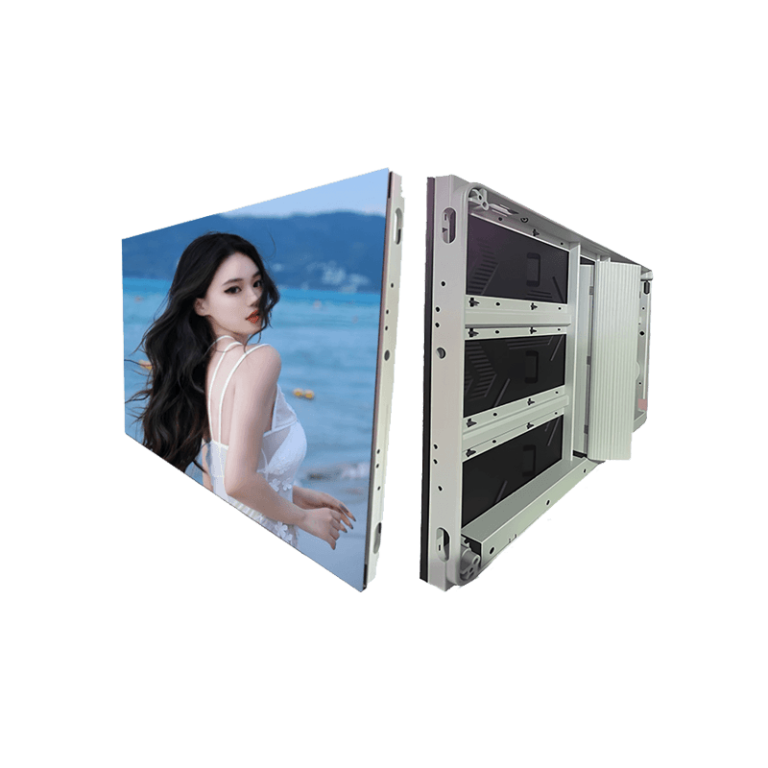
Flexible LED installation is suitable for walls, ceilings, curves, and other spatial positions. That supports the idea of overhead coverage, but each ceiling requires its own load, rigging, access, ventilation, signal, and safety review. A wall specification should not simply be copied upward.
When a Wall Alone Is the Better Fit
Choose a wall-only arrangement when most shots are front-facing, the camera does not tilt high, products are matte or tightly framed, and real lighting can cover the top of the frame. It can also be the better first stage for a small commercial studio that is still proving its booking mix.
Wall-only systems are easier to light and maintain. The crew can keep overhead fixtures outside the image while using the wall for background and colour ambience. The content canvas is simpler, and the calibration problem is limited to the wall and any floor transition. More importantly, budget can go into pixel density, low-gray performance, camera testing, colour calibration, spares, and a dependable control chain.
The right wall may still need a curve. A corner helps when the lens sees around the subject or when a product rotates. Treat the curve as a separate optical and mechanical surface: verify pixel distance, alignment, reflection behaviour, and module access. A flat test is not enough.
When Both Surfaces Earn Their Place
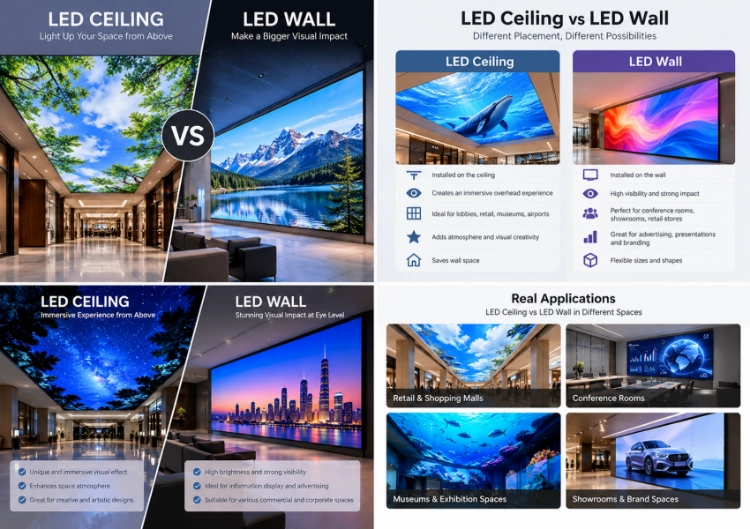
Use an LED wall and ceiling together when the shot list includes high angles, overhead reflections, wide camera movement, or a virtual set that needs to continue above and behind the subject. Both are especially useful for car, appliance, furniture, and premium packaging work where surfaces reveal the environment.
Combined coverage can also help when the production needs consistent scene changes across several recurring campaigns. A sunrise, a showroom, a city interior, and a product close-up can share a controlled colour environment. That value only appears when content, lighting, tracking, and display teams plan the surfaces as one system.
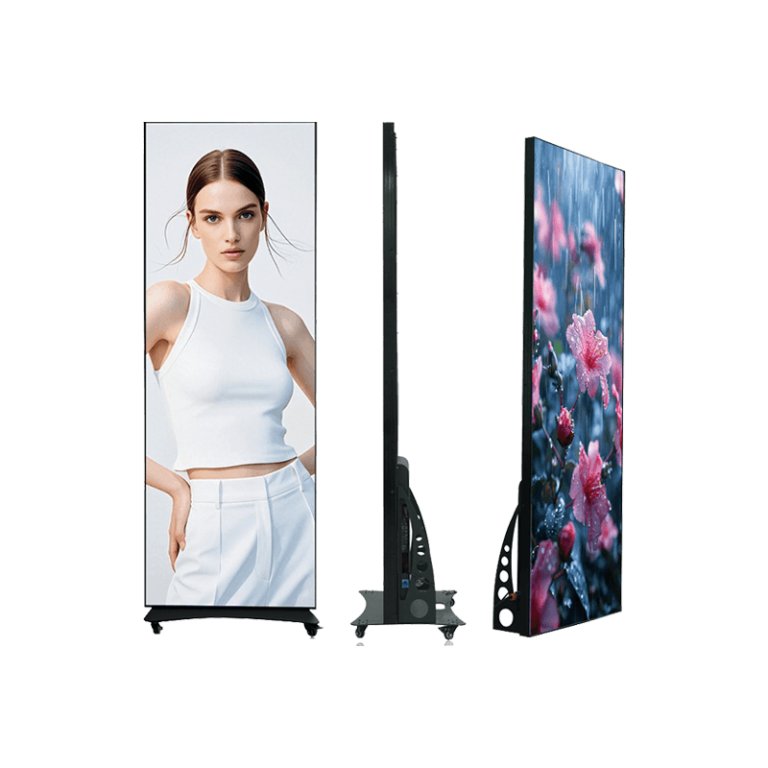
The special LED display may be relevant for a spatially unusual stage, while the custom display route can frame a non-standard shape or integration conversation. Neither link should be read as proof that every ceiling shape or load condition is available. The supplier needs the drawing, dimensions, desired radius, module or cabinet proposal, and rigging boundary before confirming feasibility.
Engineering the Two-Surface System
Start with the structure. Ceiling cabinets need safe support and a service strategy that does not put technicians above an active set without proper access. Confirm total weight, hanging points, load distribution, fire and electrical requirements, cable paths, ventilation, and emergency access. The wall may use floor support or a steel frame; the ceiling usually introduces different building responsibilities.
Next, match the display behaviour. The wall and ceiling should share a compatible pitch family, colour calibration process, refresh and scan configuration, grayscale behaviour, processor mapping, and brightness control. A visible shift between surfaces can break the virtual scene even when each display looks acceptable alone.
Test the seam and the lighting transition. Run a sky, a dark interior, a neutral gray, a saturated product colour, and a moving gradient across both surfaces. Check the real camera, lens, shutter, frame rate, exposure, and tracking state. Look for moire, scan lines, colour shift, raised blacks, seam brightness, and reflections on the product.
Purchase and Maintenance Boundaries
The ceiling changes more than the initial display area. It adds processors or output capacity, power distribution, signal paths, calibration time, rigging, cleaning, spare modules, and an outage plan. Average and peak power should be separated in the RFQ. The actual operating load depends on content, brightness, duty cycle, and the control system.
Ask for a clear boundary between display supply and site work. The supplier should identify cabinet or module format, receiving cards, power supplies, controller, structure assumptions, maintenance access, spare strategy, calibration, commissioning, and warranty response. No fixed service time, lifespan, brightness, or ceiling load should be accepted without model-specific confirmation.
For a permanent studio, document how a failed module is reached on the ceiling and how a replacement is calibrated against the wall. A ceiling that looks impressive on opening day but cannot be serviced without closing the stage is an operating risk. The same applies to a wall built too close to a finished floor or product turntable.
Choose both surfaces only when the camera and the subject use the overhead space. Otherwise, a well-tested wall can deliver a cleaner workflow with fewer engineering variables. Leyaled is a starting point for comparing display families, while the final LED ceiling virtual production design should be approved from the shot list, structural plan, lighting tests, and filmed acceptance clips.
FAQ
Q1: Does every virtual production LED wall need an LED ceiling?
A1: No. A wall is often enough for front-facing shots with controlled camera height and real overhead lighting. A ceiling earns its place when the camera tilts, products reflect above them, or the virtual scene needs continuous overhead coverage.
Q2: Can an LED ceiling replace studio lighting?
A2: Not automatically. It can contribute controlled colour and reflections, but exposure, softness, direction, and talent lighting still require a lighting design. Bright content on the ceiling may create unwanted product reflections.
Q3: What must be checked before adding a ceiling to an LED volume?
A3: Check structural load, rigging, access, ventilation, power, signal paths, fire and electrical responsibilities, wall-to-ceiling calibration, camera artefacts, brightness, content mapping, and the replacement route for failed modules.