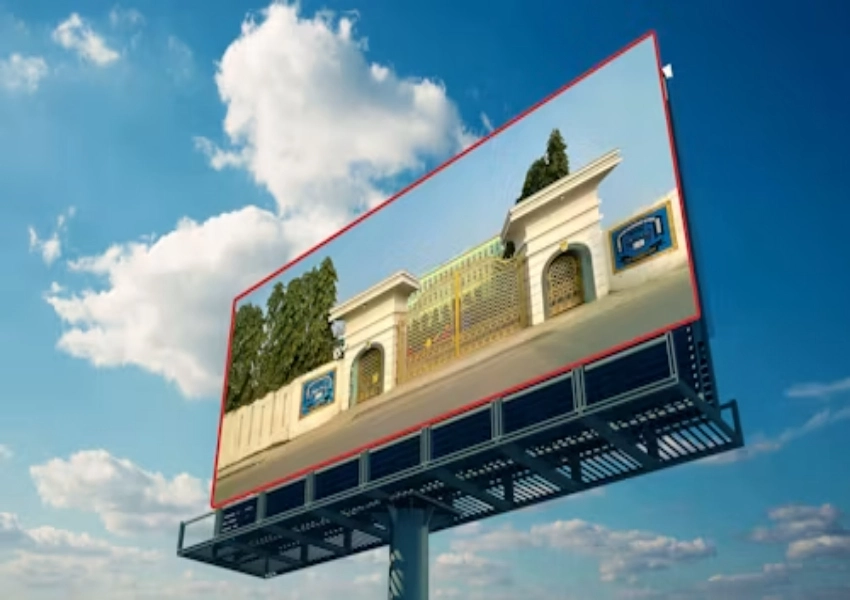
An energy-saving LED billboard can fail in two opposite ways. One buyer cuts brightness until the ad looks weak in daytime traffic. Another keeps the screen running at full output all day and all night, then wonders why the electric bill and heat load feel too high. Neither result is good. Outdoor advertising needs visibility first, but it should not waste power just to look safe on a specification sheet.
The practical answer is not simply buying the dimmest screen or the highest-brightness one. It is matching pixel pitch, screen area, cabinet efficiency, content design, ambient-light control, and operating schedule. A low-power outdoor LED display still has to read clearly at noon, dim smoothly at night, and hold stable color at reduced brightness. That is where the real project judgment begins.
Start With the Site, Not the Wattage Line
Outdoor LED power consumption is usually quoted with two numbers: maximum power and average power. Maximum power helps with cable, breaker, and power distribution design. Average power is closer to yearly electricity cost, but it changes with brightness, content, weather, and working hours. A screen beside a highway in strong sun will not behave like a screen on a shaded urban wall.
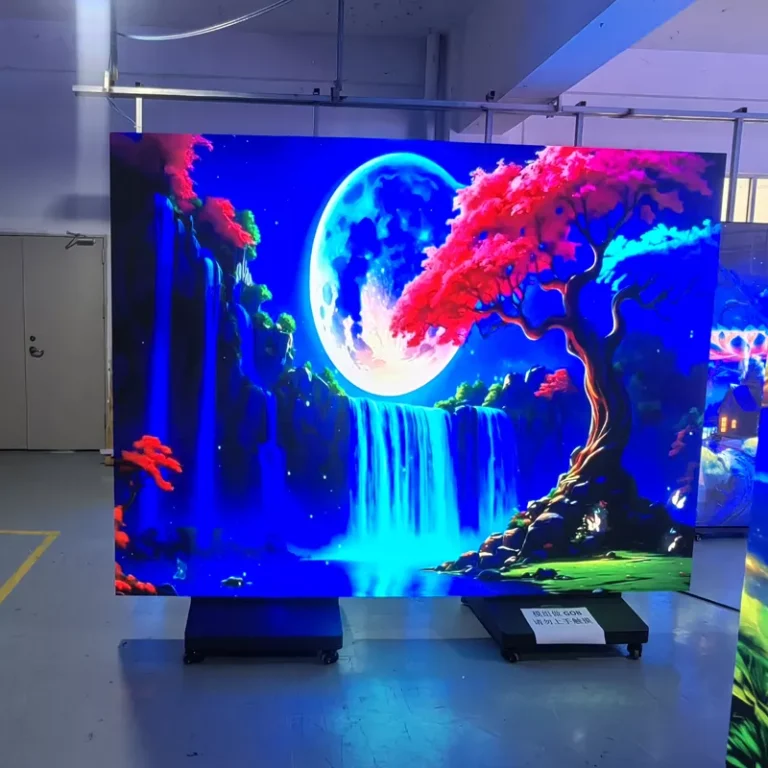
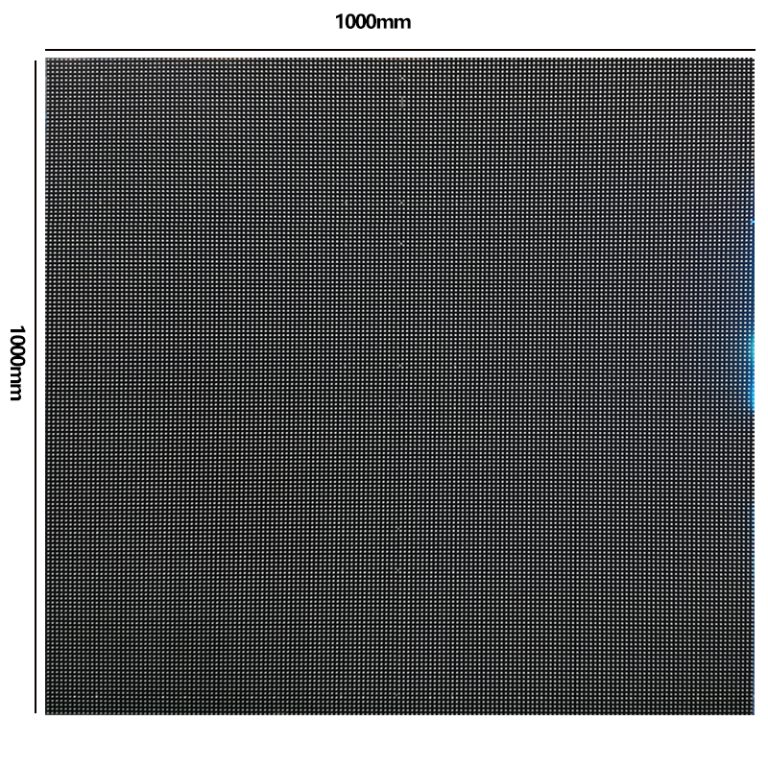
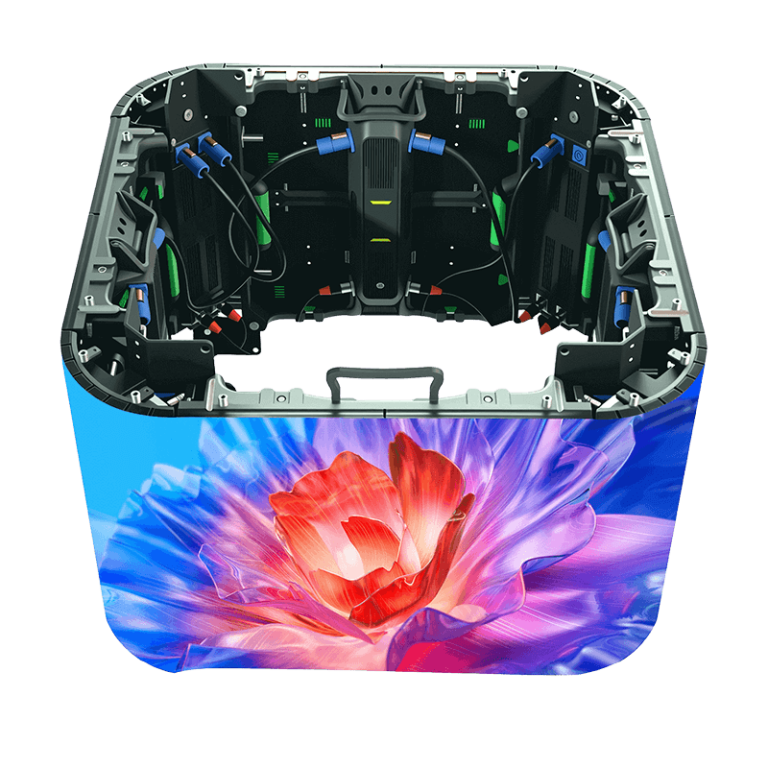
Leyaled’s outdoor P6.25 cabinet has IP65 protection, 6000 to 10000 nits brightness, front or rear maintenance, and average power around 230 W per sq m in certain 1000 by 1000 mm cabinet configurations. Those figures do not replace a site calculation, but they show why brightness, pitch, and cabinet design must be reviewed together.
Daylight Visibility Comes First
A billboard that cannot be read in direct sun loses its advertising value. For bright roads, open intersections, and west-facing locations, buyers should confirm daytime brightness before asking about savings. An underpowered screen may use less electricity but cost more in lost ad impact.
Nighttime Brightness Should Drop
The same billboard should not stay at noon brightness after dark. Good LED screen brightness control lowers power use, reduces glare complaints, and keeps the display more comfortable for drivers and nearby buildings. The screen needs enough grayscale quality at low brightness so colors do not look crushed or uneven.
Use Brightness Control Instead of Fixed Brightness
A smart LED billboard should react to ambient light. Automatic brightness adjustment as a way to keep outdoor content visible while avoiding unnecessary light output. This matters because the brightest period of the day may last only a few hours, while the billboard may run sixteen or twenty-four hours.
A basic schedule can already cut waste: high brightness in direct sun, medium brightness on cloudy afternoons, lower output at dusk, and a controlled nighttime level. A better system uses a light sensor and software rules, with manual limits for local regulations. The saving comes from not running the whole day at the worst-case setting.
For buyers comparing outdoor LED display options, brightness control should sit beside IP rating, refresh rate, cabinet material, and maintenance access. If the screen cannot dim cleanly, the operator may keep it brighter than needed just to avoid poor image quality. That defeats the purpose of an energy-saving LED billboard.
Content Design Changes the Electricity Bill
White backgrounds, full-screen bright graphics, and fast video can raise power use. Darker creatives, strong contrast, and shorter message cycles can lower it while still catching attention. This is not about making ads dull. It is about building creatively for an LED surface instead of treating it like a printed poster.
A billboard at road speed needs simple creatively anyway. Large type, one product image, limited copy, and a clear color contrast usually work better than crowded layouts. Those same choices can reduce outdoor LED power consumption because the screen does not need to push every pixel near peak output.
Pixel Pitch Should Fit the Viewing Distance

Fine pitch can raise cost and power density when the audience does not need close detail. A highway billboard viewed from a distance may be more sensible as P6 or P6.25, while a close pedestrian facade may justify P3. Leyaled’s outdoor LED billboard P6 and outdoor display P3 show how pitch choice should follow distance and content detail, not habit.
Screen Size Can Beat Over-Brightness
A larger readable message at moderate brightness may work better than a small overdriven screen. The buyer should compare the viewed image area, not only the nits. If the audience has two seconds to see the ad, size and contrast may carry more value than the last bit of peak brightness.
Heat, Cabinet Design, and Power Quality Affect Savings
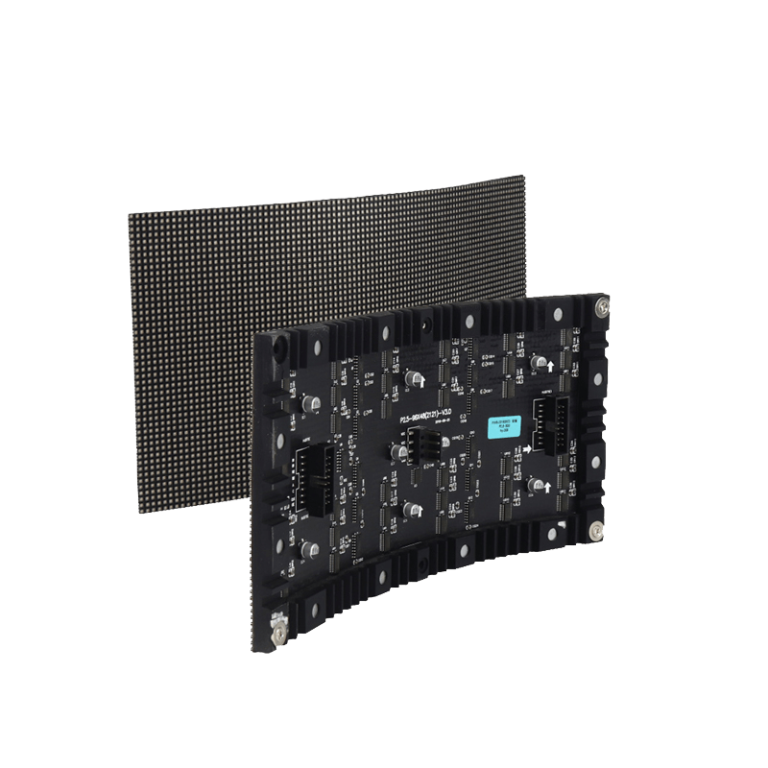
Power saving is also a reliability issue. Excess heat can speed brightness decay and strain power supplies. Heat dissipation is a major outdoor design concern, especially for screens that run bright for long periods. A low-power outdoor LED display should therefore be judged by cabinet heat path, power supply quality, ventilation, cable layout, and maintenance access.
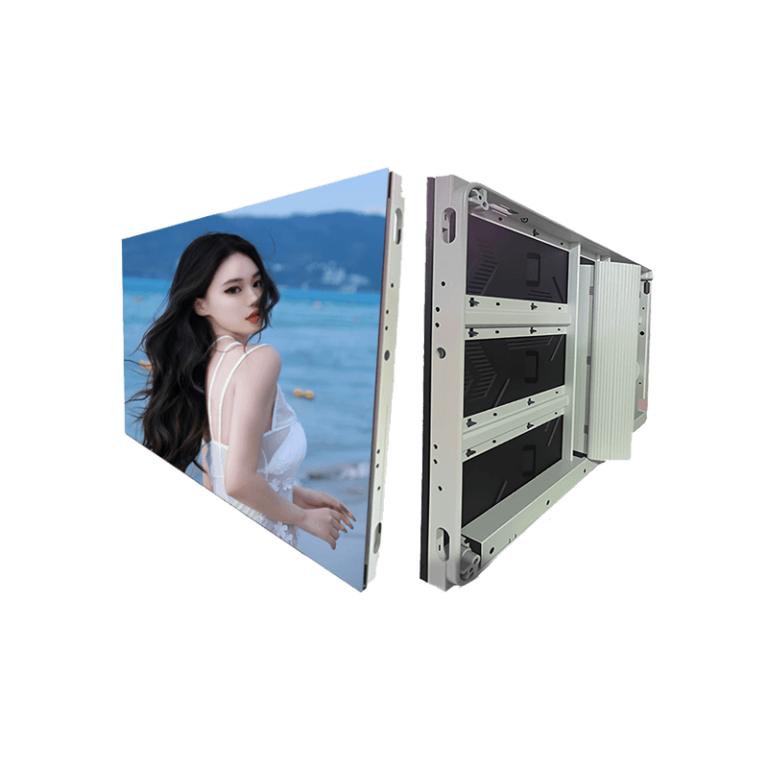
The outdoor P6.25 display product direction is relevant because outdoor advertising screens need IP65 waterproofing, high brightness, die-cast aluminum structure, and service access. In a real project, these details affect both uptime and energy performance. A screen that overheats may need higher fan use, more service visits, or earlier module replacement.
Leyaled’s factory-side quality controls also matter for operating cost. Shenzhen Fws Technology Co., Ltd. uses high-quality LED beads and driver chips, 72 hours of factory testing, high-and low-temperature cycling, and brightness-decay checks. That kind of testing gives buyers a better base for long-hour outdoor operation than a quote that only lists wattage.
Build A Simple Operating Cost Model
A useful electricity estimate is simple: screen area multiplied by average watts per sq m, divided by 1000, multiplied by operating hours and electricity price. The hard part is choosing a realistic average wattage. Ask the supplier for power use under normal billboard content, not only all-white, maximum output. Then create two or three scenarios: summer daylight-heavy use, normal mixed content, and nighttime reduced-brightness operation.
The same discussion should include warranty, spare modules, brightness calibration, and control software. Leyaled supports on-site installation, a 3-year free warranty, lifetime technical support, 24-hour response, and 48-hour on-site repair for qualifying issues. Those service items do not lower the electricity bill directly, but they help keep the smart LED billboard running as planned after the first acceptance test.
Conclusion
Reducing billboard energy use should never mean making the screen too dim to sell. The better route is to match brightness to the site, use smart dimming, design LED-friendly content, and choose a pitch that fits viewing distance. Buyers can start with Leyaled resources, then compare outdoor display options by brightness, power, heat, and service planning rather than wattage alone.
FAQ
Q1: Can an energy-saving LED billboard still be bright enough for direct sun?
A1: Yes, if the screen has adequate peak brightness, efficient cabinet design, and controlled dimming instead of a fixed low-brightness setting.
Q2: What reduces outdoor LED power consumption the most?
A2: Proper brightness scheduling, ambient-light sensors, suitable pixel pitch, efficient content design, and realistic average-power planning usually make the biggest difference.
Q3: What should buyers ask Leyaled before ordering?
A3: Ask for maximum power, average power, brightness range, dimming method, IP rating, heat design, spare parts, warranty terms, and service access for the site.