Flexible LED screen radius is one of the first questions in a curved display project, yet it is often asked too late. A designer may draw a perfect cylinder, wave, or concave wall, and then the installation team discovers that the module, frame, cable route, or magnetic structure cannot follow the curve cleanly. At that point, the project may need a wider radius, new steelwork, or a complete content remap.
The safe answer is not one universal number. A curved LED screen radius depends on module design, pixel pitch, cabinet or subframe system, whether the curve is concave or convex, and how the display will be serviced after installation. A module may bend within a stated range, but the complete curved LED wall design still has to protect pixels, seams, power, ventilation, and viewing quality.
Radius Is More Than a Bend Test
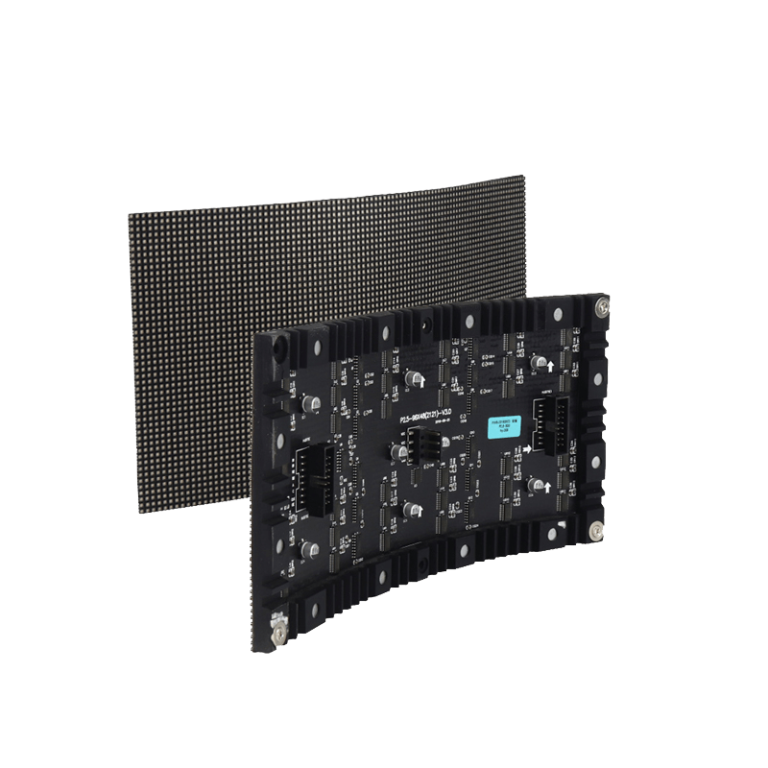
A flexible module can bend, but it should not be forced into shape. Flexible LED screens are products built with flexible modules, magnetic core connections, flexible FPC circuit boards, and bend-resistant silicone materials. It also notes that flexible LED screens can support inner arcs, outer arcs, cylinders, waves, and spiral forms, with large-angle bending and a maximum bending arc above 110 degrees in relevant product descriptions.
That sounds generous, but a real installation is stricter than a demo module. The radius must leave room for the support frame, cable bend, power route, heat dissipation, and service access. A very tight curve can make seams uneven, stress solder joints, or cause modules to lift at the edges.
Minimum Radius Is a Starting Point
The minimum bend range should be treated as a design boundary, not a target. A display that always sits near its limit may be harder to install and more sensitive to transport, temperature change, and repeated maintenance.
Mockups Save Rework
For a cylindrical LED display or small-radius column, a physical mockup is worth the time. It reveals seam behavior, viewing angle, module pull, and whether the content still looks natural on the curve.
Concave and Convex Curves Stress the Screen Differently
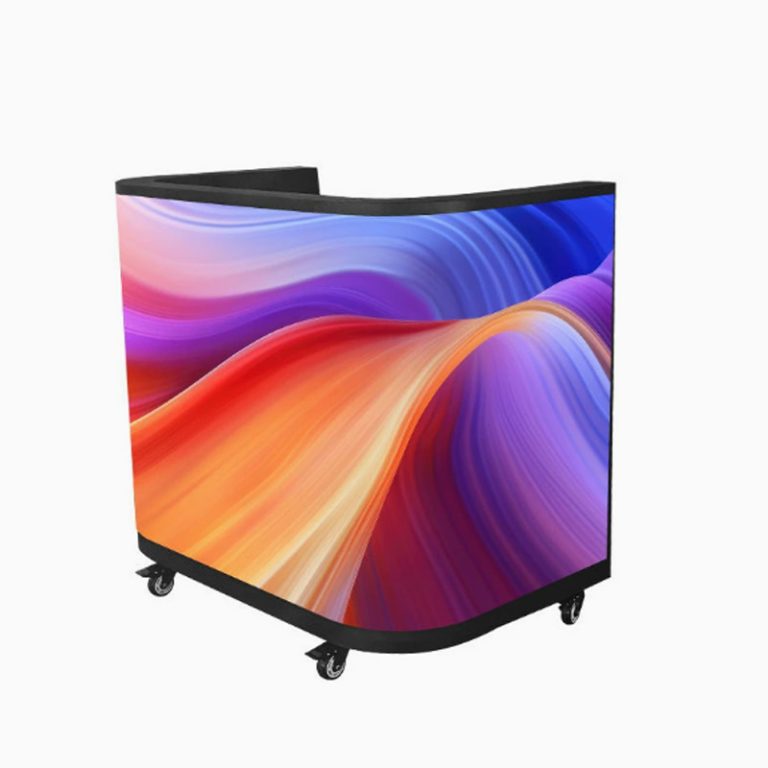
A concave LED screen bends inward toward the viewer. It can create an immersive feel in museums, showrooms, lobbies, and stage backgrounds. The risk is that the viewer may stand close enough to notice pixel structure or seam alignment. The inner curve also needs clean content mapping so straight lines do not look warped.
A convex LED screen bends outward, often around columns, retail corners, or building features. The outer curve can be more visible from side angles, so color consistency and viewing angle matter. It also makes edge protection important because the display surface may sit closer to traffic, pedestrians, or installation tools.
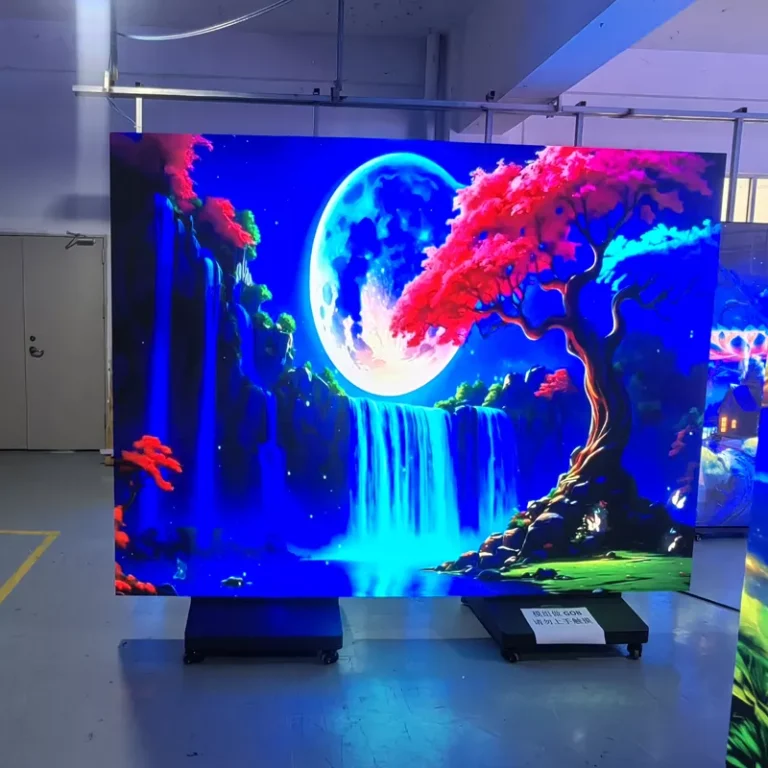
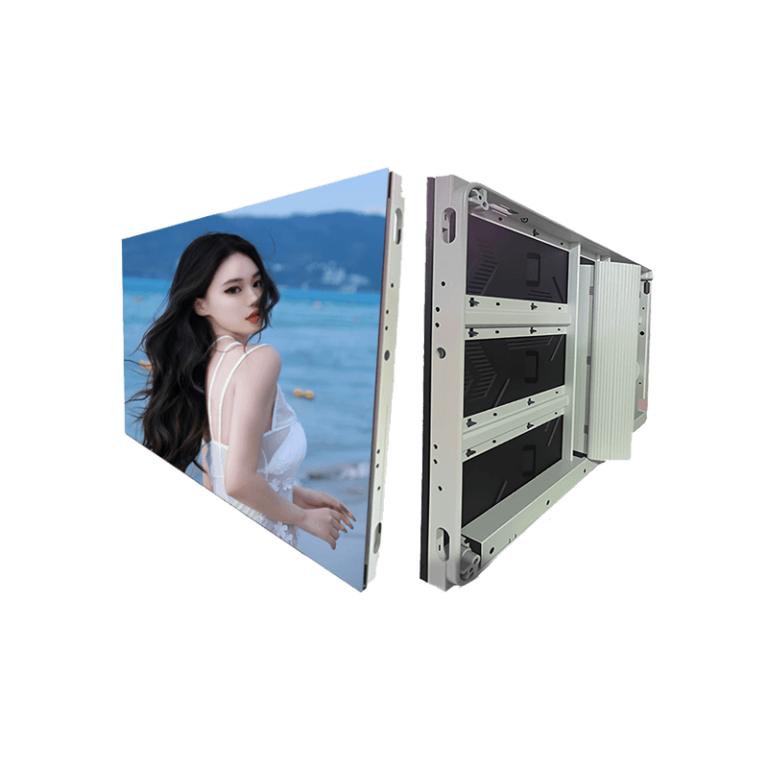
Leyaled’s flexible LED display category is relevant because shaped screens are used for curved walls, cylindrical forms, waves, exhibition halls, shopping malls, and creative commercial spaces. The product direction points to magnetic installation and flexible structures that support shaped display work.
Cylinders Need Exact Module Counts
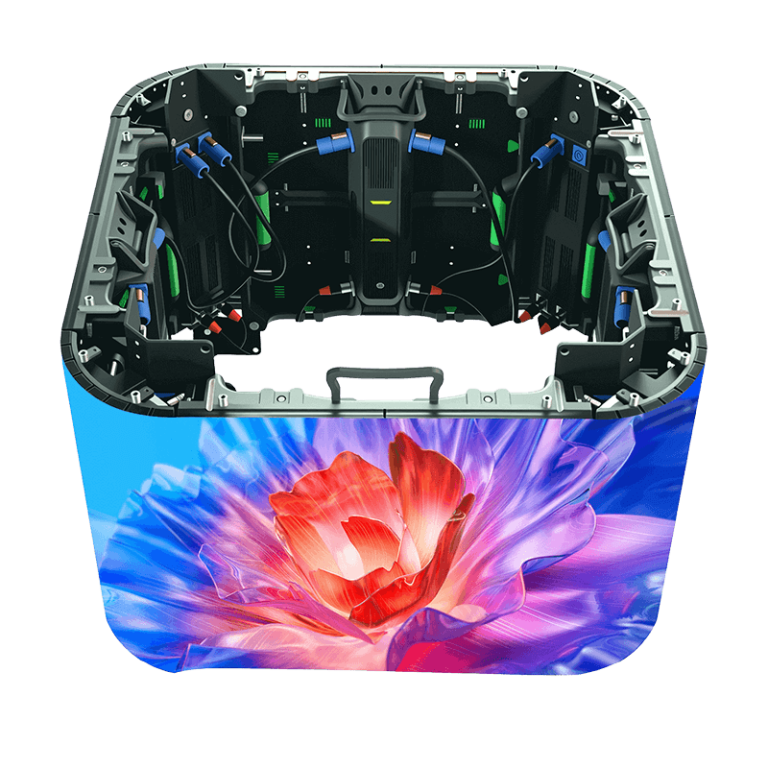
A cylindrical LED display should be calculated by circumference, module width, and seam position. If the circumference does not match the module layout, one seam may become compressed or widened. Content teams also need the pixel map before producing graphics.
Waves Need Repeated Radius Control
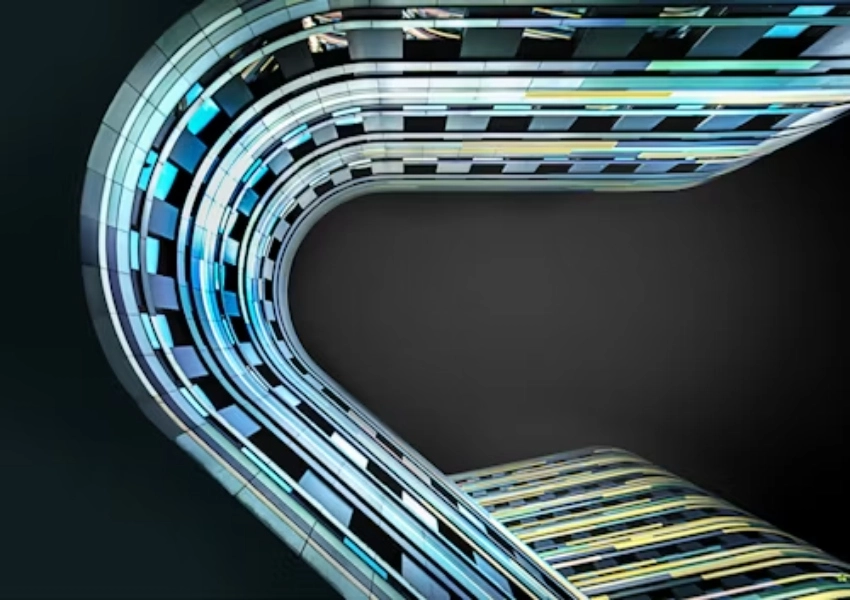
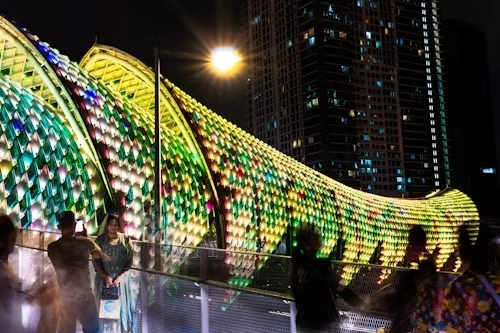
A wave-shaped display is not one curve. It is a sequence of convex and concave sections. Each transition needs a smooth support frame, or the display can show small visual breaks under moving content.
Pixel Pitch Changes How Tight the Curve Feels
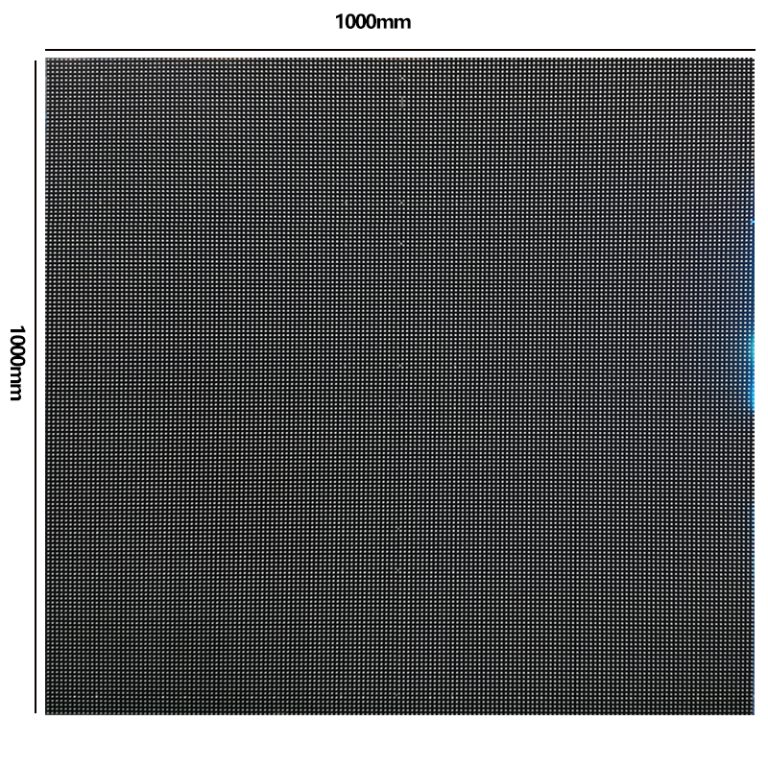
A smaller pitch can make close-viewing curved displays smoother, but it can also make seam and alignment faults more visible. A wider pitch may be more forgiving at distance, but it can look coarse on a tight column viewed up close. Buyers should judge pitch and radius together, not as separate specifications.
Leyaled’s LED flexible screen P3.91 direction is a useful reference because P3.91 is a common flexible pitch for creative screens. It also notes uses such as science and technology museums, exhibition halls, halls, theaters, commercial spaces, columns, rings, and car show applications. Those scenarios do not share one viewing distance, so the radius decision should follow both the physical shape and viewer position.
Frame, Magnet, Cable, and Service Access Set the Real Limit
Flexible LED module bending depends on the module, but the finished wall depends on the structure behind it. Magnetic installation can make front service easier, yet the magnets need a stable receiving surface. Cable routes must bend without pulling connectors. Power supplies and receiving cards still need a safe mounting position. Ventilation should not be blocked by a decorative enclosure.
For an indoor flexible display, close viewing and clean surface quality often matter more than extreme weather protection. For outdoor flexible projects, waterproofing, UV exposure, wind, corrosion resistance, and temperature movement become more serious. Leyaled flexible information includes indoor and outdoor use, waterproof housing language, and outdoor IP65 to IP67 wording in relevant flexible P3.91 material, which should be checked against the final model and project environment.
Do Not Hide the Maintenance Path
A curved wall can look seamless and still be hard to repair. Buyers should ask how one module is removed, how alignment is restored, and how calibration files are kept. A maintenance plan is part of the radius decision.
Check Heat on Enclosed Curves
Curved displays are often built into decorative structures. If the enclosure traps heat, the screen may age faster or show brightness drift. Leave real airflow and access space behind the visual surface.
How To Specify The Radius Before Production
A useful curved display brief should include the target radius, inner or outer curve direction, total width and height, viewing distance, pixel pitch target, installation drawing, service method, content type, and whether the screen is indoor or outdoor. Photos and a simple plan view help the supplier see where the curve begins and ends.
Leyaled supports LED display manufacturing from a 7,000 sq m Shenzhen factory with automated production lines. Its knowledge base points to LED module series, flexible LED screens, high-quality LED beads and driver chips, 72 hours of factory testing, high-and low-temperature cycling, brightness decay checks, on-site installation, a 3-year free warranty, lifetime technical support, 24-hour response, and 48-hour on-site repair for qualifying issues.
A buyer comparing outdoor flexible display options can prepare drawings with the radius, module direction, front or rear access needs, and content map. The more exact the shape is before production, the less likely the project will need field bending, emergency cutting, or content distortion fixes.
Conclusion
A tight curve can look impressive, but only when the module, frame, cable route, content map, and maintenance method agree. The flexible LED screen radius should be confirmed before steelwork and content production begin. Buyers can start with Leyaled resources, then narrow the design around real radius limits rather than a rendering alone.
FAQ
Q1: What is a safe flexible LED screen radius?
A1: It depends on the module, pitch, support frame, curve direction, and service plan. The supplier should confirm the radius against the exact model.
Q2: Can one flexible LED module make both concave and convex curves?
A2: Some flexible modules support inner and outer arcs, but the final structure, magnet surface, cables, and maintenance path still need project review.
Q3: What should Leyaled receive for a curved display quotation?
A3: Send drawings, target radius, curve direction, screen size, viewing distance, indoor or outdoor use, service method, and expected content type.