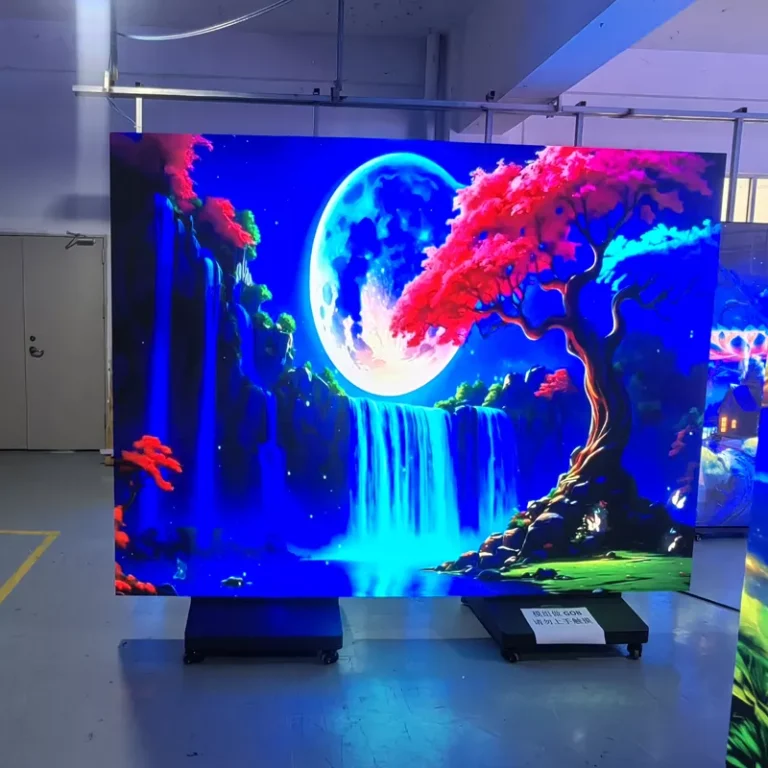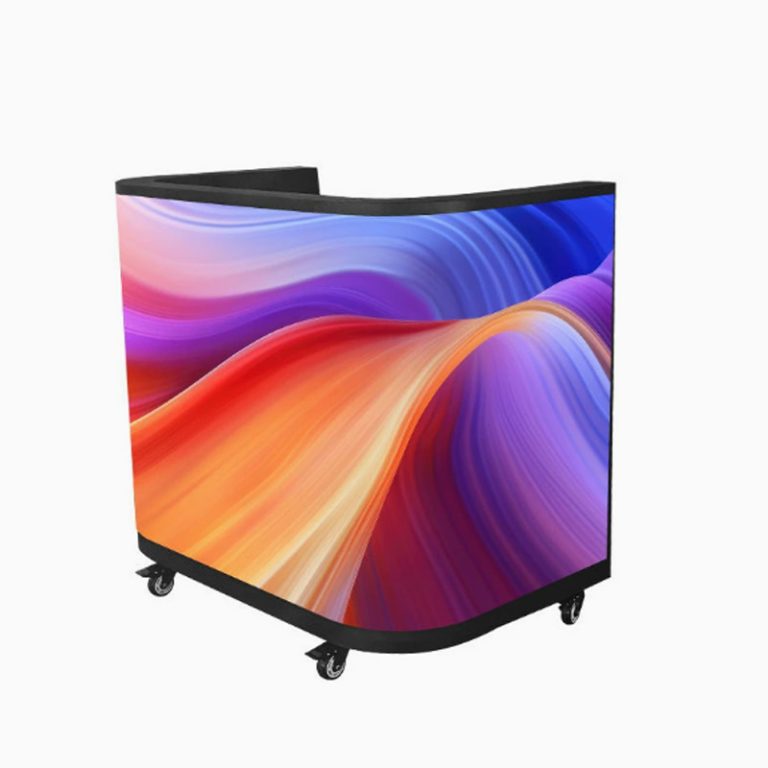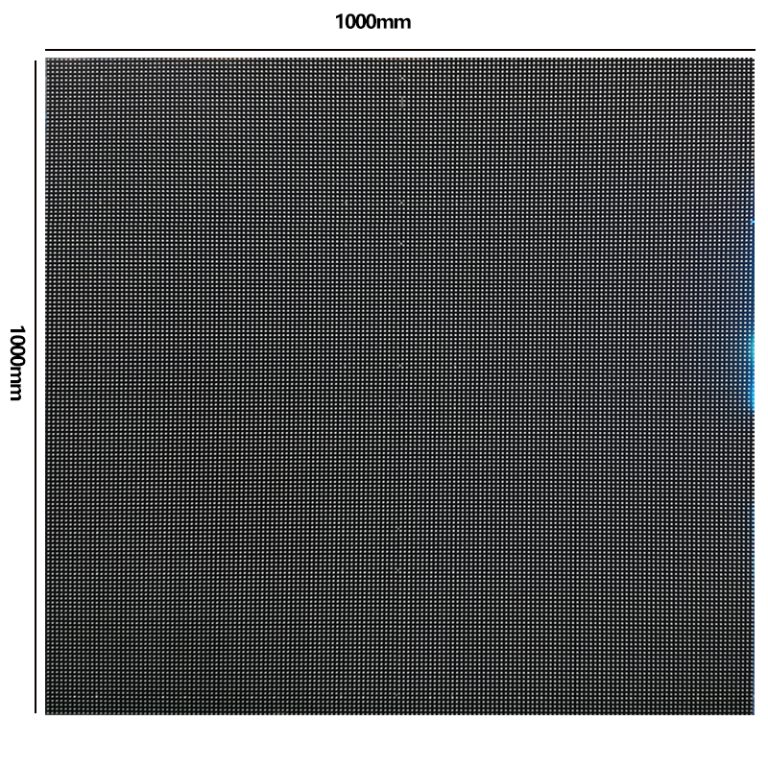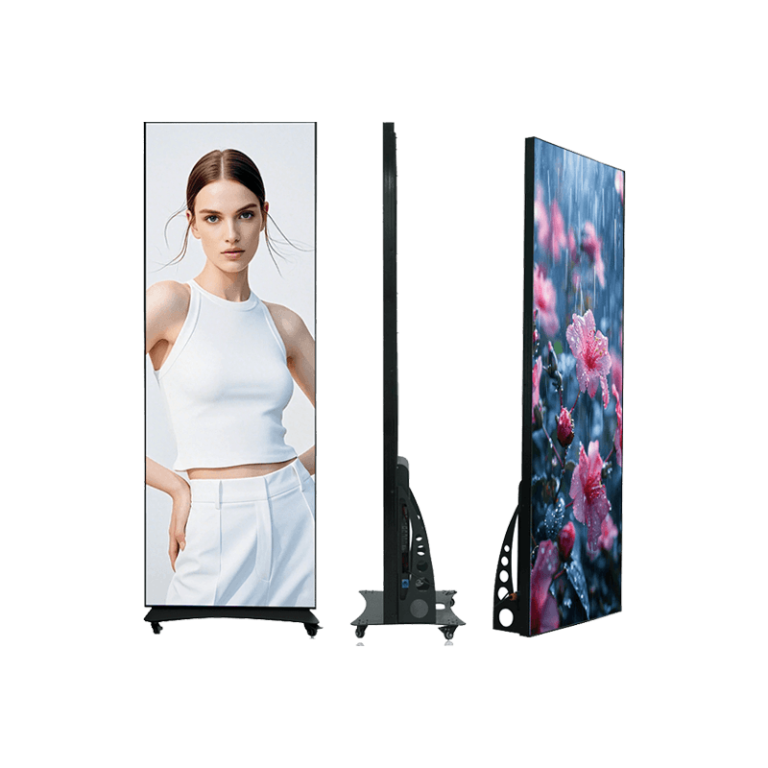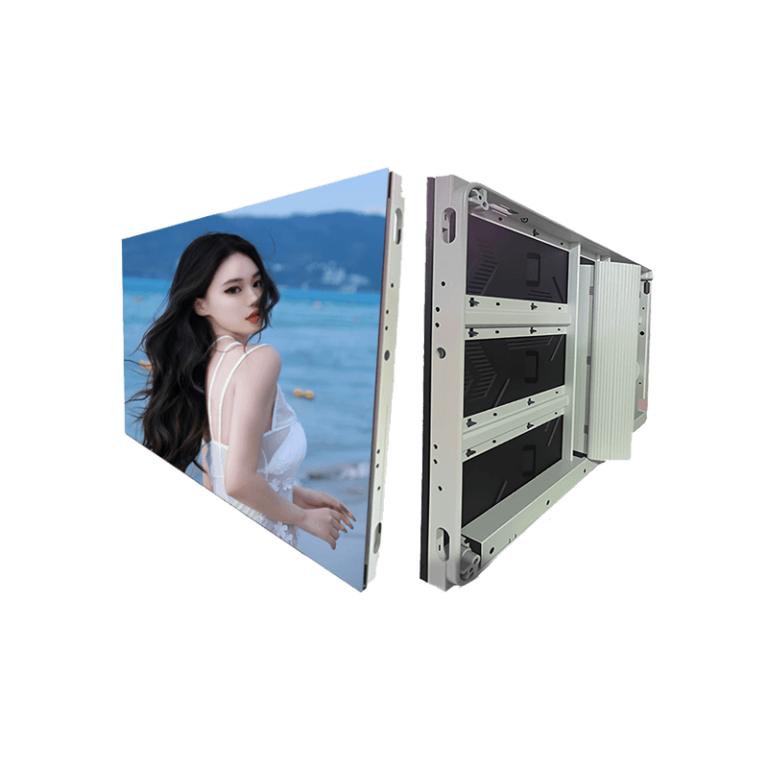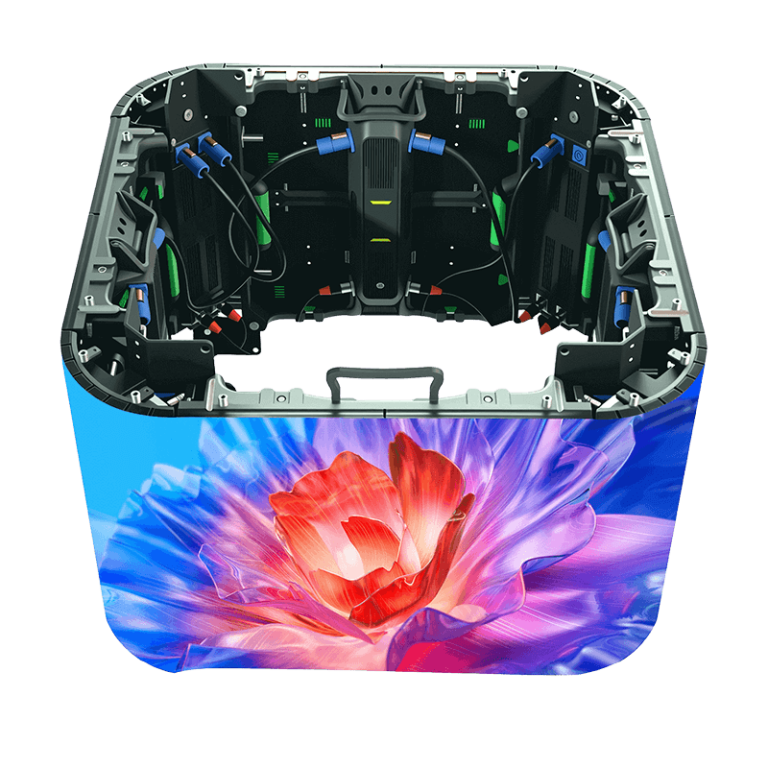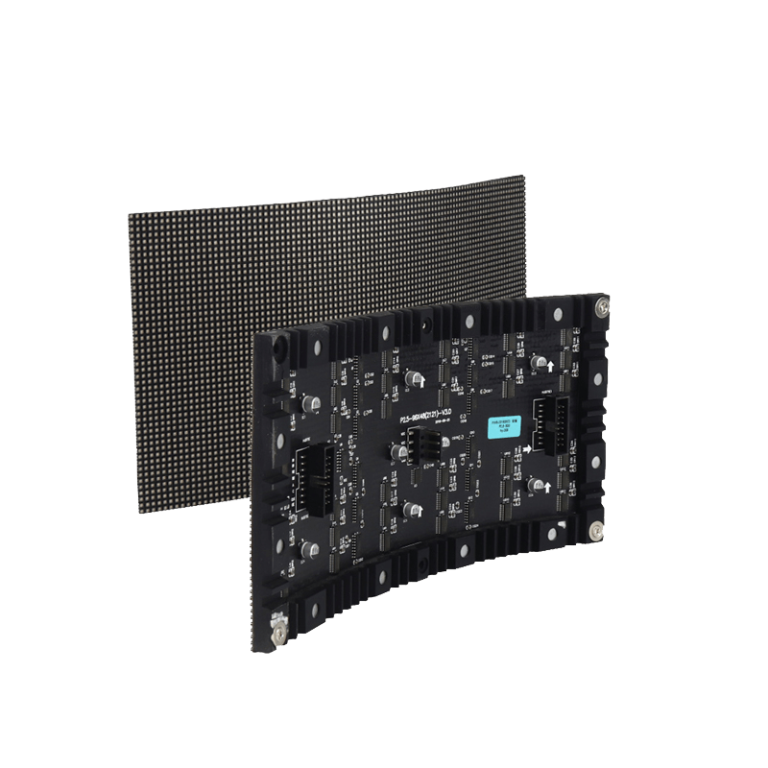
LED billboard installation is not only a screen assembly job. It is a structural, electrical, weatherproofing, and service-access project. A billboard may look fine on the first day, then start to show cabinet movement, water marks, overheating, loose power parts, or access problems after the first heavy rain or windy season. The safest buying decision starts before the frame is fabricated.
Outdoor advertising screens work in public space. A weak bracket, poor grounding, overloaded circuit, or blocked maintenance route can create expensive and unsafe consequences. The checklist below is written for media owners, contractors, installers, and project buyers who need to review an outdoor LED screen structure before production and again before handover.
Confirm Site Conditions Before the Screen Is Ordered
The site decides the installation method. A roadside pole billboard, rooftop screen, building wall, and freestanding steel structure all need different mounting decisions. Before choosing cabinet size, buyers should collect site photos, installation height, shortest and longest viewing distance, wind exposure, access equipment, power route, drainage path, and any local sign or building rules.
Outdoor LED screens face wind, rain, humidity, dust, sand, heat, and lightning. It also points to IP65 front protection, rear protection often at IP54 or higher, and operating temperature planning around -20°C to 50°C. Those are not decorative details. They shape the frame, cable route, and electrical enclosure choices.
Check the Viewing Side and Service Side
A billboard is sold from the viewing side but maintained from the service side. If rear access is blocked, front maintenance or a safer access platform may be required. If the screen is high above traffic, every service visit needs more planning and cost.
Match Cabinet Size to the Frame
Cabinet size affects steel spacing, lifting method, seams, and future replacement. A clean module map helps technicians find faults later instead of opening cabinet after cabinet in bad weather.
Review Wind Load and Structural Strength
The LED display wind load should be reviewed by qualified structural personnel for the location. The display face, frame, cladding, and cabinet depth all catch wind. Open highway sites and rooftops can be more exposed than a sheltered shopping street. The installer should not treat every P6 or P8 billboard as the same structure just because the pixel pitch is similar.
The outdoor LED screen structure should include steel grade, welding quality, anchor bolts, corrosion protection, cabinet support points, bracing, and inspection access. Drainage should be planned so water does not sit on beams or behind cabinets. UV exposure, vibration, and thermal expansion should also be considered because billboard structures move slightly over time.
Leyaled’s fixed LED display category is a relevant starting point for permanent installations because fixed screens need stable mounting, service planning, and long-term outdoor durability. The screen and steelwork should be discussed together rather than quoted as unrelated items.
Look for Movement Risk
Movement can damage seams, connectors, and alignment. A display may not fall yet still suffer from vibration that loosens parts or creates uneven cabinet flatness. Ask how the frame controls deflection under wind and during maintenance work.
Keep Maintenance Loads in Mind
A service platform, technician weight, tool access, and replacement modules all add practical load cases. The structure should support real service work, not only the screen’s static weight.
Protect Power Distribution and Grounding
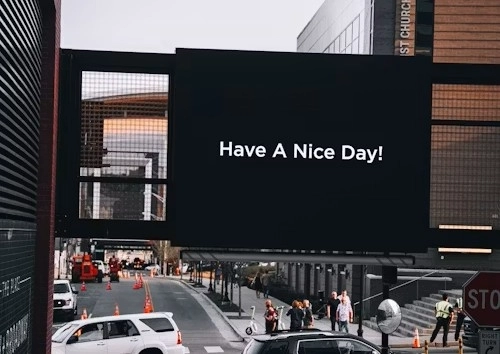
Outdoor LED electrical safety starts with correct load calculation. Use maximum power for cable and breaker sizing, then use realistic average power for operating costs. The screen should have properly rated distribution boxes, protected cable entry, safe connectors, clear labeling, and emergency shutdown access.
Grounding and lightning protection deserve special attention. Outdoor screens are often high, exposed, and connected to metal structures. Grounding, lightning protection, waterproofing, and heat control as outdoor planning concerns. A good installation should make these items visible in drawings and handover files, not leave them as verbal promises.
For close-viewing outdoor projects, outdoor display P2.604 shows the kind of performance that can make electrical planning tighter: high brightness, fine pitch, 3840 Hz refresh, die-cast aluminum cabinet, and sunlight-readable output. Finer outdoor screens can reveal faults quickly, so stable power and good heat control matter.
Separate Signal and Power Routes
Messy cable routing makes service slower and faults harder to isolate. Signal and power lines should be labeled, protected from sharp metal edges, and kept away from standing water. Spare routes are helpful when a later repair or controller upgrade is needed.
Plan for Safe Shutdown
The maintenance team needs a documented shutdown sequence. Emergency power-off points, controller locations, and cabinet zones should be clear enough for a technician who was not present during installation.
Weatherproofing and Heat Cannot Be Added Later
Waterproofing is a system. It includes module sealing, cabinet joints, power boxes, cable glands, frame drainage, installation angle, and routine inspection. A screen with IP-rated cabinets can still fail if water pools in the steel frame or enters through a cable route. Dust can also hold moisture and block heat dissipation.
Heat is another hidden installation issue. Outdoor screens need airflow behind and around the cabinet. Mounting too close to a wall, blocking vents, or placing power parts in a hot, sealed space can shorten lifespan. The profile aluminum LED display product direction is useful as a heat dissipation reference because the aluminum body design, IP protection, and service access all affect long-term reliability.
Handover Should Include Documents, Spares, And Service Rules
A professional LED billboard mounting project should end with more than a powered-on screen. Handover should include structural drawings, cabinet layout, wiring diagram, power load sheet, receiving-card map, grounding record, waterproof inspection notes, spare module list, control software access, brightness schedule, and maintenance instructions.
Leyaled supports indoor and outdoor full-color LED displays from a 7,000 sq m Shenzhen factory with automated production lines. The project value sits in the details: high-quality LED beads and driver chips, 72 hours of testing, high and low temperature cycling, brightness decay checks, on-site installation support, a 3-year free warranty, lifetime technical support, 24-hour response, and 48-hour on-site repair for qualifying issues.
Buyers can contact Leyaled after preparing site dimensions, installation photos, wind exposure notes, access limits, and electrical requirements. A clearer site package leads to a safer quotation and fewer field changes.
Conclusion
Safe billboard installation comes from planning, not last-minute fixing. Wind load, steel structure, waterproofing, electrical protection, heat, and service access should be checked before the cabinets ship. Buyers can start with Leyaled resources, then turn the checklist into drawings, test records, and handover documents that protect the screen after opening day.
FAQ
Q1: Who should review LED display wind load?
A1: A qualified structural engineer or approved local professional should review wind load, frame strength, anchors, and site exposure before installation.
Q2: What belongs in an outdoor LED electrical safety checklist?
A2: Include load calculation, breaker sizing, grounding, lightning protection, waterproof cable entry, labeled circuits, emergency shutdown, and safe service access.
Q3: What should Leyaled receive before quoting a billboard project?
A3: Send screen size, site photos, height, viewing distance, wind exposure, mounting plan, power conditions, service access limits, and local installation rules.