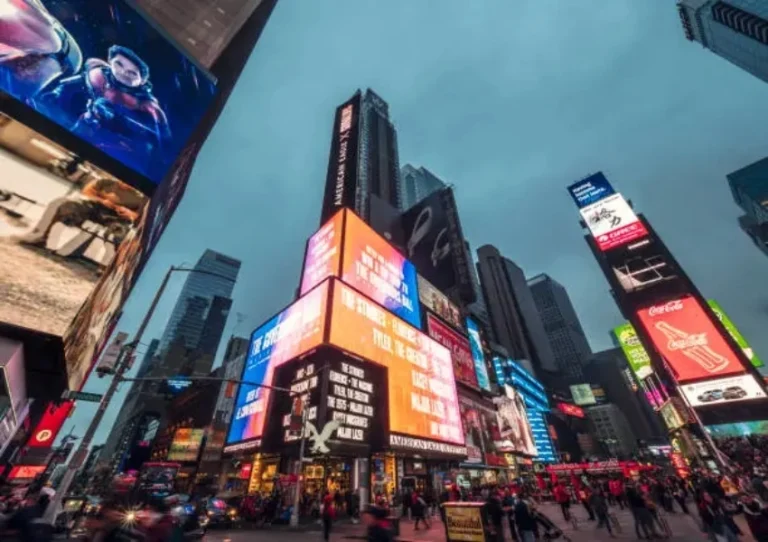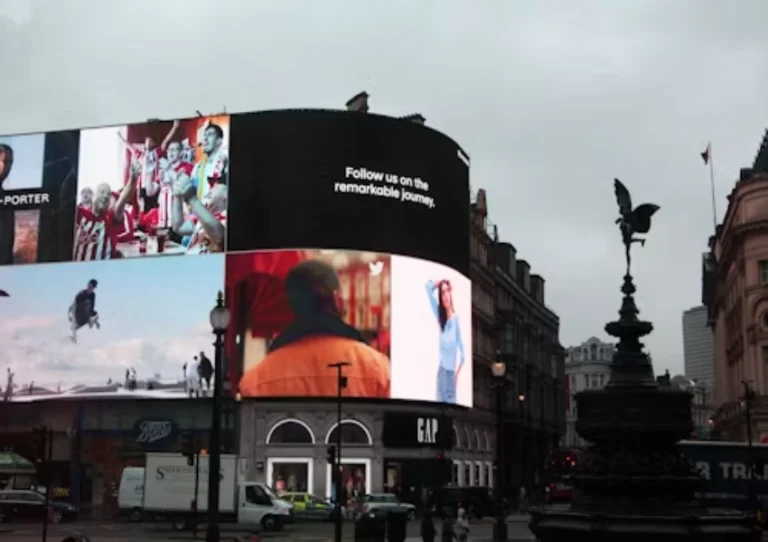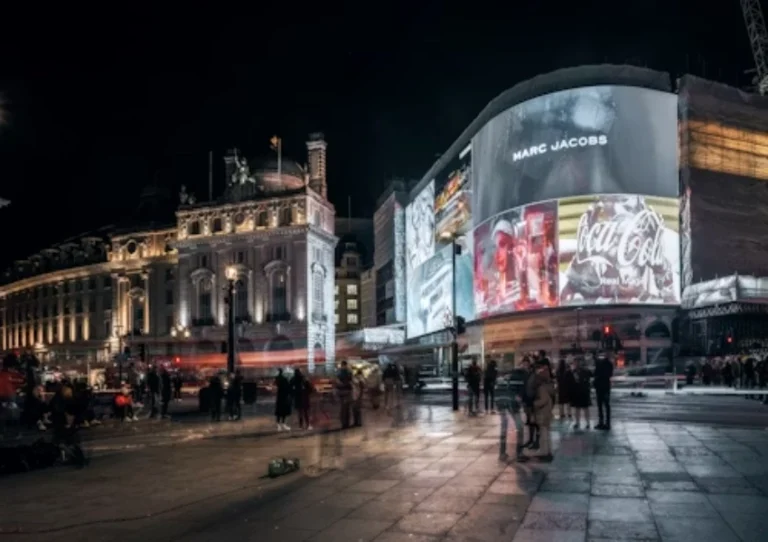
LED screens are often sold by pixel pitch, cabinet size, brightness, and visual effect. Power cost comes later, sometimes too late. For a mall owner, control room, outdoor media operator, showroom, school hall, or hotel, LED screen power consumption can become a real operating expense across a full year. The screen may run six hours a day, twelve hours a day, or almost continuously. That difference changes the annual budget far more than a small change in purchase price.
Estimating LED screen operating cost is not difficult, but it has to be done with realistic numbers. Maximum wattage is useful for electrical design. Average wattage is more useful for electricity cost. Brightness setting, content color, ambient light, operating hours, heat, pixel pitch, and cabinet design all influence the result.
Start With Display Area And Rated Wattage
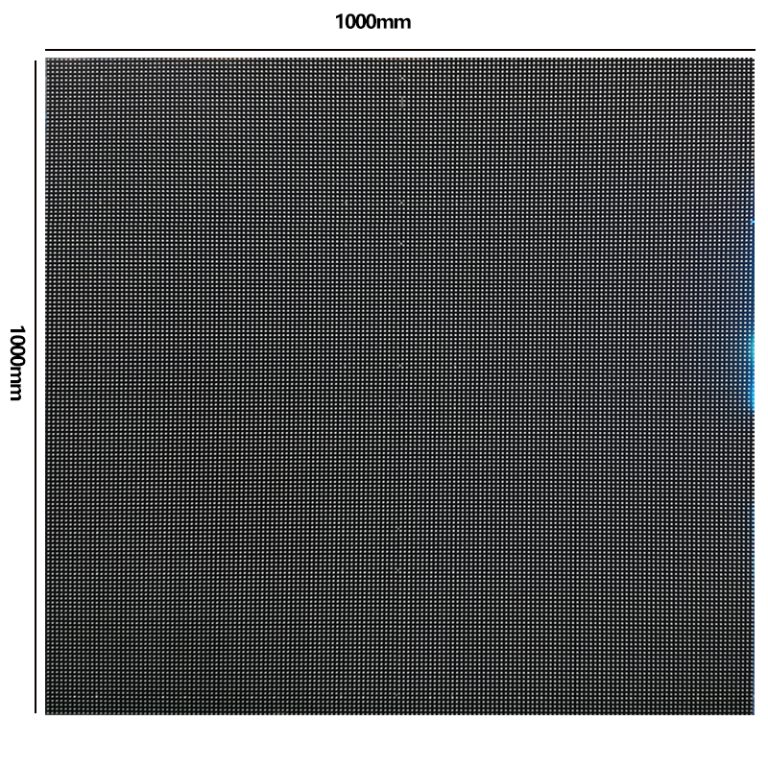
The first step is to calculate the display area in square meters. Multiply screen width by screen height. A 6 m x 3 m LED wall has 18 square meters of active display area. Then ask for the LED display wattage per square meter. Suppliers may provide maximum power and average power. Both numbers should be kept, because they serve different purposes.
Maximum Power is for Electrical Safety
Maximum power helps engineers size cables, breakers, distribution boxes, and backup power. It assumes a high-load condition, often much brighter and whiter than normal content. A project should not size electrical infrastructure only from average power, because peak load still has to be handled safely.
Average Power is Closer to Real Cost
Average power reflects common content and normal brightness settings. For LED wall electricity cost, this number usually matters more. A screen showing mixed video at 40% to 60% brightness will not behave like a full-white test pattern all day. Still, the average figure should come from a credible product sheet or supplier calculation, not a casual guess.
Use A Simple Annual Cost Formula
The basic formula is: screen area x average watts per square meter x daily operating hours x operating days per year, then divide by 1000 to get kWh. Multiply that by the local electricity price. This gives a practical annual estimate before the screen is purchased.
A Quick Example
Take an 18 square meter indoor LED wall with an average 250 W per square meter. If it runs 10 hours a day for 300 days, annual electricity use is 18 x 250 x 10 x 300 / 1000 = 13,500 kWh. If electricity costs 0.15 USD per kWh, the annual LED screen operating cost is about 2,025 USD. A higher brightness outdoor display, longer daily schedule, or larger wall can change that number quickly.
Longer Schedules Change the Bill Faster Than Most Buyers Expect
The same LED screen power consumption can look modest in a hotel lobby that runs only during business hours and much heavier in a transport hub, command room, or retail facade that stays live for long stretches. That is why LED wall electricity cost should be checked against the actual calendar, not a generic month. In projects with long operating hours, an energy-efficient LED display is usually the one that keeps the annual bill predictable instead of surprising the finance team later.
Brightness And Environment Change The Real Number
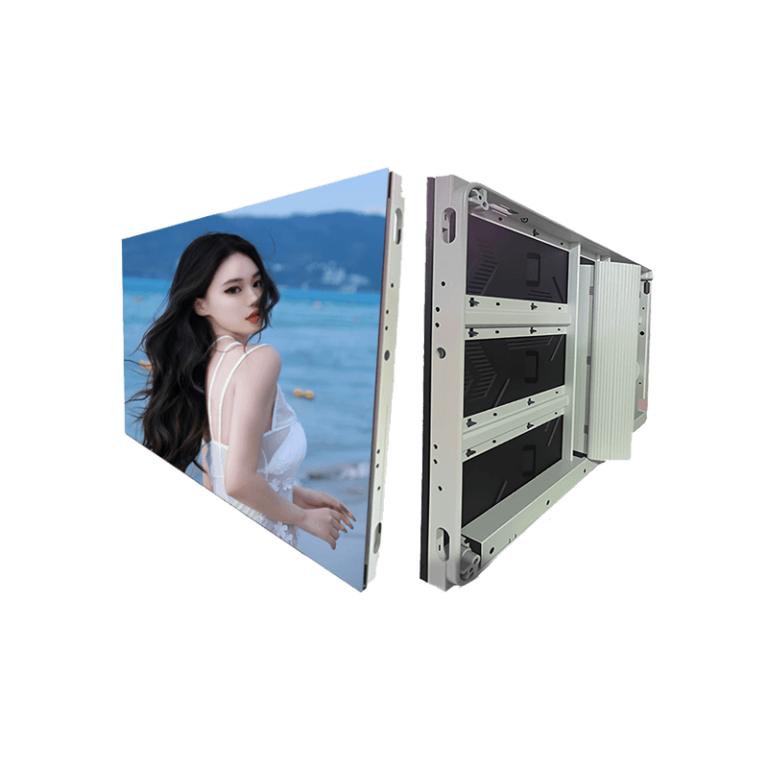
For screens shown indoors, unlike outdoor screens, they generally do not need to run at the same level of brightness as outdoor screens. As mentioned previously, a corporate lobby, meeting room, showroom, or studio can generally be set at a lower level of brightness than an outdoor display. This does not mean that indoor displays do not have enough outdoor strengths, for example Leyaled’s outdoor P2.604 display has 10,000 nits of brightness for direct sunlight visibility plus mixed 500 x 500mm and 500 x 1000mm cabinet splicing, very wide viewing angles plus extremely fast to set up with Quick-lock assembly, however for energy consumption purposes it is generally advisable to run at the lower indoor brightness. The amount of required brightness will depend on your environment. For indoor usage, you can safely lower the brightness than what would be required for the same image in an outside environment. When calculating energy consumption, however, it is best to take into account the typical brightness required for indoor as opposed to outdoor usage and design accordingly.
Content Color Also Matters
LEDs consume different power depending on what they show. Full white uses far more power than dark video, logos on black backgrounds, or lower-brightness indoor content. A screen used for advertising loops may have a different average load from a dashboard, worship background, wayfinding display, or digital art wall. Buyers should ask suppliers whether the quoted average wattage assumes typical video, high-brightness content, or a test pattern.
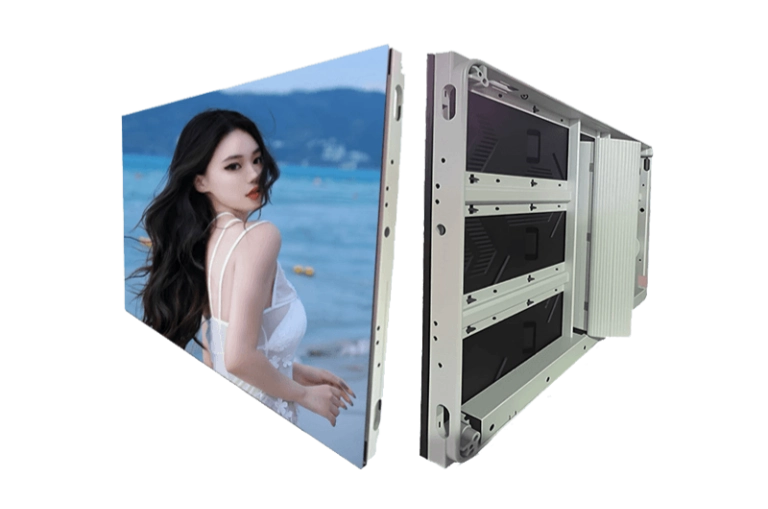
Energy-Efficient LED Display Choices Are Not Only About Power
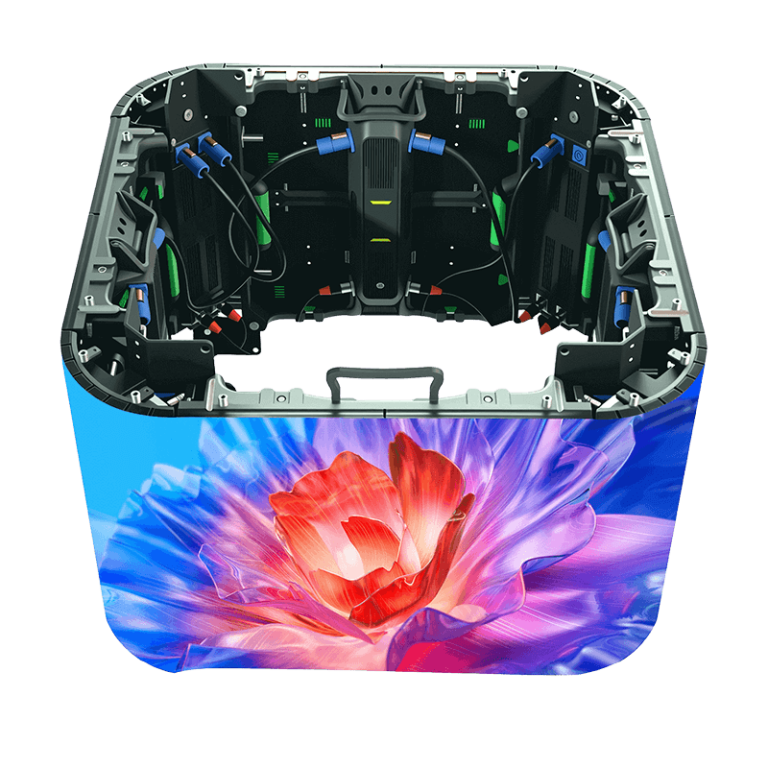
An energy-efficient LED display is not simply the lowest-watt product on a sheet. It should deliver the required brightness, grayscale, refresh rate, color stability, heat control, and service life at a reasonable power level. A screen that is too dim may be pushed to high brightness all day. A poorly cooled screen may lose stability faster. A low-cost cabinet that is hard to service may create maintenance expenses that wipe out power savings.
Pixel Pitch Affects the Power Conversation
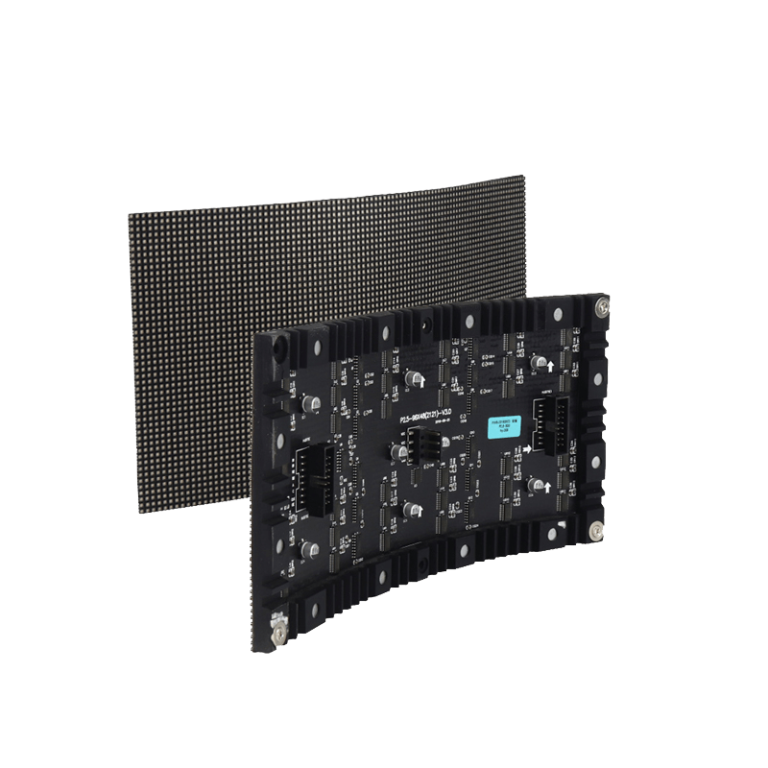
Smaller pitch can increase pixel density and detail, especially at close viewing distances. It can also change total power, control hardware, and cost. Leyaled’s indoor display P3.91 uses a 3.91 mm pixel pitch, 500 x 1000 x 80 mm die-cast aluminum cabinets, 250 x 250 mm modules, and 3840 Hz to 7680 Hz refresh options. For many indoor walls, that balance of detail, cabinet format, and refresh is more useful than chasing the smallest pitch without checking viewing distance.
What To Ask Before Approving The Budget
A serious LED display budget should include purchase cost, mounting structure, control system, power distribution, cooling or ventilation, spare parts, cleaning, maintenance access, and electricity. Leyaled is a Shenzhen-based LED display R&D and production company with about 7,000 square meters of factory space, automated production lines, indoor and outdoor full-color LED displays, and an LED module series. It also has quality credentials such as CE and RoHS. For buyers, the useful part is that product choice, cabinet structure, modules, and support can be discussed together.
Ask For Two Wattage Numbers
Before placing an order, ask for maximum power per square meter and average power per square meter. Then provide daily operating hours, local electricity price, brightness environment, content type, and installation location. For a wall-mounted display, ask whether service access changes cabinet depth or airflow. For outdoor screens, ask how brightness scheduling can reduce power use at night. A practical annual cost estimate should sit beside the visual proposal, not behind it.
The best estimate is not a perfect prediction. It is a buying tool. LED screen power consumption should help compare product options, plan electrical infrastructure, and avoid surprise electricity bills after installation. For project-specific LED display wattage and operating-cost planning, send screen size, usage schedule, viewing environment, and content type through the contact page
FAQ
Q1: How do you calculate LED wall electricity cost?
A1: Multiply screen area by average wattage, daily hours, and yearly operating days. Divide by 1000, then multiply by local electricity price.
Q2: Is maximum LED display wattage the same as average wattage?
A2: No. Maximum wattage is used for electrical safety planning. Average wattage is usually closer to real operating cost.
Q3: How can an LED screen reduce operating cost?
A3: Use suitable brightness, choose the right pitch, schedule lower night brightness, plan ventilation, and select efficient cabinets and modules.