Outdoor LED screen brightness is one of those specifications that looks simple until the screen is actually outside. A display that looked punchy in a showroom can look pale at noon. A screen that is bright enough in winter may struggle in summer glare. A high brightness LED display can also become too harsh at night if the control system is poorly set.
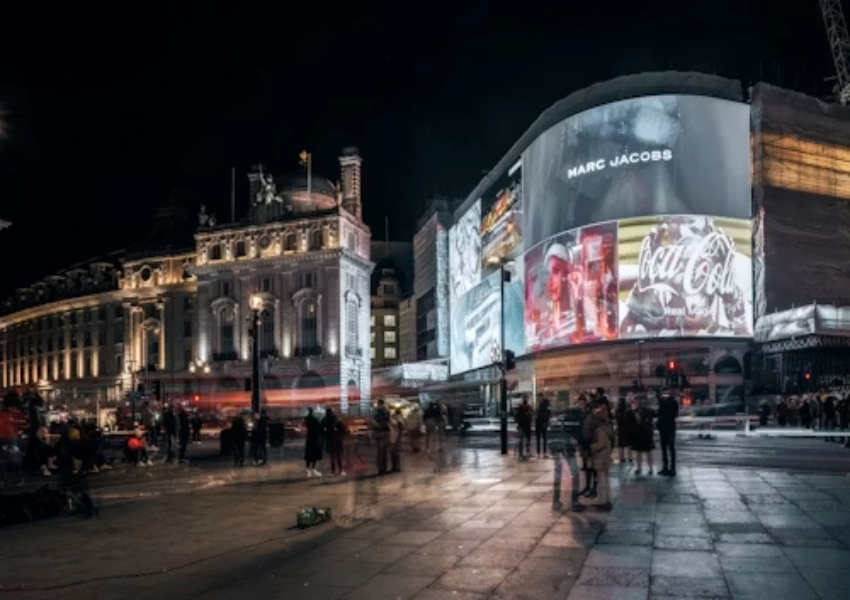
For most direct-sunlight projects, buyers should think in ranges rather than a single magic number. Many outdoor LED displays sit around 4,500 to 6,500 nits for common billboard and facade work. More demanding sites may need 7,000 to 10,000 nits, especially where sunlight hits the screen face, viewing distance is long, or ambient reflection is strong. The right nits for outdoor LED display projects depend on the site, not just the catalog.
Why Direct Sunlight Changes The Brightness Target
A sunlight-readable LED screen has to beat two problems at once: ambient light falling on the display and light reflecting from the screen surface. When sunlight washes the face of the display, black areas become gray and color contrast drops. The screen may still be on, but the message loses force.
Ambient Light And Viewing Angle
Brightness does not work alone. Viewing angle, pixel pitch, contrast, mask quality, and cabinet position all affect readability. A roadside screen seen at a shallow angle needs different planning from a square-facing retail sign. If the screen catches sun from the side, viewers may see glare even when the nit rating looks high enough.
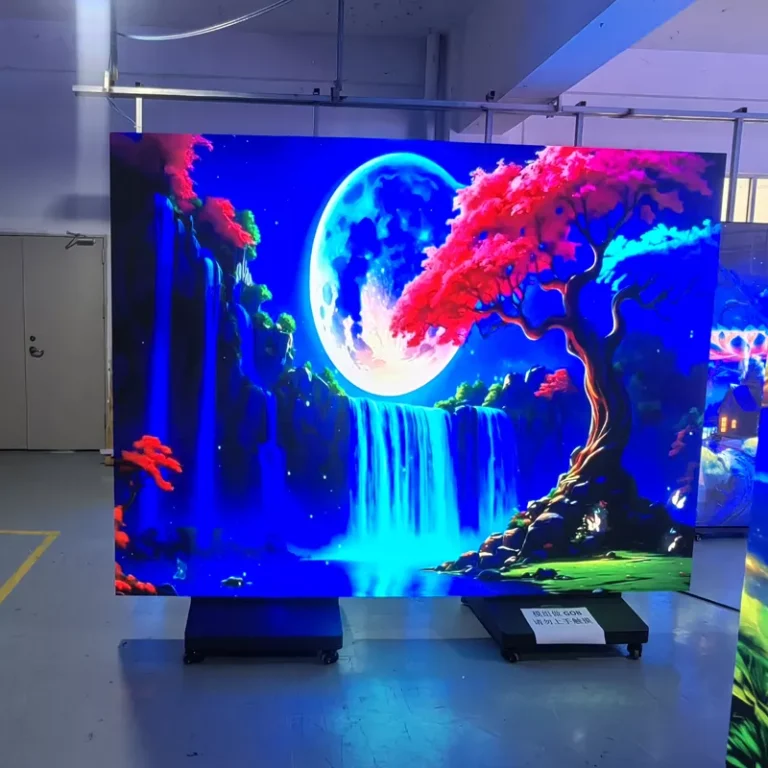
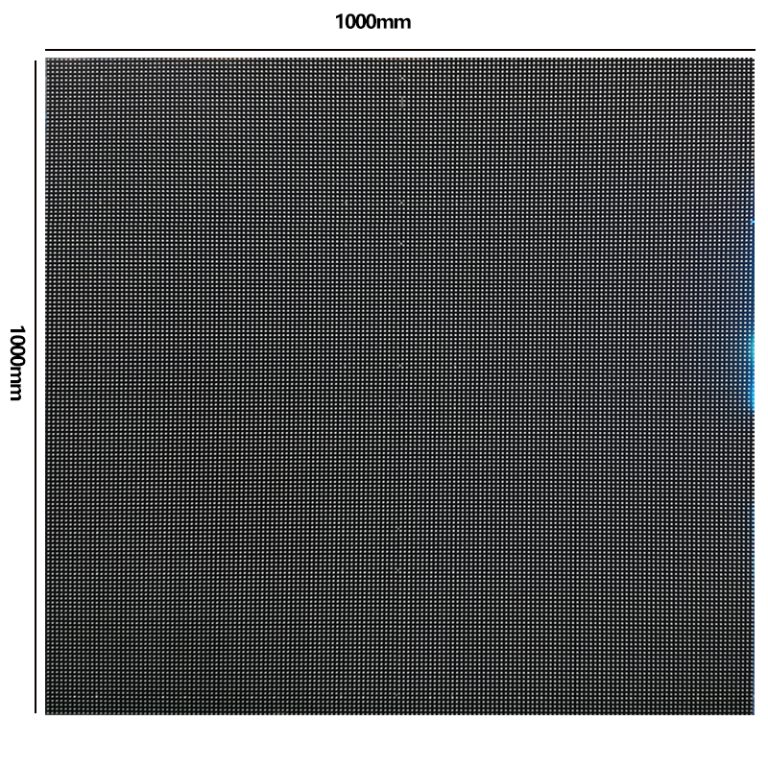
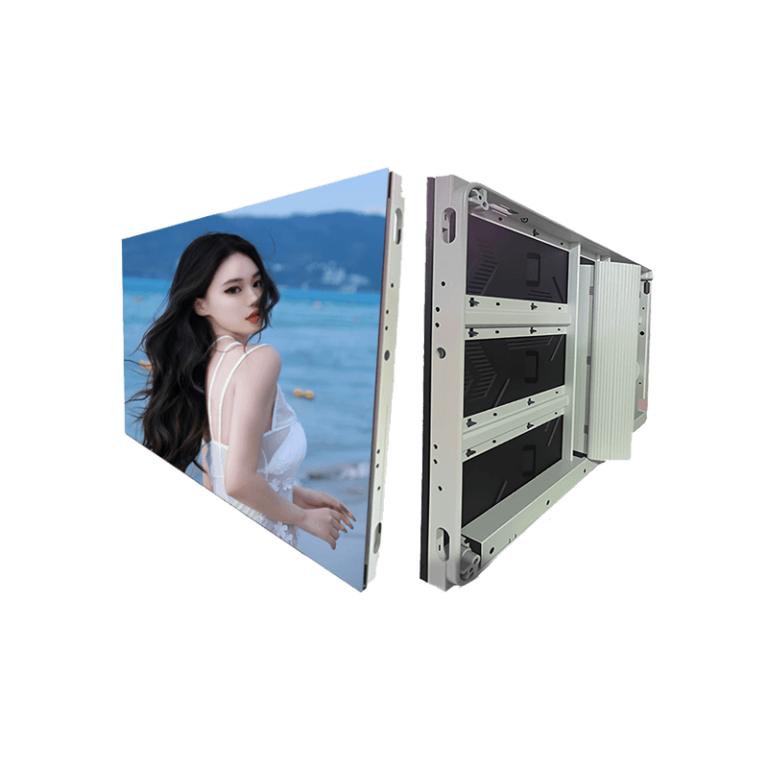
Leyaled’s outdoor P6.25 display gives a useful example for common outdoor advertising. It has a 6.25 mm pixel pitch, a 1000 x 1000 die-cast aluminum cabinet, an IP65 dustproof and waterproof design, front and rear maintenance options, and standard brightness around 4,500 to 5,500 cd per square meter. That range can work well for many medium- and long-distance outdoor displays where direct sun is present but not extreme all day.
Pixel Pitch And Viewing Distance
A tighter pixel pitch does not automatically mean better sunlight performance. Pixel pitch decides image detail and comfortable viewing distance. Brightness decides whether that image has enough force in daylight. For close outdoor viewing, a small pitch can make the content look premium, but it must still provide enough light output and contrast to survive the site.
Common Nit Ranges For Outdoor LED Displays
A practical brightness plan can start like this. Semi-outdoor entrances and shaded storefronts often sit around 3,000 to 5,000 nits. Normal outdoor signs often need 5,000 to 6,500 nits. Strong direct sunlight, open plazas, stadiums, and traffic-facing screens may need 7,000 to 10,000 nits. These ranges are not laws. They are starting points for site testing.
When 4,500 To 5,500 Nits Can Work
This range fits many outdoor advertising and building wall projects, especially when the screen is not facing the harshest sun direction all day. It is also common when the content uses high-contrast layouts, strong color blocks, and clear text. A screen in this range can be more power-friendly than an ultra-bright model, provided it still reads well at peak daylight.
When 7,000 To 10,000 Nits Makes Sense
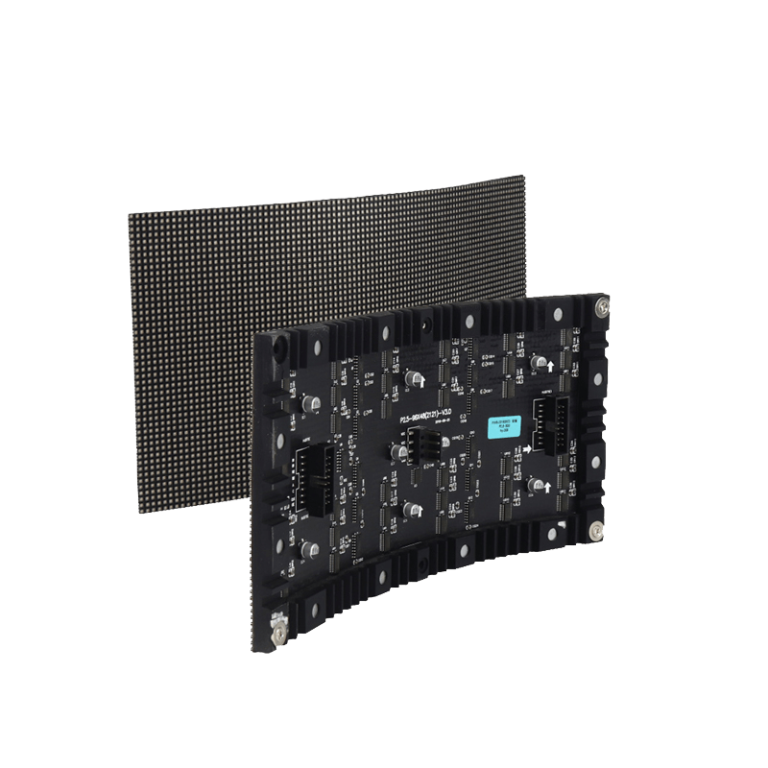
Higher brightness becomes useful for public squares, sports venues, open-air attractions, transport locations, and long-distance viewing. Leyaled’s outdoor display P3 has a 3 mm pitch, 111,111 pixels per square meter, a wide viewing angle, low power use, and brightness information for close, detailed display work. For high-end outdoor viewing at shorter distances, a smaller pitch plus enough brightness can give a sharper result than a coarser billboard screen.
Brightness Should Be Managed, Not Fixed
In terms of the operation of a high-brightness LED display, running it at full output 24 hours a day would be a waste of electricity and increase the temperature of the cabinet. It would increase light spill at night and could have a detrimental effect on the LED components over time. Therefore, it is advisable to use a brightness schedule or sensor to allow the display to operate in harmony with its environment.
Daytime Output
During bright hours, the screen needs enough output to keep dark areas dark and colors readable. White backgrounds can look harsh and consume more power, so content design also matters. Darker layouts with clean contrast often read better and use less power than full-white advertising slides.
Night And Cloud Control
At night, full outdoor brightness can look unpleasant and may create complaints from nearby roads, apartments, or storefronts. Dimming keeps the image readable without flooding the site. It also helps manage LED screen operating costs and heat. Buyers should ask whether the controller supports automatic brightness adjustment and whether grayscale remains strong at lower brightness.
Heat, Protection, And Long-Term Visibility
Brightness creates heat, and heat affects long-term visibility. A screen that looks bright during acceptance testing may fade unevenly if the cabinet traps heat or the power system runs near its limit. Outdoor buyers should review the heat path, cabinet material, waterproof sealing, airflow, and maintenance route together.
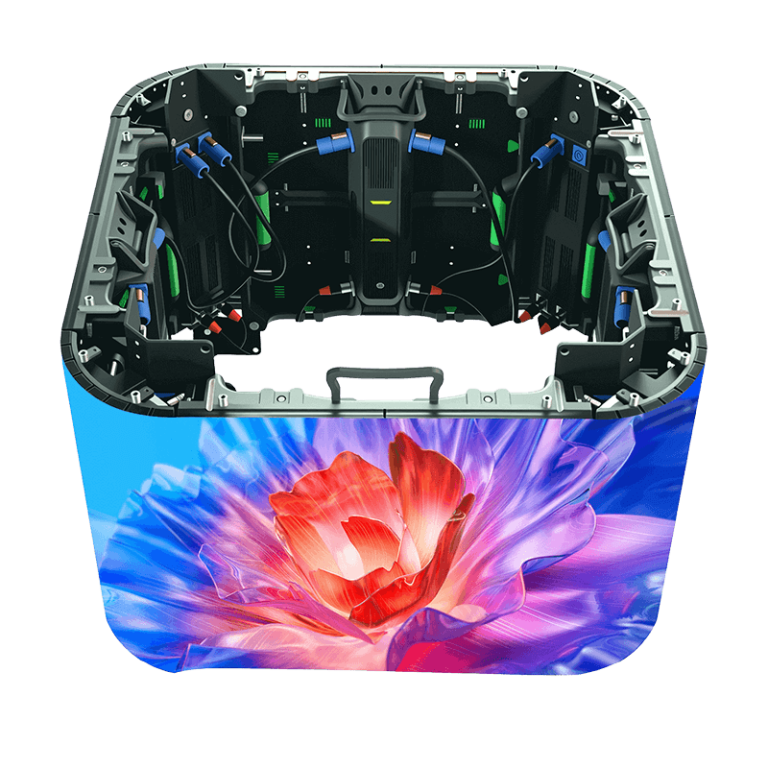
Stadium and sports applications show why this matters. Leyaled’s stadium screen‘s brightness is from 5,000 to 10,000 nits, with refresh rates of 1920 Hz or higher, wide viewing angle, IP65 or higher protection, waterproof and dustproof performance, impact-resistant soft face designs for some products, and stable operation using quality LEDs, PCB design, and dual-signal or dual-power support. That combination is more useful than brightness alone because sports screens face sunlight, weather, motion, impact risk, and large viewing angles at the same time.
How To Choose a Sunlight-Readable LED Screen
Start with the site, taking into account the screen direction, the noon sun angle, the nearest viewer distance, the farthest viewer distance, the type of content that will be displayed, local night brightness rules, and access for cleaning. It is also important to consider outdoor LED screen protection and routine cleaning of the face of the screen.
Then compare products by more than nit rating. Ask for pixel pitch, brightness range, refresh rate, grayscale, IP rating, cabinet material, average and peak power, heat dissipation, maintenance method, and aging test routine. Leyaled‘s factory process includes 72 hours of extreme testing and brightness decay checks, which helps buyers judge whether the quoted sunlight-readable LED screen is ready for long daily operation.
The LED screen supplier team can also help match brightness to project type: a shaded storefront, a direct-sun billboard, a stadium perimeter board, or a public information screen. The best answer is rarely the highest number. It is the screen that stays readable at noon, comfortable at night, and stable after months of outdoor use.
FAQ
Q1: How many nits are needed for an outdoor LED screen in direct sunlight?
A1: Many direct-sunlight projects need about 5,000 to 8,000 nits. Harsh open sites, sports venues, and long viewing distances may need up to 10,000 nits.
Q2: Is higher brightness always better for outdoor LED screens?
A2: No. Excessive brightness raises power use, heat, and night glare. The screen should dim smoothly while keeping grayscale and color quality.
Q3: What else affects sunlight readability besides nits?
A3: Pixel pitch, contrast, viewing angle, mask design, screen direction, cleaning, heat control, IP protection, and content design all affect outdoor readability.