For buyers planning a display project, the real decision is rarely based on one headline specification. It usually comes down to environment, viewing distance, installation conditions, service access, and the cost of keeping the screen stable after it goes live.
LED Video Wall vs LCD: The Cost Question Is More Than Purchase Price
An LED video wall vs LCD comparison often starts with the purchase price. LCD panels can look attractive for smaller rooms or projects with a limited first budget. Direct-view LED usually costs more at the beginning, especially when the project needs a fine pixel pitch, a custom cabinet size, or a large seamless display area. Long-term cost is different. Buyers need to look at working hours, screen size, image continuity, service access, replacement risk, brightness, and future expansion. A control room, retail lobby, command center, and meeting room do not have the same cost logic. The right display is the one that keeps the full project stable for the intended use.
Image Continuity: Seamless LED Wall or LCD Bezel Lines
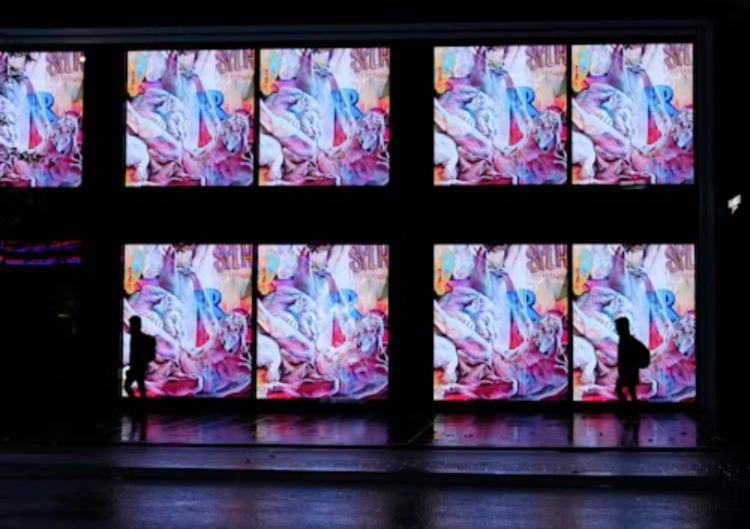
The clearest visual difference is the seam. LCD video walls have panel bezels. Narrow bezels can reduce the problem, but they do not disappear. In a control room, showroom, broadcast space, or high-end commercial video wall, those lines can interrupt maps, dashboards, brand visuals, or full-screen video.
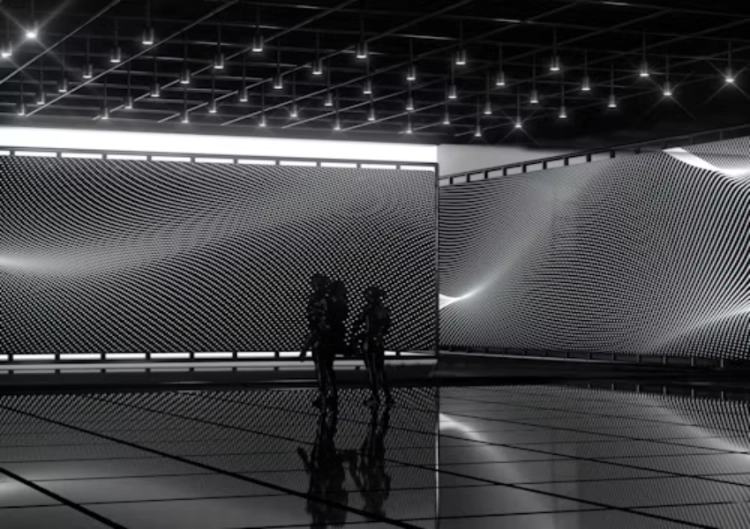
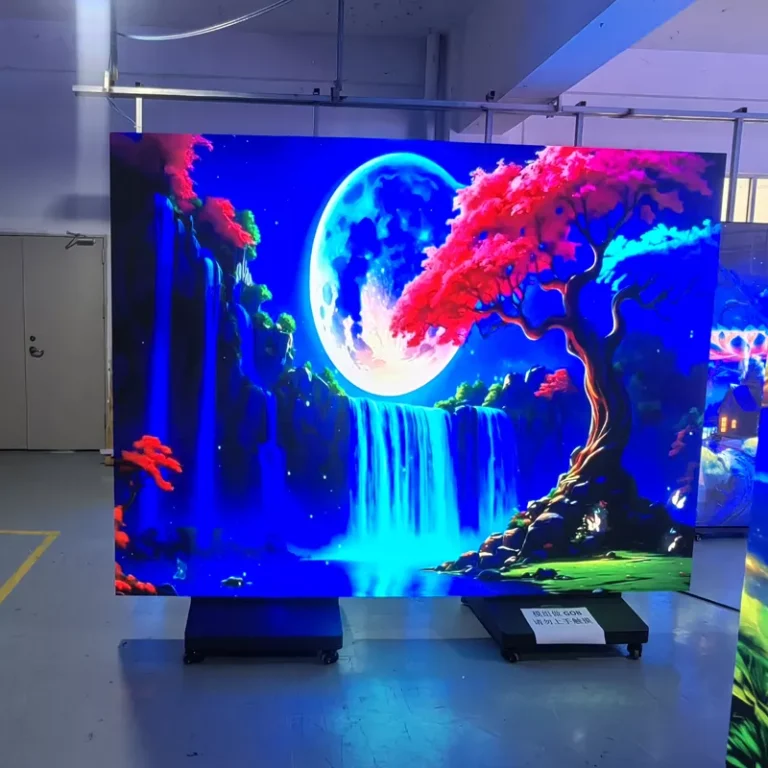
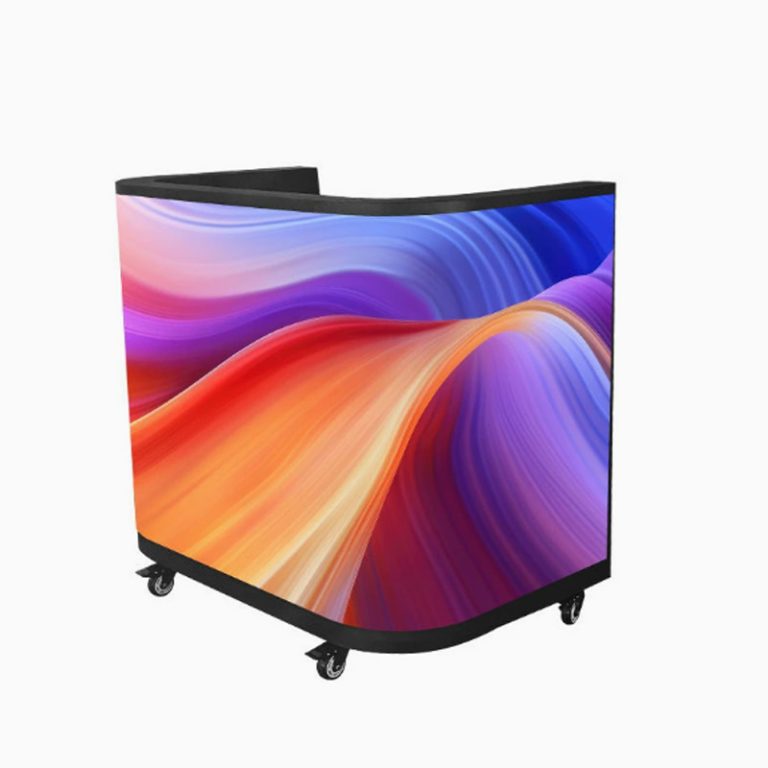
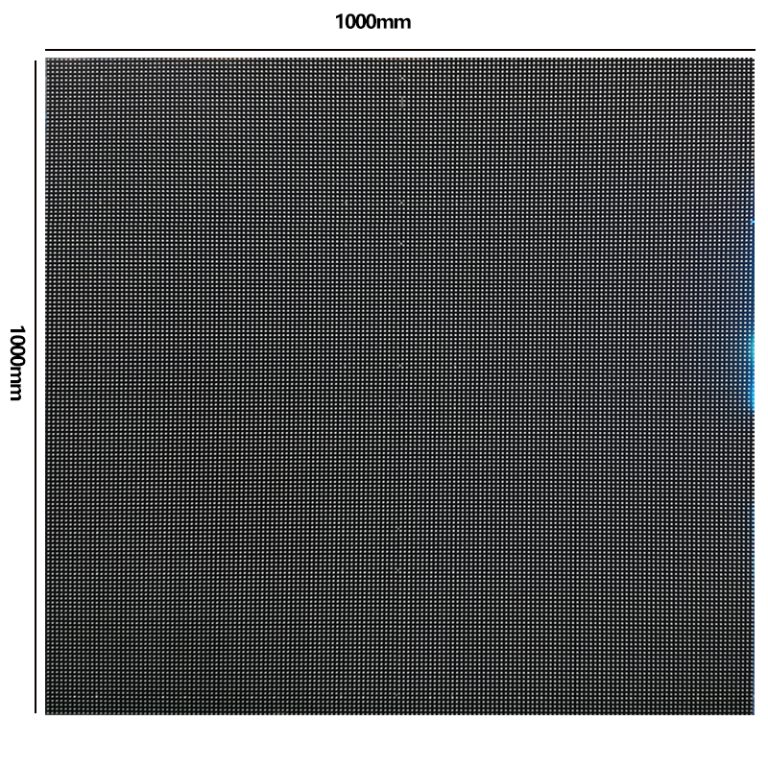
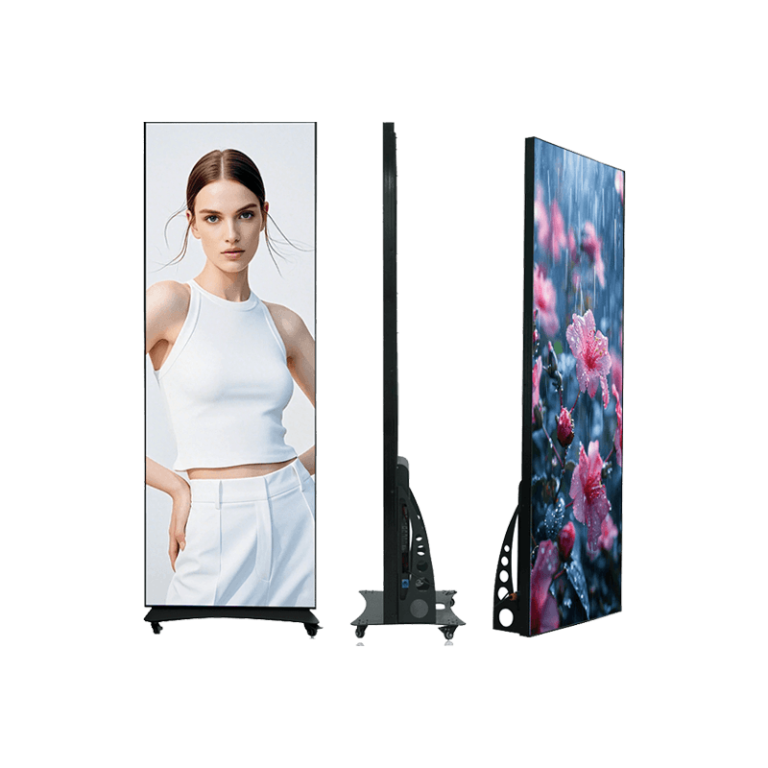
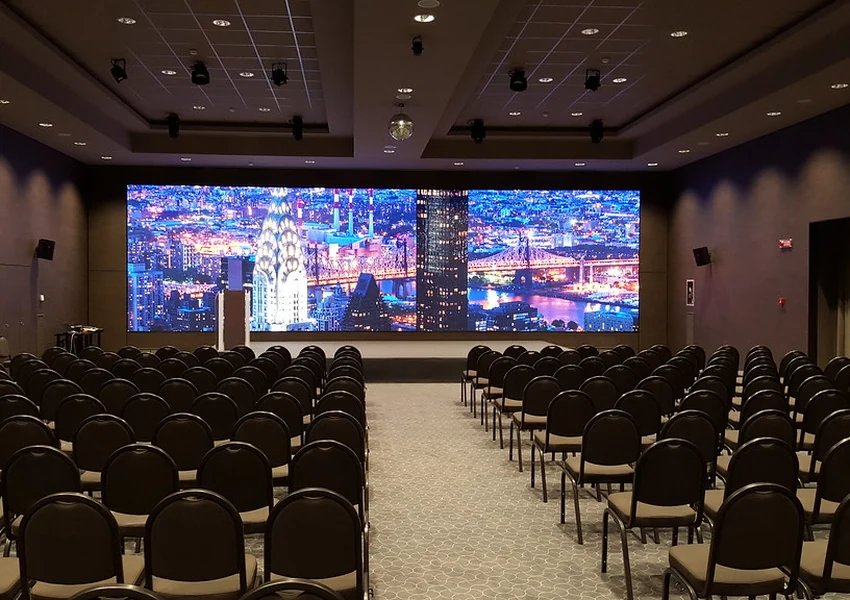
A seamless LED wall is built from LED modules and cabinets, so it can create a continuous image when the structure is aligned correctly. High-precision splicing, consistent pixel pitch, no color difference, and integrated large images in LED display applications. For large-format content, that continuity can be worth more than the initial price gap.
This matters most when the display carries detailed content. In a command center, a bezel line can cut through a map, chart, camera feed, or status board. In a lobby or retail space, it can weaken the premium look of brand visuals. The more the content depends on one large image, the more a seamless LED wall changes the buying decision.
Brightness, Viewing Distance, and Operating Hours
Direc-view LED has strong advantages in brightness, viewing angle, long lifespan, and flexible sizing. Leyaled LED display materials point to high brightness, low operating voltage, low power consumption, impact resistance, stable performance, and long service life as key LED strengths. These points matter in spaces where the display runs for many hours or faces changing ambient light.
LCD can still be a reasonable choice for small rooms, short viewing distances, or projects where screen seams are acceptable. It may also fit when the installation needs a familiar flat-panel format. The decision should start with viewing distance and content type. If the audience stands close and the image area is moderate, LCD may be enough. If the content needs a large, seamless, scalable surface, LED becomes stronger.
Operating hours should be part of that discussion. A display that runs all day in a control center or public commercial space needs stable brightness, consistent color, and a service plan that keeps downtime low. A display used only for short meetings can follow a different cost logic. This is why video wall comparison should start from the real use schedule instead of only the first invoice.
Maintenance and Replacement Over Time
Maintenance is where long-term costs can change. With LCD, a failed panel may need replacement, and matching color or brightness with older panels can be difficult over time. If the exact model is no longer available, the wall may show inconsistency. This is a common concern in long-running commercial and control room projects.
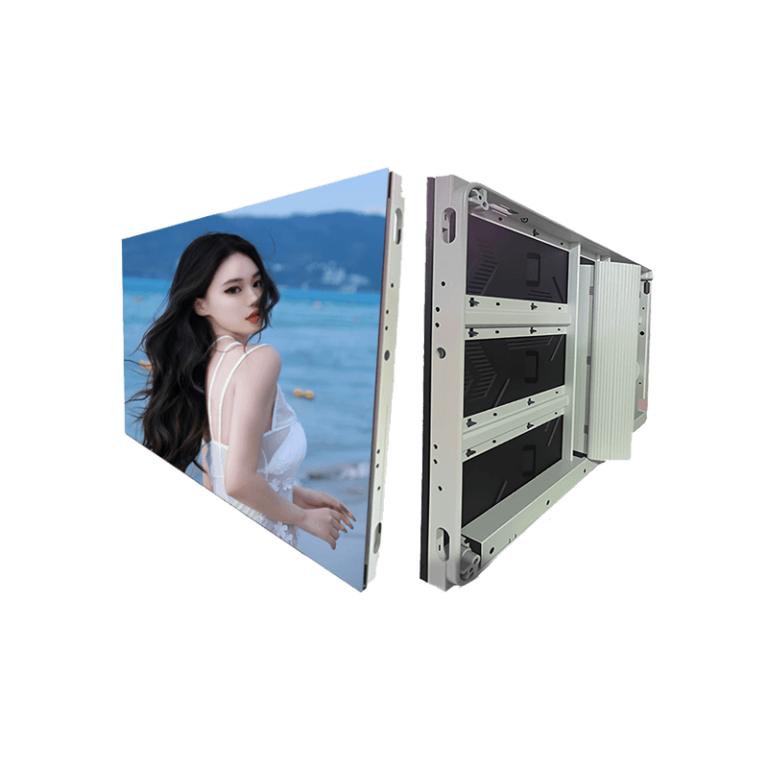
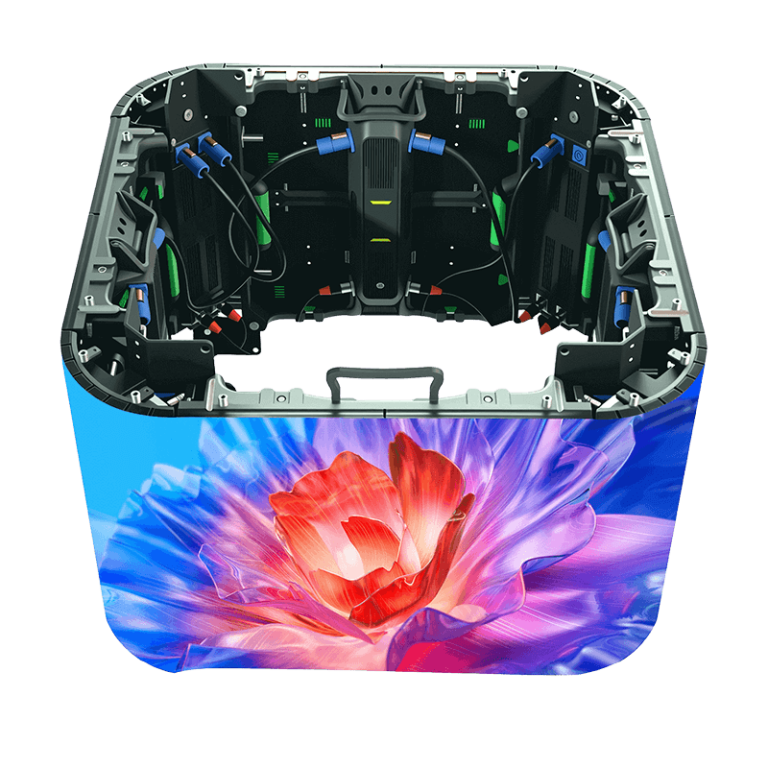
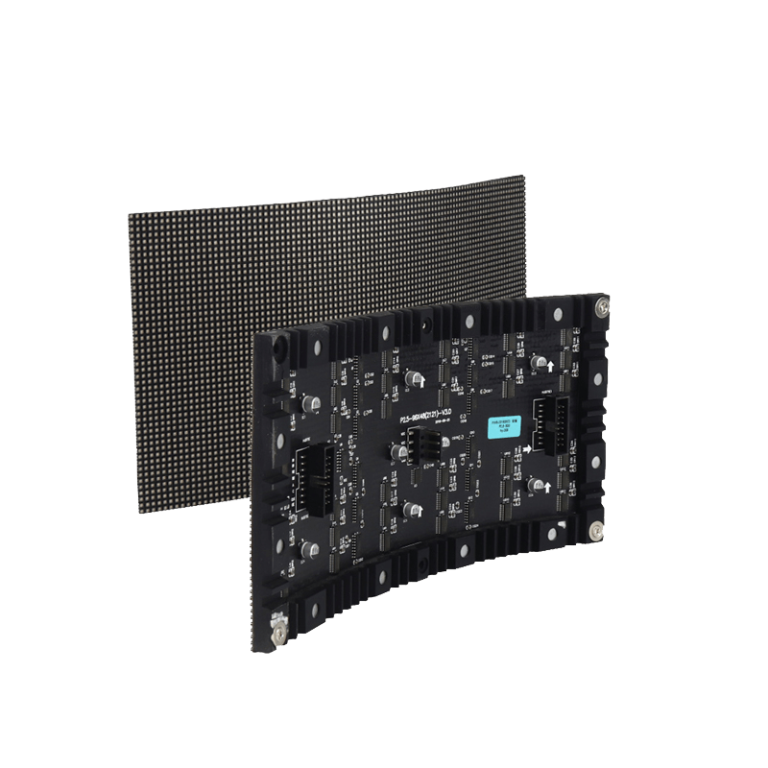
LED video walls use modular structures. Depending on the design, technicians can replace modules and maintain sections without changing the entire wall. Leyaled has front maintenance, quick module service, heat dissipation, stable power supply, cleaning, and parameter calibration. These service details help control downtime and keep image quality more consistent.
Service access should be checked before the project is ordered. A wall that cannot be reached easily may cost more to repair, even if the screen itself is reliable. Front maintenance, spare parts planning, and clear calibration procedures can reduce disruption for sites that cannot afford long downtime.
Which Has the Lower Long-Term Cost?
For smaller meeting rooms, LCD may have a lower initial cost and enough performance. For large commercial video wall projects, direct-view LED often becomes more attractive because it removes bezel lines, scales more freely, supports higher brightness, and can be serviced in modules. The total cost depends on screen size, usage hours, content needs, installation access, and expected lifespan.
A buyer should compare direct-view LED vs LCD with a simple long-term checklist: display area, seam tolerance, brightness, operating hours, service access, replacement plan, and expansion needs. Leyaled can help with commercial display LED projects, control center display walls, and project discussions through contact support Buyers can also start from the homepage to review the broader display direction.
For buyers managing public-facing or mission-critical rooms, long-term cost should also include the cost of visual inconsistency. A wall that looks uneven after partial replacement can affect brand presentation, staff trust, or visitor experience. LED is not automatically cheaper in every case, but its modular scale and seamless image can make the long-term value stronger for larger commercial surfaces.
FAQ
Q1: Is a direct-view LED video wall more expensive than an LCD?
A1: It often has a higher initial cost, especially for fine pixel pitch projects, but it may offer lower long-term value risk in large or 24/7 installations.
Q2: Which video wall is better for 24/7 commercial use?
A2: Direct-view LED is often stronger for large, bright, seamless, long-running displays. LCD can still work for smaller spaces with lower seam sensitivity.
Q3: Can Leyaled support commercial video wall projects with custom sizes?
A3: Yes. Leyaled’s commercial display and control center LED wall experience can support discussions around size, pixel pitch, service access, and project use.