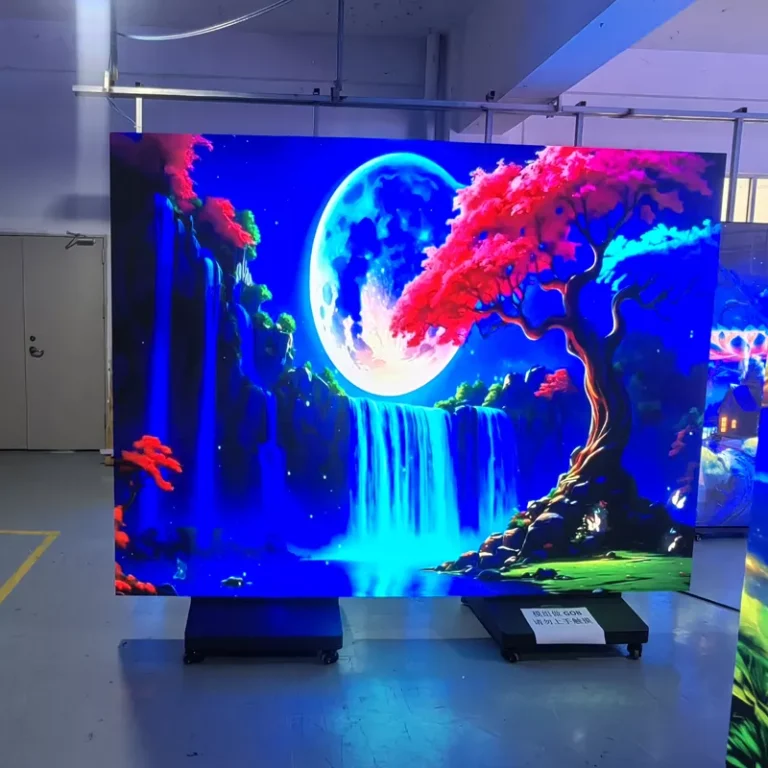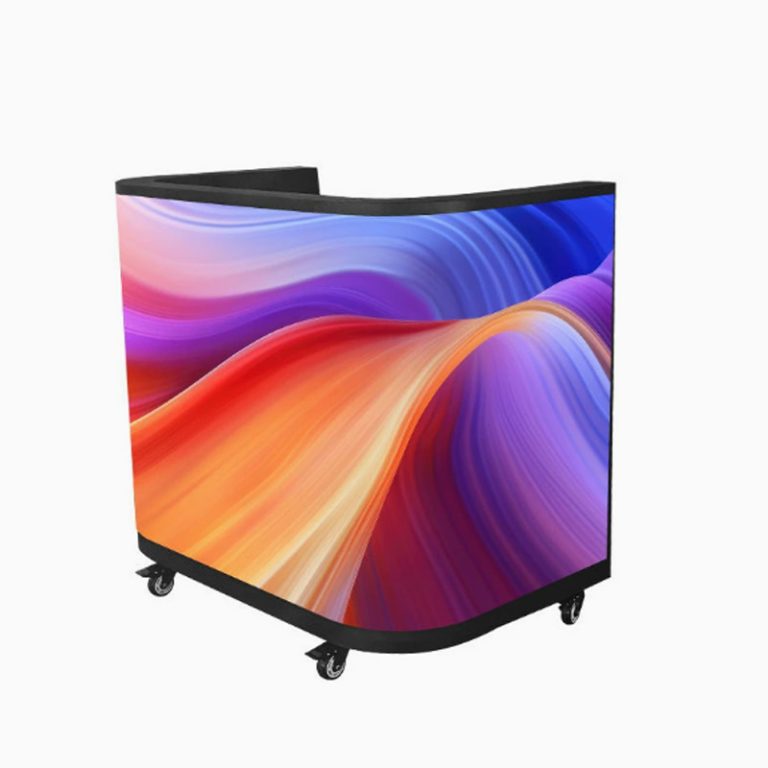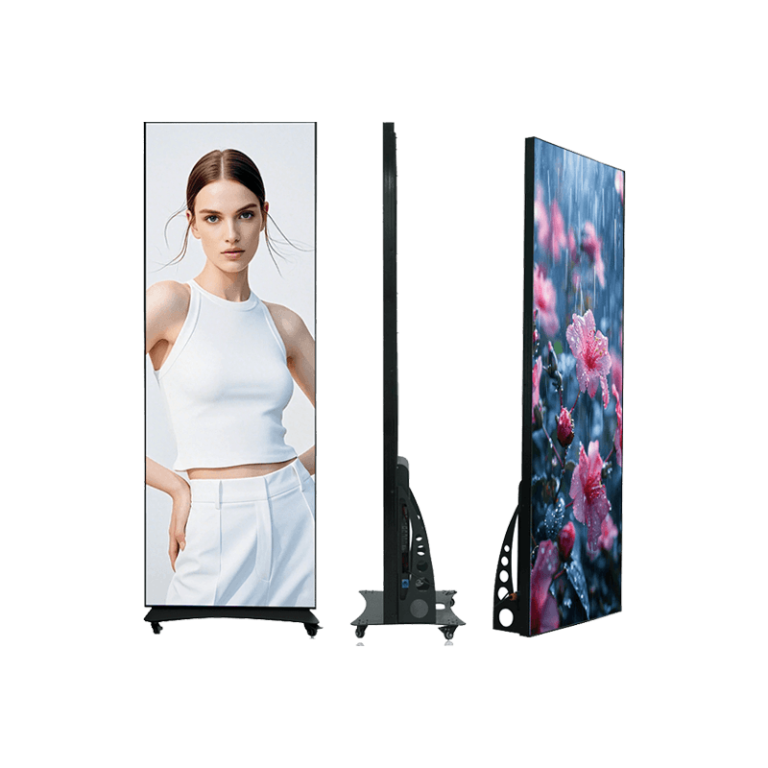
A virtual set can look simple on a budget sheet: one background system, one camera plan, one crew, one production deadline. The real number is rarely that neat. A green screen may have the lower day-one bill, while a smart display system can shift cost from post-production into the stage itself. For studios, agencies, education platforms, and brand teams, the smarter choice depends on schedule pressure, shooting style, reshoot risk, and how often the set will be reused.
That is why virtual set cost should not be judged only by backdrop material. The decision sits across LED screen price, lighting labor, color work, camera tracking, power, maintenance, and the value of making creative calls while talent is still on set. A green screen can still make sense for light content and heavy VFX control. A direct-view LED wall starts to earn its place when real-time backgrounds, natural reflections, and faster approvals reduce waste across many productions.
Why the Lowest Upfront Cost Can Mislead Production Teams
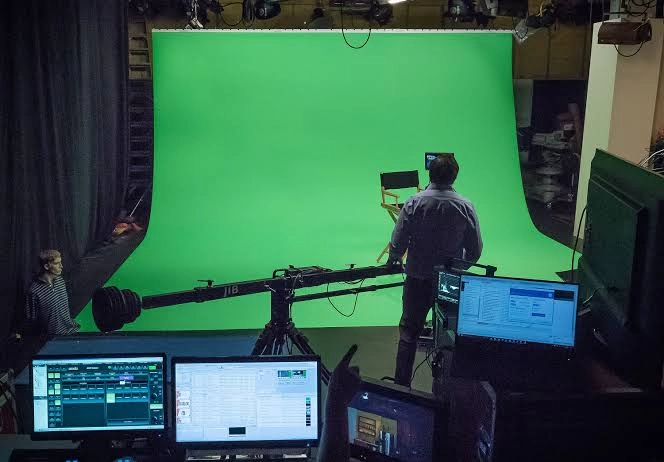
Green screen production usually begins with familiar spending: fabric or paint, studio lighting, keying software, tracking markers, and post-production labor. It feels lean because the physical set is basic. But the work moves downstream. Hair detail, reflective props, green spill, motion blur, and mismatched shadows can turn into hours of cleanup. If the creative team changes a background after filming, the cost may rise again.
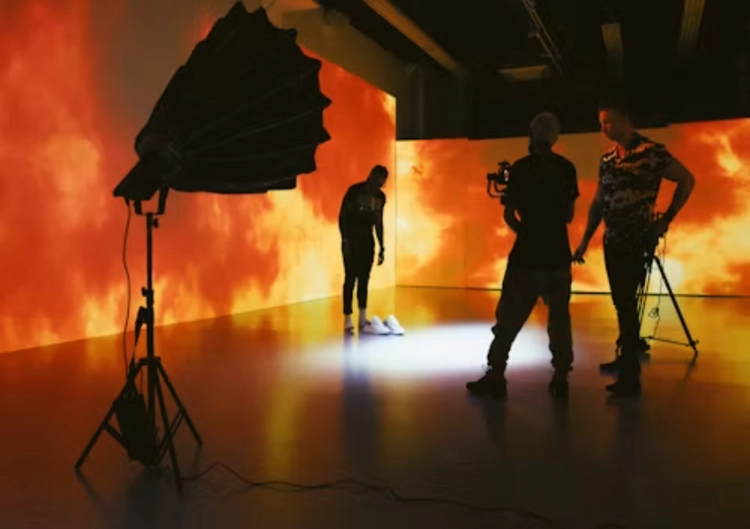
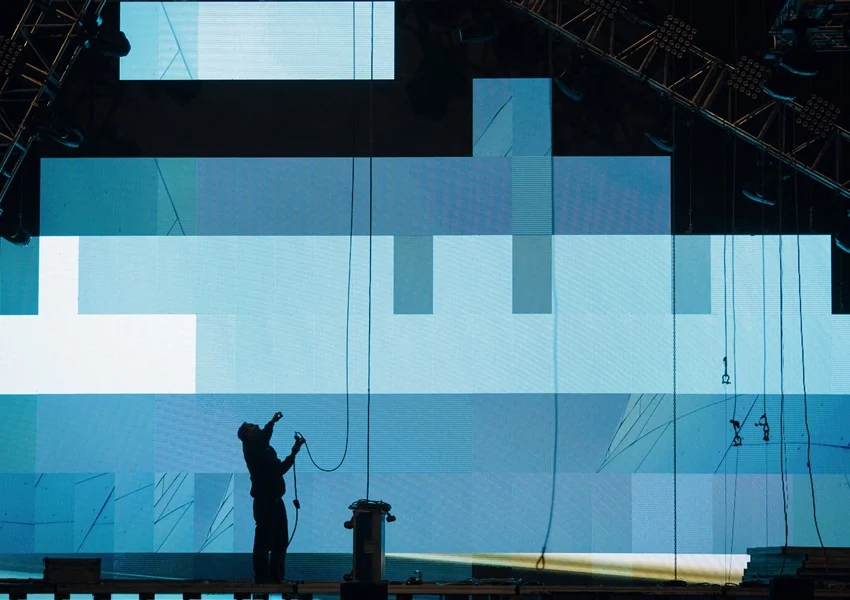
A smart display changes the spending pattern. The LED wall, processor, control system, structure, calibration, and power design raise the starting budget. Yet the camera sees the environment in real time. Actors respond to actual scenery. Metallic products, glass, vehicles, furniture, or costumes pick up believable light from the screen. For many commercial shoots, that single difference can remove several rounds of correction.
The useful comparison is not just smart display vs green screen. It is the smart display vs green screen cost over a season of work. If a brand records a few simple talking-head videos each quarter, green screen may stay economical. If a studio shoots product launches, training scenes, campaign clips, interviews, and live content every week, the equation changes fast.
The Cost Lines That Matter Before a Quote Is Approved
A serious virtual set budget should separate the one-time purchase from the operating pattern. Buyers often ask for one LED screen price, but several cost lines shape the final result.
Display hardware and pixel pitch
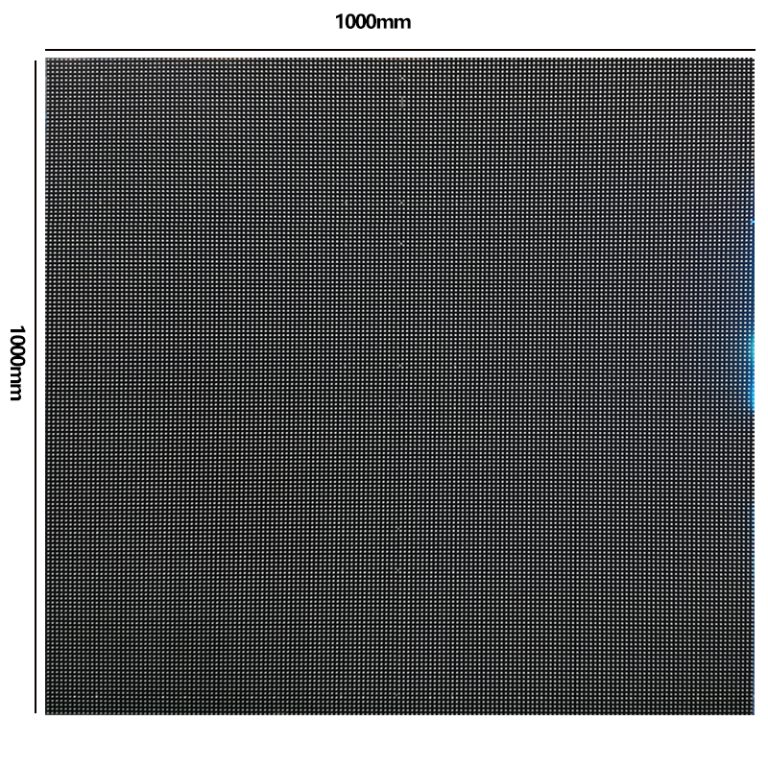
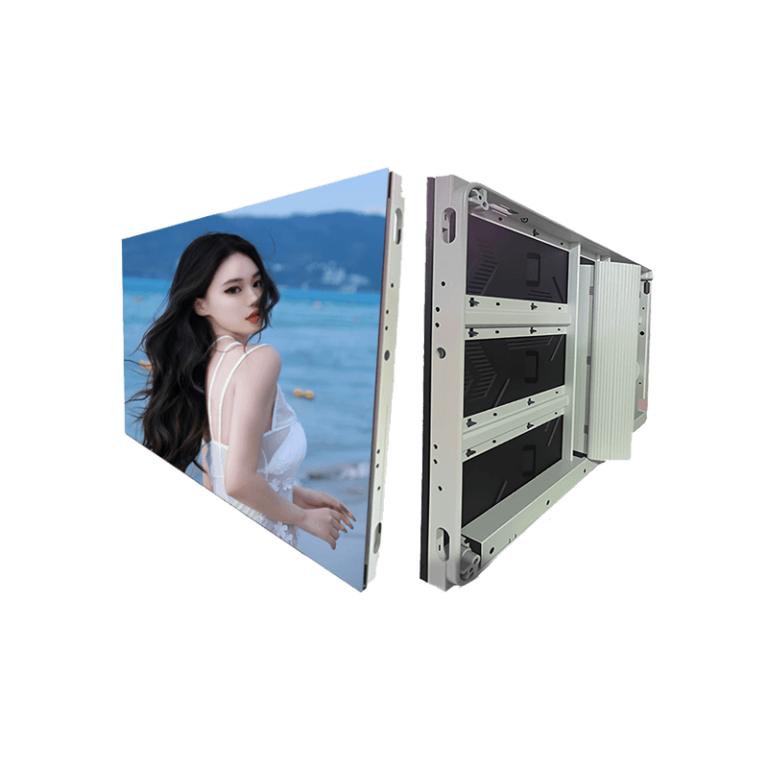
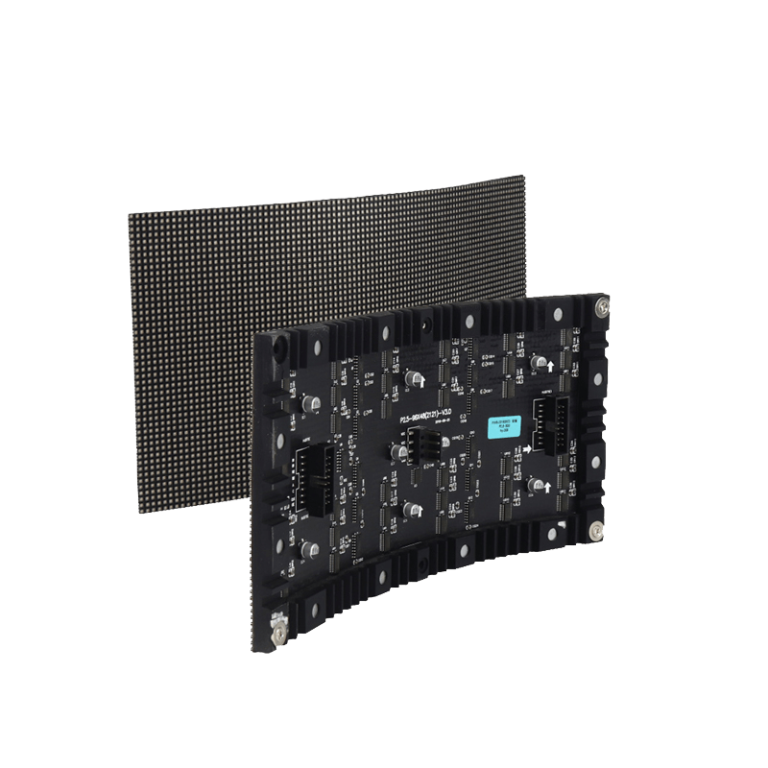
Pixel pitch affects both image quality and price. A closer camera angle needs a smaller pitch, especially when the wall carries fine texture, text, interface graphics, or architectural depth. Leyaled’s P1.86 three-fold LED screen gives a useful reference point for close indoor work, with 1.86mm pixel pitch, 288,906 dots per square meter, 500-800 cd/sqm brightness, high refresh performance, 16-bit grayscale, front maintenance, and a foldable aluminum structure. A studio may not need that exact product for every set, but the specifications show why fine-pitch LED costs more than a coarse event backdrop.
Structure, calibration, and control
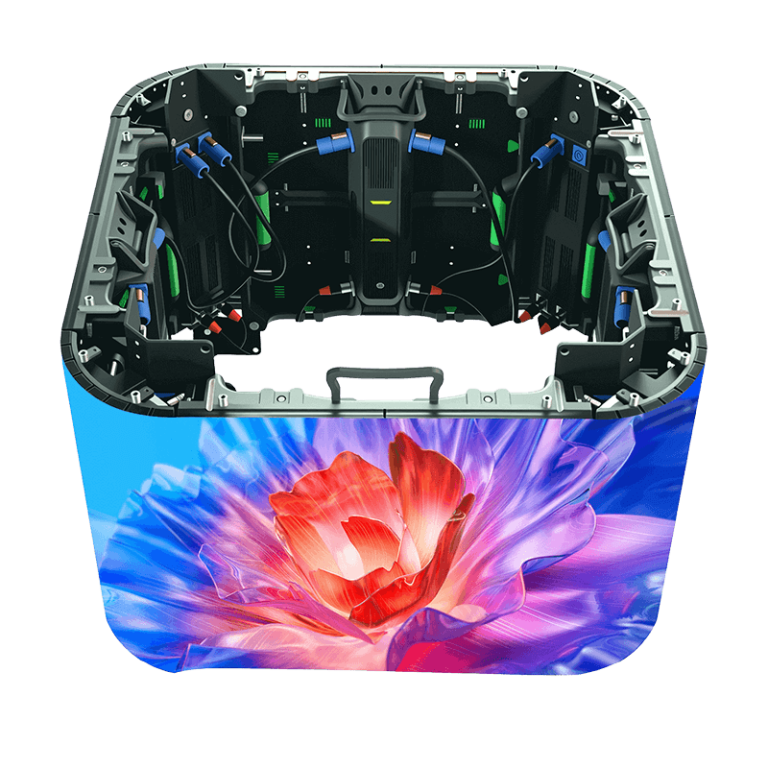
A virtual set is not only a wall of panels. The frame must stay flat, the cabinets must align, and the playback system must match the camera and content workflow. Leyaled’s standard indoor and outdoor display range uses modular LED systems built for seamless splicing, stable playback, and project-specific sizing. For buyers comparing standard LED display systems, cabinet material, service access, refresh rate, and brightness control matter as much as the panel price.
Good calibration also protects LED wall ROI. A wall that drifts in brightness or color creates extra work in camera tests and edit review. A screen with stable grayscale at lower brightness is easier to shoot, especially in studios where the wall cannot run at outdoor brightness levels without washing out talent.
Where Smart Display Starts to Pay Back
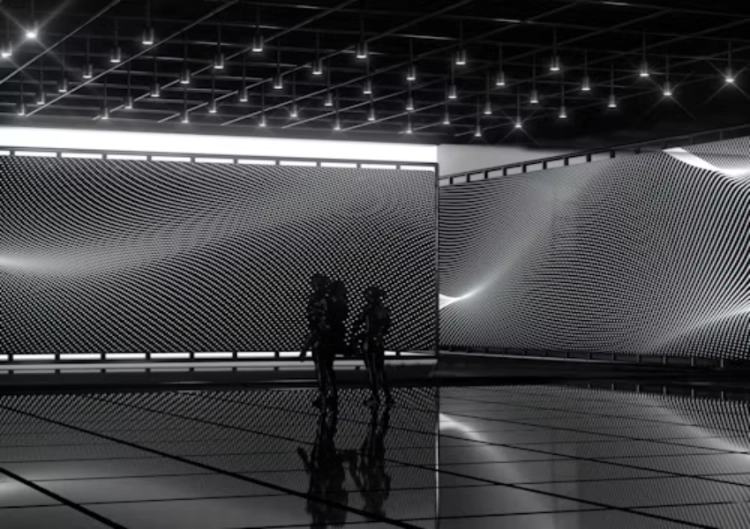
LED wall ROI becomes clearer when the same set supports repeated work. One background can become a newsroom, product demo space, training room, retail interior, factory scene, or city location without a physical rebuild. Content swaps can happen before the shoot, between scenes, or during a live session. That flexibility reduces carpentry, travel, dressing time, storage, and location permits.
There is also a human factor. Directors, clients, and presenters can judge the scene on the monitor instead of imagining a background that will be added later. That shortens approval loops. It also lowers the risk that someone notices a perspective problem after the crew has gone home. For agencies with tight campaign calendars, fewer surprises can be worth more than a small hardware saving.
Leyaled highlights several traits that support this kind of use: modular design for maintenance, high brightness when needed, smooth video playback, stable image output, and wide display format options. The company’s Shenzhen facility is built around LED display R&D, production, and project delivery, with automated production lines and quality checks before shipment. Those details are not decorative; they reduce the chance that an indoor studio wall becomes a fragile, one-off installation.
When Green Screen Still Has the Better Cost Profile
Green screen remains practical when the production needs deep compositing freedom, heavy fantasy work, or quick low-volume content. If the virtual environment changes in every shot and most images are created in post anyway, the green screen may keep the crew light. It also works well when there is no room for a large display, when the background does not affect the talent, or when the team already has a strong post pipeline.
The limits appear when lighting and reflection become part of the story. A green screen does not naturally illuminate a product with the colors of the environment. It can also make performers feel detached from the scene. For interviews, product demos, live streaming rooms, and brand content where realism needs to happen in-camera, a smart display often feels less like an effect and more like a set.
How to Read LED Screen Price Without Buying the Wrong Wall
The cheapest LED quote can become expensive if it misses the production need. A buyer should ask about pixel pitch, refresh rate, grayscale, brightness adjustment, cabinet flatness, front or rear maintenance, processor compatibility, spare modules, and installation support. A fine-pitch wall may cost more per square meter, but it can protect close camera work. A mid-pitch wall may be enough for wider shots and larger backdrops.
Leyaled’s manufacturing background gives buyers a concrete starting point. Shenzhen Fws Technology Co., Ltd. was founded in 2012 and works as an integrated manufacturer and trading company for LED displays. It has a 7,000 sqm factory footprint, independent factory buildings, automated production lines, technical staff, CE and RoHS certification, and 72-hour extreme testing that includes high and low temperature cycling plus brightness decay checks. For production buyers, this kind of quality routine matters because a virtual set is only useful when it behaves predictably across long shoot days.
For projects that need samples, engineering checks, or custom sizing, Leyaled can help buyers match the wall to camera distance, shooting schedule, and budget. If the set requires special structure, foldable indoor modules, or long-term maintenance planning, contact the Leyaled team before the quote is locked.
FAQ
Q1: Is a smart display always cheaper than a green screen?
A1: No. Green screen often has the lower starting cost. A smart display can become more economical when repeated shoots, real-time approvals, fewer post fixes, and reusable virtual scenes improve LED wall ROI.
Q2: What affects virtual set cost the most?
A2: Pixel pitch, screen size, cabinet structure, processing system, installation labor, calibration, power, maintenance access, and content workflow all affect the final number.
Q3: How should buyers compare smart display vs green screen cost?
A3: Compare total project use, not only the first invoice. Include lighting, post-production, reshoots, set changes, review time, storage, service support, and expected screen life.