For buyers planning a display project, the real decision is rarely based on one headline specification. It usually comes down to environment, viewing distance, installation conditions, service access, and the cost of keeping the screen stable after it goes live. This article looks at the topic from a practical B2B project angle.
Why Virtual Production Teams Compare LED Walls and Green Screens
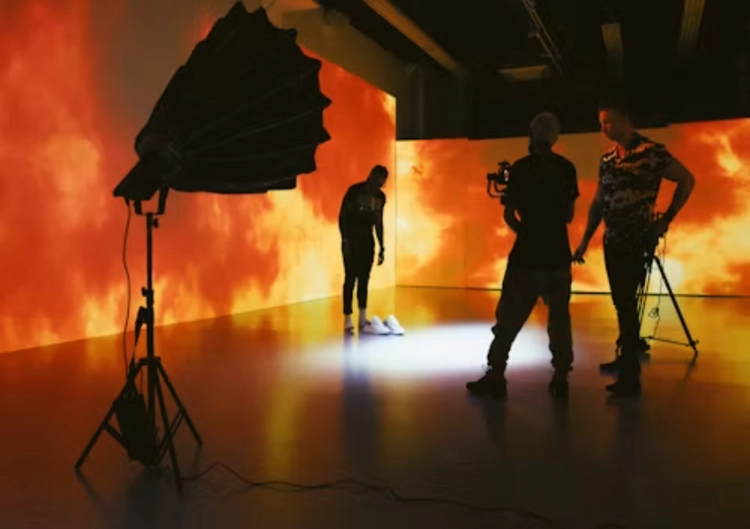
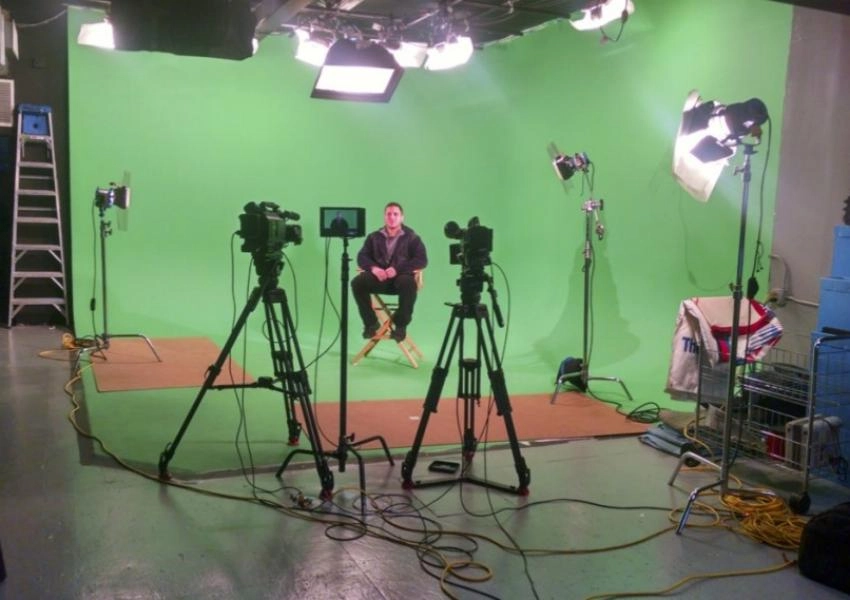
A studio choosing between a smart display vs green screen is really choosing between two production workflows. A green screen keeps the set simple at first, but much of the final image depends on keying, lighting correction, reflection control, and post-production time. A virtual production LED wall moves more of that work onto the stage. The director, camera team, and actors can see the background during shooting, which helps eyelines, lighting, and performance feel more natural.
This is why the question is not only about screen price. It is about where the work happens. Some teams prefer the flexibility of green screen when a scene needs heavy visual effects. Others choose a virtual production LED wall because it reduces guesswork on set and gives clients a clearer view of the final scene during the shoot.
Image Quality: What an LED Studio Wall Changes on Set
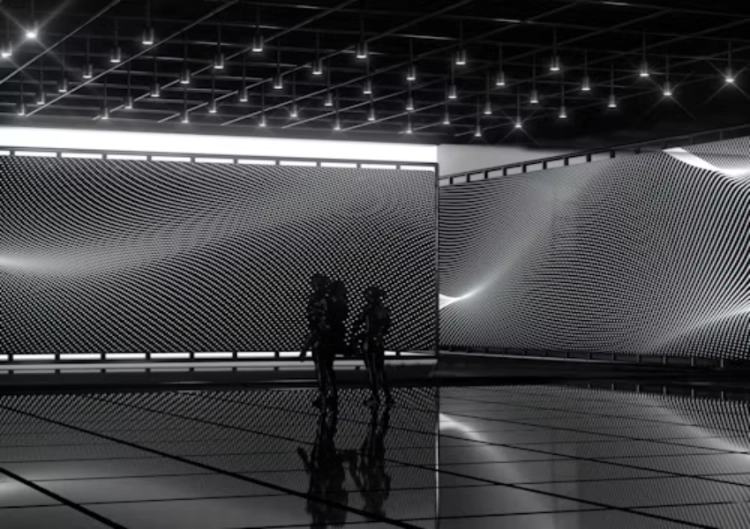
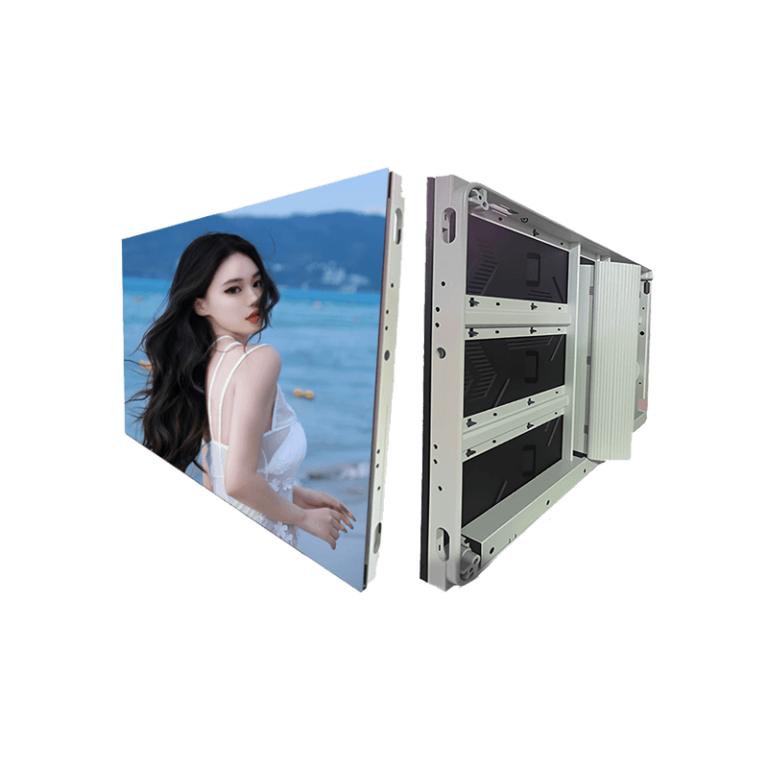
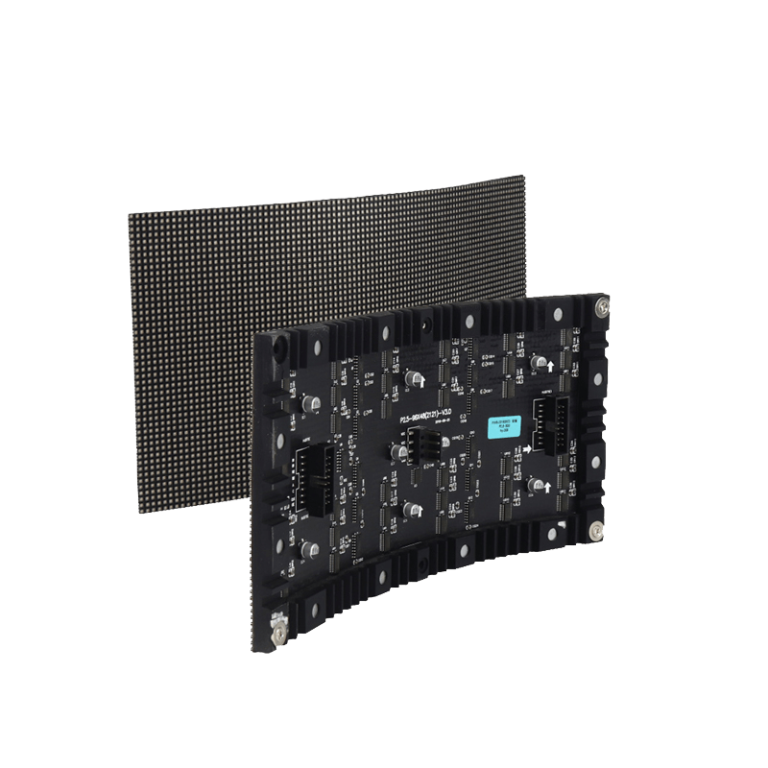
A well-specified LED studio wall can create a background that is bright, continuous, and visible in camera without the hard edges that can appear in compositing. Leyaled points to small-pitch LED screens with seamless splicing, high refresh rate, high color reproduction, and low-brightness, high-grayscale performance for studio-style applications. Those details matter because cameras can reveal flicker, color shift, moire, or uneven brightness faster than the human eye.
Pixel pitch should be selected based on the viewing distance and camera distance. A smaller pixel pitch gives a finer image, but it also raises cost. For a studio, the right choice is usually not the smallest pitch available. It is the pitch that keeps the background clean at the planned camera distance while staying within the project budget.
Cost and Workflow: Green Screen Is Not Always the Lower-Cost Option
A green screen usually looks cheaper at the start. The fabric, lighting, and basic studio setup can be simple. The hidden cost appears later, when the team spends time correcting spills, matching perspectives, adjusting shadows, and making the background feel tied to the subject. If scenes change often or clients need many revisions, post-production hours can become a serious part of the budget.
A virtual production LED display shifts more cost into hardware, installation, calibration, and on-set operation. In return, it can reduce reshoots and make the approved look visible earlier. For commercial shoots, corporate films, product videos, and event content, that can be valuable. The team can make decisions in the room instead of waiting for a long post-production pass.
There is also a communication benefit. When a client, director, and lighting team can see the scene together, approvals become less abstract. Background scale, color mood, reflections, and camera framing can be adjusted during production. That does not remove the need for post-production, but it can reduce the number of creative surprises after the shoot.
When Green Screen Still Makes Sense
Green screen is still useful for scenes that need impossible camera moves, heavy compositing, large fantasy environments, or visual effects that will be built almost entirely after shooting. It can also work when a studio has limited space, a short shoot, or a crew already trained in green screen production.
The practical question is whether the background needs to interact with the subject during filming. If reflections, real-time lighting, and live client review are important, an LED screen vs green screen comparison often favors the LED wall. If the background is only a technical layer for later VFX, green screen can still be the better tool.
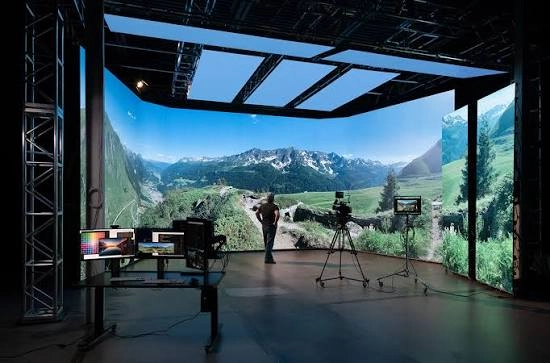
Choosing a Virtual Production LED Wall Supplier
A supplier should be able to discuss more than screen size. Buyers need to confirm pixel pitch, refresh rate, brightness range, color calibration, cabinet consistency, signal control, spare modules, and service response. Leyaled‘s background in indoor and outdoor full-color LED displays, LED modules, commercial display projects, and control center applications gives buyers a practical base for discussing a virtual production LED display project.
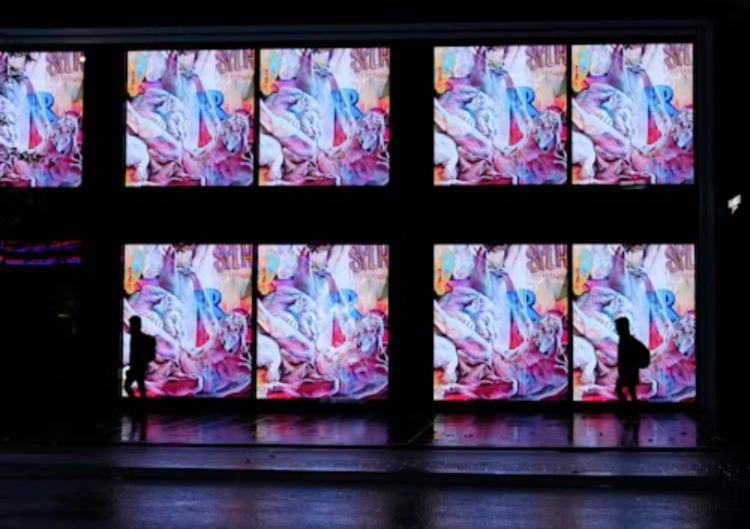
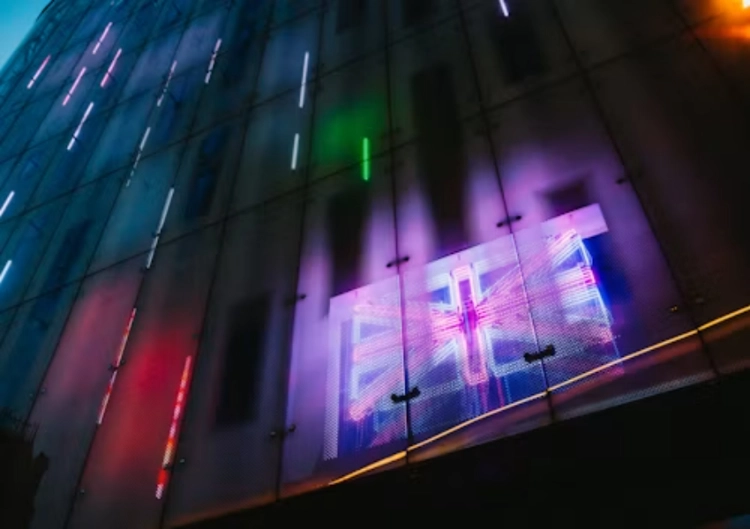
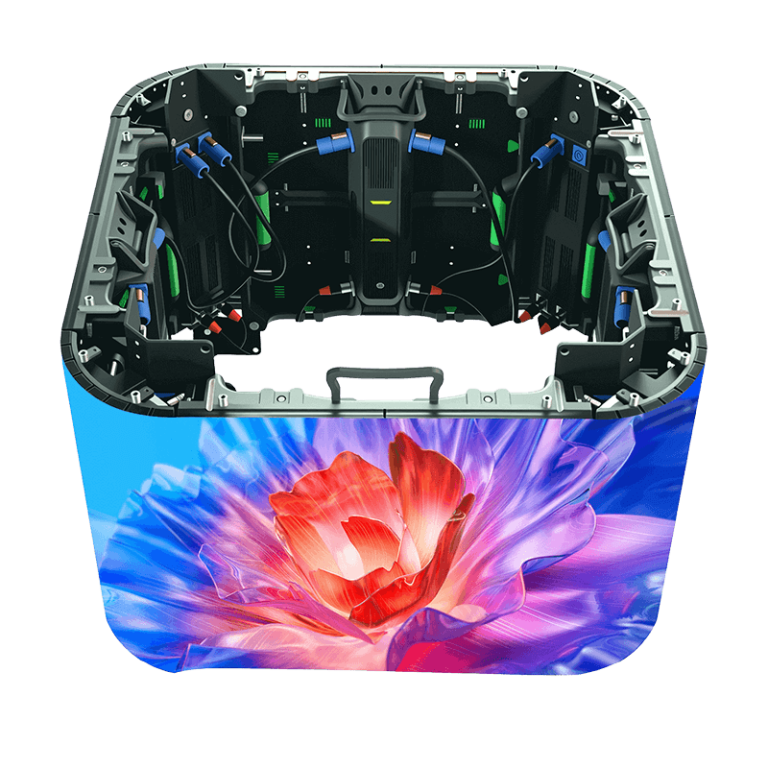
For studio or branded content teams, the safer route is to start from shooting distance, camera type, room size, and background content. From there, a supplier can recommend whether a fixed wall, a modular LED studio wall, or a commercial display configuration is the better fit. If the project needs custom sizing or service support, buyers can start with Leyaled and then discuss technical details through Leyaled project support.For larger immersive rooms, related solutions such as control center LED walls and commercial display projects can help frame the specification conversation.
For procurement teams, the key is to avoid treating an LED studio wall as a normal presentation screen. A production wall needs stable color, predictable refresh behavior, consistent modules, service access, and a signal plan that fits the camera workflow. Those details decide whether the wall saves time or becomes another technical problem on set.
FAQ
Q1: Is an LED wall always better than a green screen for virtual production?
A1: No. A green screen is still useful for VFX-heavy scenes. An LED wall is stronger when real-time backgrounds, natural lighting, reflections, and on-set review matter.
Q2: What pixel pitch works better for a virtual production LED wall?
A2: It depends on camera distance, viewing distance, content detail, and budget. A smaller pitch gives finer detail, but the project should avoid paying for resolution the camera will not capture.
Q3: Can Leyaled support custom LED wall projects for studios or commercial spaces?
A3: Yes. Leyaled works with indoor full-color LED displays, commercial display projects, and control center LED walls, so buyers can discuss size, pitch, cabinet design, and service needs.