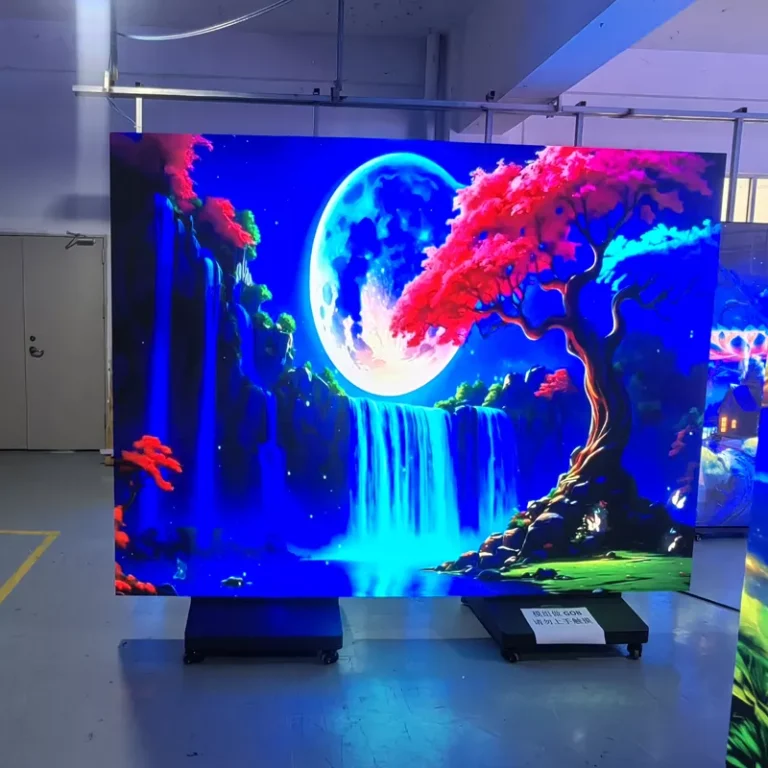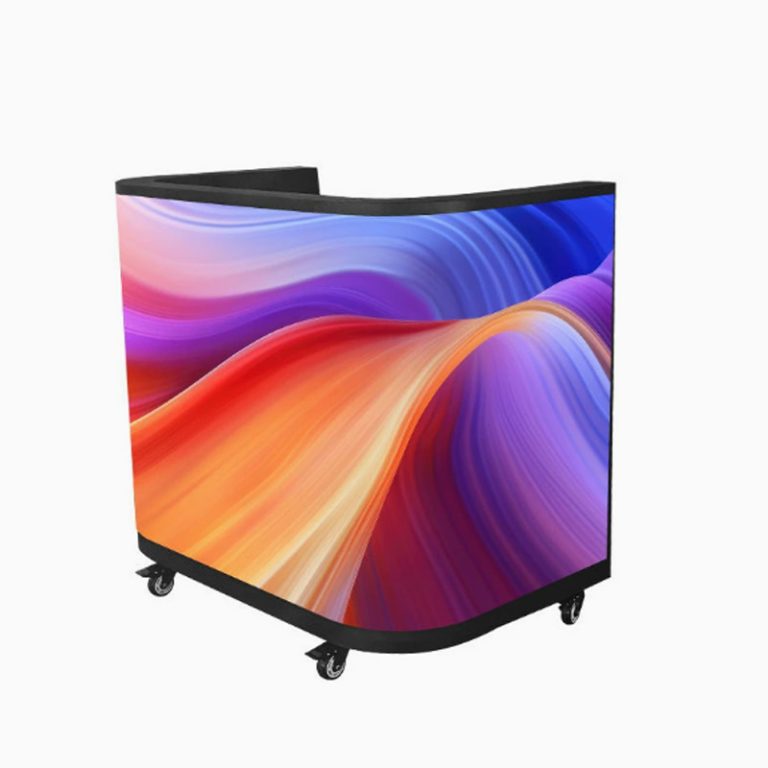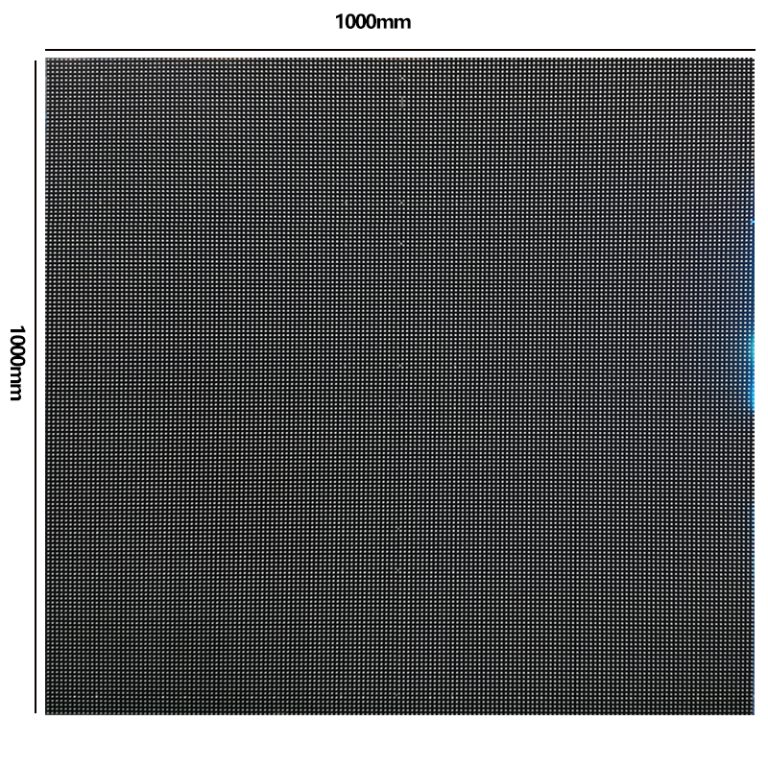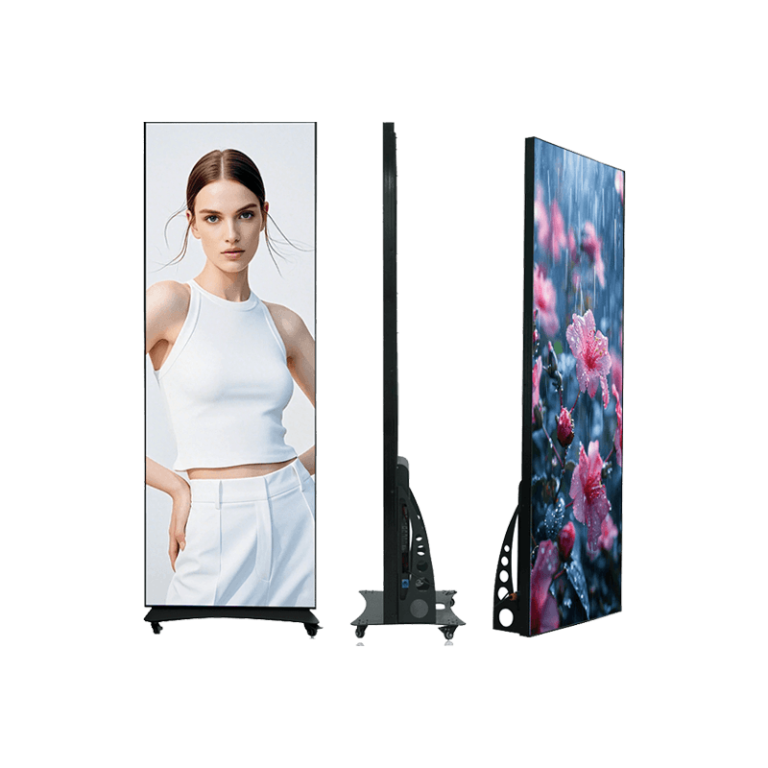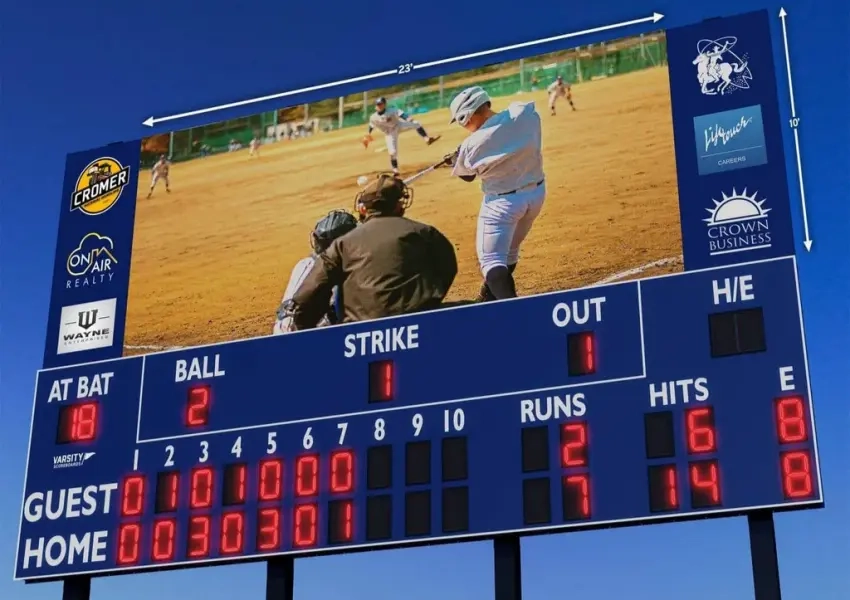
The evolution of sports scoreboards has mirrored the broader digital transformation of visual communication. Early analog and LCD-based systems, while functional, lacked the responsiveness and vibrancy required for modern sporting events. As technology advanced, LED display screens emerged as the dominant solution due to their superior brightness, refresh rate, and durability. LED displays have replaced many traditional scoreboard display systems in modern venues.
Modern LED scoreboards now integrate high-performance control systems capable of handling multiple input signals such as DVI, VGA, and HDMI for seamless real-time playback. Employing a synchronous control system, it accepts various video input signals, including DVI, VGA, HDMI, S-video, composite, and YUV, enabling the playback of videos, text, and images in real-time, synchronous, and clear information dissemination. These improvements allow stadiums to deliver lifelike visuals that enhance both fan engagement and operational efficiency during live events.
Key Technological Advancements Driving LED Display Growth
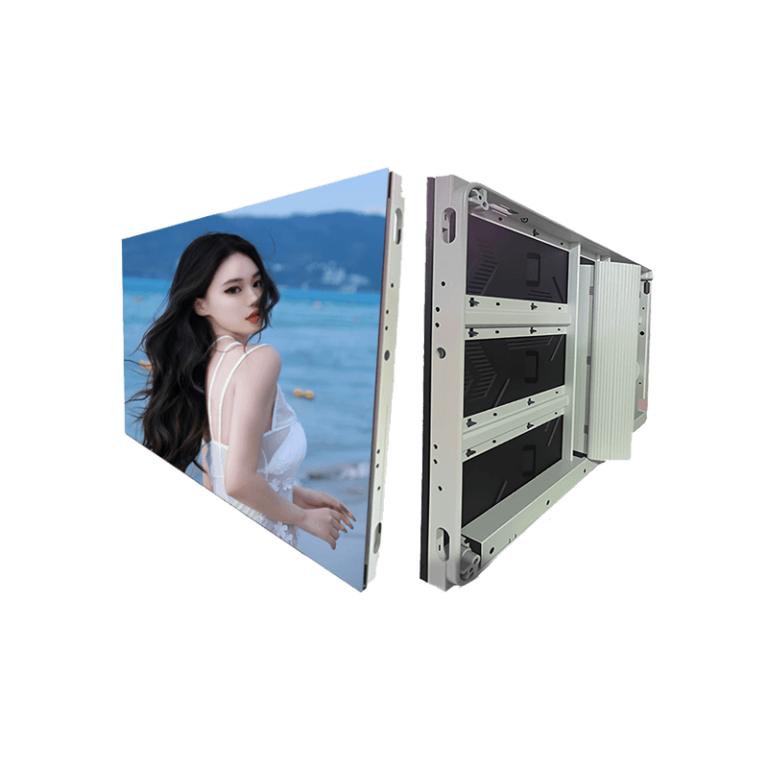
The rapid progression in LED display technology has been driven by several core innovations. High-resolution pixel pitches have significantly improved visibility even in large venues. For instance, the indoor P4.81 display enclosure features a 4.81 mm pixel pitch with approximately 43,264 pixels per square meter and supports a 160° viewing angle for immersive clarity across wide seating arrangements. It boasts high pixel density, vibrant colors, and a high refresh rate, ensuring smooth and stable dynamic images; simultaneously, its soft brightness provides comfortable viewing.
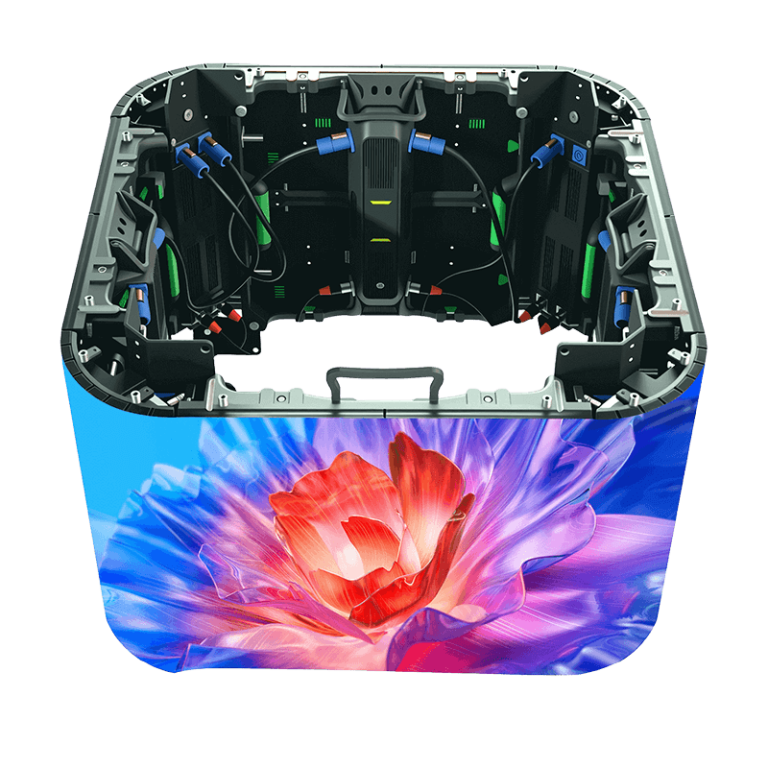
Energy efficiency is another crucial driver of innovation. LEDs consume less power than traditional systems while delivering longer lifespans—often exceeding 50,000 hours of operation—which reduces maintenance costs over time. Modular design advancements further simplify installation and scalability; adopting a modular structure makes installation convenient while allowing flexible adjustment according to actual needs. This adaptability ensures that both small arenas and large stadiums can tailor their scoreboard configurations efficiently.
Emerging LED Display Trends Influencing Sports Venues
Adoption of Fine-Pitch LED Screens for Enhanced Clarity
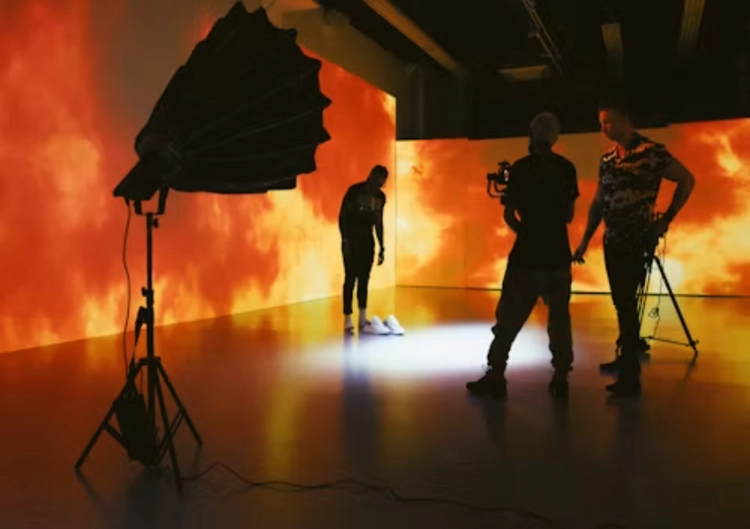
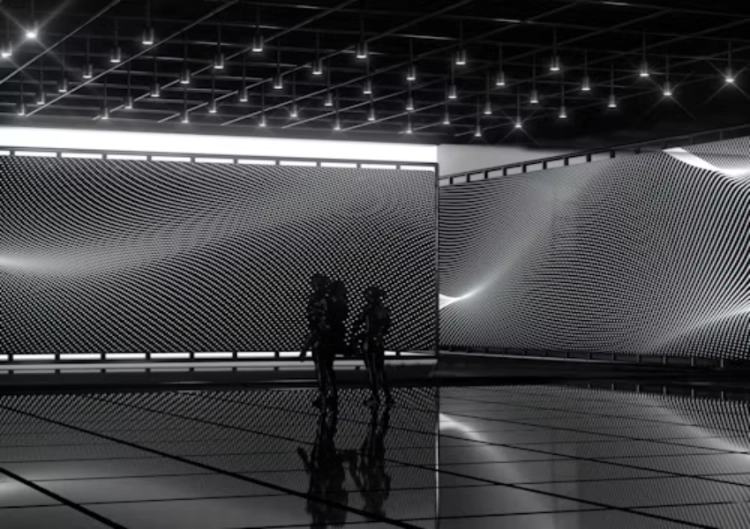
Fine-pitch LED technology has become indispensable in indoor sports environments where close-up viewing is common. These displays deliver seamless visuals with no visible gaps between panels. Seamless splicing technology allows immersive large screens suitable for high-end indoor venues such as corporate showrooms or studios. Increased pixel density supports detailed graphics like player statistics or instant replays without distortion—critical features for professional broadcasting standards.
Moreover, fine-pitch screens are designed with intelligent heat dissipation systems that extend product lifespan while maintaining low power consumption. As energy optimization becomes central to venue management strategies, these innovations ensure consistent performance under continuous operation conditions.
Rise of Transparent and Flexible LED Displays
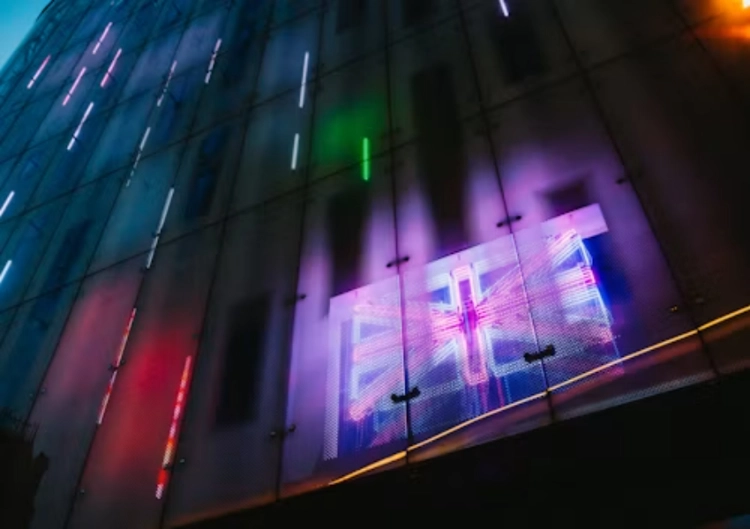
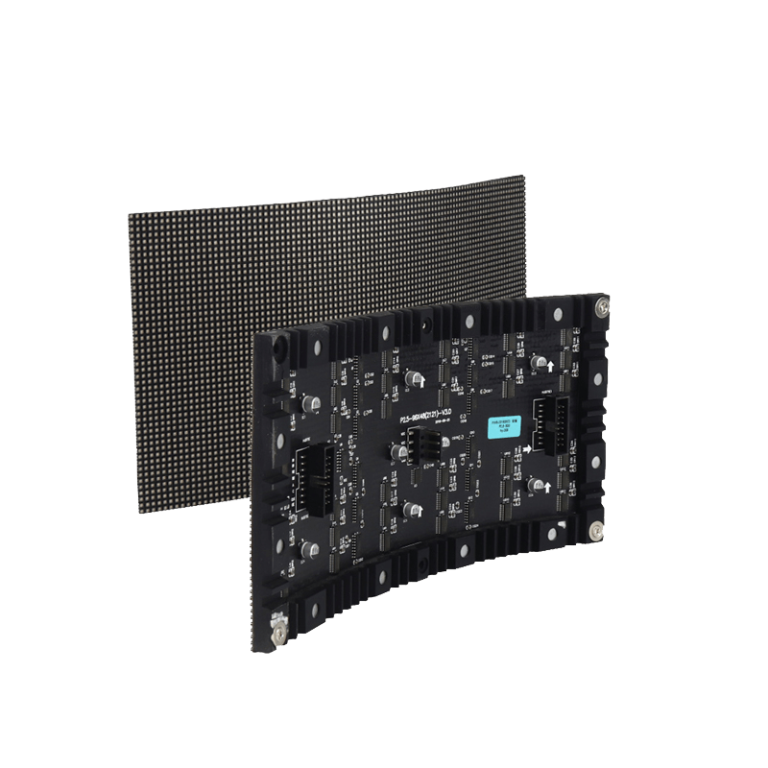
Beyond clarity improvements, transparent and flexible LEDs are reshaping how venues integrate visual systems into architecture. Transparent panels can be embedded into glass facades or barriers without obstructing sightlines—ideal for stadium perimeters or VIP zones—while flexible materials enable curved installations around scoreboards or tunnels. These developments not only enhance aesthetics but also create immersive fan experiences through dynamic content projection on unconventional surfaces.
Integration of Smart Systems with LED Displays
Real-Time Data Synchronization and Connectivity
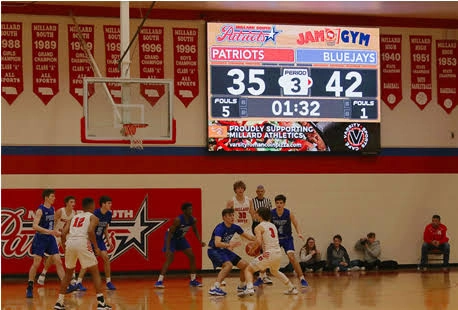
Smart integration is the next step in the development of scoreboards. The latest installations are interconnected with an IoT ecosystem, so the scores or player statistics are automatically updated. The venue’s content can be remotely managed by means of a cloud platform. This allows quick changeover between, for example, live images, ads, and messages of an emergency nature. All of this can be displayed on all installations at the venue immediately. Our modular display solutions, such as our die-cast aluminum P6 display stand, are perfectly suited to support these smart functions, e.g., by offering mobile interconnection functions via Wi-Fi to update contents in real time. Connect your phone to the LED wall-mounted display via the mobile interconnection function; just connect to the built-in Wi-Fi, and you can quickly search for desired playback files.
AI and Data Analytics Enhancing Scoreboard Functionality
During live matches, audience behavior analysis is used to optimize the distribution of content by means of artificial intelligence. Predictive analytics can be used to optimize dynamic advertisement placement, for example, on the basis of the level of engagement of the crowd or time intervals within a match. By means of machine learning, the scoreboard operation can be automated so that errors can be detected, and in time, measures can be taken to prevent any potential downtime, such as by means of predictive maintenance alerts. In summary, by utilizing a variety of technologies, sports organizations are now able to extract maximum value from their investment in the form of increased operational reliability and commercial return from the display of their LED scores.
Customization and Design Flexibility for Sports Applications
Modular Architecture Supporting Diverse Venue Requirements
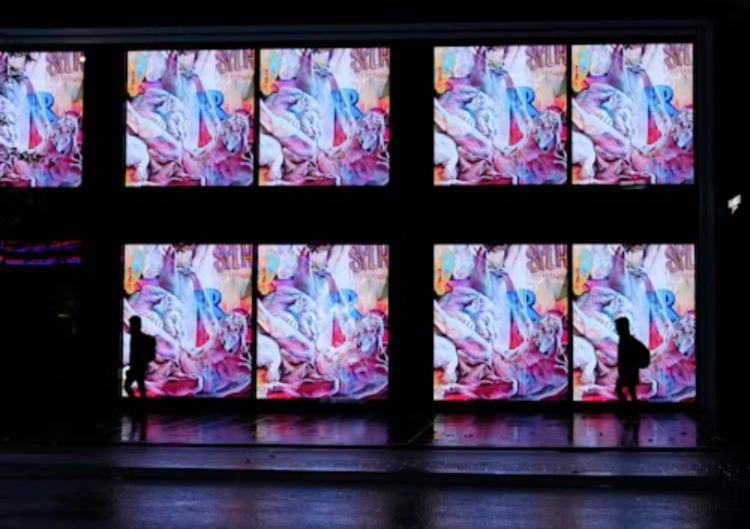
Customization remains fundamental when deploying large-format visual systems across sports facilities with varying architectural constraints. Modular panels allow tailored configurations that adapt seamlessly, whether mounted along sidelines or suspended above arenas. The stadium screen exemplifies this principle through its seamless splicing capability, enabling ultra-large coverage areas suitable for any field dimension. The LED stadium screen has seamless splicing, which can break the size limitations of single screens, forming ultra-large systems covering any area of the stadium.
Quick installation mechanisms reduce setup times between tournaments while minimizing technical labor requirements—an essential advantage during multi-sport seasons demanding frequent reconfigurations.
Advanced Control Systems for Dynamic Visual Experiences
Modern scoreboards are more than just information displays. Many scoreboards today have multi-zone displays that can show scores, replays, and advertisements all at the same time. With synchronization to audio-visual systems, scoreboards can become part of the overall event and tell a story in lights and video, synchronized with the event action, crowd reaction, and highlights on the video board. Many modern scoreboards are also fitted with so-called interactive modules. These display social media updates or even contributions by spectators on the spot in real time. Interactive elements of this kind are becoming increasingly popular with the digital masses of spectators who wish to be involved in a more intense way during an event.
The Future Landscape of LED Displays in Sports Scoreboards
Integration with Augmented Reality (AR) and Virtual Reality (VR) Technologies
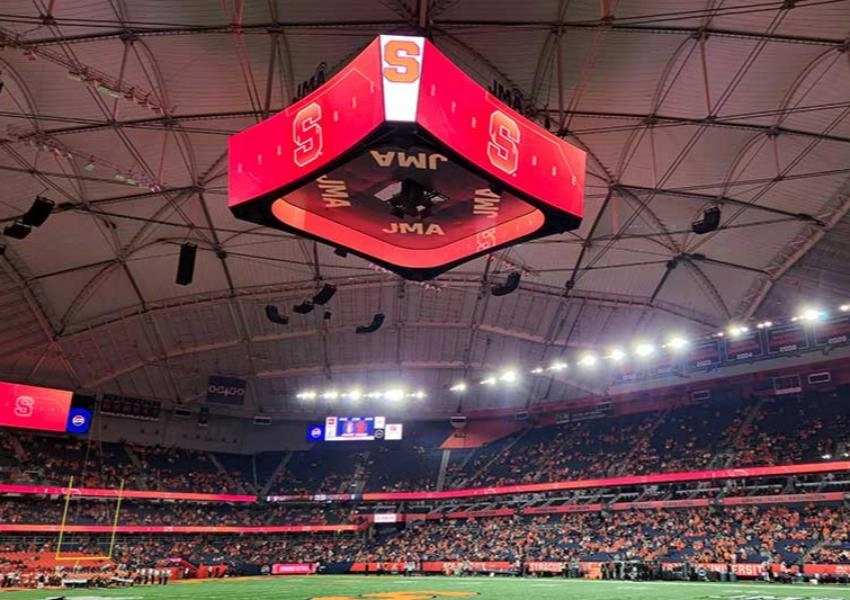
AR/VR is converging with scoreboard design, unlocking new ways to enhance live viewing by using digital information to provide viewers with insights into the strategies and players involved in a match through information projected onto large screens during broadcasts. This fusion of physical, live match play and virtual information to create engaging stories to passively view a match is now being transformed into a fully interactive experience for local viewers and global followers of a team or player.
Expanding Commercial Opportunities Through Digital Advertising Innovation
Advertising during breaks provides sponsors with a high-exposure promotional platform, achieving an organic integration of sports and commerce. Programmable zones within modern boards enable simultaneous multi-brand promotions, maximizing ROI potential per broadcast minute—ushering in new monetization paradigms across global sports entertainment industries.
About Us – Innovating Visual Experiences Globally
At Leyaled, we specialize in designing comprehensive LED solutions tailored for both indoor arenas and outdoor stadiums worldwide. With 15 years in R&D excellence supported by eight SMT production lines within our Shenzhen facility spanning 7,200 square meters, FWS Technology Co., Ltd. is a high-tech enterprise specializing in the integrated LED display industry, encompassing R&D, production, and sales. We continue advancing our mission: illuminating every arena with reliable performance-driven innovation that defines tomorrow’s visual standard today.
For collaboration on customized scoreboards for your venue, we would like to hear from you. Our team of consultants will work through the design and technical aspects of your scoreboards from the initial concept right through to after-sales service in order to guarantee the best possible use of your scoreboards all over the world. Please contact us.
FAQ
Q1: What makes fine-pitch LEDs ideal for indoor sports applications?
A1: Fine-pitch LEDs offer higher pixel densities, enabling detailed graphics at short viewing distances combined with seamless splicing, ensuring uninterrupted visuals across expansive indoor walls, enhancing clarity during close-range spectator experiences.
Q2: How do outdoor-grade displays maintain performance under harsh weather?
A2: Outdoor models employ sealed IP65-rated enclosures constructed from die-cast aluminum, providing robust resistance against rain, dust, and humidity, combined with coated circuit boards preventing corrosion, ensuring stable operation from -10°C up to 50°C.
Q3: Can smart integration improve scoreboard management efficiency?
A3: Yes, IoT-enabled connectivity paired with cloud-based control allows remote synchronization, automatic updates, and real-time monitoring, reducing manual input errors and optimizing operational reliability throughout live sporting events worldwide.