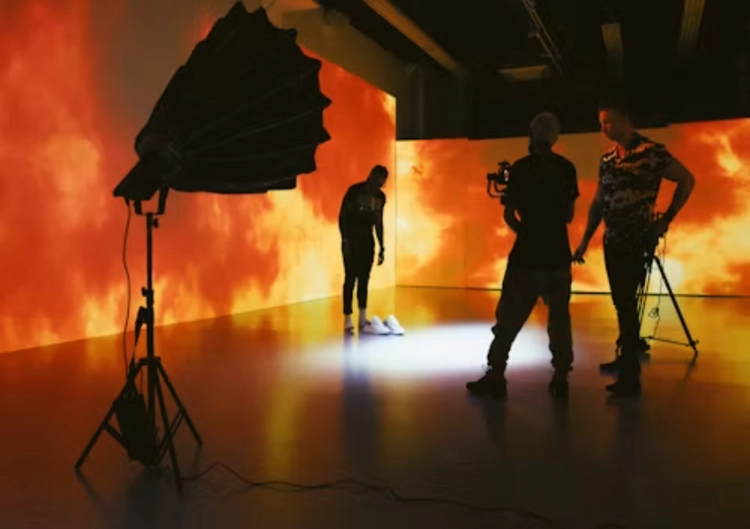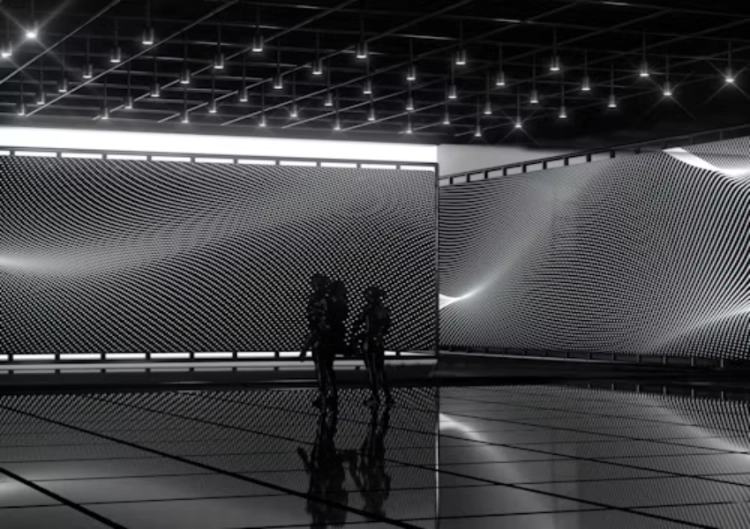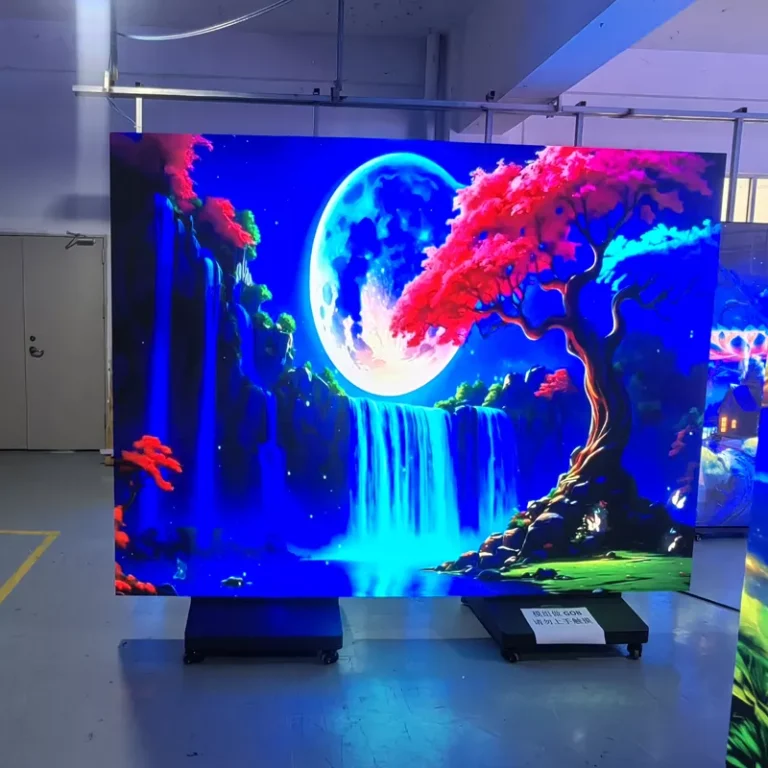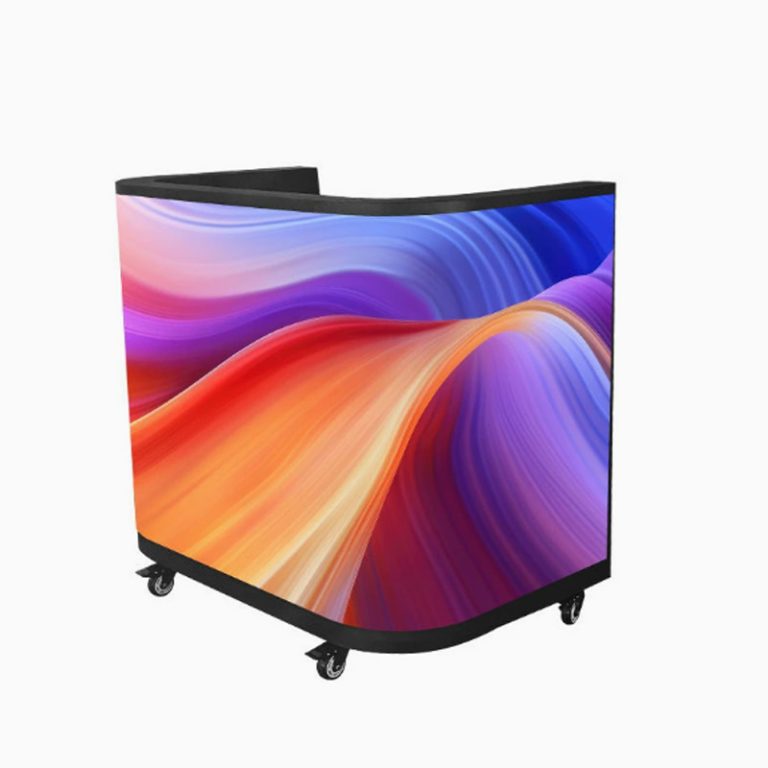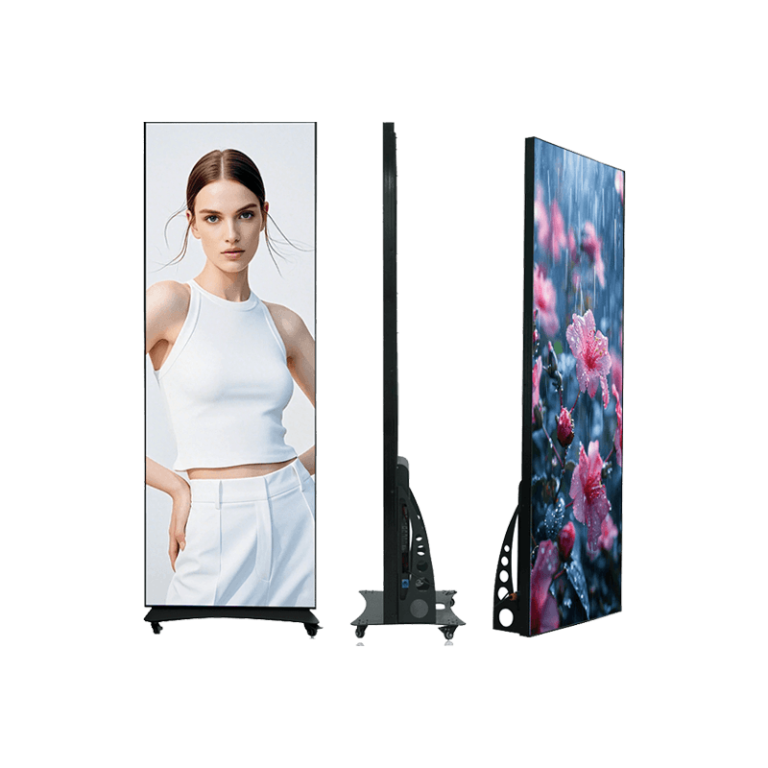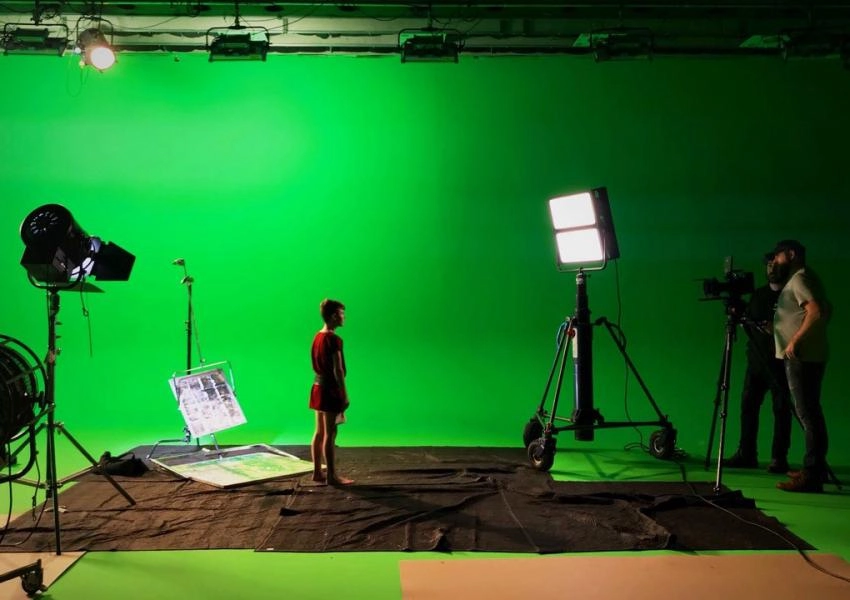
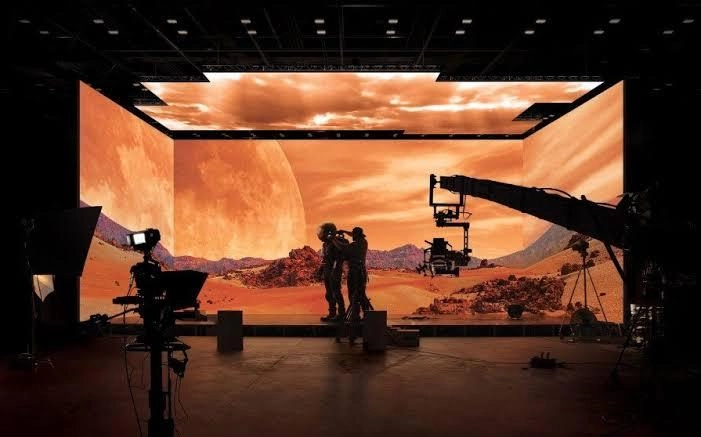
For decades, traditional green screen technology has served as the cornerstone of compositing and visual effects. However, the evolution of LED display systems has completely reshaped this landscape. What once required heavy post-production compositing can now be achieved in real time using advanced smart display environments. These systems enable directors and cinematographers to visualize immersive scenes directly on set, bridging the gap between imagination and execution.
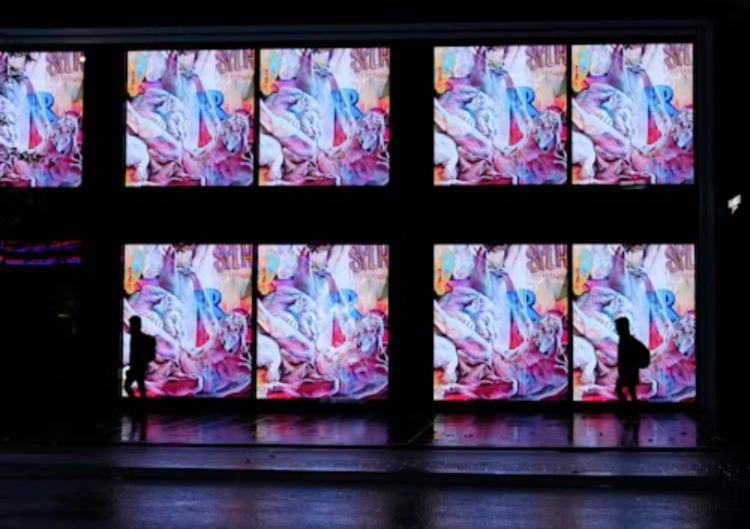
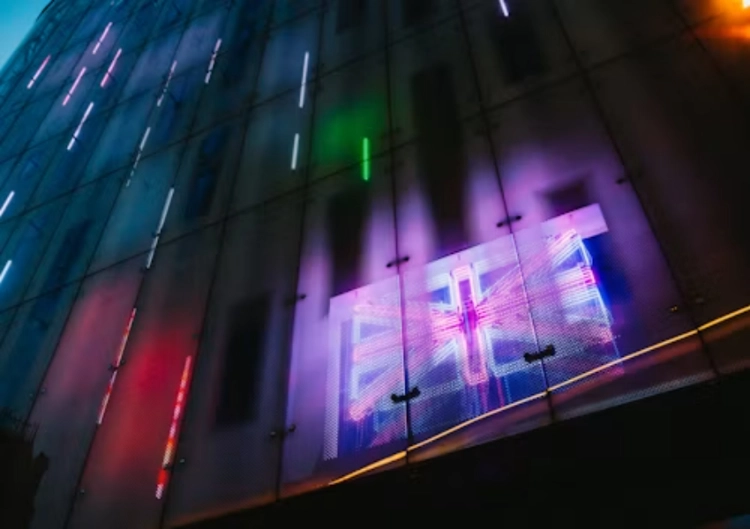
LED displays can display changing numbers, text, and graphic images; they can be used not only indoors but also outdoors and have advantages that projectors, video walls, and LCDs cannot match. This versatility makes them ideal for both film studios and live broadcast environments. With seamless splicing technology and ultra-high-definition resolution—now reaching 4K and 8K—smart displays deliver an unprecedented level of realism that traditional green screens cannot replicate.
The Shift Toward Real-Time Production Environments
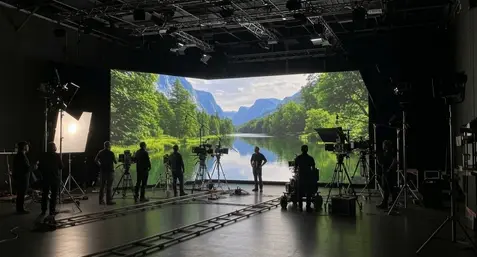
The move to virtual, real-time production is centered around several key issues, primarily the need for real-time feedback and higher accuracy, as smart LED display walls combined with camera tracking systems deliver perfect parallax as the camera moves. In opposition to the normal method of shooting in front of a green screen and then keying this out in post-production, smart display environments deliver natural, real-world reflections from actors and all set dressing and props in real time. Smart studio environments are also vastly more efficient than their counterparts, negating the vast amount of work that normally takes place in post-production to achieve several final shots, allowing them to be captured ‘live’ in real time.
Technical Comparison: Smart Display vs Green Screen
Image Quality and Lighting Integration
The difference between smart display vs. green screen setups becomes most apparent in image fidelity and lighting behavior. Smart LED panels emit light that interacts naturally with on-set objects, generating authentic reflections that enhance realism. By contrast, green screens require complex color correction and keying processes to remove spill-light artifacts.
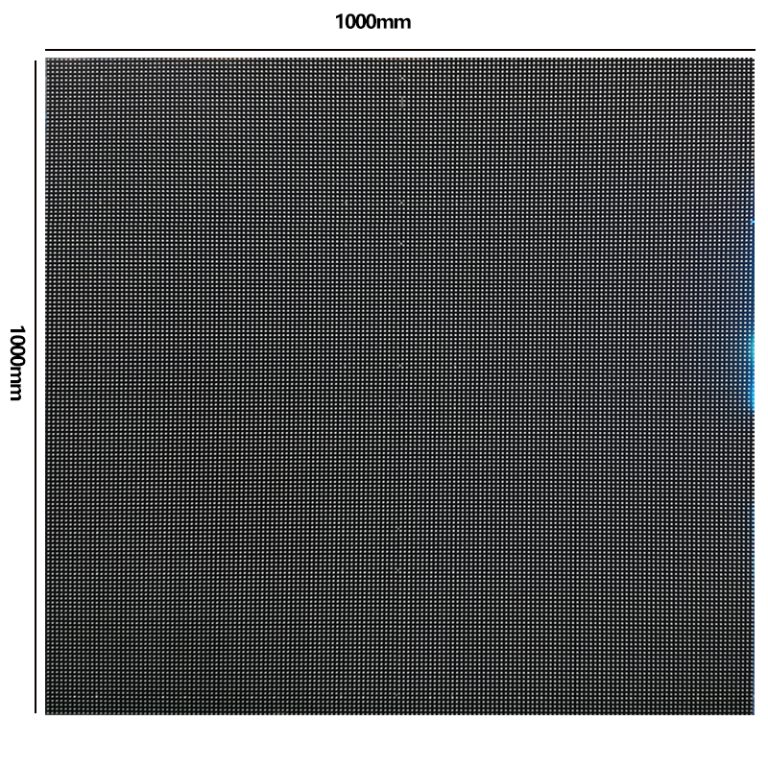
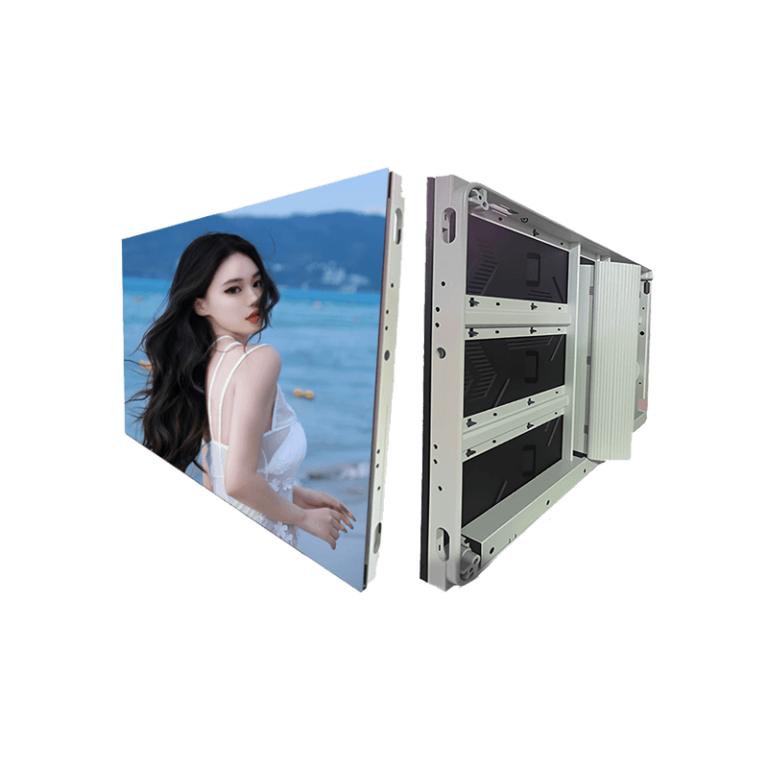
Our indoor P3.91 LED display exemplifies this advantage with its 3.91 mm pixel pitch delivering “stunningly sharp image quality thanks to its high pixel density, rich colors, and high refresh rate.” With seamless splicing technology, this display can be flexibly assembled into large immersive screens. Such precision ensures accurate lighting reproduction during virtual shoots.
Similarly, the P2.6 LED display offers a 160° wide view with 10, 000 nits of brightness, ensuring crisp visuals under any condition—ideal for outdoor or semi-outdoor virtual stages where natural illumination must blend seamlessly with digital content.
Workflow Efficiency and Production Flexibility
Smart displays streamline creative workflows by merging previsualization with live performance capture. Directors can adjust digital backgrounds instantly without interrupting shooting schedules. In contrast, green screen setups rely heavily on post-production compositing teams to reconstruct entire environments after filming.
LED displays have greatly enriched the display formats of television program backgrounds. Studio LED full-color displays utilize high-quality small-pitch LED screens characterized by seamless splicing, high color gamut, high refresh rate, and low energy consumption. This same principle applies in modern film studios where real-time visualization accelerates decision-making while maintaining cinematic quality.
Cost Considerations in Virtual Production Setup
Initial investment in smart display systems may appear higher; however, their long-term savings are substantial due to reduced post-processing costs and improved production speed. Green screen studios incur continuous expenses from lighting calibration, chroma key cleanup, and rendering time. Modular LED systems balance cost efficiency with scalability—allowing studios to expand or reconfigure setups easily as project demands evolve.
Performance Metrics of LED Display Technology in Virtual Production
Resolution, Refresh Rate, and Color Accuracy
High-resolution panels define the clarity of virtual backgrounds during filming. Our outdoor P2.604 LED display demonstrates this capability through a “high refresh rate up to 3840 Hz–7680 Hz,” ensuring flicker-free performance under professional cameras while maintaining consistent color reproduction across wide viewing angles.
Utilizing dynamic scanning technology, the image is stable, free of noise, clear, and features vivid animation effects; video playback is smooth. These attributes guarantee natural motion rendering, essential for cinematic realism.
Durability and Maintenance Requirements
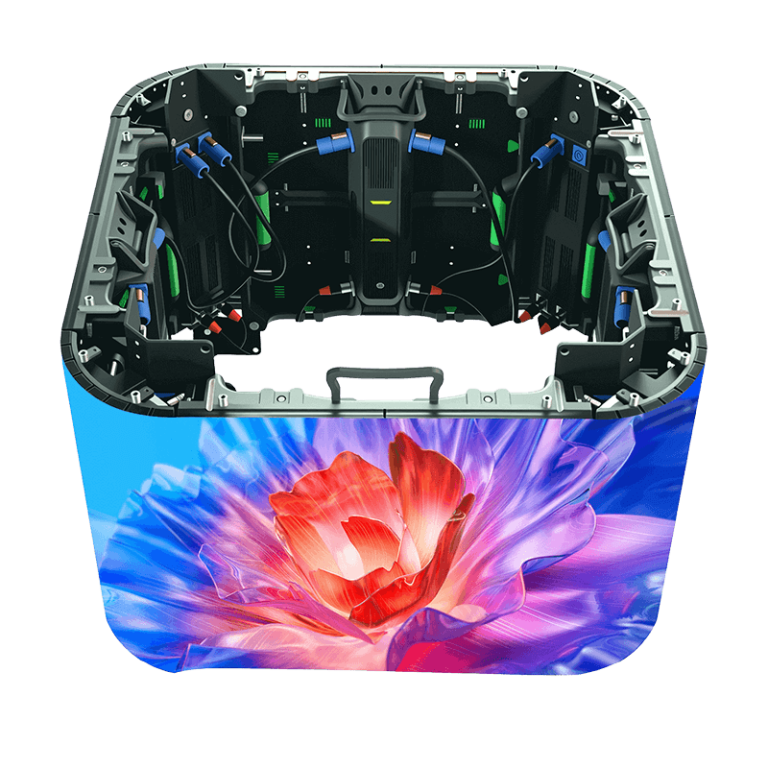
Smart displays are engineered for durability through robust cabinet materials such as die-cast aluminum combined with weather-resistant coatings. The stadium screen features an IP65 waterproof rating, allowing it to continue working even in rainy weather. Its “soft mask design better protects athletes” while maintaining calibration accuracy after module replacement—a feature equally valuable for studio operators seeking uninterrupted operation over long production cycles.
Green screens degrade over time due to fabric discoloration or uneven lighting wear; by contrast, modular LED panels maintain consistent performance through automated calibration systems stored within each module’s memory chip.
Creative Flexibility Enabled by Smart Displays
Real-Time Scene Adaptation and Dynamic Environments
One major advantage of smart displays lies in their adaptability: directors can modify entire virtual scenes instantly without reshooting sequences. Interactive lighting emitted from LEDs enhances actor immersion while enabling multi-location simulation within a single studio environment.
LED displays play an irreplaceable role in creating spatial atmosphere. Combined with dynamic light and shadow changes, they can quickly evoke the audience’s emotions. This dynamic adaptability empowers filmmakers to experiment freely with mood transitions or environmental effects directly on set.
Integration with Camera Tracking and Rendering Systems
Smart LED walls integrate seamlessly with advanced rendering engines such as Unreal Engine for real-time visualization. Their synchronization with motion-tracking cameras ensures precise parallax alignment between physical movement and digital imagery—a critical factor for maintaining spatial coherence in hybrid scenes.
LED screens support multiple interfaces (such as HDMI / DVI / VGA), which can be easily connected to computers or media players. This compatibility simplifies integration into existing studio pipelines while supporting instant updates across networked systems.
Environmental Impact and Energy Efficiency Comparison
Power Consumption Analysis Between Technologies
Energy efficiency plays a crucial role when comparing smart display vs. green screen solutions. Modern LED technologies consume significantly less power per scene hour than traditional setups, requiring multiple high-intensity lights for chroma key uniformity. Advocating low carbon and green environmental protection, LED displays are developing towards greater energy efficiency.
Sustainability Advantages of LED Displays in Long-Term Use
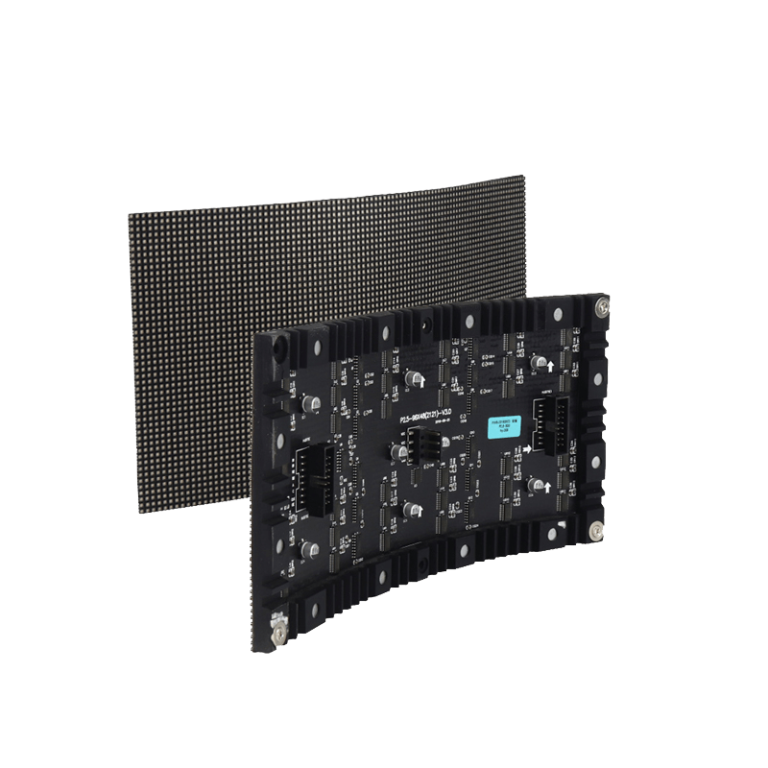
Reusable modular panels minimize material waste across numerous productions since each segment can be reconfigured or repurposed for new projects without disposal concerns. Moreover, our manufacturing process emphasizes eco-friendly practices, aligning sustainability goals with technological innovation across all product lines—from flexible indoor walls to large-scale outdoor installations.
Leyaled: Reliable Manufacturer of Professional LED Display Solutions for Virtual Production
Leyaled is a global LED display manufacturer dedicated to advancing cinematic visualization through precision-engineered indoor and outdoor solutions tailored for film studios and broadcast applications. With 15 years of expertise in R&D and production excellence based in Shenzhen, our facility spans 7,200 square meters and is equipped with eight SMT automated production lines certified under ISO 9001:2008 standards. Our professional team delivers customized OEM/ODM solutions supported by rapid prototyping capabilities, ensuring every installation meets unique creative requirements worldwide.
Products like our stadium screen demonstrate engineering precision designed for demanding environments—featuring adjustable rear support frames enabling optimal viewing angles—and serve as proof of our commitment to reliability across diverse applications, including sports broadcasting or immersive film sets.
Our end-to-end service covers consultation through installation, complemented by dedicated technical support, ensuring consistent system performance throughout every project lifecycle. Here, it’s all about giving clients the best quality products. For partnership inquiries or project consultations, please visit our contact page.
Summary of Key Insights on Smart Display vs Green Screen Comparison
Evaluating technological trade-offs reveals that smart LED displays surpass traditional green screens across nearly every metric—real-time visualization fidelity, lighting realism integration, workflow efficiency optimization, and ultimately creative control enhancement for directors seeking immediate feedback during production sessions. While initial investment costs may seem elevated compared to basic chroma setups, operational savings derived from reduced post-production complexity justify adoption rapidly over time when scaled across multiple projects within professional studios relying heavily on visual storytelling innovation.
Collaborating with an experienced manufacturer ensures access not only to cutting-edge hardware but also comprehensive technical expertise capable of transforming conceptual visions into tangible cinematic experiences powered by next-generation display engineering.
FAQ
Q1: What are the main advantages of using a smart display over a green screen?
A1: Smart displays eliminate chroma keying processes while providing realistic reflections plus dynamic lighting interactions visible live during filming sessions—enhancing immersion without additional compositing steps afterward.
Q2: How does an LED screen improve production efficiency?
A2: Integrated directly into live set environments, these panels allow directors to capture final-quality footage, instantly reducing dependency upon lengthy rendering pipelines typical within conventional workflows, thereby shortening total production cycles dramatically.
Q3: Why choose Leyaled as an LED display supplier?
A3: We combine advanced engineering expertise backed by certified manufacturing standards alongside responsive global service support, offering customizable smart display solutions optimized precisely around each client’s professional studio configuration needs, ensuring superior reliability throughout every deployment phase.