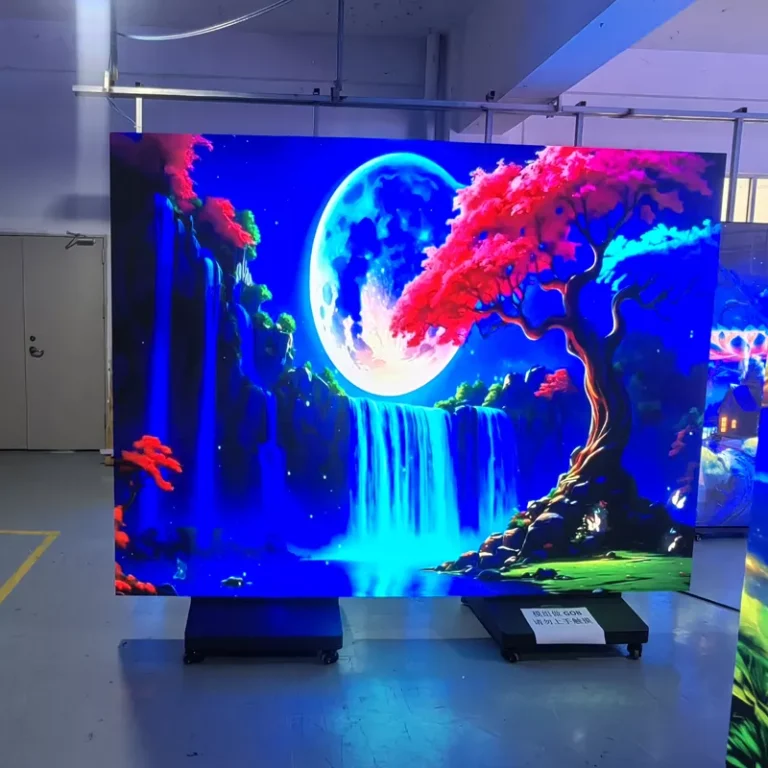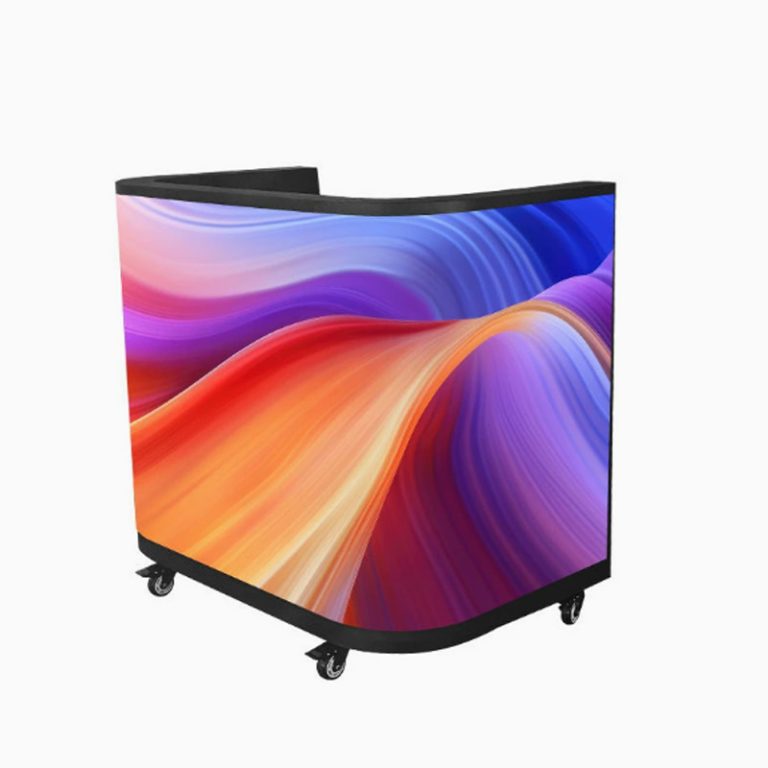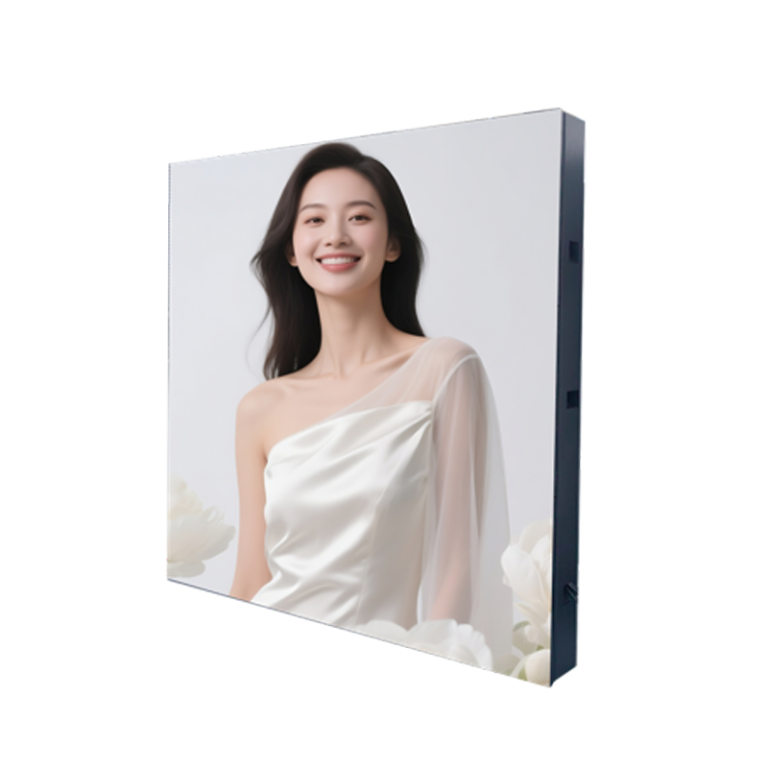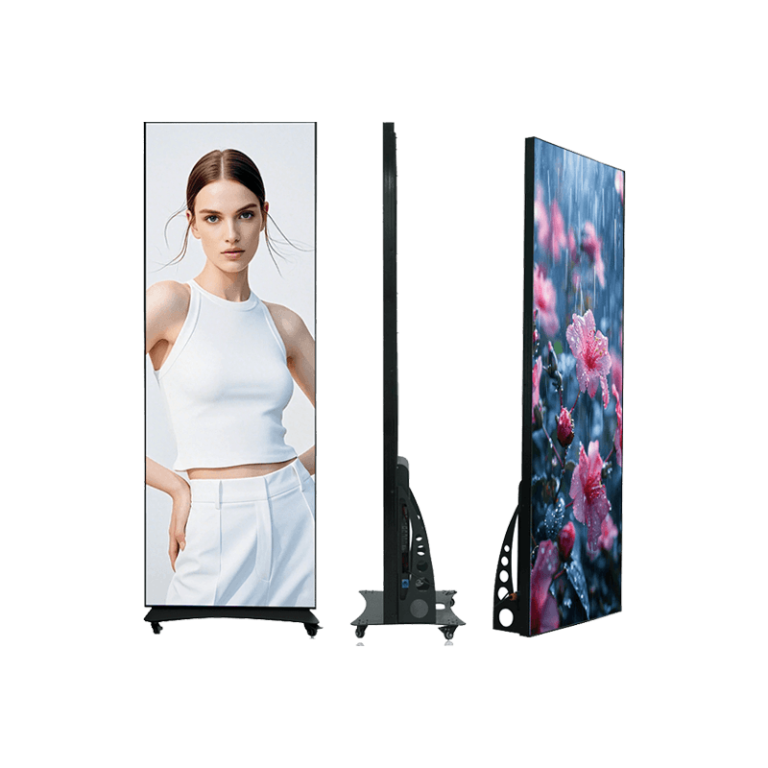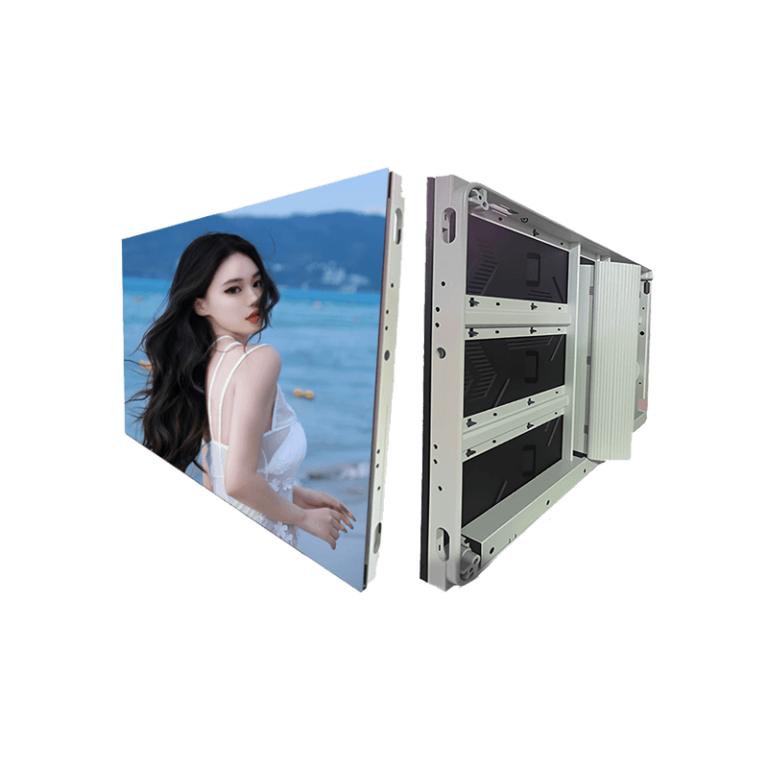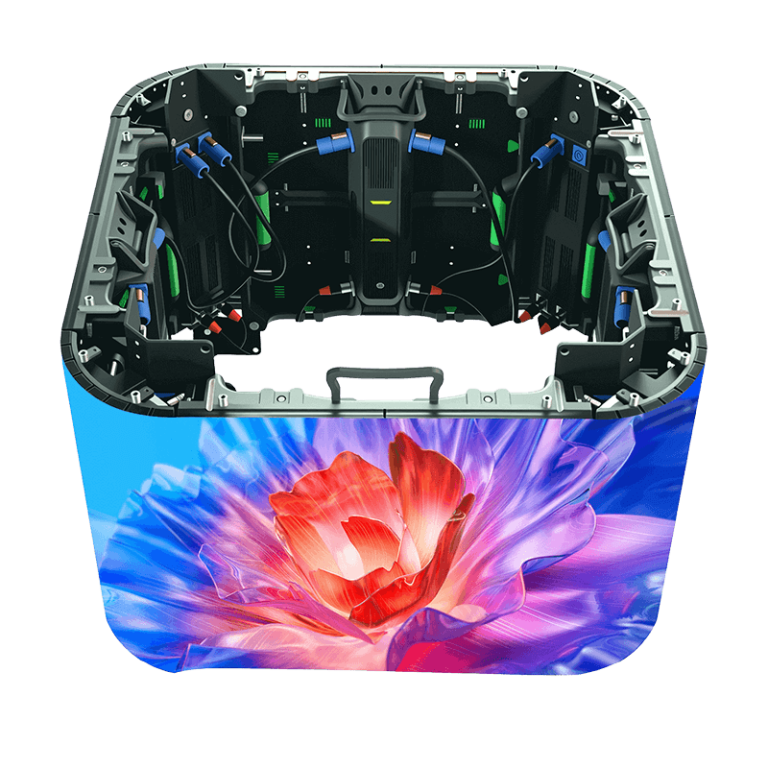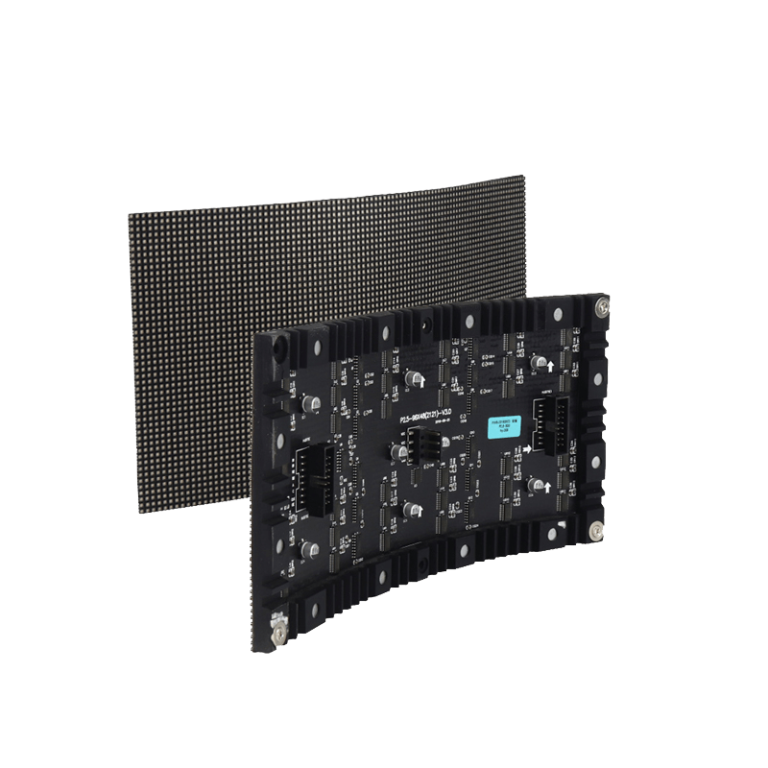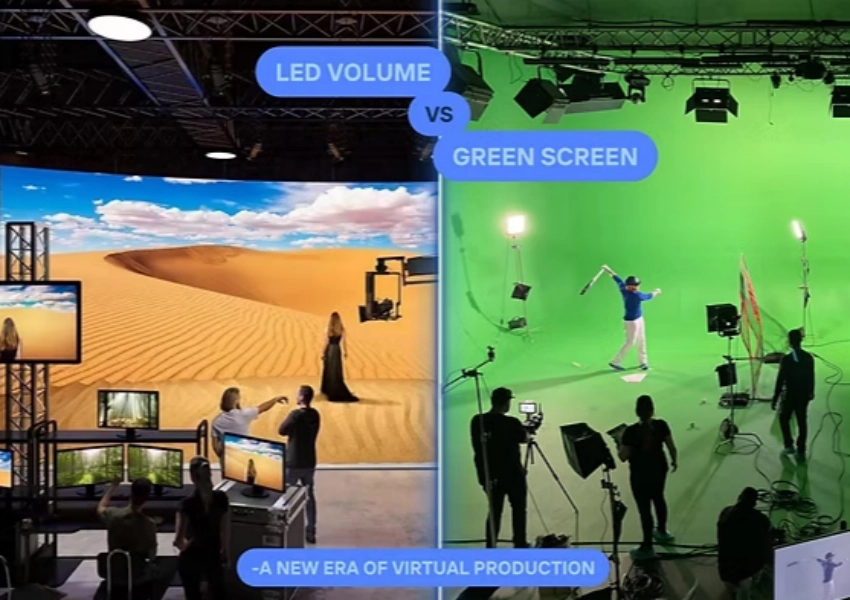
In modern visual production, smart display vs green screen technologies have become essential for creating immersive environments across film, broadcast, and corporate events. Both techniques aim to merge physical and digital worlds, but differ significantly in workflow and cost-efficiency. Smart displays utilize LED panels to project real-time scenes directly on set, while green screens rely on chroma key compositing during post-production. The choice between the two depends on production scale, real-time rendering needs, and available budget.
Technical Composition of Smart Display Systems
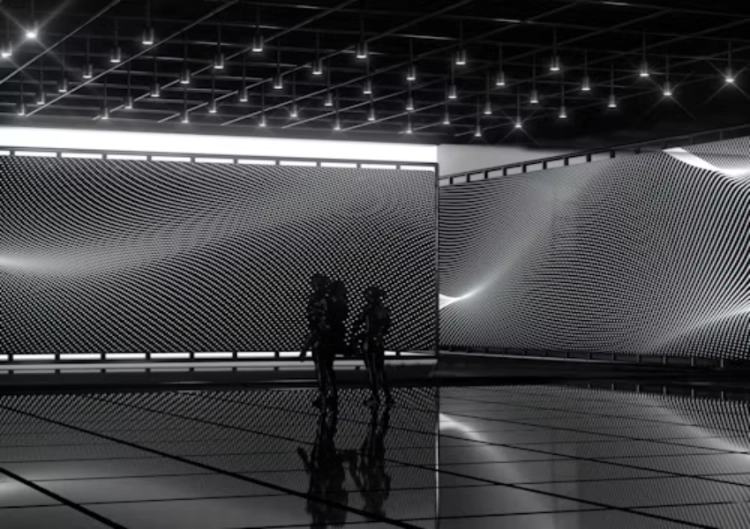
Smart display systems are built around advanced LED display panels that deliver exceptional brightness, contrast, and color accuracy. The LED display screen, designed with a custom die-cast aluminum cabinet, prioritizes lightness, thinness, and quick installation. This structural advantage allows seamless splicing across large surfaces—ideal for virtual studios or immersive environments. Its high refresh rate ensures smooth playback for dynamic scenes. Integration with real-time rendering engines enables directors to preview final visuals instantly on set without the need for chroma key replacement.
Technical Composition of Green Screen Systems
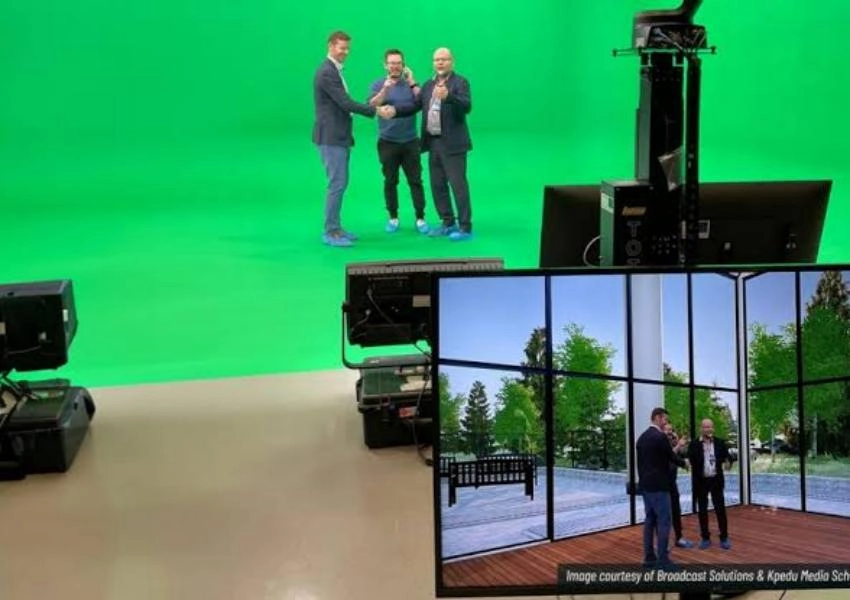
Green screen setups depend on chroma key technology to replace backgrounds during post-production. Lighting consistency is crucial because uneven illumination can cause color spill or shadow artifacts that complicate compositing. Efficiency is heavily influenced by the operator’s expertise and the quality of post-processing software used. While green screens provide flexibility in background design, they demand additional labor hours for digital integration after filming.
Cost Comparison: Smart Display vs Green Screen
Initial Investment and Setup Costs
Smart displays require a higher upfront investment due to the cost of LED panel procurement and installation infrastructure. However, modular designs reduce maintenance costs over time by allowing easy replacement of individual components instead of entire systems. Modular design and flexible installation: Adopting a modular structure, the screen is composed of multiple unit modules, which makes installation convenient. In contrast, green screens are inexpensive initially but often lead to increased expenses in post-production due to extensive compositing work.
Long-Term Operational Costs
Over multiple projects, smart displays deliver better cost efficiency by minimizing post-production time and reducing reliance on external VFX teams. Energy-efficient LED models also lower power consumption during long shoots. High efficiency and energy saving: Advocating low carbon and green environmental protection, LED displays are developing towards greater energy efficiency. Green screens incur recurring costs for software licensing and labor-intensive editing processes that accumulate with each project iteration.
Efficiency Analysis: Workflow Optimization with Smart Displays
Real-Time Visualization Advantages
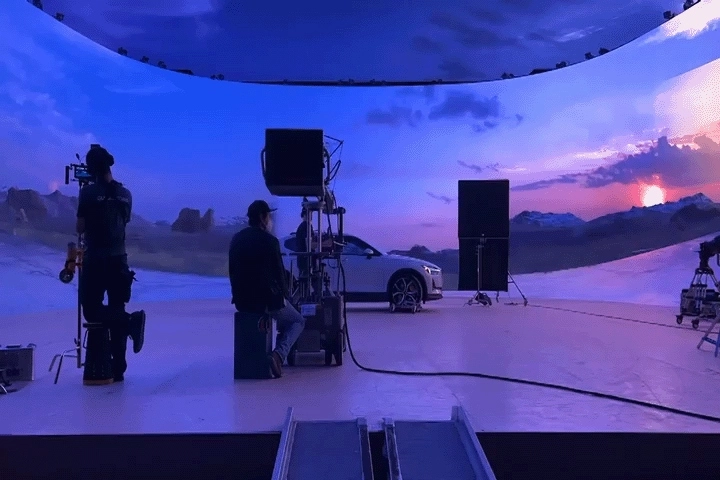
One major strength of smart displays lies in their ability to offer real-time visualization during filming. Directors can see final compositions instantly through synchronized playback systems linked with camera tracking technology. This immediate feedback loop enhances collaboration among cinematographers, lighting engineers, and art directors while reducing reshoots caused by mismatched lighting or composition errors.
Post-Production Efficiency Gains
With smart displays integrated into production workflows, the need for extensive background editing disappears. Teams can focus creative resources on storytelling rather than technical correction tasks. By eliminating chroma keying steps, overall delivery timelines shorten significantly—an advantage particularly valuable in fast-paced commercial or broadcast environments.
Visual Quality Assessment: Realism and Lighting Integration
Color Accuracy and Dynamic Range Performance
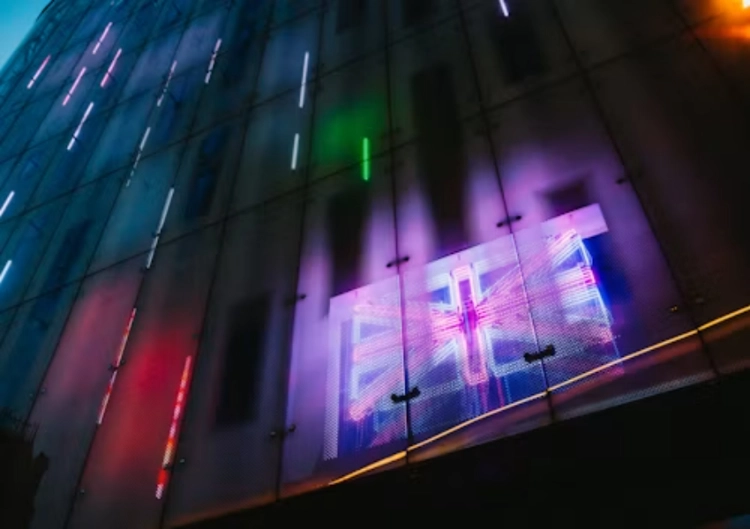
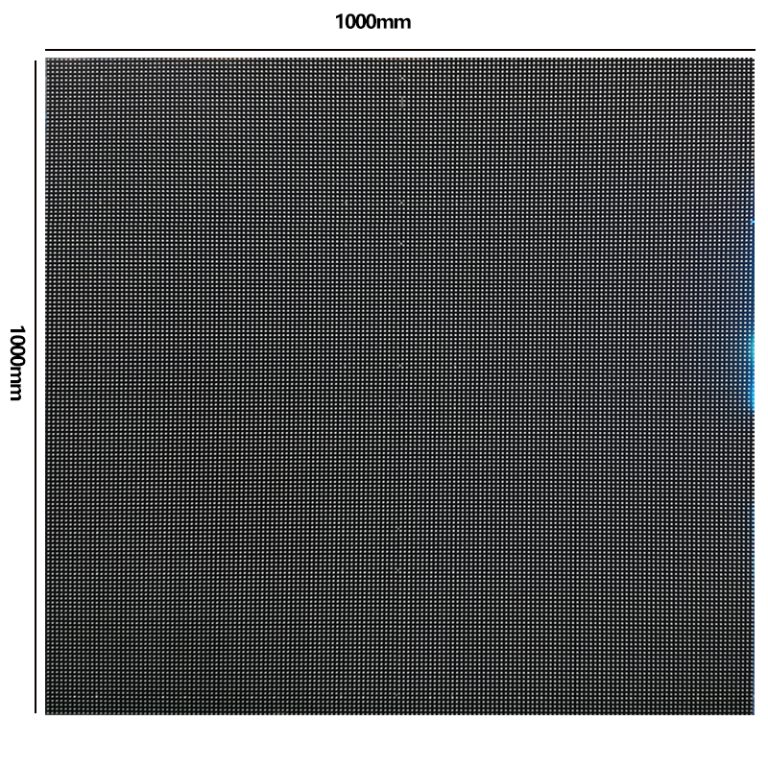
LED-based smart displays achieve superior visual fidelity compared to green screens under complex lighting conditions. The outdoor display P3 has a 3mm pixel pitch and 111,111 pixels per square meter, delivering sharp 1080P/4K visuals that are perfect for close-distance visual applications. High dynamic range (HDR) capability enhances depth perception by capturing subtle tonal variations between highlights and shadows—something difficult to replicate through chroma key backgrounds alone. Consistent pixel density ensures uniform image quality across large-scale installations.
Lighting Interaction Between Actors and Backgrounds
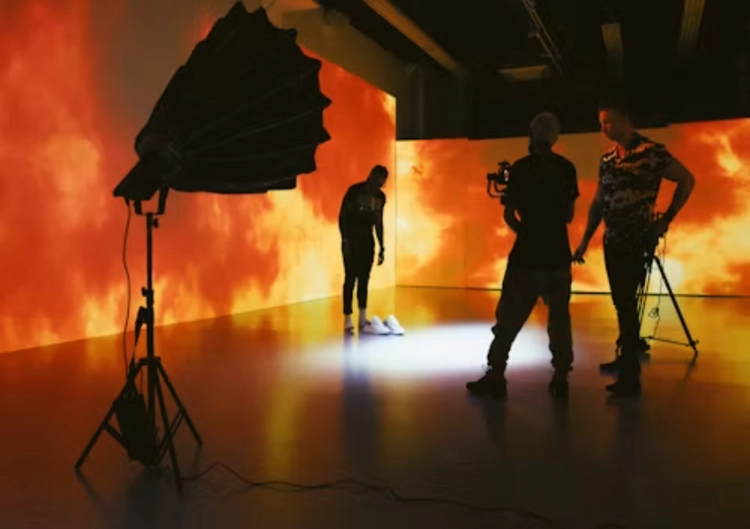
One of the main differences between shooting in front of a green screen and an LED wall is the way in which light interacts with the subjects on set. Instead of having to balance artificial lighting to produce reflections in a background image, the physical light emitted from the screen of an LED wall interacts with its surroundings. This creates realistic highlights and a warm ambient glow, allowing the set to become part of the scene in a way that is not possible with green screen shooting. The outdoor display P3, for example, is designed to deliver 600–1000 cd/m² of brightness and a high level of contrast to produce stable images in a wide variety of lighting conditions. This makes it ideal for a wide range of shooting scenarios, from exterior location work to live events, where the lighting may change during the course of the day.
Application Scenarios Across Industries
Film and Television Production Environments
Virtual production studios today are using smart display walls instead of simple backdrops for their actors. This allows them to perform within a completely realized environment and, importantly, for costumes and props to be accurately reflected in the images. For heavy CGI productions where the background is simply too complex to be rendered in real time by the computer, green screens are still in widespread use.
Corporate Events and Live Broadcasts
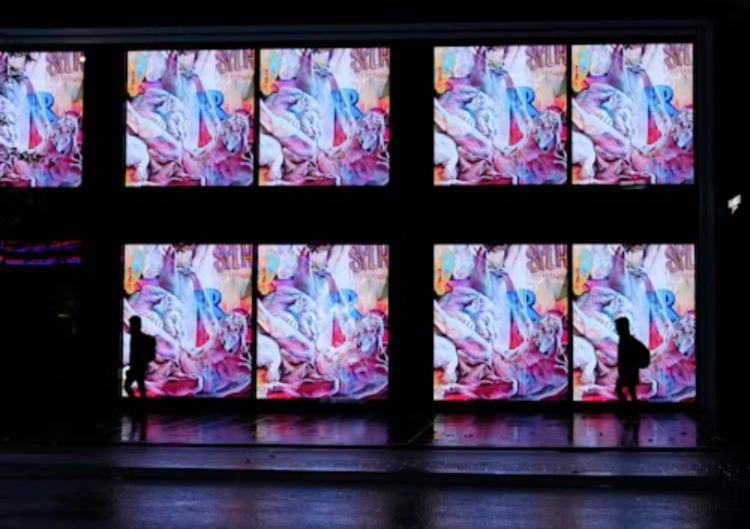
LED display backdrops enhance corporate presentations by offering flexible visual themes adaptable to different branding requirements or event narratives. Their scalability supports both indoor conferences using indoor display P3.91 units designed for wide visibility under variable ambient light conditions.
Leyaled: Reliable Manufacturer of Professional LED Display Solutions
As a trusted manufacturer with 15 years of experience in integrated LED technology, Leyaled specializes in delivering high-performance LED display solutions tailored for commercial entertainment applications worldwide. Our huge facility in Shenzhen covers more than 7,200 square meters, and it is equipped with eight of the latest SMT lines for automated surface mounting of all kinds of precise electronic products from design to assembly, which can guarantee high-quality products. Our engineering philosophy emphasizes reliability through meticulous calibration processes, guaranteeing consistent brightness across panels regardless of scale or configuration size—ensuring every LED screen delivers cinematic-quality visuals aligned with client expectations.
Summary Comparison Between Smart Display and Green Screen Approaches
Smart displays outperform traditional green screens in terms of real-time operational efficiency, lighting realism, and overall visual fidelity when powered by advanced LED screen systems like ours. While chroma key setups remain cost-effective for simple compositing tasks or smaller productions with limited budgets, repeated use cycles favor smart displays due to reduced post-production dependencies and faster turnaround times. At Leyaled, we recommend to our professional customers the best solution for their applications and needs in order to optimize their use and guarantee proper after-sales service. We offer tailor-made advice and assistance from pre-sales to after-sales. To contact us, please visit our contact page, and we will attend to your request. From a film set to a live event, from a control room to an exhibition stand, we will assist you in choosing the best smart display solution for your needs.
FAQ
Q1: What are the main differences between a smart display and a green screen?
A1: A smart display projects real-time virtual environments using physical LED displays, whereas a green screen replaces monochromatic backdrops digitally during editing; thus, smart displays enable immediate visualization while eliminating chroma key processing delays.
Q2: How does an LED screen improve production efficiency?
A2: By displaying finalized backgrounds live during filming sessions through synchronized playback systems integrated into camera workflows, reducing dependency on VFX pipelines while enhancing cross-department collaboration throughout production stages.
Q3: How can I contact Leyaled for customized smart display solutions?
A3: For detailed consultations regarding indoor or outdoor LED screen configurations suited to your studio or event needs, please visit our official contact page, where our support team will assist you promptly with personalized service options tailored to your project specifications.