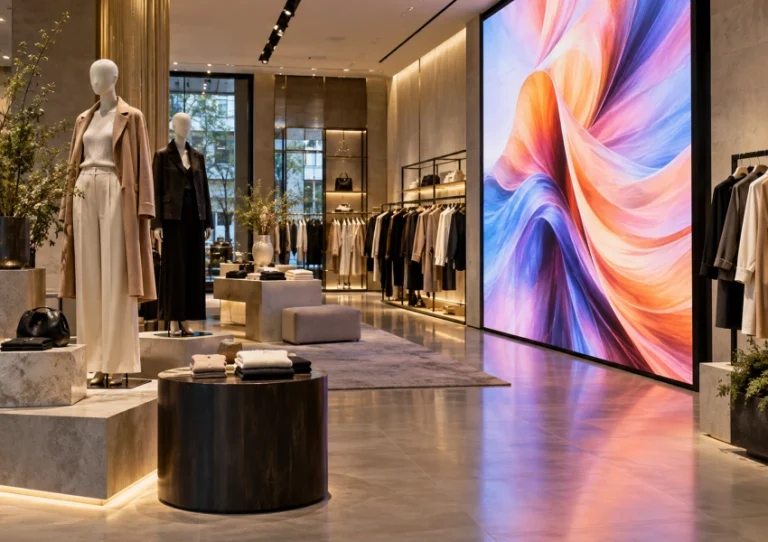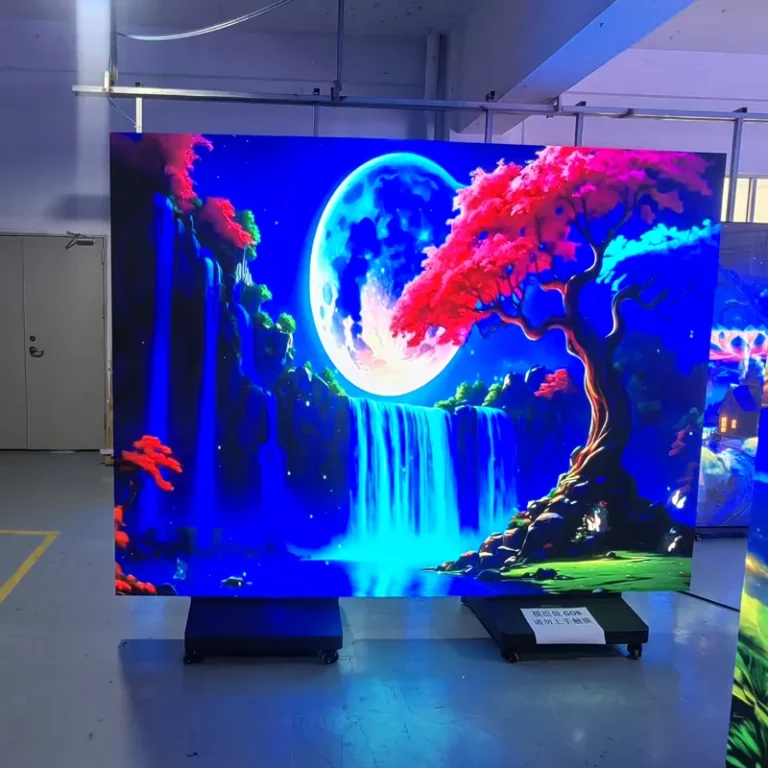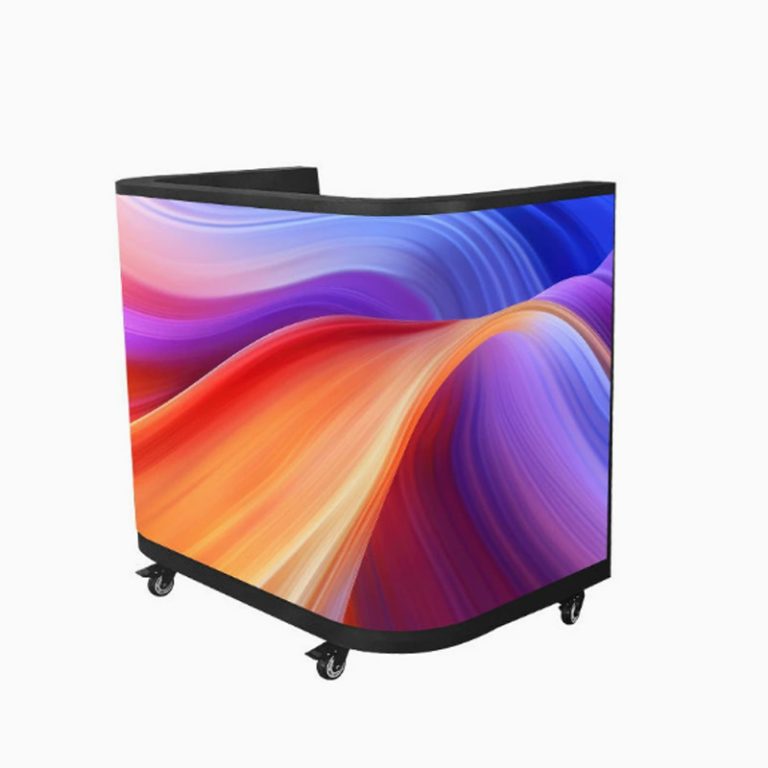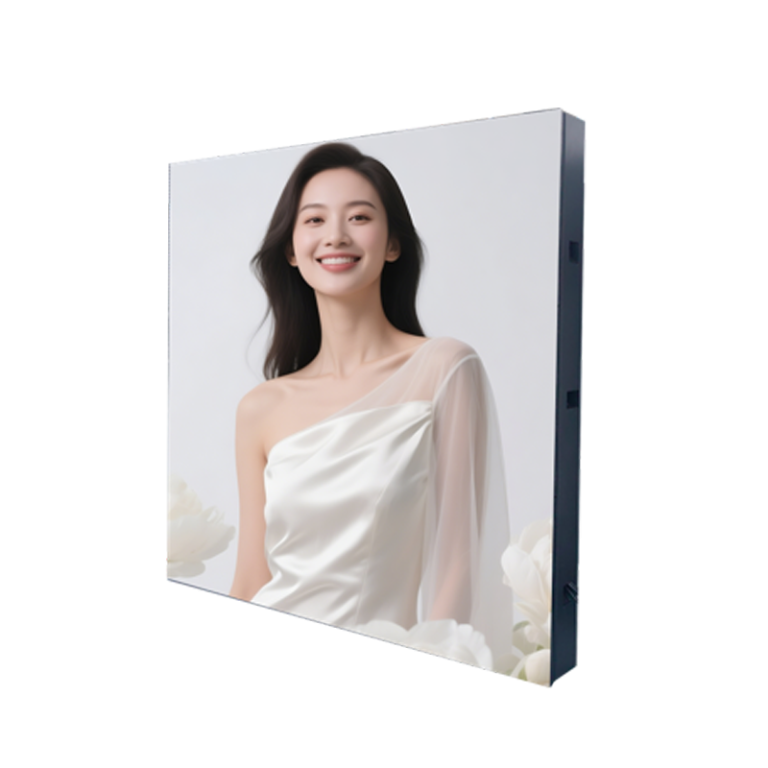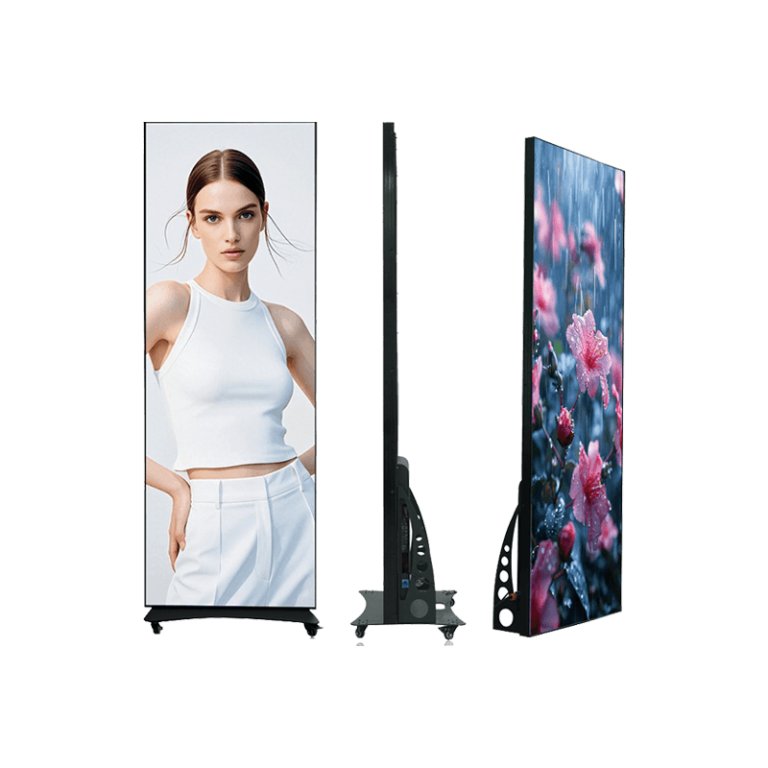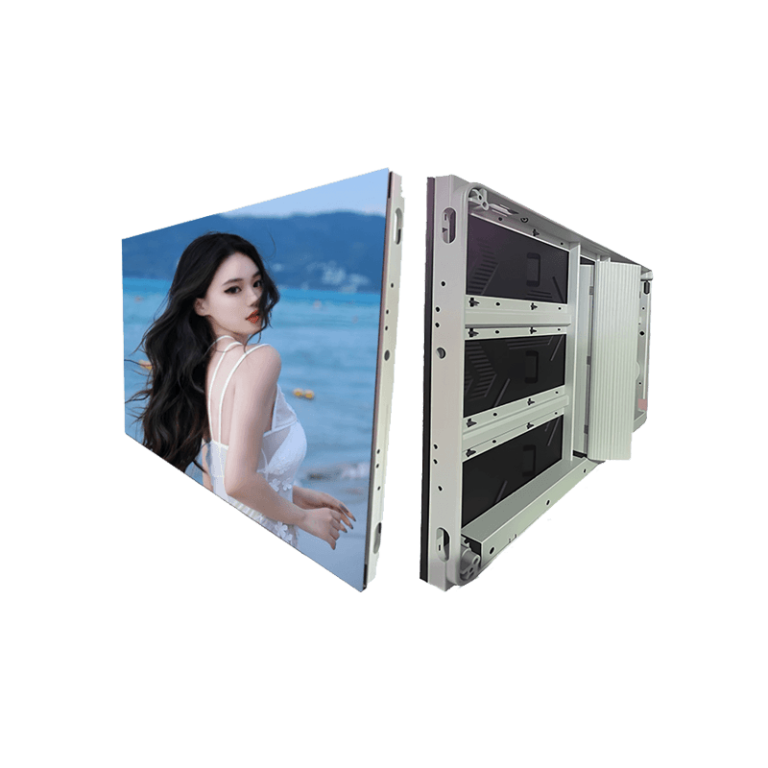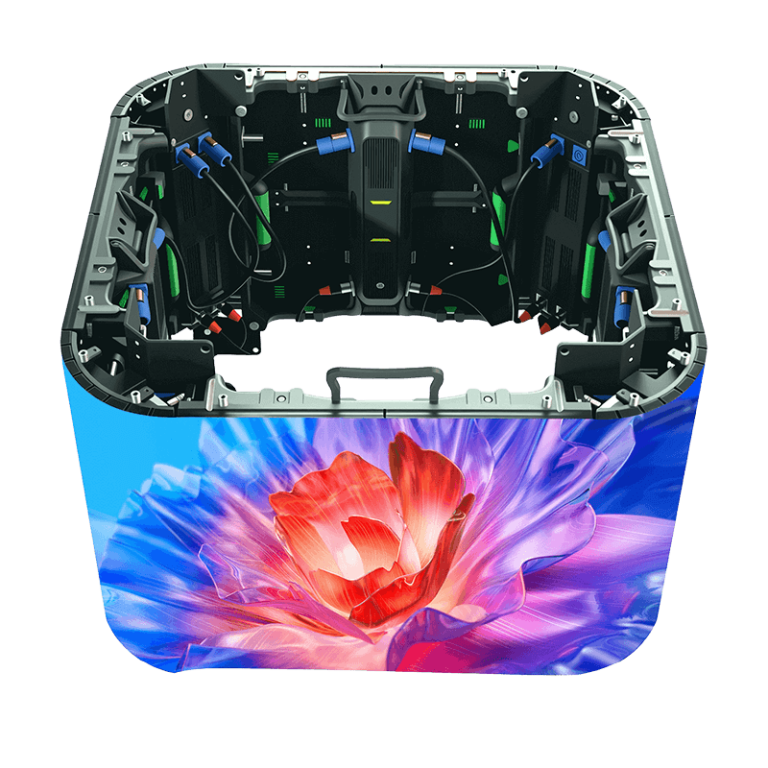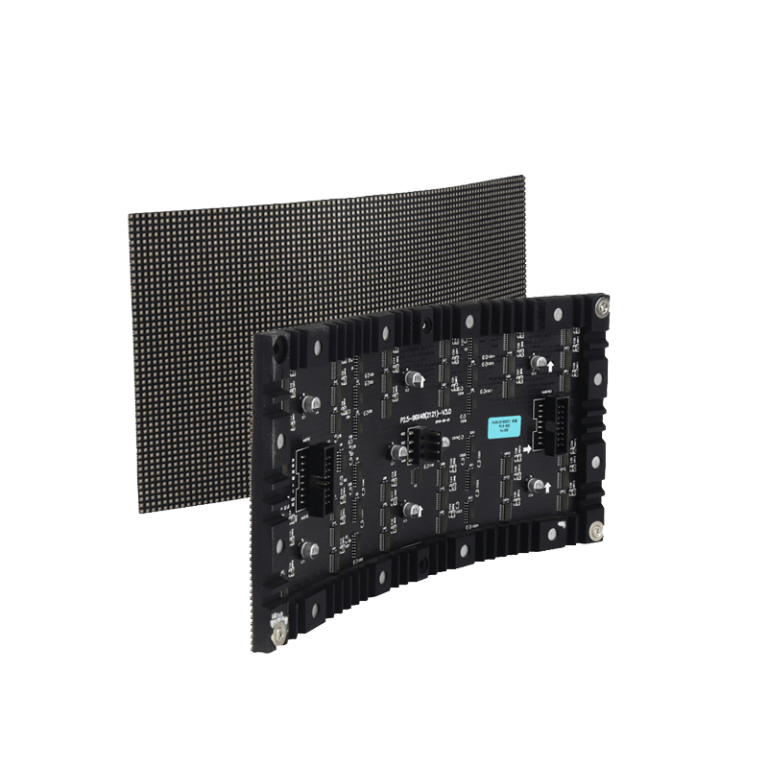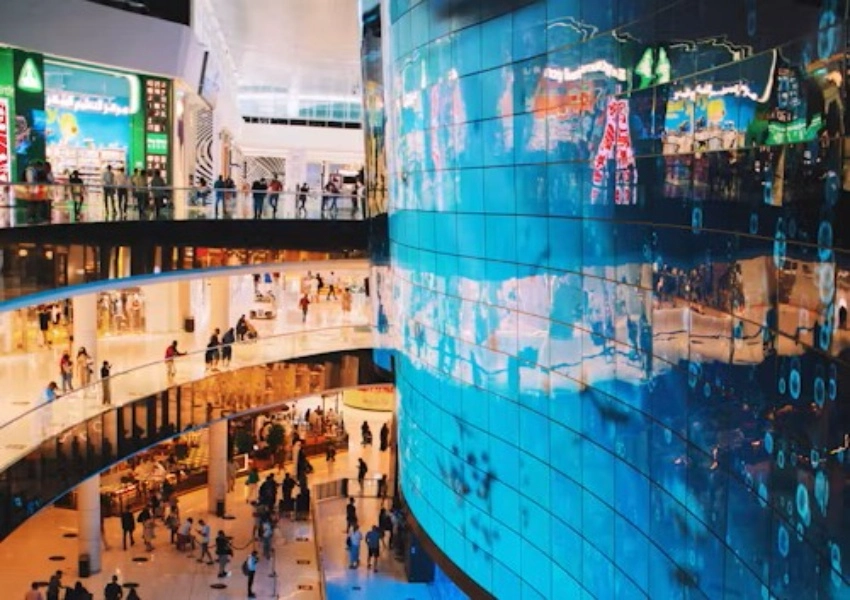
A transparent LED screen can look crisp and integrated in one storefront, then appear weak or uneven in another. The hardware may be similar. The store conditions are not. Glass orientation, daylight, interior lighting, product displays behind the window, viewing distance, content design, and the way the frame is fixed all change the result.
That is why a transparent LED screen retail project should begin with a site survey rather than a request for the highest transparency figure. A screen must carry useful content while keeping the window, products, and architectural identity visible enough for the store’s purpose.
Start With the Window Background
Transparency is not judged against an empty pane. It is judged against whatever sits behind the screen. A bright white wall, reflective metal display, dark interior, mannequins, trees, and passing daylight each create a different contrast problem. A light background can make a video disappear. A dark background can make the same content appear stronger.
Map the view from the pavement, the opposite side of the street, the entrance, and the main interior path. Record whether shoppers see the screen straight on or through an angle. Store window LED screen content that works from one position may lose shape when viewed across a wide facade.
Transparency and Contrast Work Together
An open structure can preserve a view through the glass, but the open area also changes how much light and background compete with the image. The project brief should state the required balance: clear product visibility, strong campaign impact, or a middle position that changes by time of day.
Transparent display families for glass and facade applications, with reference transmittance around 75 percent in one product context. That value is a product-family reference, not a promise for every cabinet or installation. Ask the supplier to demonstrate the quoted model against a photo or mock-up of the actual store background.
Match Brightness to Daylight and Interior Light
Ambient light changes during the day. A north-facing window, a west-facing window, an indoor mall frontage, and a facade under an awning will not need the same brightness policy. Reflections on glass can also make a screen appear less readable even when the LEDs are bright enough on paper.
The source material groups transparent products across different brightness and pixel-pitch options, with some references spanning roughly 600 to 4000 nits and pitches from fine indoor options to wider formats. Those figures must be tied to the exact model, operating mode, and test condition. They should not be copied into an RFQ as a universal requirement.
Run a daypart test. Check a dark video, skin tones, white type, saturated colour, fine product text, and a slow moving image in morning, midday, evening, and the store’s strongest interior lighting. Record the brightness setting and camera position. The screen should remain readable without making the window visually harsh after sunset.
Also compare the view from inside and outside the store. A campaign that reads from the pavement may compete with product displays for people already inside. Note reflections from flooring, glass doors, polished fixtures, and neighbouring signs. These observations help the content team set safe contrast and give the installer a clearer operating range.
Design the Mounting Around the Building
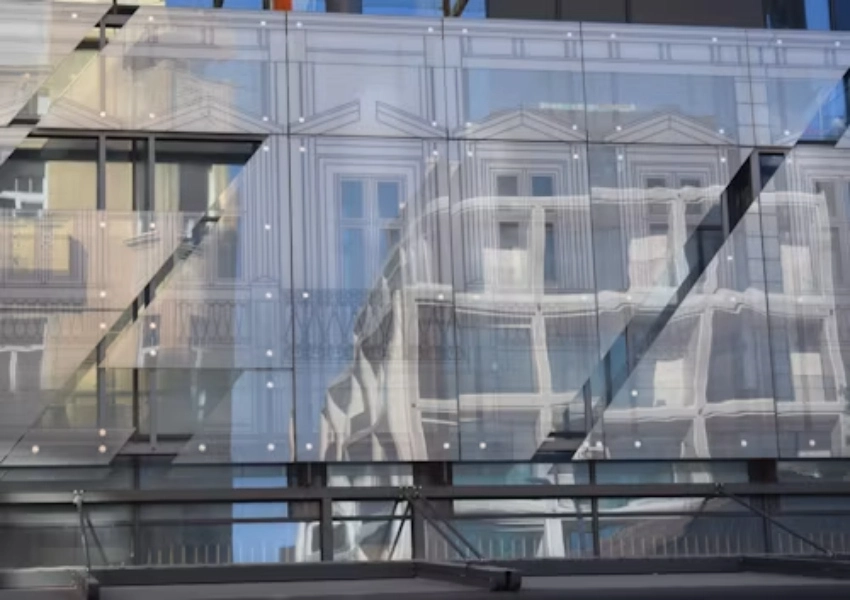
Transparent LED display installation often uses a lightweight, open arrangement, but light does not mean structure-free. The glass, mullions, ceiling, facade frame, wind exposure, access equipment, cable route, power distribution, and cleaning path all need a coordinated drawing.
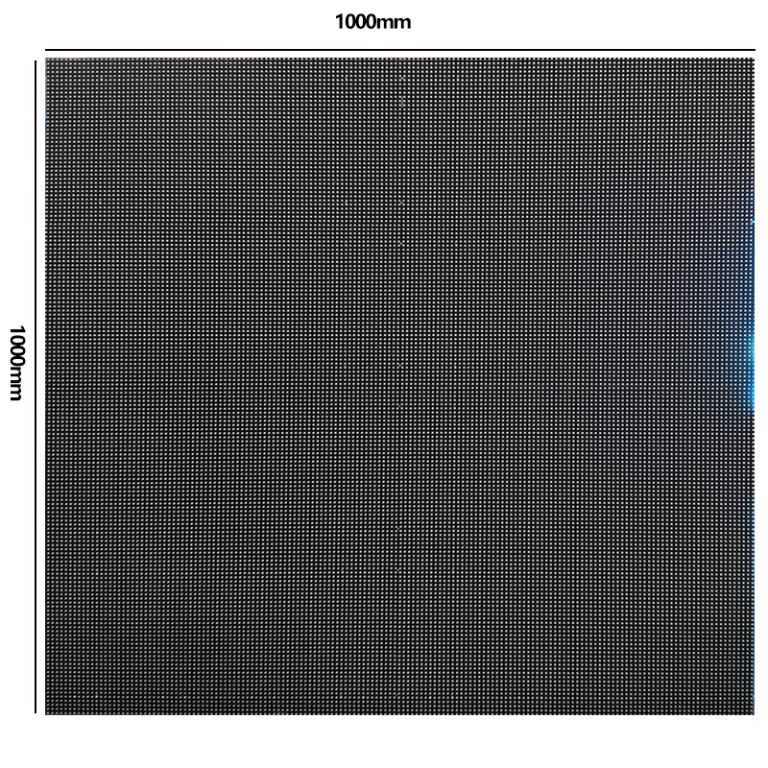
Transparent cabinet is around 1000 x 500 mm and 1000 x 1000 mm, with model-specific construction and service considerations. A cabinet size can affect seams, frame divisions, and the location of power and data connections. It should be matched to the window grid instead of forced across mullions.
Leave room for cleaning the glass and servicing the display. A screen that blocks the only access route may create a recurring store shutdown. Confirm whether modules or power sections can be reached from the front, rear, top, or a planned access panel. The final quote should separate display work from facade fabrication and electrical work.
For a larger commercial rollout, a transparente LED display can be compared with the broader especial LED display category after the site conditions are recorded. A solução de exibição comercial may suit a chain-wide planning conversation, but it does not remove the need for a store-by-store survey.
Build Content for the Open Surface
Transparent screens reward content with clear shapes, strong contrast, and controlled motion. Thin grey type, busy product photography, and low-contrast gradients can become hard to read because the real store remains visible behind them. Content teams should receive the actual pixel canvas, active area, seam positions, and viewing zones before producing campaigns.
Keep key logos, prices, product names, and calls to action away from mullion breaks and service boundaries. Use the transparent background as part of the creative when the store wants a lighter architectural feel. Use denser areas of colour when a launch message must compete with bright daylight.
The content system also needs a fallback. Confirm the player, network connection, local playback, update approval, schedule, and recovery process. A screen may look impressive during installation and still become operationally weak if nobody owns the campaign files or if the store cannot verify the correct version.
Judge the Project in the Store, Not the Showroom
Before bulk ordering, install a representative sample or create a scale mock-up that includes the real glass, frame, background products, lighting, and viewing routes. Review day and night content, reflections, colour balance, text size, and the visible effect on merchandise.
Leyaled can be brought into the RFQ after the brief includes window dimensions, transparency target, brightness range, pitch, structure, service access, operating hours, and content examples. The useful comparison is not the largest specification. It is the configuration that keeps the message visible without turning the storefront into an opaque wall.
FAQ
Q1: Does a higher transparency percentage always create a better retail result?
A1: No. Higher openness can preserve more of the window view, but it may also reduce image density or contrast against a bright background. The right balance depends on the facade, content, viewing distance, and merchandise behind the glass.
Q2: What should be tested before a store window LED screen is ordered?
A2: Test the quoted model with the real glass, background, daylight, interior lighting, viewing angles, campaign content, brightness settings, mounting concept, and service route. A showroom test alone is not enough.
Q3: Can one transparent display configuration be rolled out to every store?
A3: It can be a useful starting family, but window orientation, dimensions, mullions, background, and local operating conditions vary. A repeatable survey and acceptance checklist is needed before a chain-wide rollout.