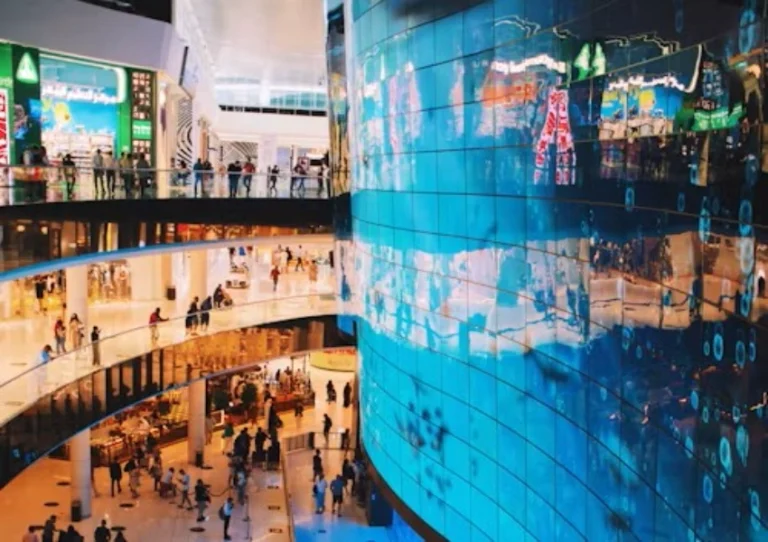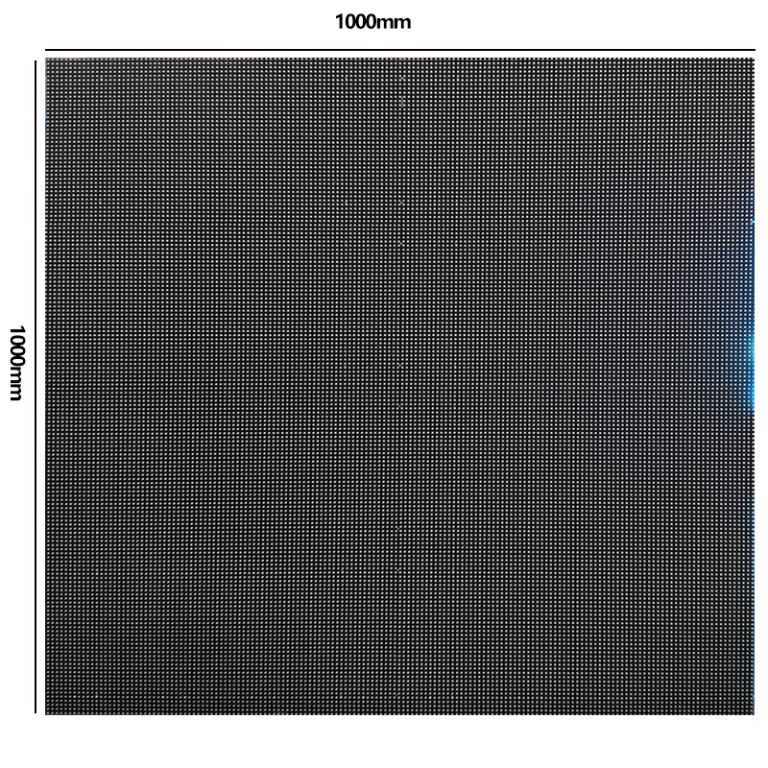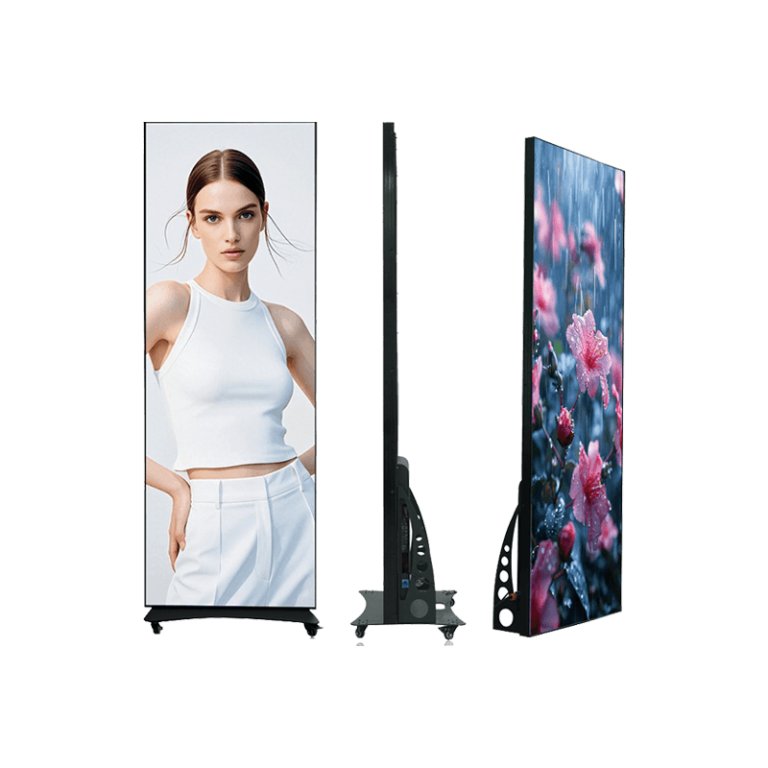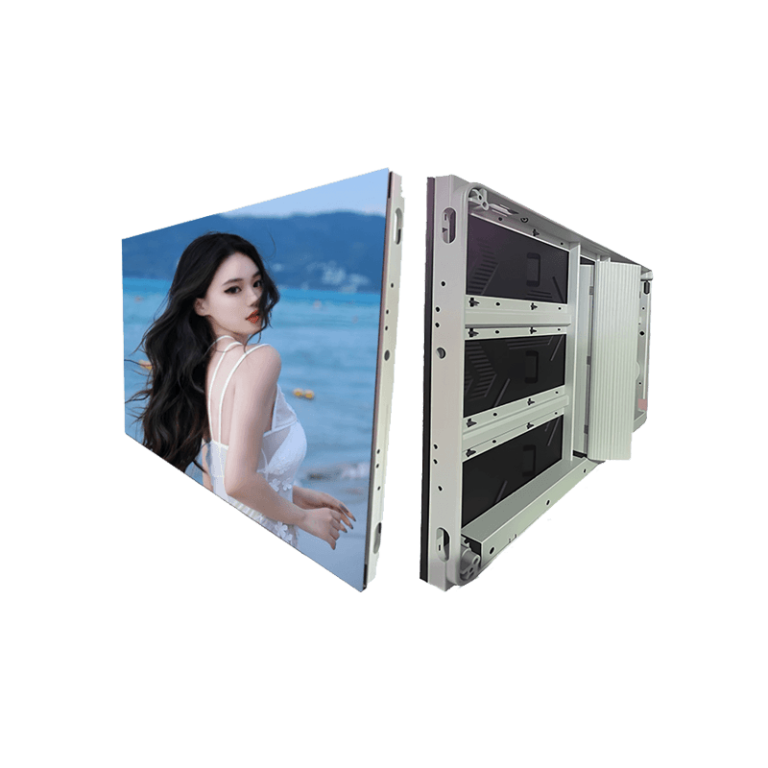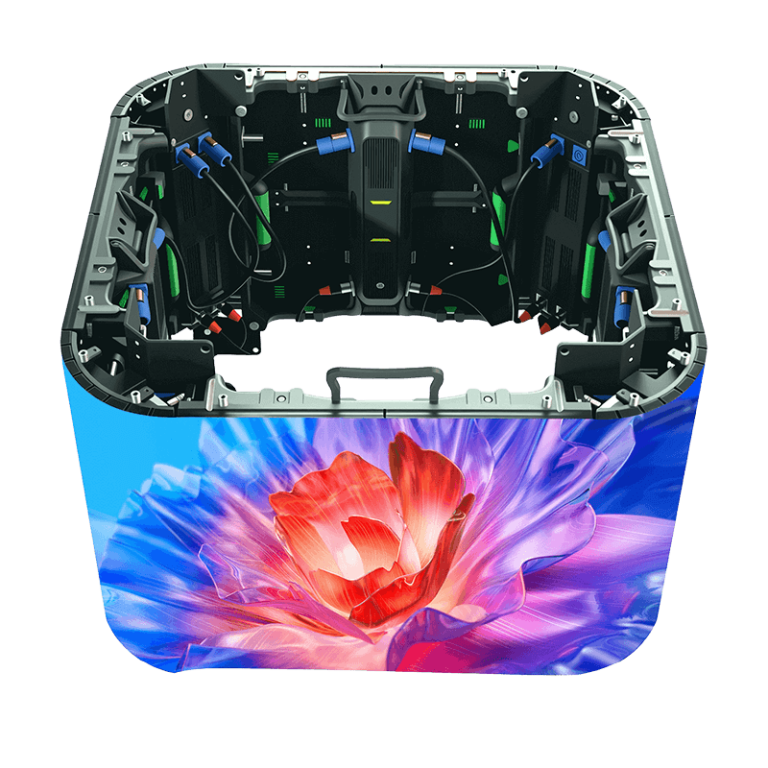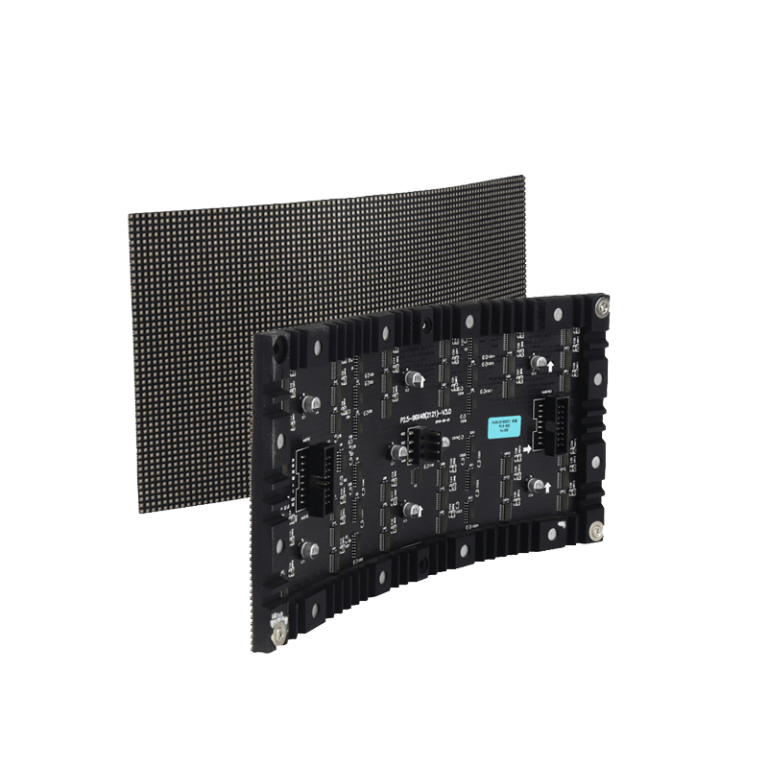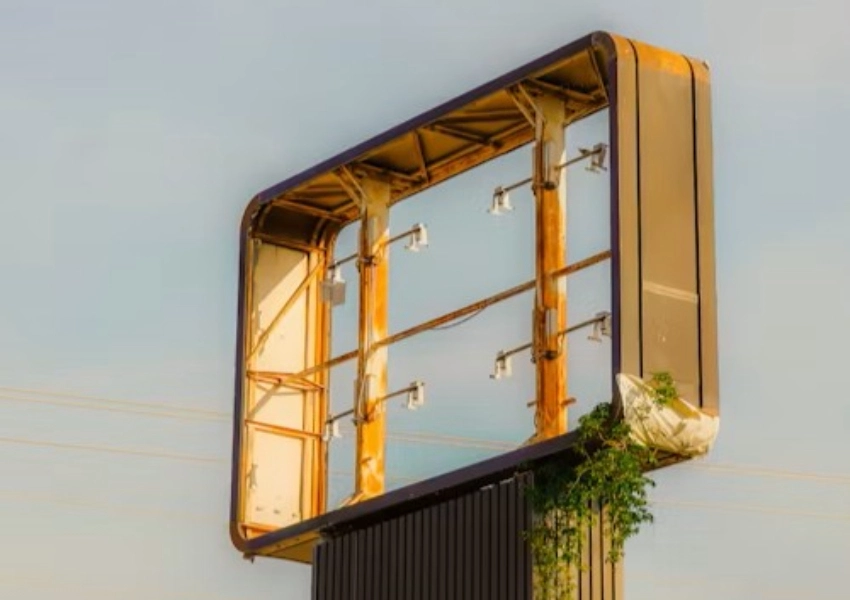
Wind does not act only on the LED cabinets. It acts on the whole billboard system: the display face, masks, rear frame, support steel, fasteners, service platforms, cable routes, and foundation. As the screen area grows, the project can move from a display purchase into a site-engineered structure with its own safety, access, and inspection requirements.
That boundary matters for buyers. A cabinet quotation may be technically correct and still leave the project exposed if wind assumptions, support points, soil conditions, or maintenance access are not defined.
Start With the Site and the Screen Geometry
Record the planned screen width, height, elevation above ground, orientation, surrounding buildings, open exposure, local wind conditions, and whether the display is mounted on a rooftop, monopole, portal frame, facade, or independent support. A screen with the same area can create a different structural problem when its shape and support arrangement change.
The frame must account for the effective exposed surface, not only the luminous area. Cabinet gaps, rear cladding, masks, service doors, and structural members can change the air path. The final wind design belongs to a qualified local engineer who can apply the governing code and site data.
Do Not Borrow a Generic Wind Number
Supplier literature can describe outdoor protection or a product family’s IP and environmental features. It cannot replace a site-specific wind calculation. Ask which assumptions the display supplier has used, then give those assumptions to the structural engineer for review.
Follow the Load Path Through the Structure
Wind pressure reaches the cabinet and transfers into the mounting rails, frame, support steel, anchor connections, and foundation. Each link needs a clear load path. If the cabinet fixing points are changed during installation, the design calculation may no longer represent the installed system.
The outdoor LED screen structure should show cabinet orientation, rail spacing, fixing points, frame members, bracing, service platforms, cable routes, and access openings. A large billboard may need space for rear doors, replacement work, lifting equipment, or a protected maintenance route. Those spaces should appear on the drawing before steel is fabricated.
Use a fixo LED display discussion for the permanent mounting scope, and use the ar livre LED display to separate display characteristics from the site structure. A product family reference is useful for the cabinet interface. It is not a structural approval.
Coordinate the Foundation and Ground Conditions
The foundation transfers overturning, shear, uplift, and vertical loads into the ground. Soil bearing capacity, groundwater, frost or temperature movement, existing slabs, buried services, drainage, and access for construction can all affect the design. A rooftop frame introduces a different set of questions about the building’s load capacity and waterproofing.
Do not let the screen supplier and civil contractor work from different revisions. The cabinet layout, frame weight, cable openings, platform loads, maintenance loads, and anchor positions should be controlled in one drawing set. Changes to screen size, pixel pitch, cabinet depth, rear access, or power equipment may change weight and wind area.
O ar livre LED outdoor can support the display-side discussion, while the foundation, steel, anchor, and permit scope must be assigned to the responsible engineering parties. The purchase order should state who supplies calculations, who reviews them, and who signs off the installed structure.

Include Electrical and Environmental Conditions
Wind safety is only one part of outdoor billboard installation. Outdoor displays also face rain, dust, heat, UV exposure, condensation, lightning risk, and changing brightness requirements. Outdoor protection through IP-rated construction, UV and wind resistance, automatic brightness, grayscale correction, and modular maintenance. The exact rating and performance remain model-and site-dependent.
Power distribution should be designed with cabinet grouping, isolation, grounding, surge protection, cable protection, ventilation, and service access in mind. Keep electrical equipment away from drainage paths and areas where water can collect. Confirm the local code, inspection route, emergency isolation, and responsibility for the incoming supply.
Outdoor products such as 5000 cd/m² brightness, IP65 protection, 16-bit grayscale, and 1920-3840 Hz refresh. These values are not universal and should be verified against the quoted model, configuration, and operating mode. The P6,25 display externo can be used as a product-family path during RFQ review, not as a substitute for engineering.
Plan Maintenance Before Installation
Maintenance changes the structure. Front access may reduce the depth behind the billboard but require a clear working position in front. Rear access may need a platform, ladder, guardrail, lifting route, or traffic control. A service plan should state how a failed module, power supply, receiving card, or cable is reached and replaced.
Check how cleaning, inspection, calibration, seal review, thermal checks, and spare storage fit the site. A roadside screen may require lane control. A rooftop screen may need fall protection and a fixed access route. A facade screen may need coordination with building maintenance equipment.
The acceptance checklist should include cabinet alignment, pixel map, brightness modes, color uniformity, signal switching, power isolation, grounding, drainage, fasteners, access doors, and the condition of the structure after commissioning. Photograph concealed connections and record the final cabinet map so future service teams do not work from an old drawing.
Treat Wind Load as a Procurement Gate
Before ordering, request the cabinet weight, dimensions, fixing pattern, rear service requirements, environmental limits, protection rating, electrical data, and available structural interface drawings. Confirm the wind design assumptions with the local engineer and resolve conflicts before fabrication.
Leyaled can be included in a coordinated RFQ after the site survey states screen size, pixel pitch, mounting type, access method, operating hours, brightness policy, and local engineering requirements. The safest project boundary is clear: the display supplier defines the product interface, while qualified site professionals verify the structure, foundation, electrical installation, permits, and final safety acceptance.
FAQ
Q1: Does a larger pixel pitch reduce the wind load of a billboard?
A1: Not automatically. Wind load is driven mainly by exposed area, geometry, cabinet and frame arrangement, height, orientation, and site conditions. Pixel pitch can change cabinet and system details, but it is not a wind design shortcut.
Q2: Who should calculate the structure for a large outdoor LED billboard?
A2: A qualified local structural engineer should apply the governing code and site data. The display supplier should provide accurate cabinet, fixing, weight, access, and interface information for that calculation.
Q3: What documents should be checked before LED billboard installation?
A3: Check the cabinet layout, interface drawings, wind assumptions, structural calculations, foundation or rooftop review, electrical plan, grounding and surge protection, access plan, permits, method statement, inspection records, and commissioning checklist.