Transparency is not a score that should be pushed as high as possible. In a retail window, an LED screen has two jobs that can conflict: show a bright, legible message and preserve enough visibility for products, architecture, daylight, or people behind the glass. The right transparent LED screen transparency depends on which job matters most at each viewing position.
A storefront project can fail in either direction. Too little open area may make the display look heavy and block the merchandising behind it. Too much open area may leave the image weak in daylight, especially when content contains dark colours, fine text, or large low-brightness areas. A useful brief begins with glass, sightline, and message, not a headline percentage.
Define What Must Remain Visible
Record the view through the glass at opening time, midday, evening, and after interior lighting changes. Is the priority a product table, a public-facing interior, a corridor, or daylight entering the store? A retail transparent display facing a busy walkway needs a different balance from a second-floor facade viewed from farther away.
Mark important sightlines on the floor plan. A screen can preserve visibility from straight on while looking denser from an oblique angle. Mullions, window frames, hanging products, security hardware, and interior partitions affect perceived openness. Judge transparency from viewer positions that influence the purchase decision.
Separate Open Area From Image Quality
Open area reduces physical fill available for LEDs. It can also change how much ambient light reaches the viewer and how much background competes with displayed content. A more open structure is not automatically brighter, sharper, or easier to read. Pixel pitch, emitter output, content contrast, viewing distance, and control settings still shape the image.
Match Transparency With Daylight and Content
A glass LED screen in a bright window needs content designed for the background behind it. White text may disappear against a pale facade. Dark graphics may lose impact when daylight passes through the open structure. Large shapes, strong contrast, and short messages usually survive better than fine detail squeezed into a transparent canvas.
Test actual content on a sample at the most difficult time of day. Include a white product image, black typography, skin tones, red brand colour, a moving gradient, and a scene with the store interior visible behind the screen. Check both the image, and view through glass. Evaluate from inside and outside where both audiences matter.
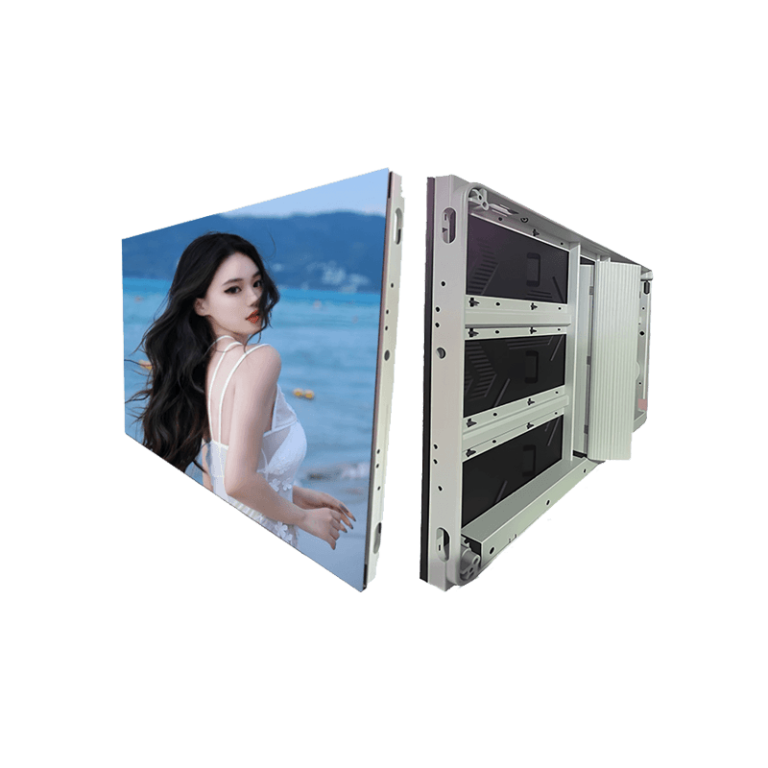
The transparent LED screen category can frame the product discussion, but a category label cannot confirm a finished facade result. Ask for proposed module arrangement, pixel pitch, brightness range, weight, mounting method, cable route, and measured transparency under the intended structure.
Consider Viewing Distance Before Pixel Pitch

Retail buyers sometimes ask for a transparent LED display with the smallest available pitch, assuming it will solve every visibility problem. That can increase pixel density without fixing glare, oblique viewing, weak contrast, or a poor content canvas. The meaningful distance is where a shopper reads the message or notices the product, not simply the distance from the curb.
For close storefront viewing, small text and product detail need enough pixels across the image. For a facade viewed across a street, a larger pitch may be reasonable if content is bold and screen area is large. The choice depends on content grid, glass dimensions, and whether the display is an advertising surface or a semi-transparent architectural layer.
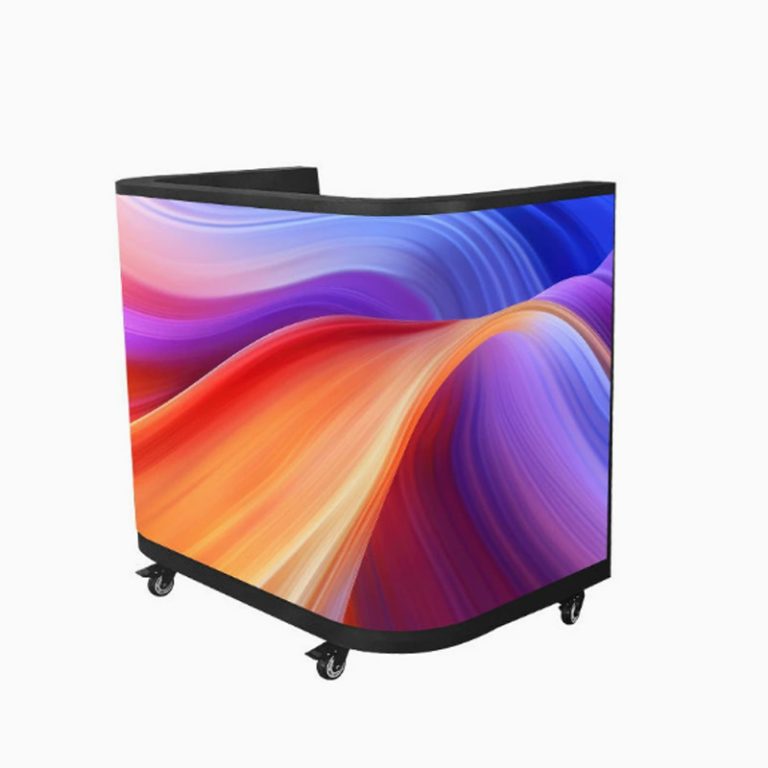
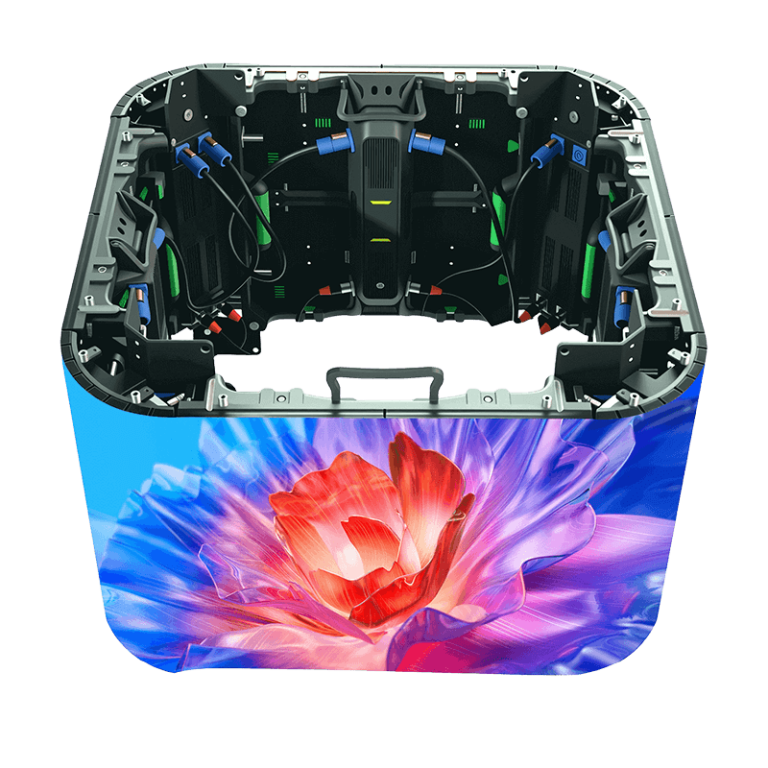
The special display range is useful when a project needs an unusual shape or integration condition. The supplier should check pixel layout around frames and access panels. A transparent screen that fits the glass but leaves a visible content break around every mullion can produce a poor retail result.
Plan Structure, Weight, and Service
Transparency affects support design because open products are often selected for lighter visual presence, but complete installed load includes frames, cables, power supplies, control hardware, and access provisions. Confirm where the screen is supported, how movement is handled, and whether the glass or facade accepts the fixing method.
Maintenance is part of the visual decision. Can a module be reached from the store side? Does a failed section require closing the window? Can the control system identify a fault, and are replacement modules matched to the original calibration? These questions matter more than an attractive transparency figure that cannot be serviced without dismantling the display.
A smart retail display solution can support a broader conversation about content rotation, store operations, and screen placement. It should not be read as proof that every transparent configuration supports the same brightness, structure, or control features. Those details belong in the quotation and sample approval.
Calculate Value From Both Sides of the Glass
Retail transparent display value comes from more than advertising impressions. It may preserve merchandise visibility, protect natural light, strengthen a facade, and allow one window to serve several campaigns. At the same time, the project carries hardware, structure, power, content, maintenance, network, and replacement costs.
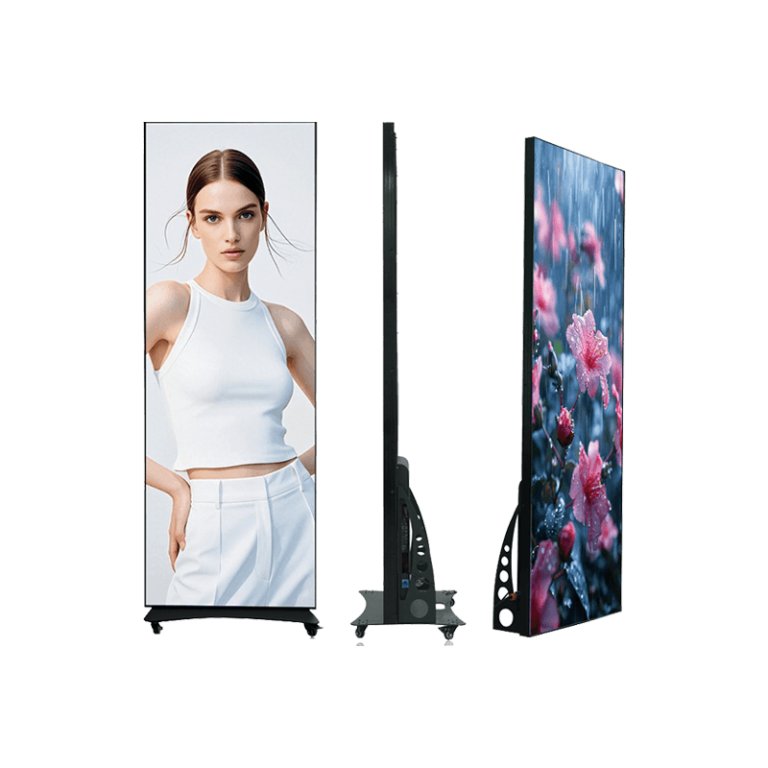
Compare the result with a solid indoor screen, printed window treatment, or compact poster display. Ask what sales or operational function is lost when the view is blocked. Then test whether a more open screen produces enough image quality at the actual sightline. The cheapest square meter can be a poor investment if shoppers cannot read the content or staff cannot service it.
A supplier such as Leyaled LED display manufacturer can join the discussion after the brief records glass size, sightlines, daylight, content examples, mounting limits, and service access. The key question is not “what is the maximum transparency?” It is “how much openness can the project afford before the message loses useful contrast?”
FAQ
Q1: Is higher transparent LED screen transparency always better for a storefront?
A1: No. Higher openness may preserve more view, but it can reduce image fill and make content harder to read in strong daylight. The correct balance depends on sightlines, content, brightness, and merchandising priorities.
Q2: Does transparency replace the need for a pixel-pitch decision?
A2: No. Pixel pitch still affects detail at the real viewing distance. Content contrast, brightness, glass reflections, and oblique viewing must be tested with the selected transparency level.
Q3: What should be checked before approving a glass LED screen?
A3: Check the sample through the actual glass, at difficult daylight levels and viewer angles. Confirm weight, frame layout, mounting, cable paths, control hardware, module replacement, calibration, and service access.