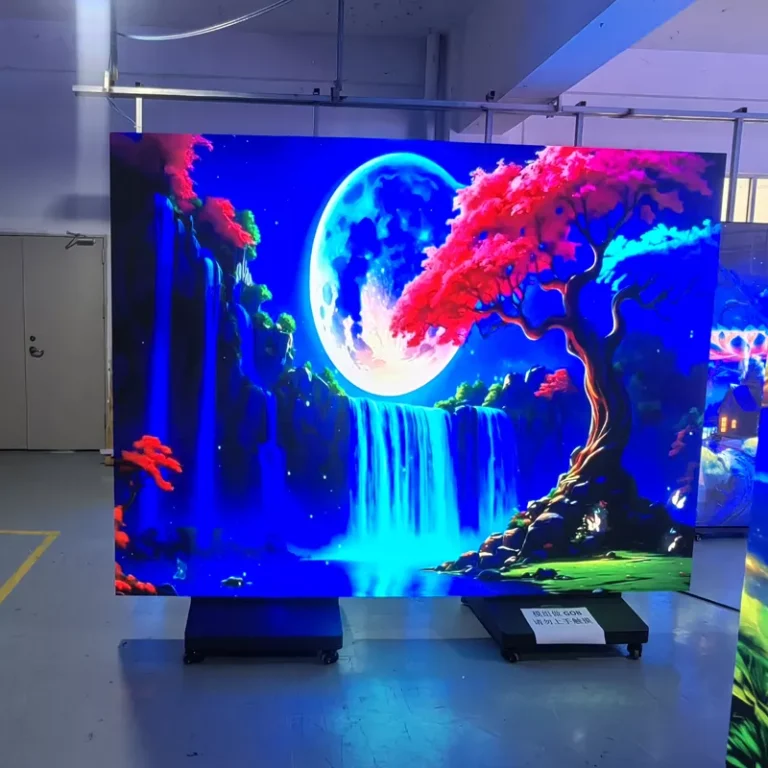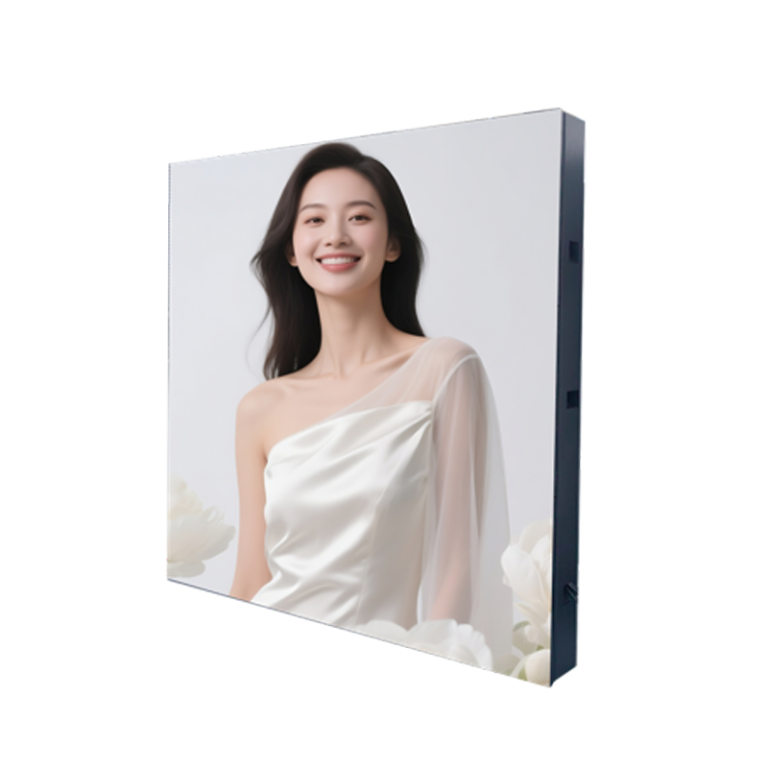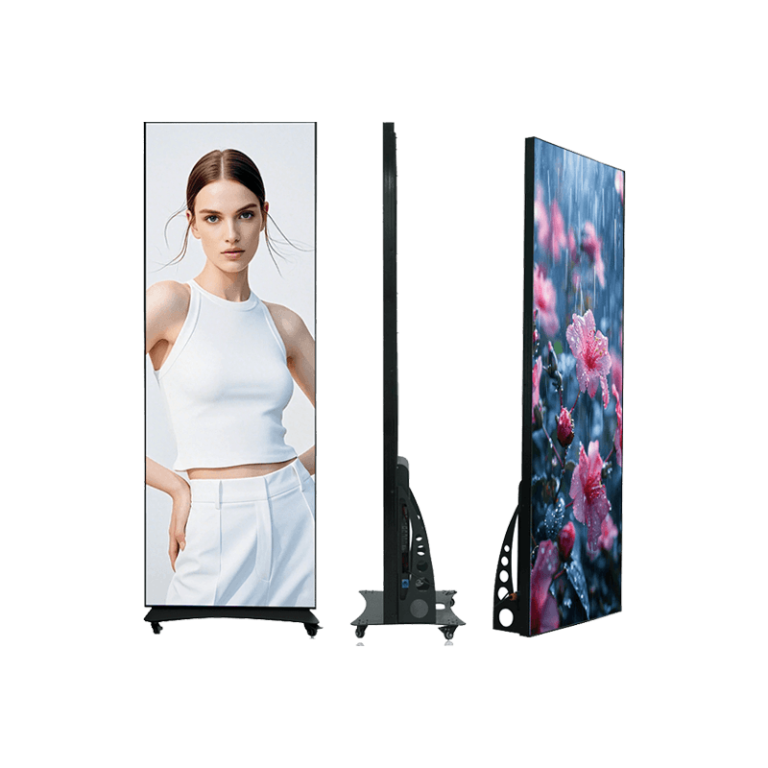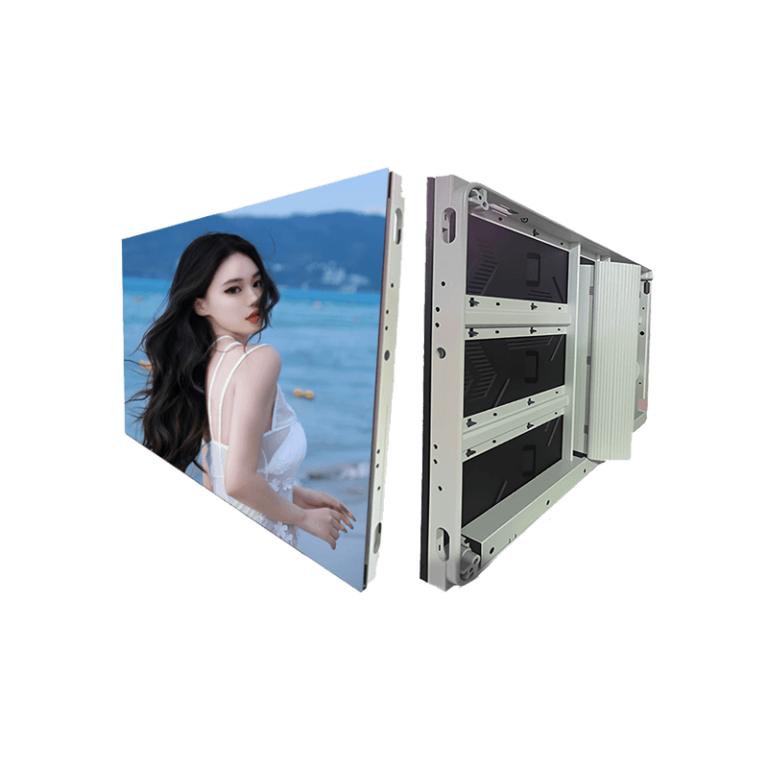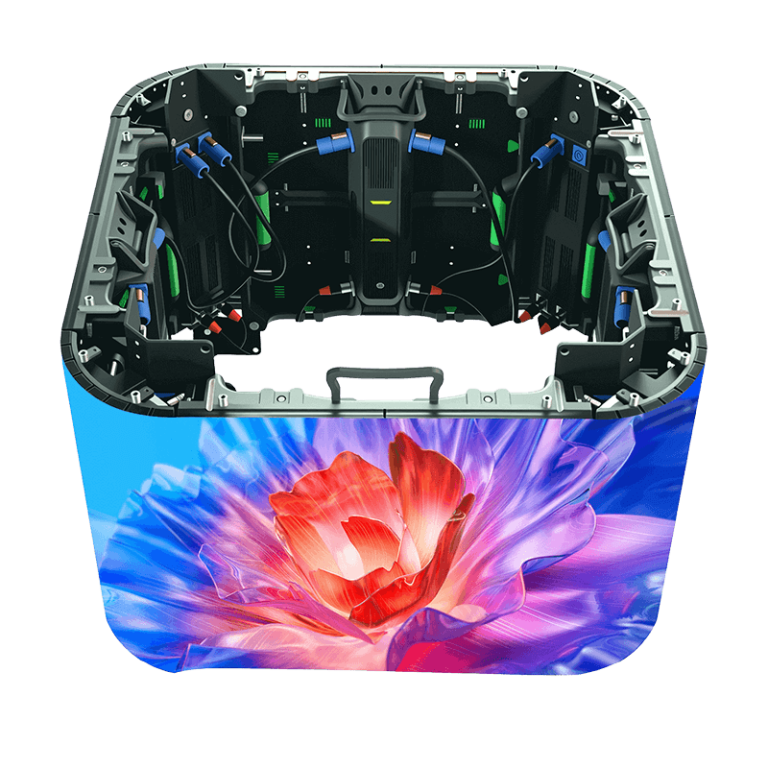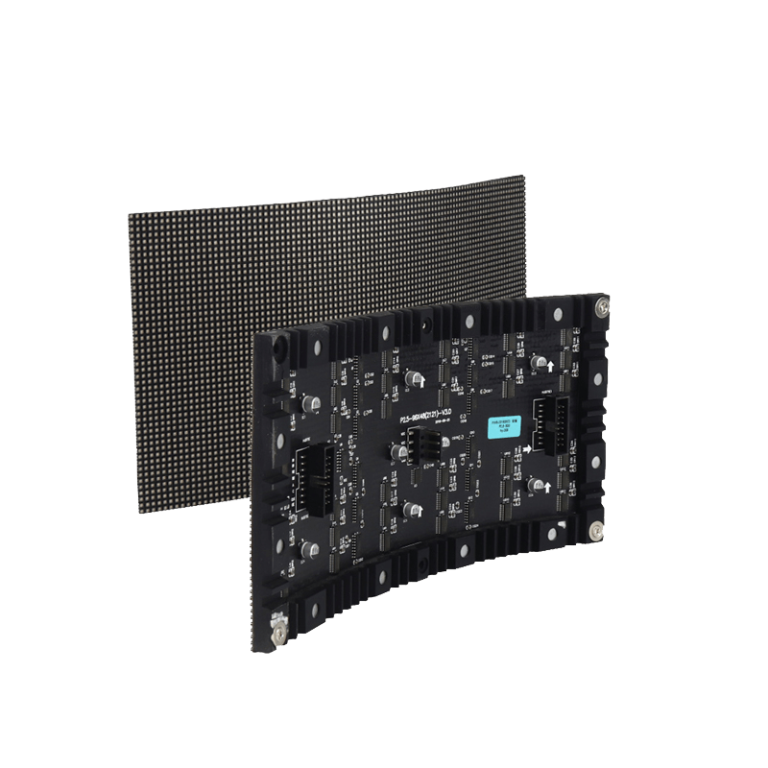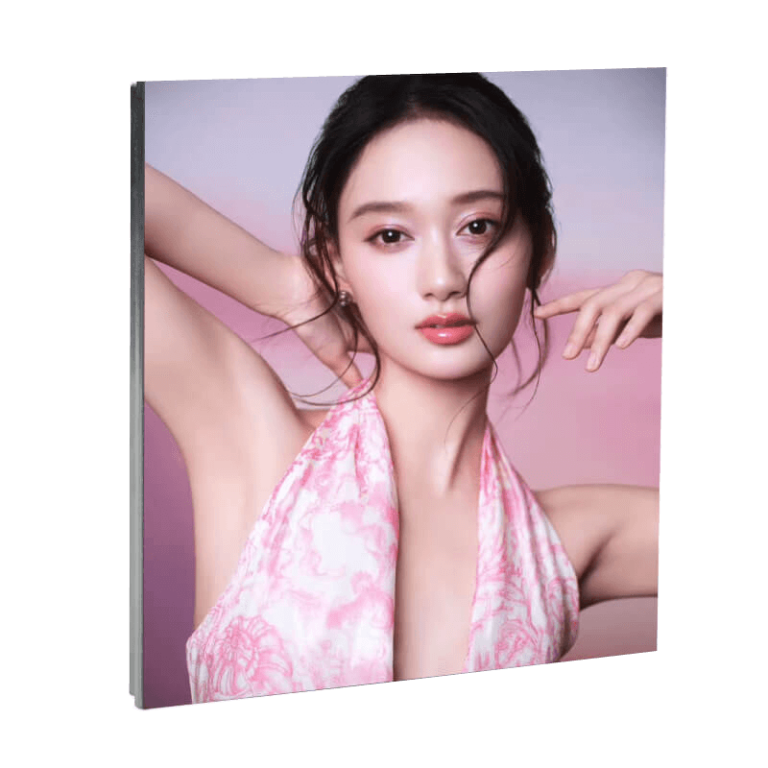
As the need for big digital screens keeps growing, LED video walls have turned into key tools in business settings, fun spots, and public areas. These setups join several LED modules to form smooth visual areas. They offer strong brightness, good color matching, and adaptable setups. At Leyaled, we focus on creating and building full LED display systems. We draw on more than fourteen years of work in research and projects. With 15 years in LED display research and project work, we know the tech needs for various places. These include outdoor ads, indoor meetings, and stage shows. Our skills let us supply custom items that fit the special needs of each spot, which range from small meeting rooms to huge stadiums.
Key Factors in LED Video Wall Performance
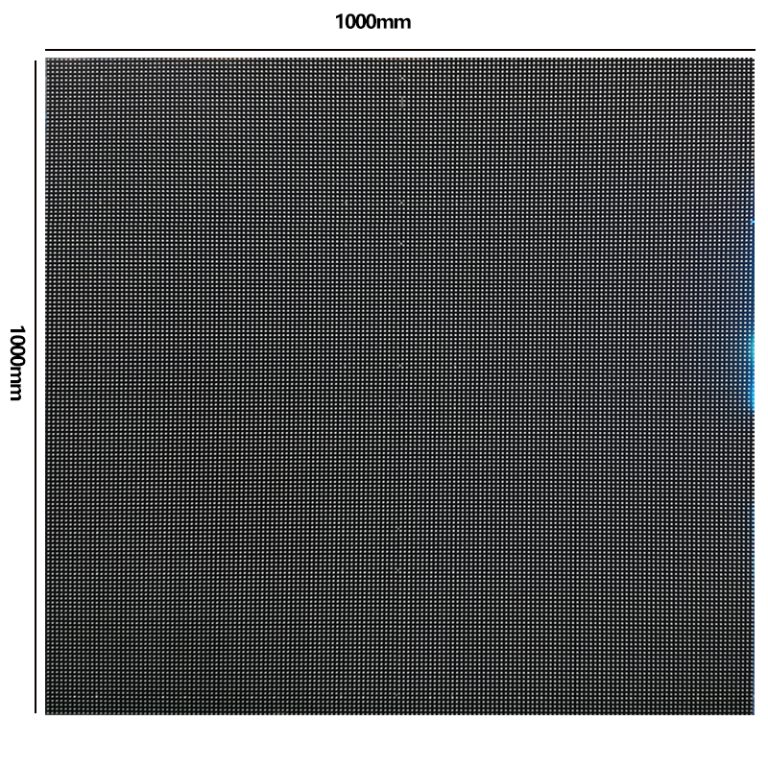
The quality of an LED video wall depends on a few main measures. These decide the picture sharpness and steady running. Pixel pitch means the space between nearby pixels. A smaller pixel pitch, like in the Indoor display P3.91, gives clearer picture details for spots where people view from close up. On the other hand, bigger pitches cost less for uses where people look from far away, such as outdoor signs.
Refresh rate matters a lot for smooth images, too. A better refresh rate makes the picture steadier and quicker to respond. A weaker one causes more flicker and shake, which tires the eyes faster. That is why our screens use modern driver chips, and these support refresh rates up to 3840Hz. As a result, they keep a steady motion in all kinds of content. Last, brightness levels set apart indoor from outdoor types. Indoor screens usually run at about 800 cd/m², which provides easy viewing without harsh light. Outdoor types, like the Outdoor display P2.604, hit up to 10,000 nits. They ensure clear sight even in bright sunlight.
Comparing Indoor and Outdoor LED Video Walls
Indoor and outdoor setups vary a great deal in build style and toughness against the weather. Indoor ones stress exact putting together and soft light control, which creates deep experiences in set spaces like studios or shops. Outdoor ones focus on strength. They include IP65-rated water resistance and coatings against UV rays. Thus, they handle rain, dirt, and shifts in heat well.
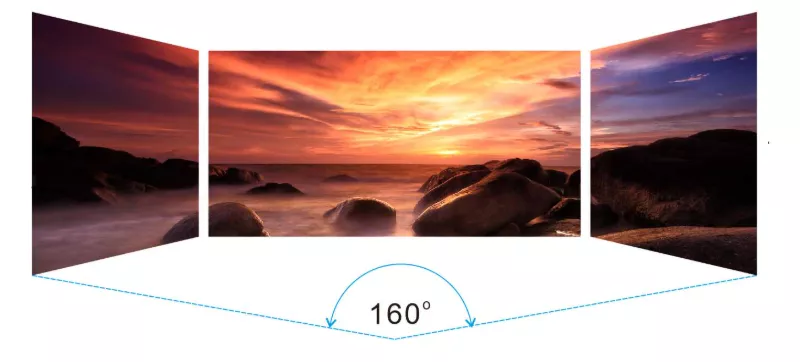
This water-resistant iron cabinet works to shield outdoor tools, which suits us with LED screens, especially. It deals with wind, rain, and sand quite well. Such shielding measures depend on dependable work over long periods, even in tough weather. Plus, wide viewing angles, up to 160° side to side, keep a clear sight for big crowds, which holds no matter where people sit. Our range has useful choices like the Indoor P3.91 for office areas and the Outdoor P2.604 for public setups, and they ensure top work in different light setups.
Advanced Features of Leyaled LED Video Walls
To match changing needs for ideas, we add fresh engineering parts. These boost looks and use value.
Innovative Design Elements
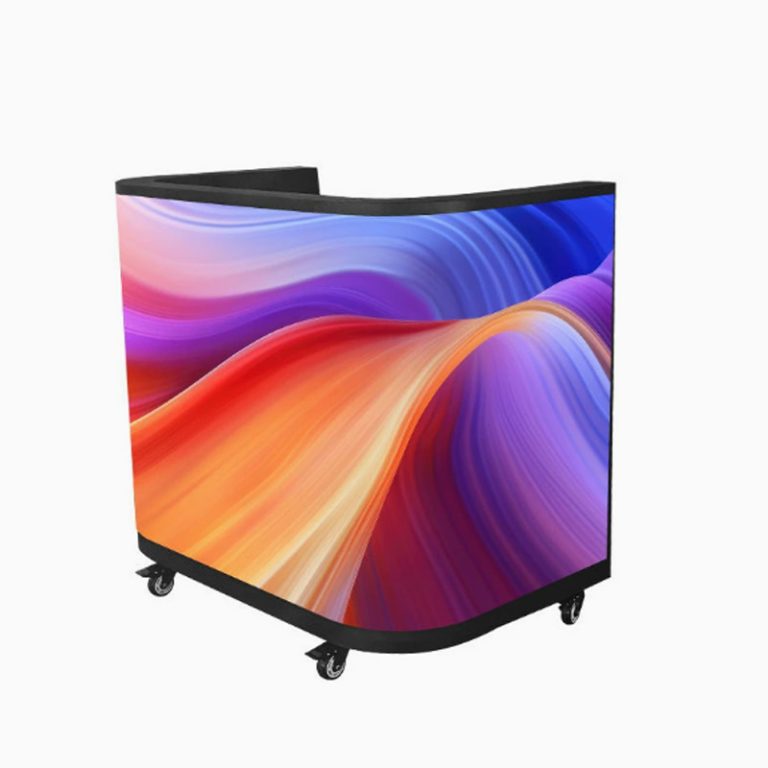
One key new idea is our bendable display tech shown in the LED Flexible Screen, and these panels that can bend let you put them on rounded or uneven surfaces. They fit well for building designs or deep settings where straight panels do not work. The bendability allows for round pillars or wave shapes. At the same time, it keeps exact joining without gaps. Just as key is our cast aluminum build in models like the Die-cast Aluminum P6. It is light but strong, which makes handling simple during setup. It also gives good heat release and firm support for ongoing use.
Customization Options for Diverse Applications
Each place has its own space limits. So, we give modular changes that allow custom screen sizes, and these go from small control rooms to big event areas. We use items like the Stadium Screen or touch floors like the Floor Tile Display P3.91. Both show our skill in mixing solid build with fresh picture ways.
For new building styles that want a see-through look without losing sharpness, our Transparent Screen line fits in. It uses modules you can see through, and these keep natural light while showing bright content. They work great for shop fronts or showrooms that need futuristic styles.
Evaluating LED Video Wall Configurations for Specific Needs
Picking the right setup means looking at space size, how far people are, and the kind of content.
Criteria for Selecting the Right Configuration
When picking pixel pitch, think about how close viewers are. Smaller pitches, like 2–3mm, fit indoor spots where people stand under five meters away. Bigger ones, like 6mm, suit over ten meters outside. Color truth is another big point. It matters most in pro broadcasting or mock setups that need exact tuning across panels. Point-to-point correction tech uses the LED light rule to keep colors real, which makes sure of true showing of brand images or live video. It avoids twists or color shifts over time.
Leyaled’s Product Range and Its Applications
Our product set covers all use types. It goes from basic systems on our Standard LED Display page to special fixes like Mirror Screens, and these suit touch ad spaces where mirrors boost user pull. Each screen gains from a modular build that allows smooth joining. (Small-pitch LED displays make the splicing seams seamless.) This keeps evenness in big groups, and it also holds easy access from the front or back modules.
Leyaled as a Reliable Manufacturer of Analytical Instruments
Our good name comes from steady new ideas. These backup strict quality checks over more than ten years of field knowledge.
Commitment to Quality and Innovation
FWS Technology Co., Ltd. acts as a high-tech firm focused on the full LED display field, which includes research, making, and selling. Our plant in Shenzhen covers 7,200 square meters. It has eight auto SMT lines approved under ISO9001:2008 rules. This ensures careful making at every step.
Tight watch over the whole supply path makes sure of trust and lasting power. Each part goes through long test rounds, and these check high-low heat resistance and light fade checks before shipping. Thus, they promise steady work past normal industry life spans.
We keep a skilled group from light design to build work. Our core team comprises seasoned industry experts, possessing full-chain technical and service capabilities. This ensures quick answers better than market standards, which comes through straight talk lines from customers to engineers.
Conclusion
Choosing the best setup means weighing pixel closeness against weather toughness. You also factor in setup hardness and fix ease. The proper system boosts picture power without hurting run smooth or long life.
By adding fresh materials like die-cast aluminum with smart tuning tech, we ensure real color shows even at low light. This sets new bars for digital picture standards around the world, and it also pushes energy savings. (LED displays are developing towards greater energy efficiency.) Our focus stays on making custom high-end video wall systems for any place globally. For more questions on picking a top setup for your spot’s needs or looking at custom design picks by our build team, please check our main site’s contact page. There, you can link right with us via set customer help paths.
FAQ
Q1: What are the benefits of using flexible displays?
A1: Flexible screens fit smoothly to curved building designs or uneven plans while keeping strong picture wholeness. They allow idea setups that stiff panels cannot do.
Q2: How do I choose between indoor and outdoor video walls?
A2: Check light needs, often under 1000 cd/m² inside versus over 6000 cd/m² outside. Also, look at weather risks like wetness or UV rays, and usual crowd distance before setting specs.
Q3: Can you assist with installation support?
A3: Yes. We give full help, including tech advice during setup. Plus, we offer life-long fix tips to keep the top system working throughout its use time.