
LED Screen Power Consumption: How to Estimate Annual Operating Cost
LED screens are often sold by pixel pitch, cabinet size, brightness, and visual effect. Power cost comes later, sometimes too late. For a mall owner, control room, outdoor media operator, showroom, school hall, or hotel, LED screen power consumption can become a real operating expense across a full year. The screen may run six […]
P2.604 vs P3.91 vs P4.81 LED Displays: Which Pixel Pitch Fits Your Project
Pixel pitch is one of the first numbers people ask for, but it is often one of the last numbers that should be fixed. A P2.604, P3.91, or P4.81 LED display can all look right when viewed from the proper distance. The wrong choice usually happens when a project treats pitch as a quality […]
Front Maintenance vs Rear Maintenance LED Displays: Which Installation Saves More Space
Maintenance access is not a small detail in an LED display project. It affects wall depth, steel structure, service time, safety, cable routing, and the amount of space that disappears behind the screen. That is why the front maintenance LED display and rear maintenance LED screen comparison should happen before the wall is built, […]
How to Calculate LED Screen Size, Resolution, and Cabinet Quantity
An LED wall looks simple after installation: one large image, one clean structure, one content surface. Behind that surface is a set of numbers that have to line up before production starts. Screen size, cabinet quantity, module layout, pixel pitch, resolution, aspect ratio, power load, and maintenance access all affect the final result. A […]
When Is a P1.86 Fine-Pitch LED Display Worth the Extra Cost
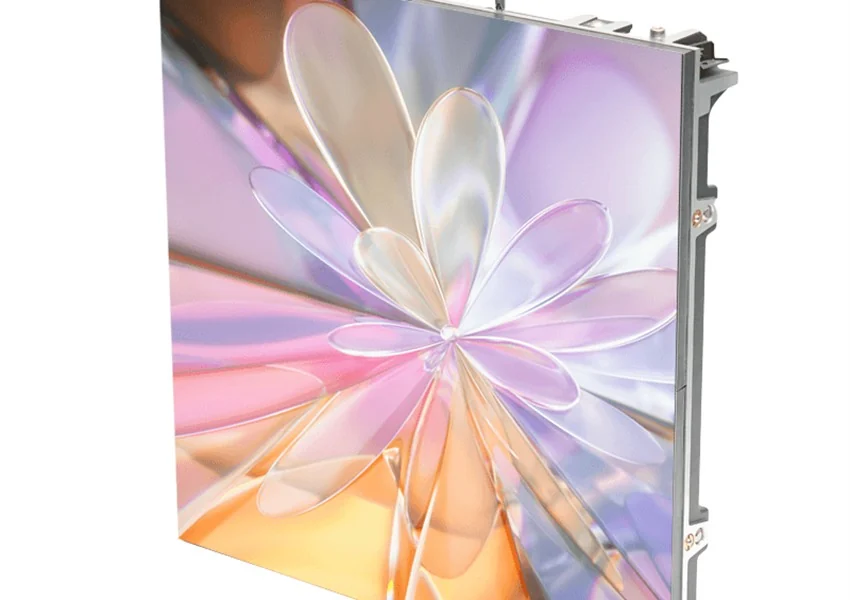
A fine-pitch LED display can make a room feel sharper, calmer, and more premium. It can also waste money if the audience stands too far away to notice the extra pixels. P1.86 sits in that careful middle ground: noticeably finer than common P2.5 or P3.91 indoor displays, but still more practical than ultra-fine pitches […]
What Makes the Best Flexible LED Screens Indispensable for Live Stage Events
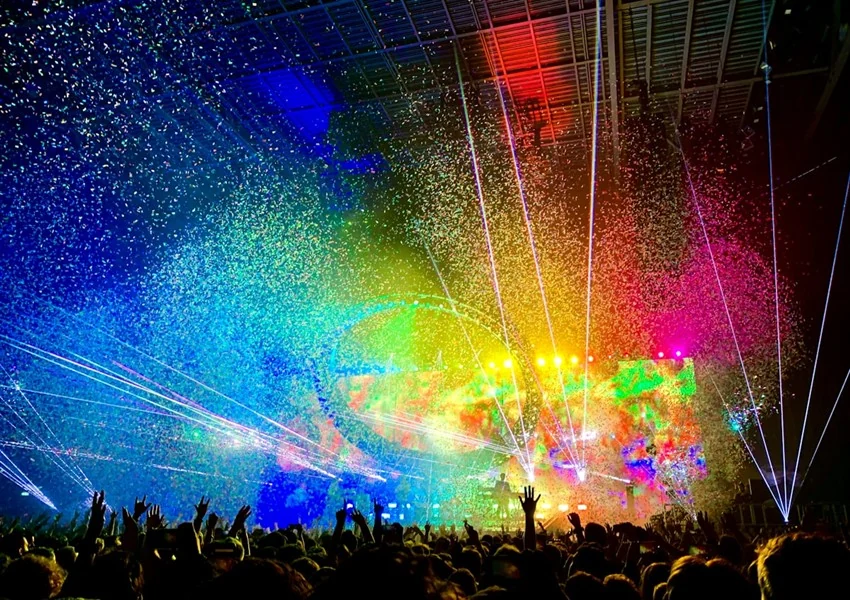
Live stage design has moved far beyond a flat rectangle behind the performer. Concerts, brand launches, worship events, exhibition stages, and televised programs now use screens as scenery, light source, wayfinding tool, and emotional driver at the same time. A flat wall can still do the job, but it often forces the stage to […]