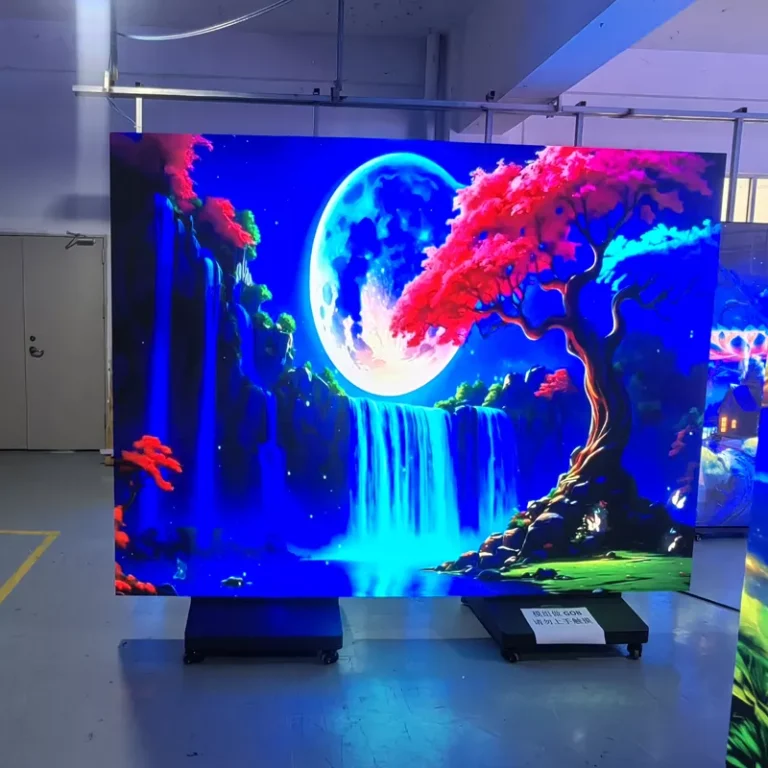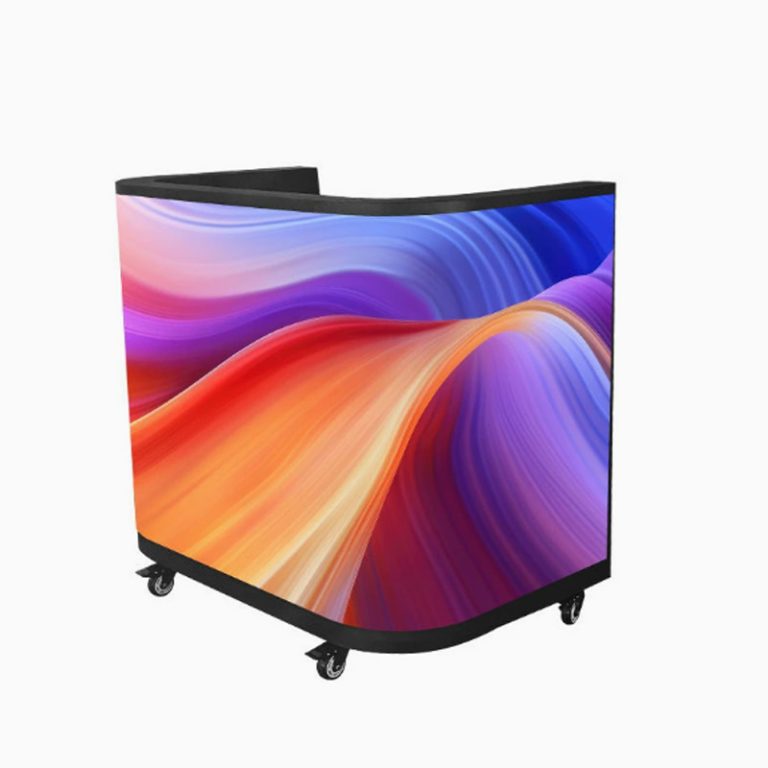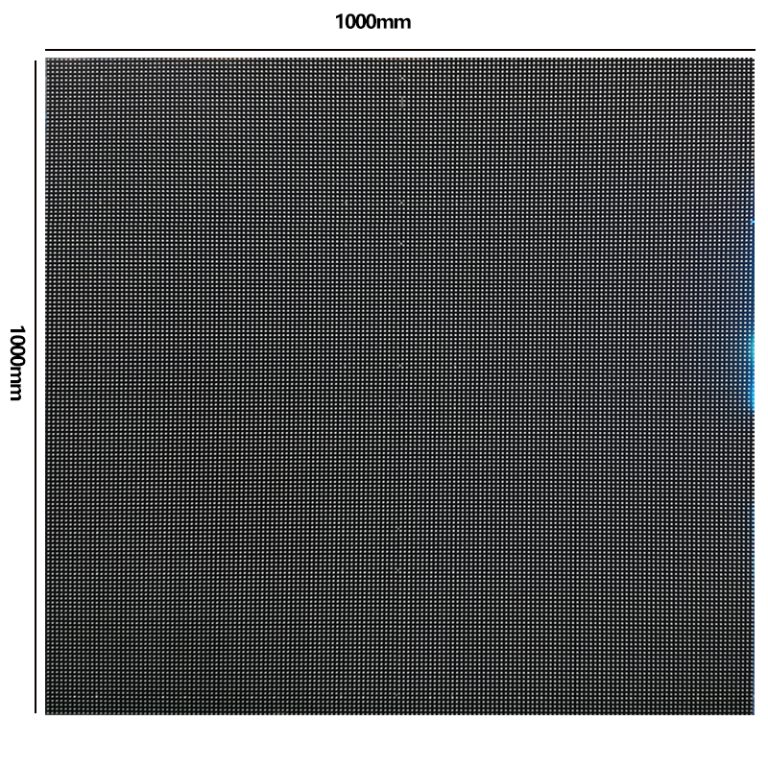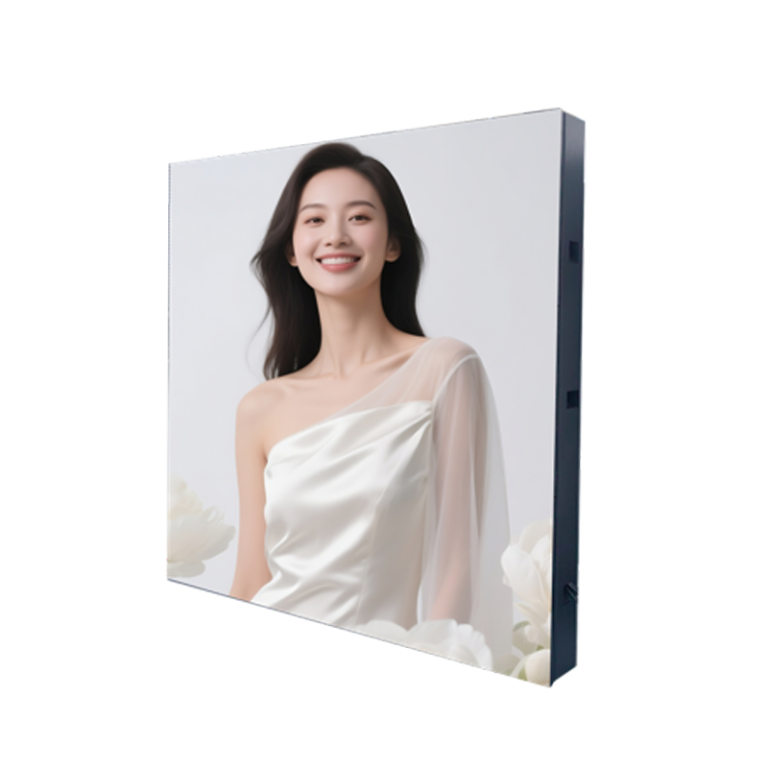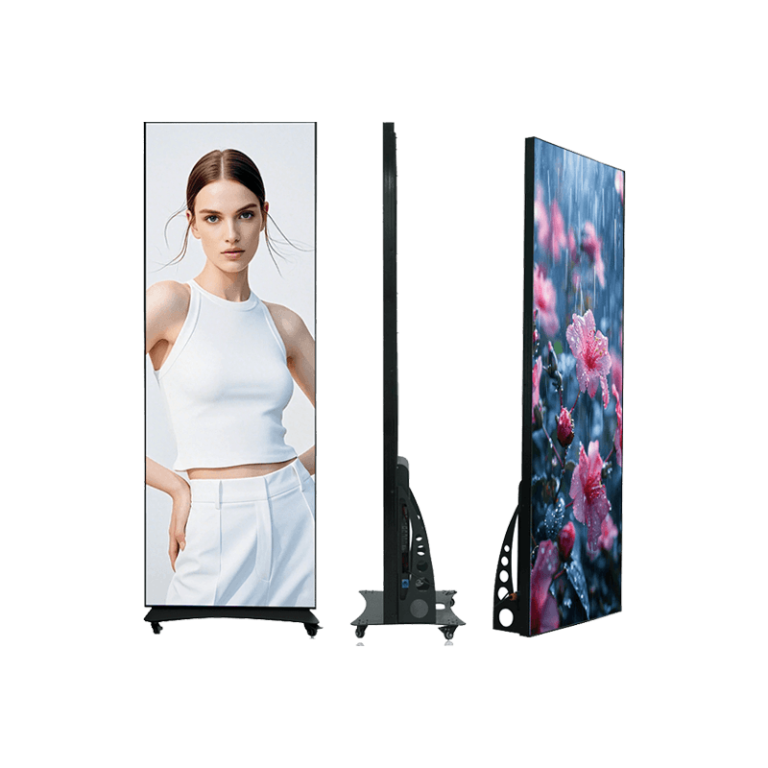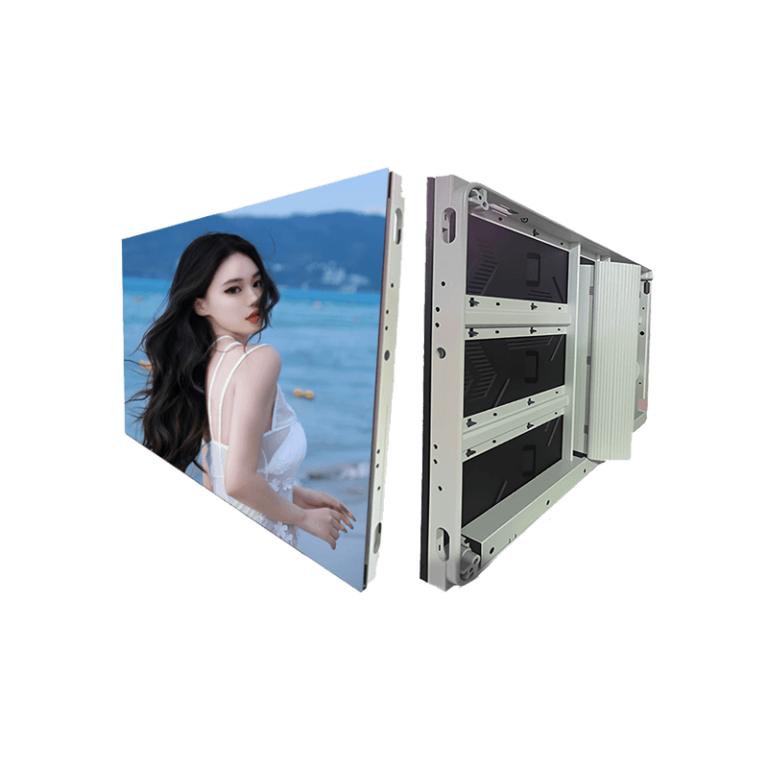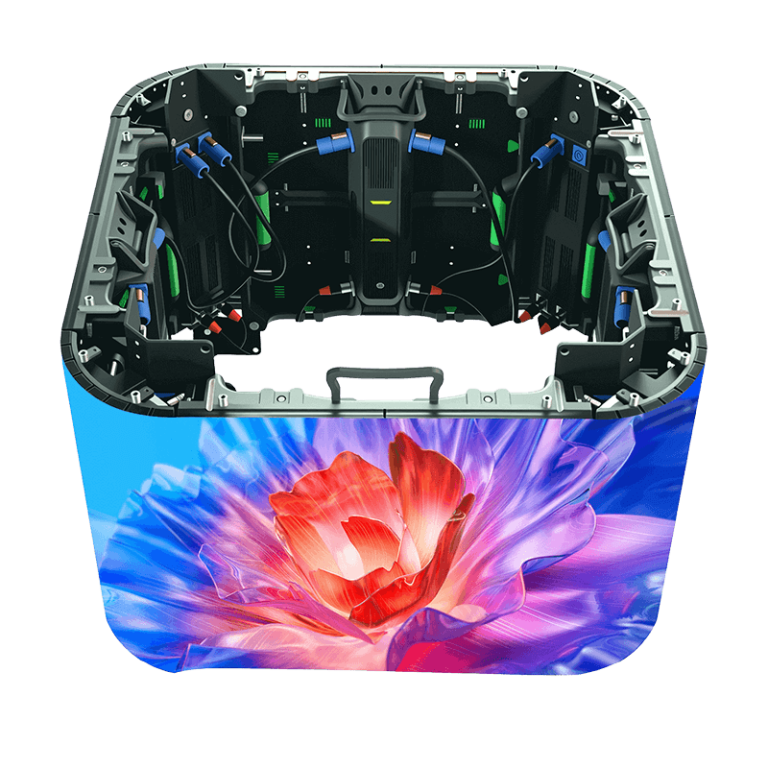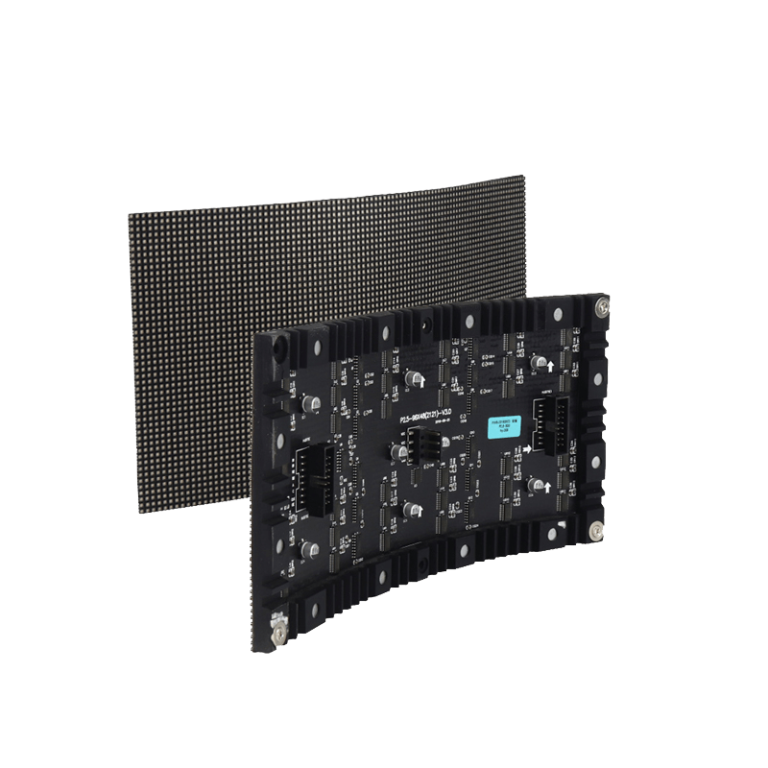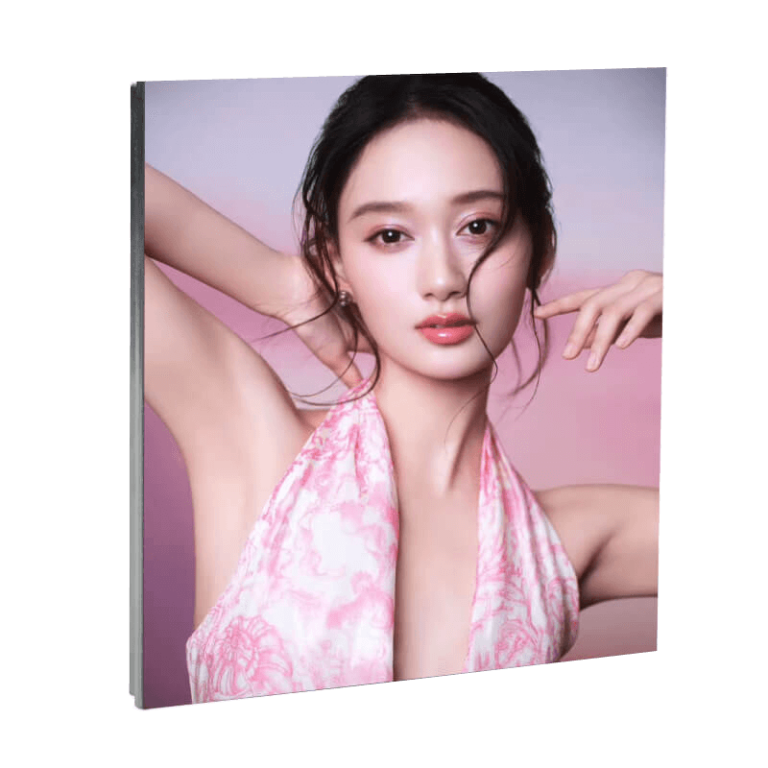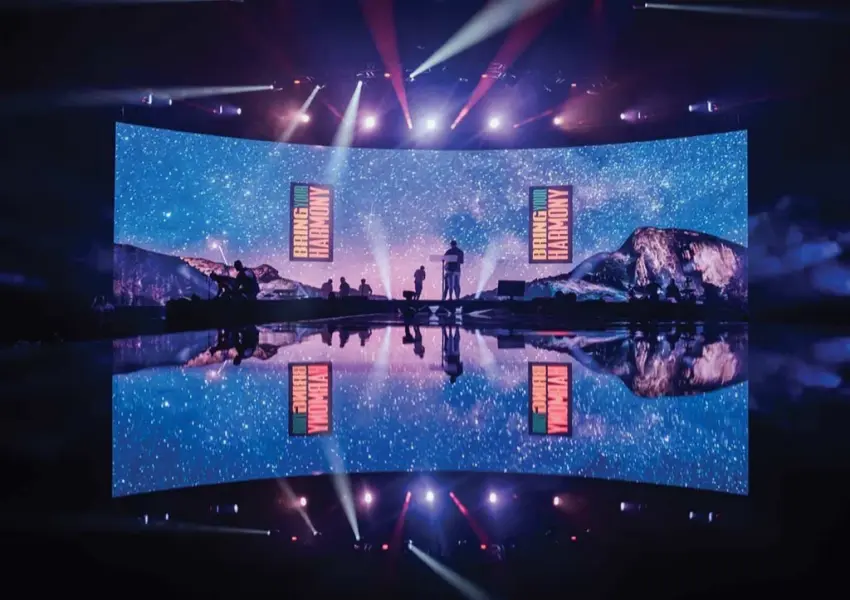
Two main technologies shape today’s visual display market: LED and LCD. People use both across many industries. However, their working methods and design options differ a lot. LED walls, specifically, stand out in building design and business messaging. They blend smart modular parts with direct light, which creates incredibly clear pictures.
Core Principles Behind LED Wall Design
LED walls operate through an array of light-emitting diodes that form individual pixels emitting direct light. This structure eliminates the need for backlighting and enhances brightness uniformity. The screen uses a handy modular build, which contains many smaller unit modules. This approach makes setup very simple. You can easily change the size and shape to fit your specific needs. The system supports many mounting styles. You can mount it on a wall, build it in, hang it, or place it on the floor. These options fit perfectly into different room layouts. The modular style allows easy growth for massive screens, and you will not see any gaps between the panels.
A great example is the indoor P4.81 display enclosure. It provides beautiful picture quality, which features a 4.81 mm pixel pitch along with a fast refresh rate. The screen supports smooth joining for engaging spaces. These spaces include TV studios or large meeting rooms. At the same time, it keeps the brightness at a comfortable level for indoor viewing, which features a tough die-cast aluminum cabinet. This sturdy case makes assembly fast and movement easy. That portability is a vital feature for live events.
Design Innovations in Modern LED Video Walls
Digital display technology keeps moving forward. LED video walls constantly set new performance standards. They use fine-pitch designs and add HDR features, and they also offer flexible setups. These options meet many different building needs.
Evolution of LED Display Trends
The market now focuses heavily on fine-pitch LEDs, and these screens show highly detailed pictures even when you stand very close. The idea of small pitch, ultra-light and thin, seamless splicing, ultra-wide viewing angle shows this shift well. This method gives you sharp details. It does this without losing bright lights or even dark tones. High dynamic range (HDR) features also boost the light levels, which creates better visual depth for indoor showrooms and outdoor signs alike.
Emerging technologies like microLED and COB (Chip-on-Board) modules enhance durability while minimizing pixel damage during handling or transportation. The module has its own calibration data storage and automatically imports data when replaced. This self-calibrating capability guarantees consistent color reproduction across large-scale installations.
Architectural Flexibility in LED Wall Design
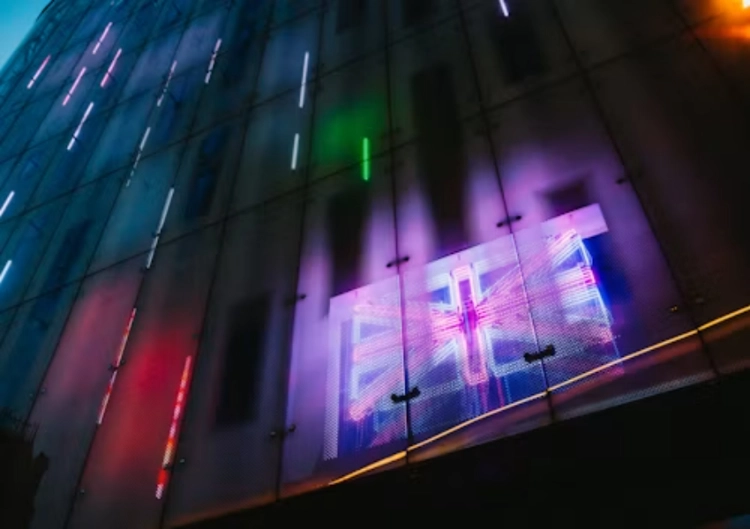
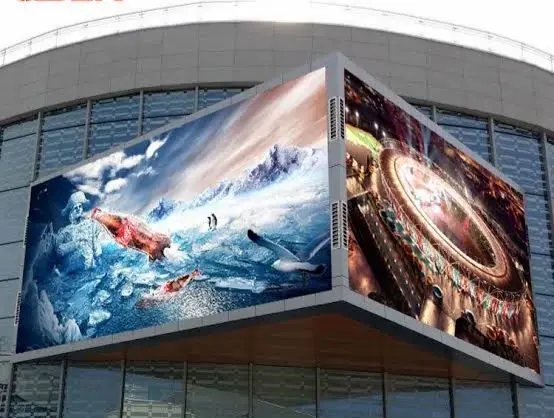
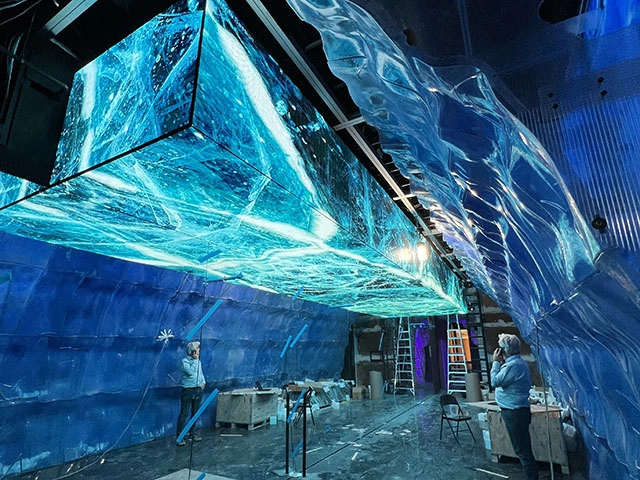
LED video walls now come in curved, clear, or bending shapes. These options blend smoothly into building designs. The aluminum profiles P6.67 show off this fresh idea, which uses a light aluminum frame. This frame lowers the weight on the mounting wall, and it also fights rust well. This makes it perfect for beach areas or places with harsh sun. You can order custom curved or angled shapes, and these custom pieces fit around different building walls. They free you from standard flat screens. This freedom helps designers build amazing viewing spaces. You can see these in big malls or famous city spots.
Performance Comparison: Visual Quality and Technical Metrics
Checking screen quality requires looking at several details. You must check brightness, contrast, and color accuracy. You also need to look at the refresh rate and response speed. All these points control how real the picture looks in professional settings.
Brightness, Contrast, and Color Accuracy
LEDs shine light directly. They can reach very high brightness levels, which makes them perfect for outdoor screens in the sun. They also work great in bright indoor rooms. High brightness (≥6000cd/ m²) keeps pictures bright and clear. The images will not fade even under direct sunlight, and they also offer amazing contrast. They show much deeper blacks than LCDs do, which happens because the system can turn off every single tiny light.
Modern LED parts include smart color tools. These tools keep the colors matching across all panels for a long time. The outdoor P6 display shows this exact care. It uses standard pieces to keep the gaps very small, and it also keeps the light quality completely even. You will not see any blinking or ghosting issues.
Viewing Angles, Refresh Rates, and Response Times
LED video walls keep their brightness steady from wide side angles. They do this because they make their own light, and they do not block light like LCDs do. The P4.81 indoor system gives a huge 160° viewing angle. Everyone in the room can see clearly from any spot. The colors will not look wrong. Fast refresh rates often go above 3840 Hz. This speed stops blurry movement during fast videos, which works perfectly for live sports or training rooms.
Maintenance, Longevity, and Operational Efficiency
Beyond image performance metrics, operational efficiency determines total cost of ownership over time through energy management strategies and ease of maintenance.
Energy Consumption and Heat Management
Saving power is a huge plus for LED technology. LEDs save more power than LCDs. They shine light directly instead of pushing it through thick glass. Aluminum frames move heat very well. They pull the heat away from the working LED parts. This quick cooling stops heat damage, which also makes the parts last much longer. Also, smart power tools change the energy use on the fly, and they check how bright the video is. The system uses less power during dark scenes. It then pushes full power when the screen needs to shine outdoors.
Durability and Maintenance Considerations
Building with small modules makes repair work very easy. You can swap out single panels. You do not need to take down the whole wall. If the screen breaks, workers can replace the broken pieces quickly. Outdoor items like the P6 model include tight IP65 water protection which blocks heavy rain and thick dust. The screen stays strong even during wild storms. This toughness is very important for permanent outdoor signs. Control software includes helpful remote checking tools, and these tools watch the power flow and heat levels instantly. They spot problems early, and this smart checking stops surprise breakdowns.
Application Scenarios Across Industries
From corporate command centers to entertainment venues and public infrastructure projects, LED video walls provide versatile visualization platforms adaptable to multiple operational contexts.
Corporate and Control Room Installations
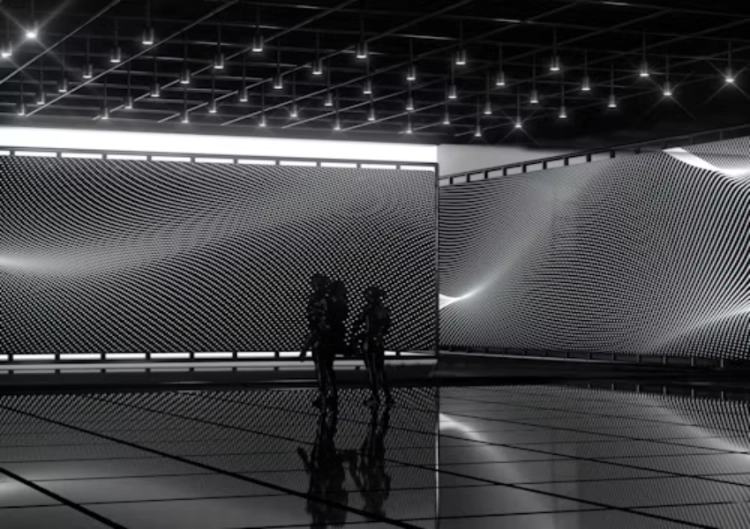
High pixel density supports detailed analytics dashboards in mission-critical environments where operators require uninterrupted image continuity across large surfaces free from bezel lines typical in LCD arrays. Indoor LED displays offer exquisite picture quality with delicate and clear image effects. Their seamless splicing ensures uninterrupted workflows during real-time monitoring tasks such as traffic management or security supervision.
Entertainment, Retail, and Public Spaces
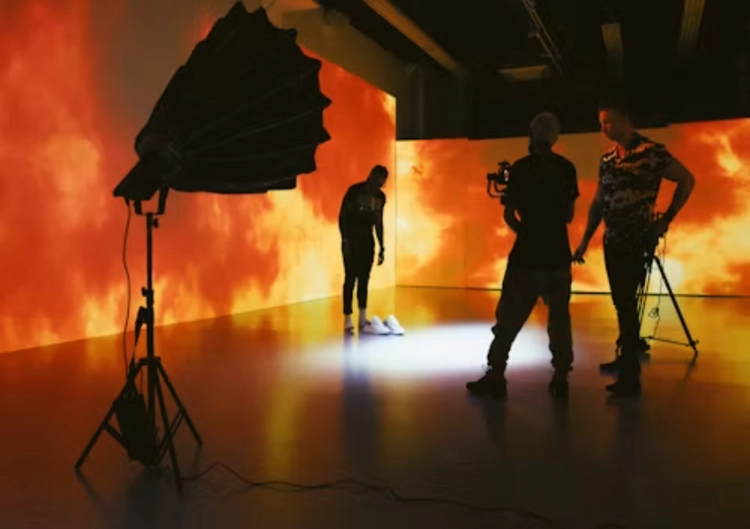
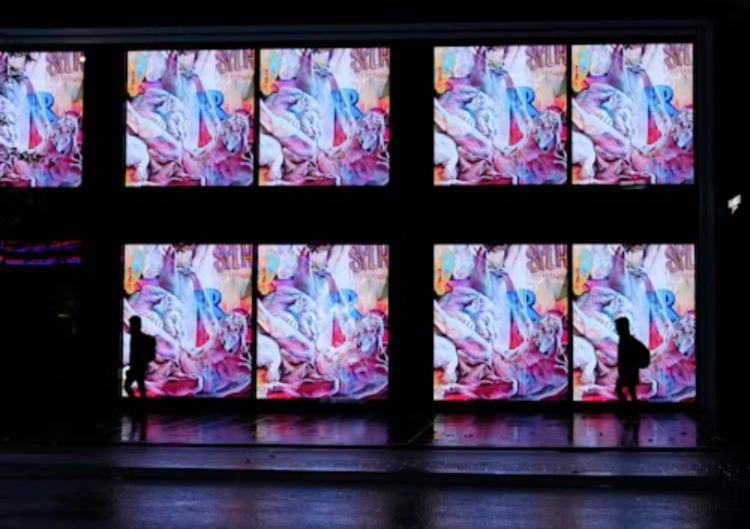
Dynamic content presentation enhances audience engagement during concerts or retail promotions by combining motion graphics with synchronized lighting effects. Outdoor variants thrive in open-air environments thanks to IP65 waterproofing that withstands heavy rain while maintaining vivid colors under direct sunlight exposure. For architectural facades or city squares requiring creative shapes beyond rectangles.
Future Directions in Display Technology Integration
As smart cities evolve toward interconnected infrastructures powered by AI-driven analytics platforms, display systems must integrate seamlessly into broader digital ecosystems, enabling automated operational control.
Convergence with Smart Systems and IoT Platforms
LED video walls now link straight to smart internet platforms, which lets you control many screens around the world from one web page. Smart computer rules plan the video times. They check local weather or crowd sizes, which ensures the best viewing while saving power. It keeps your brand message strong everywhere.
Emerging Materials and Manufacturing Techniques
Scientists keep studying tiny new materials, and they want to make the light pieces work better. They aim to get more light from less power, and they also want to show even more colors than current TV standards allow. Pressed aluminum frames offer amazing strength. They resist bending during long years of use. Sustainable production practices also reduce environmental impact through recyclable materials without compromising optical performance metrics essential to professional-grade installations.
About Us – A Commitment to Excellence in Display Engineering
At Leyaled, we specialize in delivering advanced LED wall design solutions tailored for both indoor precision environments and large-scale outdoor applications. FWS Technology Co., Ltd.(Leyaled) is a high-tech enterprise specializing in the integrated LED display industry encompassing R&D, production, and sales. Our 7 200 m² facility houses eight SMT automated production lines, ensuring consistency across every product batch—from fine-pitch indoor models like P4 series displays to robust outdoor systems designed for harsh climates. Our philosophy emphasizes quality first; all products undergo rigorous testing certified by CNAS and TÜV SÜD before market release, ensuring compliance with ISO 9001:2008 standards. With a well-established marketing network across East China, South China, Central China, and North China, we strive to illuminate the world with vibrant colors while contributing to industrial advancement globally. Whether your project demands flexible architecture integration or ultra-high-definition visualization, we engineer solutions built around reliability and innovation excellence unmatched within our field.
Do you want to see how our custom screens can help your next job? Do you need tech advice about the right setup for your building? Please contact us.
FAQ
Q1: What makes an LED video wall different from basic LCD panels?
A1: LEDs push light straight out from tiny parts. They do not use a backlight pushing through glass. This creates much brighter pictures. It also gives wider viewing angles. This works perfectly for indoor and outdoor spaces where the light changes often.
Q2: How do modular LED designs make repairs easier than flat screens?
A2: Modular architectures allow individual panel replacement instead of full-system disassembly; coupled with remote diagnostics, these designs minimize downtime, ensuring continuous uptime critical within mission‑driven control centers or advertising networks operating 24/7 schedules.
Q3: Are curved and clear screens only for certain places?
A3: No—the latest aluminum profile frameworks enable curvature customization adaptable across retail façades or entertainment stages where immersive geometry enhances audience engagement without compromising structural stability or optical performance fidelity.