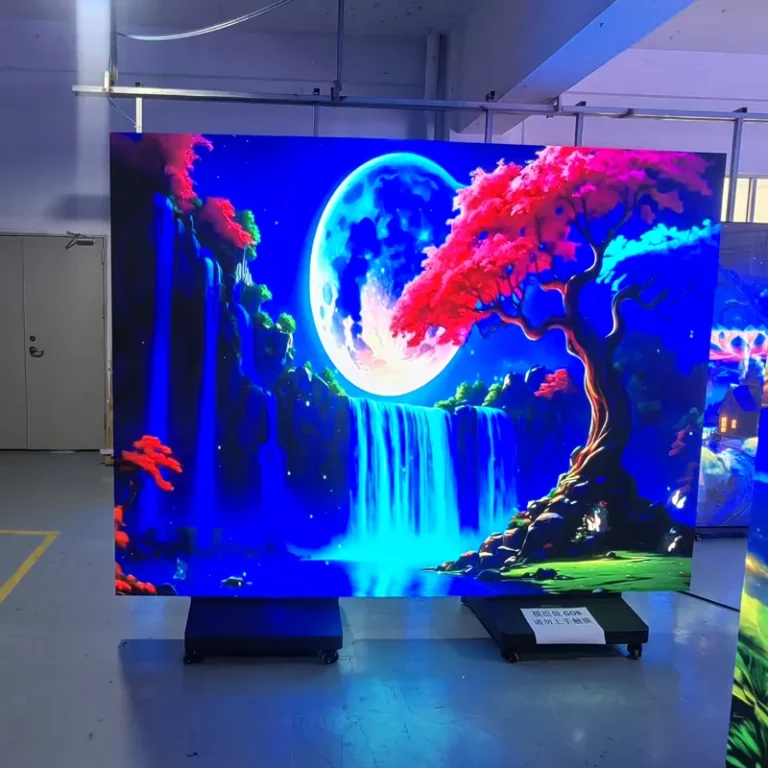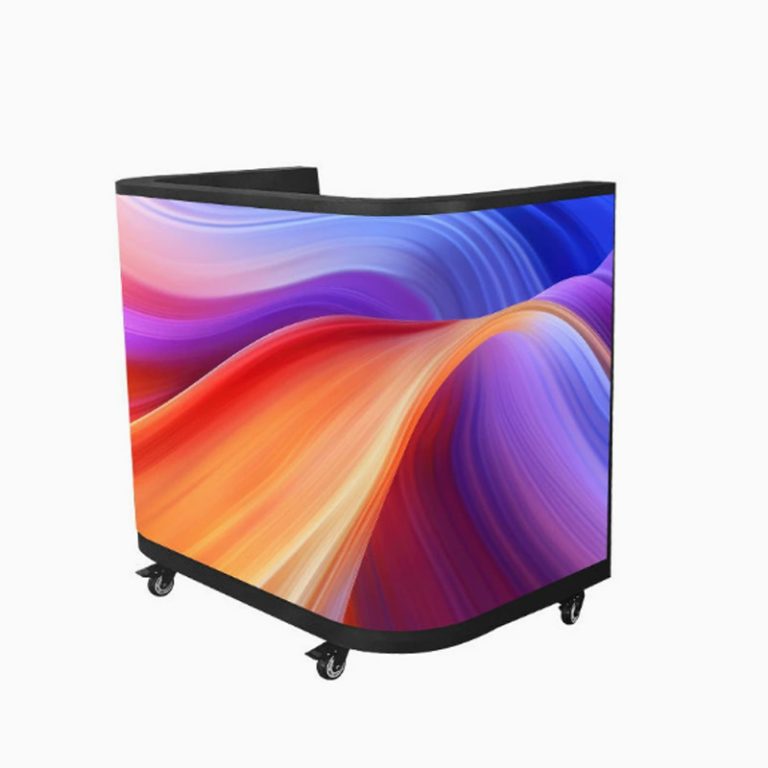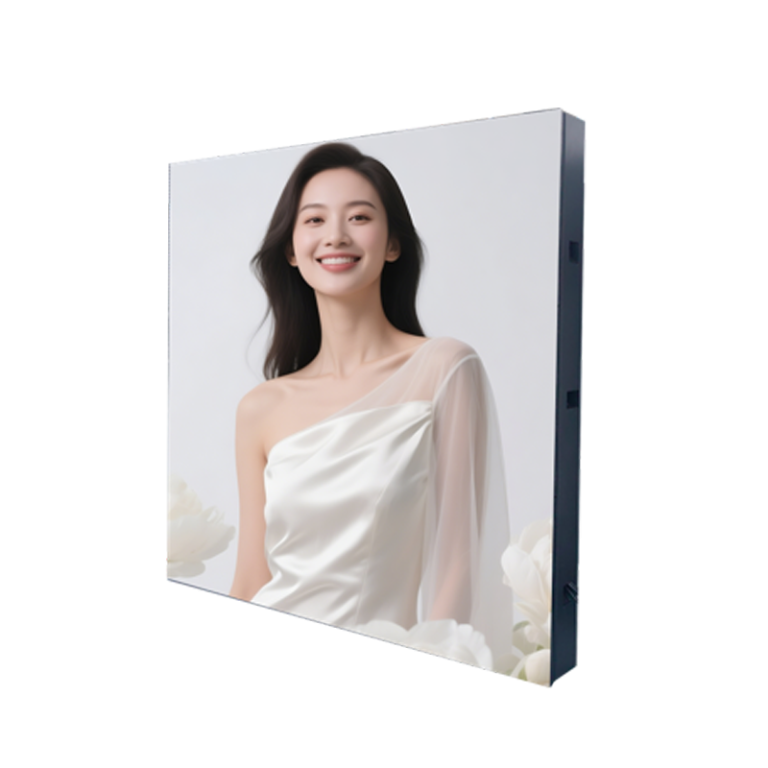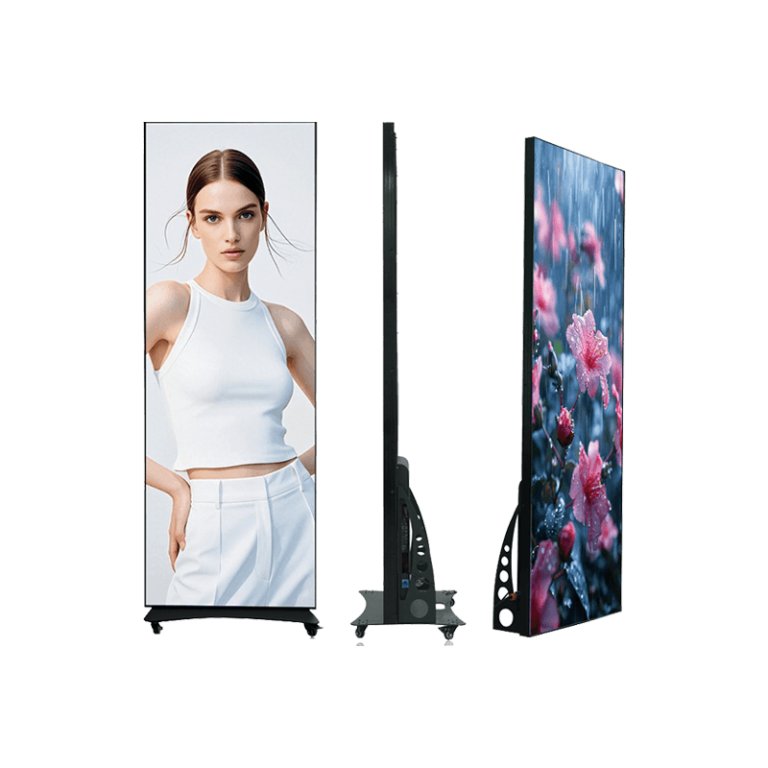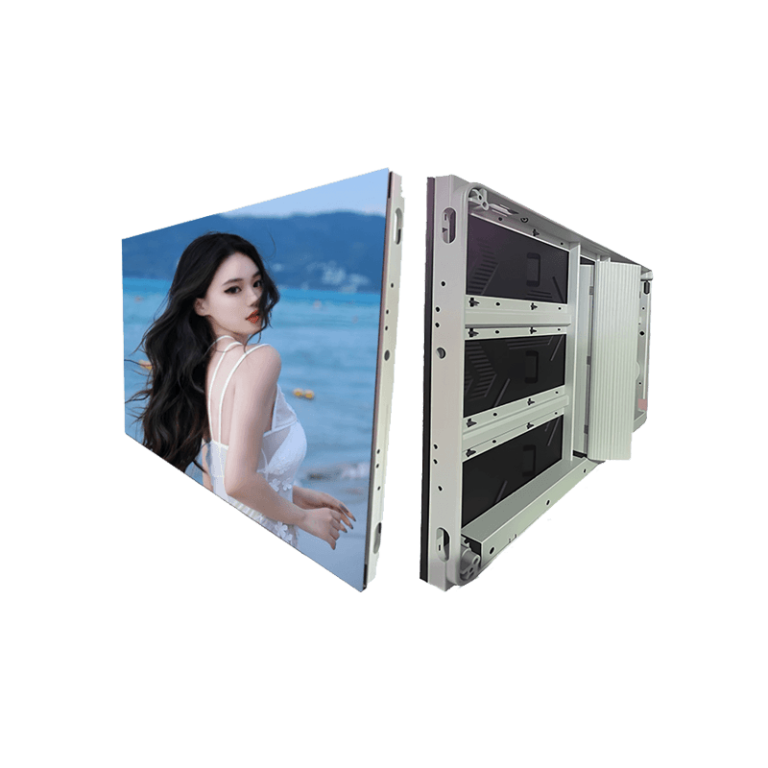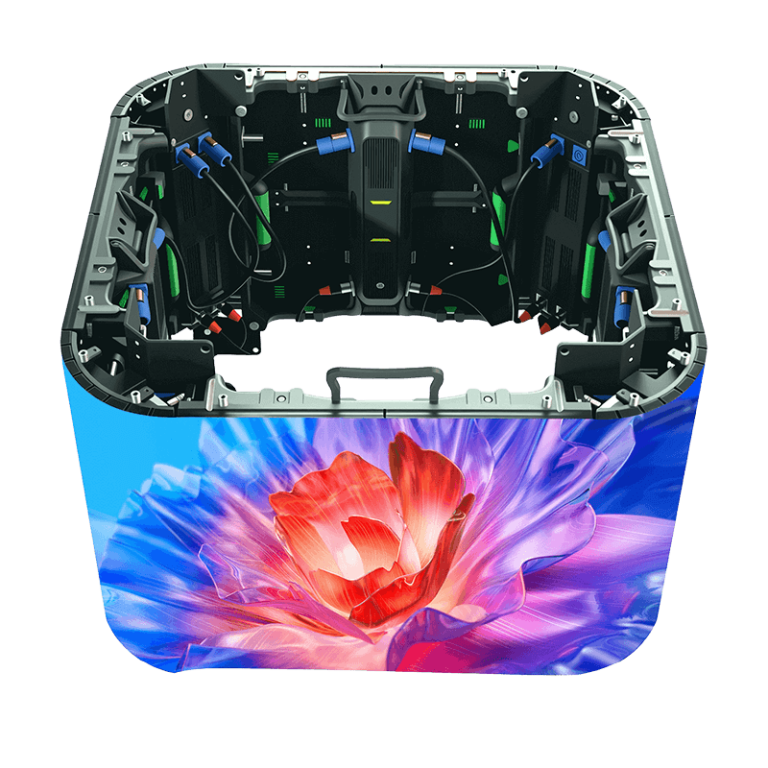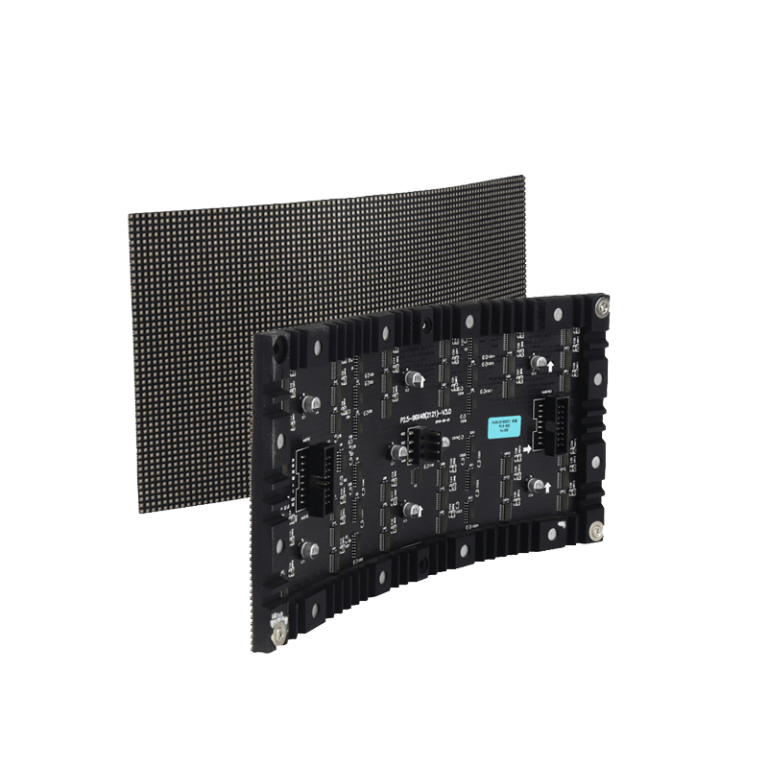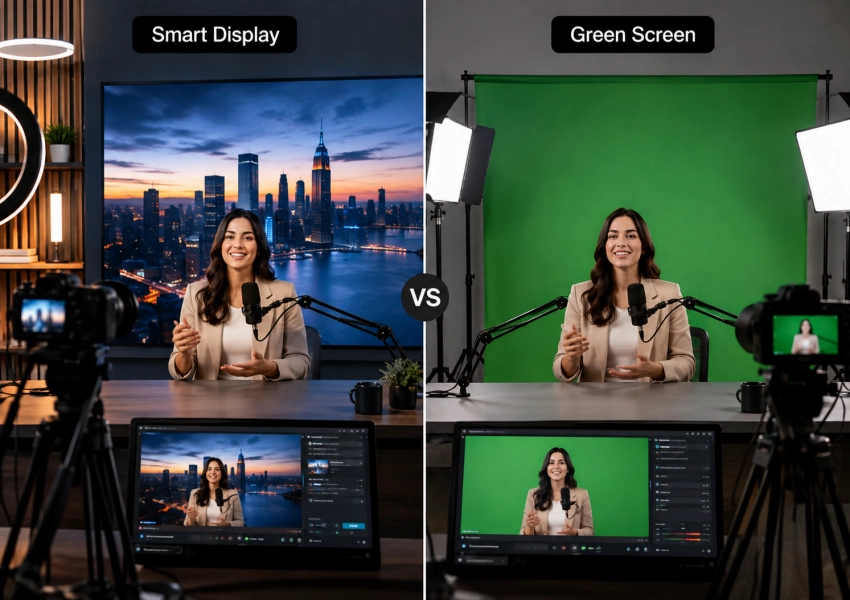
The smart display vs green screen decision becomes sharper when production is captured for 4K or 8K delivery. At that level, a clean edge, stable texture, controlled reflection, or small camera artefact can survive into the final image. An LED wall can avoid some green-screen spill and provide real scene light, but it can introduce moiré, scan lines, visible pixels, seams, or colour shifts. A green screen avoids an LED pixel grid, yet keying and edge treatment become part of the image workflow.
Neither method guarantees camera-ready footage. The answer depends on sensor, lens, shutter, focus, camera distance, background detail, subject materials, lighting, and delivery format. A buyer should compare the complete shot pipeline, not only the wall specification or the colour of the screen.
Start With the Camera and Subject
List cameras, recording formats, frame rates, shutter range, lenses, filters, focus distances, and intended delivery. A 4K commercial close-up may expose pixel structure differently from an 8K wide shot that is downsampled for a web campaign. A high-resolution master also makes soft edges, green spill around hair, transparent packaging, glass, and fine product lettering easier to notice.
The subject matters just as much. Matte clothing and a presenter may be straightforward on green. Glass bottles, chrome appliances, dark glossy products, translucent packaging, and fine hair create different risks. An LED wall can contribute reflections and colour to those materials, but the displayed background must be art-directed. Green screen offers a neutral capture surface but requires desired reflections and interactive light to be built separately.
Make the Acceptance Shot List Specific
Include a locked shot, slow pan, close-up, reflective product, transparent object, fine hair, dark clothing, high-contrast edge, grey gradient, and background with repeating detail. Capture each method with the same lens and exposure intent where possible. Review at delivery resolution and at a larger inspection size.
What an LED Wall Can Solve
A camera-ready LED display can put background, interactive light, and some reflections in frame at capture. That may reduce the need to rebuild a shadow or reflection in post. A presenter can see the environment, helping eyelines, timing, and client approval. For product work, a moving background may create a useful highlight on a curved package or dark appliance.
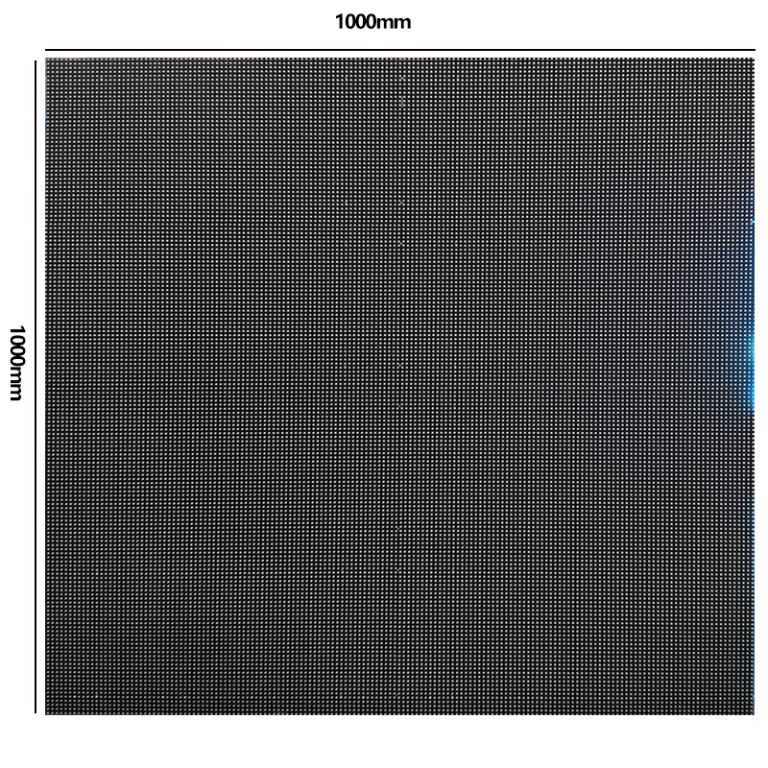
The benefit has conditions. The wall must run at a suitable working brightness, refresh, scan mode, grayscale setting, colour calibration, and processor timing. Pixel pitch and camera distance affect spatial sampling. A fine-pitch wall may help close work, but it does not remove moiré by itself. Focus, shutter, lens angle, content lines, and sensor sampling still matter.
The indoor special LED screen can frame a camera-facing specification discussion. Confirm the quoted model’s pitch, brightness range, refresh and scan information, calibration process, processor, and filmed result. A 4K or 8K label is not proof that the wall is clean on every camera.
What Green Screen Can Solve
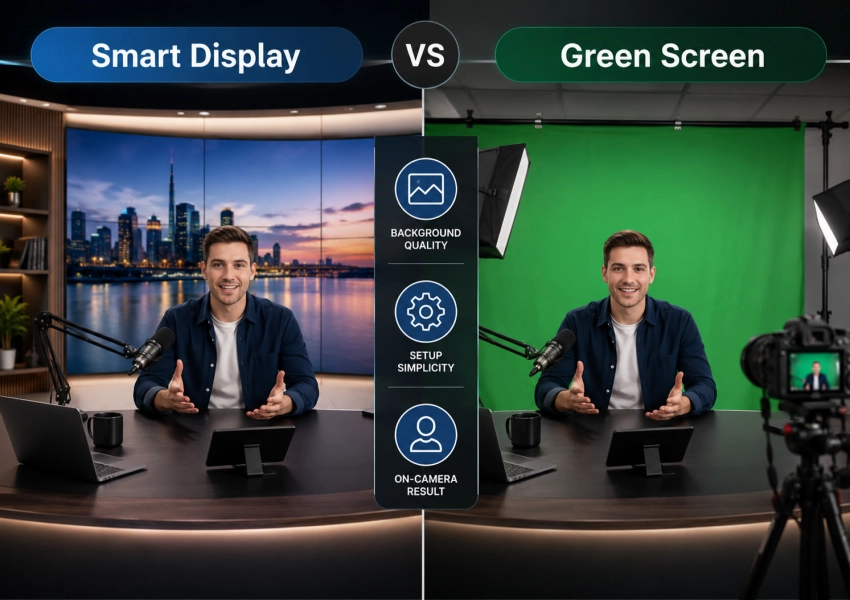
Green screen removes the LED pixel grid from the plate. It gives the compositor a consistent key colour and leaves the background open for later changes. That can be valuable when the final environment is still evolving, when a shot needs extensive background replacement, or when production must move between digital worlds without rebuilding a display canvas.
The cost appears around the subject edge and in the lighting. Uneven screen exposure, green spill, transparent objects, fine hair, motion blur, shadows, and reflective products need careful treatment. The camera team may need to light the subject separately from the background. If a product should reflect a bright virtual window or coloured environment, those reflections may need to be designed and added later.
Green screen is not automatically softer or less expensive. A small crew may prefer the control of a live LED background, while a visual-effects team may prefer the flexibility of a clean key. The right choice follows post-production capacity and the number of planned revisions.
Test Moiré, Spill, and Soft Edges Separately
Moiré on an LED wall is a spatial and temporal interaction. Pixel pitch, camera distance, focus, shutter, sensor sampling, scan behaviour, content frequency, and wall brightness can all contribute. Change one variable at a time during the test. Move the camera, adjust focus, alter shutter, switch content, and dim the wall while recording the result.
Green spill is a different failure mode. Test hair, glass, chrome, black fabric, and white products against the green screen with intended key and subject lighting. Check the edge after colour correction and compression, not only in the raw monitor view. A clean key can still leave a green fringe when the final image is resized or graded.
Soft edges can appear in both workflows. LED footage can lose edge separation when the subject and wall are poorly exposed or when depth of field puts wall texture into an unwanted zone. Green-screen edges can soften through motion blur, defocus, spill suppression, or an aggressive key. Record settings that created the acceptable result.
Compare 4K and 8K Workflows on Total Effort
For 4K production, an LED wall may deliver enough detail for many presenter, product, and commercial shots when camera distance and pitch are appropriate. For 8K capture, the wall needs closer scrutiny because more source detail may be retained. Production may choose to downsample, which can hide some defects, but that should be tested rather than assumed.
An LED wall carries display area, structure, processing, power, calibration, content preparation, maintenance, and replacement costs. Green screen carries lighting, tracking, keying, compositing, storage, review, and revision costs. Include the time required to repeat a scene after a client changes the background. A short capture day is not a saving if every version becomes a post-production bottleneck.
The P2.604 indoor display can support an indoor pitch conversation, while the virtual production solution can frame the broader workflow. The selected product still needs a camera test with the final lens list. No universal pitch, refresh figure, or camera setting removes that need.
Choose the Workflow by Failure Cost
Use a smart display when in-camera reflections, interactive light, visible background approval, or rapid scene changes carry real value, and the team can test the wall with its cameras. Use green screen when the background will change heavily, the compositor is already part of production, or the wall would be too small or too close for required camera moves.
A hybrid workflow can be sensible. Capture selected hero shots on LED, use green for shots needing extensive replacement, and keep acceptance criteria separate. Leyaled should include camera package, content test, brightness window, pitch, processor, calibration, service access, and the shots that must pass. The winning system is the one that avoids the most expensive failure for the actual production.
FAQ
Q1: Does an LED wall eliminate moiré in 4K or 8K production?
A1: No. It can be designed and tested to reduce visible artefacts, but moiré depends on pitch, camera distance, focus, shutter, sensor sampling, scan behaviour, brightness, and content. A filmed test remains necessary.
Q2: Is green screen better for avoiding soft edges?
A2: Not automatically. Green spill, motion blur, defocus, key settings, and edge suppression can soften a keyed subject. LED footage can also lose edge separation when exposure, focus, or background contrast is poorly matched.
Q3: What should a supplier include in a camera-ready LED display test?
A3: Include actual camera bodies, lenses, frame rates, shutter range, focus distances, working brightness, content patterns, reflective and transparent products, dark scenes, and the final delivery review method.