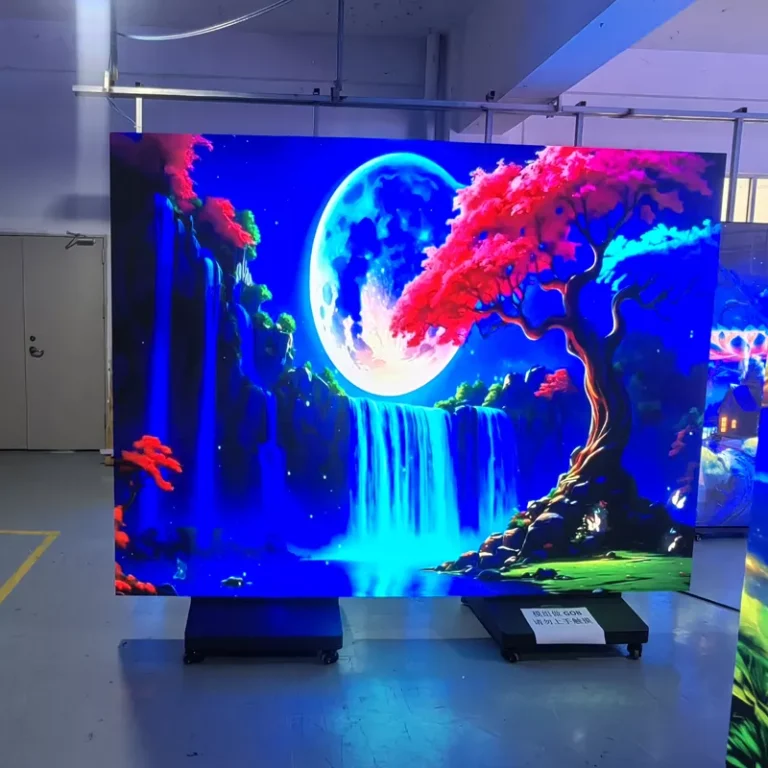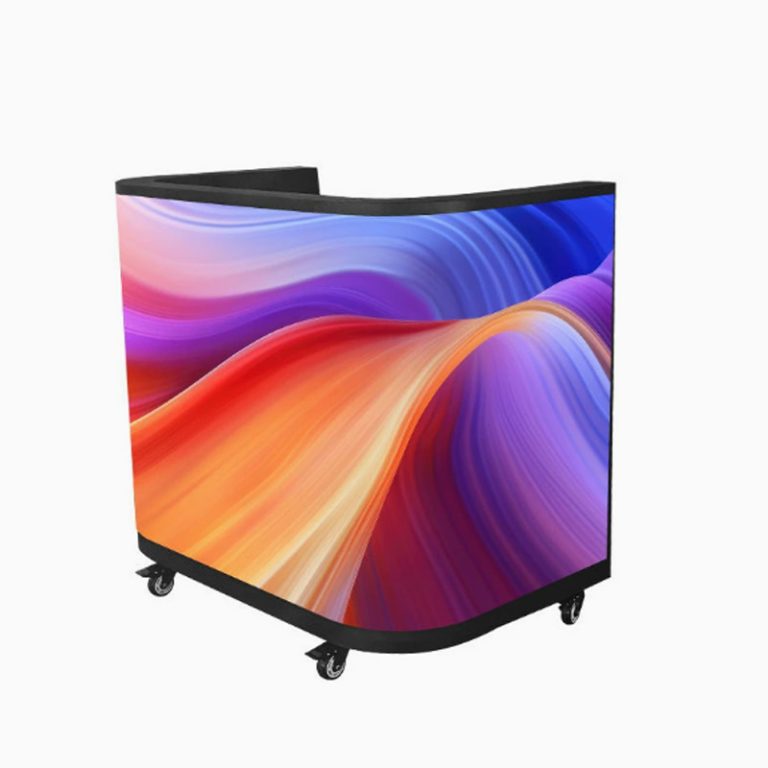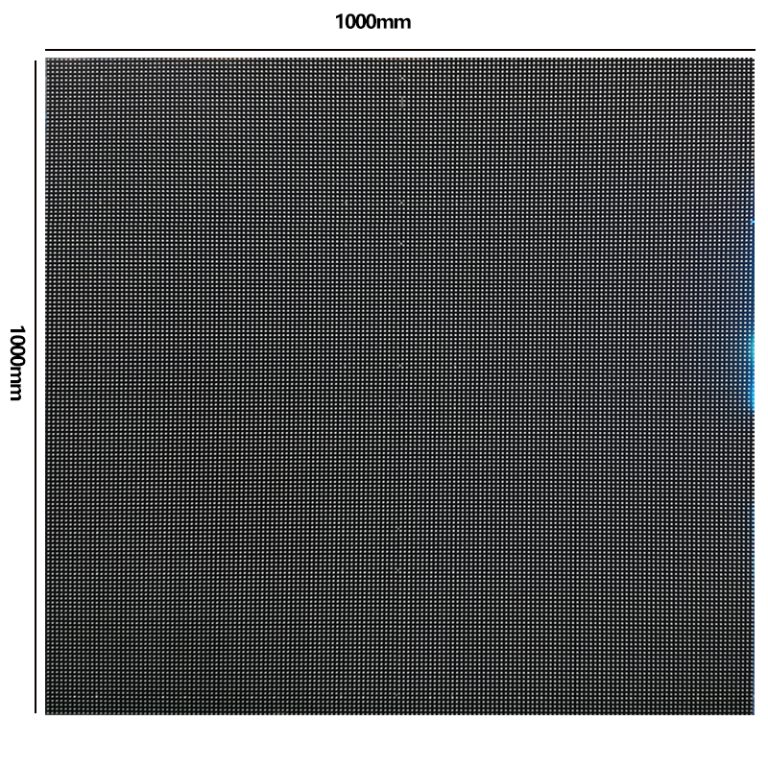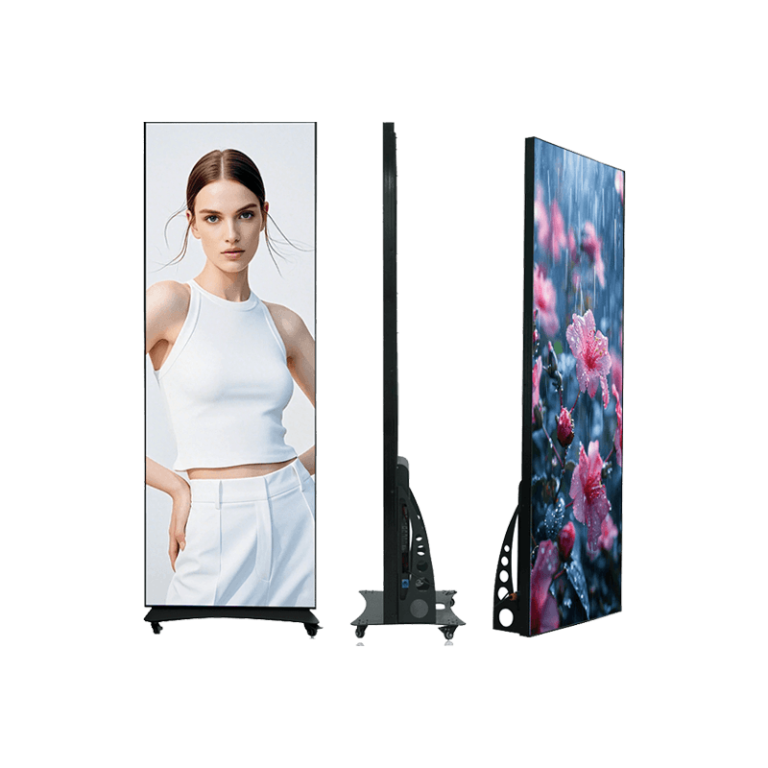
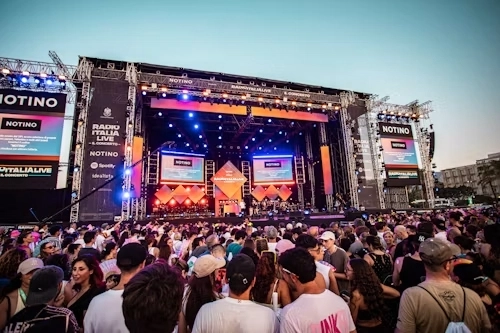
A concert LED wall has to look good from the front row, the camera platform, and the far side of the venue. That is why P3.91 and P6 are often compared for event LED screen projects. P3.91 gives finer detail and smoother close viewing. P6 gives a wider pitch, usually a lower screen cost per sq m, and practical visibility for larger stages or longer audience distances.
For production companies, stage integrators, and equipment owners, the decision is rarely only about one show. A P3.91 LED screen may help sell premium indoor work, broadcast-friendly stages, and smaller viewing distances. A P6 LED display may make better business sense for outdoor concerts, festival side screens, or large-format background visuals. The right answer depends on distance, content, transport, weather, power, and how often the screen will be used.
Pixel Pitch Changes What the Audience Sees
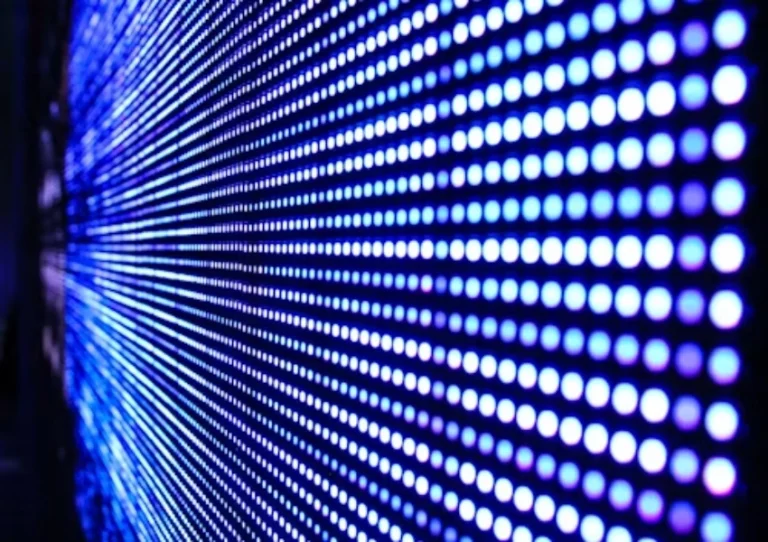
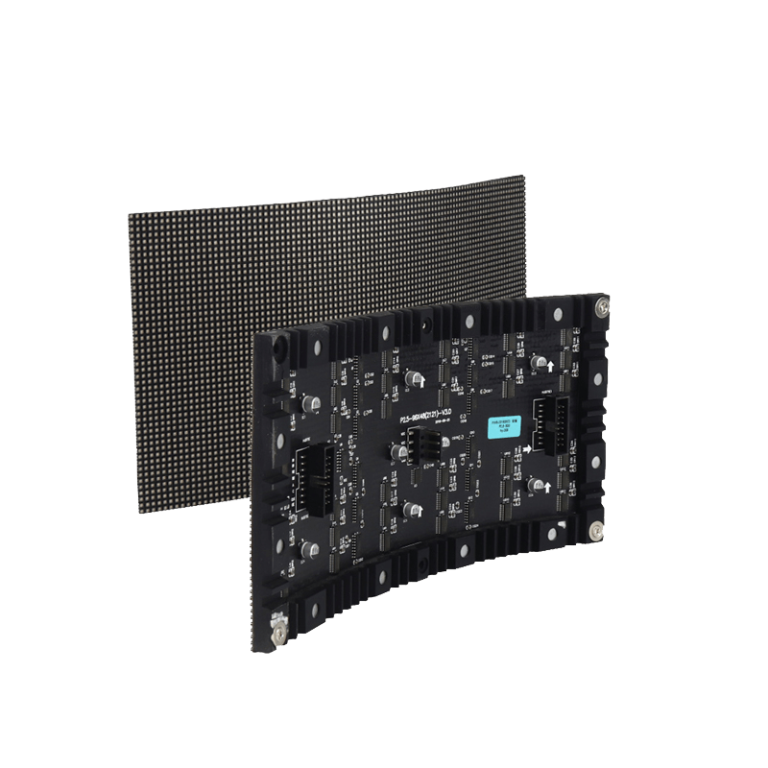
Pixel pitch is the center-to-center distance between pixels. A smaller number means more pixels per sq m. like P3.91 with a 3.91 mm pitch and about 65,536 pixels per sq m in several configurations. P6-class outdoor cabinets can sit around 25,600 pixels per sq m for P6.25 or similar densities. That difference is visible when the audience is close.
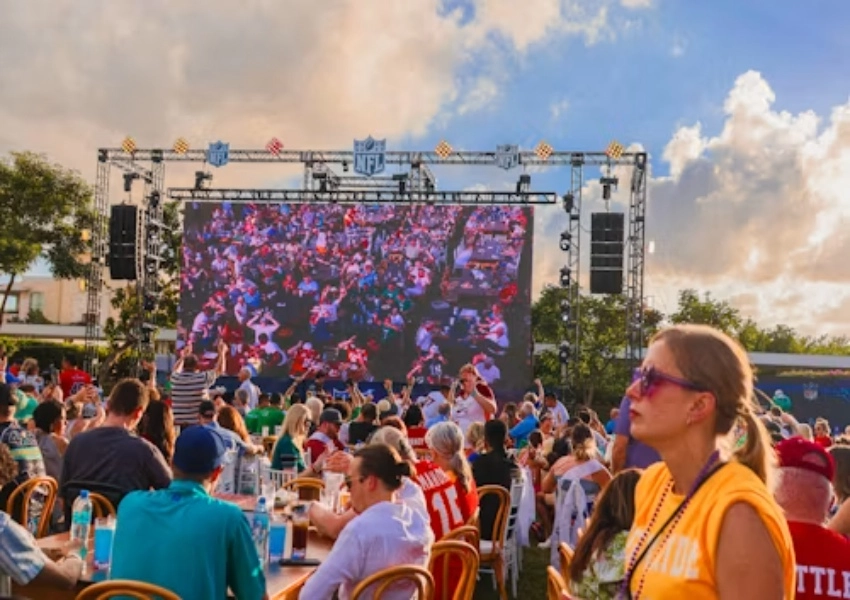
For indoor concerts, corporate shows, fashion events, and camera work, P3.91 can make faces, graphics, and sponsor logos look cleaner. For a large outdoor stage, where many viewers stand far back, P6 may still look strong because the audience reads big motion, color blocks, and performer close-ups rather than small text.
Where P3.91 Looks Better
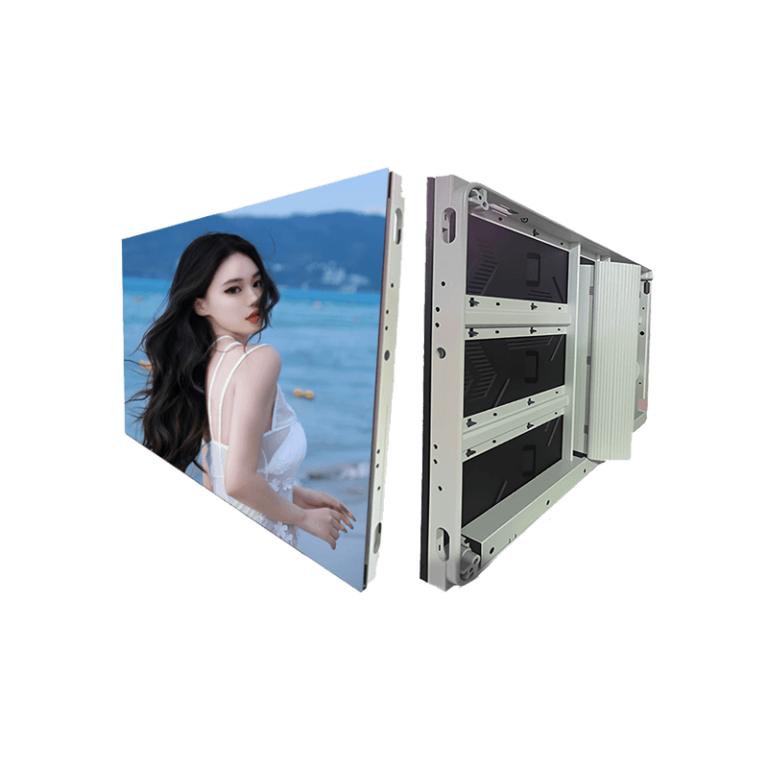
P3.91 is safer when viewers are close, when IMAG camera feeds show faces, or when content includes thin lines and detailed brand graphics. Leyaled’s indoor display P3.91 page is a useful reference point for 3.91 mm pitch, 500 by 500 mm cabinets, wide viewing angles, high refresh rate choices, and indoor brightness planning.
Where P6 Is Enough
P6 works when the screen is larger, farther from the audience, or mainly used for broad visual impact. It can be more forgiving for festival backdrops and side screens where the content is bold and viewing distance is longer.
Brightness, Refresh, and Camera Behavior Matter
Concert and outdoor event screens are not judged only by bare-eye viewing. Cameras often shoot the stage for livestreams, IMAG feeds, and social clips. Low refresh rates, poor grayscale, or uneven calibration can make a screen look worse on camera than it does in person. Buyers should test refresh, scan mode, low-brightness grayscale, moire risk, and color uniformity before committing to a large batch.
P3.91 indoor and outdoor versions with wide viewing angles, synchronous control, AC 110/220V operation, and refresh rates that can reach 3840 Hz or 7680 Hz depending on the model. For outdoor P3.91, brightness figures can reach 5500 nits or higher in relevant configurations. P6.25 outdoor cabinet data points to IP65, 6000 to 10000 nits, front or rear maintenance, and average power around 230 W/sq m in certain product setups.
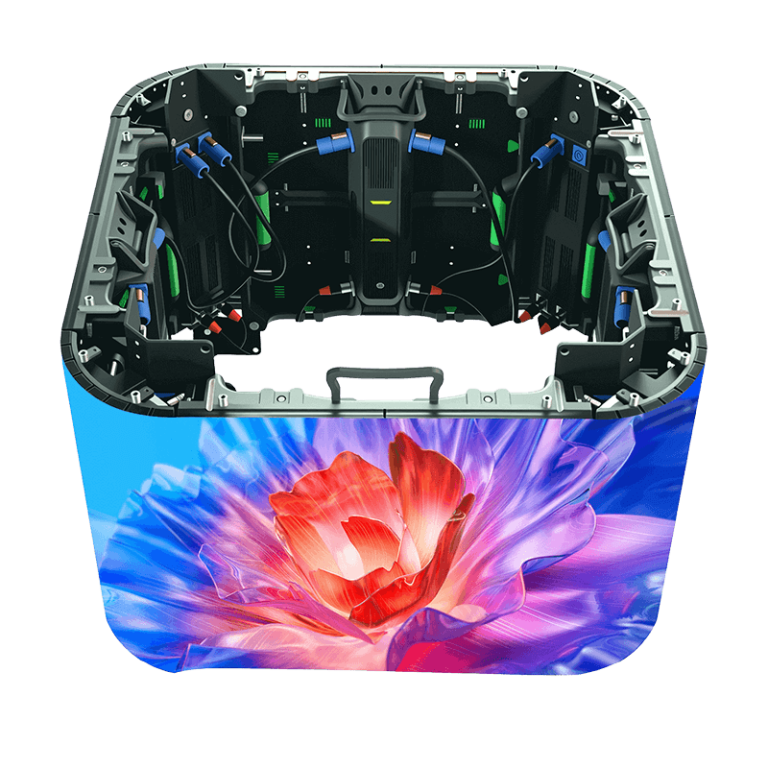
For a P6 LED display purchase, the die-cast aluminum P6 direction is relevant because event-focused cabinets need manageable weight, stable locks, quick assembly, high refresh, and reliable cabinet flatness. That does not mean every event needs the same cabinet. It means handling and repeat assembly should be part of the purchase decision.
Indoor Shows and Outdoor Events Have Different Risk
Indoor shows usually put more pressure on close viewing, camera detail, and clean seams. Outdoor events add brightness, weather, wind, temperature, dust, and power distribution. A screen that looks good in a rehearsal room may not be bright enough for late afternoon sun. A screen that is bright enough outdoors may be too coarse for front-row indoor viewers.
Outdoor protection needs such as IP65-level waterproofing, dust resistance, UV and wind resistance, heat dissipation, and planning around outdoor temperature changes. Those items matter for outdoor event LED screen owners because one fault during show time can affect the whole production schedule.
Transport and Repeated Assembly
Event screens are handled more often than fixed displays. Cabinets need solid corner protection, reliable locks, safe power boxes, and repeatable calibration. A cheaper cabinet can lose its value if it bends, misaligns, or creates color inconsistency after several builds.
Weather and Power Planning
Outdoor event buyers should ask about IP rating, cable protection, grounding, power distribution, and the brightness plan for daylight. Running high brightness for long hours also creates heat, so cabinet design and service access should not be ignored.
Cost Should Be Judged by Use Case, Not Pitch Alone
A P3.91 LED screen usually costs more than a P6 screen for the same area because it uses more pixels and supporting electronics. But it may earn its place if it helps an equipment owner serve close-viewing shows, broadcast stages, brand launches, and indoor productions. P6 can be the stronger choice when large area, outdoor distance, and budget discipline matter more than fine detail.
The useful comparison is cost per useful show, not cost per sq m alone. How many jobs will need close detail? How many will be outdoor festivals? How often will the screen be viewed by cameras? How much truck space and labor does the cabinet system need? How fast can a module be replaced on site?
Leyaled’s standard LED display range can help buyers compare broader cabinet and pitch options before narrowing to a single event configuration. For projects with higher impact or crowd-side visibility needs, stadium screen is also useful as a reference for high brightness, IP-rated protection, wide viewing angle, and service access.
Supplier Support Matters After The First Show
For event screen owners, after-sales support affects the real cost of ownership. Spare modules, receiving cards, calibration files, cabinet locks, and technical response can decide whether a screen is ready for the next booking. Leyaled has a 7,000 sq m Shenzhen factory, automated production lines, high-quality LED beads and driver chips, 72 hours of factory testing, high and low temperature cycling, and brightness decay tests, a 3-year free warranty, lifetime technical support, 24-hour response, and 48-hour on-site repair for qualifying issues.
An LED display manufacturer discussion should include the event calendar, indoor/outdoor split, typical viewing distance, camera requirements, cabinet transport plan, and spare parts policy. The best P3.91 or P6 choice is the one that earns money across real shows, not the one that wins a pitch chart in isolation.
Conclusion
P3.91 and P6 serve different event economics. P3.91 protects close detail and camera quality. P6 protects budget and large-distance visibility. Production buyers should map viewing distance, show type, transport, weather, power, and expected job mix before choosing. That keeps the concert LED wall aligned with real work instead of a single attractive specification.
FAQ
Q1: Is P3.91 always better than P6 for concerts?
A1: No. P3.91 is better for close viewing and camera detail. P6 can be better for larger outdoor stages with longer viewing distances.
Q2: Can P6 work as an outdoor event LED screen?
A2: Yes, when the screen is large enough, the audience is farther away, and the content uses bold visuals instead of small text.
Q3: What should stage companies check before buying from Leyaled?
A3: Check pitch, brightness, refresh rate, IP rating, cabinet weight, locks, power boxes, spare modules, calibration support, and warranty terms.