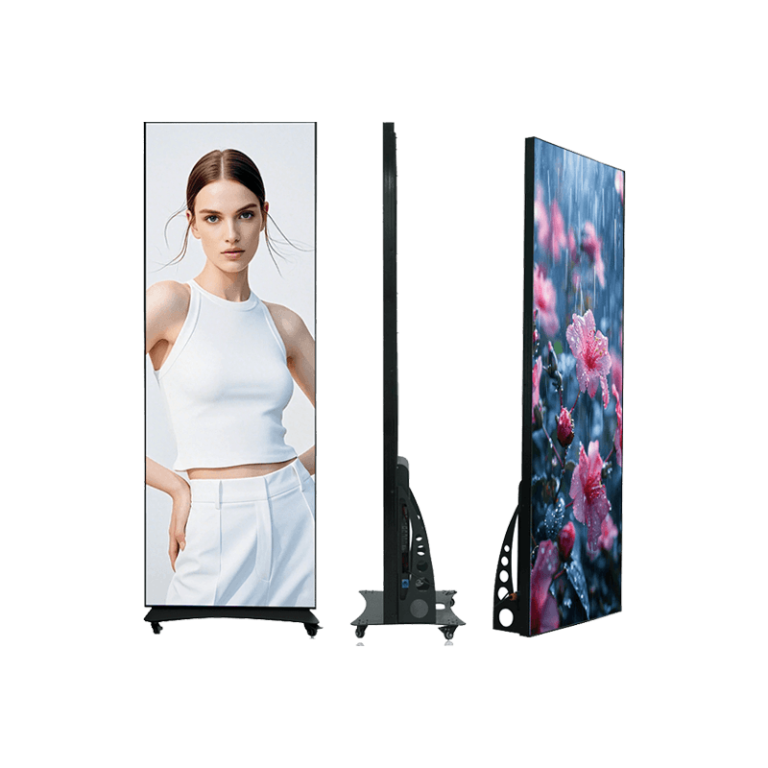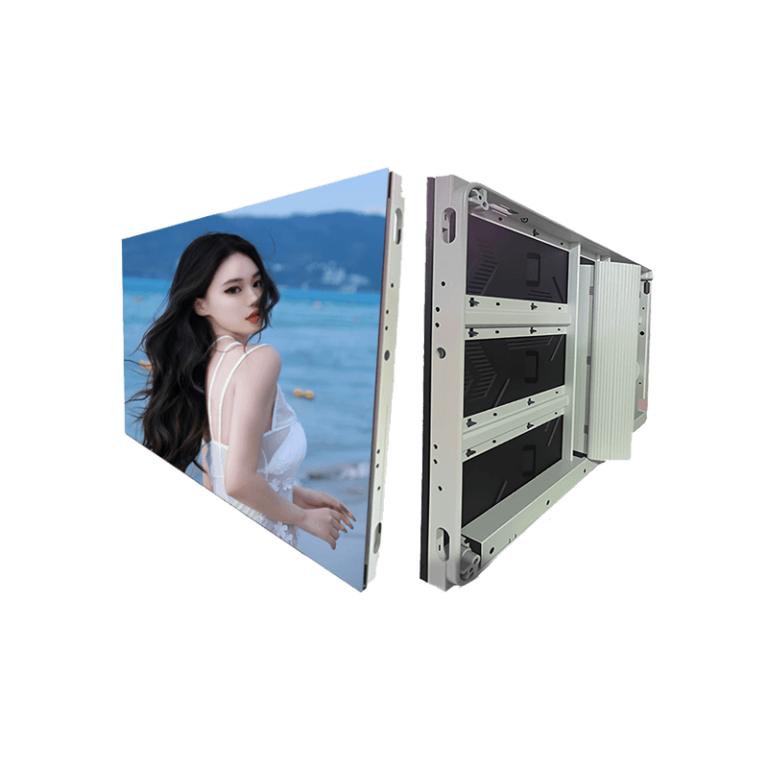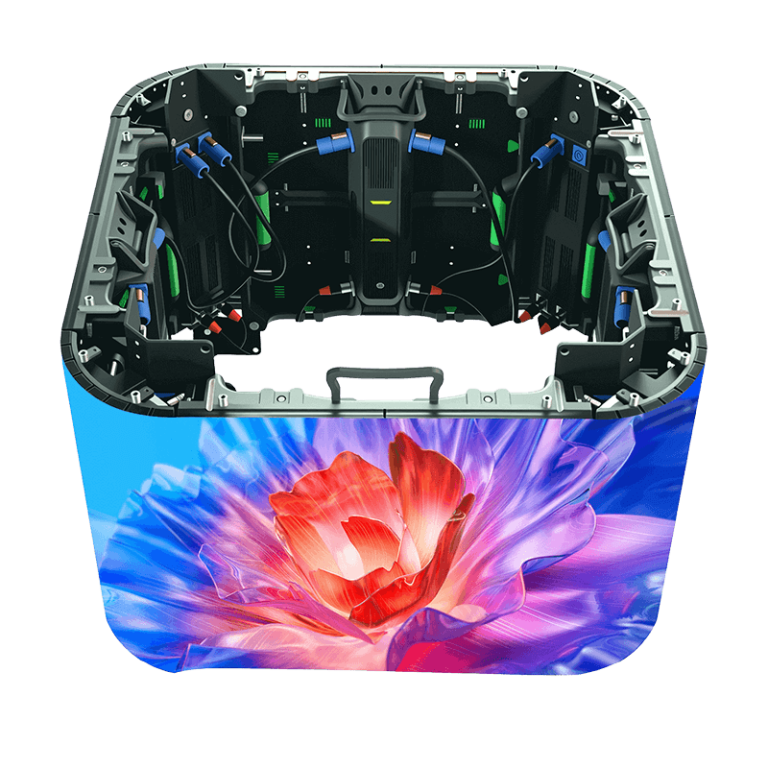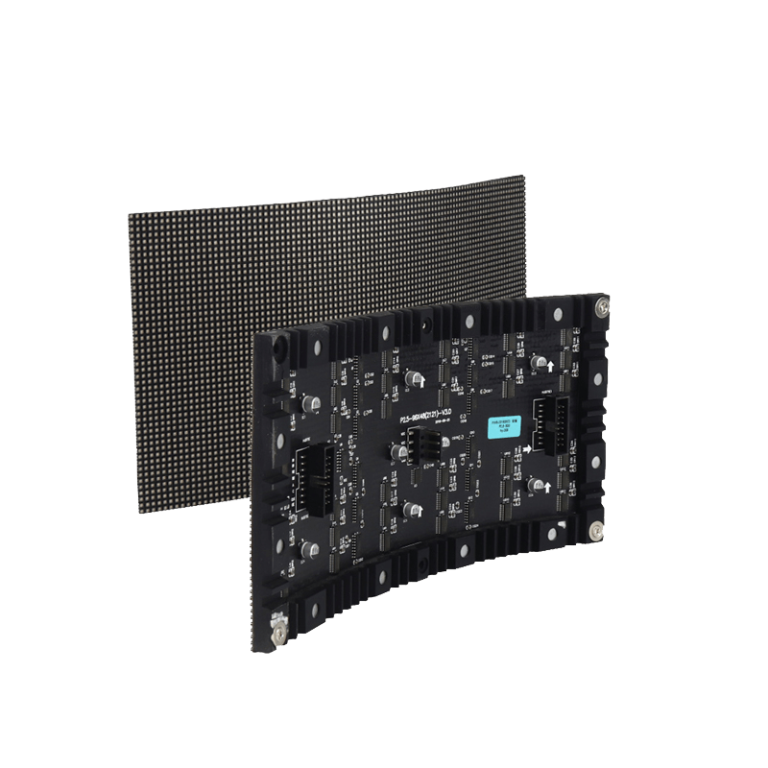
For buyers planning a display project, the real decision is rarely based on one headline specification. It usually comes down to environment, viewing distance, installation conditions, service access, and the cost of keeping the screen stable after it goes live. This article looks at the topic from a practical B2B project angle, with Leyaled’s LED display capabilities used as the technical reference.
Indoor and Outdoor Flexible LED Screens Are Built for Different Risks
Indoor and outdoor flexible LED screens can both bend around curved spaces, but they are not designed for the same job. Indoor projects usually care about close viewing distance, soft brightness, smooth image quality, and a clean installation in a showroom, stage background, lobby, or exhibition booth. Outdoor projects have to survive sunlight, dust, rain, heat, wind load, and longer viewing distances.
That difference changes almost every buying decision. A screen that looks excellent inside a shopping mall may not be bright enough for a facade. A screen built for outdoor use may be too bright or too heavy for a close indoor wall. Buyers should compare the environment first, then look at pixel pitch, brightness, waterproofing, cabinet structure, and maintenance access.
Brightness and Pixel Pitch: The First Real Difference
An indoor flexible LED screen can use lower brightness because viewers are closer and ambient light is more controlled. Leyaled’s flexible display material includes indoor models around 800 nits, wide viewing angles, high refresh rates, and modular cabinet options. That makes indoor screens useful for curved retail walls, stage visuals, creative exhibitions, and branded interiors where image comfort is important.
An outdoor flexible LED display needs far more brightness. Outdoor brightness ranges from 5500 to 10000 cd/m² in relevant display parameters, while outdoor selection guidance often recommends 5000 to 8000 cd/m² for visibility under direct sunlight. A high-brightness bendable screen should stay readable in changing daylight without forcing the system to run at unstable settings all day.
Pixel pitch also changes the buying logic. Indoor viewers may stand close to the screen, so a finer pixel pitch can make the image feel cleaner. Outdoor audiences often watch from farther away, so brightness, weather protection, and structural stability may matter more than chasing the smallest pitch. The best specification is the one that matches how people will actually view the screen.
Weather Protection and Structural Design
The biggest difference is protection. Outdoor screens need water and dust protection, sealed modules, reliable power boxes, heat dissipation, and a structure that can handle the site. Leyaled materials reference IP65 waterproof protection, waterproof rubber rings, multi-layer protection, and aluminum structures that support heat dissipation and stability. Those details are not decorative. They affect failure rate and maintenance cost.
An IP65 flexible LED wall is not only about rain. Outdoor environments bring temperature swings, dust, humidity, UV exposure, and installation stress. Before ordering, buyers should ask how modules are protected, how power and signal connections are sealed, and whether front or rear maintenance is possible after the wall is installed.
Installation and Maintenance in Curved Spaces
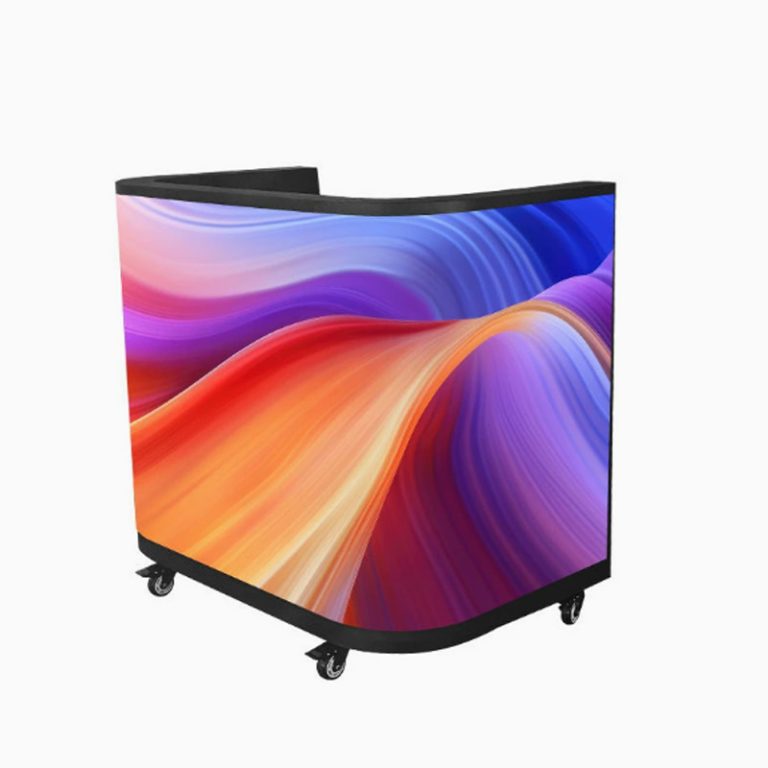
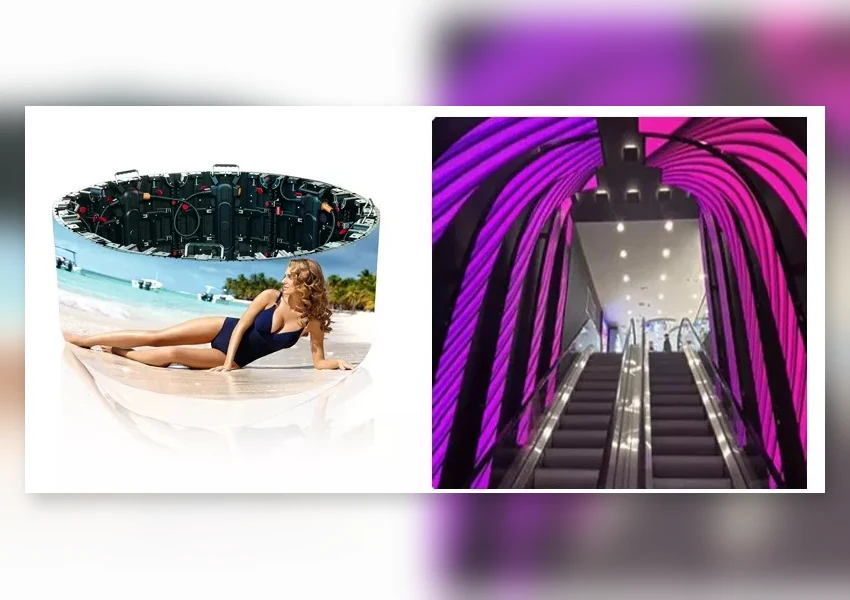
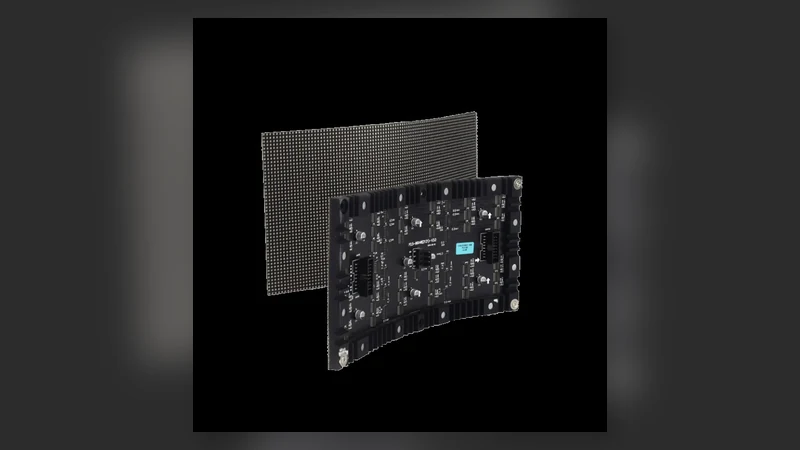
Flexible LED screens are often chosen for arcs, circles, waves, and custom shapes. Flexible modules that can form circles, arcs, vertical lines, and other creative layouts, with magnetic adsorption for easier installation and maintenance. This is useful when a flat cabinet would fight the building’s shape.
The installation still needs careful planning. Curve radius, wall structure, module weight, access space, signal routing, and replacement method all affect the final cost. A front-maintenance design can save space because technicians do not need to remove the entire screen from behind. For commercial projects, that can reduce downtime and make future service easier.
What may look so simple in a rendering of a flexible LED wall first needs to be checked against the actual conditions of a site. This is especially true with regard to the necessary space for cables, for power distribution, and for ventilation as well as for the actually flexible change of individual wall modules. Such details are a lot easier to solve before production than after the wall has already been built.
How to Choose the Right Flexible LED Screen for a Project
Start with the application. Indoor retail and exhibition projects usually need clean color, quiet operation, close-view pixel pitch, and a neat finish. Outdoor facade or event-facing projects need brightness, weather protection, higher structural reliability, and a service plan. A buyer comparing flexible LED screens should not use one specification sheet for every environment.
Procurement teams should also look at how the screen will be serviced after installation. A curved screen in a high-traffic retail space may need fast module replacement without closing the whole area. An outdoor wall may need access planning for regular checks after heavy rain, heat, or dust exposure. The better specification is not just the one that looks good in a drawing. It is the one that lets the site team keep the display running with predictable service time and clear spare-part planning. That is especially important when one display becomes part of a store, venue, or facade identity for several years.
Leyaled can support discussions around outdoor flexible LED display options, commercial spaces, and custom LED display projects. Buyers can also review the Leyaled LED display homepage for overall product direction, discuss curved commercial needs through commercial display solutions, and confirm project details with contact support.
FAQ
Q1: Can flexible LED screens be used outdoors?
A1: Yes, but only when the product is designed for outdoor conditions. Buyers should check brightness, IP rating, waterproof structure, heat dissipation, and maintenance access.
Q2: What does IP65 mean for a flexible LED wall?
A2: IP65 indicates strong dust and water protection for outdoor use. It does not replace structural review, power protection, or installation planning.
Q3: Can Leyaled provide indoor and outdoor flexible LED display options?
A3: Yes. Leyaled’s product materials cover flexible display options, indoor and outdoor LED displays, and project support for custom commercial scenes.