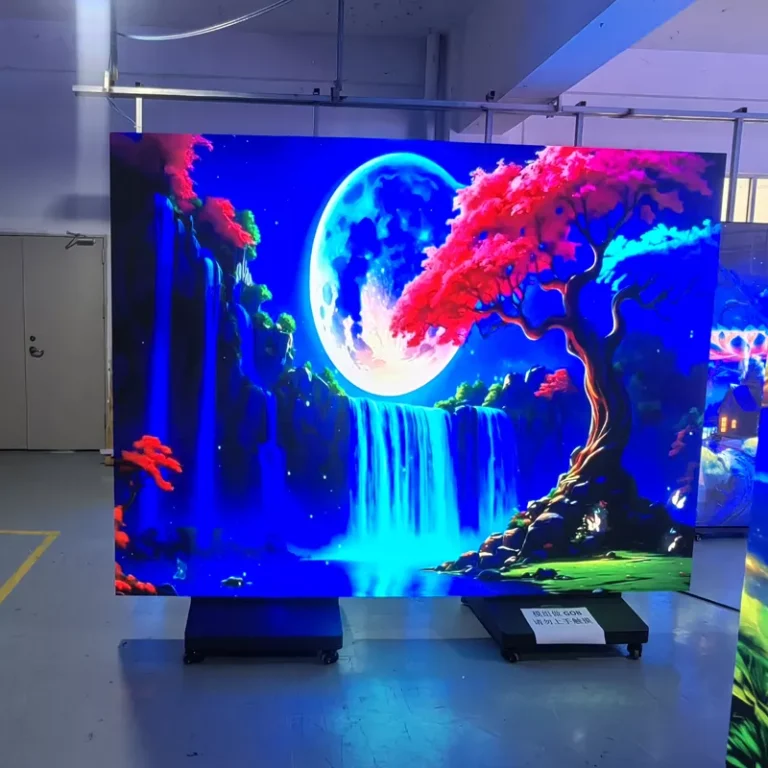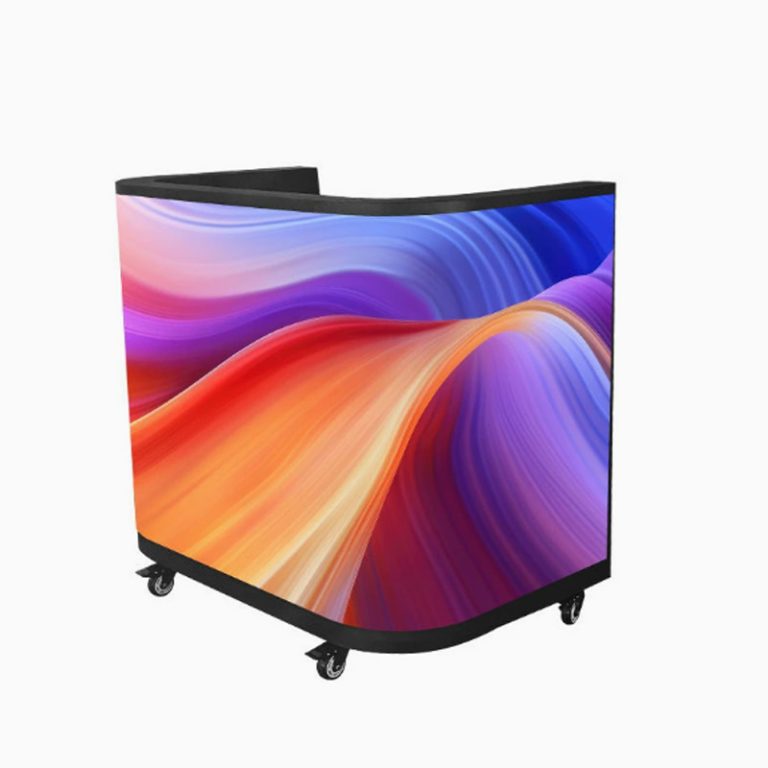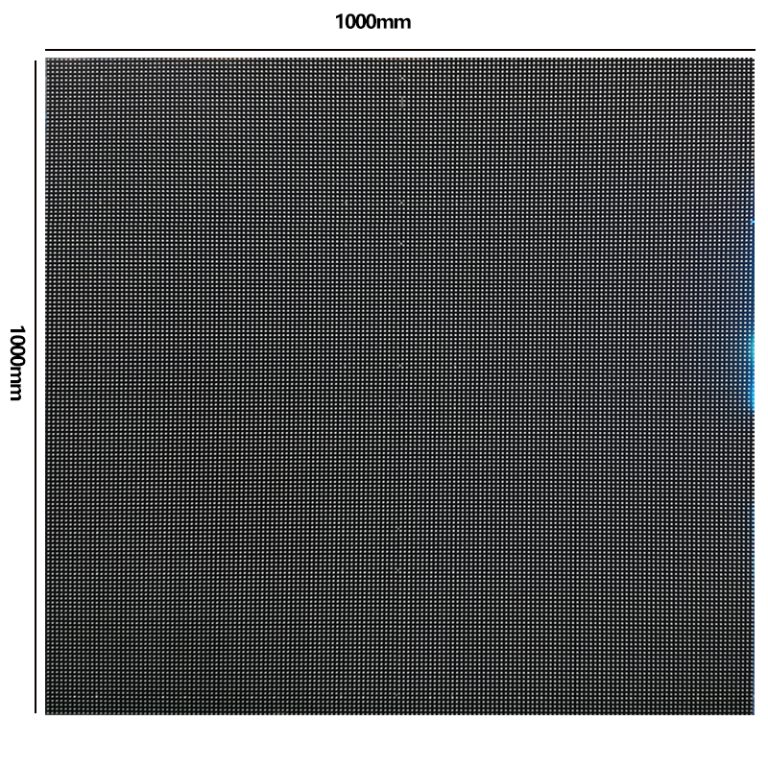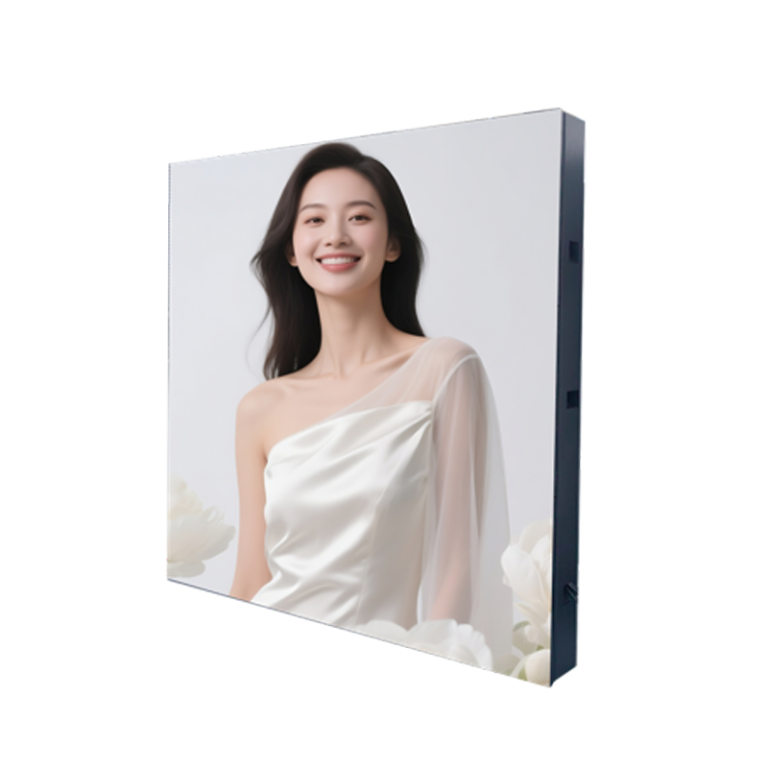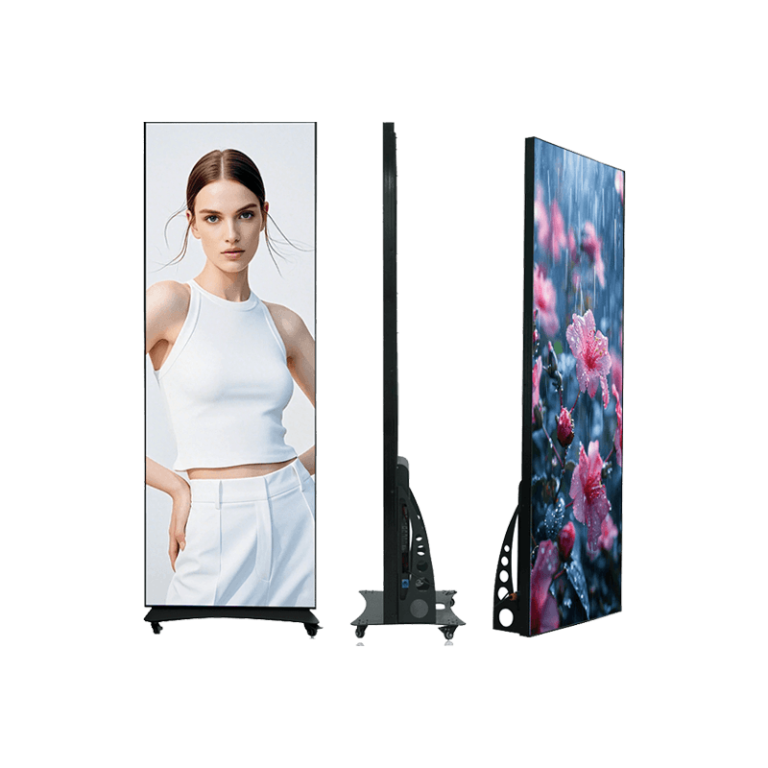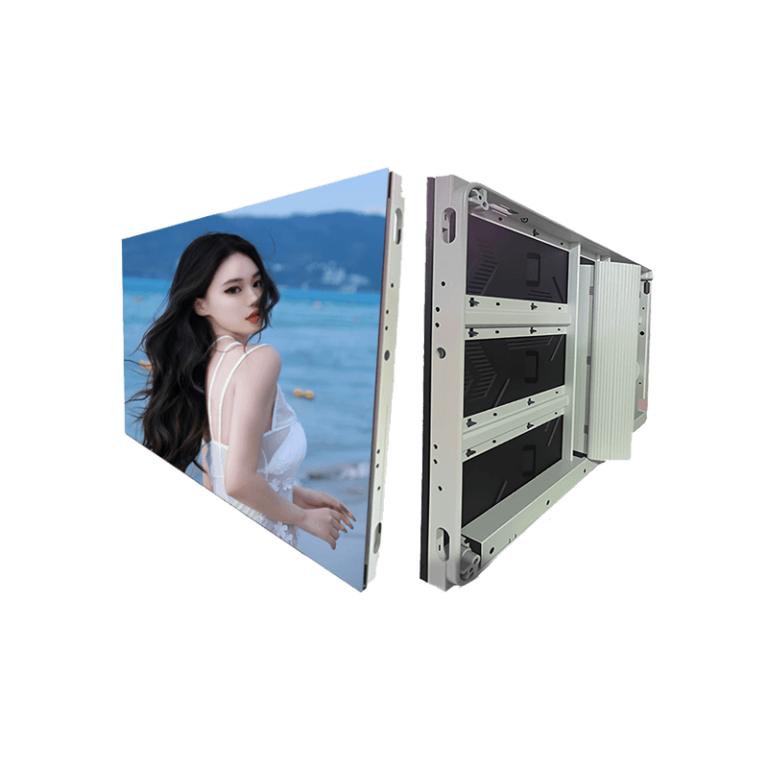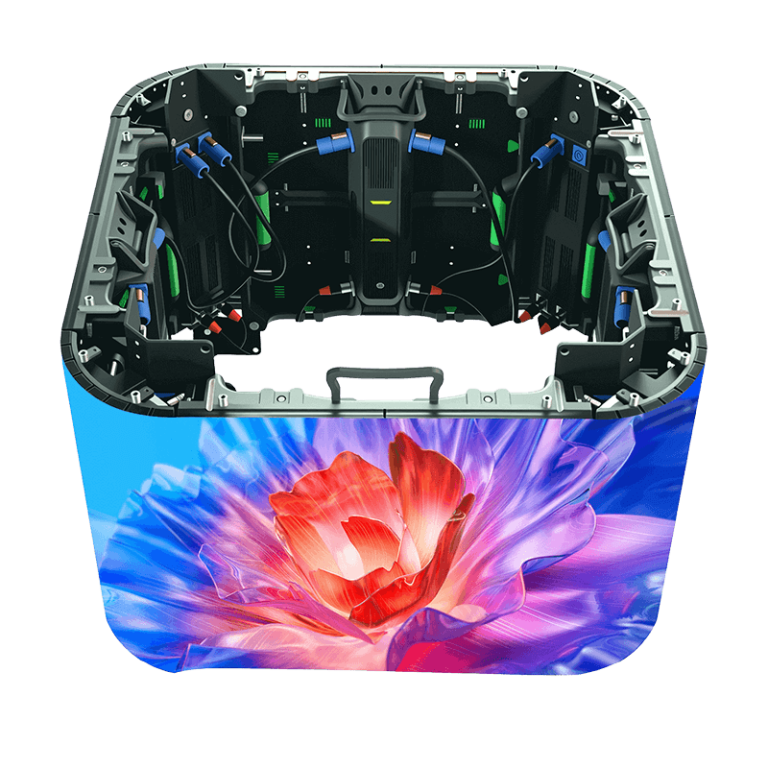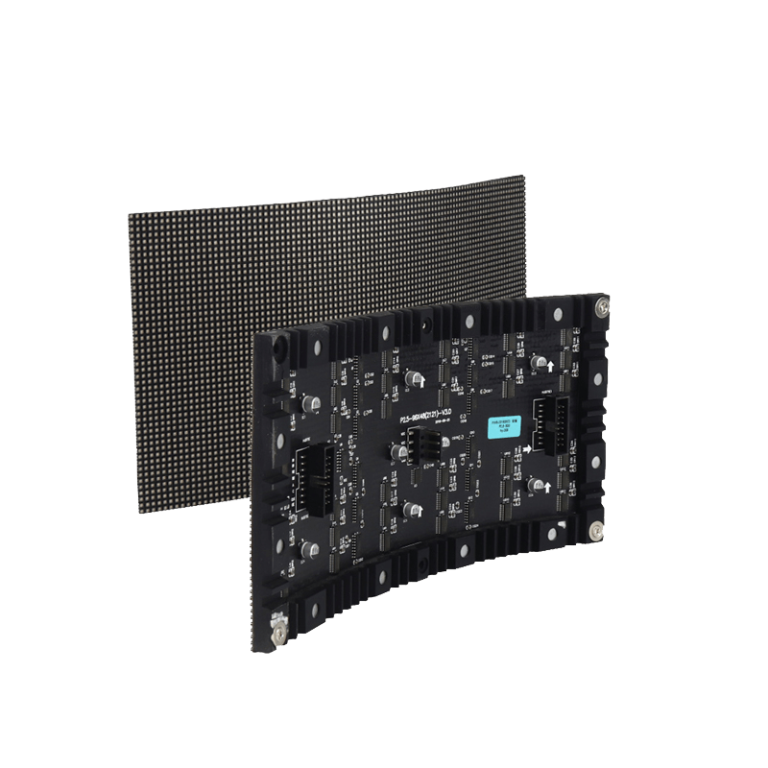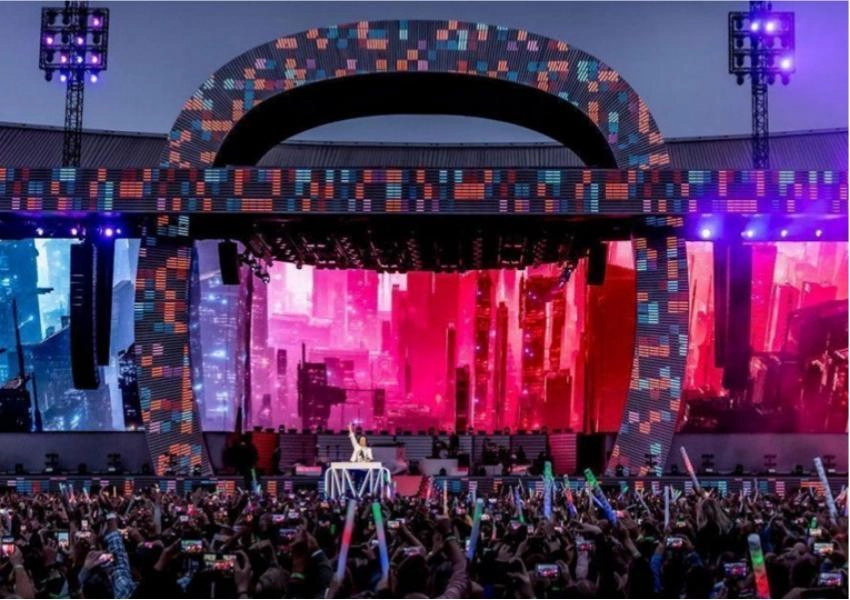
Outdoor LED screens for events have become central to modern production design, merging technology and creativity to deliver immersive experiences. They enhance visual impact, ensure audience engagement, and serve as multifunctional platforms for live streaming, branding, and advertising. The LED display screen, designed with a custom die-cast aluminum cabinet, prioritizes lightness, thinness, and quick installation. Its slim design allows for rapid installation, dismantling, and transportation, making it suitable for fixed installations. This flexibility enables organizers to adapt displays to different stage layouts or outdoor venues without compromising visual performance.
Key Technical Specifications to Evaluate
Pixel pitch remains one of the most decisive factors when selecting LED screens for events. A smaller pitch delivers sharper visuals at close range but increases cost and power demand; conversely, larger pitches suit distant viewing zones such as festival grounds or stadiums. Refresh rate is equally crucial: high values (≥3840 Hz) prevent flicker during camera recording or live streaming—an essential feature for broadcast-quality visuals.
Contrast ratio and color uniformity determine how vivid the images appear under varying lighting conditions. With a refresh rate of ≥3840 Hz, there’s no flicker or motion blur when shooting with cameras or phones—it’s good for events that need live streaming or media coverage. These specifications collectively define how effectively an LED display can reproduce dynamic content in real-world event environments.
Assessing Brightness Requirements for Outdoor Conditions
Determining Optimal Brightness Levels for Different Environments
Outdoor event planners must align screen brightness with ambient light conditions to ensure visibility without overexposure. Daytime shows require luminance above 5000 nits to counteract sunlight glare, while evening performances can operate efficiently at moderate brightness levels around 3000–4500 nits. White Balance Brightness (nits) 3840–7680Hz supports consistent readability even under strong daylight—critical when displaying sponsor logos or live feeds.
Understanding nit measurements allows precise calibration between environmental brightness and audience comfort. The aluminum profiles P6.67 exemplify this balance through their ultra-high refresh rate (3840–7680 Hz) combined with energy-efficient modules that maintain luminous intensity across wide color gamuts.
Balancing Brightness with Power Efficiency
High brightness often correlates with increased energy draw and heat generation; however, advanced LED modules now achieve superior luminance while minimizing consumption through smart power management systems. It has a built-in high-efficiency power supply and heat dissipation structure, so it won’t overheat even if used continuously for over eight hours outdoors. Intelligent controllers can dynamically adjust brightness based on ambient light sensors—optimizing visibility while extending component lifespan.
Evaluating Weatherproofing Standards and Durability
Importance of IP Ratings in Outdoor LED Screens
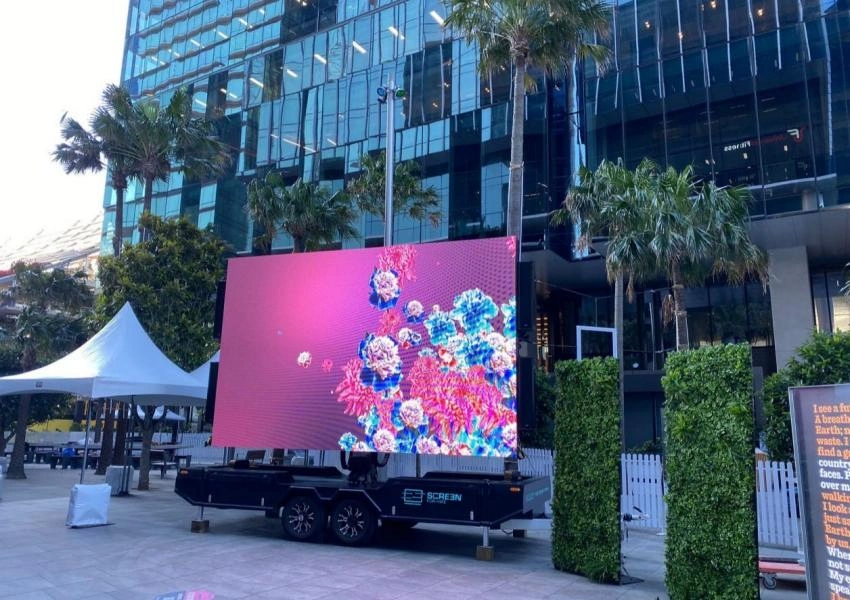
Weather resistance defines reliability in open-air installations where dust, rain, or humidity pose constant threats. Our outdoor P3.91, which has IP65 dustproof and waterproof protection, works stably from -20°C to 50°C. Such ratings helps protect against moisture ingress that could otherwise cause corrosion or electrical failure during long-term operation. To prevent condensation within the installation’s internal connections due to rapid changes in temperature, correct sealing must be implemented to withstand a variety of different environments that can occur in various coastal and desert locations around the world, which have massive changes in temperature from daytime to nighttime.
Structural Integrity and Environmental Resistance
Durability extends beyond waterproofing; structural stability supports safety under wind pressure or frequent assembly cycles typical of touring setups. The aluminum frame construction resists deformation while offering excellent corrosion resistance in humid environments.
Selecting the Right LED signage for Event Venues
For displays and stages, Surface-Mounted Device (SMD) LEDs are ideal for color-rich high-definition projections and for large-screen applications with wide viewing angles. Dual In-line Package (DIP) LEDs are extremely bright and, therefore, best for very long distances and for outdoor applications in full sunshine. For the selection of the right LED for an application, two main criteria have to be taken into account: the distance to the audience and the weather conditions. SMD LEDs are perfect for concert backdrops, whereas DIP LEDs are recommended for very large public spaces such as plazas because of their high light output and durability, rather than for very detailed projections.
Integration Considerations for Professional Event Applications
Professional event production demands seamless synchronization between multiple displays across large sites.
Installation Logistics and Maintenance Planning
Efficient logistics hinge on modular lightweight panels enabling safe rigging on trusses or mobile stages. Maintenance accessibility—front versus rear service—affects operational downtime between shows. When the display screen malfunctions, individual modules can be quickly replaced due to its modular design, reducing equipment downtime caused by maintenance. Regular calibration guarantees consistent image uniformity throughout extended usage cycles.
Ensuring Visual Performance Under Varying Conditions
Managing Viewing Angles and Audience Experience
The screens have to be seen clearly from all over the place. Open-air concerts take place in fields hundreds of meters across, so spectators have to be able to see the same images wherever they’re sitting. The anti-glare coating supports good visibility in the sunshine and also that the images are still clear when they’re being backlit by spotlights at night. The calibration tool helps to maintain the same level of brightness on all screens. A simple process of equalization of diodes in screens to prevent patchy display of images due to aging of diodes, which enhances the visual quality of images displayed, and also creates an excellent brand experience for sponsors.
Testing Before Deployment at the Event Site
Pre-deployment testing verifies performance metrics such as brightness adequacy under real lighting conditions or waterproof reliability after simulated rainfall exposure. Weather simulations help assess waterproofing reliability before installation. Conducting these evaluations reduces the risk of failure during critical showtime operations where downtime could disrupt schedules or damage brand reputation.
Partnering with Reliable Suppliers of Event LED Signage
Criteria for Selecting a Trusted Manufacturer
Choosing dependable partners is crucial when procuring top LED signage for event venues since technical support directly impacts performance continuity. The clear information given about warranty periods and terms is indicative of manufacturers’ confidence in their products’ long-term durability and gives suppliers a unique selling point when compared to others available on the global market.
Evaluating Cost vs Long-Term Value
Budget constraints often tempt organizers toward low-cost alternatives; however, inferior materials may compromise weatherproofing standards, leading to higher maintenance expenses later. With excellent anti-corrosion performance, extending the LED screen’s service life. Investing upfront in high-grade modules supports sustained visual excellence across multiple deployments—reducing the total cost of ownership over time.
About Us – Your Partner in Professional Event Display Solutions
At Leyaled, we specialize in designing advanced outdoor LED screens tailored to diverse event scenarios worldwide. Our Shenzhen-based production facility spans 7,200 square meters and is equipped with eight automated SMT lines delivering ISO‑certified quality assurance. We are a high-tech enterprise specializing in the integrated LED display industry encompassing R&D, production, and sales. With a well-established marketing network across East China, South China, Central China, and North China.
Our portfolio includes indoor/outdoor full-color displays, engineered with premium corrosion-resistant frames ideal for coastal climates. For large events that require customized installations at specific venues, our technical specialists are available to consult and provide a complete service from planning to after the event for maintenance, etc. Please contact us through our website.
FAQ
Q1: What pixel pitch is best suited for outdoor concerts?
A1: For audiences positioned within 5–20 meters from the stage backdrop, a pixel pitch of around 3–4 mm offers optimal clarity without high cost; larger venues may adopt a 6–8 mm model, balancing resolution with budget efficiency.
Q2: How does IP65 protection benefit outdoor installations?
A2: IP65-rated enclosures prevent dust ingress entirely while resisting water jets from any direction—ensuring continuous operation even during heavy rainfall or humid climates common in coastal regions.
Q3: Can modular panels be customized into non‑rectangular shapes?
A3: Yes, modular splicing systems allow flexible configurations, including curved arcs or corner assemblies, enabling designers to match architectural contours while maintaining seamless image output across all connected panels.