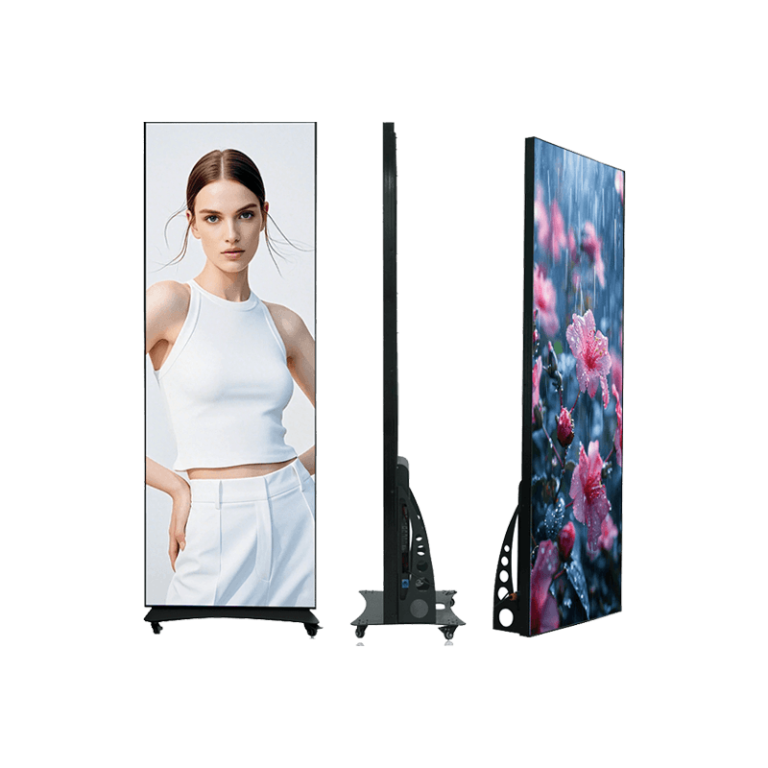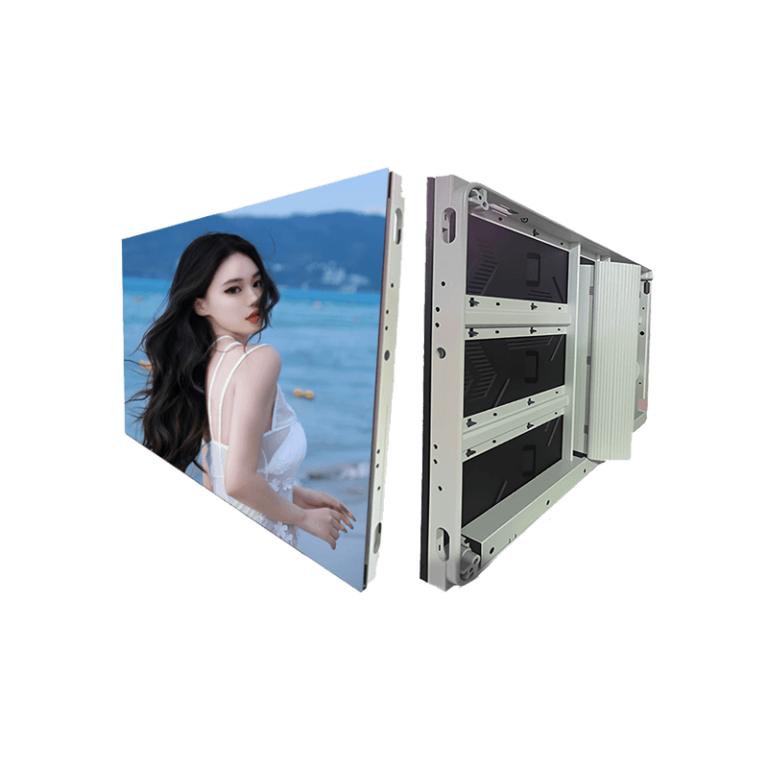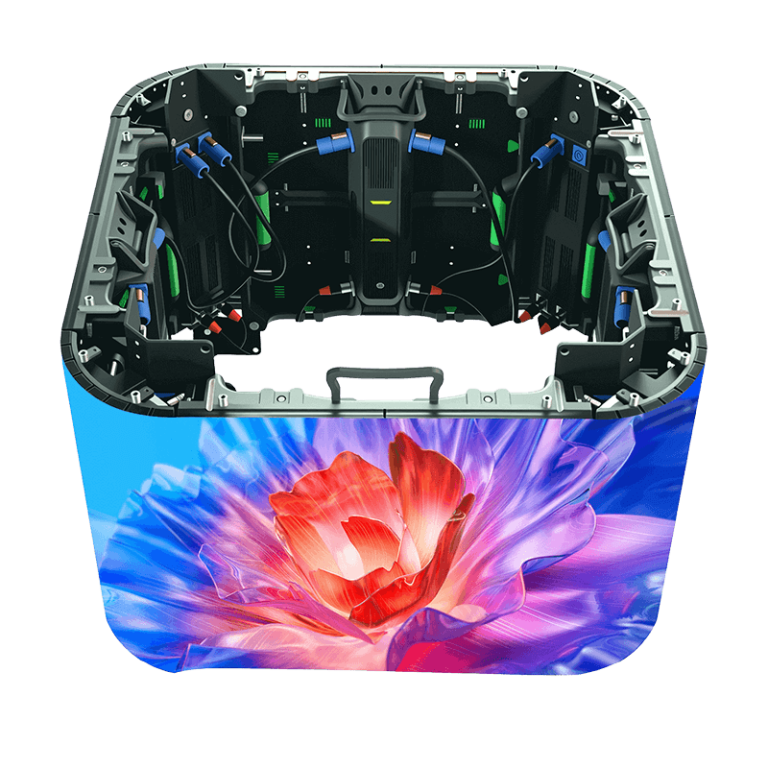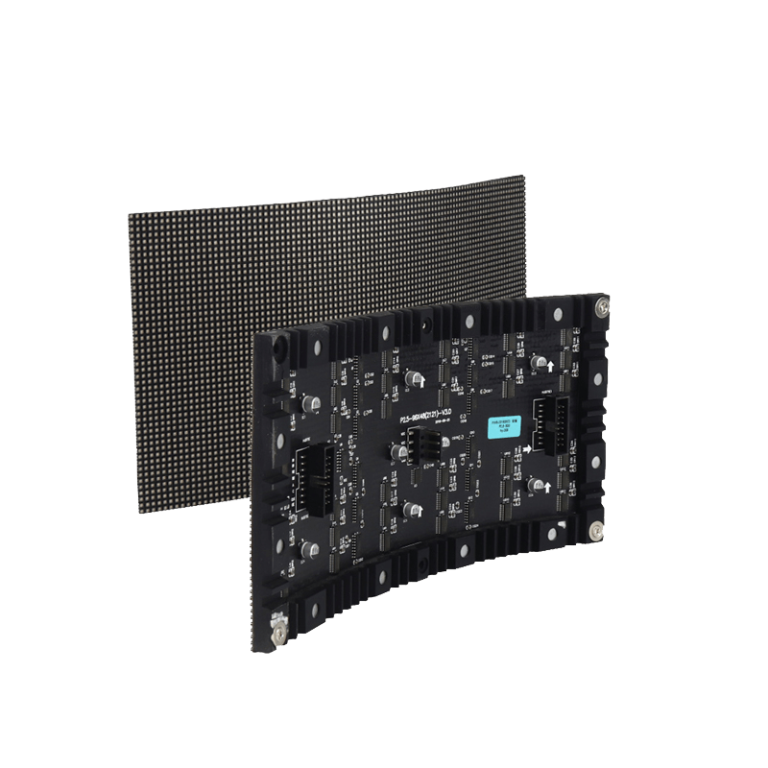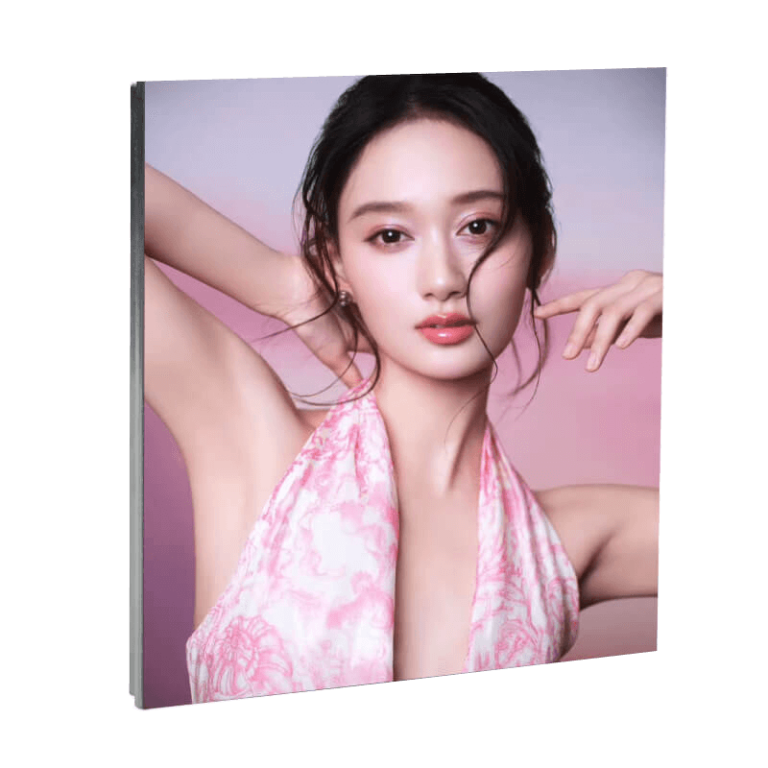
The global display industry is entering a transformative phase, where curved flexible LED screen innovations are setting new standards for design and functionality. From Rigid to Flexible: A Revolutionary Shift in Display Form Factors. The development of display technology has progressed from the bulky traditional CRT monitors to the thinner and lighter LCD monitors, and now to the revolutionary breakthrough of flexible display technology. Benchmarks indicate an increasing demand for lightweight, adaptable, and energy-efficient display solutions that integrate seamlessly into modern architecture and retail environments.
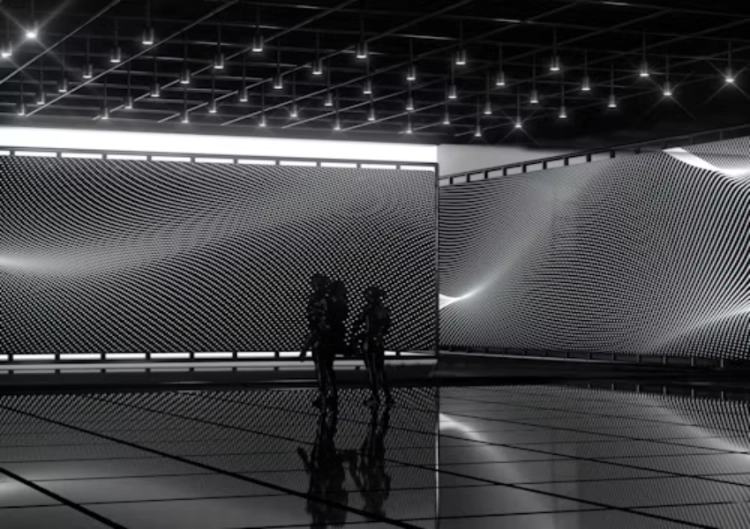
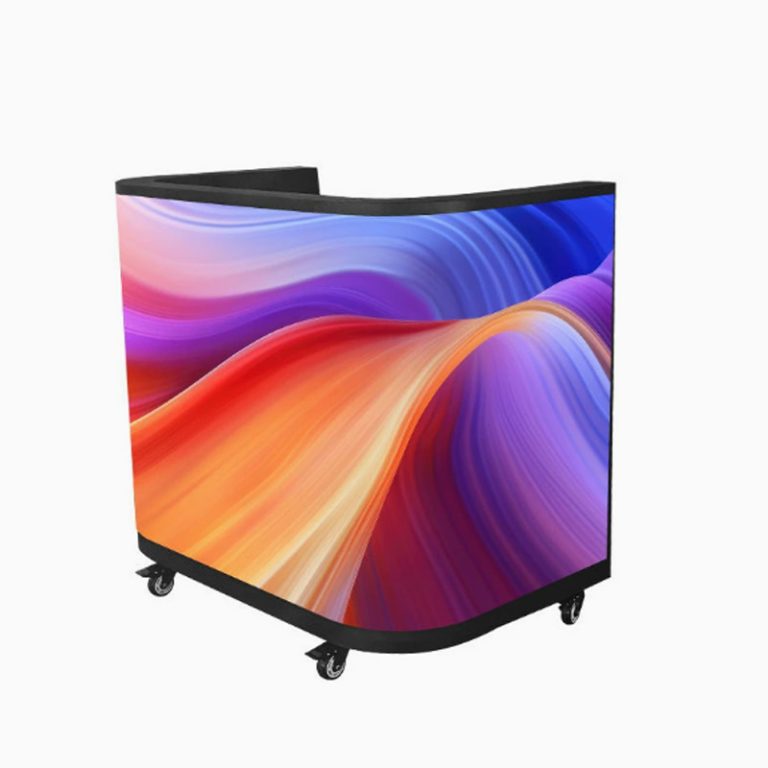
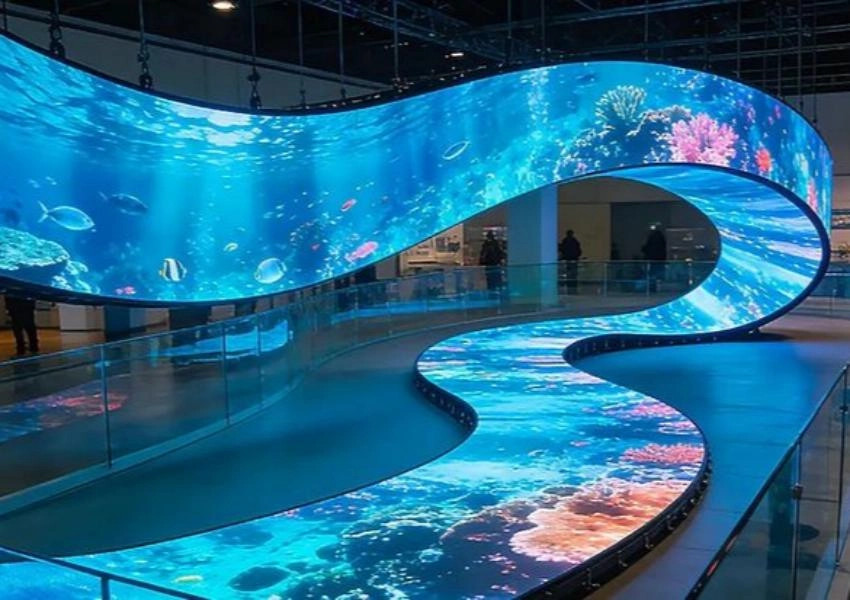
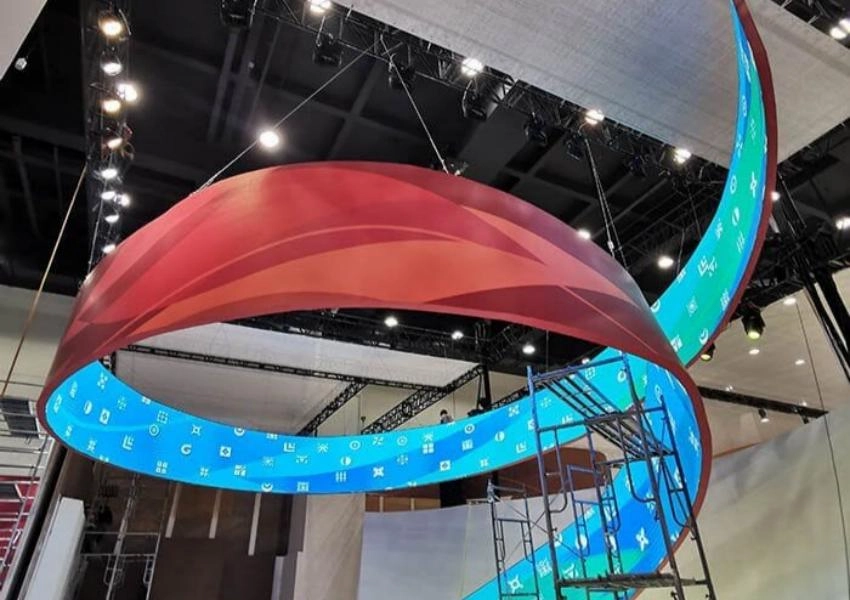
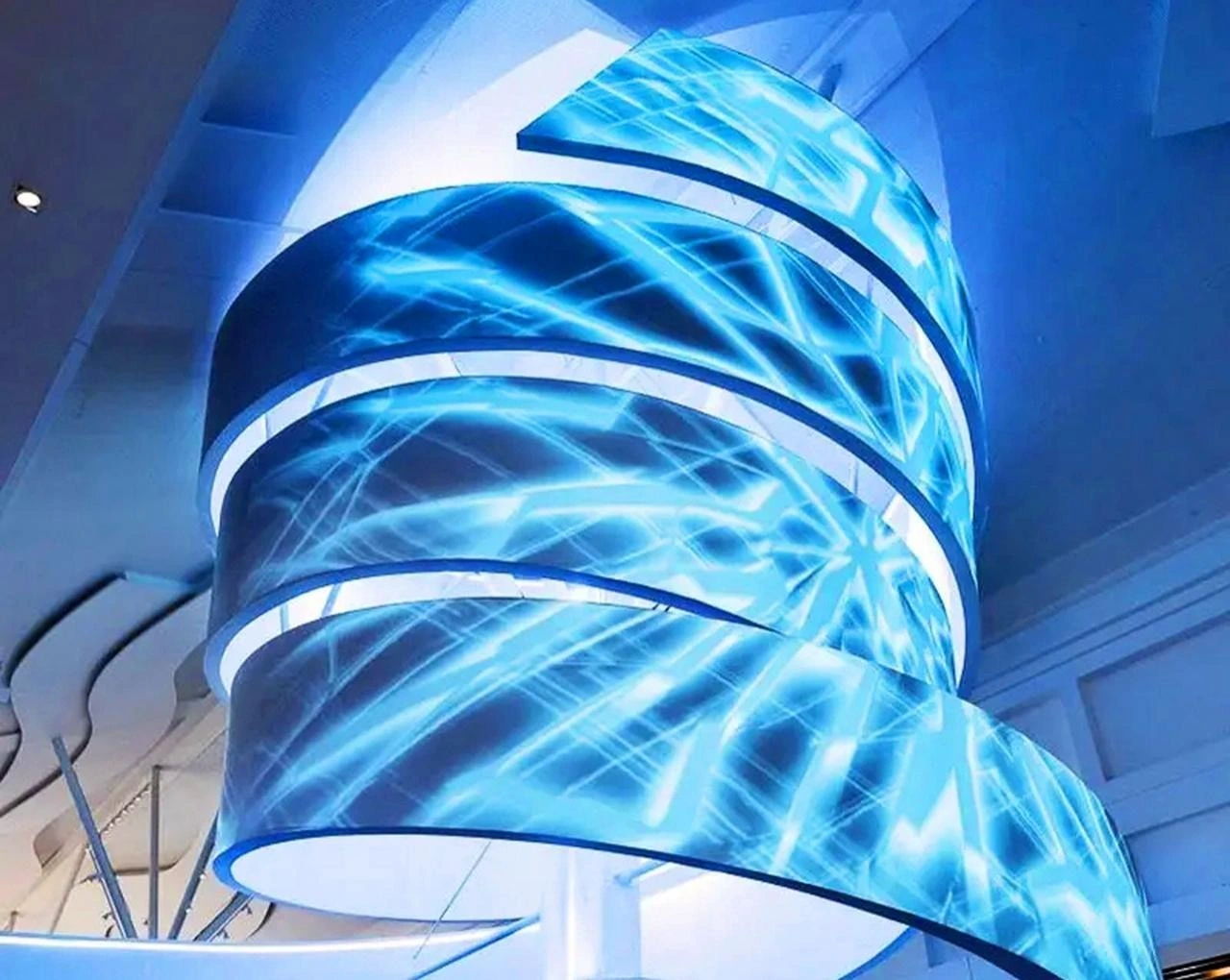
With advancements in materials science and manufacturing processes, display screen shapes have expanded from simple rectangles to various freeform forms such as curved surfaces, rings, and waves. This evolution has allowed flexible LED screens to redefine how commercial and architectural spaces communicate visual information. The curved flexible LED screen new benchmarks for 2026 further highlights the growing preference for displays that combine aesthetic appeal with structural adaptability.
Comparing Market Adoption Rates Between Flexible and Rigid Displays
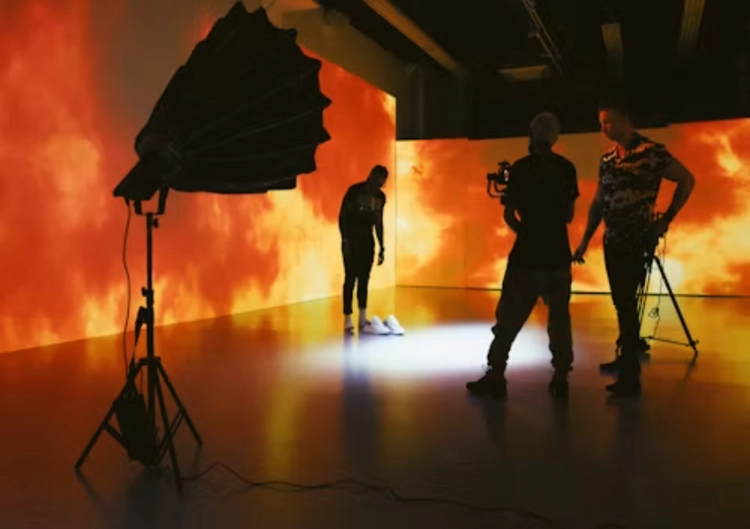
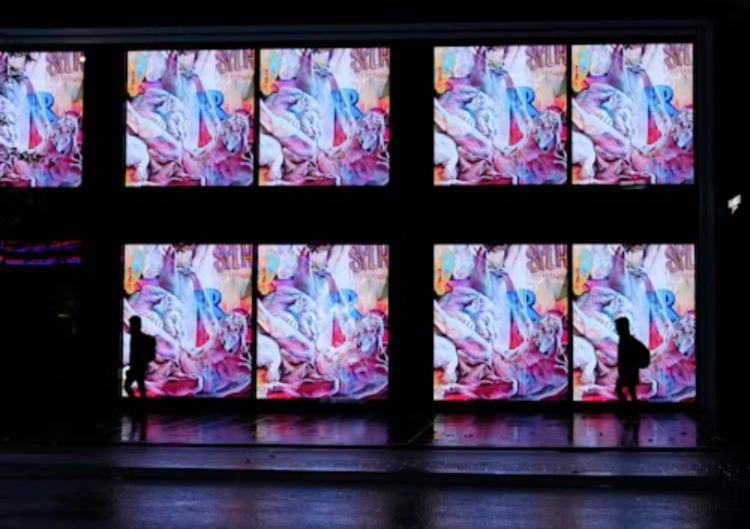
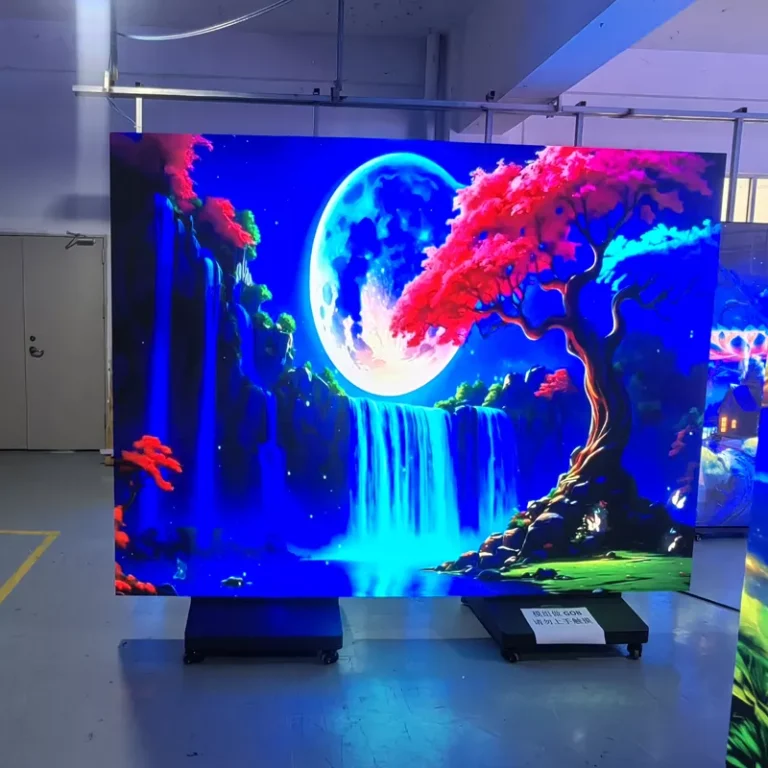
Flexible LED screens are shining brightly in commercial retail, stage design, exhibition halls, and other fields. They can conform to cylindrical and curved walls to create immersive displays and enhance brand impact. In contrast, rigid displays maintain their presence in static signage or industrial control applications where flat surfaces dominate. As creative installations continue to expand—particularly with curved façades or wrap-around interior designs—the curved flexible LED screen benchmarks 2026 confirm a steep rise in adoption rates.
Structural and Design Differences Between Flexible LED Screens and Rigid Displays
Composition and Material Engineering
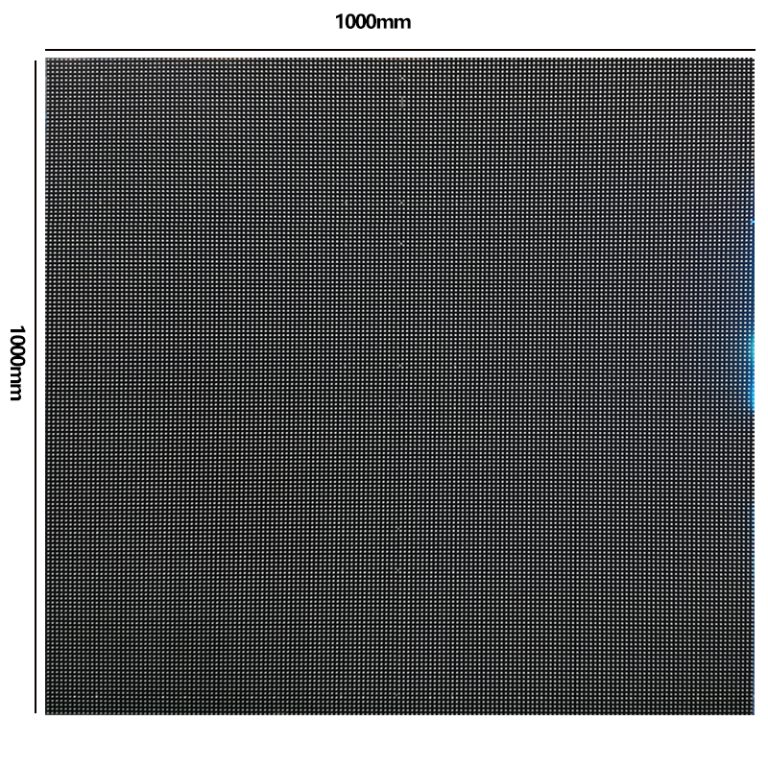
The fundamental difference between flexible LED screens and rigid displays lies in their material composition. Flexible LED screens are mainly composed of flexible modules, which are equipped with high-strength magnetic core connection devices and flexible FPC circuit boards made of flexible insulating substrates. The faceplate and base shell are made of high-temperature-resistant and bend-resistant silicone material.
Installation and Integration Considerations
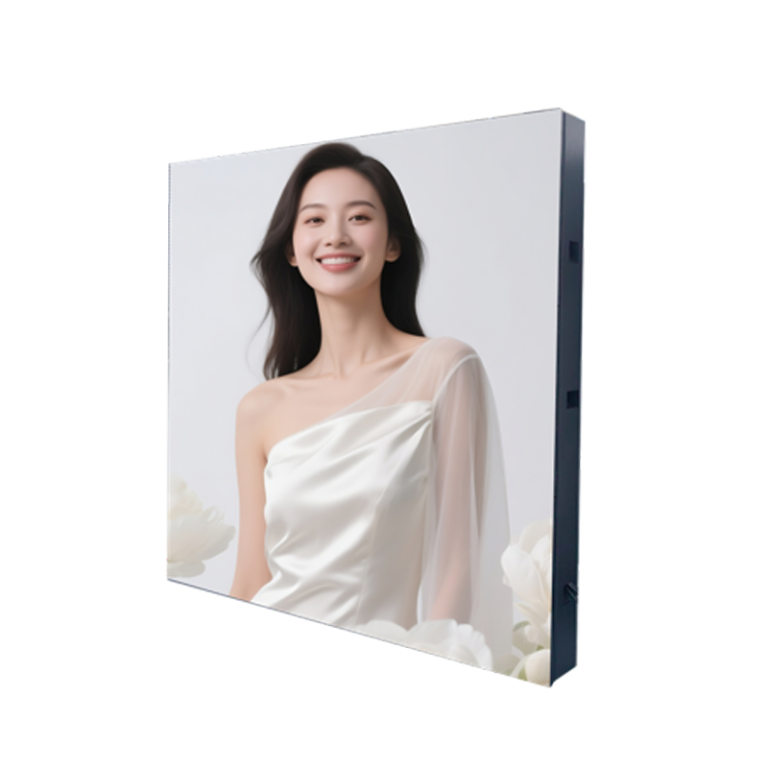
Installation flexibility is one of the strongest advantages of modern flexible LED systems. Strong magnetic adsorption, easy installation, and convenient maintenance make them suitable for irregular surfaces or curved environments such as tunnels or domes. However, modular magnetic connections used in advanced systems significantly reduce setup time while improving maintenance accessibility—features now standard in next-generation designs like the LED Flexible Screen.
Performance Metrics: Evaluating Visual Quality and Efficiency
Brightness, Contrast, and Color Accuracy Comparison
Visual performance remains a defining factor when evaluating display technologies. Even when bent, the image quality remains unaffected, with a uniform and consistent display, clear images, and vibrant colors. This ensures consistent brightness across curves without pixel distortion—a critical advantage over rigid panels that often suffer from uneven light distribution at extreme angles.
Advanced calibration systems embedded within modern flexible LEDs deliver precise color accuracy under variable lighting conditions. The indoor Flexible Screen display achieves HDR-ready output with high refresh rates exceeding 120Hz for smooth motion rendering—meeting the curved flexible LED screen benchmarks’ 2026 performance expectations.
Energy Efficiency and Heat Management
Flexible LED screens also have the advantages of low power consumption and long lifespan. By precisely controlling the current, power consumption can be reduced by 20%-30%, effectively extending the lifespan of the large screen.
Durability, Maintenance, and Longevity Factors
Resistance to Environmental Stressors
For outdoor use, screens are designed to withstand moisture and UV exposure, such as being in rainy weather; the display is waterproof and has an IP65 rating. We also offer flexible LED screens, which have protective coatings to allow them to be flexible while still running smoothly in situations of vibration and temperature changes. There are also flexible screens that are IP65-rated outdoor models
Maintenance Accessibility and Replacement Procedures
Maintenance efficiency plays a very large role in the total cost of ownership for digital displays. Leyaled’s flexible displays are designed to be very easy to maintain and to replace individual panels without having to disassemble the entire display. When comparing it to fixed displays that have to be fully disassembled for any repairs, this is a huge advantage. Our advanced controllers have remote monitoring tools. This means you can carry out predictive maintenance and schedule the necessary work based on real-time diagnostics from your flexible screens. All this is done to minimize the amount of time that your displays are out of action and to ensure that the correct time is chosen for maintenance, for example, when maintenance is due on other displays within your extensive distributed set of displays.
Cost-Benefit Analysis: Balancing Investment with Long-Term Value
Initial Procurement vs Lifecycle Costs
Firstly, it would appear that purchasing a curved flexible LED screen would be more expensive than purchasing a conventional fixed-size rigid display. However, if one considers the lifecycle costs, then the curved flexible LED screen will start to offer some very good ROI, as the screen will be able to be reconfigured many times, reducing the reinstallation costs as opposed to, say, an exhibition or event where the display would be reconfigured regularly. In addition, for static indoor advertising in a fixed room, it would be better to use a rigid display for cost reasons; however, for all other scenarios, curved flexible LED screen benchmarks in 2026 indicate flexibility-driven ROI gains. Rigid displays are better for static indoor advertising, but for flexibility-driven ROI, the same will be achieved by curved flexible LED screen benchmarks in 2026. This will aid in longer use of the screens in multiple scenarios and thus will be value for money in the long run.
Application-Specific Return on Investment (ROI) Insights
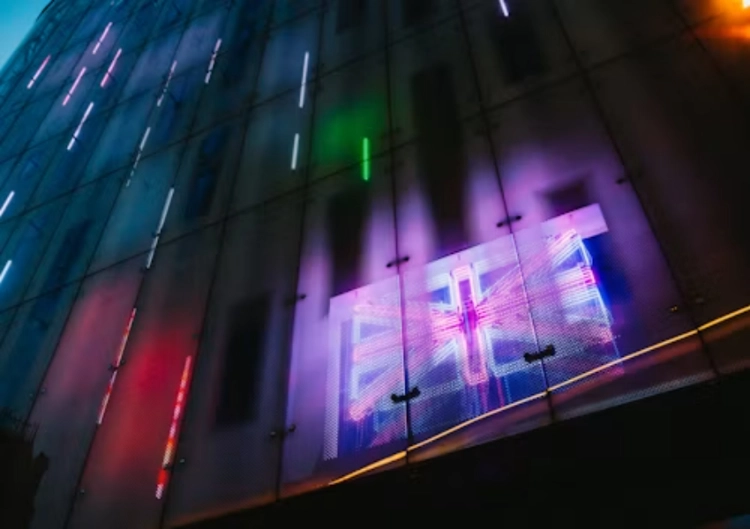
Architectural façades benefit significantly from seamless module integration into building contours—transforming functional surfaces into visual landmarks without structural compromise. Event production companies leverage reconfigurable panels across multiple stage designs using identical hardware sets—maximizing asset utilization rates over time. Corporate clients deploying modular indoor solutions achieve unified brand presentation across offices or retail spaces through customizable curvature options available.
Leyaled: A Reliable Partner for Advanced Display Solutions in 2026 Projects
Leyaled stands at the forefront of innovation within the professional display sector as a leading LED display manufacturer & supplier. With 15 years of expertise in developing indoor and outdoor systems tailored to complex spatial requirements, we specialize in delivering high-performance solutions that align with global standards, including ISO 9001:2008 certification.
FWS Technology Co., Ltd. (Leyaled) is a high-tech enterprise specializing in the integrated LED display industry encompassing R&D, production, and sales. Our production facility spans more than 7,200 square meters, equipped with eight automated SMT lines, ensuring precision manufacturing consistency across all product ranges—from small-pitch indoor modules to large-scale outdoor installations meeting curved flexible LED screen new benchmarks set for 2026.
Dedicated technical teams provide OEM/ODM customization supported by a global service network offering installation guidance, calibration training, and post-sale maintenance assistance through our official contact page.
Strategic Considerations When Choosing Between Flexible and Rigid Displays for 2026 Projects
Selecting between flexible or rigid displays depends on project objectives involving scale, environment exposure levels, curvature needs, or visual impact goals. For projects emphasizing creativity within constrained spaces—such as museums or flagship stores—the flexibility advantage ensures greater design freedom while enhancing audience engagement metrics through immersive spatial integration.
Leveraging flexibility becomes a competitive differentiator when architectural vision demands non-linear configurations impossible with conventional panels; adopting curved flexible LED screen solutions ensures both aesthetic coherence and operational efficiency aligned with future-proof digital transformation strategies.
Conclusion: Selecting the Optimal Display Solution for Future-Proof Installations
Curved flexible LED screens establish new performance standards heading into 2026 by combining superior adaptability with energy-conscious operation principles suitable across multiple sectors—from commercial advertising to smart infrastructure projects worldwide. Their ability to merge seamlessly into built environments transforms static architecture into dynamic communication platforms capable of evolving alongside technological progressions.
Partnering through our official website provides access to cutting-edge hardware backed by comprehensive support networks, ensuring every project benefits from precision engineering excellence rooted in years of research-driven innovation.
For tailored consultation regarding upcoming initiatives or integration planning assistance aligned with curved flexible LED screen benchmarks’ 2026 expectations—reach out via our dedicated contact channels available online today.
FAQ
Q1: What are the main advantages of a curved flexible LED screen compared to a rigid display?
A1: Curved flexible LED screens offer superior adaptability to non-linear surfaces while maintaining lightweight construction; they simplify installation processes on complex geometries without sacrificing image fidelity or brightness uniformity across curves.
Q2: How do your products align with the curved flexible LED screen benchmarks of 2026?
A2: Our latest series integrates next-generation driver ICs combined with ultra-thin substrates, achieving higher refresh rates beyond 3840 Hz alongside adaptive brightness control systems designed specifically to meet projected industry performance thresholds set by upcoming standards.
Q3: How can I get technical support after purchasing?
A3: Clients receive full-service assistance covering installation guidance through calibration training programs supported by remote diagnostics; all inquiries can be directed through our contact portal, ensuring prompt expert response worldwide.