The digital display landscape has entered a new phase where flexibility and creativity change how visual communication works. Moving from rigid panels to flexible LED screens marks real progress in material science and microelectronics. These screens can bend, roll, or curve while keeping image quality intact.
The Evolution of Flexible Display Systems
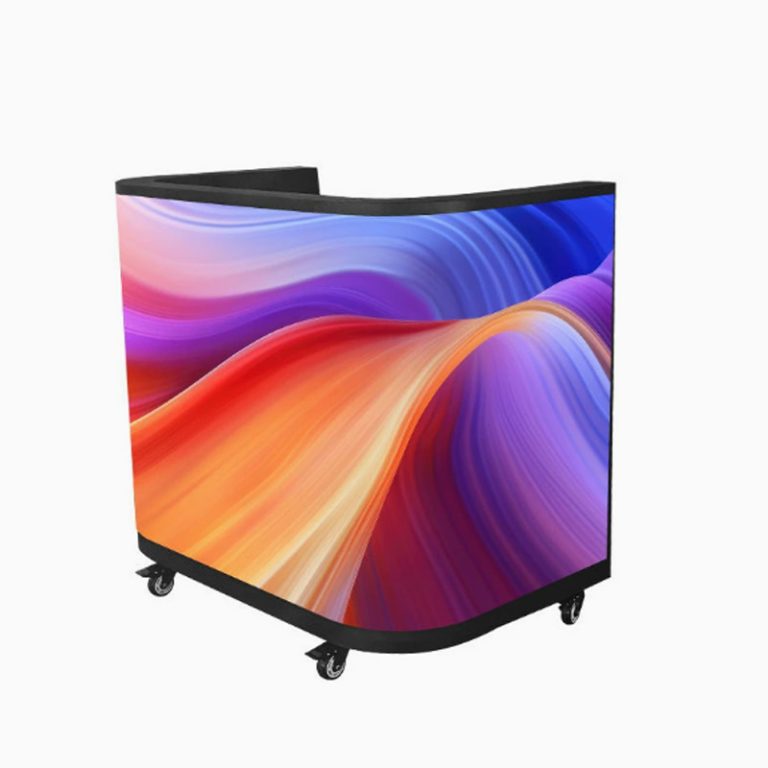
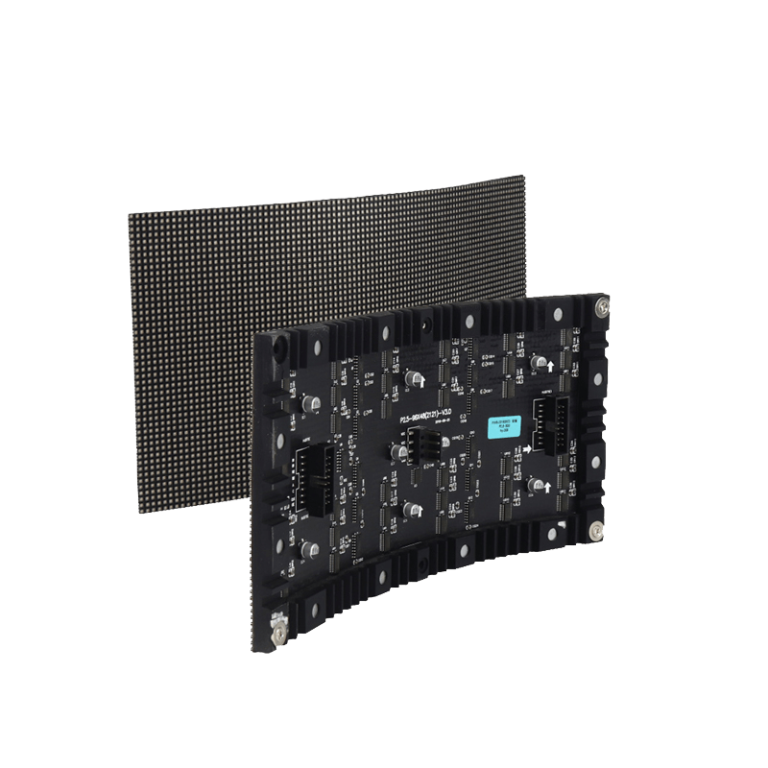
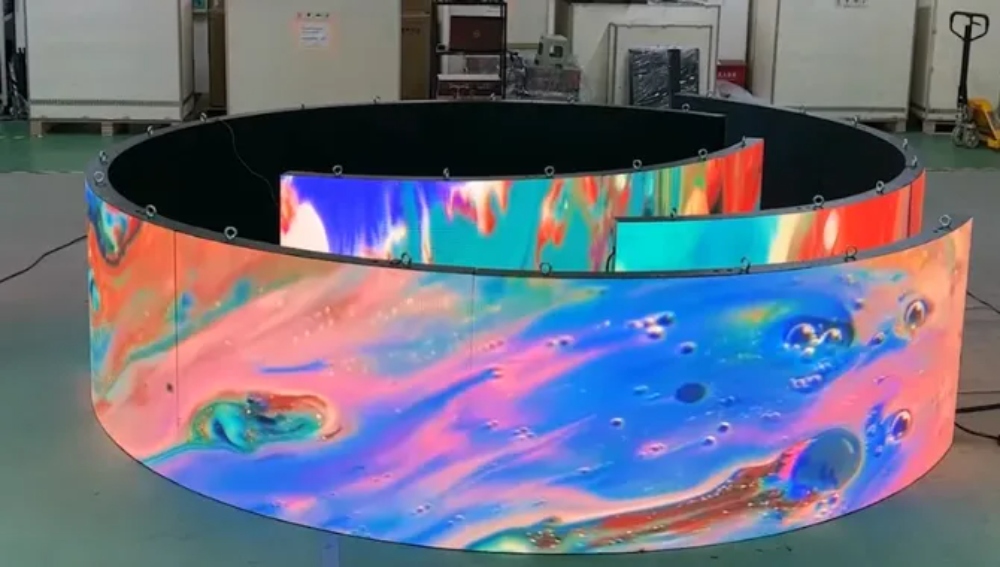
Engineers started this shift by shrinking LED parts and creating polymer bases that handle repeated bending. A single module can curve up to 35 degrees left or right, with a total arc over 110 degrees. This lets designers build inner arcs, cylinders, waves, and spirals that flat panels could never achieve.
Material advances introduced high-temperature silicone for faceplates and bases. These materials give good compressive strength yet stay elastic. When paired with surface-mount LED packaging, the result fits smoothly into buildings and commercial spaces.
Core Principles Behind Flexible LED Screens
Every dependable flexible LED display uses flexible substrates, encapsulation layers, and pixel modules. These parts work together to hold brightness and color steady. The screens rely on flexible modules fitted with strong magnetic connectors and FPC circuit boards made from bendable insulating materials. The boards keep the electrical flow even after many bends. Designers solve alignment issues during bending by following neutral axis rules. They also apply distributed scanning to keep images stable on curved surfaces.
Innovations Driving Reliable Flexible LED Displays
Reaching steady performance in flexible systems needs ongoing work on materials, smaller components, and smart controls. These steps help the screens stay reliable under tough physical conditions.
Advanced Materials for Durability and Flexibility
Today’s displays use polymer substrates instead of glass. This choice boosts impact resistance and cuts weight. One module weighs only 100 grams. Stretchable conductors add strength against twisting and squeezing during setup or shipping.
Heat control stays important. Graphene layers spread heat quickly without losing flexibility. The approach supports long use in events and outdoor ads where temperatures often shift.
Miniaturization and Modular Design Approaches
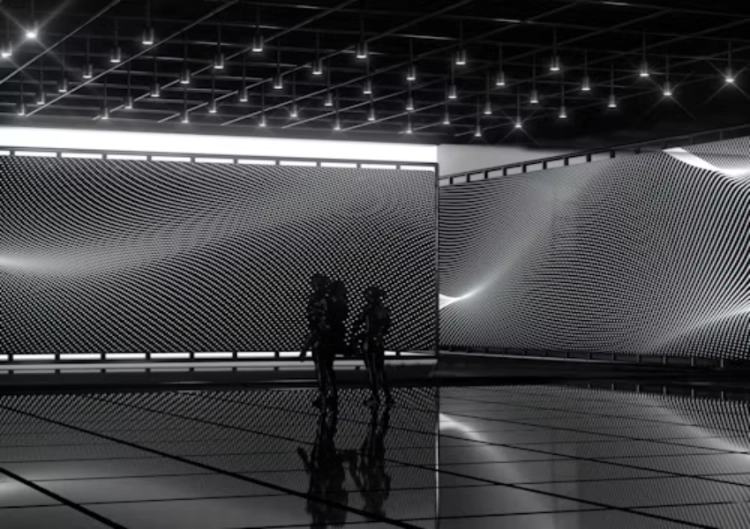
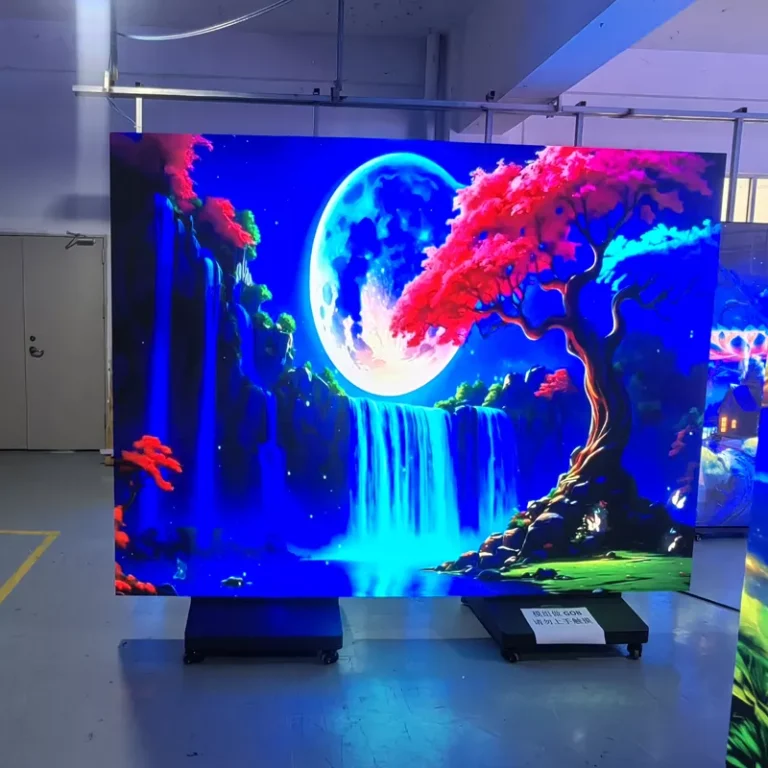
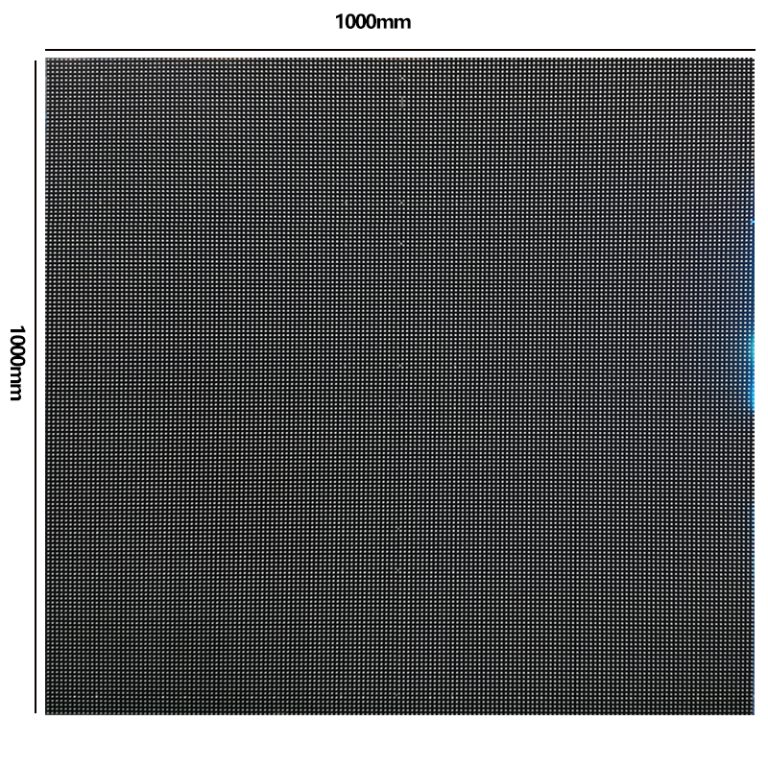
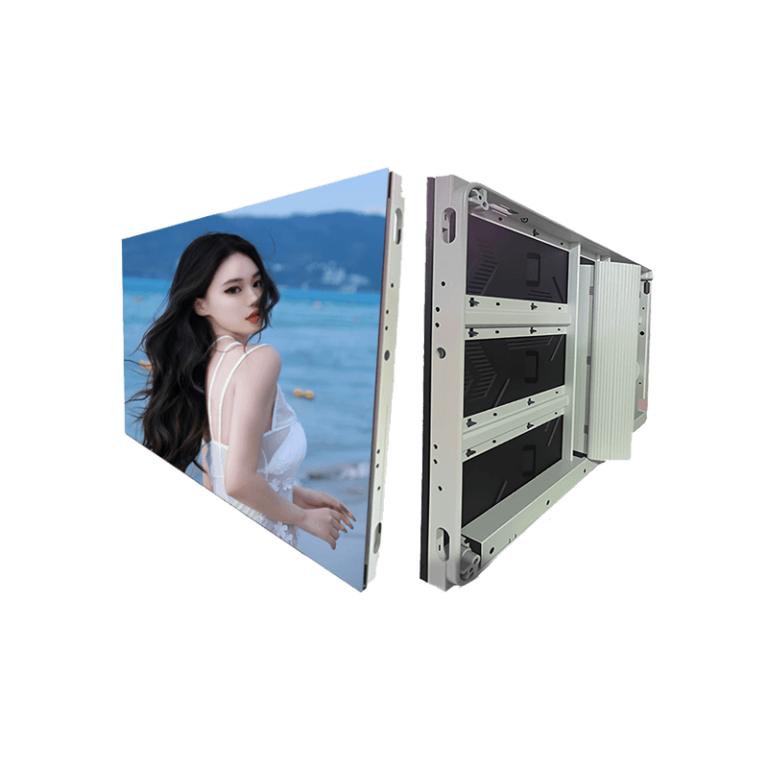
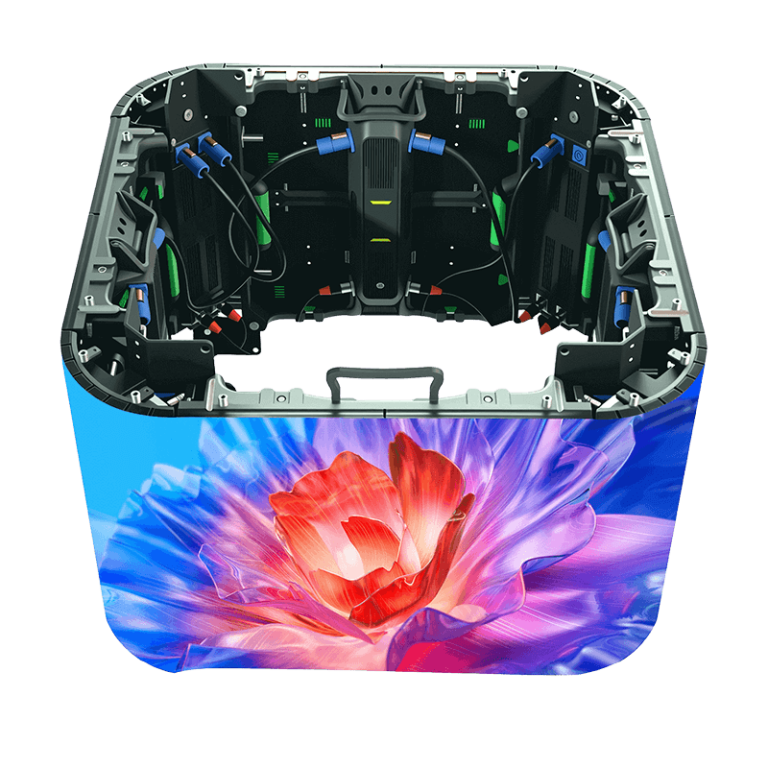
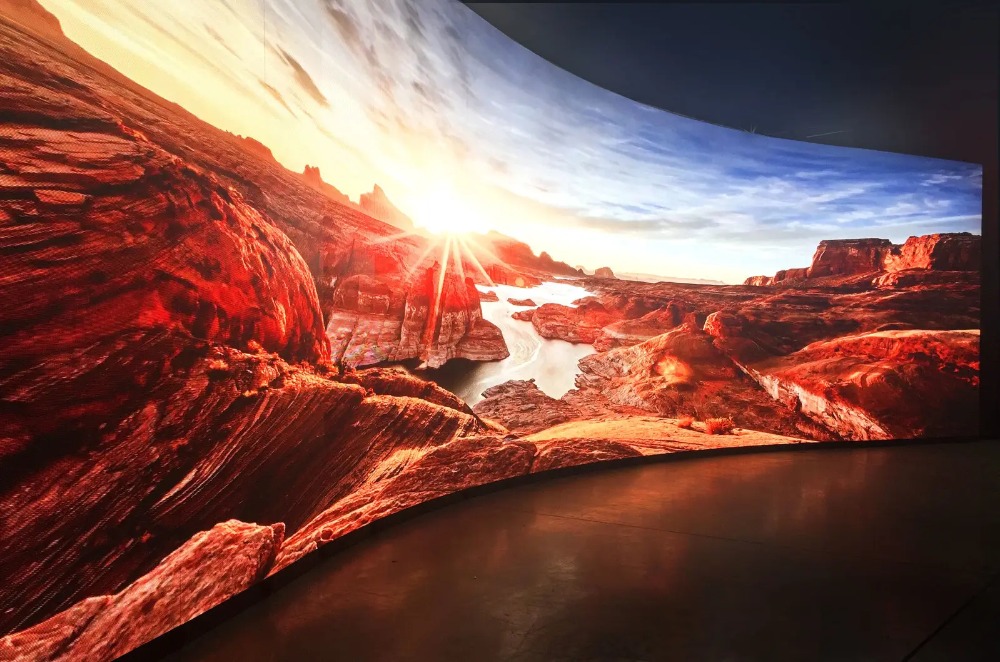
Mini-LEDs deliver finer pixel pitches and higher resolution while still fitting curved shapes. Distributed scanning and modular builds raise stability. Modules join into custom forms such as rectangular walls, cylinders, or waves, with gaps under 0.5 mm, as shown by the LED flexible screen. The light build eases installation and lowers support needs in airports and malls where creative displays drive marketing.
Smart Control Systems and Signal Processing Enhancements
Adaptive signal routing keeps images consistent on curves by adjusting voltage as pixels move. The screens work by controlling LED brightness and color through driver circuits. These systems deliver bright, accurate colors even when the display twists during shows or transport.
Applications and Implementation Strategies for Flexible LED Screens
Flexible digital technology appears in many fields, from architecture to entertainment. Each use needs specific mounting, airflow, and service access.
Architectural and Commercial Installations
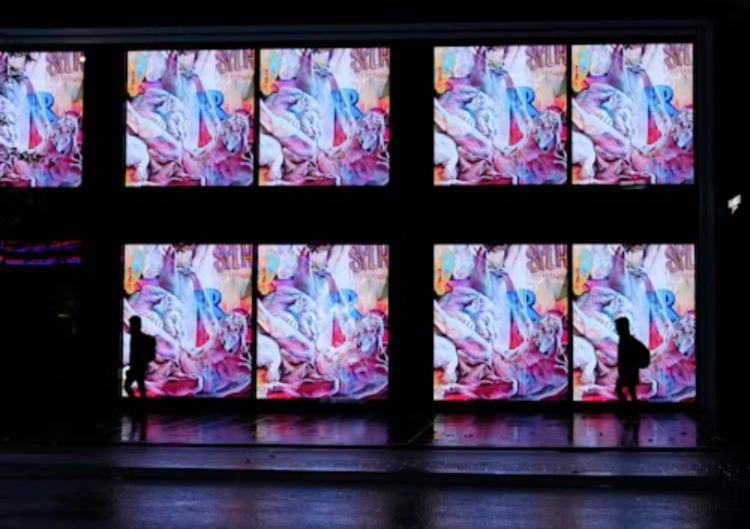
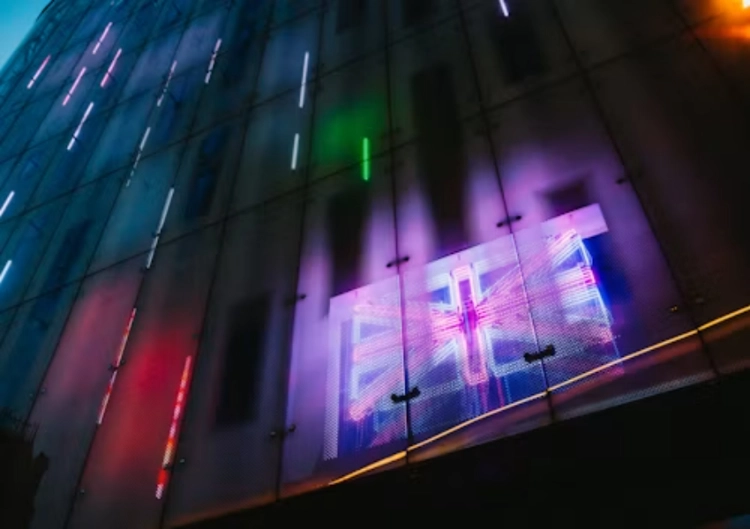
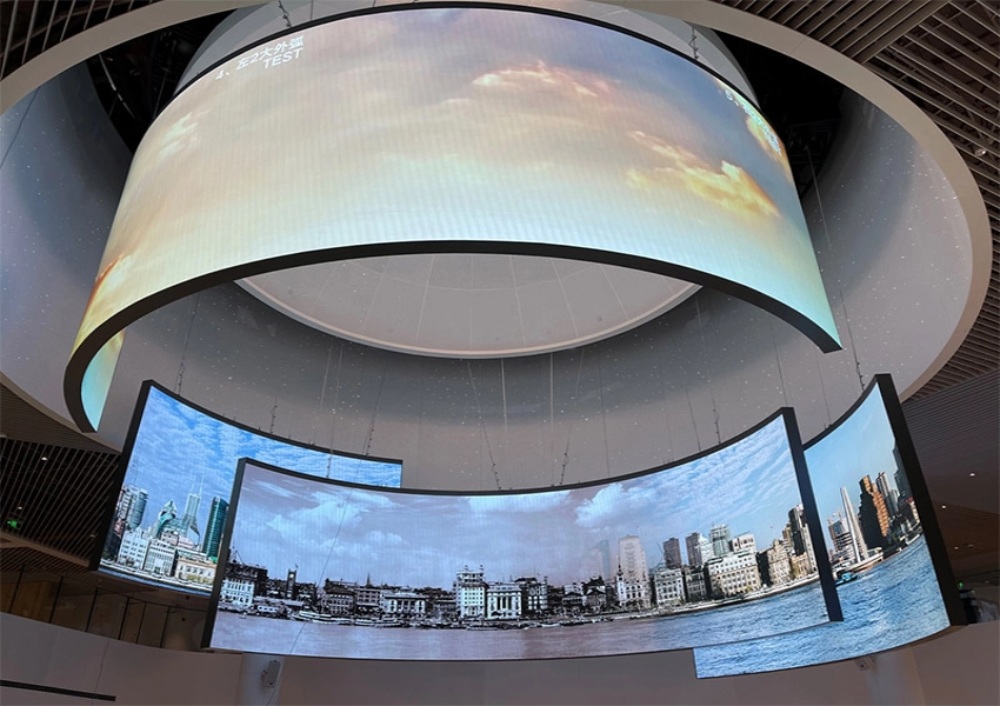
Dynamic building fronts now use bendable panels that follow curved walls and ceilings. Flexible LED screens fit exteriors, ceilings, and staircases, adding both art and technology to structures. Retail spaces employ them for stories that flow along building lines instead of staying in boxes. IoT links allow remote checks and content updates from central hubs like those in LED Display Solutions for Industries. Curved setups can trap heat, so rear-access designs improve airflow and speed up repairs without full removal.
Creative Media and Stage Production Uses
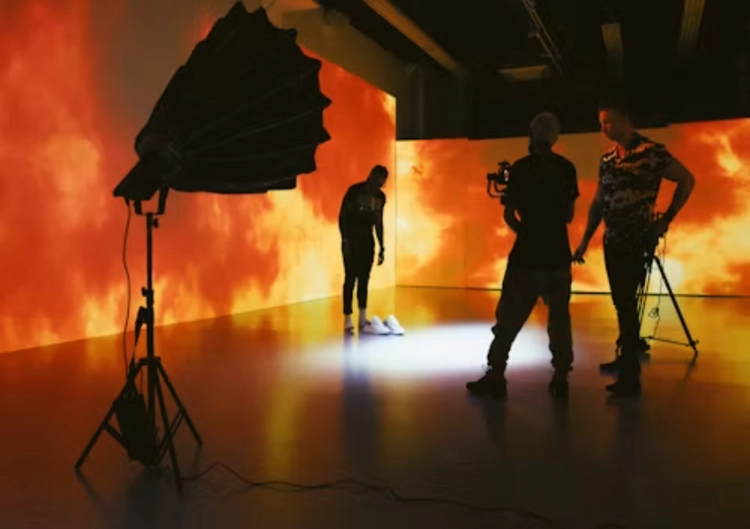
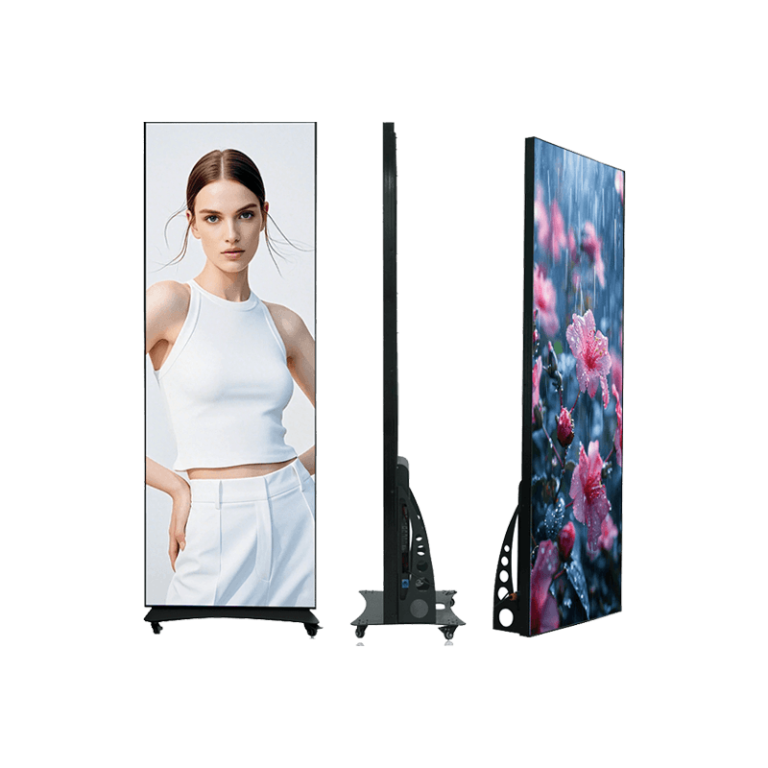
Stage shows often use kinetic builds made from modular, flexible panels. These form cylinders or moving waves that match lighting effects. In concerts and galas, screens join curved or wave backdrops that add depth. The lightweight design simplifies travel and fast setup for indoor exhibitions and live events that need quick deployment plus wide viewing angles, as seen with flexible screen display.
Engineering Challenges in Reliable Flexible LED Display Development
Innovation moves performance ahead, yet fatigue control and power use remain key when building reliable, flexible systems for nonstop work in tough settings.
Mechanical Stress and Fatigue Management
Repeated bending stresses the solder joints. Neutral axis placement reduces stress points in each layer. Compared with standard LED displays, flexible versions offer more give and shape options. Tests are run thousands of times under varied humidity to confirm durability before sale. This matches ISO9001:2008 rules used across production at Leyaled.
Power Efficiency and Heat Dissipation Optimization
Good brightness with low power calls for efficient driver chips and steady current control. Graphene spreaders move heat evenly across thin layers while keeping needed transparency for retail fronts or car dashboards.
Future Trends in Flexible Digital Display Technology
Future progress points toward more flexibility, smarter features, better sustainability, and wider integration. These changes will blend digital content into daily spaces, from buildings to wearables.
Integration with Emerging Technologies
Hybrid micro-LED and OLED setups will give stronger contrast while keeping bendability for car dashboards or interactive furniture. Transparent options will let architects add dynamic visuals to glass without blocking views, supporting smart-city projects.
Sustainability and Lifecycle Considerations
Recyclable polymers cut waste at the end of life, and low-energy processes lower carbon output. Flexible LED screens also use less power and last longer. Modular repair extends value by letting teams swap parts instead of whole panels, supporting circular practices in production.
About Us — Leading Innovators in Flexible Digital Displays
At Leyaled, we focus on high-performance flexible digital solutions for professional settings that need both engineering accuracy and creative freedom. FWS Technology Co., Ltd. develops, makes, and sells LED displays. Our Shenzhen site covers more than 7,200 square meters and runs eight automated SMT lines. This setup supports steady output for indoor and outdoor full-color panels that meet ISO 9001:2008 standards.
Our sales network covers East China, South China, Central China, and North China. We aim to bring vivid color to projects while supporting industrial growth. Quality comes first, backed by CNAS, UL, SGS, and TÜV SÜD tests that confirm reliability. More than 30 engineers handle custom OEM and ODM work with a seven-day turnaround. From curved modules for building fronts to AI-tuned stage setups, we supply complete solutions that combine looks with solid engineering.
For teams seeking advanced, reliable, flexible LED display options for commercial or outdoor use, visit our contact page for project support worldwide.
FAQ
Q1: What makes a reliable, flexible LED display different from traditional flat panels?
A1: It uses silicone-based substrates and FPCB wiring that maintain conductivity during bends. Refresh rates stay above 3840 Hz for smooth playback on curves.
Q2: Are these flexible LED screen modules suitable for outdoor environments?
A2: Yes. They carry IP65+ moisture protection, strong magnetic mounts for quick assembly, and rear access suited to weather-exposed façades.
Q3: How does Leyaled ensure product longevity?
A3: We run extended aging tests under extreme conditions and follow international certifications. Performance stays stable past 72-hour continuous runs in professional settings.