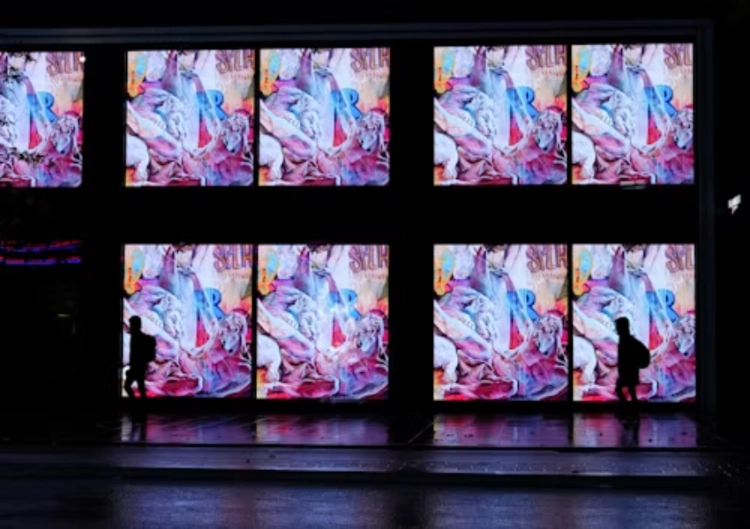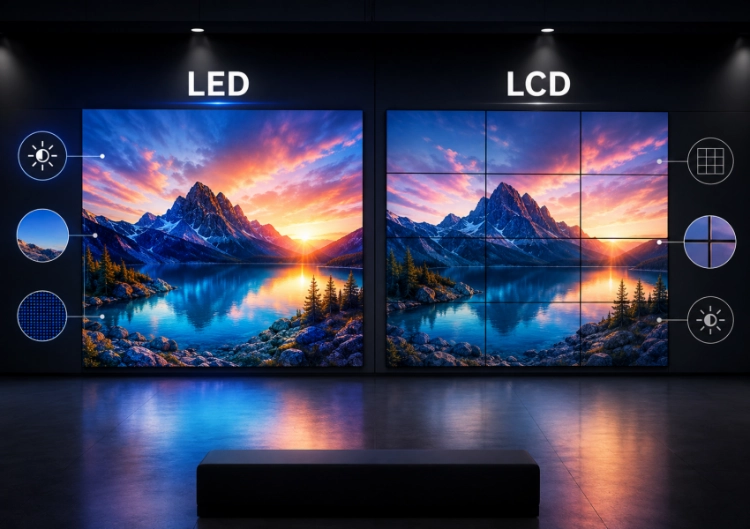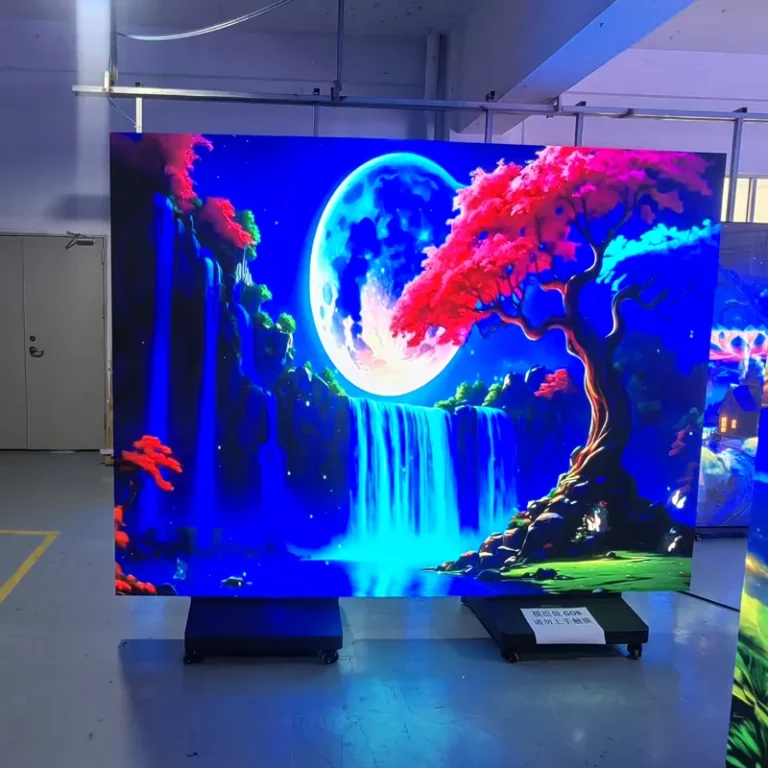
Choosing between a transparent LED screen and an LED poster is less about which display looks more advanced. It is about what the storefront must do. A glass facade may need advertising without blocking daylight or the view into the store. A compact retail entrance may need a bright, self-contained display that staff can move, schedule, and maintain with little site work.
The right retail LED screen depends on the window layout, viewing distance, daylight, content style, power access, maintenance route, and the role of the display in the store. A transparent screen can become part of the architecture. An LED poster can be faster to deploy and easier to treat as a standalone merchandising asset.
How the Two Formats Work in a Storefront
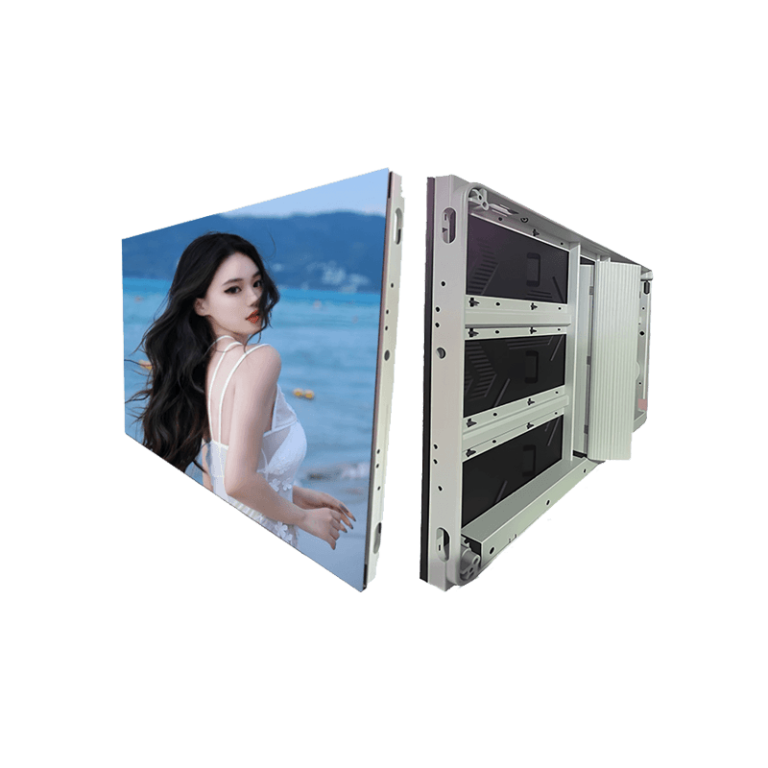
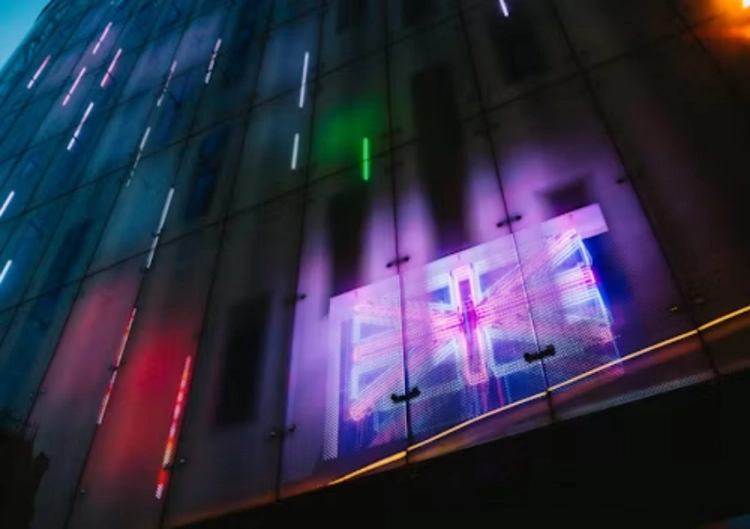
A transparent LED display uses an open or light-transmitting structure so content can appear over a glass background. The project knowledge base describes transparent products for glass curtain walls, shop windows, exhibitions, and commercial facades. Depending on the construction, the reported transmittance ranges from about 60% to 95%, so the exact product and layout matter.
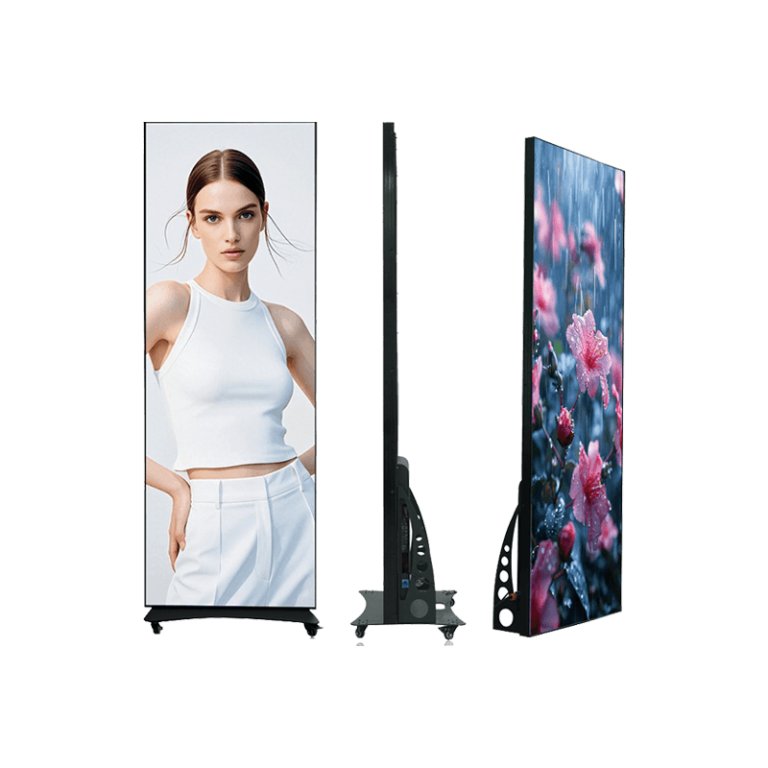
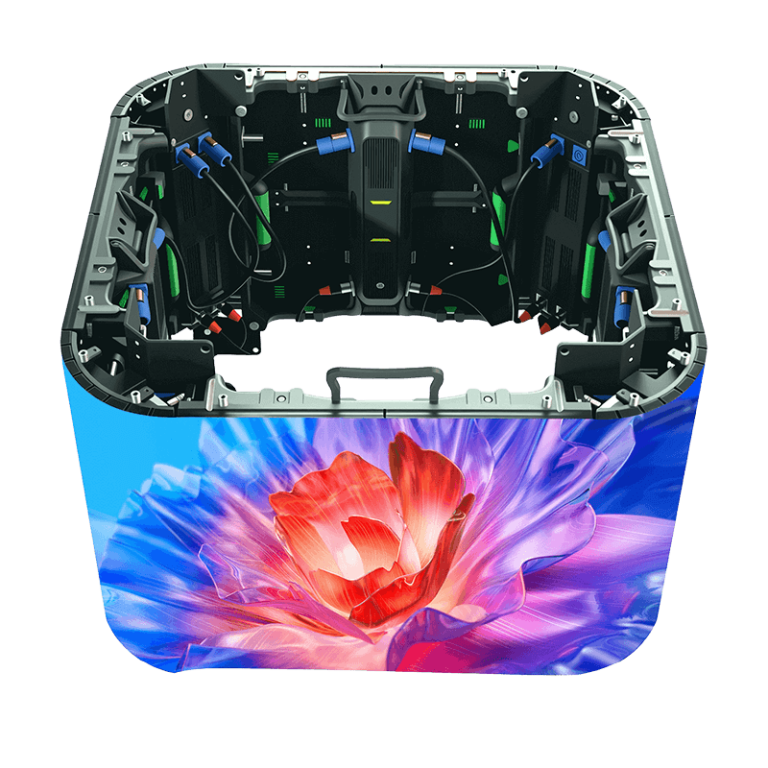
An LED poster is a compact display unit with its own frame or enclosure. The company references an advertising all-in-one machine has vertical, horizontal, wall-mounted, and ceiling-mounted installation, along with plug-and-play maintenance and intelligent cluster management. That makes the poster format suitable for a store network, entrance campaign, product launch, or promotional zone where a complete wall is unnecessary.
The comparison changes when the window is the main visual asset. A transparent screen can preserve a view into the shop while adding motion to the glass. A poster creates a solid visual block, but it can deliver a more concentrated image with a simpler physical boundary.
Choose Transparency When the Glass Must Still Work
Transparent screens make sense when daylight, sightlines, or the physical products behind the glass are part of the customer experience. A fashion display can show a moving brand scene while the merchandise remains visible. A showroom can overlay product information without covering the entire facade with an opaque surface.
The open structure can also reduce the visual weight of a large installation. Transparent grille screens are lightweight compared with traditional cabinets and note that some designs can be fixed directly to glass curtain walls. Those claims vary by product family and building condition. The glass, fixing method, wind exposure, access, and allowable load must be checked by the project team.
Brightness requires a real daylight test. Transparent products reach high brightness for outdoor visibility, but a storefront may need different settings at midday, dusk, and night. The content, glass reflections, interior lighting, and viewing angle all affect perceived contrast. A transparent LED screen that is legible in a dark showroom may need a different configuration for direct sun.
ที่ หน้าจอโปร่งใส is a suitable page to review when the installation depends on glass integration. The final choice should still be based on a window drawing, transmittance target, brightness test, fixing detail, and service route.
Transparency Is Not the Same as Invisible
The screen will still have bars, modules, power, signal connections, and a visual structure when viewed from some angles. The higher the transparency, the more open area the eye may see, but the image density and daylight balance can change. A buyer should ask for a sample in front of the actual glass or a matching glass type.
Choose an LED Poster When Speed and Simplicity Matter
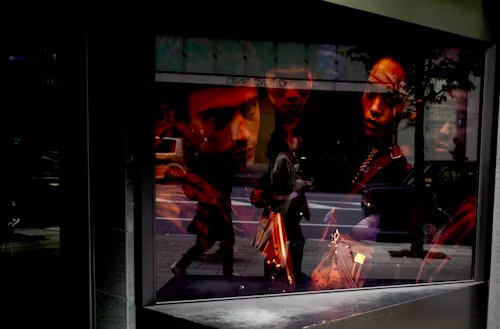
An LED poster works well when the store needs a self-contained advertising point rather than a facade-wide display. It can be positioned near an entrance, beside a product zone, or in a mall corridor. The format is easier to standardise across many stores, especially when the campaign uses the same aspect ratio and the local team needs a clear replacement process.
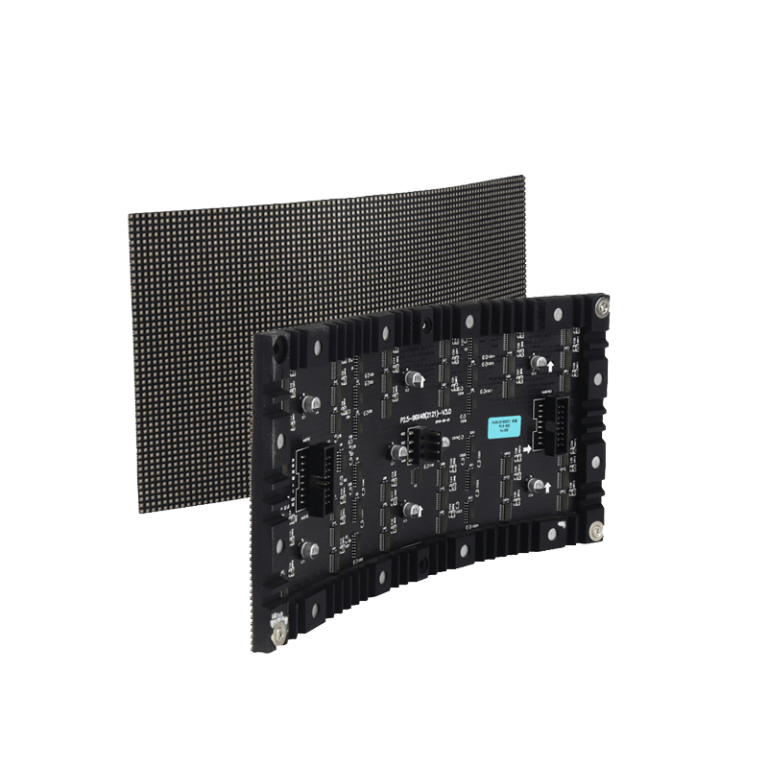
It has P1.25, P1.53, P1.86, P2.5, and P3 configurations, with a 640 by 480 millimetre display size for those examples, 650 cd/m² white-balance brightness, 14-16 bit adjustable grayscale, and an average power figure of 145 W with a 430 W peak in the stated product data.
It includes remote central management and approval. That is valuable for a multi-store campaign, but it is not a substitute for network planning. A store may lose connectivity, use an incompatible player, or need local approval before a campaign goes live. The content system should support scheduled playback, permissions, local fallback, status checks, and a clear version history.
ที่ special LED screen can help when a poster brief grows into a custom retail display. The smart-square solution is a useful route for discussing distributed commercial content, while the physical screen, player, network, and store workflow still need to be specified together.
Compare Image Impact, Viewing Distance, and Content
Transparent screens are strongest when the visual idea depends on the building or the products behind the glass. Motion can appear to float over the facade, and the open background can support a premium architectural effect. The trade-off is that image contrast depends on what sits behind the screen. Bright daylight, bright interior displays, and reflections can wash out dark content.
Posters provide a controlled background and a compact canvas. They are often easier for close promotional messages, price-led campaigns, menus, product features, and short video loops. The smaller physical format can also make content production easier because a campaign team works to a repeatable template.
Pixel pitch should follow viewing distance and content detail in both formats. A close shopper may notice structure on a coarse screen, while a facade display viewed from across a street may not need the densest option. The display resolution, aspect ratio, source content, brightness, and processor scaling matter as much as the pitch label.
Installation, Maintenance, and Energy Need Separate Checks
Transparent systems may be installed inside a glass facade while showing outward. That can make maintenance safer and reduce disruption to the public area. Some transparent structures allow individual bars or sections to be replaced, but the fixing design and spare strategy must be documented. A facade project also needs a clear plan for cleaning, moisture, heat, access, and building movement.
Posters generally have a simpler service boundary. A failed unit can be isolated and replaced without opening a large facade, although the team still needs spare parts, player access, cable routing, and a local response plan. For multiple stores, the operating process can matter more than the first display quote.
Transparent products have an average power reference below 280W per square meter and describe lower energy use than conventional opaque screens in some designs. It also notes that power depends on the illuminated content. These are product-family claims, not a universal saving guarantee. Ask for maximum and average power at the required brightness, the duty cycle, and the control method before calculating operating cost.
Choose a transparent screen when the glass, daylight, and products behind the window are part of the message; when a facade-wide visual has real value; and when the building can support the fixing and service plan. Choose an LED poster when the campaign needs a repeatable unit, compact deployment, controlled content, and straightforward replacement across stores.
Before placing an order, test both concepts with the same campaign. View them from the pavement, from an oblique angle, in daylight, at dusk, and at night. Test a dark video, white text, skin tones, product photography, and a fast transition. For the transparent option, check how the physical store background changes the image. For the poster, check reflections, viewing height, heat, and the route for staff or service personnel.
Provide the supplier with window dimensions, glass type, mounting surface, viewing zones, daylight photos, content examples, operating hours, store count, network conditions, and maintenance access. The final choice should reflect the storefront’s real job, not a generic preference for one display category. แอลจังหวัด provides a starting point for the wider retail-display range.
คำถามที่พบบ่อย
Q1: Is a transparent LED display better than an LED poster for every storefront?
A1: No. Transparent screens suit glass integration and preserved sightlines. Posters are often better for compact, standardised, close-range campaigns with a controlled visual background.
Q2: Does a transparent LED screen always save more power?
A2: Not automatically. Open construction and content-based illumination can reduce consumption in some designs, but brightness, duty cycle, transmittance, control settings, and the quoted model must be checked.
Q3: What should be tested before buying a storefront LED display?
A3: Test the campaign at daylight, dusk, and night, from normal and oblique viewing points. Check contrast, reflections, brightness, content scaling, mounting, service access, and network fallback.