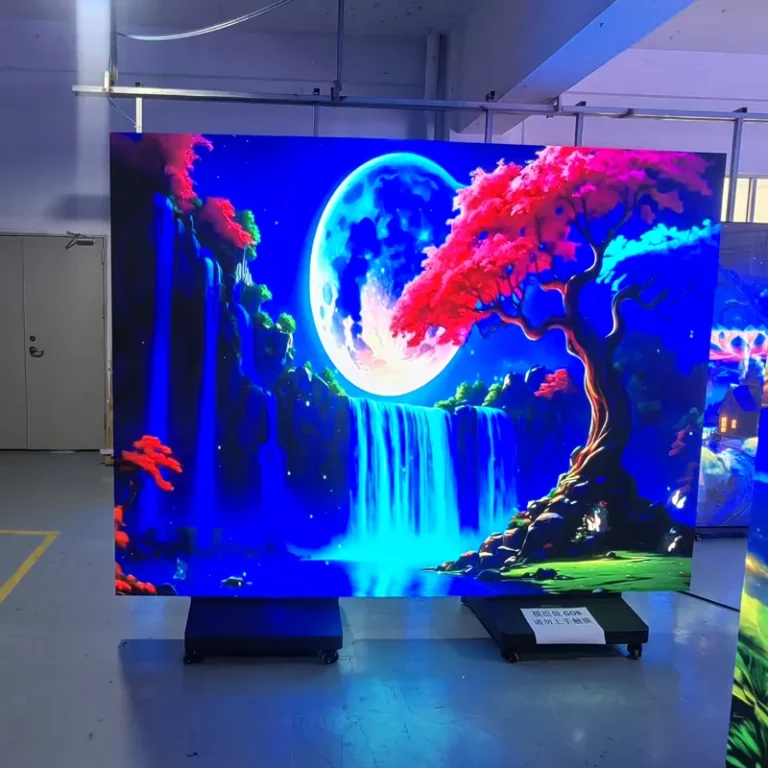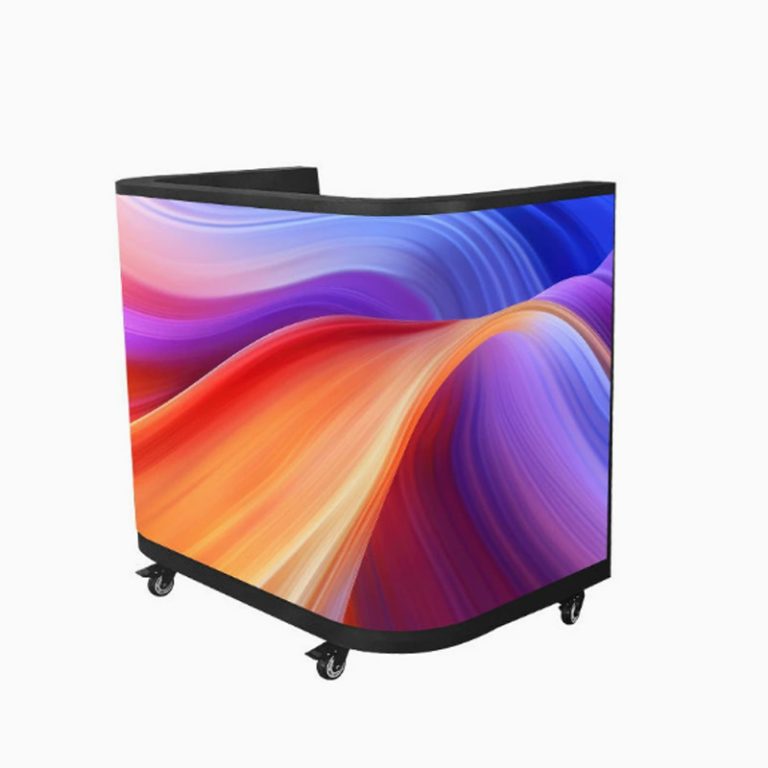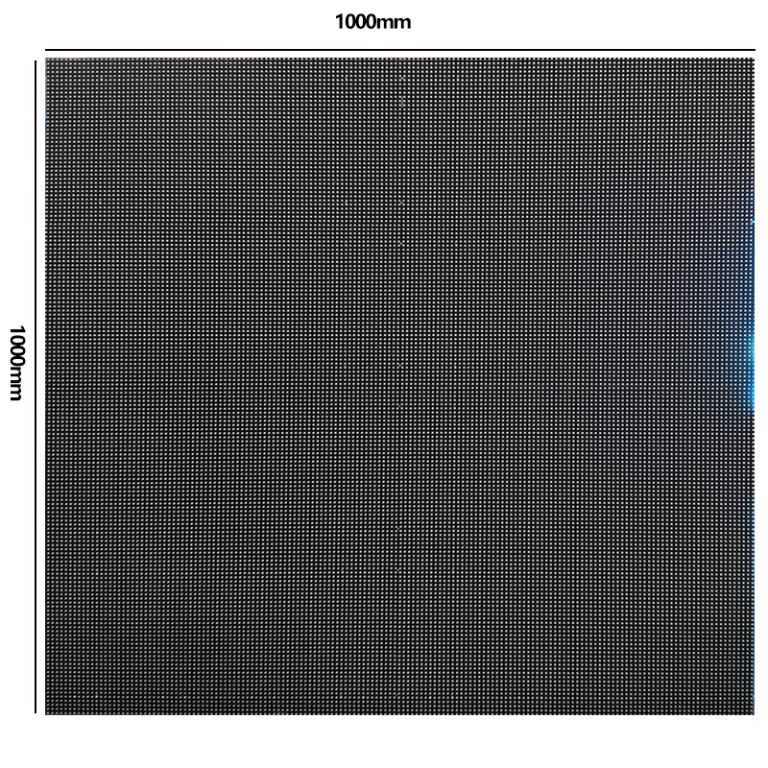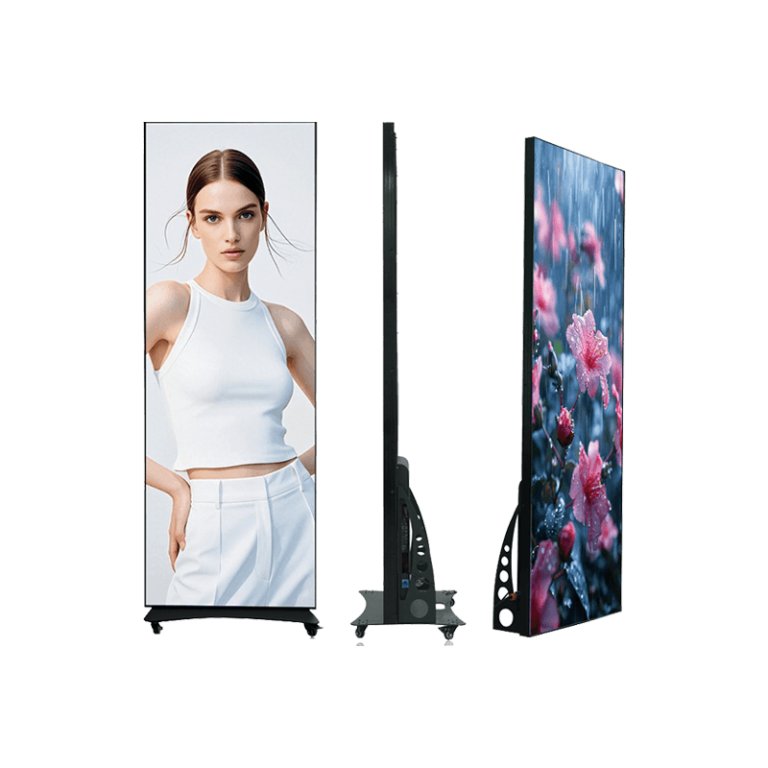
The first quote for a fine-pitch LED wall often looks like a simple square-meter figure. That number is useful, but it rarely tells the whole story. A P1.25 wall and a P1.87 wall can occupy the same area while carrying different pixel counts, cabinet requirements, processing loads, service arrangements, and installation risks. The gap in fine pitch led display price is therefore not just a markup for a smaller number.
For a practical budget, separate the display surface from the complete project. Ask which parts are priced per square meter, which are priced as equipment, and which are calculated after a site survey. That approach makes the LED screen price per square meter easier to compare without treating unlike quotations as equivalent.
What the Square-Meter Price Actually Covers
A supplier’s surface price may include LED modules or cabinets, receiving cards, power supplies, a basic control system, and standard packaging. It may exclude the sending processor, steelwork, mounting hardware, power distribution, signal cabling, installation, commissioning, spare parts, taxes, and freight. Those exclusions can be more important than a small difference between two cabinet families.
The installation brief changes the number quickly. A flat wall with rear access is simpler than a flush, front-maintained screen built into finished joinery. A display that must pass through a narrow lift may need smaller cabinets. A screen used for camera work may call for a different processor, grayscale behaviour, calibration process, and acceptance test than a wall used only for slides.
The useful request is not simply “price per square meter.” It is a line-item quotation showing the display, control chain, structure, power, delivery, labour, testing, and after-sales provisions separately. That format gives a purchasing team something solid to compare.
Pixel Density Is the First Major Cost Driver
Pixel pitch measures the distance between neighbouring pixels. Reducing that distance packs more pixels into each square meter, which can improve the appearance of small type, fine lines, faces, and detailed video at close range. It also means more LED devices, driver channels, data handling, and inspection points within the same physical area.
Leyaled indoor references have P1.25 at about 640,000 pixels per square meter, P1.56 at about 409,600, and P1.87 at about 284,440. These figures explain why a smaller-pitch wall normally costs more, but they do not create a universal price multiplier. Packaging, component selection, cabinet format, calibration, and order quantity still affect the quote.
P1.25 in a roughly 1.2 to 15-meter working range, P1.56 in about 1.5 to 20 meters, and P1.87 in about 1.8 to 20 meters. Treat these as product reference ranges, not a promise that every room will look perfect at every point. A front-row meeting table, a studio camera, and a distant lobby audience may justify different choices even when the total area is identical.
Smaller Pitch Does Not Automatically Mean Better Value
If the closest normal viewer sits well back and the content uses large graphics, paying for the densest available surface may add cost without a visible business benefit. If people inspect dashboards, product details, or camera footage from close range, the extra density may be easier to justify.
The decision should begin with the nearest real viewing position and the most demanding content, then move to the screen size and budget. A sample review is worthwhile. Show a spreadsheet, a grey gradient, a talking head, a dark scene, and a brand colour palette. The pitch that looks good in a showroom from one marked point may behave differently across a wide room.
Cabinet Design and Service Access Change the Quote
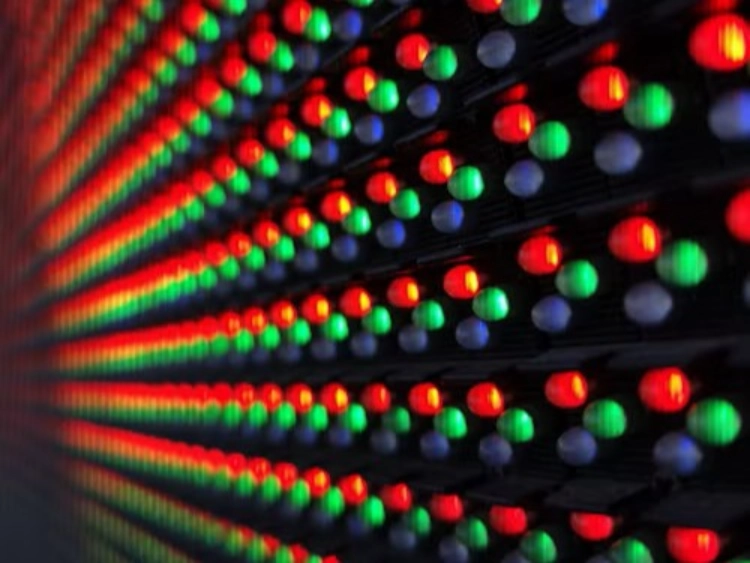
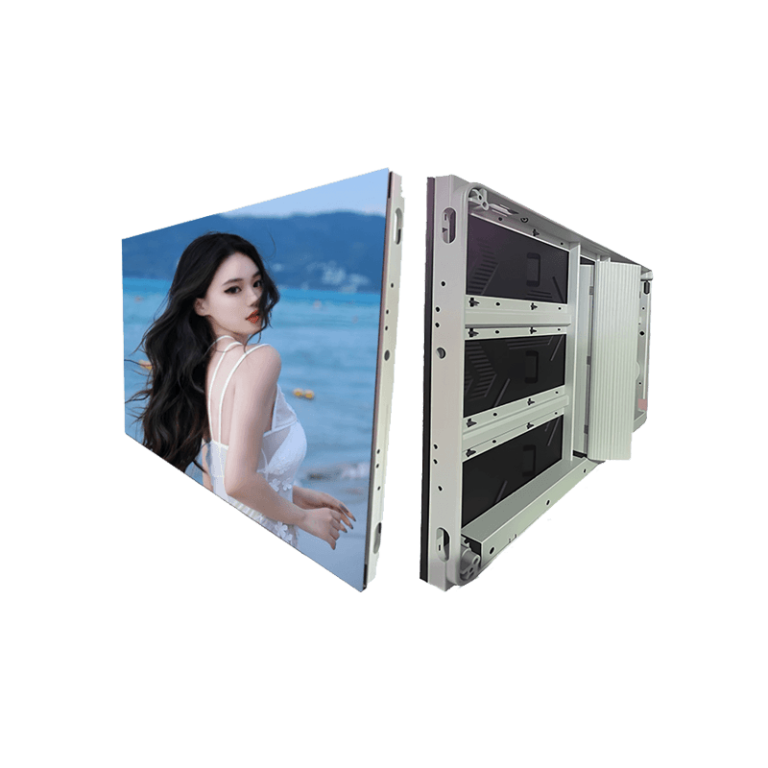
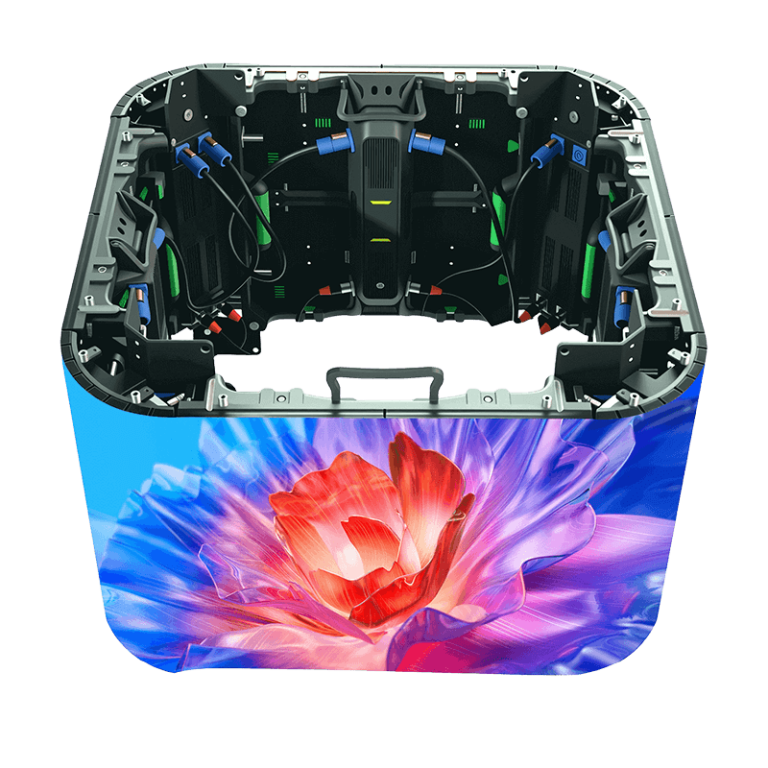
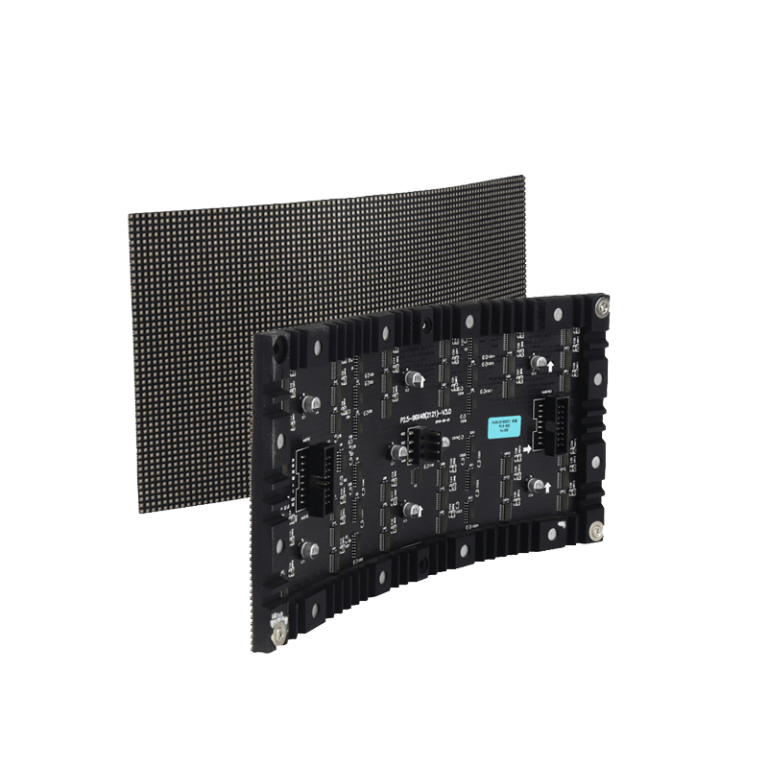
Fine-pitch projects commonly use modular cabinets or module splicing. The knowledge base notes that module solutions can have a lower initial cost, while integrated die-cast cabinets can provide better flatness, fewer splicing points, and more stable long-term alignment. For small-pitch walls, the cabinet premium may be reasonable when visual continuity and service speed matter more than the lowest entry price.
Service access deserves its own line in the specification. Front maintenance is valuable when a wall is close to a finished wall, while rear maintenance may suit an open technical room. A front-access design can reduce the space reserved behind the display, yet the modules, power supplies, and receiving cards must still be reachable without damaging the surrounding finish.
ที่ indoor fixed installation is a useful starting point for a permanent wall brief. For projects that may change format or use a different cabinet family, the จอแสดงผล LED มาตรฐาน gives a broader comparison. The relevant question is not which page looks most impressive. It is whether the selected structure, maintenance route, and replacement parts fit the building.
Processing, Calibration, and Installation Are Not Small Extras
Two walls with the same pitch can produce different results if their processing and calibration packages differ. Colour uniformity, brightness uniformity, grayscale at working brightness, refresh behaviour, input resolution, and cabinet flatness all affect what the buyer sees. A quotation should identify the processor and receiving system, the calibration method, the required input formats, and the test content used during acceptance.
Installation also has a technical cost. The site may require a steel frame, wall reinforcement, lifting equipment, levelling, electrical work, network routing, and a controlled commissioning window. If the room is a studio or meeting space, testing may need to happen under the actual lights and camera positions. A low display-only quote can become expensive once these site conditions are added.
ที่ product catalog can help narrow the cabinet family, but the final bill of materials should follow a drawing and a written scope. Include spare modules, power supplies, receiving cards, data cables, and the proposed service response. The right spare ratio depends on the installation size and operating risk, so it should be confirmed in the RFQ rather than assumed.
A Better Way to Compare Fine-Pitch LED Quotes
Put competing bids into the same worksheet. Compare pitch, pixel density, module and cabinet dimensions, cabinet weight, brightness range, grayscale, refresh rate, scan mode, viewing angle, maintenance method, power figures, control hardware, warranty terms, spares, delivery, and commissioning. The company knowledge base records different indoor families with 3840 Hz or 3840-7680 Hz references, but the exact value must be tied to the quoted model and tested configuration.
Keep peak power and average power separate. Peak power affects the electrical design and distribution capacity. Average power is closer to normal operating cost, yet real consumption depends on content, brightness, duty cycle, and control settings. A buyer comparing only the display surface can miss both the initial electrical work and the recurring operating expense.
There is no reliable universal percentage for how much more a fine-pitch LED wall should cost. A P1.25 screen may command a substantial premium over a wider pitch, while a larger order, simpler cabinet, or standard installation can narrow the difference. A sound RFQ asks the supplier to explain the physical and technical reasons behind each line item.
The higher indoor LED display price is easier to defend when the screen is viewed closely, when small details are central to the work, when cameras capture the wall, or when the wall is expected to remain a primary visual asset for years. A lower pitch can reduce the need to enlarge text and graphics simply to hide pixel structure.
It is harder to defend when the audience is distant, the content is simple, the wall is rarely used, or the installation can accept a wider pitch without affecting communication. In those cases, the budget may be better spent on accurate calibration, a stronger control chain, service access, spare parts, or a better installation.
For a tailored quotation, provide the wall dimensions, closest viewing distance, content examples, camera requirements, room photos, maintenance access, power conditions, delivery route, and target budget. A supplier with a suitable indoor portfolio can then compare configurations on visible results and project risk, rather than quoting a pitch in isolation. แอลจังหวัด provides a starting point for the wider product range.
คำถามที่พบบ่อย
Q1: Why does a fine–pitch ไฟ LED display price rise as pixel pitch becomes smaller?
A1: Smaller pitch places more pixels and driver channels into each square meter. The quote can also change because of cabinet construction, calibration, processing, service access, and installation requirements.
Q2: Is the LED screen price per square meter enough to compare suppliers?
A2: No. Request separate line items for cabinets or modules, processor, control system, structure, power distribution, cabling, installation, commissioning, spares, freight, and after-sales support.
Q3: Does P1.25 always provide better value than P1.87?
A3: No. P1.25 is more useful when close viewing or detailed content justifies its density. A wider pitch may deliver better value when viewers sit farther away and the content is less demanding.