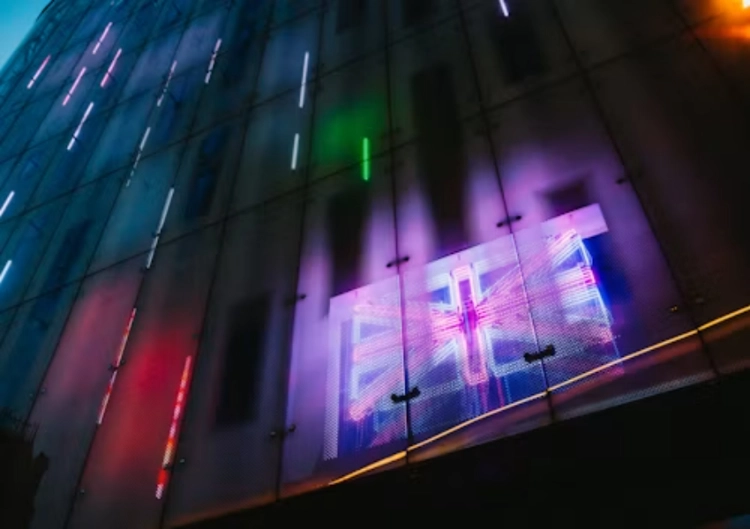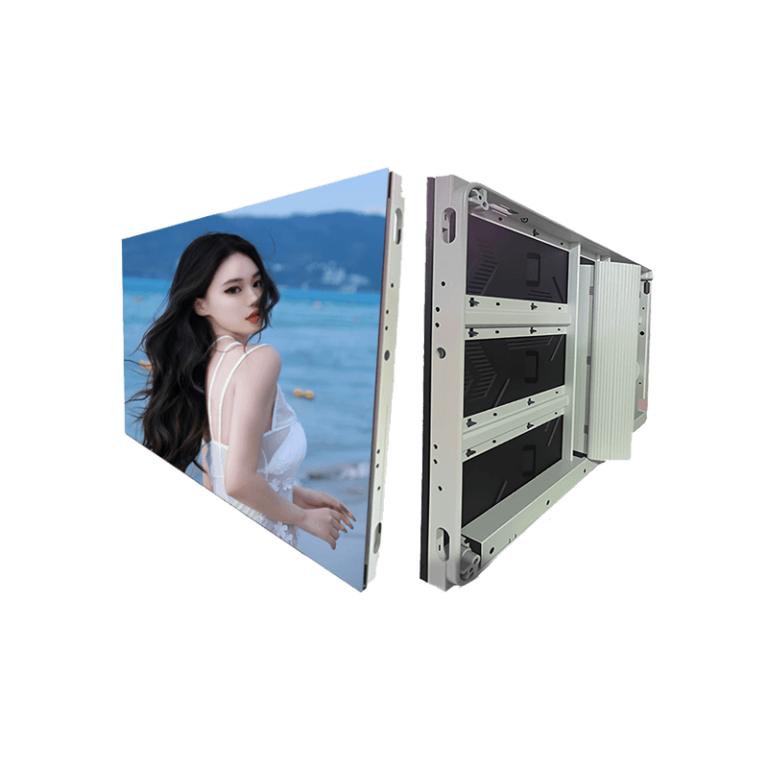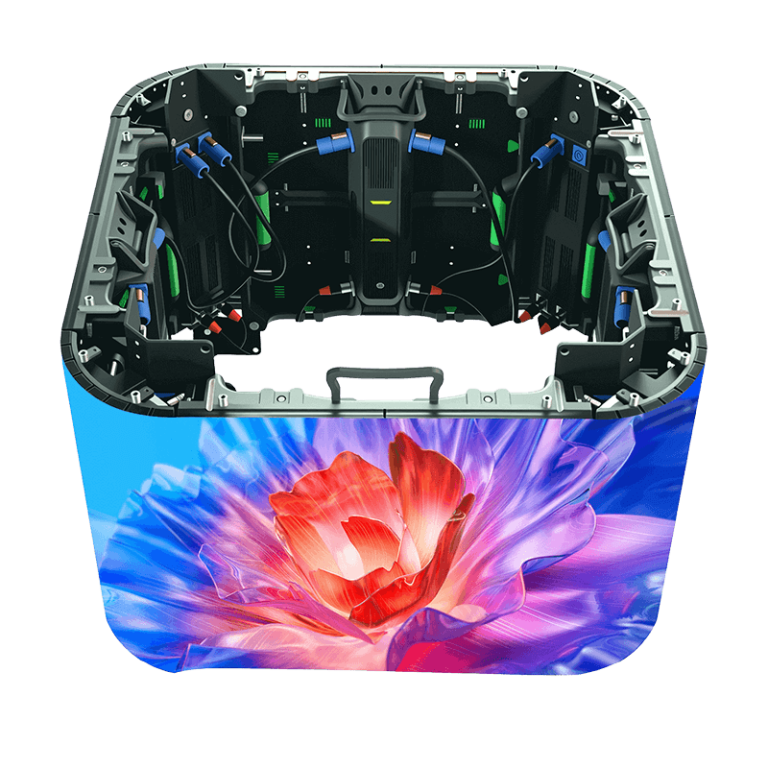
یک صفحه نمایش LED نمای ساختمان از خیابان ساده به نظر میرسد: یک سطح دیجیتال روشن که به معماری نصب شده است. در پشت آن، مسیر سرویس میتواند تعیین کند که آیا پروژه به راحتی اجرا میشود یا نگهداری آن پرهزینه میشود. یک صفحه نمایش LED فضای باز با دسترسی از جلو، امکان دسترسی به ماژولها، قطعات برق یا نقاط سرویس خاص را از روی صفحه نمایش فراهم میکند. این امر میتواند زمانی که صفحه نمایش مستقیماً روی دیوار نصب شده است، در یک نمای باریک تعبیه شده است یا در جایی قرار دارد که دسترسی از عقب مسدود شده است، ضروری باشد.
هر نمایشگر LED ثابت فضای باز نیازی به دسترسی از جلو ندارد. اگر سازه دارای یک راهروی پشتی امن و فضای کار کافی باشد، سرویس از پشت همچنان میتواند عملی باشد. سوال این نیست که کدام طراحی پیشرفتهتر به نظر میرسد. سوال این است که آیا یک تکنسین میتواند با خیال راحت به قطعاتی که در نهایت نیاز به توجه دارند، بدون برچیدن بیش از حد نصب، دسترسی پیدا کند.
دسترسی از جلو وقتی اهمیت پیدا میکند که ساختمان هیچ فضای پشتی باقی نگذارد
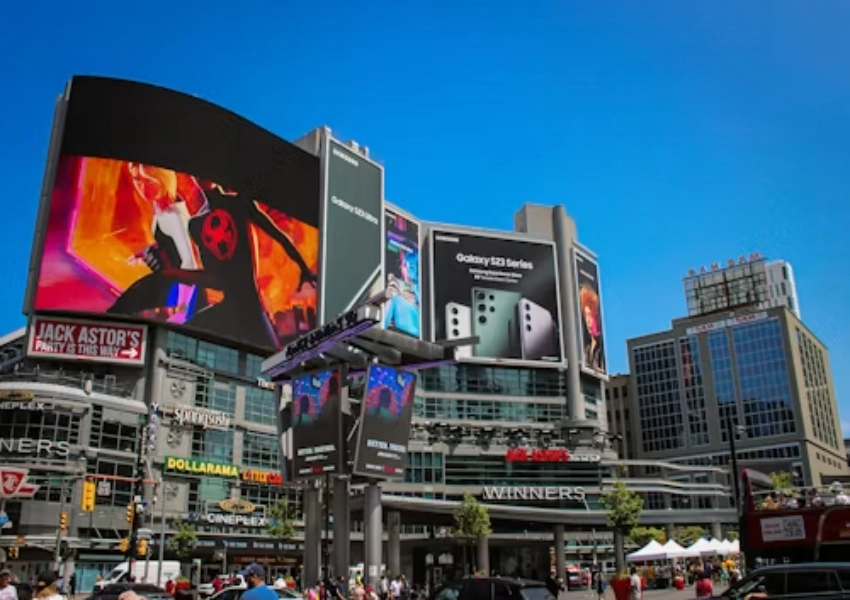
بسیاری از پروژههای نما عمق محدودی دارند. معماران ممکن است بخواهند که توری نزدیک دیوار قرار گیرد تا نمای ساختمان تمیز بماند. مراکز خرید، هتلها، مراکز حمل و نقل و برجهای اداری اغلب دارای ستونهای سازهای، شیشه، روکش فلزی، مجاری تهویه یا فضای مستاجر در پشت توری هستند. در این موارد، وجود یک مسیر تعمیر و نگهداری در پشت ممکن است غیرواقعی باشد.
یک صفحه نمایش LED خدماتی جلویی با قرار دادن صفحه نمایش رو به سمت کار، این مشکل را حل میکند. ماژولها را میتوان از جلو با ابزارهای مناسب دسترسی پیدا کرد و نیاز به باز کردن سمت ساختمان را کاهش داد. برای یک صفحه نمایش LED دیواری در فضای باز، این میتواند در فضا صرفهجویی کند و خدمات آینده را برای مستاجران و فضاهای داخلی کمتر مختل کند.
وقتی دسترسی از عقب هنوز بهتر است
دسترسی از پشت برای صفحات نمایش بسیار بزرگ با قاب فولادی اختصاصی و مسیر پیادهروی سرویس میتواند آسانتر باشد. تکنسینها فضای کار دارند، کابلها را میتوان به وضوح سازماندهی کرد و بازرسی درزبندی در برابر آب و هوا ممکن است آسانتر باشد. اگر محل نصب عمق کافی و دسترسی ایمن داشته باشد، دسترسی از جلو به طور خودکار لازم نیست.
وقتی دسترسی از جلو ضروری میشود
دسترسی از جلو زمانی اهمیت پیدا میکند که توری به صورت توکار، توکار، نزدیک به شیشه یا روی فضای داخلی تکمیلشده نصب شود. همچنین زمانی که صاحب ساختمان میخواهد بازدیدهای خدماتی داخل ملک را کاهش دهد، مفید است.
نماهای نما نیاز به برنامهریزی سازهای و آب و هوایی دارند
صفحات نمایش نمای بیرونی در معرض باد، باران، اشعه ماوراء بنفش، گرما، گرد و غبار و گاهی اوقات نمک یا هوای صنعتی قرار دارند. طراحی قوی ضد آب و گرد و غبار برای صفحات نمایش بیرونی، اغلب IP65 در جلو و IP54 یا بالاتر در عقب، با برنامهریزی دمای عملیاتی در حدود -20°C تا 50°C. همچنین اشاره میکند که اتلاف گرما باید با دقت بررسی شود زیرا طراحی حرارتی ضعیف میتواند عمر صفحه نمایش را کوتاه کند.
یک صفحه نمایش LED نمای ساختمان یک لایه دیگر اضافه میکند: خود دیوار بر جریان هوا و زهکشی تأثیر میگذارد. اگر صفحه نمایش خیلی نزدیک به سطح و بدون تهویه برنامهریزی شده نصب شود، ممکن است گرما ایجاد شود. اگر ورودی کابل و اتصالات کابینت ضعیف باشند، آب باران میتواند جمع شود. اگر قاب، بار باد را نادیده بگیرد، صفحه نمایش میتواند به مرور زمان حرکت کند، شل شود یا تغییر شکل دهد.
به همین دلیل است که دسترسی از جلو باید همراه با عمق کابینت، طراحی براکت، زهکشی، اتصال به زمین، محافظت در برابر صاعقه و روشهای تعویض ماژول مورد بحث قرار گیرد. یک صفحه نمایش قابل استفاده نه تنها تعمیر آسانتری دارد، بلکه حفظ ثبات آن در طول سالها کار در فضای باز نیز آسانتر است.
میزان روشنایی و وضوح پیکسلها همچنان به فاصله دید بستگی دارد
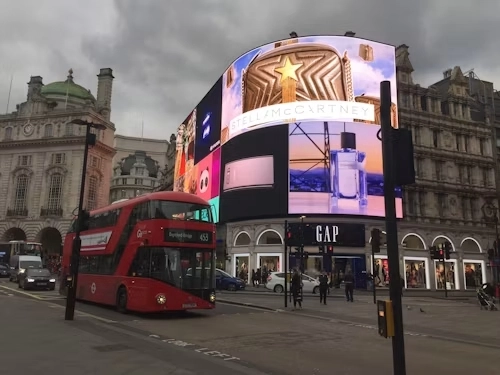
یک صفحه نمایش نما ممکن است از آن سوی جاده، از یک میدان یا از پیادهرو درست زیر ساختمان دیده شود. این موقعیتها به گامهای پیکسلی متفاوتی نیاز دارند. قانون صنعت، مستقیم است: دید نزدیکتر، گام کوچکتری را میطلبد، در حالی که فواصل دید طولانیتر میتوانند از گام پهنتر با کنترل هزینه بهتر استفاده کنند. گام ظریف برای نمای نزدیک فروشگاهها یا حمل و نقل منطقیتر است؛ گام پهنتر ممکن است برای یک صفحه تبلیغاتی در فضای باز با ارتفاع بالا مناسب باشد.
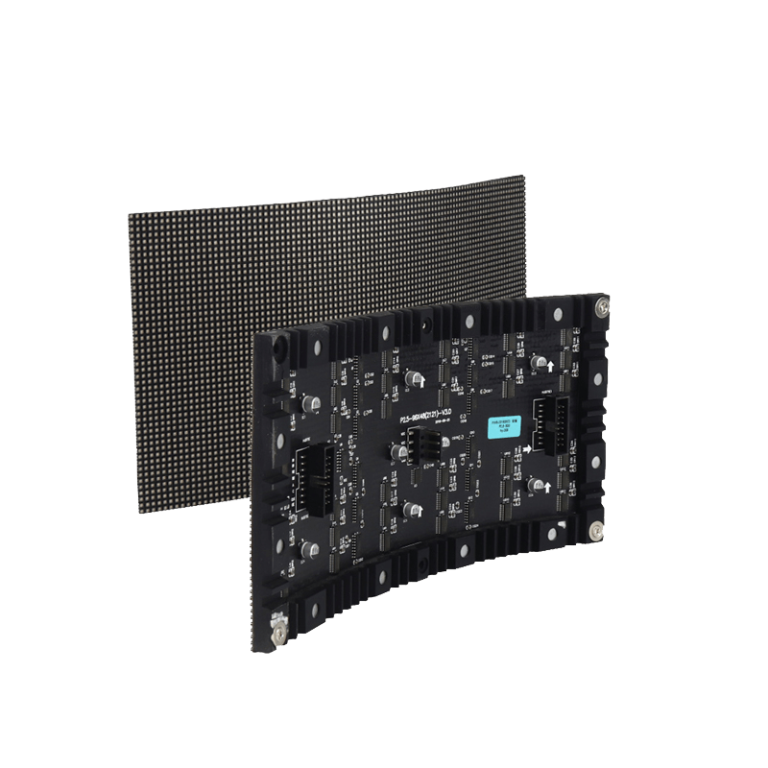
لیلاد نمایشگر در فضای باز پی2.604 یک نمونه مفید برای صحنههای بیرونی نزدیک و نیمه نزدیک است، با گام ۲.۶ میلیمتر، دید گسترده، رفرش بالا و روشنایی ۱۰۰۰۰ نیت برای نور مستقیم خورشید. همچنین از اتصال کابینتهای ترکیبی ۵۰۰ در ۵۰۰ میلیمتر و ۵۰۰ در ۱۰۰۰ میلیمتر پشتیبانی میکند و دارای قفلهای منحنی برای اشکال بیضوی و سطوح ناهموار است. این جزئیات زمانی اهمیت پیدا میکنند که نما یک مستطیل صاف کامل نباشد.
برای نصبهایی که پروفیل کابینت و ساختار بدنه در طراحی نقش اساسی دارند، پروفیل آلومینیوم لید نمایشگر به عنوان یک مرجع ساختاری ارزش بررسی دارد. خریدار نباید فقط در مورد شیب و متر مربع سوال کند. وزن کابینت، عمق، روش نصب، صاف بودن و نحوه دسترسی باید در یک جدول مقایسه قرار گیرند.
دسترسی به سرویس بر زمان از کارافتادگی و اختلال در اموال تأثیر میگذارد
یک نمایشگر LED بیرونی با دسترسی از جلو میتواند زمان از کارافتادگی را در مواقعی که یک ماژول، منبع تغذیه یا بخش کابل نیاز به توجه دارد، کاهش دهد. تکنسین میتواند بسته به تجهیزات سایت و قوانین ایمنی، از سمت قابل مشاهده کار کند. برای یک نمای شلوغ فروشگاه، این ممکن است به این معنی باشد که تعمیرات قبل از ساعات کاری با تأثیر کمتر بر فروشگاهها انجام میشود. برای یک مرکز حمل و نقل، ممکن است نیاز به ورود به فضاهای پشتی فروشگاه را کاهش دهد.
هزینههای نگهداری پس از فروش حفاظهای بیرونی میتواند بالاتر از حفاظهای داخلی باشد، بنابراین خریداران باید مصرف انرژی، هزینه خدمات و دسترسی را از قبل در نظر بگیرند. این نکته به راحتی در حین خرید نادیده گرفته میشود. اگر هر بازدید نیاز به داربست، تخریب فضای داخلی یا برچیدن جزئی داشته باشد، یک طرح با سرویس عقب ارزانتر ممکن است گرانتر شود.
قبل از سفارش این سوالات را بپرسید
آیا میتوان با خیال راحت به هر ماژول دسترسی داشت؟ آیا قاب فضای کافی برای تهویه دارد؟ آب و گرد و غبار در قسمت جلو چگونه آببندی شدهاند؟ آیا نیاز به ورود تکنسین خدمات به ساختمان خواهد بود؟ آیا ماژولهای یدکی و دادههای کالیبراسیون در دسترس هستند؟ تعویض یک ماژول معمولی چقدر طول میکشد؟
زاویه دید را نادیده نگیرید
صفحه نمایشهای نما اغلب از زوایای جانبی تیز دیده میشوند. زاویه دید وسیع و رنگ یکنواخت به صفحه نمایش کمک میکند تا برای عابران پیاده و رانندگانی که از جهات مختلف نزدیک میشوند، مفید باشد.
توانایی تأمینکننده باید با ریسک ساختمان مطابقت داشته باشد
یک توری نما یک پروژه نمایشی در مجاورت ساخت و ساز است، نه یک خرید توری بیقید و شرط. این کار به نقشههای کارگاهی، هماهنگی نصب، تصمیمگیری در مورد ضد آب بودن و برنامهریزی تعمیر و نگهداری نیاز دارد. Leyaled ثابت لید نمایشگراین دسته با این جهت مطابقت دارد زیرا تاسیسات ثابت به ساختار پایدار و یک برنامه خدماتی واضح نیاز دارند. صفحه نمایش استادیوم صفحه محصول همچنین به عنوان یک مرجع حفاظتی، با روشنایی بالا، رتبه IP65، زاویه دید گسترده و عبارات مربوط به نگهداری از جلو/عقب در یک مورد استفاده دشوار در مجاورت فضای باز، مفید است.
لیالِد از تحقیق و توسعه، تولید و اجرای پروژه نمایشگرهای LED در یک کارخانه ۷۰۰۰ متر مربعی در شنژن پشتیبانی میکند. پایگاه دانش آن به خطوط تولید خودکار، مهرهها و تراشههای درایور LED با کیفیت بالا، ۷۲ ساعت آزمایش در کارخانه، آزمایشهای کاهش روشنایی، نصب در محل، ۳ سال گارانتی رایگان، پشتیبانی فنی مادام العمر، پاسخگویی ۲۴ ساعته و ۴۸ ساعت تعمیر در محل برای موارد واجد شرایط اشاره دارد. برای خریداران نما، این جزئیات به تفکیک یک قیمت نمایشگر از یک طرح تأمین آماده پروژه کمک میکند.
نتیجه گیری
دسترسی از جلو زمانی ضروری است که خود ساختمان هیچ مسیر سرویس عملی از پشت باقی نگذارد. برای یک نمایشگر LED فضای باز دیواری، این میتواند تفاوت بین یک تعمیر ماژول قابل مدیریت و یک اختلال پرهزینه در ملک باشد. بهترین انتخاب از محل میآید: عمق نما، فاصله دید، باد، باران، گرما، وزن کابینت و دسترسی تکنسین. مقایسه خریدار لاستان گزینهها باید از ابتدا دسترسی از جلو، محافظت در برابر آب و هوا و برنامهریزی خدمات را در کنار قیمت پرده نمایش قرار دهند.
سوالات متداول
Q1: چه زمانی یک نمایشگر LED در فضای باز با دسترسی از جلو ضروری است؟
الف) ۱: زمانی که دسترسی از پشت مسدود، ناامن، بسیار باریک یا مخل استفاده داخلی ساختمان باشد، ضروری است.
س ۲: آیا خدمات جلو همیشه گرانتر است؟
A2: این میتواند قیمت اولیه را افزایش دهد، اما ممکن است هزینههای خدمات آینده را کاهش دهد، زمانی که دسترسی از عقب به نیروی کار اضافی یا کار ساختمانی نیاز داشته باشد.
Q3: برای صفحه نمایش LED نما چه مواردی باید بررسی شود؟
A3: بار باد، ضد آب بودن، اتلاف گرما، عمق نصب، مسیر سرویس، گام پیکسل، روشنایی و در دسترس بودن قطعات یدکی را بررسی کنید.