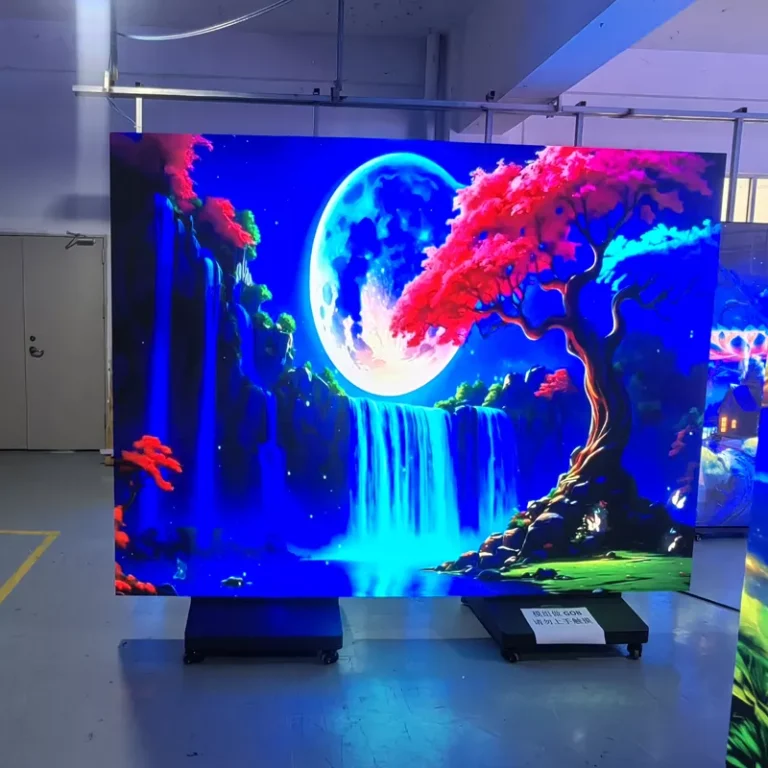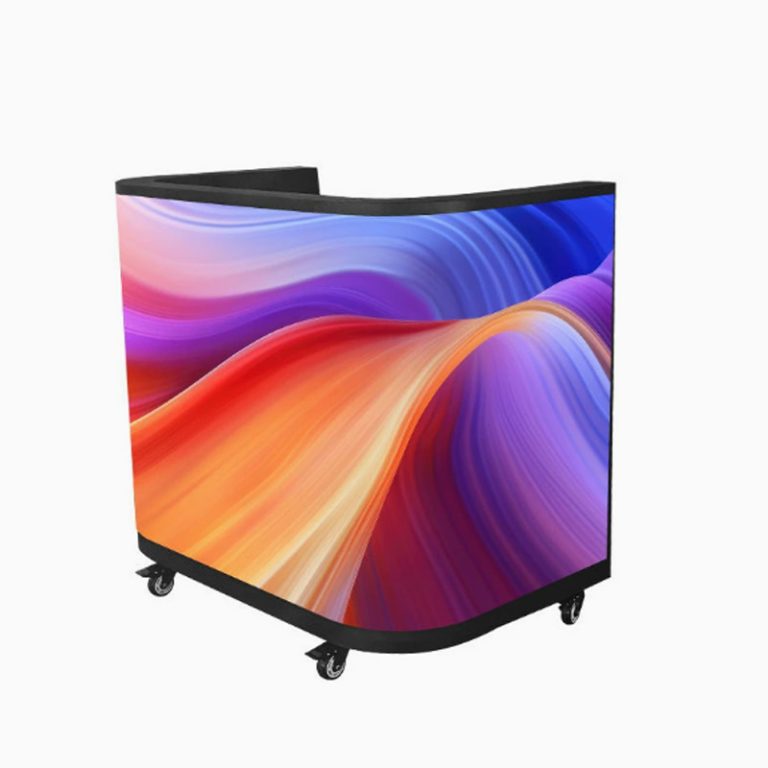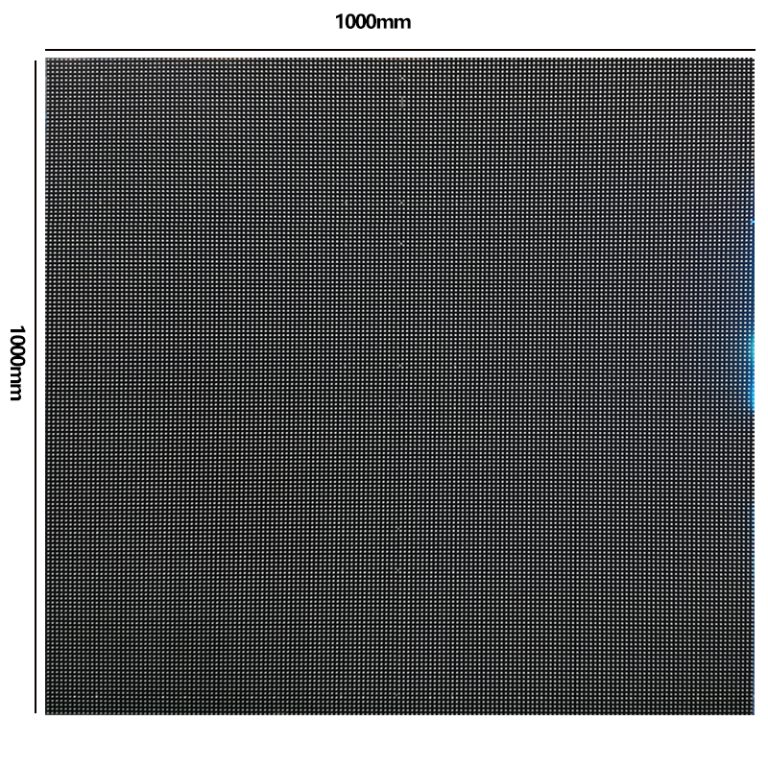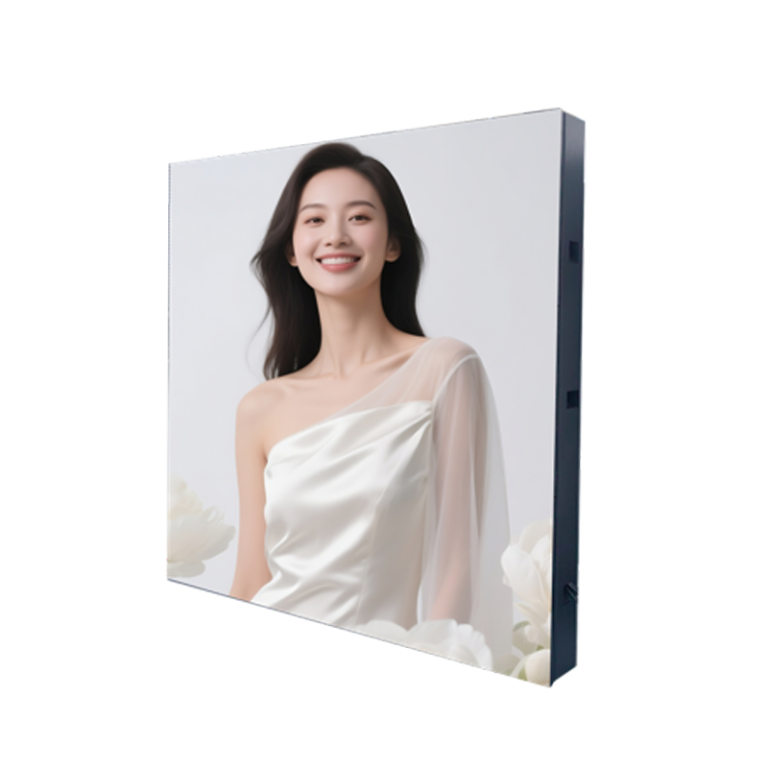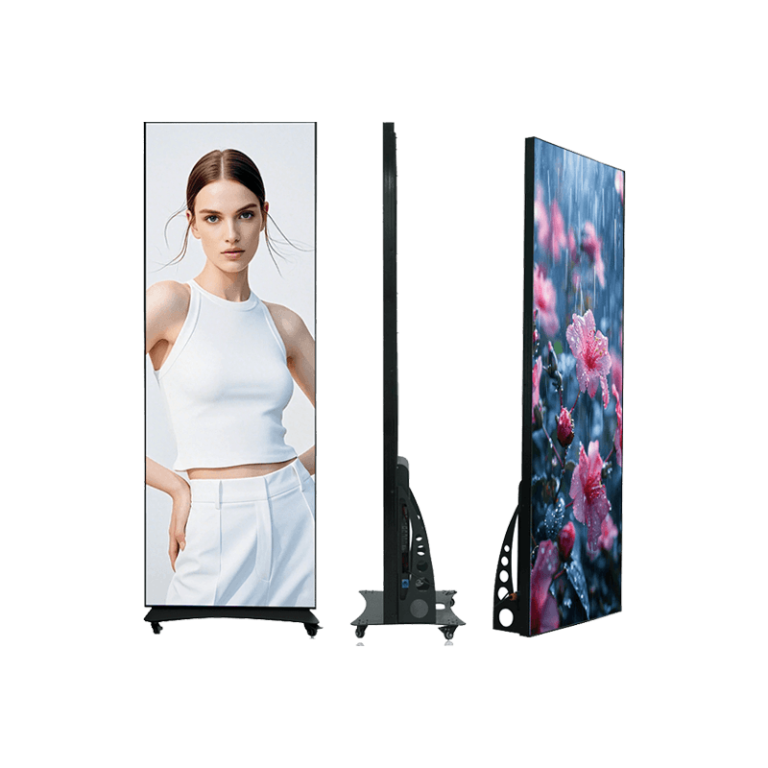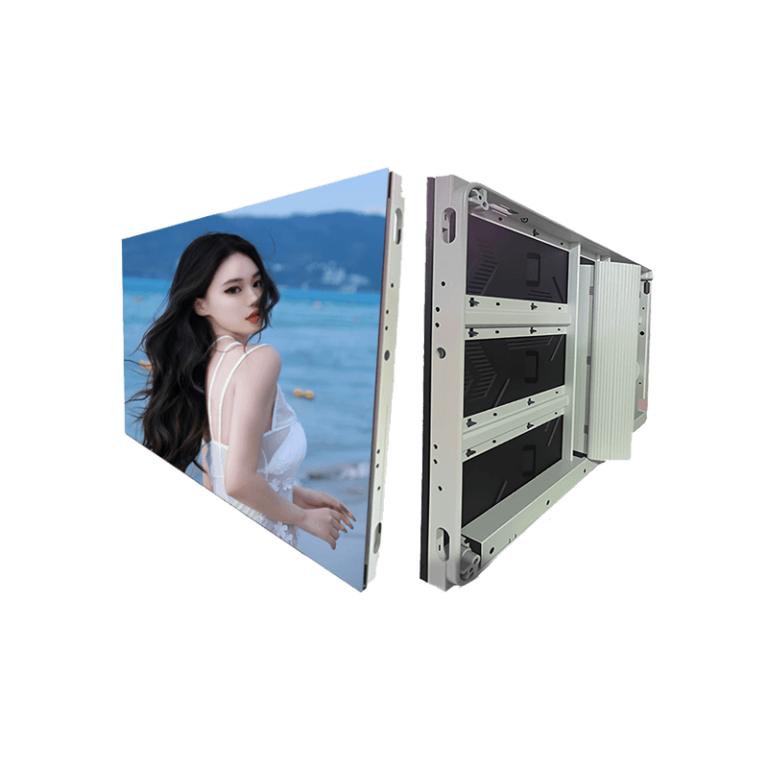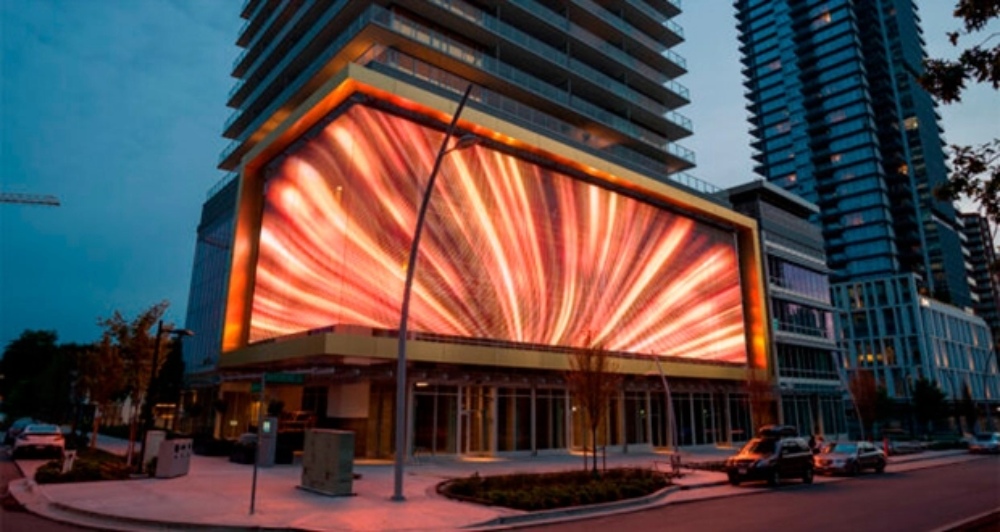
LED-Bildschirme im Freien bilden komplizierte Einrichtungen, die präzise Optik, elektronische Steuerung und robuste Technik verbinden, um lebendige Bilder in offenen Bereichen zu produzieren. Ihre Wirksamkeit hängt von der Zusammenarbeit zwischen Hardwareteilen, der Umgebungsfähigkeit und intelligenten Überwachungssystemen ab.
Grundlagen der Outdoor-LED-Bildschirmtechnologie
Kernkomponenten von Outdoor-LED-Displays
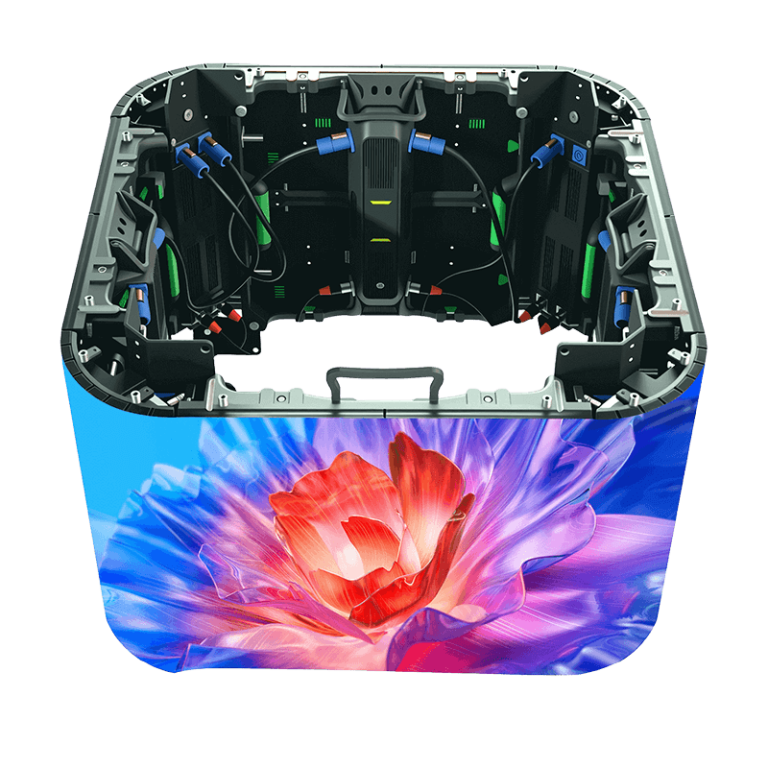
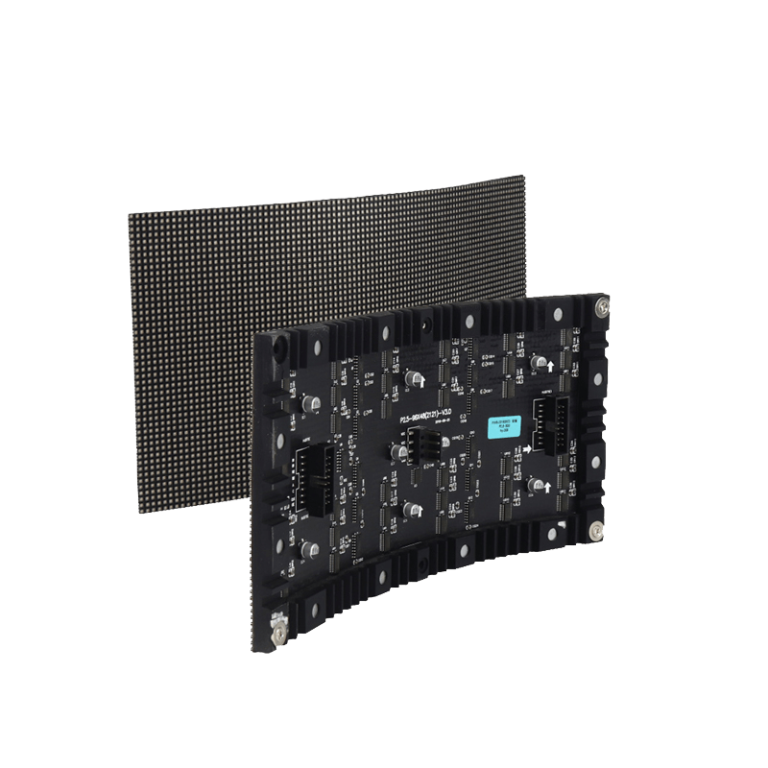
Ein LED-Display im Freien umfasst in der Regel LED-Module, Schränke und Steuersysteme. Jedes Modul enthält Gruppen von Dioden, die rotes, grünes und blaues Licht erzeugen, um vollfarbige Bilder zu erstellen. Schränke enthalten diese Module zusammen mit Abschirmstrukturen, die eine reibungslose Verbindung und eine solide mechanische Unterstützung ermöglichen. Das P2.6 LED-Display verwendet einen Druckguss-Aluminium-Schrank mit kombinierten 500 × 500 mm / 500 × 1000 mm Verbindungsmöglichkeiten, die eine Schnellsperreinstellung und gekrümmte Schlösser für abgerundete Formen bieten. Pixel Pitch - die Lücke zwischen zwei nahe gelegenen LEDs - spielt eine Schlüsselrolle bei der Auflösung und der Scharfheit der Ansicht; Feinere Steigungen wie 2,6 mm oder 3 mm liefern schärfere Bilder für nahe gelegene Setups.
Helligkeit und Kontrastverhältnis gestalten Außensichtbarkeit. Der LED-Display im Freien verlässt sich auf sehr helle LEDs mit roten, grünen und blauen Hauptfarben, die eine Vollfarbausgabe ermöglichen. Starke Helligkeit hält Inhalte auch bei direktem Sonnenlicht lesbar, während das Kontrastverhältnis die Bildtiefe und die realistische Qualität erhöht.
Wichtige technische Spezifikationen für den Außenbereich
Für einen zuverlässigen Betrieb im Freien sind Schutzniveaus wie IP65 oder IP67 entscheidend. Der Bildschirm verfügt oft über eine Schutzklasse IP65 oder besser, die Regen, Staub und andere Partikel verhindert, ins Innere zu gelangen. Die Verbesserung des Stromverbrauchs ist ebenso wichtig; moderne Treiber-ICs reduzieren Abfall und die Wärmesteuerung verhindert die Überhitzung. Das Aluminium-Druckguss-LED-Display P6 mischt natürliche Kühlung über seinen Aluminiumrahmen mit zusätzlichen Lüftern für Outdoor-Versionen. Signal-Matching-Methoden mit Sende- und Empfangskarten garantieren eine gleichmäßige Wiedergabe über große Setups ohne Flimmern oder Verzögerung.
Leistungsfaktoren im Freien anzeigen
Die Leistung im Außenbereich hängt nicht nur von der Helligkeit ab, sondern auch von der Farbpräzision und der Betrachtungseinstellung.
Helligkeit, Kontrast und Farbpräzision
Hochhelle LEDs halten die Bildschärfe im Tageslicht. Das Outdoor-Display P6 bietet eine Helligkeit von ≥6000 cd/m², um auch bei starkem Sonnenlicht klare Bilder zu gewährleisten. Eine stetige Farbeinstellung über die Panels vermeidet Farbverschiebungen; die Punkt-für-Punkt-Korrekturmethode hält die Farbgleichheit im Laufe der Zeit. Das Kontrastverhältnis beeinflusst die gesehene Tiefe - bessere Verhältnisse ergeben realistischere Bilder, die für Werbung oder Live-Shows geeignet sind.
Blickwinkel und Entfernungsoptimierung
Die Pixelspitch-Wahl muss dem geplanten Betrachtungsbereich entsprechen: Feinere Pitches wie in der Außenanzeige P2.604 funktionieren gut für nahe gelegene Mengen in Quadraten oder Ladenfronten, während größere Steigungen, wie etwa 6 mm in der Druckguss Aluminium P6, Erschwingliche Optionen für ferne Zuschauer auf Straßen oder Sportstätten bieten. Die Konstruktion breiter Blickwinkel ohne Farbänderungen – in der Regel bis zu 160° – gewährleistet Sichtbarkeit aus verschiedenen Winkeln.
Haltbarkeit und Umweltbeständigkeit
Outdoor-Displays müssen hartem Wetter standhalten, ohne Leistungsverluste zu verlieren.
Wetterschutz und Strukturgestaltung
Schirmschichten schützen vor Feuchtigkeit, Schmutz und UV-Strahlen. LED-Displays im Freien umfassen UV-Widerstand, Stoppen von Materialverschleiß und Farbwechseln durch längere Sonneneinstrahlung. Strukturplanung betont Windwiderstand durch verstärkte Rahmen; Druckguss-Aluminium bietet sowohl Festigkeit als auch Rostfestigkeit und bleibt gleichzeitig leicht für eine einfachere Einrichtung.
Wartung und Langlebigkeitsstrategien
Ein modulares Layout erleichtert die Wartung: fehlerhafte Module können einzeln ausgetauscht werden, ohne ganze Schränke auszuziehen. Routinepflegepläne - unterstützt von fernverfolgungssystemen - verlängern die lebensdauer, indem sie probleme frühzeitig erkennen. Die modulare Konstruktion ermöglicht eine schnelle Ansammlung der Displays, schneiden Setup Schwierigkeit.
Steuerungssysteme und Content Management Technologien
Das Control Framework bestimmt, wie visuelle Informationen verarbeitet und über mehrere Panels angezeigt werden.
Signalverarbeitungsarchitekturen
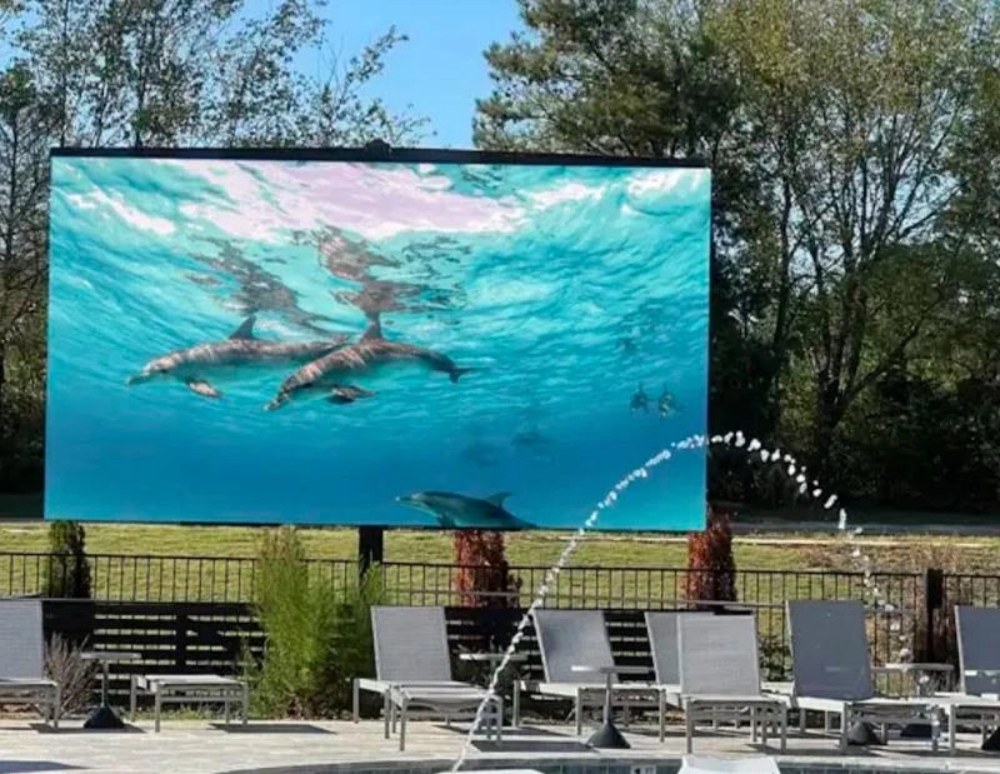
Sendekarten senden Videosignale an Empfangskarten, die in jedes Modul eingebaut sind; Videoprozessoren verarbeiten Größenveränderung und Übereinstimmung über Bildschirme hinweg. Unsere P6-Serie verwendet eine ≥1920 Hz-Aktualisierungsrate für eine reibungslose Wiedergabe ohne Flimmern, perfekt für Live-Gelegenheiten oder Kamerafnahmen. Die Verknüpfung mit Live-Eingaben ermöglicht Echtzeitänderungen wie Verkehrswarnungen oder Ereignispunkte.
Softwareplattformen für Display Management
Mit zentraler Software können Benutzer Inhalte über Cloud-Tools aus der Ferne planen, die Prüfungen und Einrichtungstweaks verarbeiten. Sicherheitsmaßnahmen schützen vernetzte Systeme vor unerwünschten Eingriffen – ein Muss für den Umgang mit großen Werbenetzwerken, die sich über Städte verteilen.
Energieeffizienz und Energieoptimierungstechniken
Energiesparende Kürzungen führen zu Kosten und unterstützen grüne Ziele.
Reduzierung des Stromverbrauchs bei Displays mit hoher Helligkeit
Einstellbare Helligkeitssteuerung ändert die Lichtausgabe mit nahe gelegenen Lichtsensoren, um übermäßige Verwendung in der Nacht zu vermeiden. Effiziente Treiber-ICs reduzieren auch den Strombedarf, ohne die Ausgabe zu beeinträchtigen. Backup Power Setups gewährleisten eine stetige Arbeit bei Blackouts – ein wesentliches Merkmal für die öffentliche Sicherheit.
Anwendungen von Outdoor LED-Bildschirmen in allen Branchen
LED-Bildschirme im Freien unterstützen verschiedene Bereiche, in denen großflächige Nachrichten zählen.
Kommerzielle Werbung und Branding-Installationen
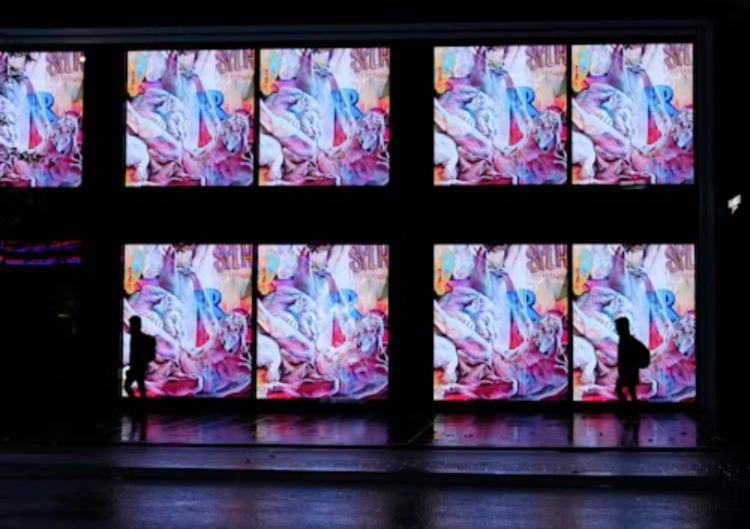
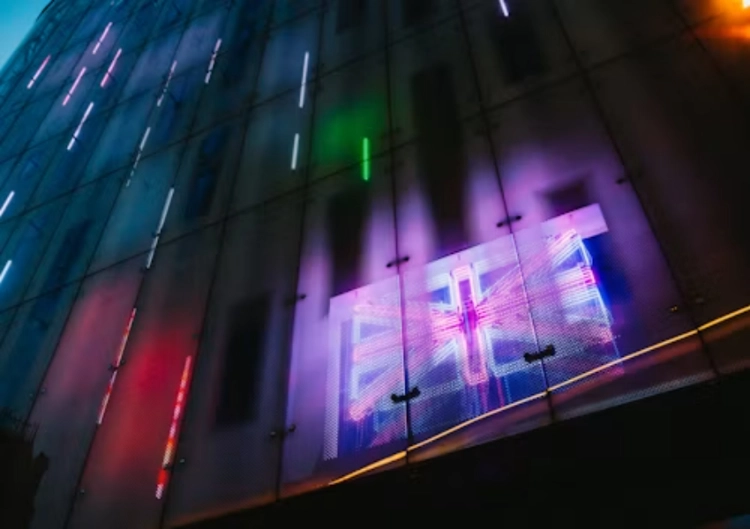
Viele LED-Bildschirmmedien im Freien sitzen vorsichtig in der Stadt’ s helle Punkte, den Kern des CBD und wichtige Verkehrswege. Diese Setups verwandeln Stadtgebiete in aktive Marketing-Spots, die erfinderische Bilder mit sofortiger Interaktion vermischen. Die Außenanzeige P3 bietet flexible modulare Verbindungen für spezielle Gebäudepassungen, die sich hervorragend für hochwertige Ladenfronten oder Messezentren eignen.
Sportarenen, Veranstaltungen und öffentliche Informationsanzeigen
In Sportbereichen oder Reisespots hängen Soforttabellen oder Führungsbildschirme von hohen Erfrischungsraten ab, um die Bewegungsskärfe unter dem Licht von Sendungen zu halten. Außenmodelle verfügen über IP65 Schutz mit überdachten Leiterplatten für eine zuverlässige 24/7 Arbeit von -10°C bis 50°C.
Neue Trends in der Outdoor-LED-Display-Technologie
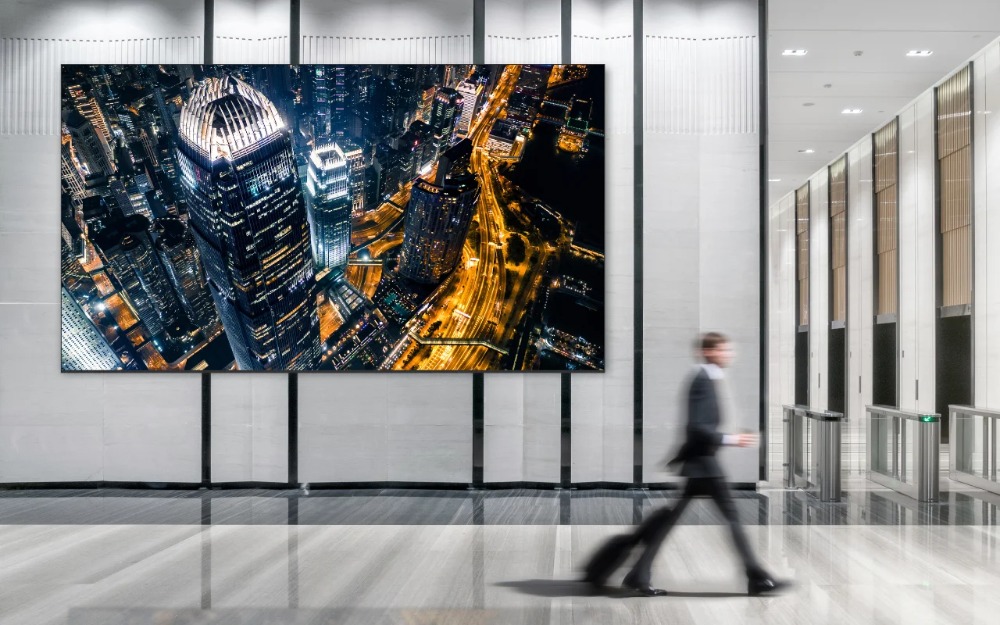
Innovation verbessert weiterhin die Ausgabemaßnahmen in Richtung besserer Definition und klugerer Handhabung. Kleine Diodengrößen erhöhen die Pixelzahl für nahezu glatte Ultra-HD-Bilder auch außen, sowie eine bessere Zähigkeit durch bessere Dichtmaterialien, die Rost bekämpfen. Vorhersage-Wartung durch KI-Methoden beobachtet aktuelle Flow-Probleme, bevor Ausfälle auftreten; IoT-Links ermöglichen automatische Einstellungen der Helligkeit der Inhalte basierend auf Wetter- oder Menschenmengendaten.
Überlegungen zur Systemintegration und Installation
Vor der Einführung gewährleisten technische Kontrollen die Gebäudesicherheit und die beste visuelle Leistung.
Site Assessment und Structural Engineering Anforderungen
Wenn LED-Außenbildschirme hoch oder an öffentlichen Stellen steigen, setzt die Stahlkonstruktion die Sicherheitsbasis. Ingenieure überprüfen Windlastkapazität, Gewichtsausbreitung, Erdungseinrichtungen und Überspannungsschutze, um die Sicherheitsregeln zu erfüllen und gleichzeitig die visuelle Passform zu nahegelegenen Gebäuden zu gewährleisten.
Kalibrierung, Prüfung und Inbetriebnahme
Die Vor-Ort-Einstellung entspricht der Helligkeitsgleichheit der Module unter wechselndem Licht; Vollständige Tests bestätigen die Auffrischungsbeständigkeit vor dem endgültigen Start, um eine stetige Qualität durch tägliche Laufe zu gewährleisten.
Zukunftsaussichten für Hochleistungs-Outdoor-Displays
Während die Technologie zu grünen, intelligent angetriebenen Systemen wechselt, werden die kommenden Displays die Ökopflege gegen tiefe visuelle Einrichtungen abwägen. Hersteller verwenden häufiger wiederverwendbare Materialien in Bauzyklen, während sie Leistungsschaltungen bauen, die die Kohlenstoffmarke schrumpfen, ohne die Helligkeit zu schrumpfen, die für das Tageslesen erforderlich ist. Die Verbindung zu 5G-Netzwerken ermöglicht sofortige Streaming-Anwendungen wie interaktive Werbung oder Krisen-Sendungen mit sehr geringer Verzögerung; KI-basierte Daten verbessern weiterhin die Farbtuigungen basierend auf den umliegenden Eingangsschleifen für höchste Effizienz über die gesamte Produktlebensdauer.
Leyaled: Ein vertrauenswürdiger Partner
In diesem technischen Umfeld steht Leyaled, ein erfahrener Hersteller konzentriert sich auf Innen-/Außenfarbe-Displays mit 15 Jahren R& D Know-how mit Sitz in Shenzhen. FWS Technology Co., Ltd. handelt als High-Tech-Unternehmen im Bereich der vollständigen LED-Anzeige, die R& D, Herstellung und Verkauf. Unser Standort umfasst 7.200 m² und verfügt über acht SMT-Autolinien, die nach ISO 9001:2008 und CE-Normen zertifiziert sind, um eine stabile Qualität vom Modulbau bis zur Endmontage zu gewährleisten. Wir betonen “ Qualität zuerst,” Unterstützt von einer fokussierten Gruppe von Ingenieuren, die OEM / ODM-Aufgaben in Tagen mit fortgeschrittenen Lichtdesign-Fähigkeiten bearbeiten. Unsere Produktlinie – von gebogenen Innenplatten bis hin zu harten Außenschildern wie Outdoor P6 Displays- zeigt genaue Technik für weltweite Kunden, die solide langfristige Lösungen in Geschäftsbereichen oder Smart City-Gebäuden wünschen. Für Projektgespräche oder Teamfragen zu kundenspezifischen LED-Bildschirmbehebungen im Freien, die Ihren Spot-Bedürfnissen entsprechen, kontaktieren Sie uns bitte über unsere Seite unter Kontaktieren Sie uns.
FAQ (häufig gestellte Fragen)
Q1: Welche Pixel Pitch sollte für einen Außenwerbungsbildschirm gewählt werden?
A1: Die beste Pixelspitch hängt von der Sichtweite ab; Kleinere wie 2-3 mm passen in der Nähe zum Einsatz wie Ladenfronten, während größere um 6 mm Straßen oder Sportplätze passen, um Kosteneinsparungen mit ausreichender Schärfe auszugleichen.
Q2: Wie beeinflussen IP-Bewertungen die Haltbarkeit des LED-Bildschirms im Freien?
A2: Eine IP65-Bewertung bietet vollen Schutz vor Staubeingang und Niederdruckwasserströmen von jeder Seite, so dass eine stabile Arbeit in Regen oder staubigen Stellen der Schlüssel für langfristiges Vertrauen draußen ist.
Q3: Welche Wartungspraktiken verlängern die Lebensdauer eines LED-Bildschirms im Freien?
A3: Die Verwendung modularer Austauschpläne mit Remote Check Tools erkennt bald Probleme; Die übliche Reinigung der Luftwege hält den Wärmestrom gut und stoppt den frühen Diodenverschleiß über Jahre stetiger Verwendung.