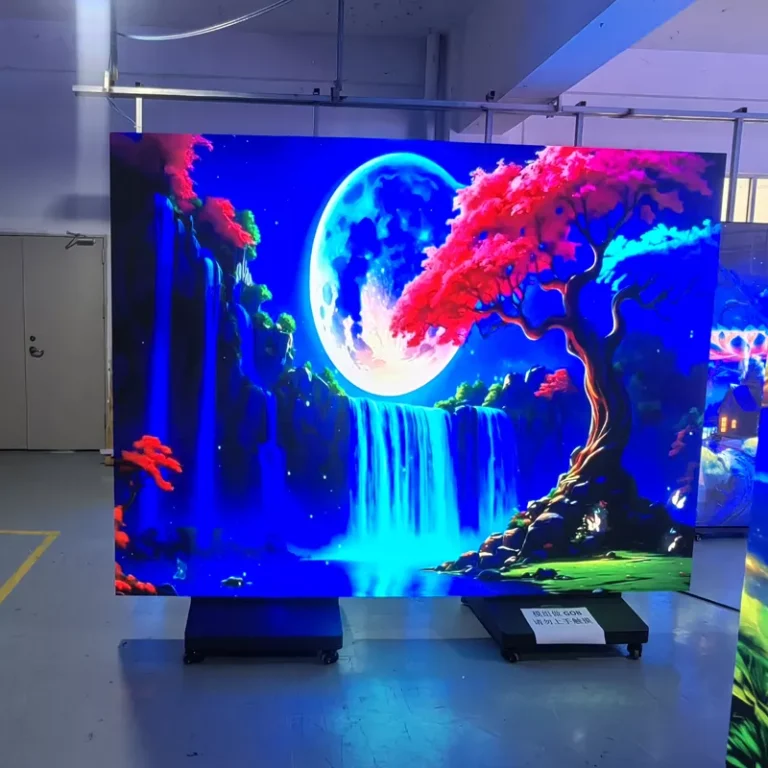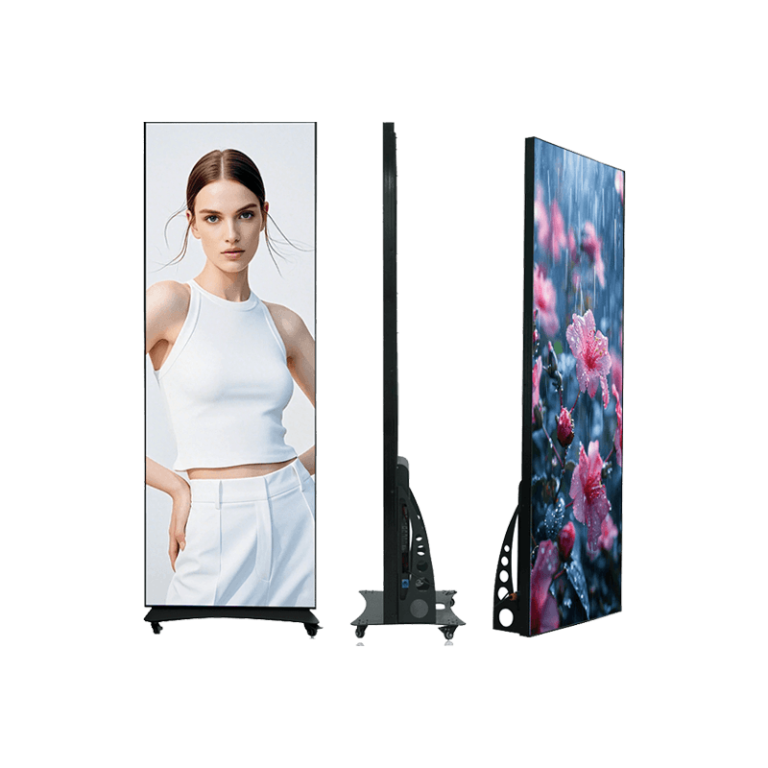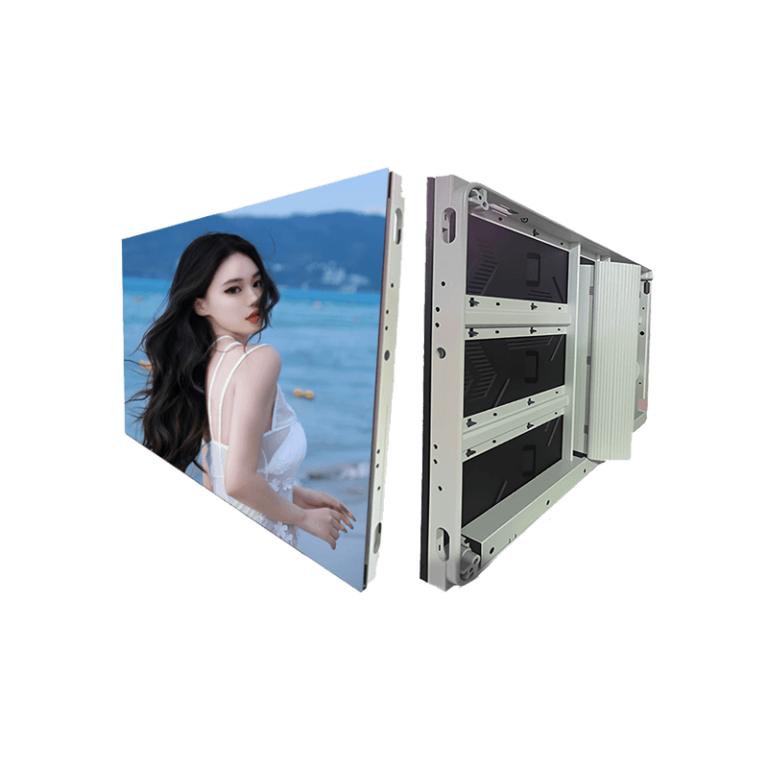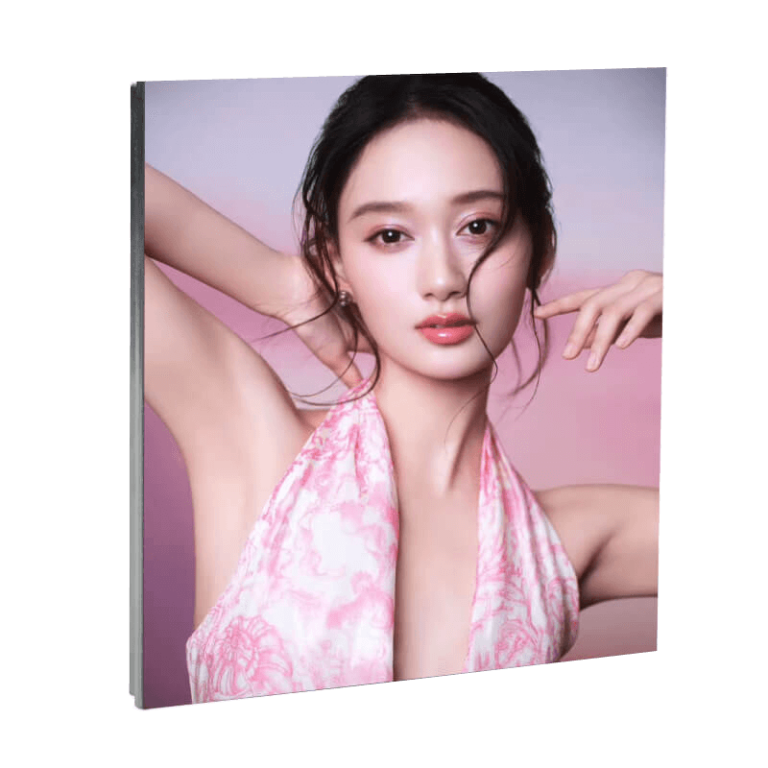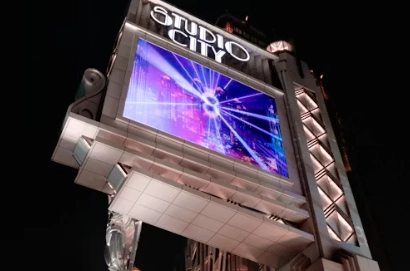
Als Hersteller mit 15 Jahren Erfahrung im Bereich LED-Display-Engineering konzentrieren wir uns auf die Bereitstellung leistungsstarker LED-Videowandsysteme, die optische Schärfe, solide Bauqualität und umweltfreundlichen Betrieb verbinden. Unsere Methode kombiniert modernste Materialien, fein abgestimmtes Pixelmanagement und intelligente Anpassung, um sicherzustellen, dass jedes Display eine visuelle Schärfe auf Expertenebene erreicht.
Für Leute, die zuverlässige Optionen in Innen- oder Außenaufgaben suchen, bietet Leyaled ein komplettes Sortiment an LED-Videowänden - von stabilen Innenpanelen bis hin zu anpassbaren modularen Bildschirmen - für eine reibungslose Passform in Geschäftsräumen, Studios und Gebäuden. Mit einer Fabrik von 7.200 Quadratmetern mit acht automatisierten SMT-Linien und ISO-zertifizierten Qualitätskontrollen halten wir uns an die Idee fest, dass Qualität die Basis der Ausdauer bildet. Unsere Produkte sind für Klarheit, Stabilität und dauerhafte Festigkeit entwickelt - die wichtigsten Zeichen für echte visuelle Schärfe.
Schlüsselparameter, die die LED-Videowandleistung definieren
Die Überprüfung einer LED-Videowand beginnt mit ihren Hauptmaßnahmen: Pixelspitch, Helligkeit, Kontrastverhältnis, Aktualisierungsrate, Farbigenmäßigkeit, Graustufentiefe, Betrachtungswinkel und Reaktionszeit. Jeder fügt auf seine eigene Weise zur Wahrheit des Bildes und Beobachterleichtheit hinzu.
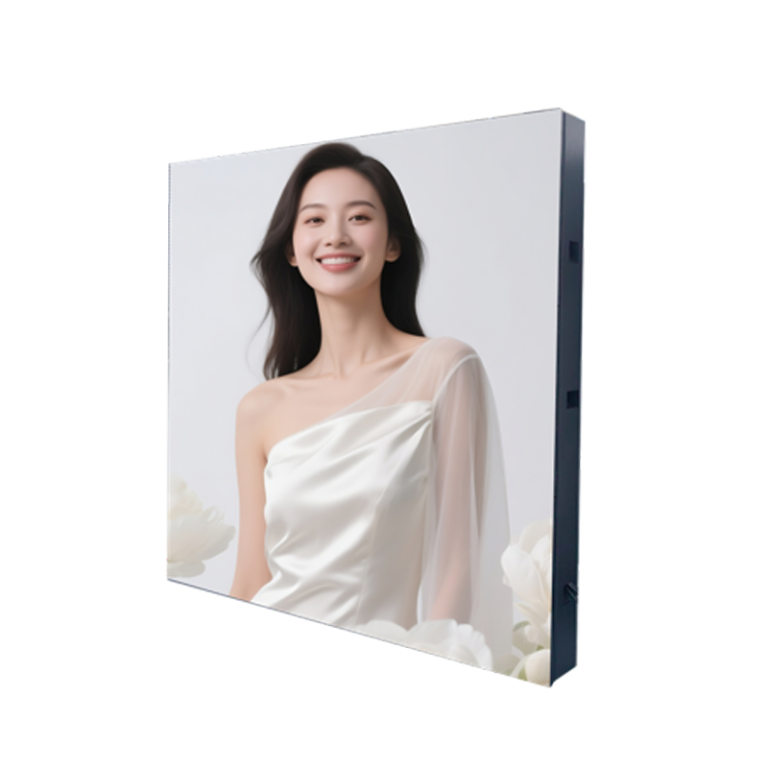
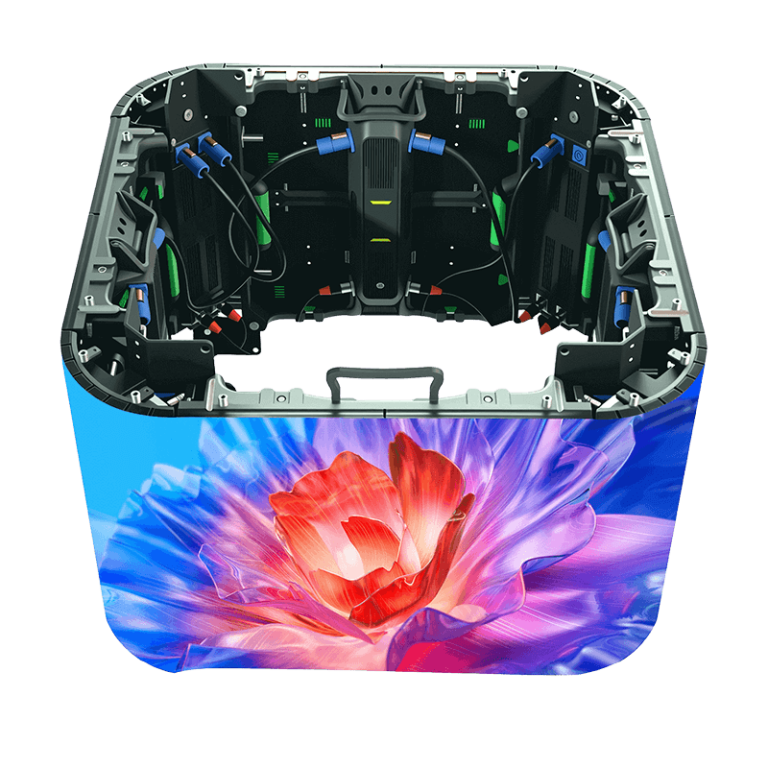
Der LED-Display, der mit einem maßgeschneiderten Druckguss-Aluminiumschrank gefertigt wird, betont Leichtigkeit, Schlankheit und schnelle Einrichtung. Dieser Bauvorteil hilft stetigem Marschen und wenig Biegen über lange Zeiträume. Auf die gleiche Weise garantiert der genaue Einheitsbildaufbau eine stetige Pixelspitch, was zu einer reibungslosen Verbindung führt. Diese Eigenschaften zusammen bestimmen, wie gut ein Display reale Bilder ohne Drehungen oder klare Linien anzeigen kann.
Die Rolle von Pixel Pitch in der visuellen Präzision
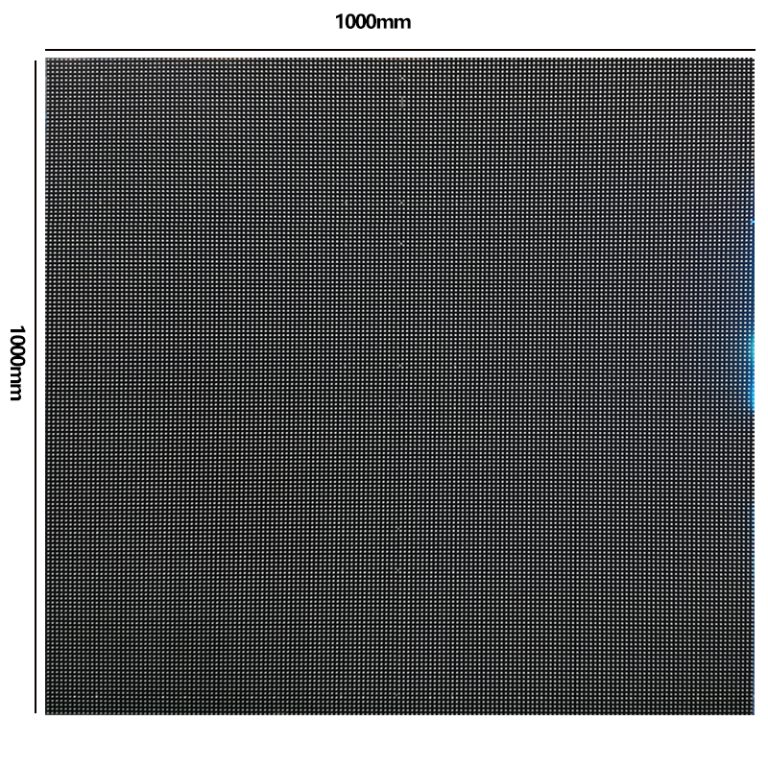
Die Pixelspitch setzt sofort die Auflösungsnähe fest. Eine kleinere Pitch bietet bessere Details und Mengen und sogar Flüsse – perfekt für Nahaufgaben wie Studios oder Tagungsräume. Die Indoor P3.91 Anzeige zeigt diese Idee mit 3,91 mm Pixelspitch und 65.536 Pixel pro Quadratmeter. Es bringt flimmerfreie Arbeit mit bis zu 3840 Hz-Aktualisierungsraten und unterstützt reibungslose Übergänge für große Displays in Unternehmen oder Sendungsorten.
Die Wahl der Pixelspitch sollte dem geplanten Betrachtungsbereich entsprechen: Kleinere Pitches für die enge Beobachtung und breitere Pitches wie 6 mm für Outdoor-Sehenswürdigkeiten, bei denen die Beobachter weiter entfernt bleiben. Dieser Mix gewährleistet den besten Kosten-zu-Ausgabe-Gewinn und behält gleichzeitig die visuelle Klarheit in allen Situationen.
Helligkeit und Kontrast: Kernindikatoren für die Klarheit des Displays
Helligkeit setzt Sicht unter verschiedenen Umgebungslichtmengen; Der Kontrast fördert das Tiefengefühl durch die Aufteilung des Lichtniveaus zwischen dunklen und hellen Flecken. Das Outdoor P6 Display erreicht ≥6000 cd/m2 Helligkeit mit einem IP65-Schutzniveau - Halten Sie eine konstante Leistung auch unter gerader Sonne und schneiden Sie Glanz durch eine genaue Kontrolle der Gleichmäßigkeit der Maske. Sein starkes Kontrastverhältnis sorgt dafür, dass lebendige Bilder für Outdoor-Werbung oder Transportzentren passen, in denen das Lesen trotz Hürden am wichtigsten ist.
Bewertung der Farbgenauigkeit und der Graustufenleistung
LED-Videowände auf Expertenebene hängen von der wahren Farbzeige und der Herstellung tiefer Graustufen ab, um die Gleichmäßigkeit über die Paneele zu erhalten.
Farbkalibrierung für professionelle Displays
Die Farbkalibrierung beseitigt Schattenunterstimmungen durch Teileverschleiß oder Wärmeverschiebungen. Starke Helligkeit und ein breites Farbspektrum sorgen dafür, dass echte Farben angezeigt werden: Die Abdeckung des gesamten Farbspektrums erreicht über 36%, die über den NESC-Farbspektrum hinausgeht. Diese Spezifikation verspricht, dass jedes Panel eine konstante Farbausgang behält, wenn es in größere Gruppen zusammengeführt wird - Schlüssel für Steuerhubs oder Broadcast-Studios, in denen die Schärfe am wichtigsten zählt. Fortgeschrittene Einstellsysteme fixieren automatisch das RGB-Gleichgewicht jedes Moduls in Einrichtungs- oder Wartungsrunden, um Ton-Ganzheit über seine Lebensdauer zu halten.
Graustufentiefe- und Dynamikbereichsanalyse
Die Graustufentiefe bestimmt, wie gleichmäßig sich ein Bild zwischen Tönen ohne klare Bandmarken bewegt. Die Indoor P4.81 Display Gehäuse zeigt höchste Graustufengleichheit durch seine 16-Bit-Handhabungsfähigkeit, die mit einem Kontrastverhältnis von 8000:1 verbunden ist, wodurch auch bei niedrigen Helligkeitsmengen detaillierte Herstellung für Command Centers oder Displays geeignet ist, die weiche Tonschritte benötigen. Auch wenn die Helligkeit auf 20% fällt, zeigt es immer noch ein makelloses Bild. Eine solche intelligente Helligkeitsbestimmung sorgt dafür, dass die Beschichtung bei der Änderung der Lichteinstellungen funktioniert und gleichzeitig Energie spart.
Aktualisierungsrate, Frame-Synchronisation und Bewegungsstabilität
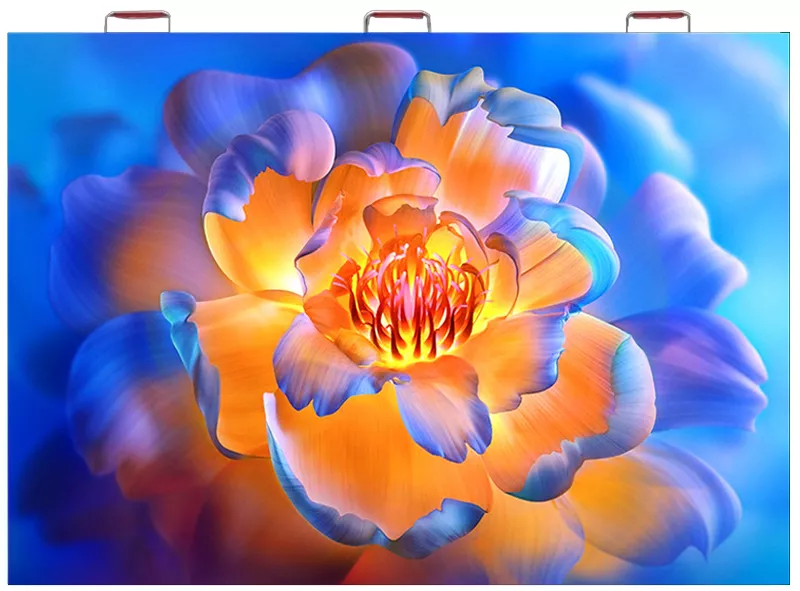
Eine reibungslose Bewegungspflege ist von entscheidender Bedeutung, wenn sich schnell bewegende Sehenswürdigkeiten wie Sportshows oder Live-Event-Streams zeigen.
Wichtigkeit der Aktualisierungsrate bei der High-Speed-Content-Anzeige
Eine starke Aktualisierungsrate reduziert den Flimmersinn in lebhaften Bestellungen. Treiber-ICs auf Expertenebene halten Aktualisierungsgeschwindigkeiten über 3840 Hz und löschen Verschwommenheit in Kamerafnahmen oder Bühnenspielfällen aus, in denen der Bewegungsfluss perfekt bleiben muss.
Das Indoor-High-Definition-LED-Display P3.91 bietet aufgrund seiner hohen Refresh-Rate eine erstaunlich klare Bildqualität, was alles dafür sorgt, dass lebendige Inhalte gleichmäßig und fest abgespielt werden. Diese Festigkeit erhöht die Beteiligung der Beobachter und verringert die Augenmüdigkeit über lange Uhrzeiten.
Frame Synchronisation über modulare Panels hinweg
Die Sync-Technologie stoppt das Rippen zwischen den nächsten Modulen, indem die Frame-Timing genau über alle verbundenen Einheiten ausgerichtet wird. Multi-Panel-Synchronisierung wird entscheidend in großflächigen Setups wie Stadien oder tiefen Theatern, wo Verzögerungslücken den Fluss brechen können. Mit einem Synchronisierungssystem können Videos, Texte und Bilder in Echtzeit wiedergegeben werden. Diese Fähigkeit stellt sicher, dass verbundene Visuals funktionieren, unabhängig von der Bildschirmgröße oder dem Setup-Mix.
Strukturelle Zuverlässigkeit und Effizienz im thermischen Management
Die Baustärke bestimmt, wie zuverlässig eine LED-Videowand unter laufenden Belastungszuständen läuft.
Mechanische Konstruktion und Paneelausrichtung Präzision
Feste, aber leichte Rahmen gewährleisten eine stabile Auskleidung und erleichtern gleichzeitig die Einrichtungsaufgaben. Leicht und einfach einzurichten: Klappbar, klein und einfach zu halten. Die modulare Herstellung ermöglicht eine schnelle Zusammenstellung ohne spezielle Werkzeuge, die sowohl kurzfristige Setups als auch dauerhafte Reparaturen unterstützt. Präzise Druckguss-Aluminium-Schränke bekämpfen Biegen in wiederholten Griffrunden, während sie enge Grenzen zwischen den Platten für glatte Verbindungen halten, die gleichmäßige Pixelform über weite Bereiche halten.
Wärmeabfuhrsysteme für den Langzeitbetrieb
Eine gute Wärmepflege verhindert den frühen Verschleiß der Dioden, indem die Wärme gleichmäßig über die Module verteilt wird. Die Module verfügen über eine eingebaute Wärmeverteilung, die die Betriebszeit des LED-Displays verlängert. Die lüfterlose Kühlung baut auch den leisen Lauf zurück – perfekt für Studio-Einstellungen, die Klangleichheit benötigen – während eingebaute Sensoren die Stromteilung lebendig auf der Grundlage von Live-Wärmefeedback beheben.
Bewertung der Energieeffizienz und der betrieblichen Nachhaltigkeit
Stromverbrauch sofort schwankt laufende Umweltfreundlichkeit im Laufe der Zeit; gute Schaltungen schneiden Stromrechnungen, ohne die Ausgangsmaßnahmen zu schädigen.
Stromverbrauchmetmetriken in LED-Displays
Eine niedrigere Leistungsaufnahme bedeutet eine geschnittene Kohlenstoffmarke pro Lichtleistung, die von frischen Treiber-ICs für PWM-Schaltverstärkung abgestimmt wird. High-gain LED-Displays verfügen über eine intelligente Helligkeitsbestimmung, die sicherstellt, dass das Display vom Umgebungslicht unberührt bleibt. Diese Einbaupläne passen die Lichtstärke gegen die Einstellung von Zuständen ab - halten Sie die Sicht und sparen gleichzeitig Stromquellen über lange Betriebsstunden.
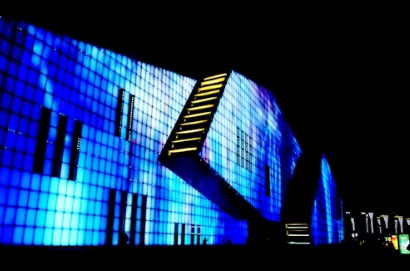
Umweltanpassung von LED-Videowänden
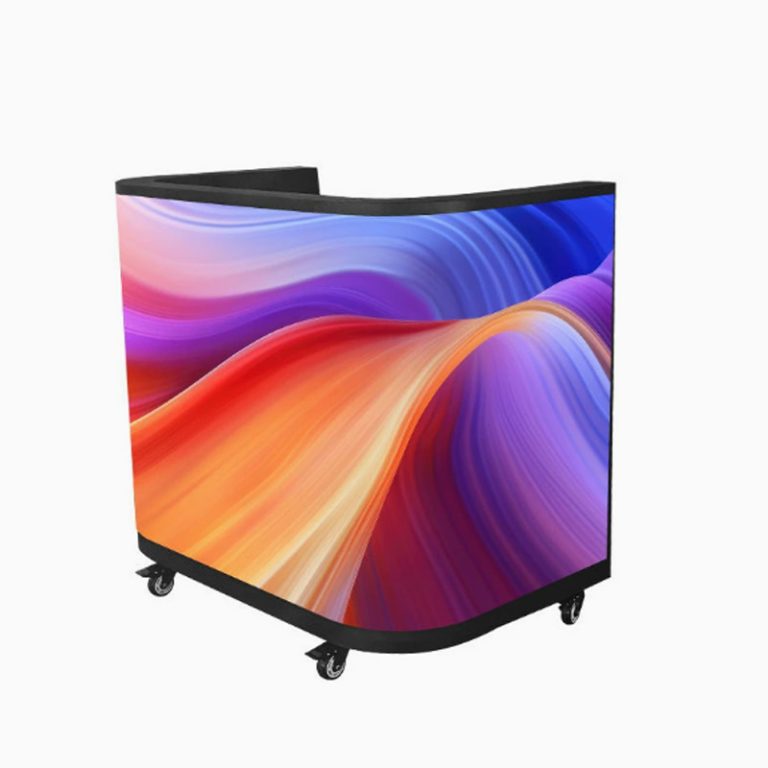
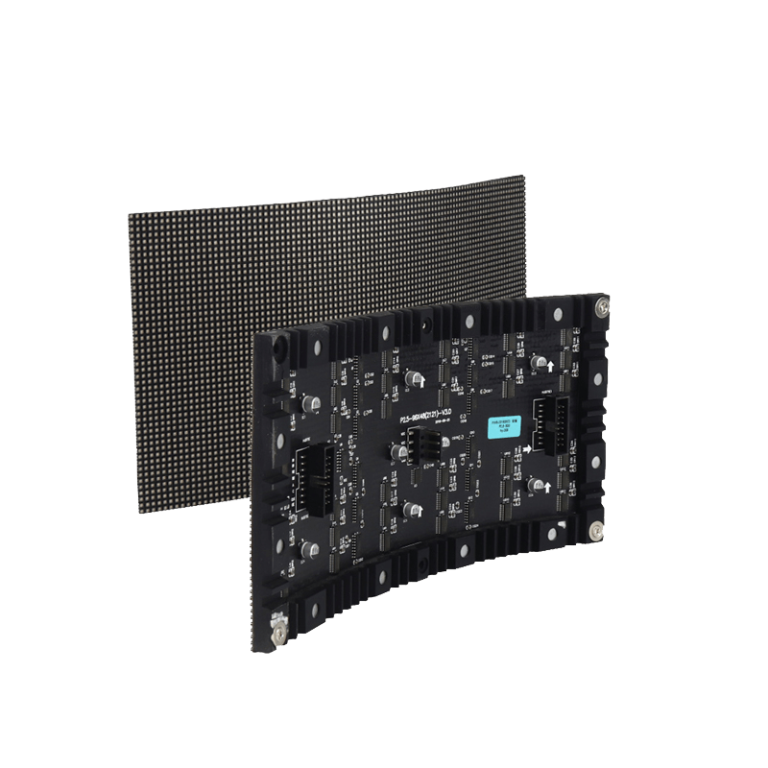
Die Festigkeit gegen Staubeingang oder Nasskontakt verlängert die Lebensdauer des Produkts erheblich. Indoor wasserdicht bis IP43, Outdoor wasserdicht bis IP65-67, korrosionsbeständig, antioxidationsbeständig, feuchtigkeitsdicht und flammhemmend. Der Flexible Screen P3.91 zeigt diese Zähigkeit durch seine superdünne, aber schlagfeste Konstruktion, die in der Lage ist, gekrümmte Flächen wie Tunnel oder runde Wände zu bilden, während 15-20% weniger Leistung verwendet wird als alte steife Designs.
Leyaled: Ein zuverlässiger Hersteller von fortschrittlichen LED-Display-Lösungen
Leyaled konzentrieren sich auf den Bau verbundener LED-Videowandsysteme, die optische neue Ideen mit Baupolerei über verschiedene Anwendungen mischen - von Geschäftsschildern bis hin zum Bau von Medienwänden - unterstützt von OEM / ODM-kundenspezifischen Fähigkeiten, die in sieben Tagen von unserer Ingenieurgruppe von über dreißig Experten (FWS Technology Co., Ltd., mit Sitz in Shenzhen) durchgeführt werden. Unser Produkt-Sortiment umfasst Indoor-Fine-Pitch-Panels (P3.91/P4.81), Outdoor-Displays mit hoher Helligkeit (P6) und flexible Kreativbildschirme (P3.91), die jeweils für Expertenmärkte geeignet sind, die volles Vertrauen benötigen.
Unser Versprechen geht über die Realisierung hinaus - wir geben umfassende Beratung über die Konstruktionseinstellung bis zur Einstellung nach der Einrichtung, um sicherzustellen, dass jedes Rollout die Spitzenscharfe erreicht, die weltweit unter den ISO9001: 2008-Zertifizierungsstandards bekannt ist.
Wichtige Takeaways zur Bewertung der LED-Videowandpräzision
Die Überprüfung einer LED-Videowand erfordert eine vollständige Überprüfung von Maßnahmen wie Pixelspitch-Liniengenauigkeit, Lichtgleichheit, Kontrasttiefe, Graustufengeradigkeit, Auffrischungssynchronisierungsfestheit, Bauhärte, Wärmeausbreitungsgewinn, Leistungsstellung und Einstellungsdichtfestigkeit - alles, was zu dauerhafter visueller Wahrheit unter realen Betriebszuständen beiträgt.
Intelligentes Picking hängt von den Einsatzeinstellungen ab - Indoor-Setups belasten feinere Tonhöhen wie P3-P4-Bereiche, während Outdoor-Fixes die Helligkeit über 6000 cd / m hervorheben2 gebunden mit wetterstarken Bauten, um sicherzustellen, dass stetig die Ganzheit zeigen, unabhängig von den umliegenden Veränderungen. Die Wahl von uns bedeutet, mit einem Hersteller zusammenzuarbeiten, der sich darauf konzentriert, digitale Sehenswürdigkeiten durch technische Fähigkeiten zu fördern, die von schnellen weltweiten Serviceteams unterstützt werden, die bereit sind, vom Ideenwachstum bis hin zu Lebenswartungsschritten über unsere Kontaktseite.
FAQ (häufig gestellte Fragen)
Q1: Was ist die optimale Pixelspitch für Nahaufsichtsumgebungen?
A1: Für kurze Sichtwege wie Konferenzräume oder Studios bieten kleinere Höhen wie 2-4 mm außergewöhnliche Schärfe; Modelle wie P3.91 eignen sich besonders durch ihre dichte Auflösungsmatrix, die eine nahtlose Nahfeldlesbarkeit unterstützt.
Q2: Wie beeinflusst die Aktualisierungsrate die visuelle Leistung insgesamt?
A2: Displays, die über 3840 Hz arbeiten, beseitigen Flimmerartefakte auch bei schnellen Bewegungssequenzen, was bei der Übertragung von Live-Ereignissen unerlässlich ist, bei denen eine glatte Bildkontinuität die wahrgenommenen Qualitätsstandards bei professionellen Publikums definiert.
Q3: Wo kann ich mehr über Servicemöglichkeiten erfahren oder eine technische Beratung anfordern?
A3: Besuchen Sie unsere offizielle Online-Kontaktabteilung, um maßgeschneiderte Beratungspakete zu erkunden, die fachliche Anleitung zur Auswahl optimaler LED-Videowandkonfigurationen bieten, die den räumlichen Einschränkungen und Leistungszielen Ihres Projekts entsprechen, bevor die Installation beginnt.