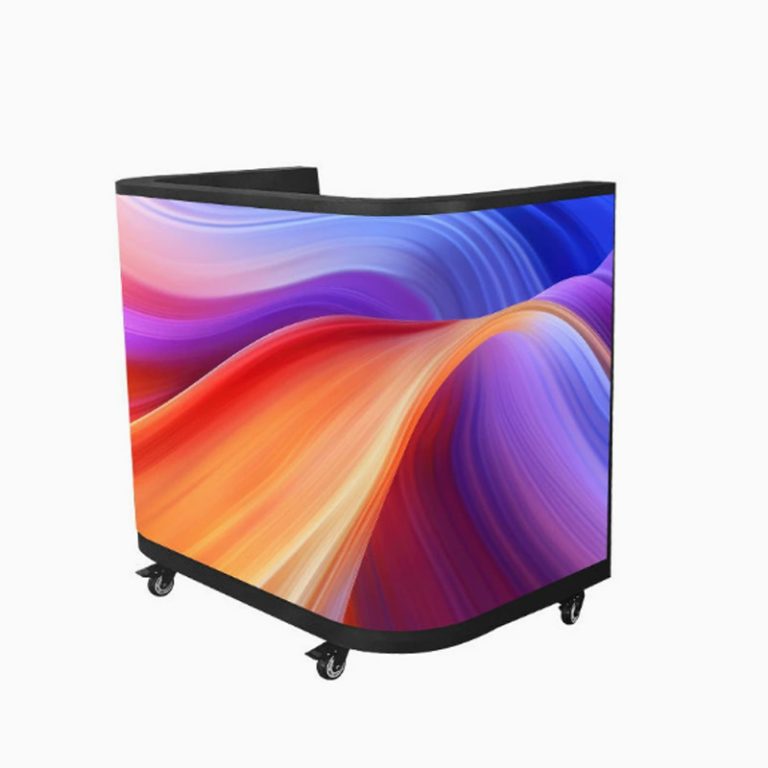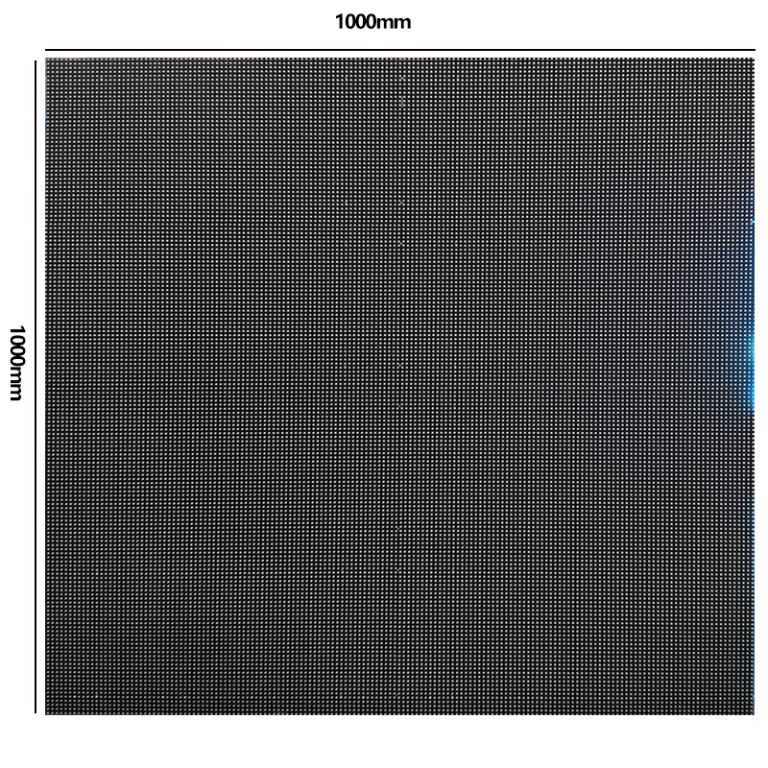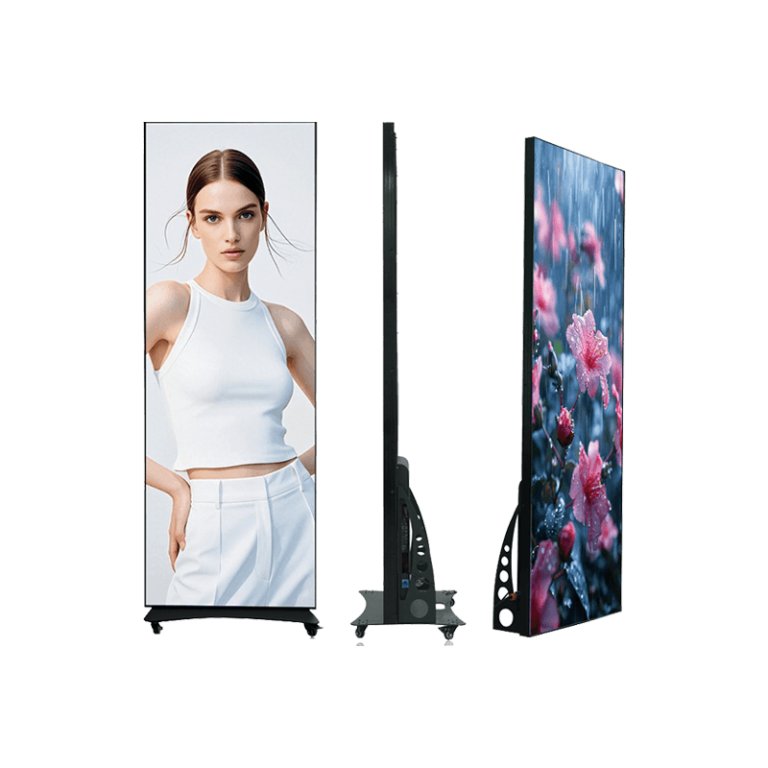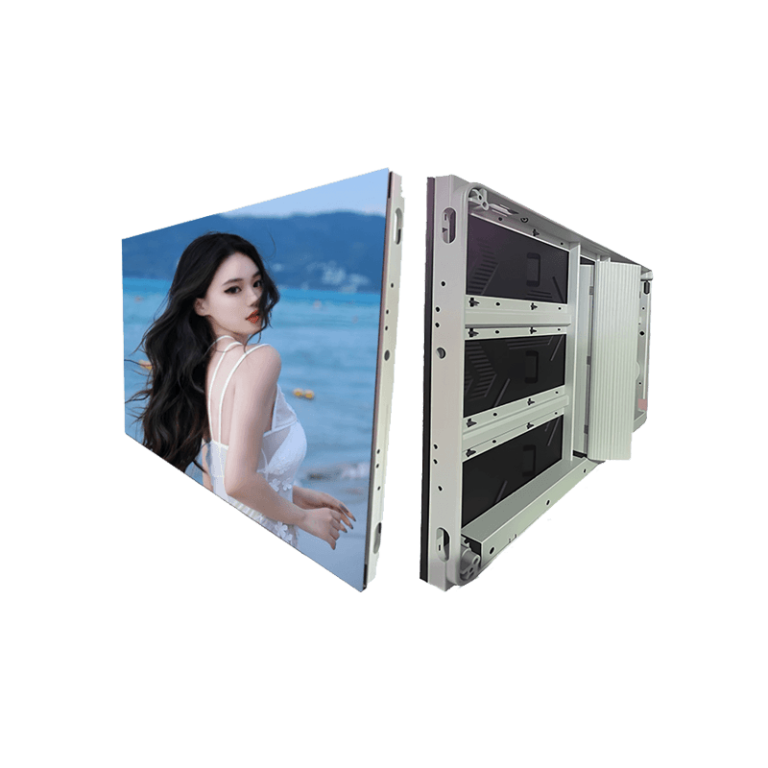
Outdoor LED screen color fading rarely appears as one clean, even change. One section may look warmer, a corner may lose brightness faster, or a replacement module may look newer than the surrounding wall. The visible result comes from several processes: LED output changes, heat, UV exposure, moisture, dust, operating brightness, driver behaviour, calibration drift, and the age of individual modules.
That makes color aging a planning issue, not only a repair issue. An outdoor screen should be purchased with a calibration method, maintenance route, replacement strategy, and record of operating conditions. Without those pieces, a screen can remain functional while the image becomes visibly uneven.
Separate the Causes of Uneven Aging
LED packages do not all age at the same rate. Temperature, drive current, duty cycle, brightness setting, ventilation, and the colour channel being used can affect the result. Red, green, and blue channels may change differently, so a faded area can shift in hue rather than simply become darker.
The cabinet environment matters too. Sunlight, heat, rain, dust, humidity, and salt or pollution can affect masks, connectors, coatings, and structural surfaces. A screen installed in full sun may experience a different thermal pattern from one shaded by a building. The top row, edges, and areas near power equipment may not age like the center.
Keep a baseline image and measurement record when the screen is commissioned. Photograph the full wall, selected test patterns, cabinet positions, brightness setting, and environmental notes. Later comparison becomes much easier when the original state is documented.
Watch the Image and the Hardware
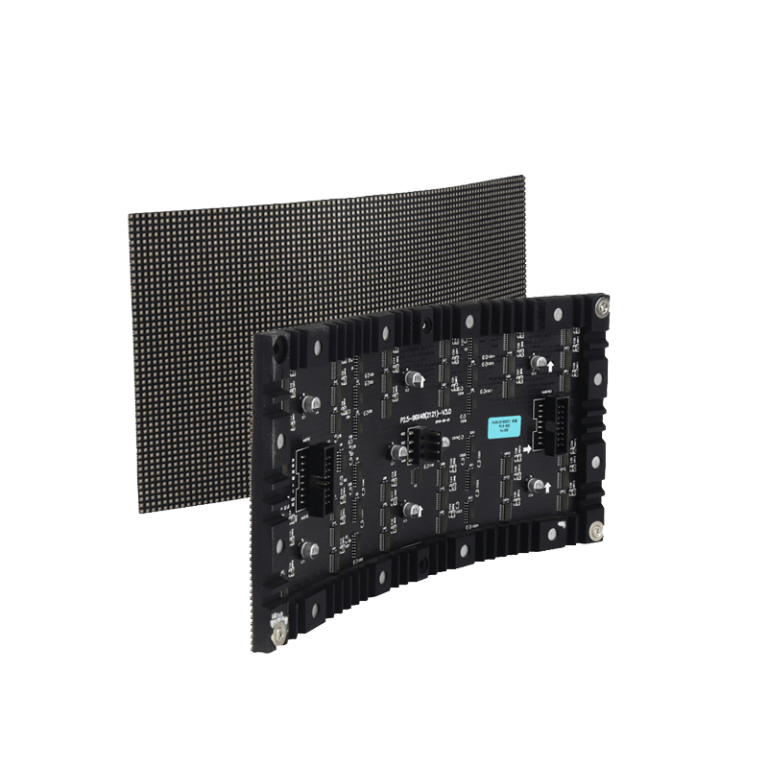
A visual colour shift may come from the LEDs, calibration data, a receiving card, a power supply, a connector, or content settings. Maintenance should not replace modules before checking whether the fault follows a cabinet, a data path, or a calibration file.
Use Outdoor Protection as Part of Color Stability
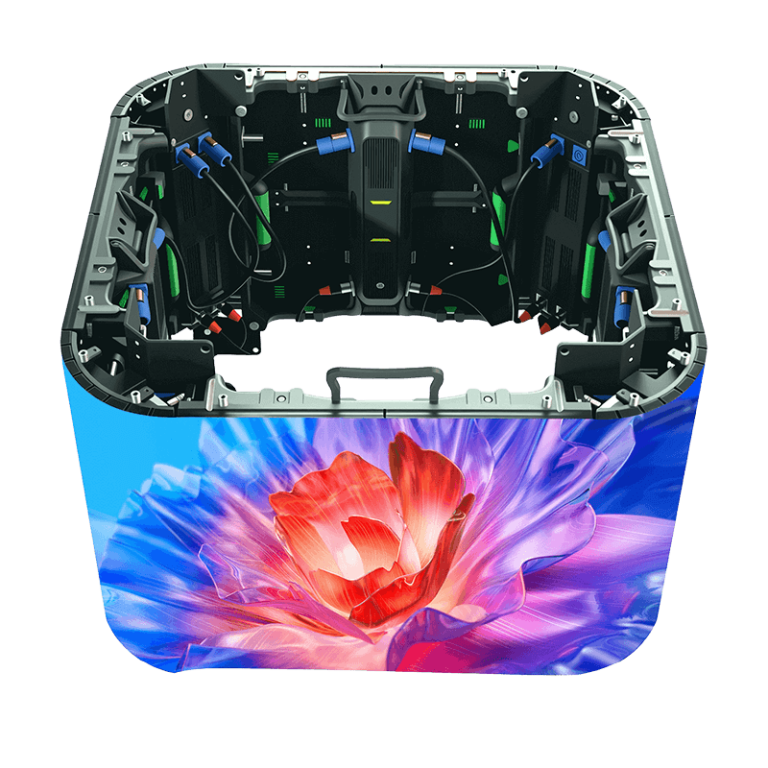
Outdoor screens need more than high brightness. It describes outdoor displays with dust and water protection, UV and wind resistance, automatic brightness adjustment, grayscale correction, and modular maintenance. These features address the conditions that make an outdoor display difficult to keep stable, but the exact rating and design must be confirmed for the quoted model and installation.
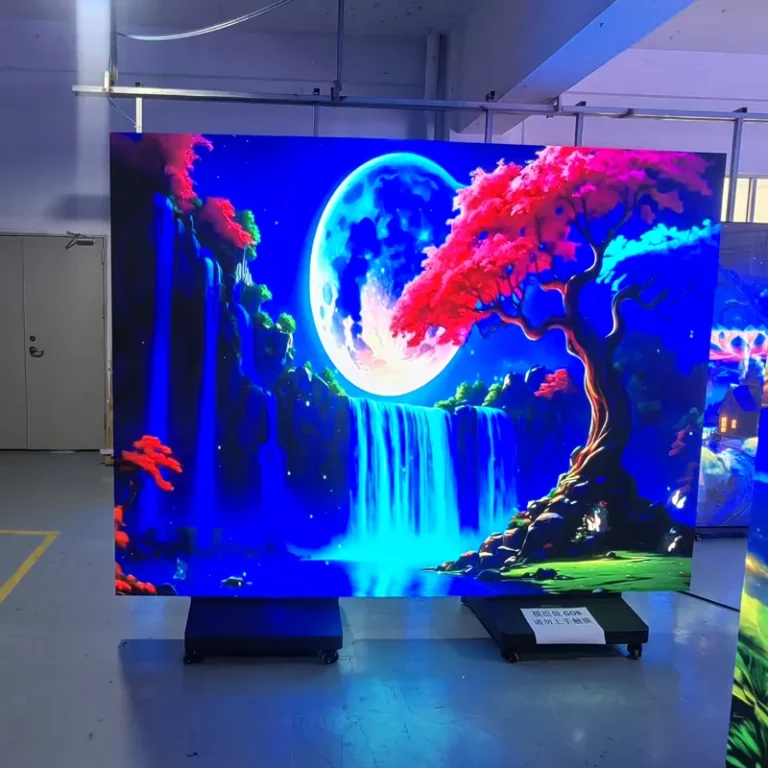
An outdoor P6.67 family has 5000 cd/m² white-balance brightness, IP65 protection, 16-bit grayscale, and a 1920-3840 Hz refresh range. Those values are tied to that family and should not be transferred to every outdoor cabinet. The outdoor LED display can start the comparison, while the P6.25 outdoor display gives a specific product-family path for an RFQ.
Higher brightness does not stop colour aging. It may also increase heat and operating load if the screen is driven hard for long periods. Automatic brightness control and a defined working range can reduce unnecessary stress, but the control policy should be tested in the actual location.
Build a Calibration and Replacement Plan
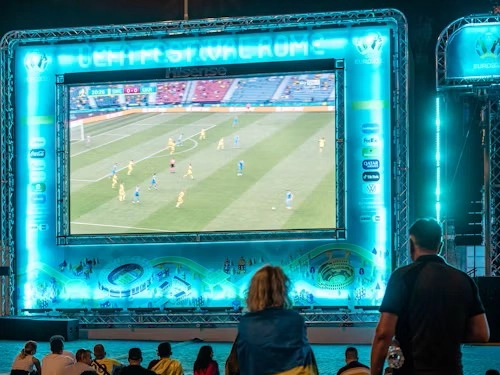
LED screen color calibration should be part of commissioning and maintenance. Ask how point-by-point or cabinet-level correction is stored, whether the calibration file is backed up, and how a replacement module is matched to the existing wall. A new module may be electrically correct and still look different from older modules if it has a different bin, age, optical condition, or calibration state.
Set inspection zones. Check the center, corners, cabinet joints, areas exposed to direct sun, and sections near heat or ventilation equipment. Use white, grey, red, green, blue, near-black, and moving content. Compare at the normal viewing distance, not only close to the screen.
When a mismatch appears, record the cabinet or module location, date, brightness setting, test pattern, and action taken. A calibration adjustment may solve a broad drift. A damaged module, water ingress, connector problem, or power fault may need a different response. The record protects the next technician from repeating the same investigation.
Plan Maintenance Around the Site
Outdoor LED maintenance must fit the site. Confirm whether a technician can reach the front or rear, whether traffic or public access must be isolated, how lifting equipment reaches the cabinet, and whether a failed section can be replaced without removing surrounding structure. A screen that is easy to service in a factory may be difficult on a high facade or roadside frame.
Include cleaning, inspection, calibration, thermal checks, connector checks, seal inspection, and spare-module storage in the operating plan. The interval depends on the environment and duty cycle, so a fixed universal schedule should not be assumed. Record abnormal heat, repeated faults, water marks, dust build-up, and long periods at high brightness.
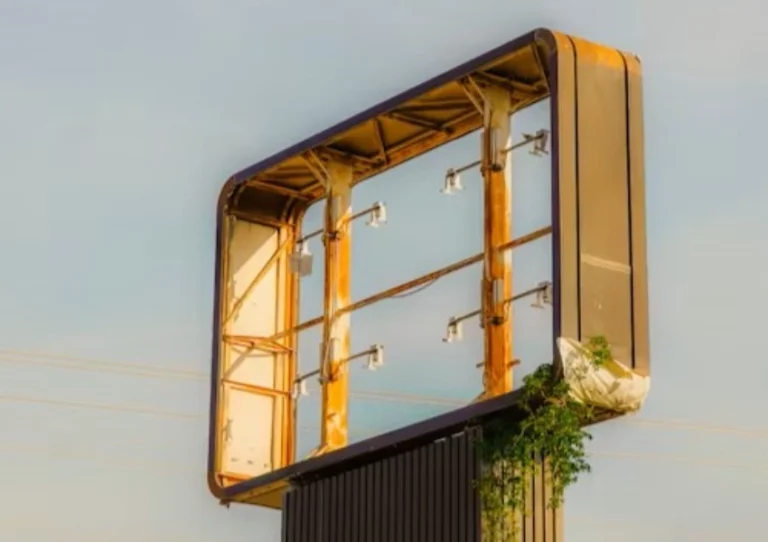
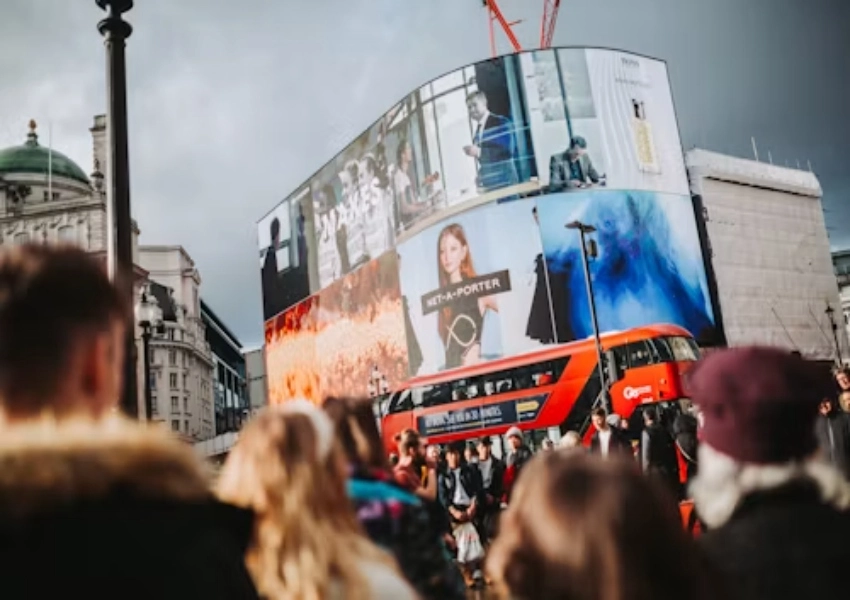
The outdoor LED billboard format can support a discussion of advertising-screen structure and service access. The quotation should identify which tasks belong to the display supplier, installer, site owner, or local maintenance contractor. It should also state what evidence is required after calibration or module replacement.
Specify Color Aging in the Purchase Documents
Do not ask a supplier to promise that a screen will never fade. Ask for measurable acceptance and service conditions instead. The RFQ can specify the calibration state at handover, test patterns, inspection positions, replacement matching process, brightness control, environmental assumptions, protection rating, spare strategy, and escalation route.
Ask which colour and brightness uniformity checks are performed before shipment and after installation. If the supplier offers factory aging or temperature-cycle testing, request the record tied to the quoted product family. Avoid using a generic test claim as proof of outdoor performance at a particular site.
Leyaled can begin with the wall location, operating hours, content brightness, maintenance access, and expected service life. Product families, IP ratings, brightness, grayscale, refresh, and calibration should then be confirmed against the actual configuration. Color aging is easier to manage when it is treated as a normal operating variable instead of a surprise failure.
FAQ
Q1: Why does an outdoor LED screen fade unevenly?
A1: LED output, heat, UV exposure, moisture, dust, drive conditions, calibration drift, component differences, and site shading can vary across the wall. Different sections, therefore, may change colour or brightness at different rates.
Q2: Can calibration restore a faded outdoor LED display?
A2: Calibration can improve visible uniformity within the remaining output range, but it cannot restore a physically degraded LED, damaged connector, water-affected component, or failed power system. Diagnose the cause first.
Q3: What should be included in an outdoor LED maintenance plan?
A3: Include access, cleaning, inspection, thermal and sealing checks, calibration records, spare modules, replacement matching, brightness settings, fault logs, and the responsibilities of the supplier, installer, and site owner.