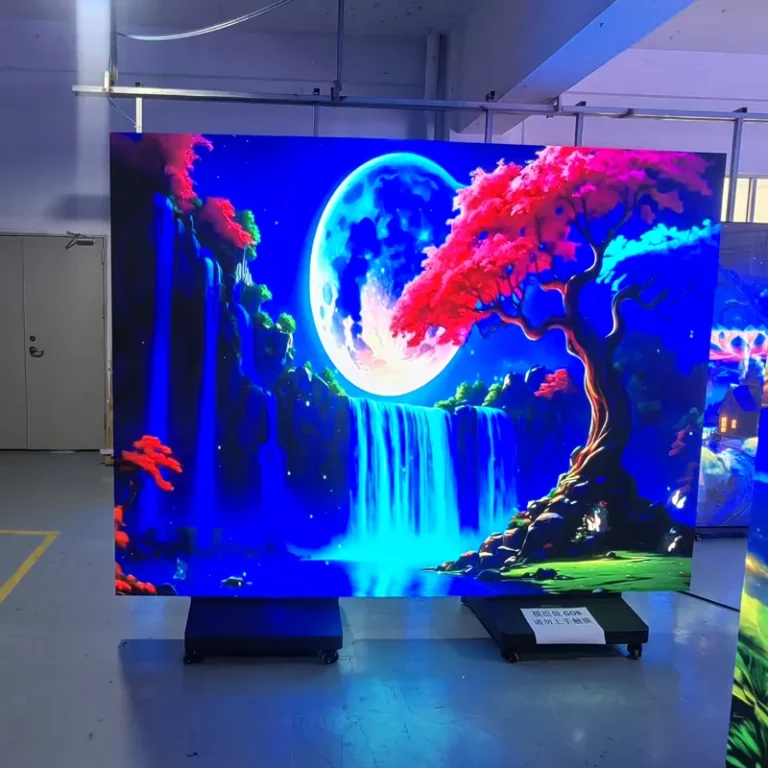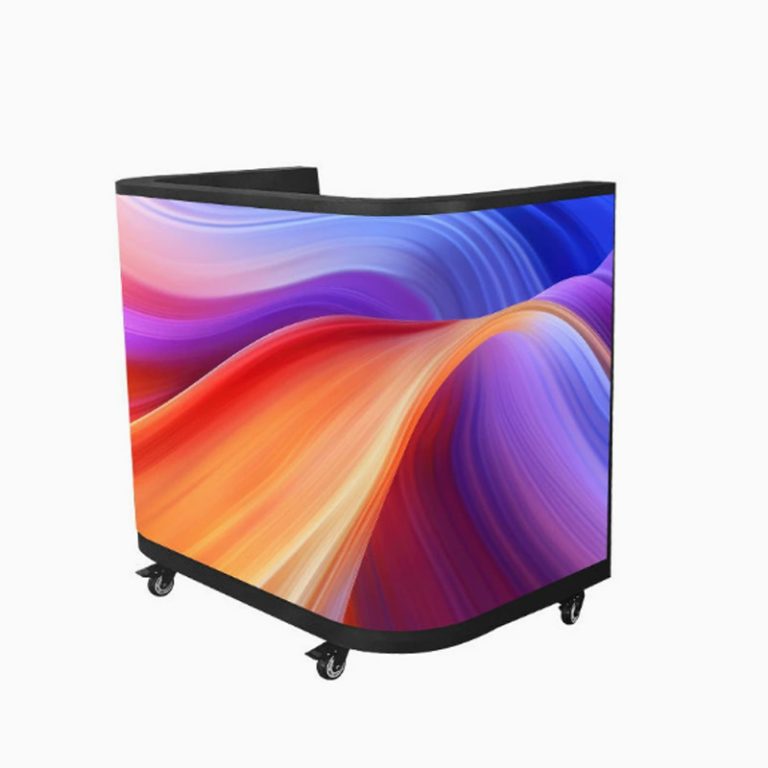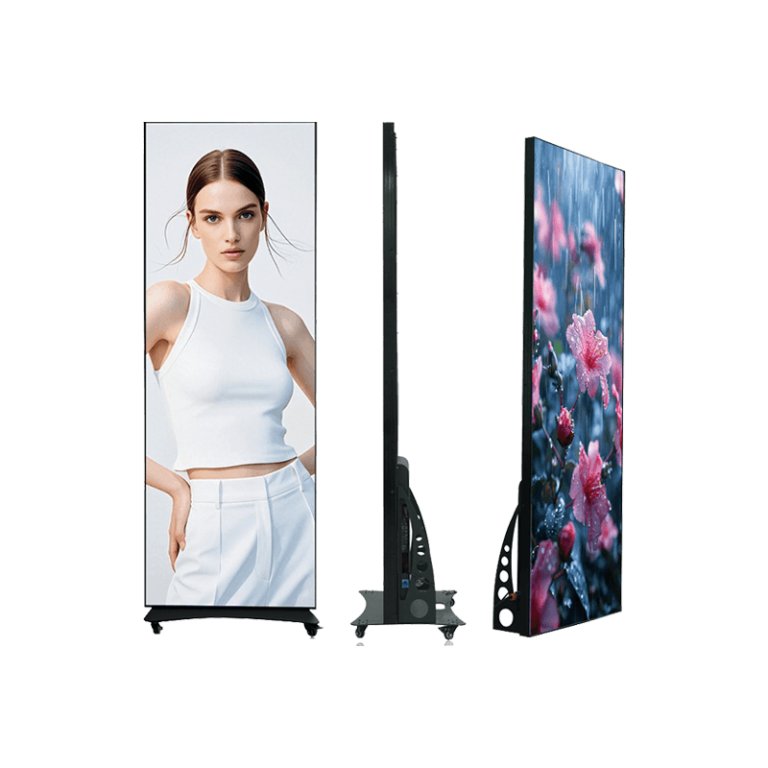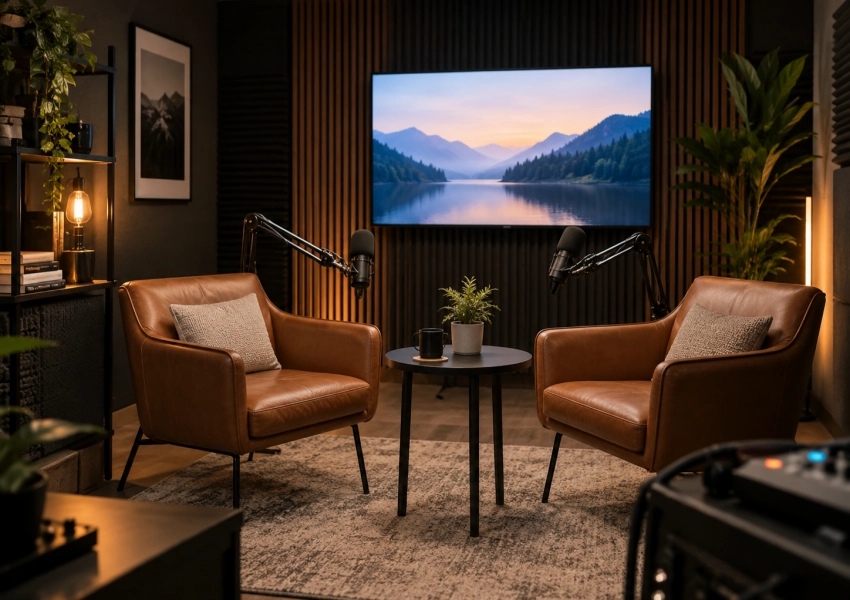
A small studio does not need to choose between a full LED volume and a bare green room. There is a middle path: a compact LED wall for shots that benefit from in-camera light and reflections, with real flooring, practical fixtures, controlled side light, and post-production reserved for work that genuinely needs it. That hybrid approach can make virtual production costs easier to manage, but only when the stage is designed around repeatable jobs rather than a dramatic equipment list.
The financial question is easy to state and easy to get wrong. A wall may shorten setup, reduce keying, and let clients approve a scene through the lens. It also takes room, power, processing, calibration, maintenance access, and a crew that knows how to prepare content. A small virtual production studio should compare those operating changes with its actual booking mix before assuming that a smaller wall automatically creates a faster return.
Start With the Jobs That Repeat
Review the last several months of paid work. Interviews, product explainers, presenter-led ads, training videos, livestream segments, social campaigns, and tabletop shoots may share a compact background. A wall that supports these formats every week has a stronger business case than a larger system built for occasional cinematic shots.
Mark the camera position, subject position, lens range, background width, and lighting positions for the three most common setups. A modest wall can cover a seated presenter or a product bench when framing is controlled. It may not cover a full-body move, a wide vehicle shot, or a camera path that sees beyond the wall edges. Those limits should become part of the sales offer, not a surprise on shoot day.
Define the Hybrid Boundary
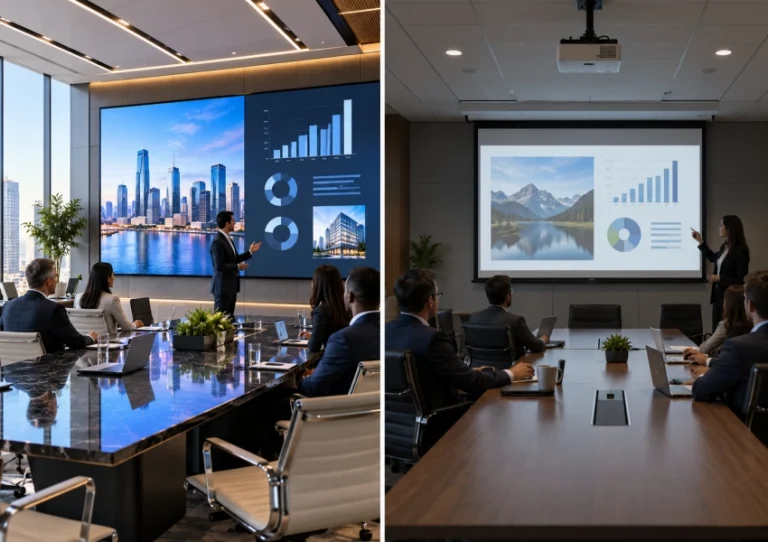
A hybrid stage can use the LED wall for the background and interactive light, while a real floor, side flags, soft sources, or practical scenery complete the frame. This reduces pixel area and structural work. The trade-off is that the visual boundary has to be designed carefully. A hard seam at the floor or a side edge appearing during a camera move can create more post work than the wall saved.
Compare Camera-Day Savings With Hidden Work
Green screen studio cost often looks attractive because the visible hardware is simple. The production still pays for even lighting, spill control, keying hair and transparent objects, tracking, shadow reconstruction, background integration, and client revisions. For a small team, editor time can become the scarce resource.
A compact LED wall moves some work earlier. Content must be rendered at the right canvas size, tested through the camera, and approved before recording. The wall can provide colour and reflections on glass, metal, packaging, or glossy furniture, but those reflections are useful only when the displayed scene is art-directed. A wrong highlight is still wrong, just harder to remove cleanly.
Track minutes and people, not only equipment prices. Record setup time, lighting changes, camera tests, background changes, edit hours, compositing revisions, reshoots, and client review cycles for both workflows. That produces a more useful virtual production ROI model than dividing screen price by an assumed number of bookings.
Size the Wall Around the Room
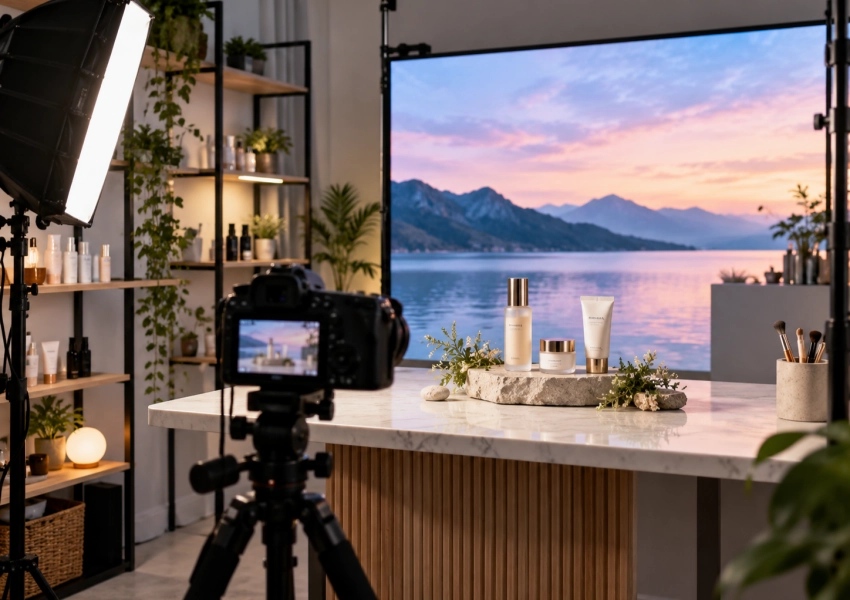
Room depth is often the deciding constraint. The camera needs a useful lens distance. The subject needs space from the pixels, especially when moire, reflections, or focus falloff are concerns. Crew members need a safe path around stands, power distribution, processing equipment, and the service side of the screen.
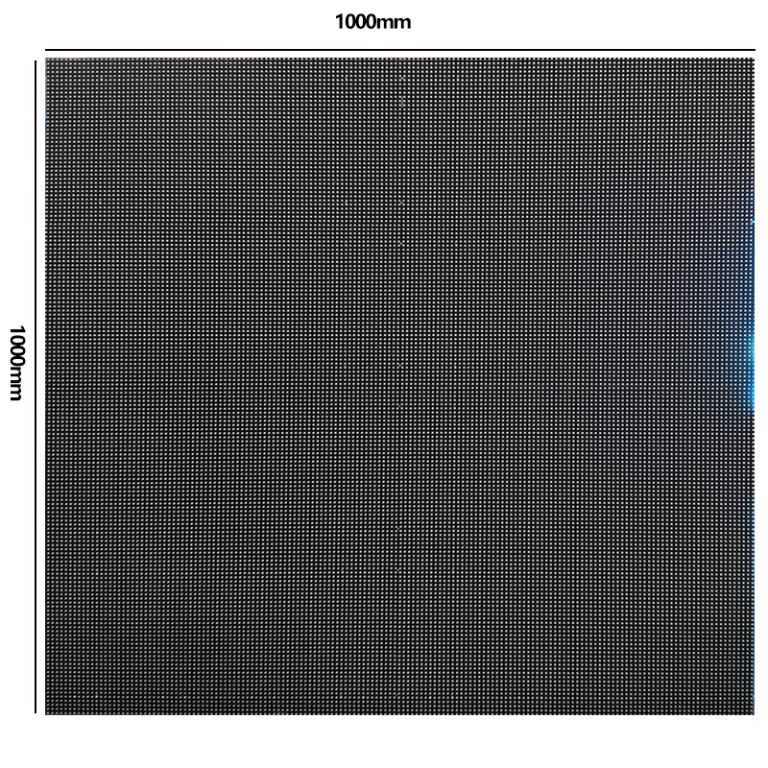
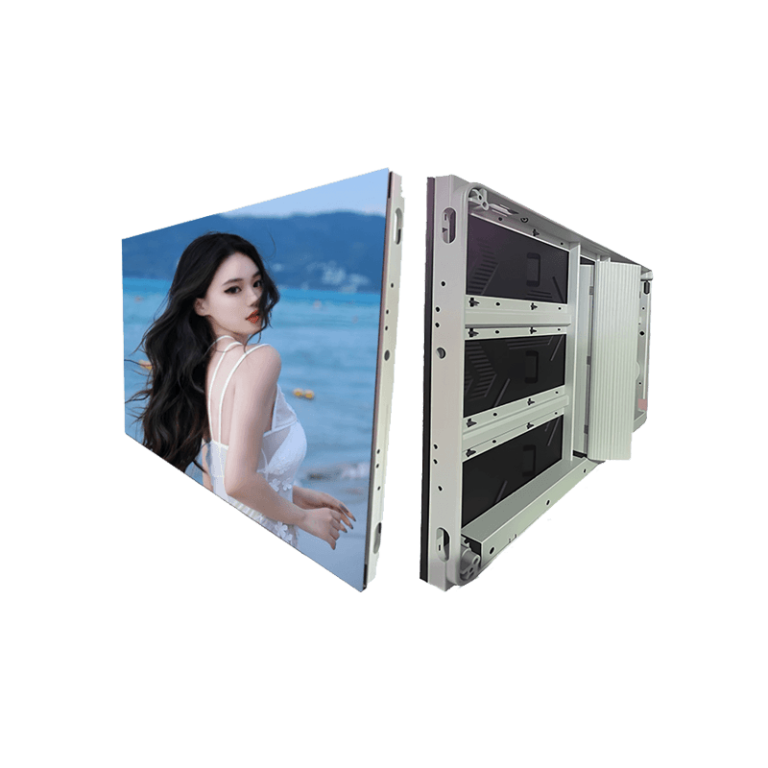
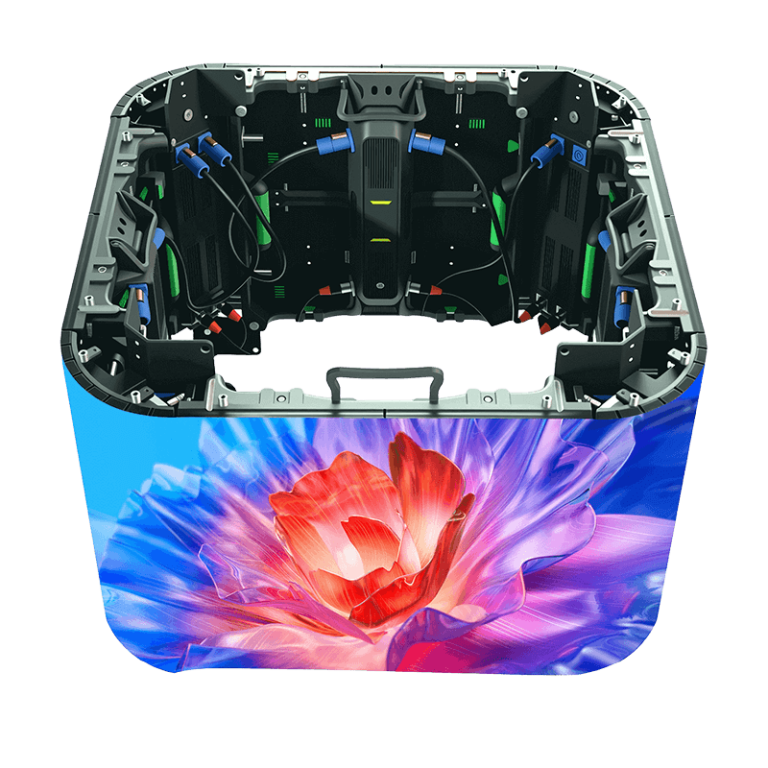
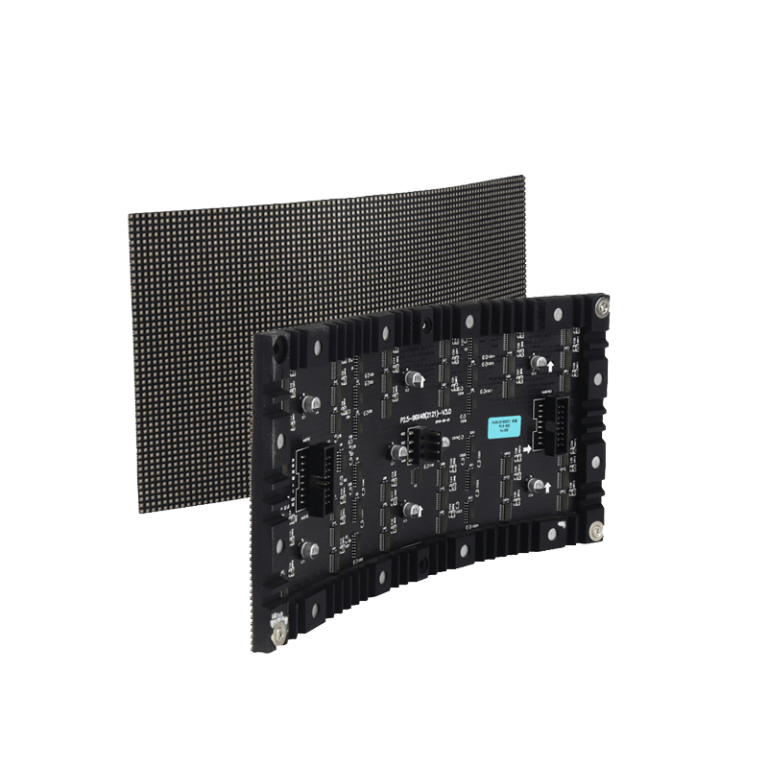
A smaller studio may gain more from a wall that is slightly narrower but properly supported, calibrated, and easy to service than from a larger wall that leaves no camera lane. Indoor cabinet families and standard formats can turn a concept into a quantity plan. The commercial display range is a useful starting point for discussing screen role, signal workflow, and installation boundaries.
Do not promise that one pixel pitch fits every shot. A closer camera, fine product detail, or shallow focus may call for a different indoor display family than a presenter framed from farther away. Confirm working brightness, refresh, scan behaviour, colour calibration, and camera results on the proposed configuration.
Use a Revenue Model That Includes Capacity
A simple model starts with recurring shoots per month, average production value, contribution margin, and the portion of work the wall can support. Then subtract content preparation, calibration, maintenance, replacement parts, power, processing costs, and crew time needed to keep the stage ready.
Capacity matters as much as price. A compact wall may allow faster background changes between product videos and reduce location moves. It may also become a bottleneck if every client wants a different canvas, lighting direction, or camera path. Count realistic usable days, not every day the studio is technically open.
The standard LED display can support a modular procurement discussion, while fixed installation guidance can frame support and service access. A supplier should quote screen, structure, processing, power, calibration, spares, and commissioning as separate lines. That makes it easier to compare a staged purchase with a full build.
Decide What the Studio Should Not Promise
A small LED wall is not a full volume. State whether the stage supports seated work, product tabletop work, presenter shots, limited camera movement, or selected close-ups. For a hybrid studio, describe which backgrounds are in-camera and which still require post-production. Clear boundaries protect the margin and help clients bring suitable projects.
Leyaled covers indoor and creative display formats, modular cabinet construction, high-refresh families, and technical support considerations. Leyaled discussion can begin with the studio drawing and shot list, then move to a cabinet family and test plan. The useful supplier question is whether the quoted system can repeat the studio’s profitable work without making every booking a custom engineering exercise.
FAQ
Q1: Can a small studio use an LED wall without building a full LED volume?
A1: Yes. A compact wall can support controlled presenter, product, interview, and branded-background work when the camera path and visible frame stay within its coverage. Real flooring, practical lighting, and selective post-production can complete the stage.
Q2: How should virtual production cost be compared with green screen?
A2: Compare equipment, preparation, crew time, lighting, editing, compositing, revisions, reshoots, power, maintenance, and usable booking capacity. A single screen price does not show the full operating cost.
Q3: What should a supplier verify before quoting a small LED wall studio?
A3: Provide the room plan, camera and lens list, subject sizes, closest camera position, content formats, expected brightness, service route, power limits, and recurring shot types. The supplier should return a layout, hardware scope, test method, and clear exclusions.