A fine-pitch LED display can make a room feel sharper, calmer, and more premium. It can also waste money if the audience stands too far away to notice the extra pixels. P1.86 sits in that careful middle ground: noticeably finer than common P2.5 or P3.91 indoor displays, but still more practical than ultra-fine pitches that demand a much higher budget and stricter handling.
The question is not whether a P1.86 LED screen looks good. It does. The more useful question is when the extra cost changes the outcome for a meeting room, showroom, live streaming room, education space, exhibition wall, control area, or brand presentation zone. Buyers should connect pixel pitch to viewing distance, content detail, camera use, maintenance access, and the total indoor LED display cost over the screen’s service life.
What P1.86 Actually Changes on the Screen
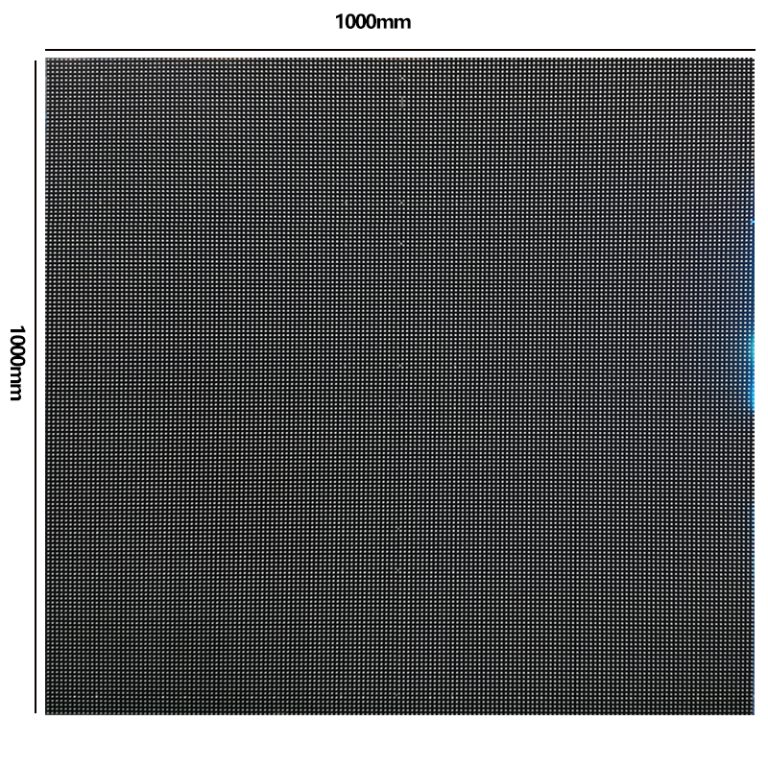
Pixel pitch is the distance between adjacent LED pixels. Smaller pitch means more pixels in the same area, so text edges, product detail, dashboards, faces, and fine graphics look cleaner at close range. A small pixel pitch LED display is most valuable when viewers sit or stand near the wall and expect the image to feel smooth rather than granular.
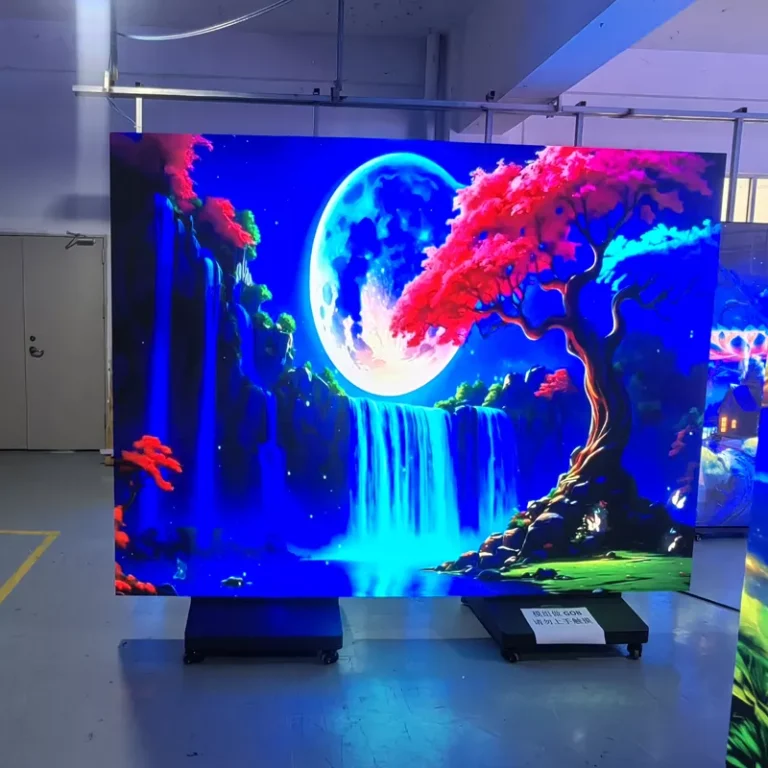
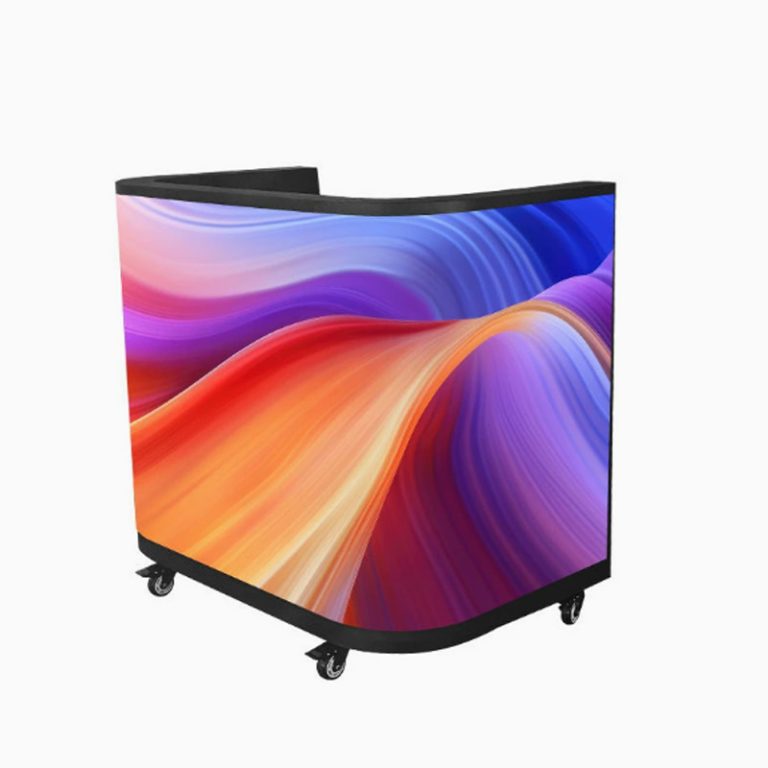
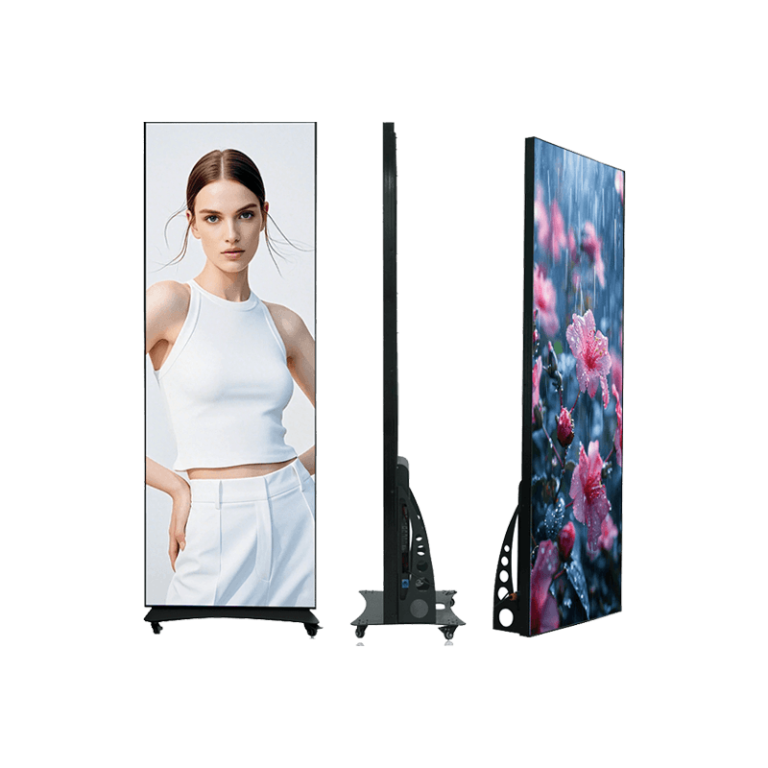
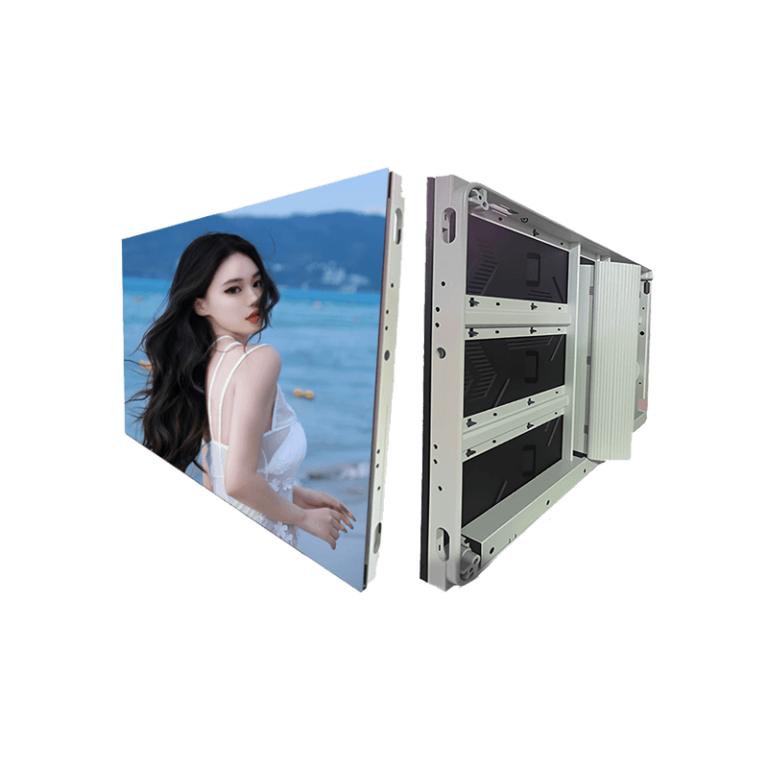
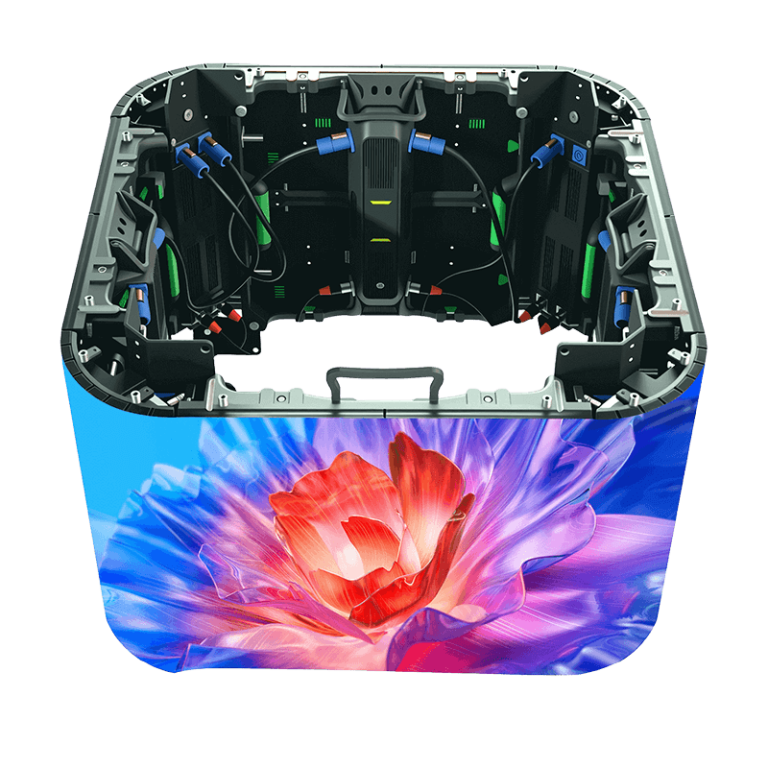
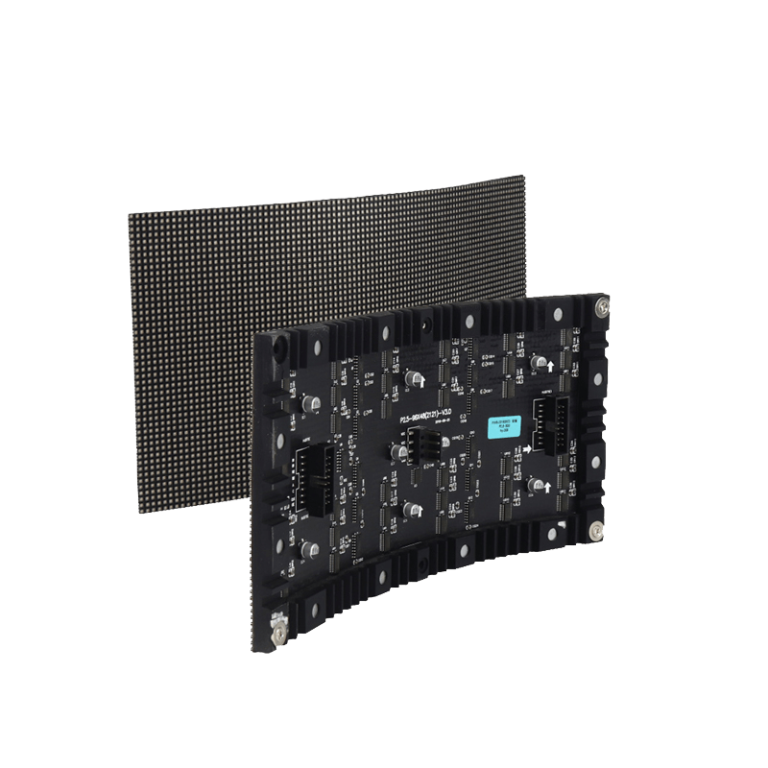
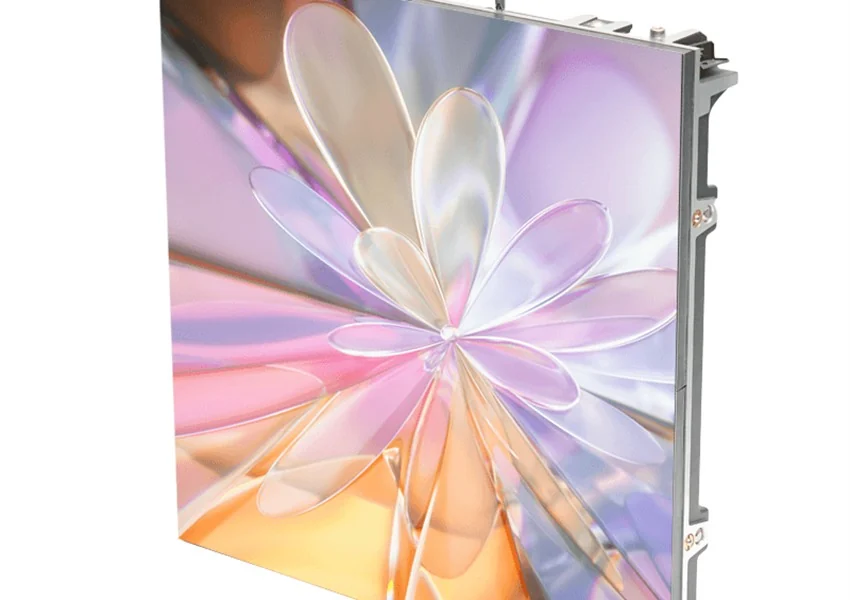
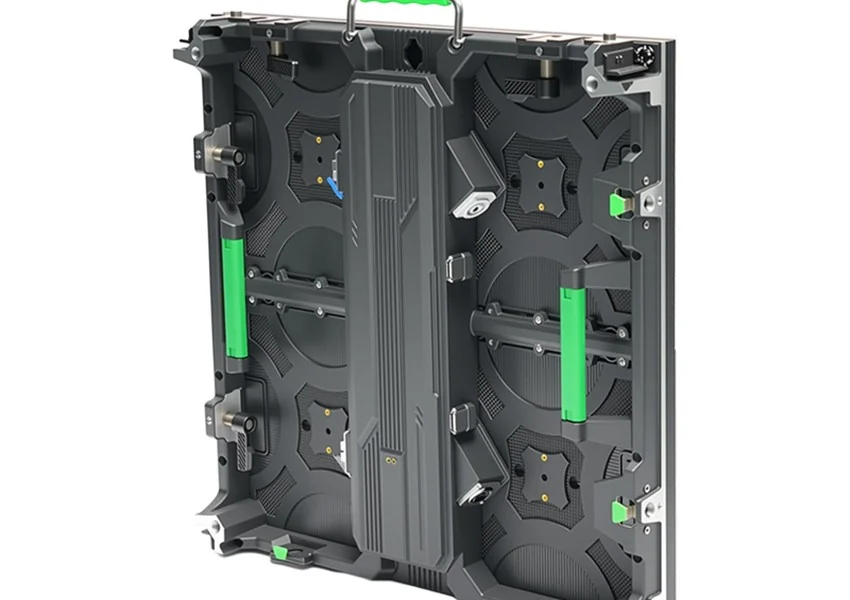
Leyaled’s P1.86 three-fold LED screen provides a clear example. The product uses 1.86mm pixel pitch with a pixel density of 288,906 dots per square meter. It is designed for indoor use with 500-800 cd/sqm brightness, 5000:1 contrast ratio, refresh rate of at least 3840Hz, 16-bit grayscale, front maintenance, and a viewing angle of at least 175 degrees horizontally and vertically. Those specifications explain why a P1.86 screen costs more than a coarser wall. It is doing more work in the same physical space.
When the Extra Pixel Density Pays Off
A P1.86 fine-pitch LED wall is easiest to justify in close viewing environments. If people stand two to three meters from the wall, lower pitch helps remove visible grain. If the content includes thin text, CAD visuals, finance dashboards, product renderings, medical-style training images, or executive presentation slides, extra pixel density improves readability. A coarse display might look bright and large, but it can make fine information feel rough.
Camera use is another strong reason. Live streaming rooms, hybrid conference rooms, product demo stages, and virtual presentation spaces need screens that look steady on camera. High refresh rate and high grayscale performance reduce flicker, scanning artifacts, and harsh brightness steps. A fine-pitch LED display with good calibration can sit behind a speaker without becoming a distracting pattern.
The extra cost also makes sense when the wall is part of the room identity. A corporate showroom, brand center, luxury retail display, or command room may use the screen every day. In that case, the display is not a temporary prop. It is part of how visitors judge the company. Better detail, smoother splicing, and quieter maintenance can support the whole space.
When P2.5 or P3.91 May Be the Smarter Buy
Not every indoor project needs P1.86. P2.5 can work well for many indoor spaces around three to eight meters, with 160,000 pixels per square meter. For a 4-6 m viewing distance and a 7-8 sqm screen, P3 or P2.5 can provide clear detail, while a farther 8-10 m viewing distance make P4 or P5 more cost-friendly. That guidance matters because pixel pitch should follow distance, not pride.
The indoor display P3.91 category gives another cost reference. P3.91 is not a fine-pitch board for close executive tables, but it can work well for larger indoor spaces, stage backdrops, banquet halls, promotional areas, and wide viewing distances. It uses seamless splicing, high refresh configurations, die-cast aluminum cabinet options, and indoor brightness suited to conference rooms or malls. If viewers mainly stand six meters or farther away, a larger pitch may free budget for better content, structure, or spare parts.
This is the trap in indoor LED display cost. Buyers sometimes choose the smallest pitch they can afford, then cut corners on installation, service access, or video processing. A balanced P2.5 or P3.91 project can outperform an under-supported P1.86 project if the room does not need close-view detail.
Cost Factors Beyond Pixel Pitch
Fine-pitch is more delicate than larger pitch hardware. A P1.86 LED screen has more LEDs per square meter, tighter tolerances, and higher expectations for flatness. The cabinet, receiving cards, processor, calibration routine, power distribution, and module replacement plan all become more important. A fine pitch LED wall should be treated as a system, not a box price.
Leyaled can help buyers assess that system, which was founded in 2012 and focuses on LED display R&D, production, and sales. It has a 7,000 sqm facility, automated production lines, technical personnel, CE and RoHS certifications, and quality routines using high-quality LED beads and driver chips. Each screen goes through 72 hours of extreme testing, including high and low temperature cycling and brightness decay checks. For fine-pitch buyers, that kind of factory discipline matters because small defects are easier to see at close range.
Maintenance access can also change the total cost. Leyaled’s P1.86 three-fold product supports front maintenance, so modules can be replaced without dismantling the whole screen. For meeting rooms, showrooms, and wall-mounted interiors, that detail can save service time and protect the surrounding finish.

A Practical Buying Rule for P1.86
The best rule is simple: pay for P1.86 when viewers are close enough to see the difference and the content is detailed enough to benefit from it. Do not pay for it just because it sounds premium. A good buying discussion should cover viewing distance, screen size, content type, room lighting, camera use, brightness setting, control system, cooling, service access, and expected daily operating hours.
For teams comparing a standard LED display range with a smaller pitch option, a sample or on-site mockup can prevent a costly guess. Review actual slide decks, video footage, charts, product images, and camera tests. If the improvement is visible from normal use positions, P1.86 can be worth the extra cost. If not, the budget may be better spent on installation quality or content production.
Leyaled can help narrow that decision before purchase. Buyers with close-view rooms, portable presentation needs, or a custom fine pitch LED wall can also contact the project team for sizing and configuration advice.
FAQ
Q1: Is a P1.86 LED screen always better than P2.5?
A1: Not always. P1.86 gives sharper close-view detail, but P2.5 can be more cost-effective when viewers are farther away, or the content is mostly large video.
Q2: What viewing distance makes a fine pitch LED display worthwhile?
A2: P1.86 is most useful around close indoor viewing, often about two to three meters, especially when the screen shows text, dashboards, or camera-facing content.
Q3: What should be included in indoor LED display cost?
A3: Include modules, cabinets, control system, structure, power, calibration, spare parts, installation, front maintenance access, service response, and long-term operating hours.