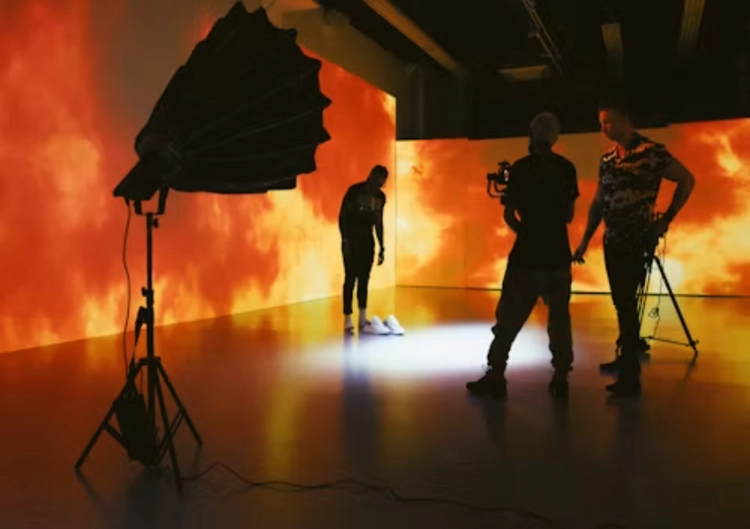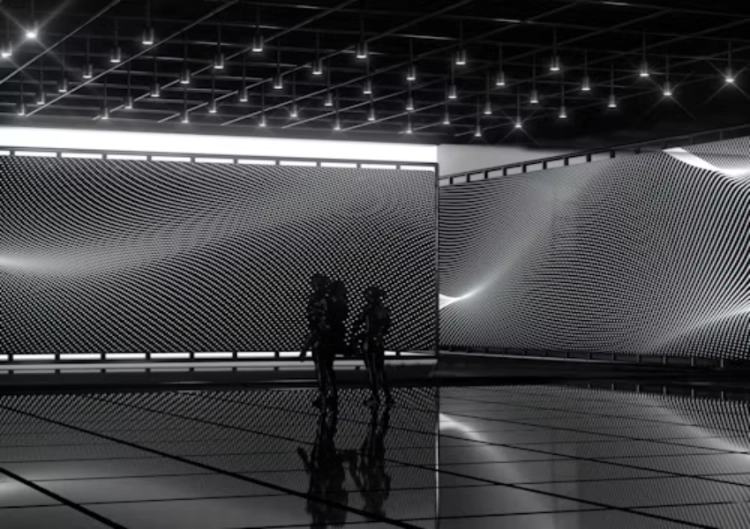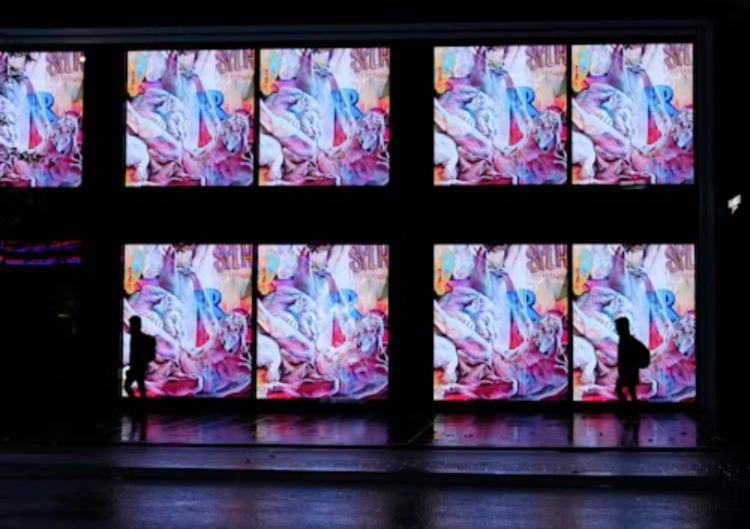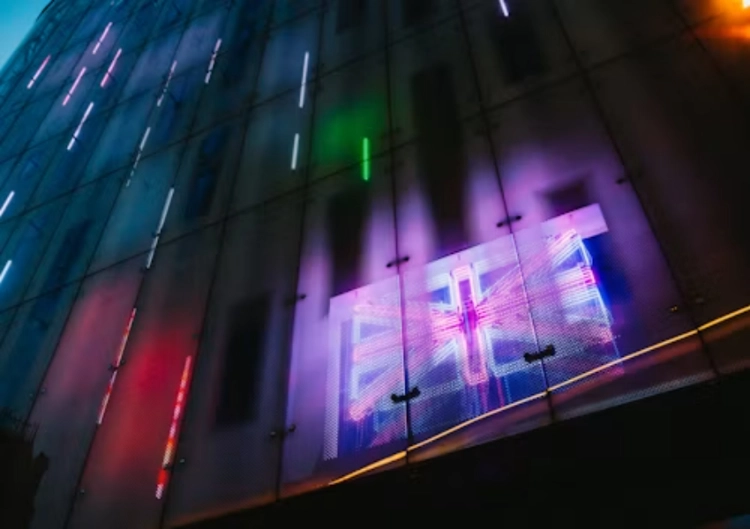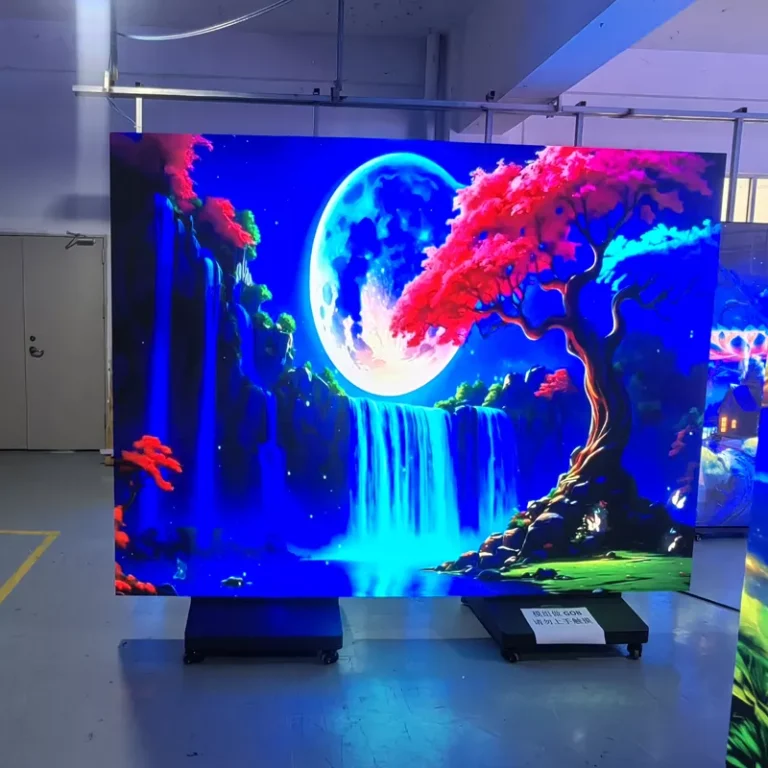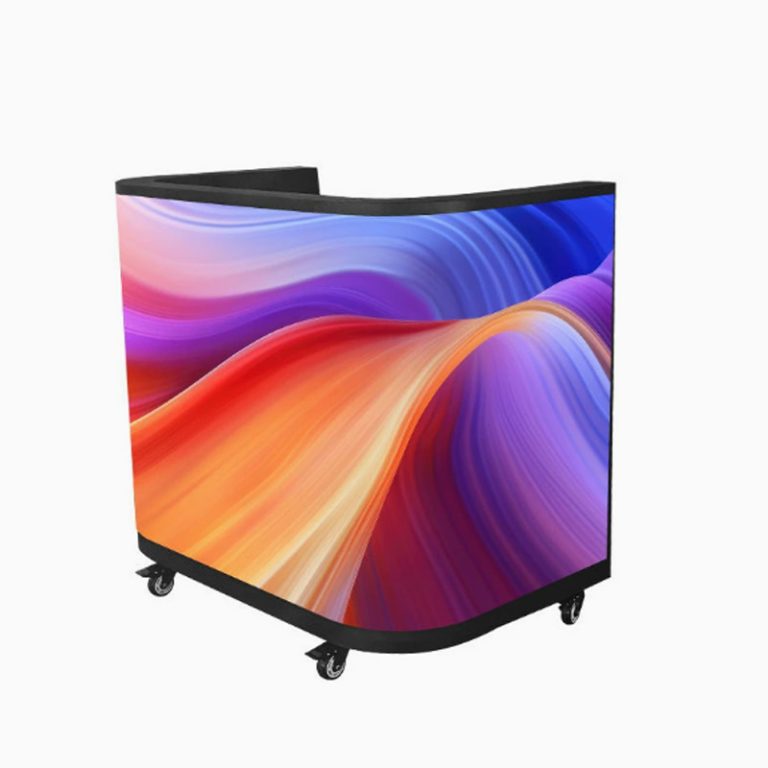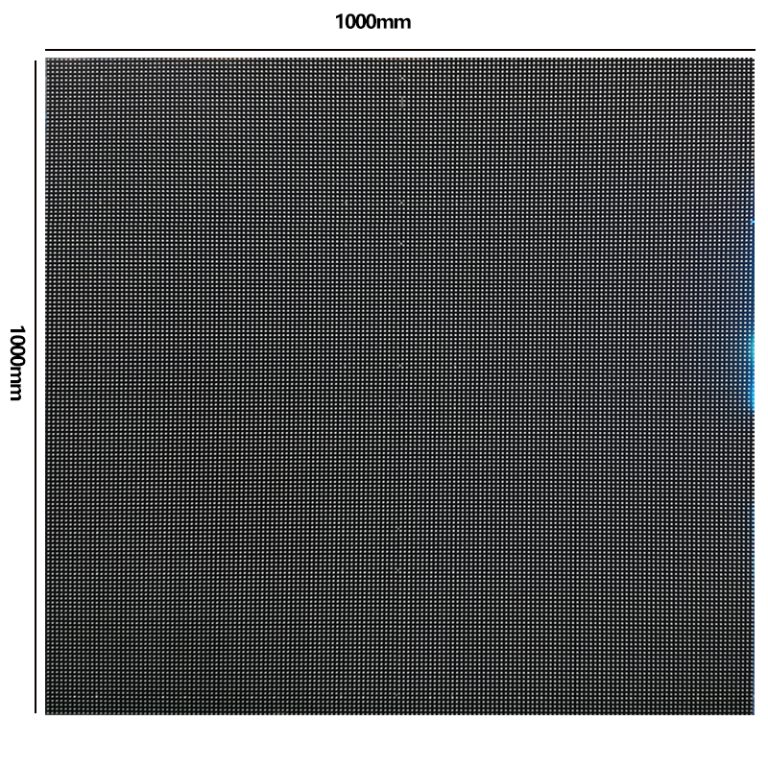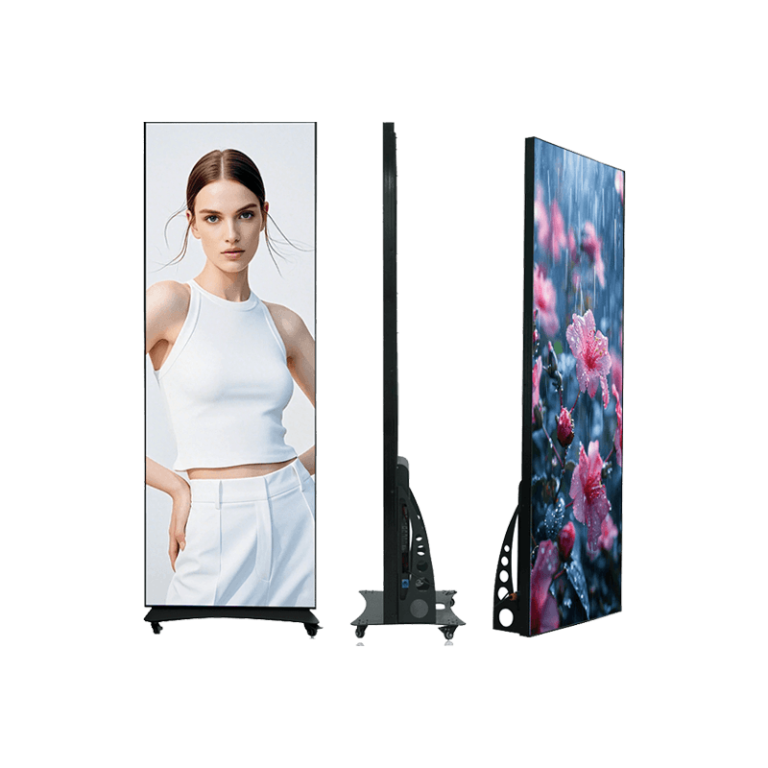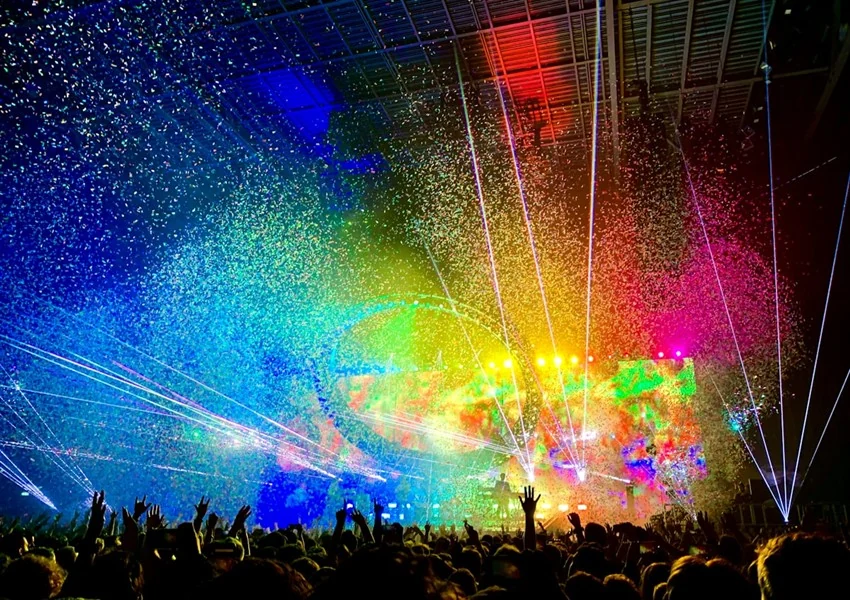
Live stage design has moved far beyond a flat rectangle behind the performer. Concerts, brand launches, worship events, exhibition stages, and televised programs now use screens as scenery, light source, wayfinding tool, and emotional driver at the same time. A flat wall can still do the job, but it often forces the stage to follow the screen. Flexible LED screens reverse that relationship. The display can follow the stage.
A bendable LED screen for stage work is valuable because it lets designers build curves, columns, waves, halo shapes, and wraparound surfaces without breaking the image into awkward flat sections. The best systems also handle quick assembly, repeated transport-style handling, high refresh playback, and front service without turning the installation into a technical headache. For production teams, the real question is not whether the screen bends. It is whether it stays stable, bright, serviceable, and camera-friendly while bending.
Curved Stage Design Needs More Than Flexible Material
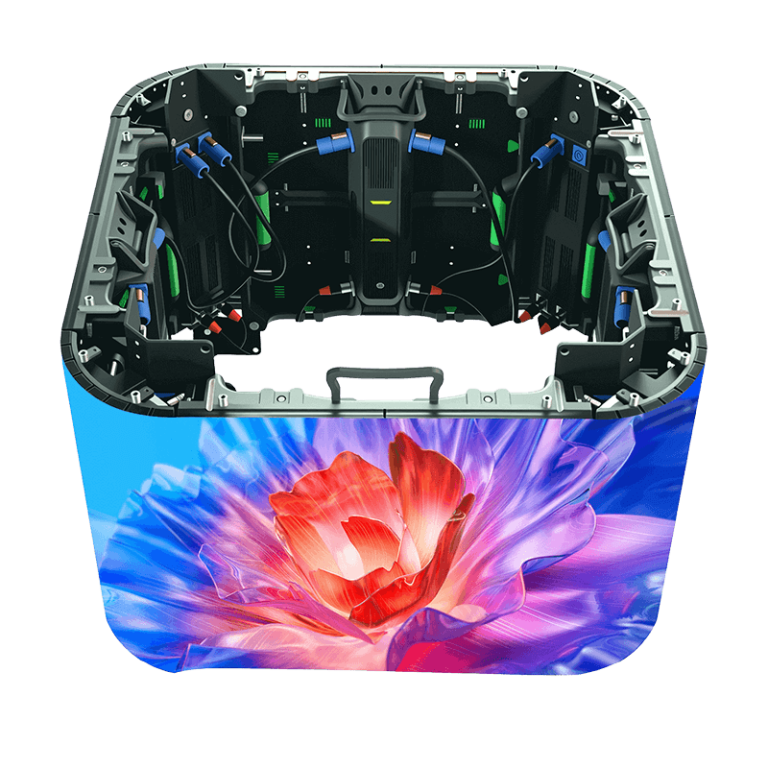
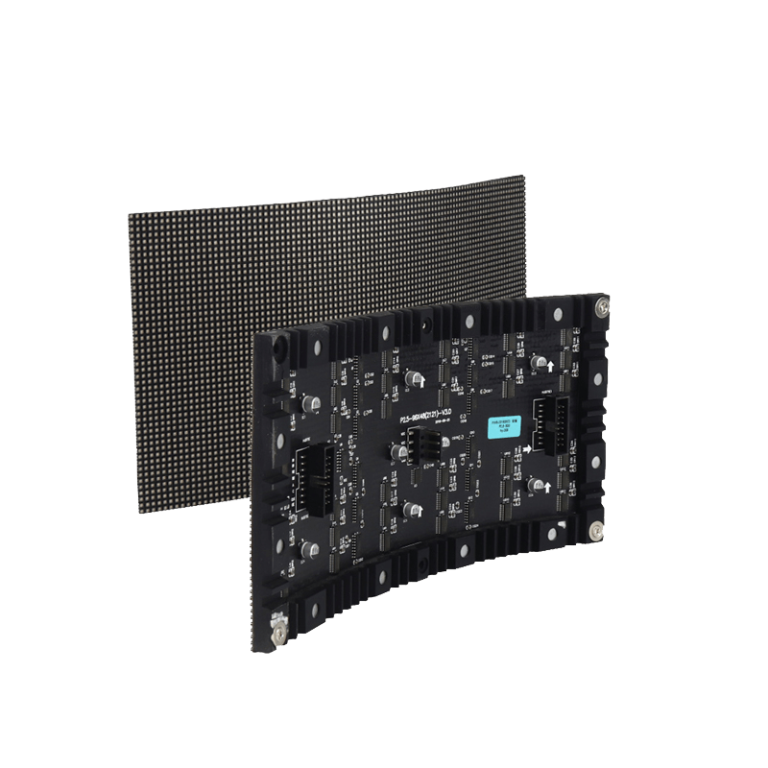
A flexible display begins with soft modules, but stage reliability depends on the whole system. A module must hold its pixel spacing when curved. Magnetic mounting needs enough pull to keep the surface flat, yet it should still allow front access. The power and signal layout must survive curved structures without cable strain. The frame has to support the chosen radius, especially around columns, S-curves, rings, and stepped scenic builds.
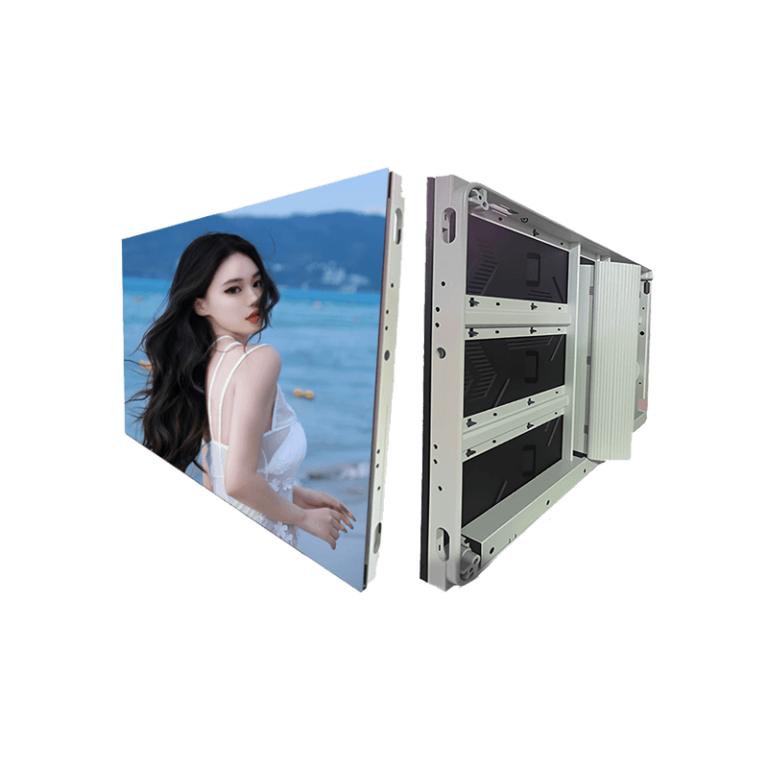
Leyaled’s LED flexible screen is positioned for shaped occasions, curved stages, arc facades, and special installations. It has multi-angle folding and curling, an ultra-thin structure, seamless splicing with gaps under 0.5mm, wide viewing angles, impact-resistant flexible packaging, and high refresh performance up to 3840Hz. Those points are practical, not just visual. A curved screen loses its value if the audience sees seams, scan lines, dark gaps, or uneven color across the bend.
Why Flexible LED Screens Matter During Live Production
The pressure on a live stage is different from a permanent lobby display. Crews work against strict timing. The screen may need to fit a truss line, a curved scenic wall, or a central feature that changes between acts. Performers move close to the display. Cameras may shoot from wide, side, and handheld angles. A display that looks good only from the center seat is not enough.
Flexible LED screens help solve three common stage problems. First, they improve sightlines by wrapping content toward side audiences instead of leaving the screen flat and distant. Second, they make scenic design richer without building heavy custom shapes out of rigid cabinets. Third, they bring motion graphics into physical space, so the LED wall becomes part of the set rather than a screen sitting behind it.
For event display applications, refresh rate and viewing angle deserve careful attention. High refresh configurations across several display families, including 3840Hz and 7680Hz options. That matters for camera capture because lower refresh screens can show bands or flicker when filmed. Wide viewing angles also keep color and brightness more consistent for audiences seated around the venue.
The Best Flexible Modules Are Thin, Light, and Serviceable
Top flexible LED modules should reduce load while keeping the screen easy to maintain. Thin modules are easier to mount on curved forms. Lower weight helps stage structures, temporary event installation frameworks, and tight backstage handling. Front service is especially important when the screen is part of a scenic wall. If one module fails, technicians should not have to pull apart the whole structure from the rear.
Leyaled‘s flexible display category includes lightweight, moldable LED products designed for creative shapes, and we emphasize modular design, easy maintenance, and stable performance. We also use high-quality LED beads and driver chips, with each screen going through 72 hours of extreme testing, including high and low temperature cycling and brightness decay checks. For live stage projects, that testing helps reduce the chance of a module problem appearing during rehearsal or showtime.
A flexible screen also needs the right brightness range. Indoor stage work often benefits from controlled brightness rather than maximum output. Too much light can wash faces or overpower cameras. For outdoor or semi-outdoor event production, the screen may need far higher brightness and better protection. The product match should come before the visual ambition.
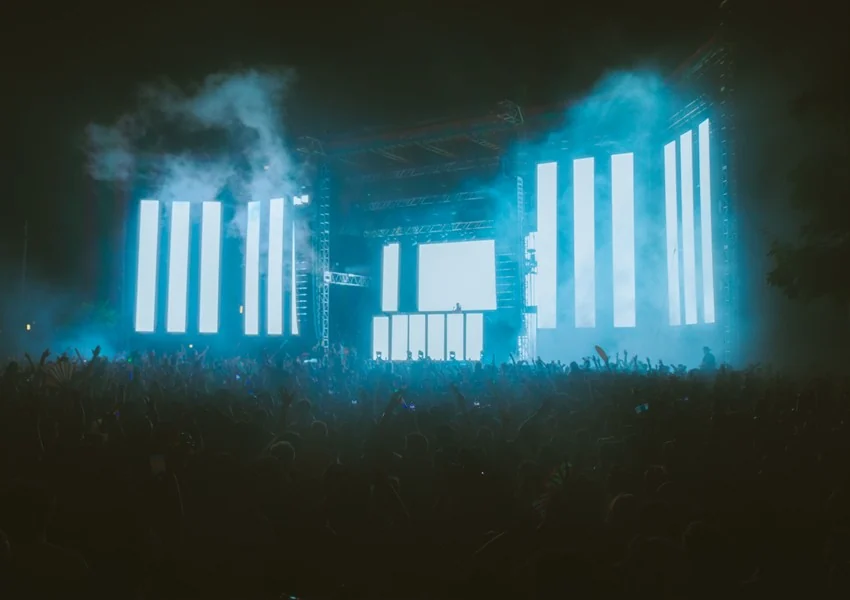
Where Stage Display Investment Produces Real Value
Stage display investment should be judged by reuse, visual range, and labor savings. A rigid LED wall may be cheaper for a simple flat background. A flexible system becomes more valuable when one screen family can support curved product launches, immersive exhibition booths, broadcast backdrops, brand tunnels, column wraps, and special scenic moments. Each new shape adds creative value without buying a completely separate display concept.
The ROI is also operational. A magnetic, front-service flexible system can reduce the time needed for alignment and maintenance. Smooth splicing reduces visual corrections. High refresh playback lowers camera risk. A screen with stable color and grayscale can keep video content looking consistent across a full program. These small details add up when a production company or venue handles frequent stage builds.
Leyaled’s Shenzhen manufacturing base, automated production lines, technical team sharing, and certification background support this type of buying decision. The company supplies indoor and outdoor full-color LED displays, LED modules, and related display systems. For stage teams reviewing flexible display options, those factory and service details help separate a showpiece product from a dependable production asset.
How to Specify a Bendable LED Screen for Stage Projects
A buyer should start with the shape, not the product name. Confirm the curve radius, viewing distance, camera use, installation time, content type, indoor or outdoor setting, and maintenance access. Then check pixel pitch, cabinet or module size, refresh rate, brightness range, viewing angle, power load, control system, and spare module plan.
A close indoor stage with camera work may need smaller pixel pitch and higher refresh performance. A large concert backdrop viewed from farther away may allow a larger pitch if brightness and structural stability are strong. A curved retail event booth may care more about seamless splicing and front service than extreme brightness. There is no single best flexible LED screen. The best choice is the one that fits the stage geometry and production workload.
Leyaled can support custom project discussions through the LED display manufacturing team and a direct project consultation channel. For buyers comparing stage display investment, the safest route is to match the module family to the real event environment before visual design is finalized.
FAQ
Q1: Are Flexible LED screens only useful for curved stages?
A1: No. They also support columns, wave walls, rings, immersive corridors, exhibition booths, brand displays, and creative indoor or outdoor structures where rigid panels limit the design.
Q2: What makes top flexible LED modules suitable for camera use?
A2: High refresh rate, stable grayscale, consistent color, smooth splicing, wide viewing angle, and reliable control hardware all help the screen look cleaner on camera.
Q3: How should a buyer choose a bendable LED screen for stage production?
A3: Start with viewing distance, curve radius, installation structure, brightness, camera needs, service access, and expected reuse. Pixel pitch and module type should follow those requirements.