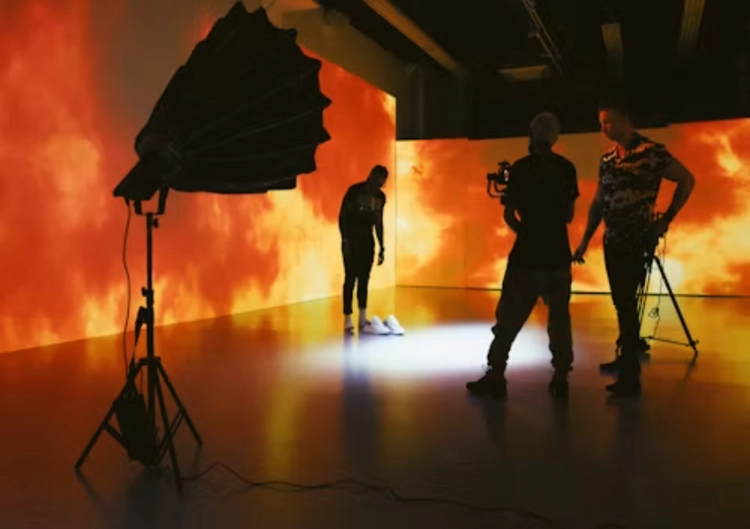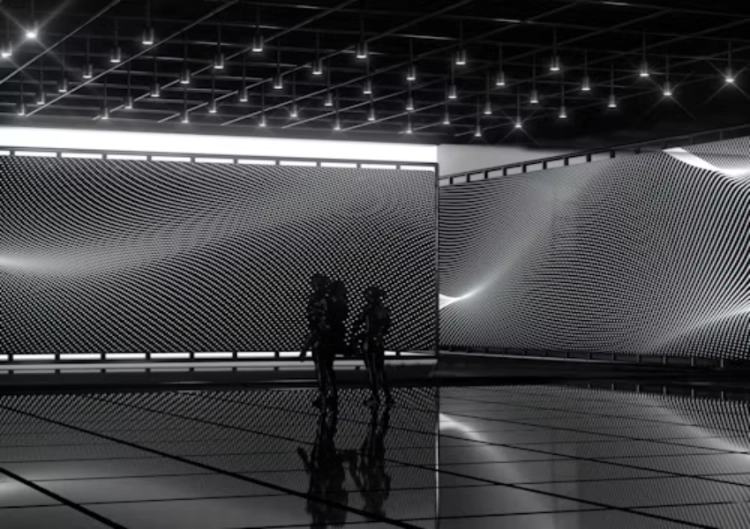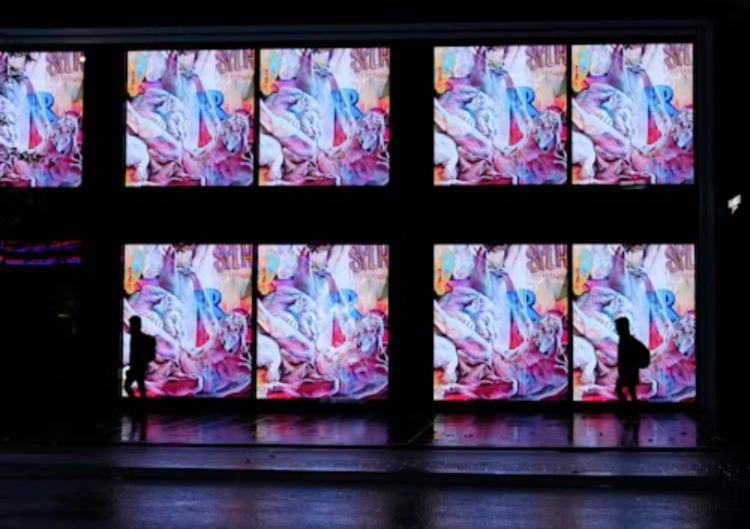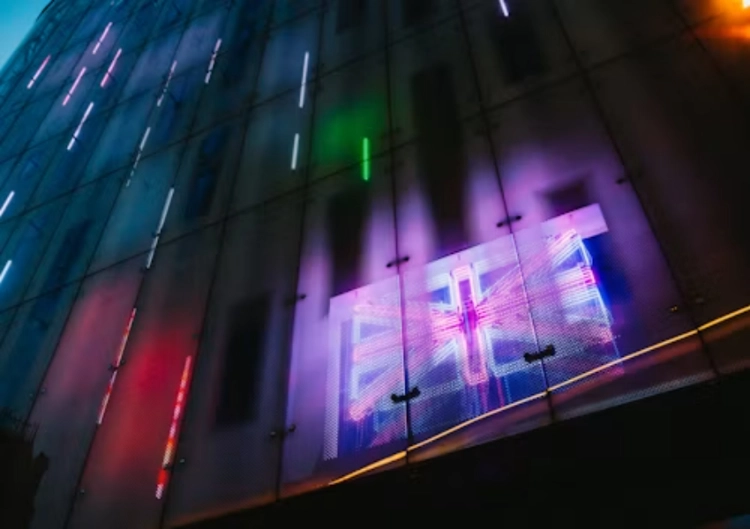
The evolution of LED signage has been driven by continuous innovation in semiconductor materials, display engineering, and digital control systems. Initially, LEDs were used for simple indicators or text-based displays, but they have since evolved into full-color dynamic communication platforms that define modern visual experiences.
Historical Development of LED Display Technology
Early LED signage applications focused on single-color indicators with limited brightness and refresh capabilities. Over time, technological progress enabled the transition from single-color to full-color RGB configurations, allowing for high-resolution video playback and interactive content. LED displays can display changing numbers, text, and graphic images; they can be used not only indoors but also outdoors and have advantages that projectors, video walls, and LCD displays cannot match. This transformation was accelerated by semiconductor innovations that enhanced luminous efficiency and reduced power consumption. The widespread attention and rapid development of LED displays are inseparable from their inherent advantages. These advantages can be summarized as high brightness, low operating voltage, low power consumption, miniaturization, long lifespan, impact resistance, and stable performance.
Modern Engineering Innovations in LED Display Boards
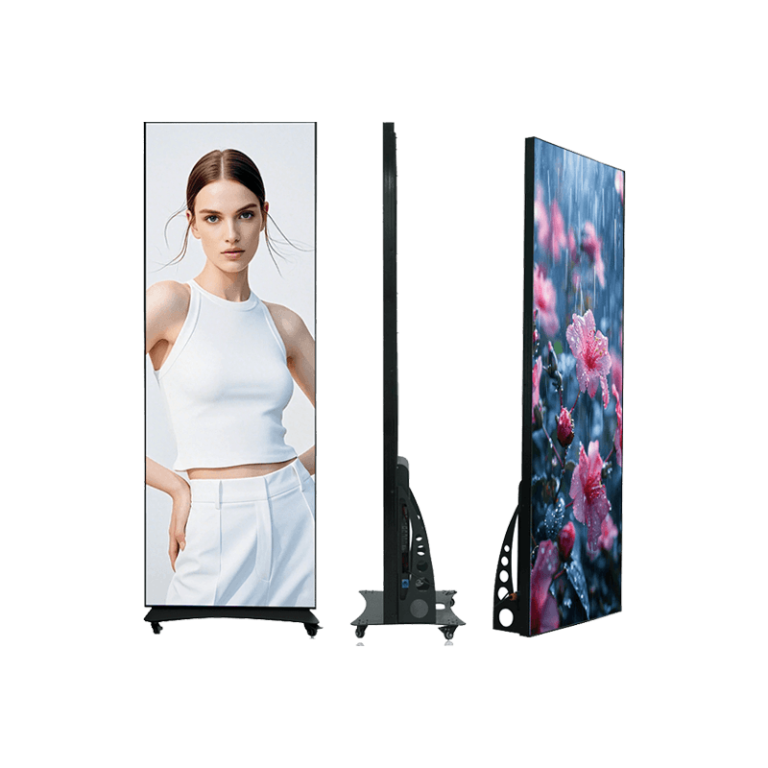
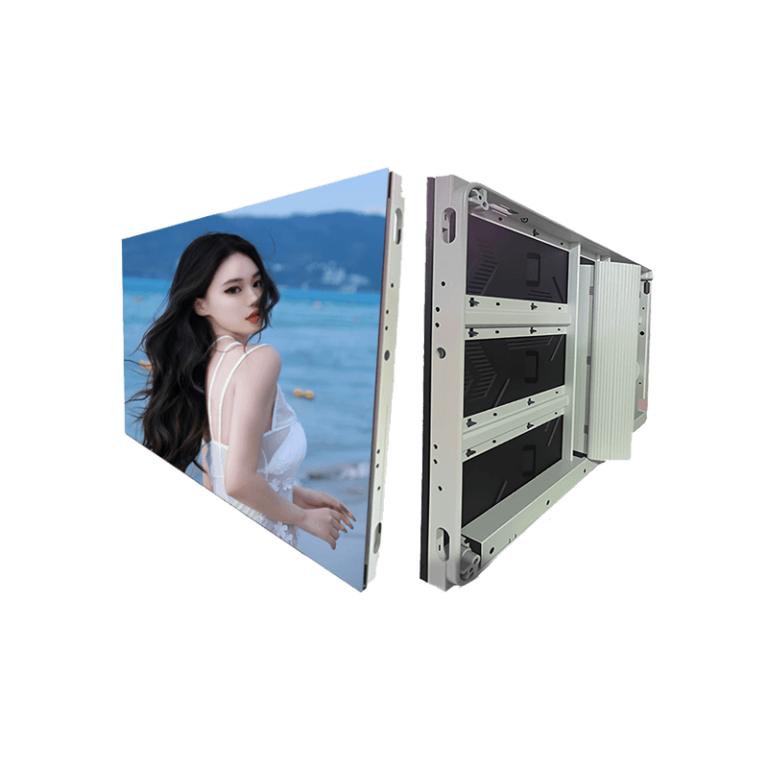
Today’s engineering breakthroughs include micro‑LED and mini‑LED integration for higher pixel density and seamless image clarity. Advanced driver ICs improve refresh rates and grayscale precision—critical for HDR-ready displays used in broadcasting or entertainment venues. Utilizing dynamic scanning technology, the image is stable, free of noise, clear, and features vivid and diverse animation effects; video playback is smooth. Energy efficiency has also improved through adaptive brightness systems that adjust output based on ambient lighting conditions. These developments are visible in products such as the outdoor display P3, which offers 600–1000 cd/㎡ brightness with ultra-clear 1080P/4K visuals while maintaining low power use and long service life.
Structural and Design Considerations for LED Signage Systems
Engineering a professional LED display board requires a balance between modularity, durability, and performance optimization across diverse environments.
Key Components of a Professional LED Display Board
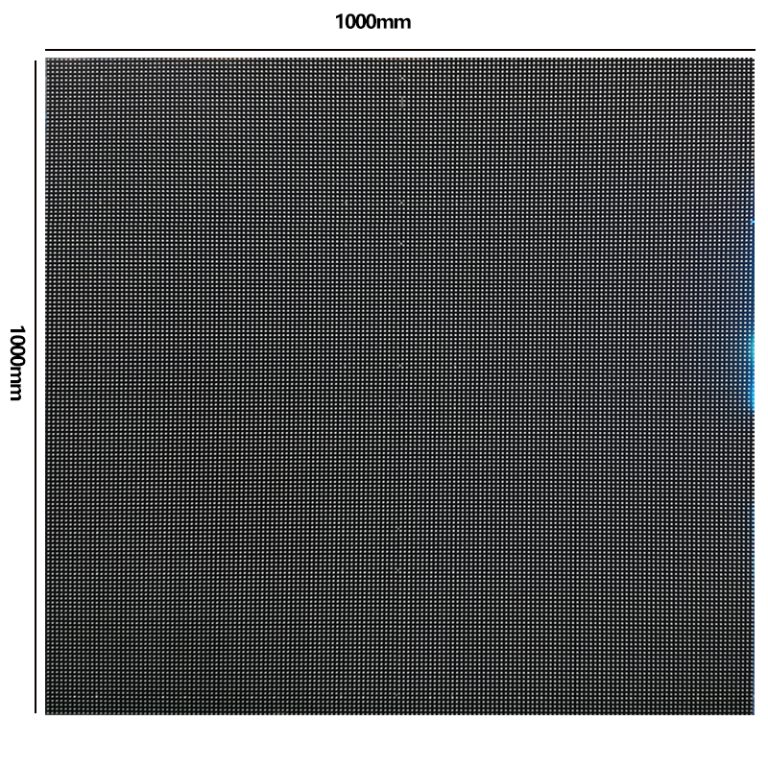
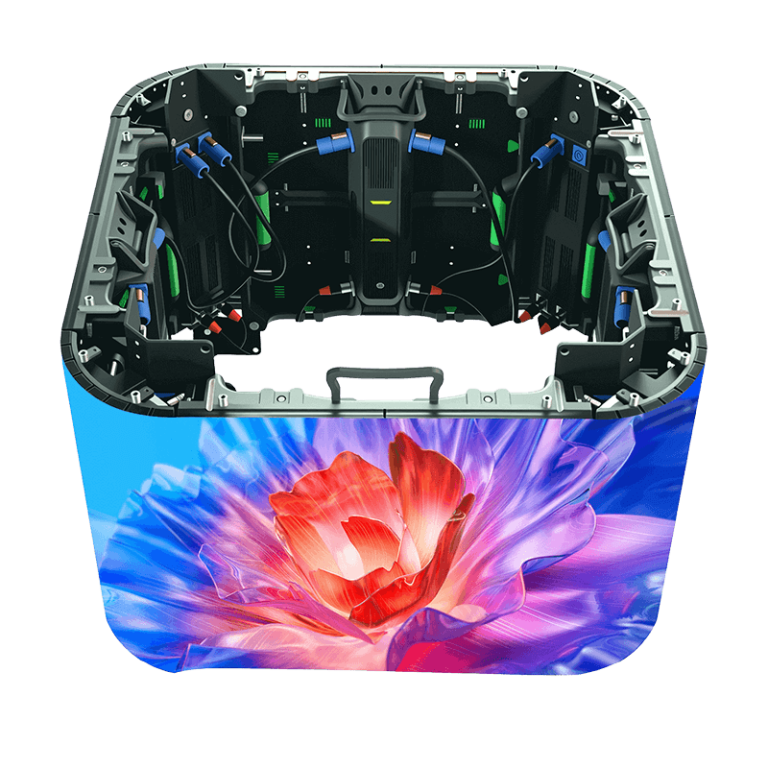
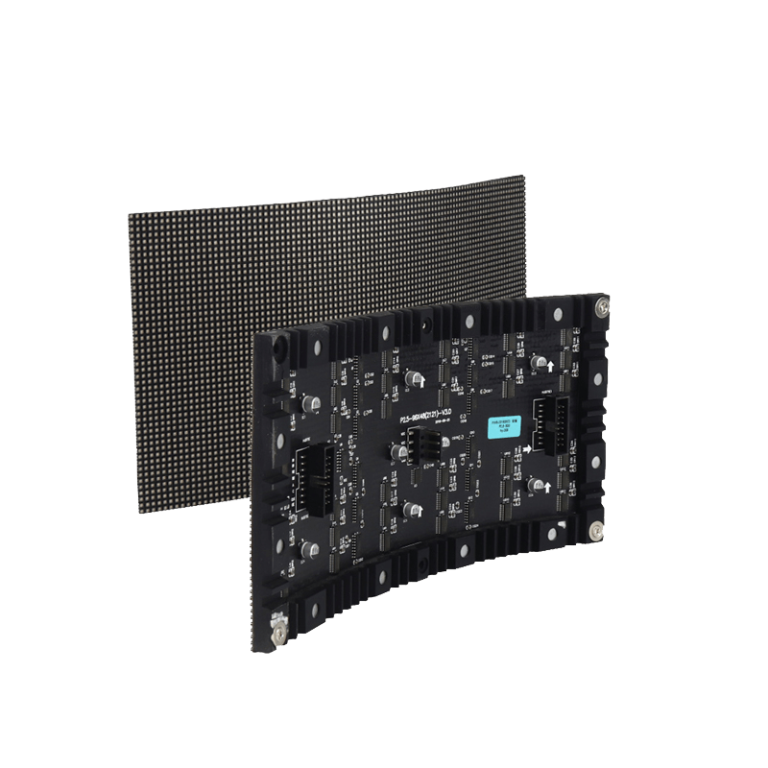
A typical system includes modular panels or cabinets housing diodes on PCBs with high thermal conductivity properties. Power supplies ensure stable current delivery while control systems manage signal distribution. Easy to maintain: Modular design, easy to install and maintain. Pixel pitch determines resolution—smaller pitches like 3 mm in the P3 model enable close viewing without visible pixelation—while thermal management ensures long-term reliability even under continuous operation.
Mechanical Design and Installation Parameters
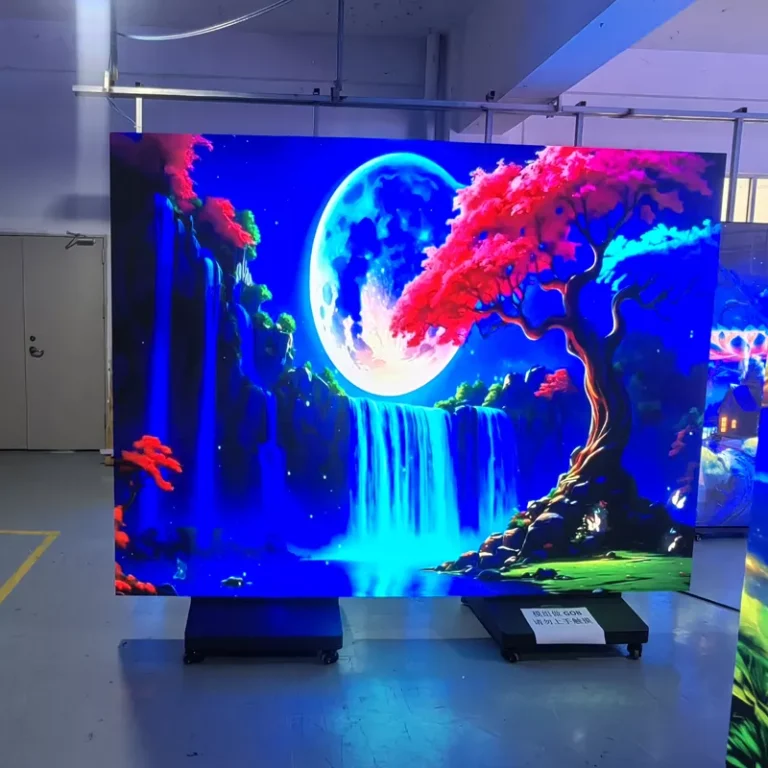
Mechanical design differs between indoor installations such as lobbies or control centers and outdoor setups exposed to harsh weather conditions. Load-bearing analysis ensures structural safety; IP-rated enclosures provide waterproofing and dust resistance. The stadium screen demonstrates this principle with IP65 protection ratings, dual-signal redundancy, and impact-resistant silicone face shields designed to withstand player collisions while maintaining seamless splicing for ultra-large viewing areas.
Visual Performance Optimization in LED Displays
The visual experience of an LED display is defined by its color accuracy, motion handling, and synchronization precision.
Color Calibration and Image Processing Techniques
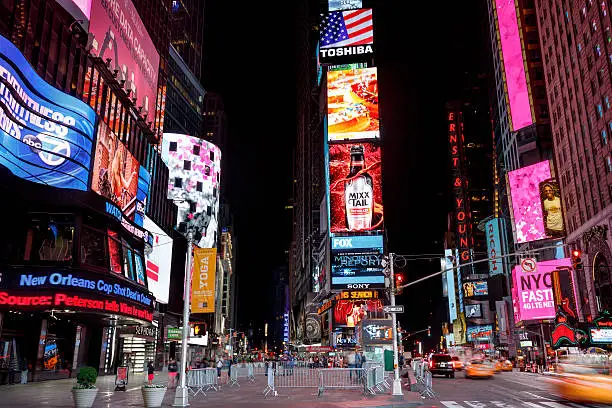
Automated calibration systems now correct deviations across modules to maintain consistent color reproduction. Algorithms manage uniformity across multiple cabinets, while HDR integration enhances contrast ratios for deeper blacks and brighter highlights. Our LED screens feature uniform lamp beads and never have dead pixels. Enjoy no black screen, no freezing, no latency, and super high brightness! Ultra HD pure-color pixels bring crystal-clear images—no flicker, no ghosting.
Refresh Rate, Frame Synchronization, and Motion Rendering
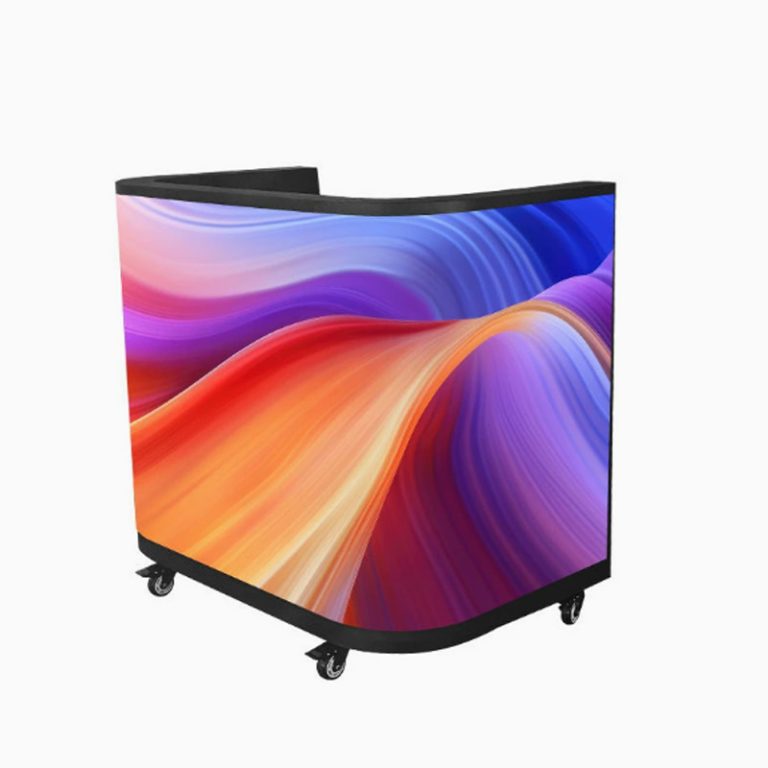
High refresh rates prevent flicker during fast-moving content playback—a crucial factor in sports broadcasting or digital advertising. GPU-based rendering pipelines synchronize frame delivery to eliminate tearing artifacts. The front desk screen exemplifies this with its 3840 Hz refresh rate, ensuring smooth motion rendering even at close viewing distances while maintaining vibrant colors through wide color gamut processing.
Control Systems and Data Management in LED Signage Networks
Modern signage networks rely on intelligent control architectures capable of managing real-time content updates across distributed systems.
Advanced Control Architectures for Large-scale Deployments
Synchronous control systems offer precise timing for live events, while asynchronous models allow preloaded content playback independent of network stability. Centralized management simplifies large-scale operations such as airport information networks or transportation hubs where reliability is critical. Adopting advanced data transmission technology and using gigabit network high-speed data communication chips, it supports long-distance transmission without repeaters.
Software Integration and Content Automation Frameworks
Integration with CMS platforms enables automated scheduling based on environmental triggers or analytics inputs. APIs support remote diagnostics through predictive maintenance dashboards, enhancing uptime efficiency across multiple installations.
Materials Science and Durability Factors in LED Display Manufacturing
Material selection directly influences product longevity under mechanical stress or environmental exposure.
Substrate Materials and Encapsulation Methods
High-quality PCB substrates dissipate heat effectively while optical encapsulants enhance light uniformity and UV resistance. Environmental testing ensures durability under extreme temperature variations—a vital requirement for outdoor deployments like transportation hubs or smart squares.
Longevity Optimization through Component Selection
Color consistency over time depends on diode binning accuracy; redundant power supply configurations reduce failure risks during continuous operation cycles exceeding 100 000 hours. Preventive maintenance protocols further extend operational lifespan while sustaining uniform luminance levels throughout service life.
Market Dynamics and Strategic Implementation Insights for Industry Experts
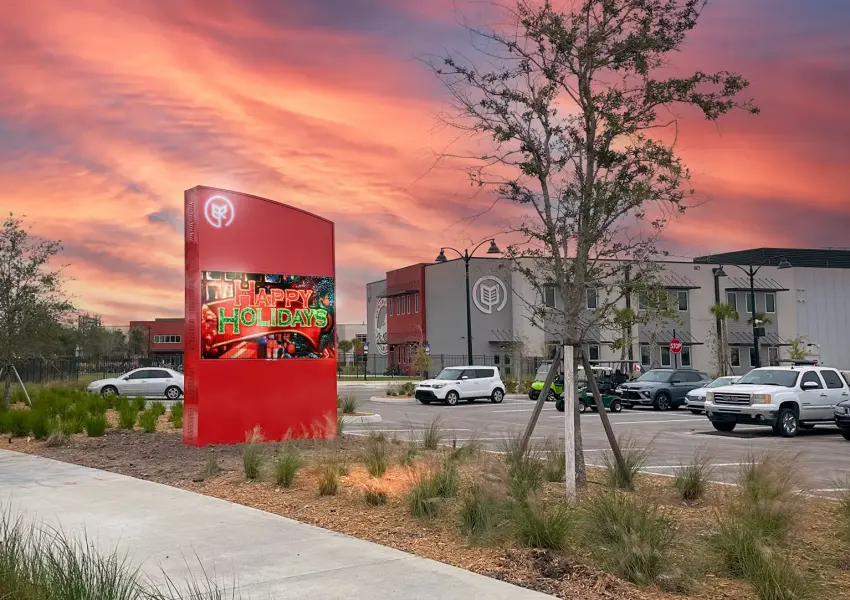
The global market for LED signage is still growing as urban areas around the world are digitizing on a large scale in commercial environments such as stores, sports stadiums, airports, banks, and entertainment facilities.
Competitive Landscape Analysis within the LED Display Sector
Competing on technology, in particular on the micro-LED precision manufacturing or on flexible panels, high-end brands are currently positioning themselves in the premium markets of corporate showrooms, exhibition halls, and similar environments where high-quality visual storytelling is able to generate maximum attention from the customers.
Strategic Approaches to Project Planning and Lifecycle Management
Key procurement strategies are focused on guaranteeing supply from qualified producers boasting ISO 9001-approved manufacturing lines in order to be able to successfully provide effective products through the complete product life cycle, i.e., including installation and maintenance phases.
About Us – Expertise That Powers Innovation
At Leyaled, we specialize in designing next-generation LED display boards that merge engineering precision with aesthetic versatility. Our Shenzhen-based facility is 7,200m² with 8 lines of SMT production. It is supported by a professional R&D team and is focused on materials science research and development. FWS Technology Co., Ltd. is a high-tech enterprise that is integrated in terms of R&D, production, and sales. We are able to provide customers with customized production for small-pitch indoor displays as well as large outdoor displays for use in commercial displays, control centers, smart squares, and transportation hubs. All of our products are certified by ISO 9001:2008, CCC, and CE. Our philosophy—“Quality is the foundation of survival”—guides every project we undertake as we illuminate global spaces through advanced LED signage technology tailored to professional applications worldwide.
For inquiries about custom solutions or OEM/ODM collaborations tailored to your project’s needs, please reach out via our contact page.
FAQ
Q1: What factors determine the ideal pixel pitch for an LED display board?
A1: Pixel pitch defines resolution relative to viewing distance; smaller pitches like 3 mm are suited for close-range indoor use such as conference halls or exhibition spaces where detail clarity is essential.
Q2: How do modern control systems enhance reliability in large-scale signage networks?
A2: By utilizing gigabit-speed asynchronous protocols combined with redundant signal paths, ensuring uninterrupted content delivery even during network fluctuations.
Q3: What maintenance practices extend the lifespan of professional LED signage?
A3: Regular calibration checks combined with preventive module replacement schedules preserve luminance uniformity, while redundant power supplies mitigate downtime risk beyond 100 000 operational hours.