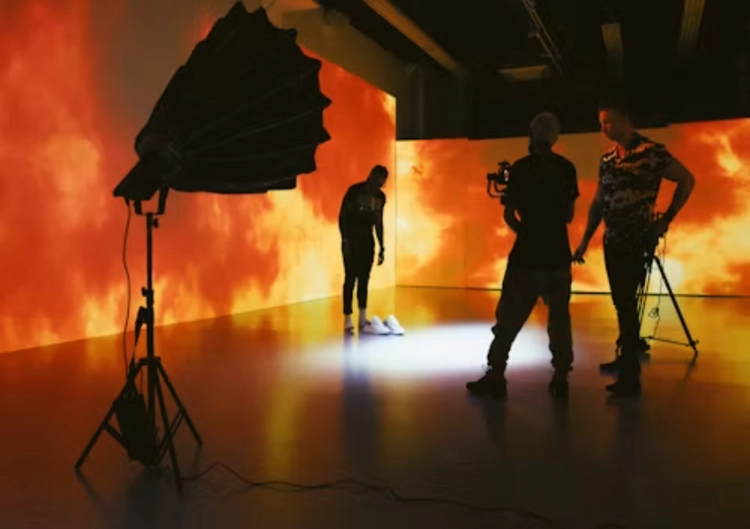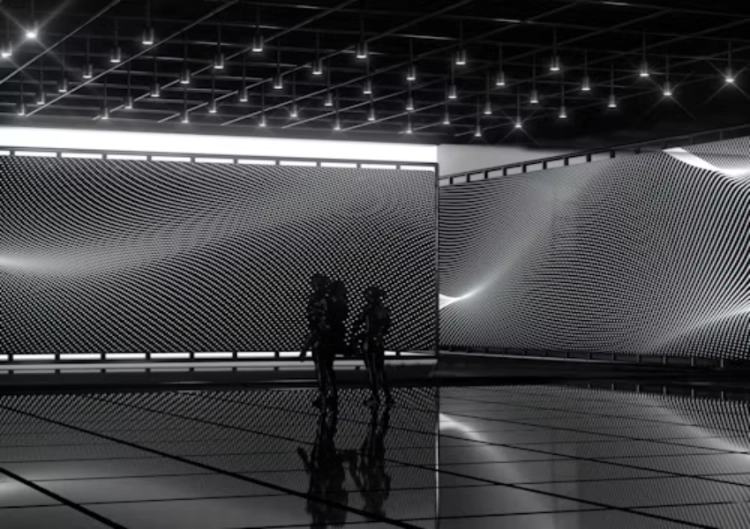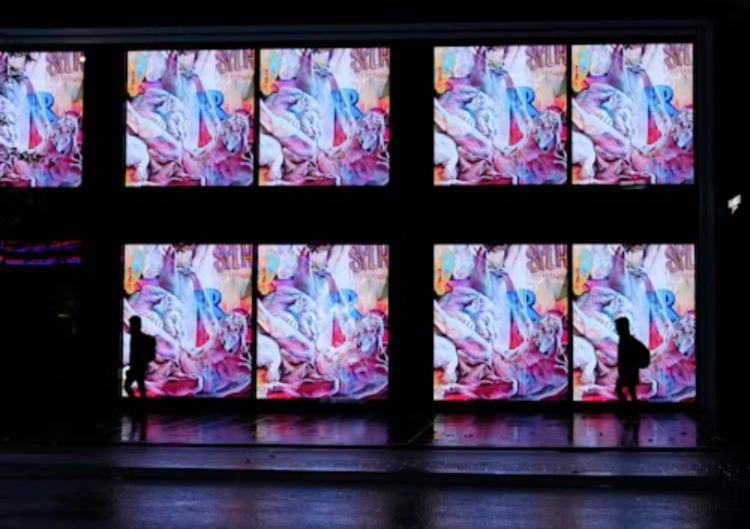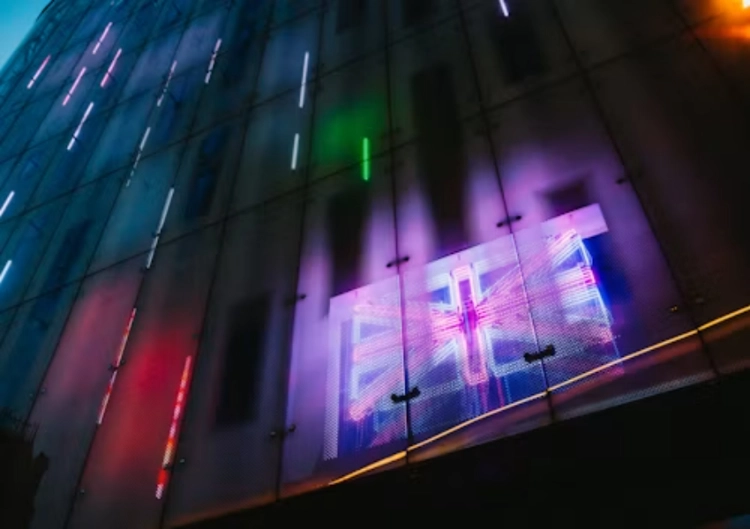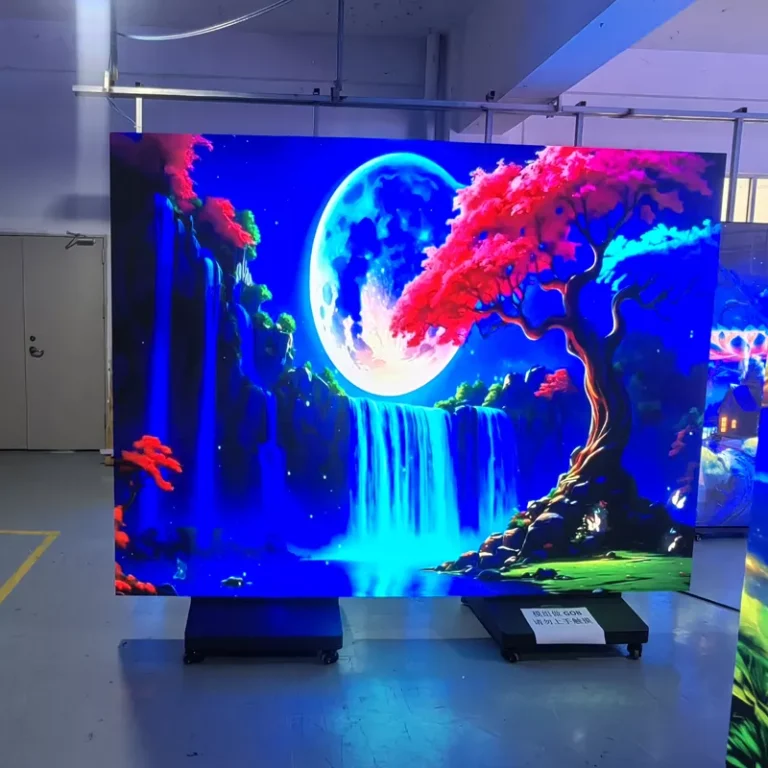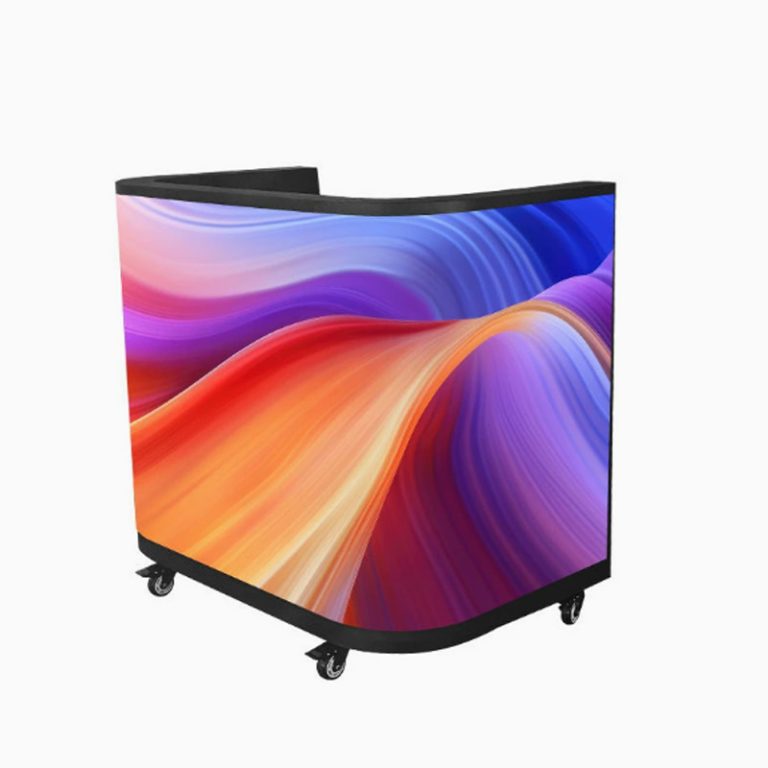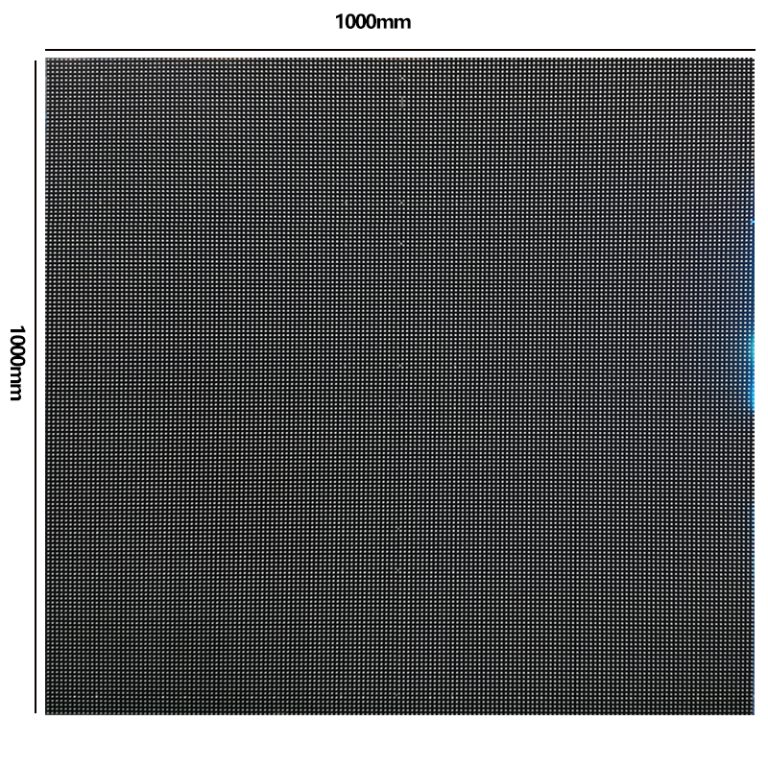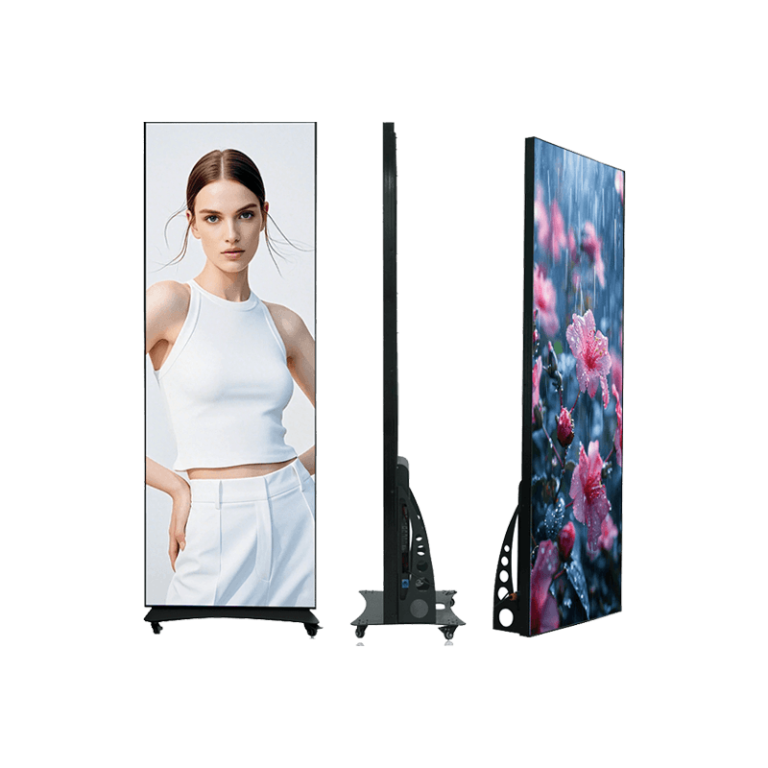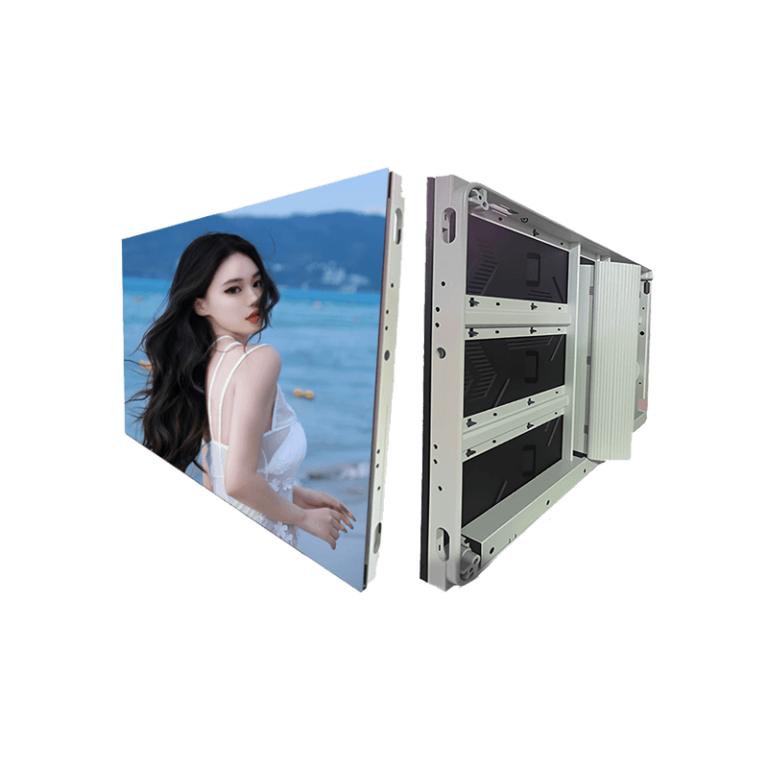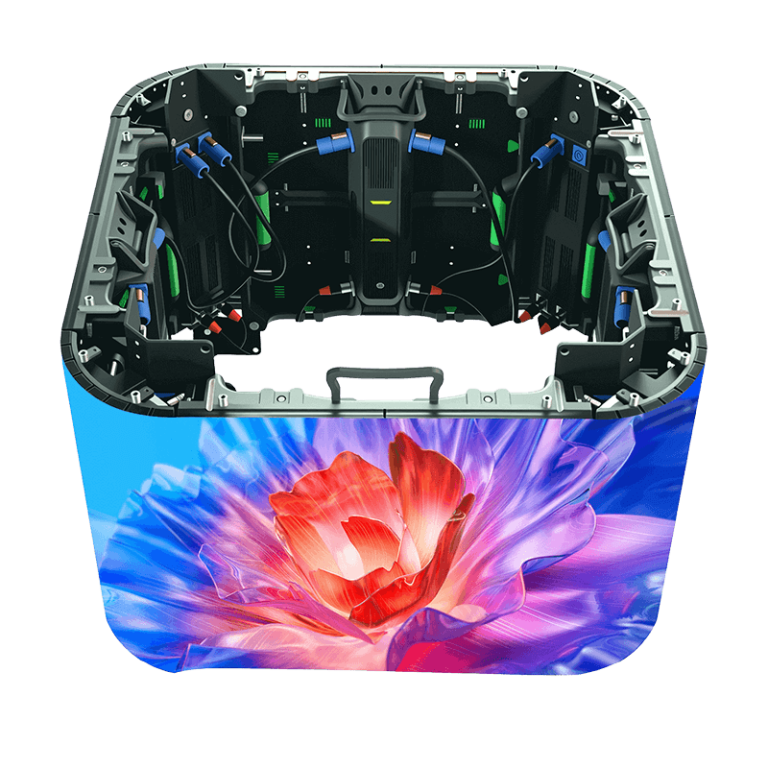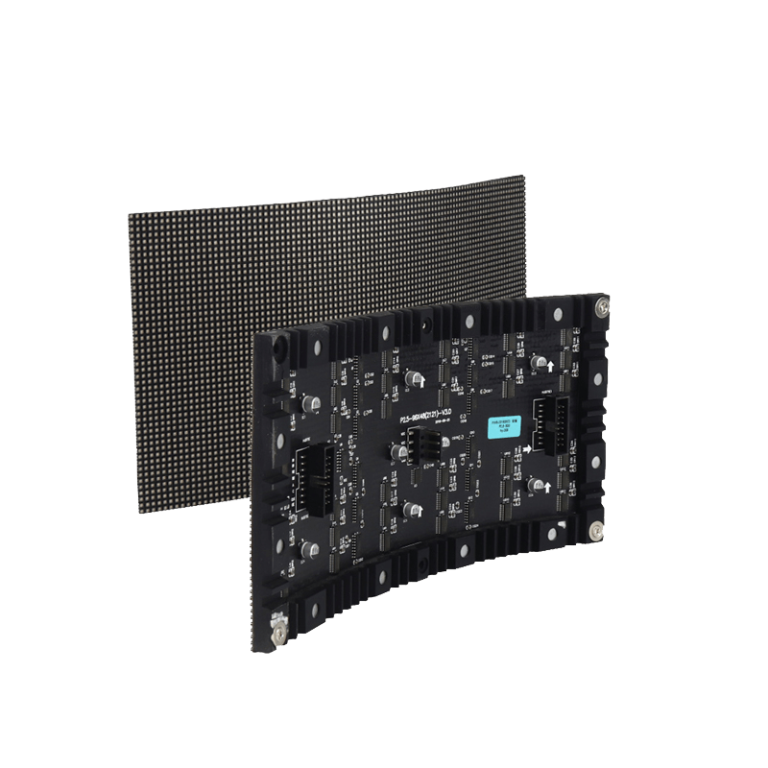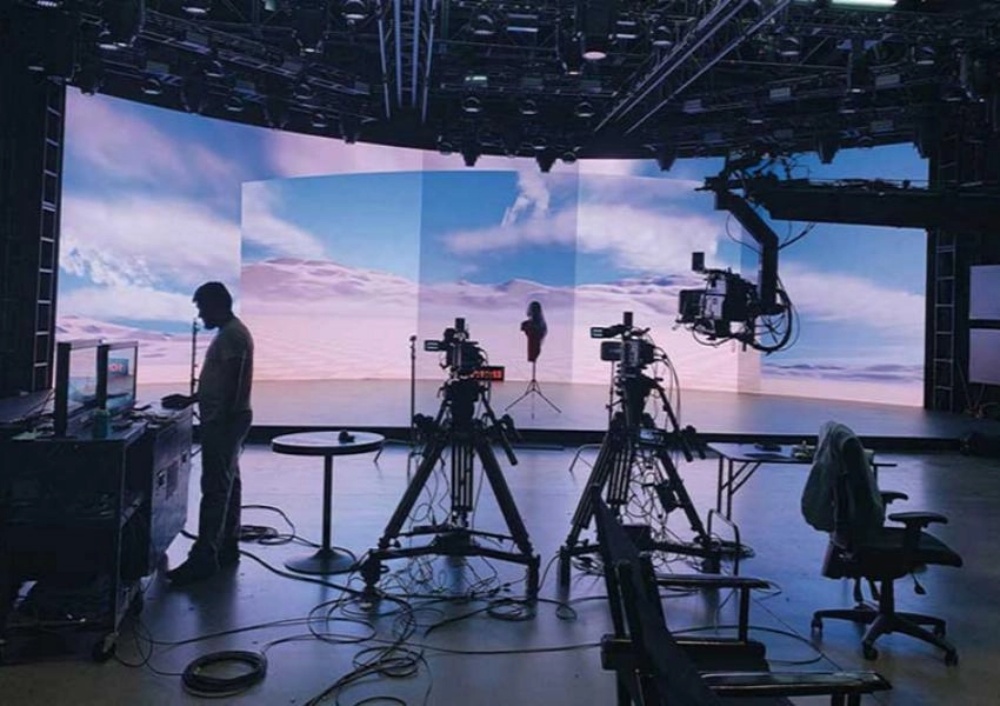
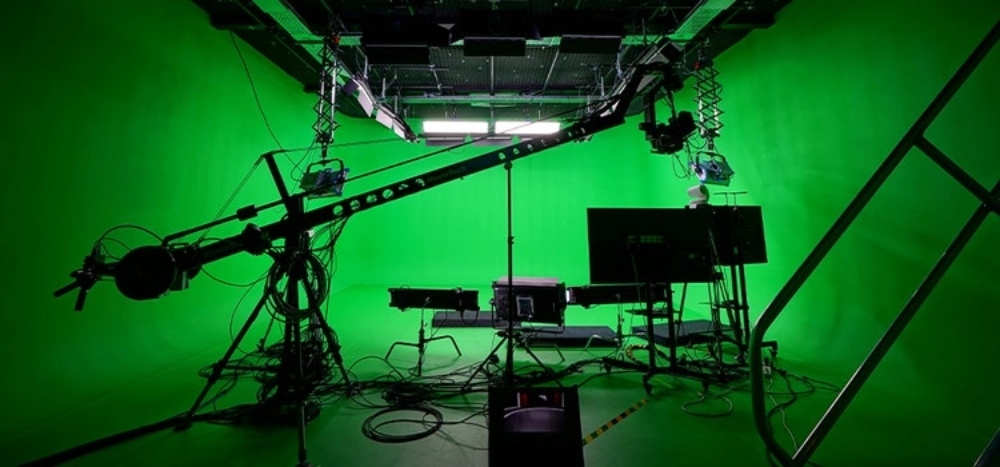
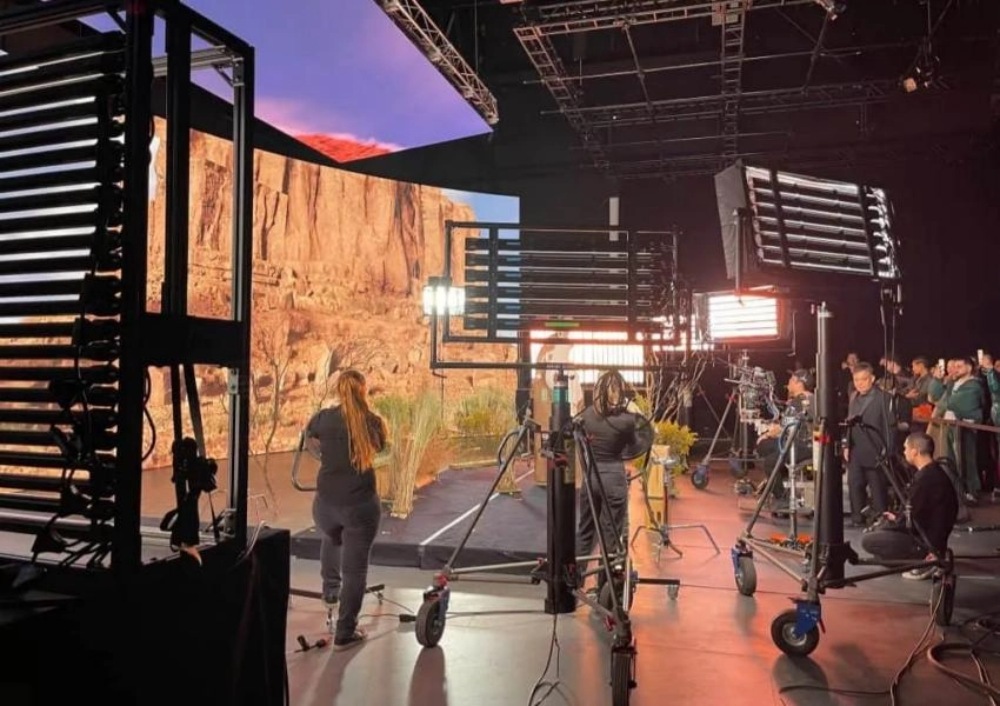
In modern visual production, the gap between a smart display and a green screen shows up in how each one works. A smart display uses LED signage to show content right away, so teams see digital assets live during events or broadcasts. A green screen instead relies on chroma keying later in post-production to swap out the background, which takes extra editing time and effort.
The Core Differences Between Smart Display and Green Screen
Key Functional Distinctions in Visual Production
From a visual standpoint, LED displays have moved past the limits of static setups. Ultra-high-definition resolution, now mainly 4K and 8K, shows fine details such as artifact textures, clean data lines, and smooth motion in images that look close to the original. This built-in strength makes smart displays a strong fit for live shows where speed and clarity matter. Green screens still work well in studio spaces where lighting and subject placement can be adjusted with care.
Comparative Analysis of Workflow Efficiency
When it comes to workflow speed, smart displays give results at once by cutting down on post-production steps. Teams can check the final look right on stage or set, which lowers turnaround time and reduces mistakes. Green screens need extra color keying work that can create uneven results if lighting shifts.
For large events or corporate shows, LED-based smart displays keep things simple by supporting quick changes. In exhibition design, the ability of LED displays to adapt on the fly stands out as their main strength. Fixed panels are hard to change once set, but LED screens can be updated through the control system. This keeps content fresh without re-shooting or re-editing full sequences.
Evaluating Cost and Investment Value
Initial Setup and Long-Term Maintenance Costs
Smart display systems need a larger initial outlay because of high-resolution panels and control units. Still, their ongoing maintenance costs stay lower since they remove repeated editing work. Green screens look cheaper at first but add up extra costs through longer post-production labor.
Low power use and long service life also help. LED beads draw less power, run cooler than older display types, and last up to 100,000 hours or more. This means lower upkeep and steady performance over time, giving LED setups better value than fabric screens that wear out after repeated moves.
Return on Investment for Different Use Scenarios
Event organizers often see fast returns from smart displays because the systems adjust to audience feedback on the spot. Film studios still use green screens when complex layering is needed, but brands looking for wider reach tend to gain more from interactive LED signage that holds viewer attention longer.
LED displays move viewers from passive watching to direct engagement. With touch controls, sensor links, or AR/VR tools, people can interact with the screen—for instance, zooming a map in a city planning exhibit to view local growth. This kind of interaction brings clear marketing value in retail areas and exhibition halls.
Technical Advantages of Smart Displays in Modern Media Production
Integration of LED Display Screen Technology
Smart displays rely on advanced LED modules built for sharp imaging. The indoor P2.604 display uses a 2.604 mm pixel pitch to deliver crisp visuals suited to studios and conference rooms where detail counts. The indoor P3.91 display offers clean panel joins that suit immersive setups such as broadcast stages or product launches.
The P3.91 indoor high-definition LED display keeps images sharp thanks to its 3.91 mm pixel pitch. These specs show how tighter pixel spacing improves clarity at different sizes while holding brightness steady under changing light.
Real-Time Content Control and Adaptability
Smart displays handle real-time links with lighting and sound during live shows or meetings. They support multiple ports such as HDMI, DVI, and VGA, so they connect easily to computers or media players. This lets teams update content without outside tools and keeps storytelling smooth. The modular build also allows flexible mounting on walls or overhead rigs, which gives designers more options and keeps daily use straightforward.
Limitations of Green Screen Technology in Professional Applications
Technical Constraints During Filming and Editing
Even with wide use in film, green screen work faces limits such as color spill from uneven light or actor movement. Edge blur shows up when performers stand too close to the backdrop or wear similar tones. These issues call for careful post-production fixes that stretch project timelines. Getting clean keying also needs skilled color work, so the process stays slower than direct rendering on smart displays.
Environmental and Operational Challenges
Green screens perform best inside controlled studios. Outdoor use brings wind or shifting sunlight that can break the key. In contrast, modular LED systems scale across venues from arenas to trade shows and set up quickly when needed. LED advertising screen solutions keep high contrast and wide color range so images stay clear and bright in varied light. This is one reason event teams now choose smart displays over chroma setups when they need flexibility on site.
Leyaled’s Contribution to the Evolution of Smart Display Solutions
Overview of Leyaled’s Product Portfolio in LED Signage and Display Systems
As a leader in integrated visual technology, Leyaled supplies a broad line of indoor LED signage products for professional use around the world. The stadium screen series reaches up to 10,000 nits with wide viewing angles that stay visible across large spaces, supporting nonstop operation under tough conditions.
We also provide creative options such as the Flexible Screens range made for curved installs in museums or commercial sites. These bendable modules keep color even when shaped into arcs or cylinders.
Manufacturing Excellence and Quality Assurance at Leyaled
FWS Technology Co., Ltd. is a high-tech firm focused on the full LED display chain from R&D through production and sales. Our factory covers more than 7,200 square meters and runs eight automated SMT lines that handle every step from chip placement to final testing.
All products meet ISO9001:2008, CCC, and CE standards for safety and quality in global markets. We focus on energy-efficient LEDs that cut power draw and extend service life, lowering total ownership cost for clients who plan long-term digital projects.
Why Smart Displays Represent a More Strategic Investment Than Green Screens
Long-Term Value Creation Through Technological Integration
Smart displays combine strong hardware with software control in one platform, cutting the need for third-party editing pipelines common in green screen work. Their scalable design fits many uses from retail walls to broadcast centers without extra structural work. Built-in analytics tools also give teams live data on viewer engagement during sessions, a feature not available in static chroma setups.
Alignment with Digital Transformation Trends in B2B Environments
Corporate communication now favors immersive experiences tied to digital transformation across finance, education, and other fields. Smart displays offer interactive touchpoints that blend physical and virtual elements through responsive LED networks developed in-house. This mix of “technology on the surface, content at the core, experience at the top” has moved LED displays from support tools to central platforms. The shift makes smart displays strategic assets that lift engagement across enterprise settings.
About Leyaled: A Reliable Manufacturer of Advanced Display Solutions
Commitment to Innovation and Client Success
At Leyaled, we pair 15 years of R&D experience with ongoing work on flexible display structures that meet specific industry needs, from fixed indoor installs to adaptive signage used by global clients seeking high reliability. Our team combines optical design with smart power management so every LED module runs efficiently under varied conditions and keeps color accuracy throughout its life.
Global Service Network and Customer Support
We run an international service network that offers help from early design to final install, plus responsive after-sales support through our contact page. Each project receives dedicated technical guidance to keep operations smooth no matter the location, protecting uptime and long-term value for our partners.
Conclusion
Companies that want real-time interaction should look at smart display systems powered by advanced LED technology. These systems scale more easily and run more efficiently than green screens, which face limits in changing environments. While chroma setups still serve film work that needs detailed layering, they lack the flexibility required in today’s fast-moving event and communication spaces. Working with us gives access to durable, high-performance products backed by full-service support built around your goals, so each install stays visually strong and cost-effective over time.
FAQ
Q1: What industries benefit most from investing in smart display systems?
A1: Broadcasting, events, retail marketing, and corporate communications see clear gains. Smart displays powered by advanced LED signage supply adaptable visuals that strengthen brand presence through interactive models that fit many sectors.
Q2: How does an LED signage solution differ from conventional options?
A2: Our LED signage uses precise pixel control to deliver even brightness, seamless images, and simple upkeep, all built above typical market levels so performance stays steady even under heavy use.
Q3: Where can businesses learn more or request service support?
A3: Companies can review full specs, book consultations, or ask for help at any time through our official contact platform on the website.