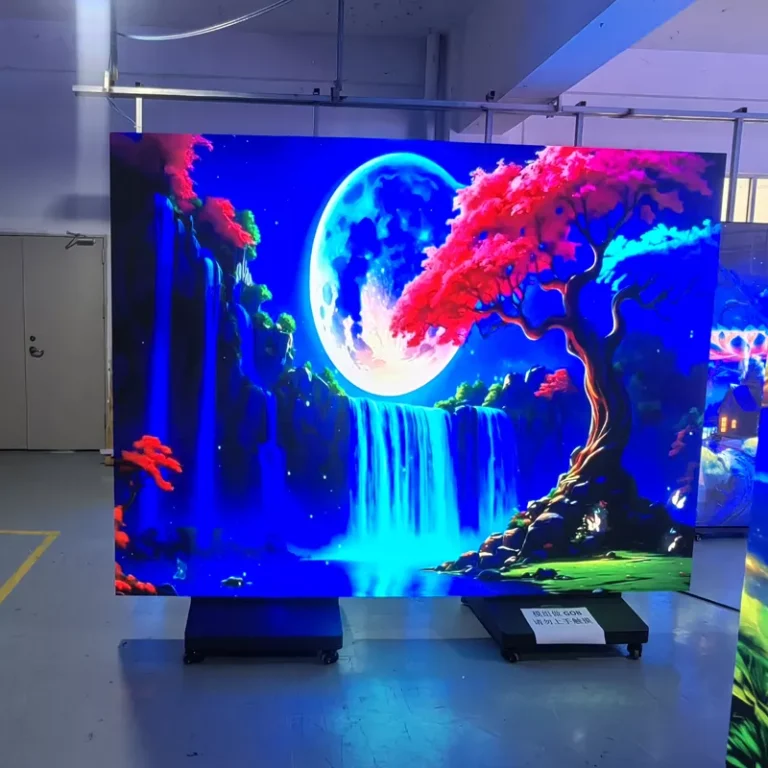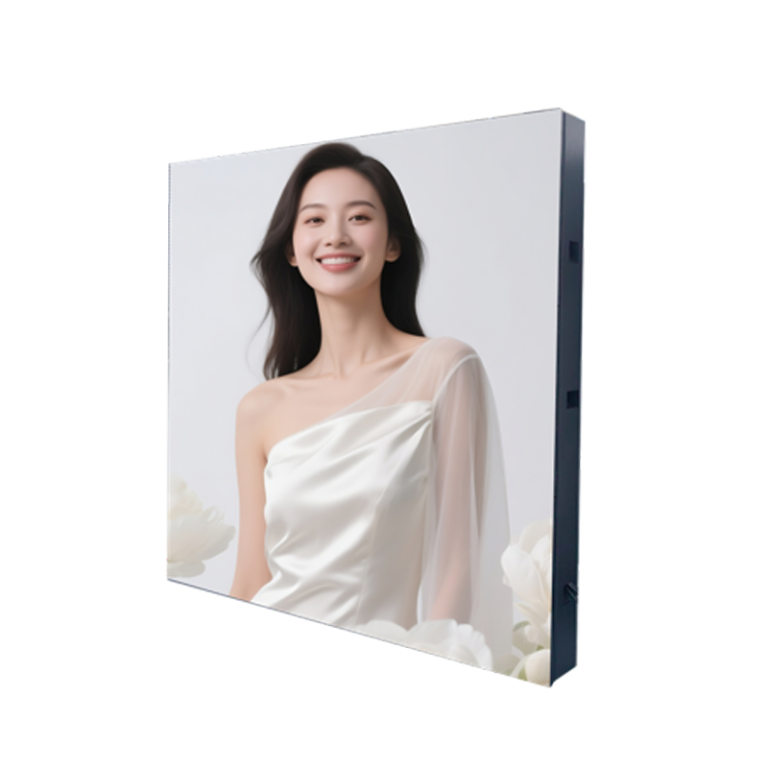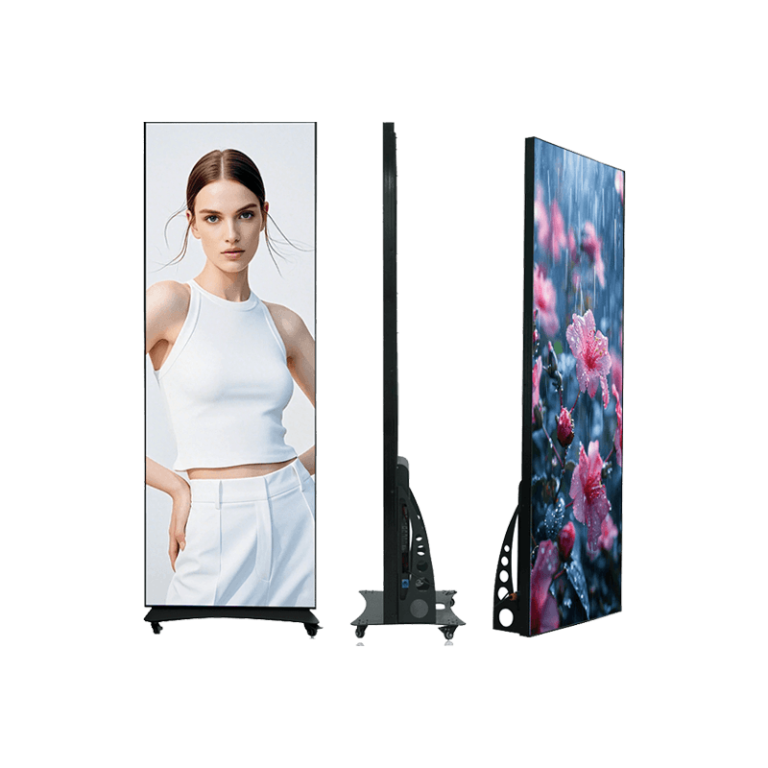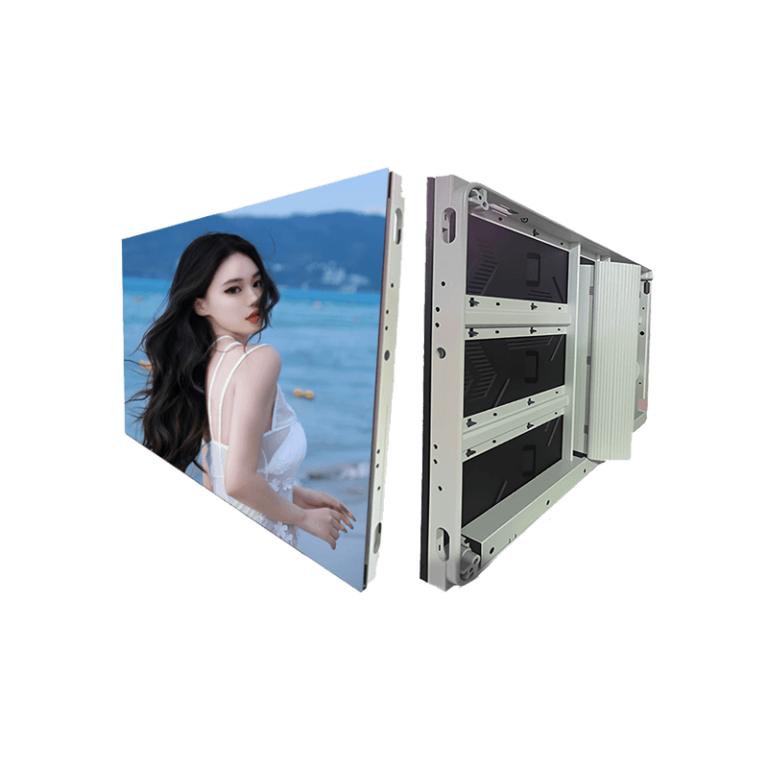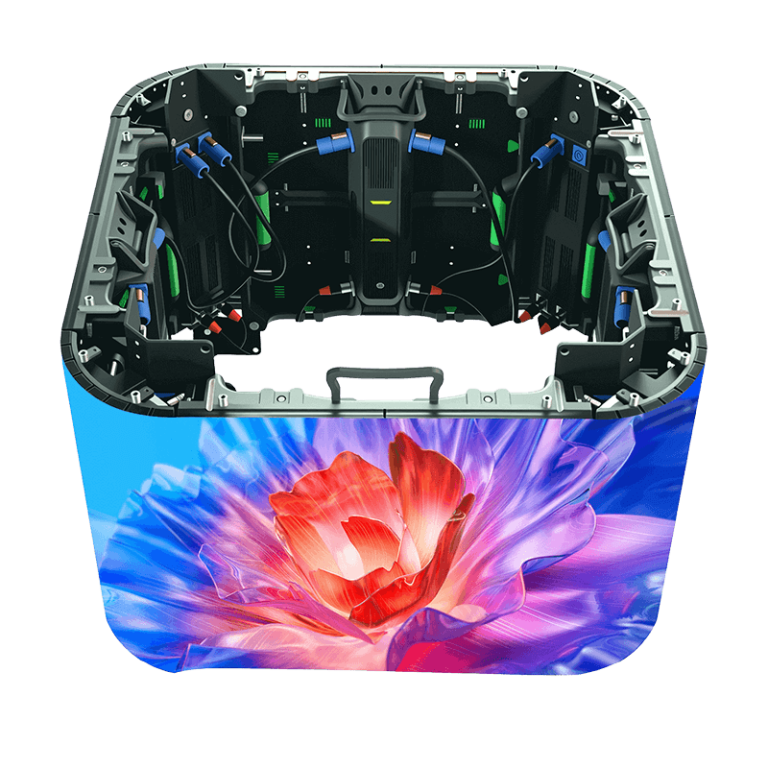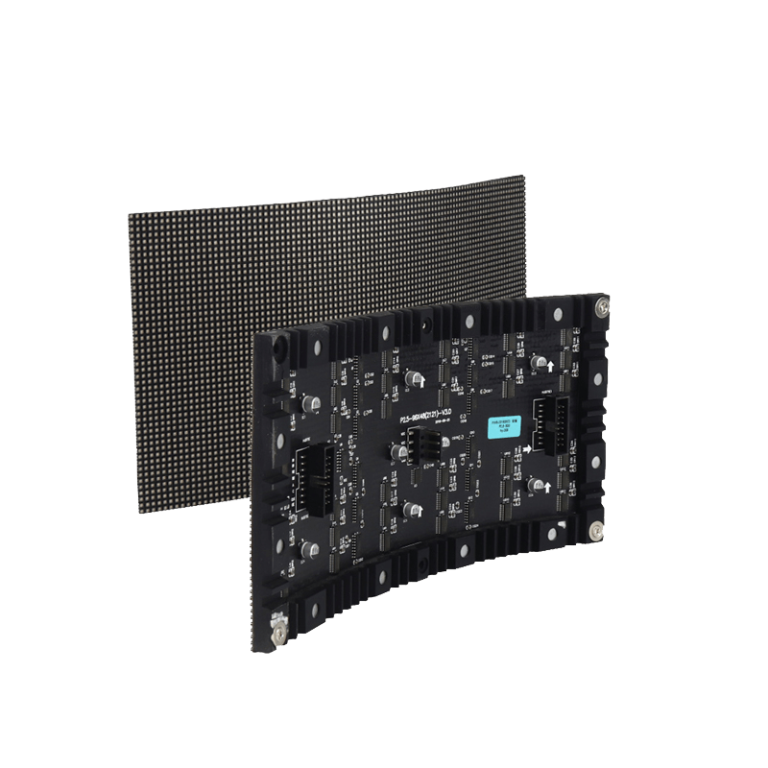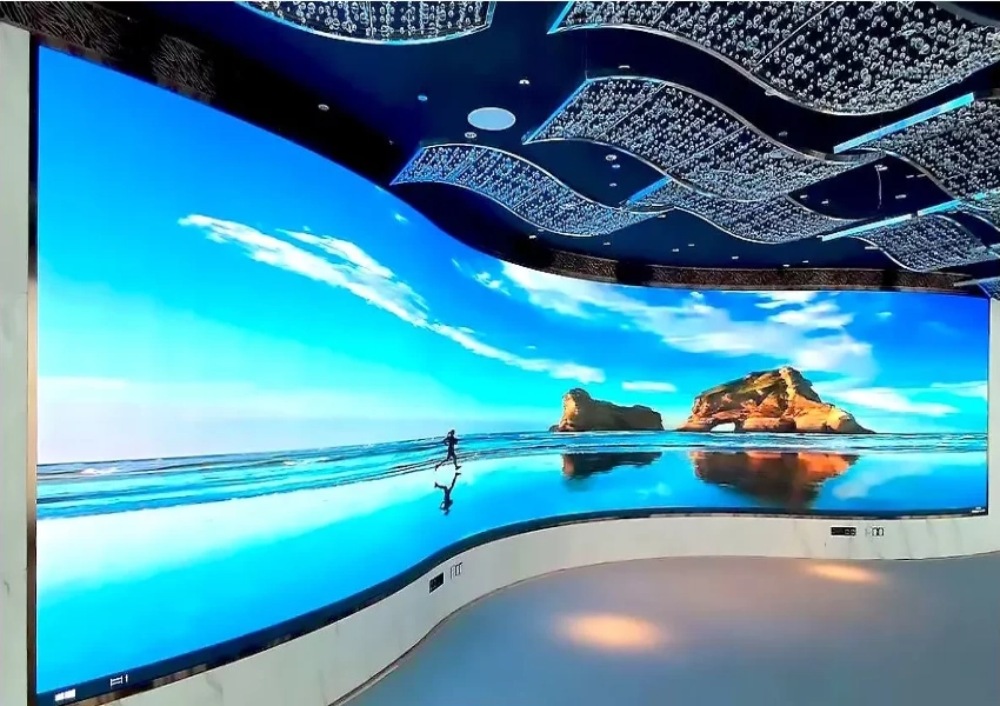
Indoor flexible LED display technology has changed the visual communication world by combining modern materials with smart control systems. These displays impress visually and innovate structurally. They suit today’s business spaces that need both fresh ideas and dependability.
Understanding Indoor Flexible LED Display Technology
Key Components and Structure of Flexible LED Displays
The base of an indoor flexible LED display is its makeup. Flexible screens are groundbreaking display items built on advanced OLED or micro-LED technologies. They have special traits like bending, folding, and rolling. This breaks the limits of old stiff screens. It offers users fresh visual experiences and uses. Flexible bases let these displays stay tough yet light, which fit smoothly on tricky building surfaces.
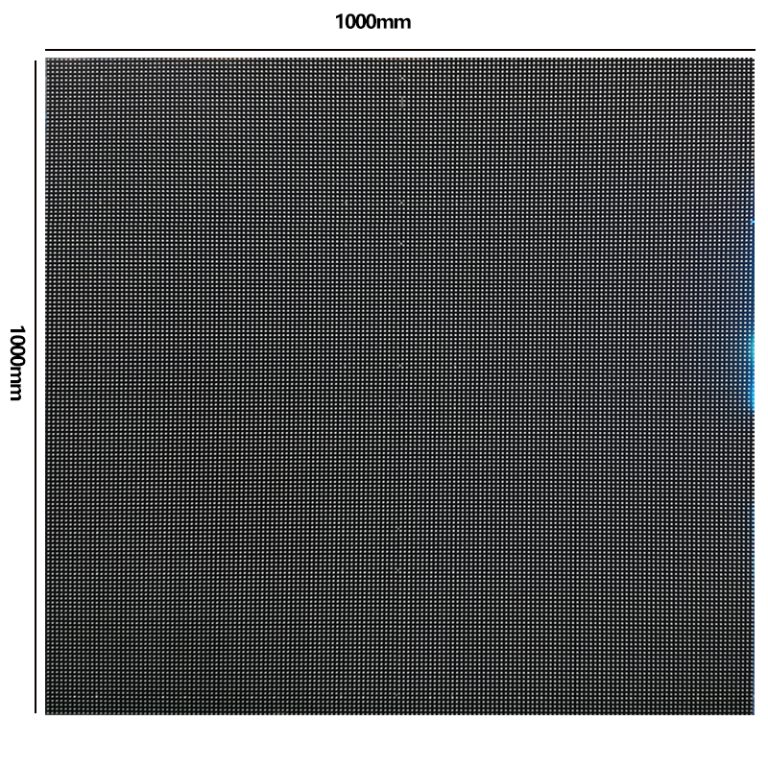
Key performance measures like pixel pitch, brightness, and refresh rate shape the quality of visual results. They provide sharp and detailed image quality. The pixel pitch is tight, and the pixel density is high. This shows clear images and text. It handles high-definition image quality well, much like LCDs. Plus, they offer high refresh rates, such as 1920Hz and 3840Hz. The quick response cuts image blurring. It shows images without lag and gives smooth moving pictures. Linking with advanced control systems keeps signal handling steady, which supports real-time content across various inputs like HDMI or DVI.
Advantages of Flexibility in LED Display Design
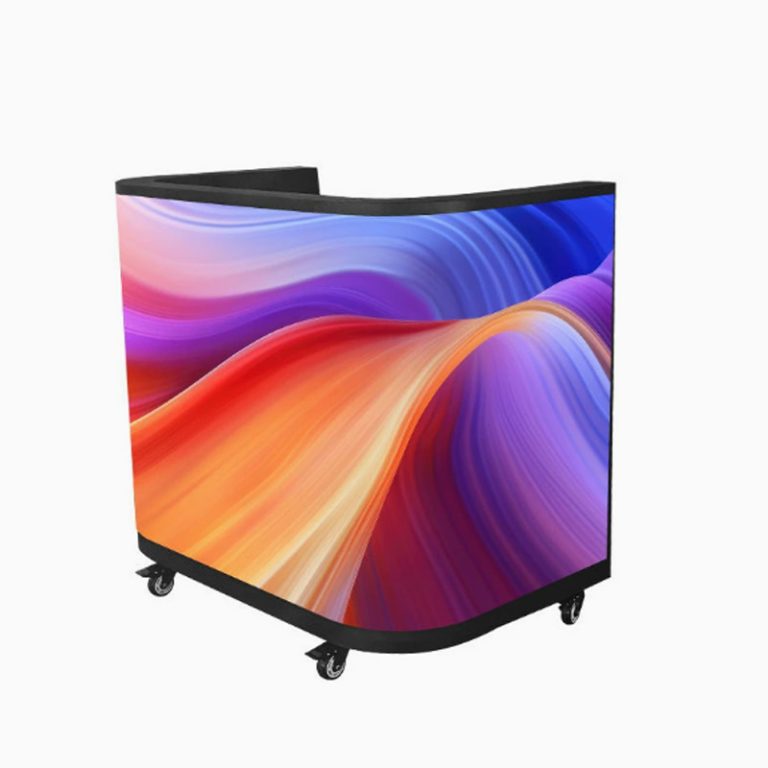
Flexibility adds a fresh level to LED design. These displays shape into curved walls or round setups without twisting. As a creative, flexible display, the S series shows very high bendability. It easily forms large-angle inner or outer arcs, cylinders, or 90-degree right-angle shapes. This fitting ability cuts setup limits versus stiff panels. At the same time, it boosts beauty options for builders and ad manufacturers.
On top of that, modular lights ease handling and moving. They are light and simple to set up. The foldable style, small size, and easy storage make transport straightforward. This fits large indoor spots where fast putting together matters. Their built strength also guarantees lasting steadiness in repeated setup times.
Performance Characteristics of High-Quality Commercial LED Displays
Top-quality commercial LED displays stand out by giving steady visual strength in different indoor settings. These traits come from optical care, heat handling, and setup accuracy.
Factors Defining Display Quality in Indoor Environments
Display quality relies on several linked elements. Color evenness assures real color showing. Contrast ratio sets depth. Grayscale correctness boosts detail sight. They have high brightness and a wide color range for true color showing. Full color coverage goes over 36%, beating the NESC color range. Likewise, they manage low brightness with high grayscale and smart brightness tweaks. Even at 20% brightness, they still show perfect images.
Heat handling is just as important. The modules include built-in cooling, which lengthens the LED display’s working life. It also uses low power for better energy saving and eco-friendliness. The right setup with a fine pixel pitch allows easy viewing from up close. This is key for shop interiors or company display areas.
Energy Efficiency and Longevity Considerations
Energy-saving shapes current indoor LED buildings. They use low power and have a long life. LED beads take less power, making them more energy-saving than old display tools. They last up to 100,000 hours or more. Modern driver ICs cut power use while keeping steady light levels. Cooling methods further stretch the use life by stopping heat wear during ongoing runs. Sustainability goes beyond performance. Eco-friendly materials lower upkeep costs. They also back responsible energy use in business setups.
Applications of Indoor Flexible LED Displays in Modern Advertising
Indoor flexible LED displays now form core tools in digital ad plans. This comes from their range in design, fitting, and content-control skills.
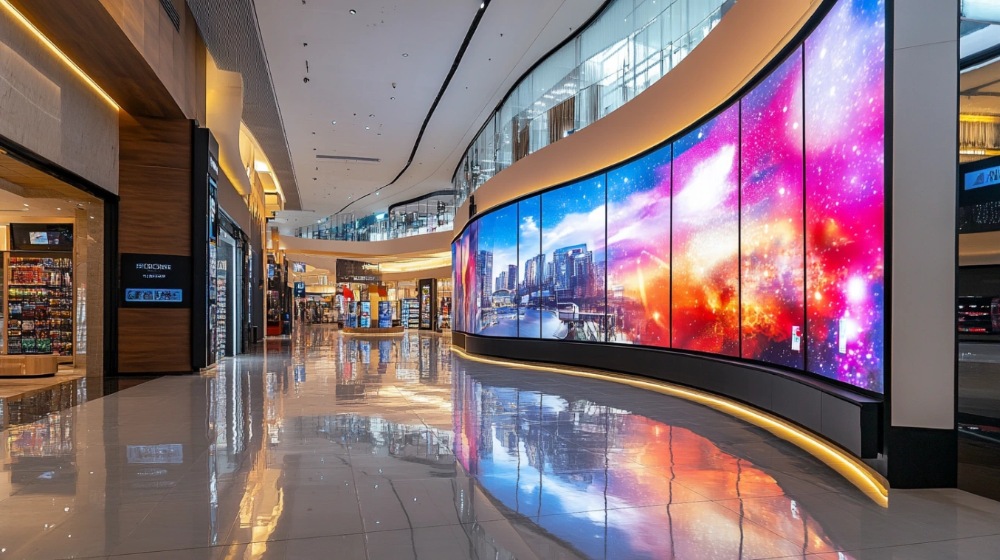
Creative Display Configurations for Branding and Promotion
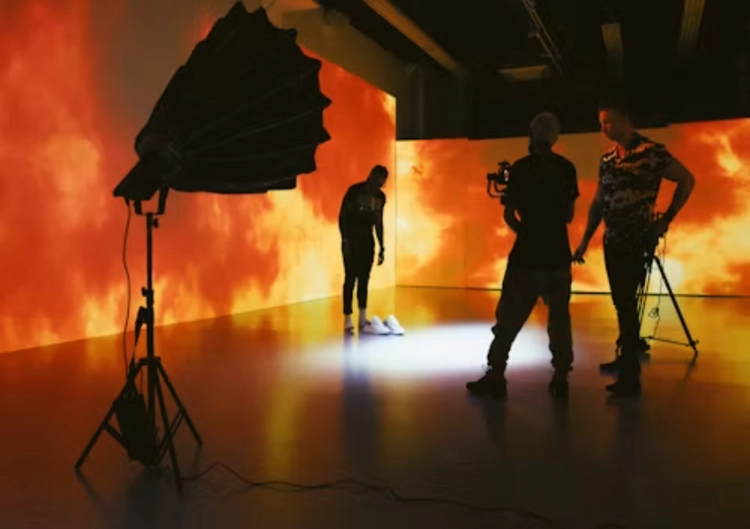
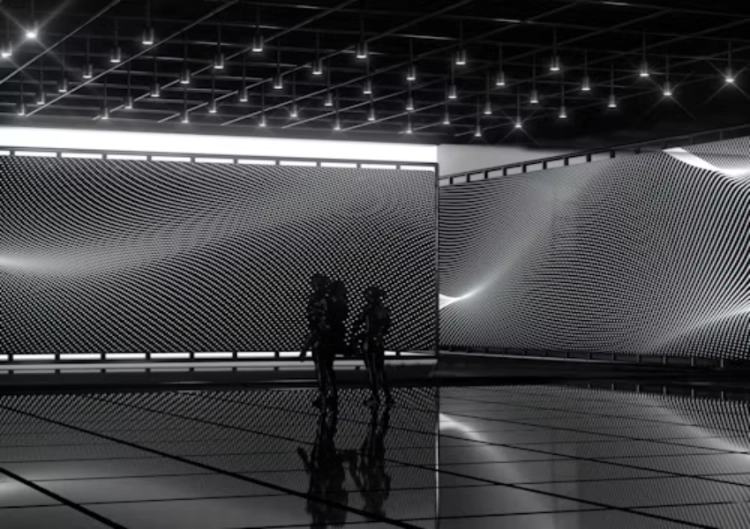
Creative setups change how brands connect with crowds through deep visuals. For example, curved walls or column setups using Flexible Screen P3.91 allow smooth storytelling in building spaces like malls or museums. Their fitting supports complex forms such as waves or cylinders without losing resolution quality.
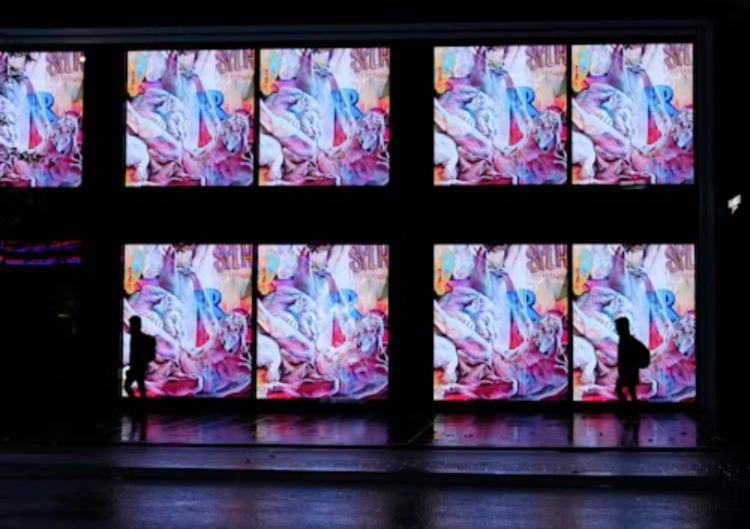
In shops or guest spots, these displays blend well with interior design elements. They turn still places into active experiences. This boosts the brand mark through moving graphics or background visuals. Matching new ideas like Advertising Player, mix smart mirror tech with Micro-LEDs for hands-on ad scenes. Here, reflection shifts to bright HD visuals. This suits fancy shops or hotel entrances looking for future-style engagement ways.
Integration with Digital Content Management Systems (CMS)
A big plus is CMS linking, which allows for central control over linked screens in many spots. Real-time changes allow matched campaigns to run from afar via cloud setups. Data-based checks improve target sharpness. They link viewer action numbers with the shown content results. This builds measurable ad worth beyond looks.
Technical Challenges and Engineering Solutions in Indoor LED Displays
Though indoor flexible LED Display hold great promise, building issues like heat control and pixel closeness tuning need steady fixes through new solutions.
Managing Heat Dissipation and Power Stability
Heat efficiency stays key in keeping even light output over modular panels. Aluminum backplates with planned air paths spread heat smoothly. They ensure quiet work fit for calm spots like meeting rooms. A steady voltage spread also stops flicker problems from uneven current between modules. This marks pro-level design, shown in the indoor P4.81 display.
Overcoming Limitations in Pixel Density and Viewing Angles
MicroLED progress keeps expanding pixel care limits without losing light evenness at smaller pitches. Optical spread layers improve side-view sight. They ensure wide-angle reading. This is a must for public setups where crowd spots change often.
Trends Shaping the Future of Indoor Flexible LED Display
The growth of indoor flexible display ties closely with wider tech moves toward linked systems and deep media platforms.
Innovations Driving Next-Generation Display Solutions
New growths aim at very thin, clear bases able to roll or fold neatly into small forms while holding full-color truths. Linking with IoT setups allows far-off checks. Auto sensors watch heat changes or module health. These cuts stop time through proactive upkeep plans backed by smart software frames. These steps match our current study efforts. We aim to blend bendability with smart auto for next-stage business uses that need both fitting and smarts.
The Shift Toward Immersive Visual Experiences in Advertising
Today’s ad manufacturers more often pick multisensory experiences. They mix AR/VR links with real screen builds to make mixed digital areas. These touch users in feelings as well as in sight. Flexible LEDs joined with projection mapping make layered stories in tight spaces. They turn normal walls into hands-on storyboards that hold crowds deeper than static signs ever could.
For 14 years at Leyaled, we have focused on making high-quality commercial LED display systems for various fields. These range from shop marking to company-view centers. Our Shenzhen site covers 7,200 square meters. It has eight SMT production lines for exact making under ISO 9001-approved rules. With more than fifty R&D workers on optical design tweaks and smart power fixes, we keep creating across product ranges. This includes indoor flexible displays for creative building fitting, plus fixed panels built for broadcast-level clearness. Each task we do shows our view that good work builds client faith. Sustainable building locks in long-term work steadiness across world markets.
We welcome pros looking for advanced visual fixes to check out our collection at Leyaled. Here, new ideas meet real use through well-made, indoor, flexible LED display tech aimed at changing space, talk, and beauty worldwide.
To talk about custom setups fit for your next setup task or ask for tech advice on system linking choices matched to your space needs, please contact us.
FAQ
Q1: What makes an indoor flexible LED display superior for creative installations?
A1: Its soft substrate allows bending into non-linear shapes such as curves or cylinders without affecting pixel alignment; this flexibility enables architects to achieve immersive spatial designs unachievable with rigid panels.
Q2: How does energy efficiency impact total operational cost?
A2: Advanced driver ICs coupled with efficient heat dissipation reduce overall power consumption significantly—minimizing electricity expenses while extending component lifespan through lower thermal stress cycles.
Q3: Can these systems integrate interactive technologies?
A3: Yes; they support sensor-based triggers or touch-enabled overlays via CMS synchronization, allowing real-time audience interaction ideal for experiential marketing environments within modern commercial interiors.