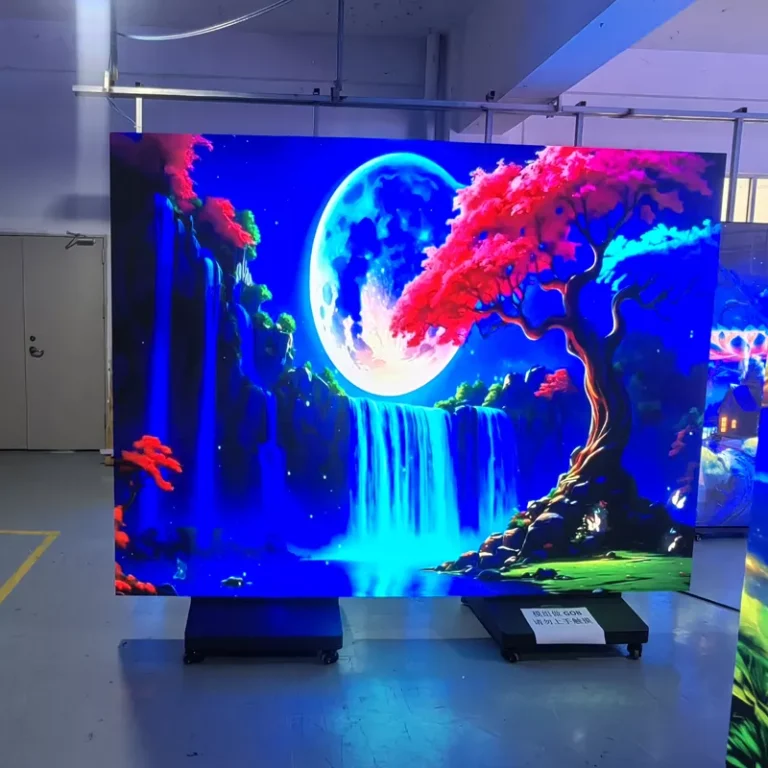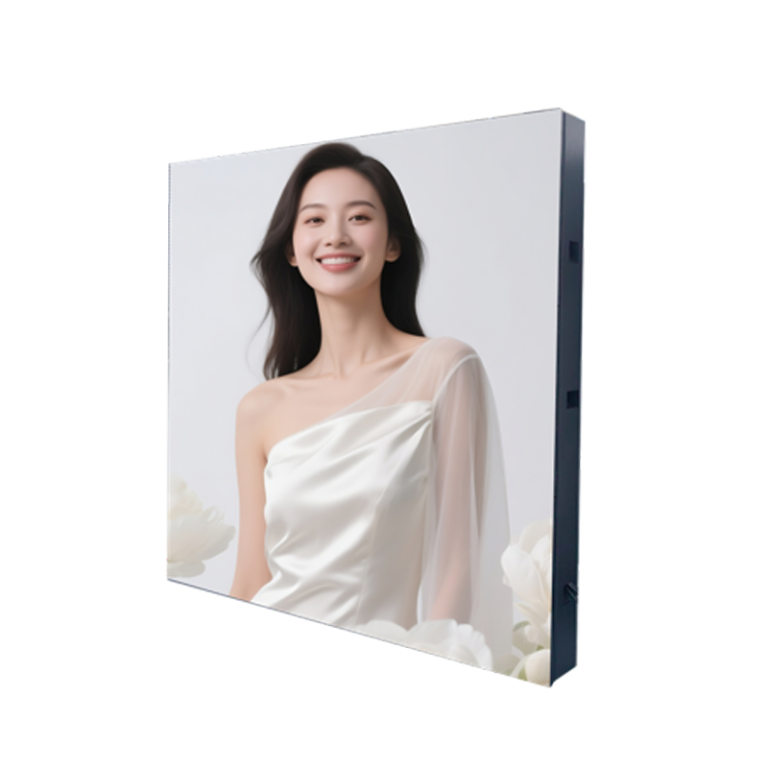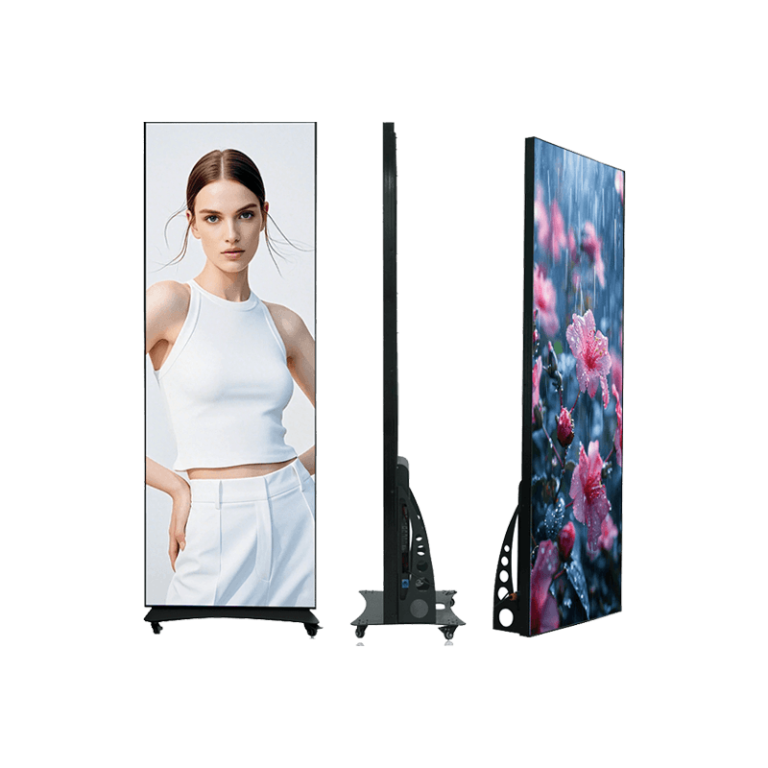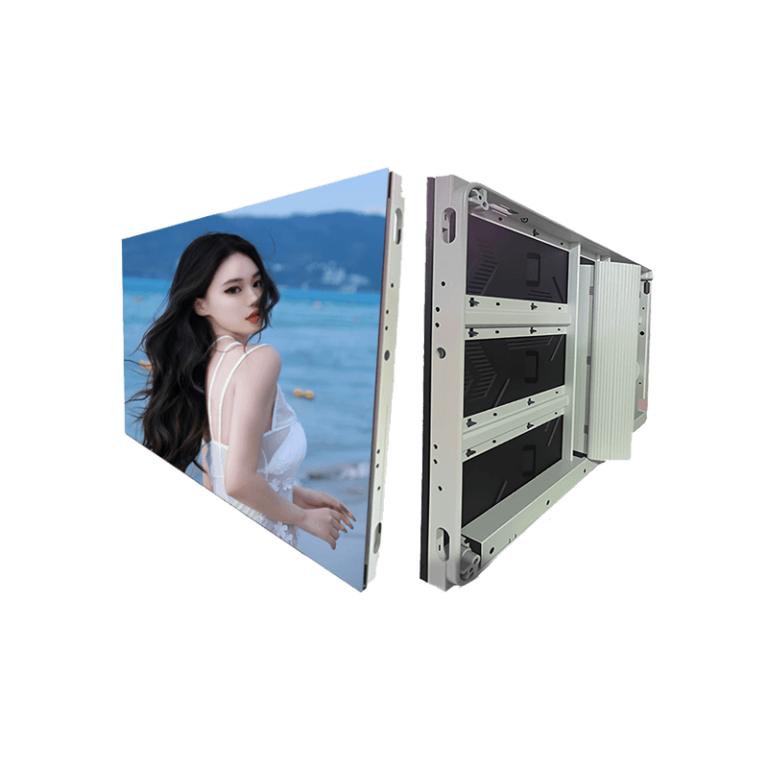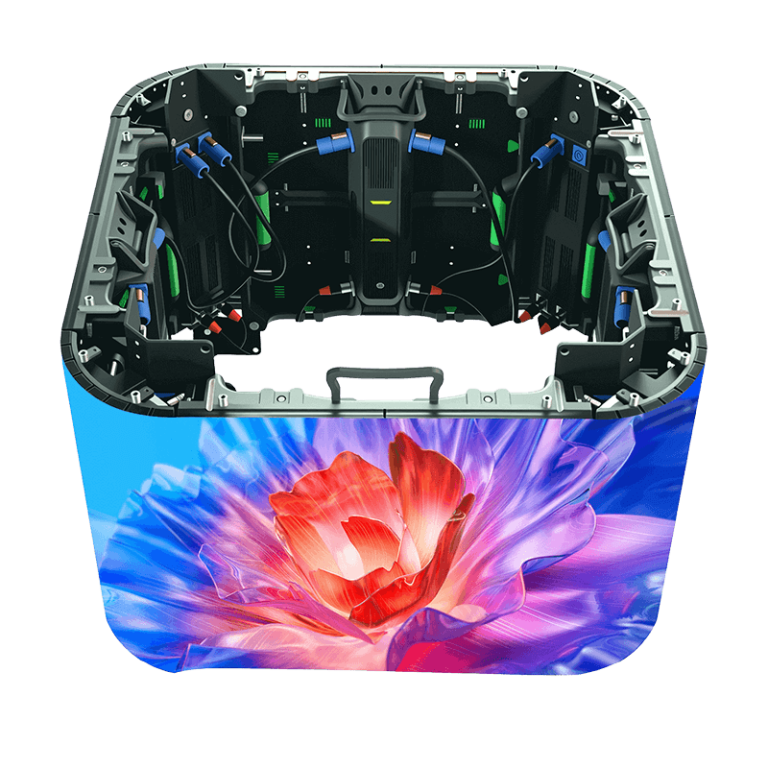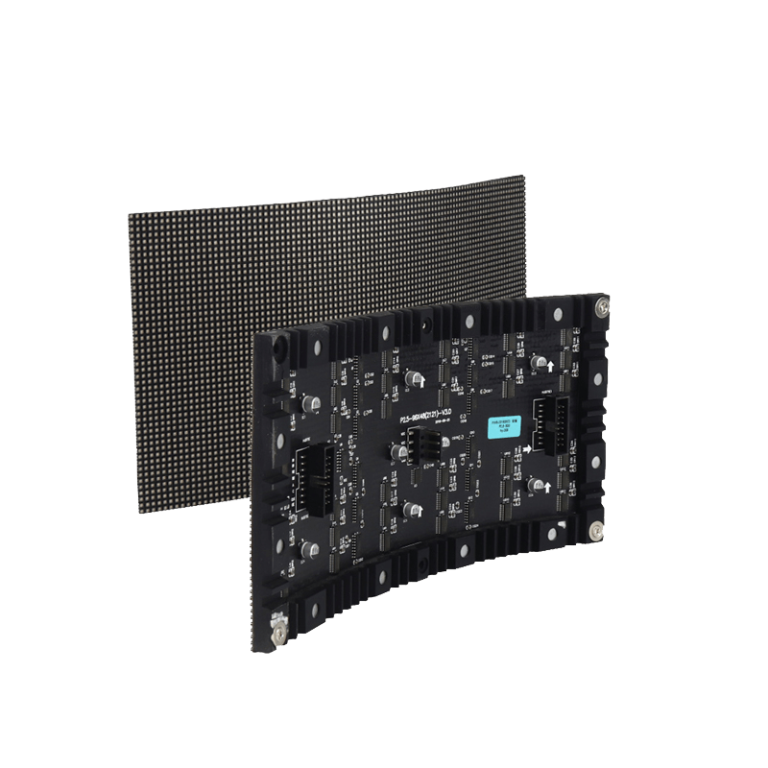
The price of an LED display screen depends on a mix of technical details, material standards, and design elements. Each part—from the LED lamp quality and encapsulation to the cabinet design—impacts performance and expense. As a professional manufacturer, we aim to balance these aspects. This way, we provide dependable, effective displays that suit various needs.
Key Factors Influencing the Pricing of LED Display Screens
The Role of LED Lamp Quality and Encapsulation
LED lamp quality forms the base of any display’s visual strength, which shapes brightness, evenness, color precision, and durability. By using imported glowing materials, top IC chips, and quiet, high-power power supplies, each unit keeps a steady output. Maintenance stays low as a result. Strong encapsulation materials guard against dampness and warmth damage, which lowers the chance of pixel issues over the years.
In our manufacturing process, we use modern encapsulation methods like those in small-pitch LED setups. LED displays with a density of P2 or higher often employ 1515, 2020, or 3528 LED chips, requiring the use of QFN packages, resulting in excellent color rendering. Such packaging boosts contrast by 50%, so images stay true even in tough settings.
Pixel Pitch and Its Impact on Cost
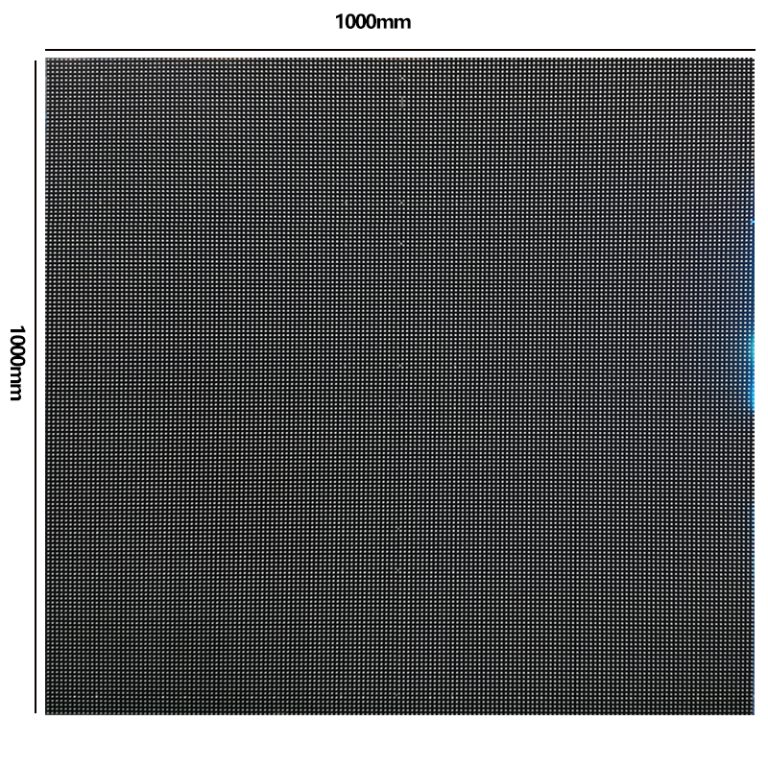
Pixel pitch—the gap between nearby LEDs—matters a lot for resolution and price. A tighter pixel pitch brings more pixels per area and clearer pictures. However, it raises difficulties because of the extra LEDs per square meter. The P2.5 has a pixel pitch of 2.5 mm, leading to 160,000 pixels per square meter with smooth text and sharp images even when viewed up close.
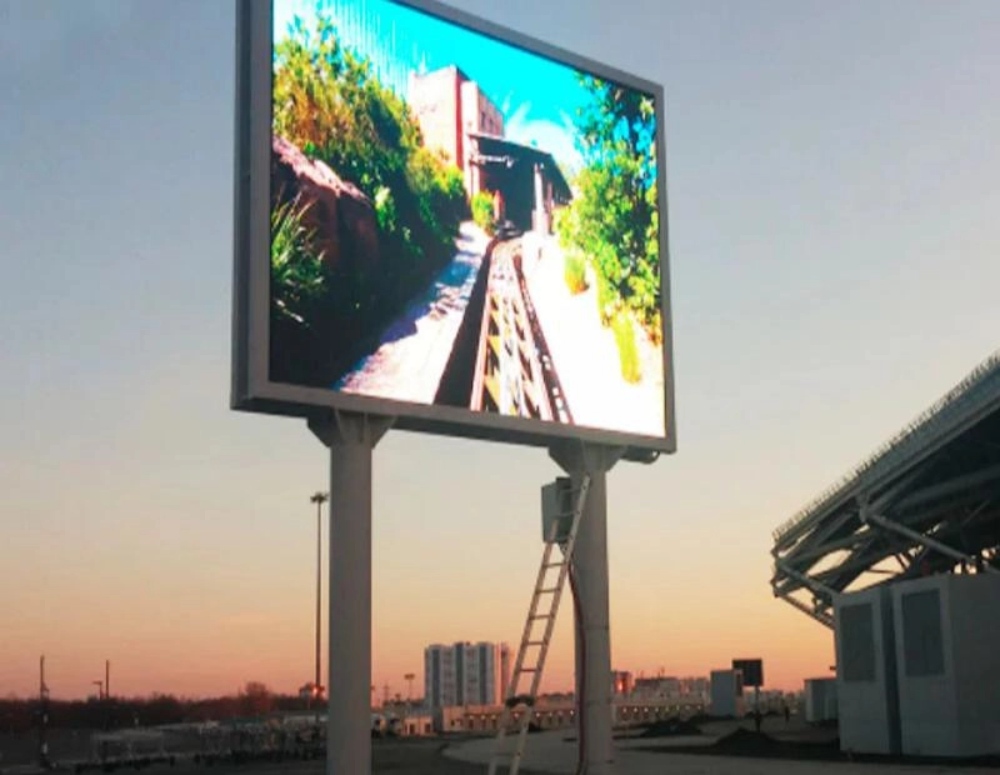
For instance, our outdoor P6 display strikes a good balance between sharpness and affordability for views from medium distances. These include spots like commercial billboards or school setups. Its bright design (≥6000 cd/m²) gives clear sight in direct sun. Plus, it holds IP65 waterproof protection for ongoing outdoor use.
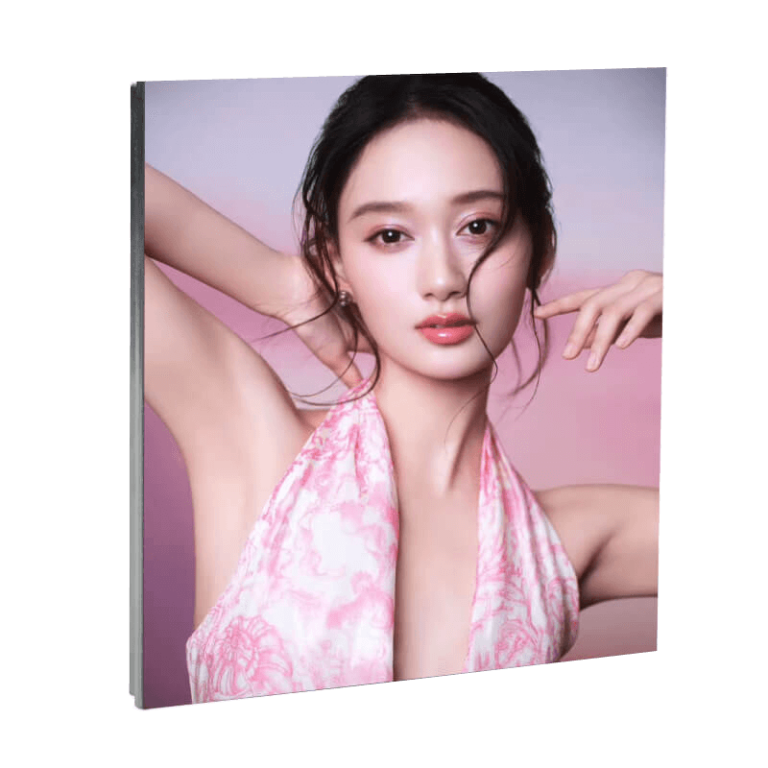
At the same time, indoor uses gain from smaller pitches. Our profile aluminum LED display offers up to a 3840Hz refresh rate and a 10000:1 contrast ratio. This brings great color depth and steady motion—perfect for places like meeting rooms or show centers where fine details count most.
Cabinet Design and Material Selection
The cabinet build greatly affects heat control and setup ease. The die-cast aluminum cabinet comes from better molds, allowing adjustments in six ways during fitting. Aluminum handles heat better than steel options, though it costs more to produce. Yet, it boosts lasting strength and cuts future upkeep costs.
Our sectioned cabinet plans are light but solid. They allow fast putting together for big jobs without losing firmness. The profile aluminum frame in our indoor line weighs 15% less than the usual types. Meanwhile, it meets full IP65 waterproof rules—offering both easy mobility and trust for repeated setups or shifts.
Control System and Processing Technology
Strong control systems decide how well an LED display handles image data. With active scanning tech, pictures stay firm, without buzz, sharp, and show lively motion effects; video runs smoothly. Top processors keep refresh rates over 1920Hz or up to 3840Hz for better units—key for live shows or quick-action scenes where no flicker matters. Built-in smart control options link many panels without issues in big setups like sports fields or travel spots. This processing skill cuts delays, and it also improves grayscale exactness for lifelike views.
Power Supply Efficiency and Energy Consumption
Power saving directly links to running costs in the long run. A firm power supply stops voltage changes that might spark flickers or pixel wear. Our profile aluminum cabinets offer fine heat release with an average power use of just 270 watts per square meter. By mixing dual-voltage power sharing with auto-setup features, we hold the best brightness. At the same time, energy use drops by up to 30% versus old systems. Such savings plans matter most in steady-run spots like stores or air hubs where screens work non-stop.
Installation Environment and Maintenance Requirements
Site conditions shape both price and setup choices strongly. Outdoor types need extra guards like watertight seals, sun-ray resistance, and rust-proof layers to face the weather. With full potting and sealing tech, it reaches an IP65 protection level able to handle storms, wild temps, hard rain, and salt mist for round-the-clock steady work.
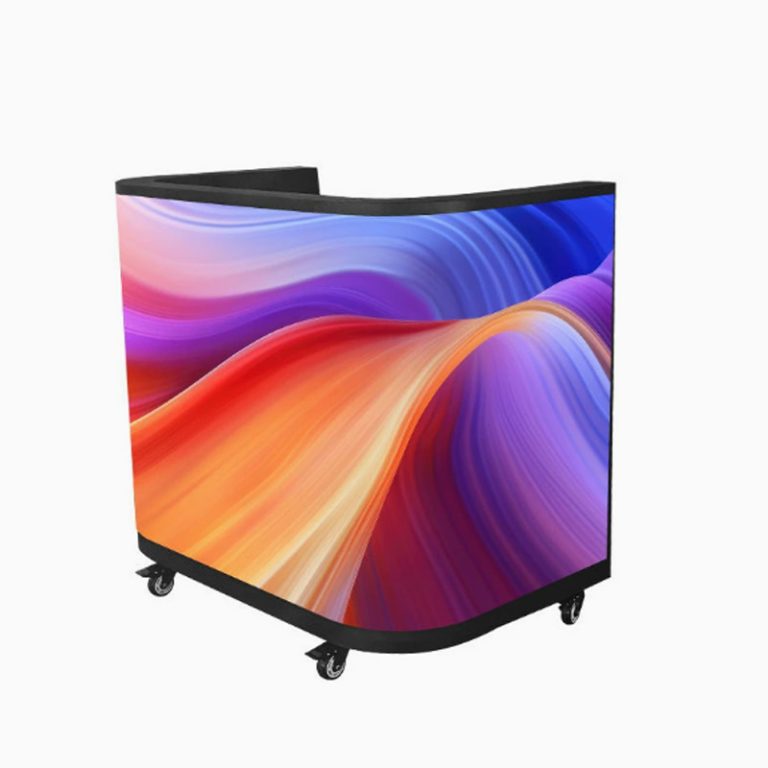
Indoor bendable displays focus on light build plus high contrast for rich views in tight areas. Our flexible screen shows this well—it bends into round or S-forms while keeping even brightness. Premium lamp beads ensure long life and few breakdowns. Easy upkeep also sways total cost; front/back service lets fast fixes happen without taking apart whole builds—a trait built into our sectioned line.
Customization Options and Additional Features
Size and Shape Flexibility
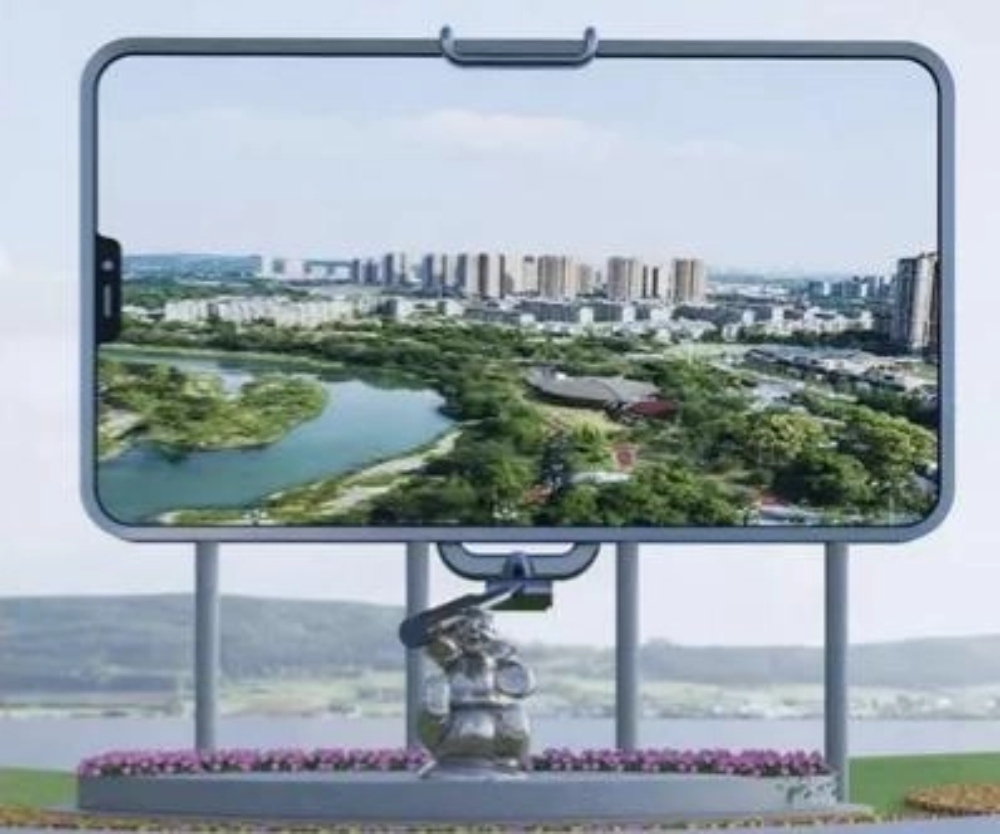
Tailoring adds making steps but frees up ideas for builders or ad manufacturers wanting special views. Odd sizes or bent shapes raise build trouble yet give clear brand gains.
Smart Integration Capabilities
Today’s LED display screens often add far-off watch systems or wireless controls that boost user ease. However, they raise the price a bit due to complex wiring needs.
Leyaled: A Reliable Manufacturer of High-quality LED Display Screens
We at Leyaled focus on making pro LED displays for indoor bendable screens, outdoor signs, fixed setups, and custom fixes fit to client sites around the world. With 15 years in the field, backed by an R&D group of over fifty experts in light design and smart power setups, we create items that blend steady work with fine looks.
FWS Technology Co., Ltd. (leyaled) is a tech firm deep in the full LED display field, covering research, making, and selling. Our plant covers over 7,200 square meters with eight auto SMT lines approved under ISO9001:2008 rules—making sure each part passes tough global tests like CNAS, UL, SGS, Intertek, and TÜV SÜD certifications.
Each item uses fine parts—from imported glowing materials to die-cast aluminum builds—to promise even brightness, holding it even after long runs. Whether giving outdoor P6 ad panels or indoor profile-body screens fit for business spots, we offer growing fixes with full world support via our contact page.
Comprehensive Analysis of Pricing Dynamics in the LED Display Industry
Market shifts keep changing part costs in the world’s supply line. Changes in base material prices—such as aluminum mixes or chip wafers—hit end sale prices right away. However, tech steps forward cut per-piece costs through better automated workflows.
Making size also decides much: bigger runs allow cost savings without losing quality checks set by strict internal review systems. By keeping a balance between making tweaks and full craft rules based on energy-smart build ideas (pushing low-carbon and green care), we hold strong price plans matched to growing market wants.
Conclusion
Choosing the right LED display screen means checking linked parts like LED lamp quality and encapsulation ways, pixel pitch levels, cabinet materials’ heat traits, control system skill, energy use numbers, and site toughness factors, plus tailoring range—all together forming the full value spent.
Through careful build ways stressing lasting builds with full polish in every type—from outdoor P6 setups for city ad nets to bendable indoor displays made for art shows—we make sure the best work-to-cost matches fit for business firms and public builds seeking trust on a large scale. For a full talk on job quotes or tech setups fit to your site’s likes, reach out through our contact page.
FAQ
Q1: What is the main factor that determines the price of an LED display screen?
A1: Pixel pitch stands as the key driver; tighter pitches need more diode setups per area, which lifts material spend but gives better sharpness fit for near-view uses like control rooms or show halls.
Q2: How does Leyaled ensure consistent quality across its LED display screens?
A2: We use multi-step check plans with top-glowing diodes and modern encapsulation to keep even brightness spread. This cuts wear risks over long runtimes.
Q3: Can I get customized sizes or shapes for my project?
A3: Yes—our build teams offer full tailor choices like bent fronts or bendable parts made for build limits; price shifts rely on shape trouble but stick to world trust marks for a smooth fit in your planned spot setup.