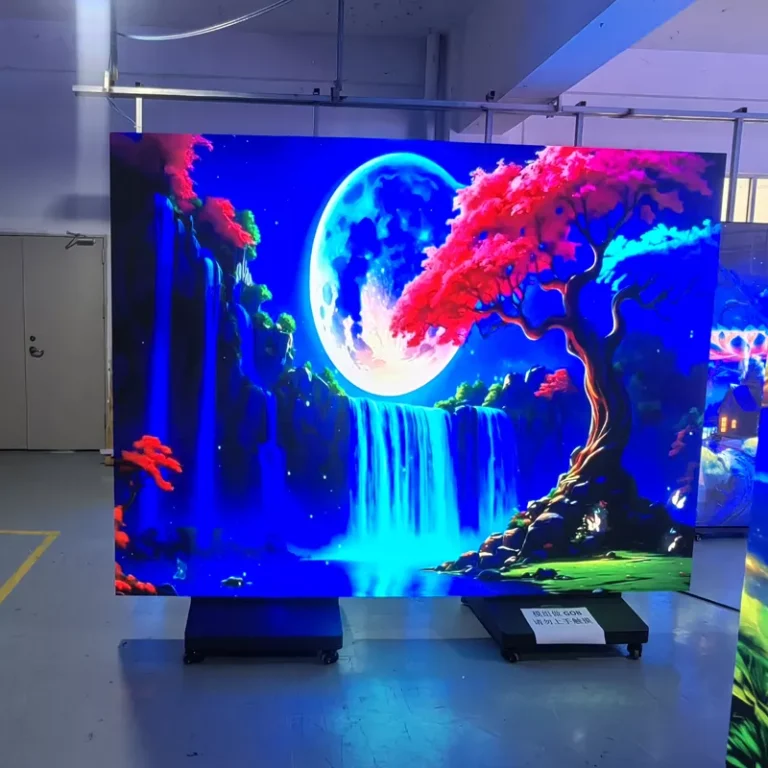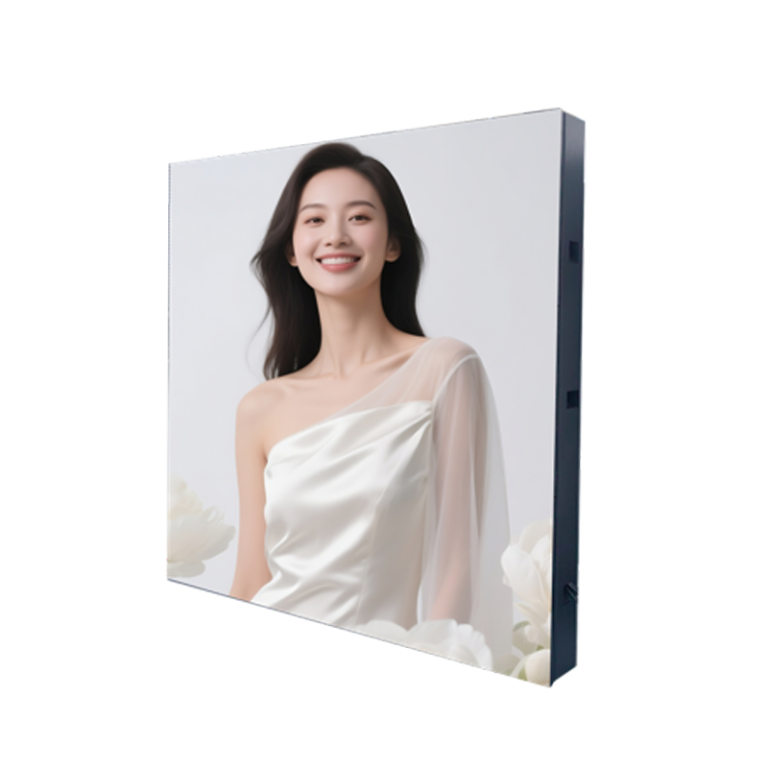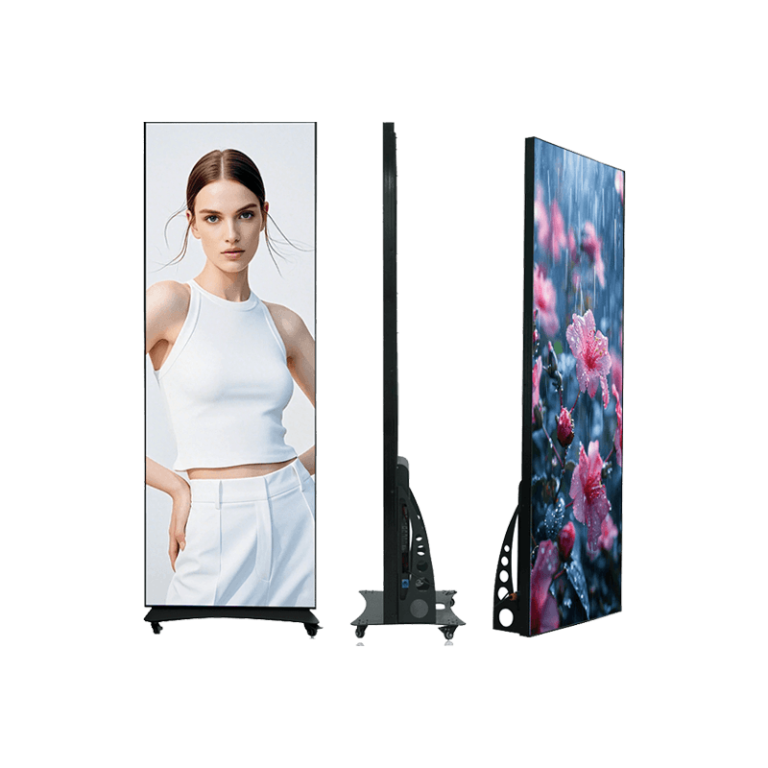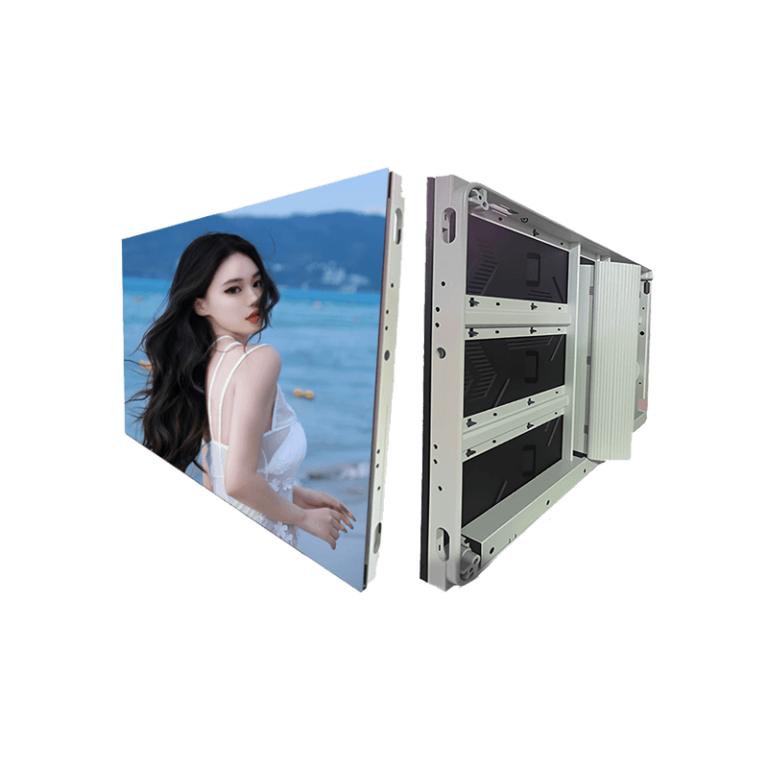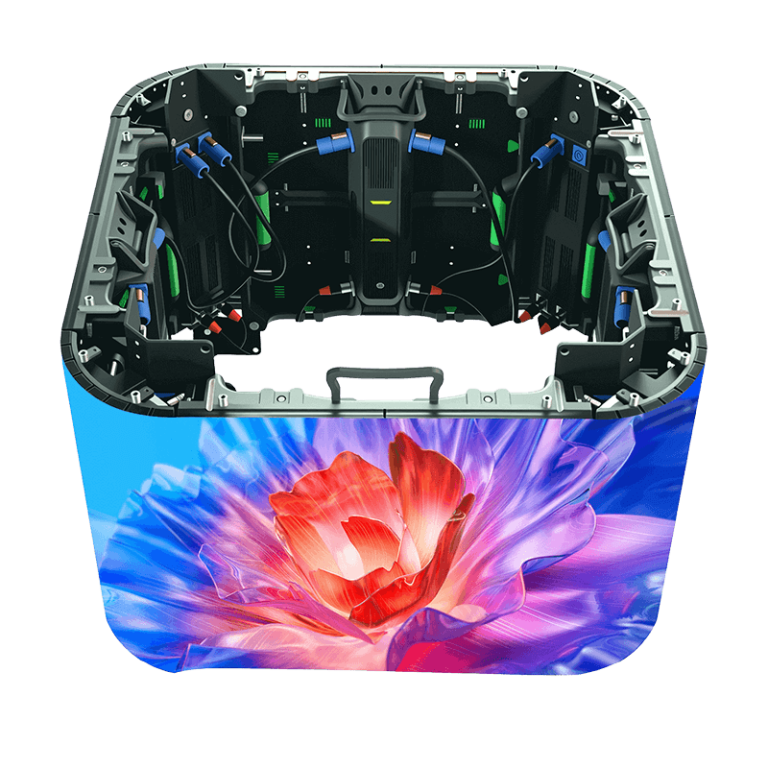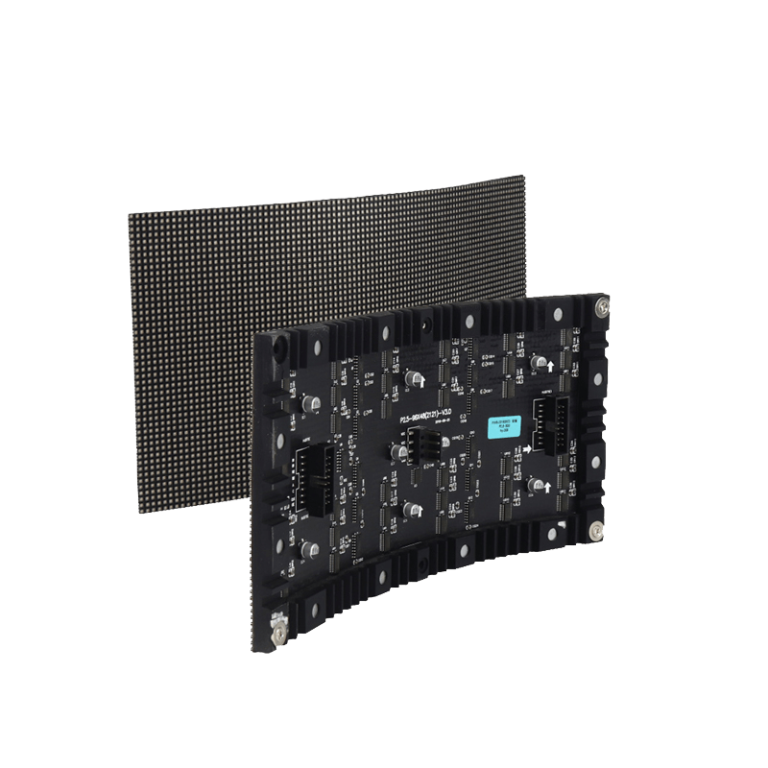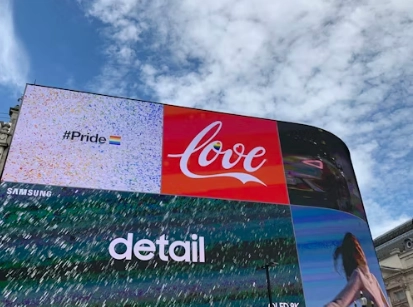
The growth of LED display technology has changed visual communication in many fields, including advertising and building design. As an expert manufacturer, we focus on providing cutting-edge display setups that blend fresh structural ideas with exact light control. Our items, like the indoor display P3.91, show how current engineering creates smooth joining, fast refresh speeds, and bright color output in small units.
Structure and Functionality of LED Technology
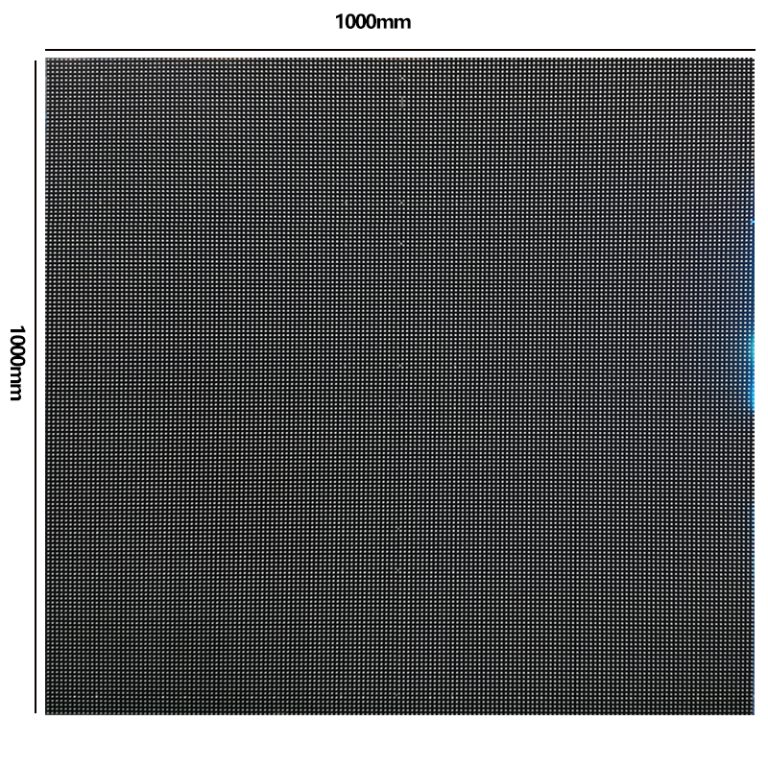
LED displays come from panels that hold many light-emitting diodes set in pixel grids. Each pixel includes red, green, and blue diodes, which mix to make full-color pictures via managed current changes. Unlike LCDs that depend on backlighting, LEDs give off light right away, leading to better brightness and contrast. The P3.91 indoor high-definition LED display gives clear image quality because of its 3.91mm pixel pitch. This setup allows high pixel count and even video playback over big areas. Moreover, these displays work well in various settings due to their reliable design.
In terms of build, LED panels mix die-cast or aluminum cabinets for strength and exact matching. They use a new structural plan, nice look, hard to bend, and simple to join. These features make sure evenness among modules, and they also permit both upright and lifting setups for different uses. As a result, users can adapt them easily to specific needs without much hassle.
Energy Efficiency and Longevity
Power saving marks the current LED sector’s strength. LEDs turn most electric power into light instead of heat, cutting energy use a lot compared to fluorescent or LCD setups. Our profile aluminum cabinets weigh 15% less than usual ones, and they offer great heat release while meeting full IP65 waterproof rules. The small amount of heat lengthens the part’s life, which keeps a steady brightness for many thousands of hours. Therefore, these systems last longer and cost less to run over time.
A light and slim box makes it easy to take apart and put together, which cuts down on upkeep work. Each module can be swapped out on its own without taking down the whole setup. These cuts stop time for business users. In addition, such designs help keep operations smooth and efficient in busy places.
Visual Performance: LED Displays vs. Traditional Screens
While old screens have trouble in changing light settings, modern LED systems keep sharpness with brightness that adjusts and better contrast levels.
Brightness and Contrast Levels
Brightness power matters for clear sight in the sun or inside room lights. For example, the outdoor P6 LED billboard is IP65 waterproof and dustproof, which keeps lively pictures even in strong sunlight with brightness up to 6000 cd/m². On the other hand, LCDs often fade in direct light because of their backlit spread layers. This difference shows why LEDs work better in tough conditions. Contrast ratios over 4000:1 give deeper darks and clearer lights. These are key to showing high-dynamic-range content in live shows or store ads. Consequently, viewers get a more engaging experience with details that stand out.
Color Accuracy and Viewing Angles
LED modules apply the SMD (Surface Mounted Device) method to improve color evenness over broad viewing spots, which reaches up to 160° sideways on many types, like the outdoor display P2.604. The screen has a 160° viewing angle, so it stays clear from any spot, which means watchers see steady colors no matter the angle. It beats old projection or plasma setups that change color at side views. Thus, LEDs provide a more reliable visual for groups in different positions.
Applications and Versatility of LED Displays
LED tech’s flexibility lets it work in varied places, from inside shows to outside signs, without losing quality or safety.
Indoor vs. Outdoor Usage Scenarios
Inside displays focus on a small pixel pitch for near-view distances. Outdoor ones stress weather toughness and steady light output. The outdoor LED billboard P6 shows a strong build. It is IP65 waterproof and dustproof, so rain or windy dust does not harm it. It runs well from -20℃ to 50℃. At the same time, our inside options like the P4.81 enclosure use fitting brightness levels (around 1000 cd/m²). These suit meeting rooms or studios without eye strain from glare. Furthermore, both types handle daily wear effectively.
Strength stays important. Indoor and outdoor versions have waterproof covers. Outdoor waterproof reaches up to IP65-67. Anti-corrosion, anti-oxidation, moisture-proof, and flame-retardant features ensure steady work despite wet air or heat shifts. As such, they fit long-term use in challenging spots.
Customization and Flexibility
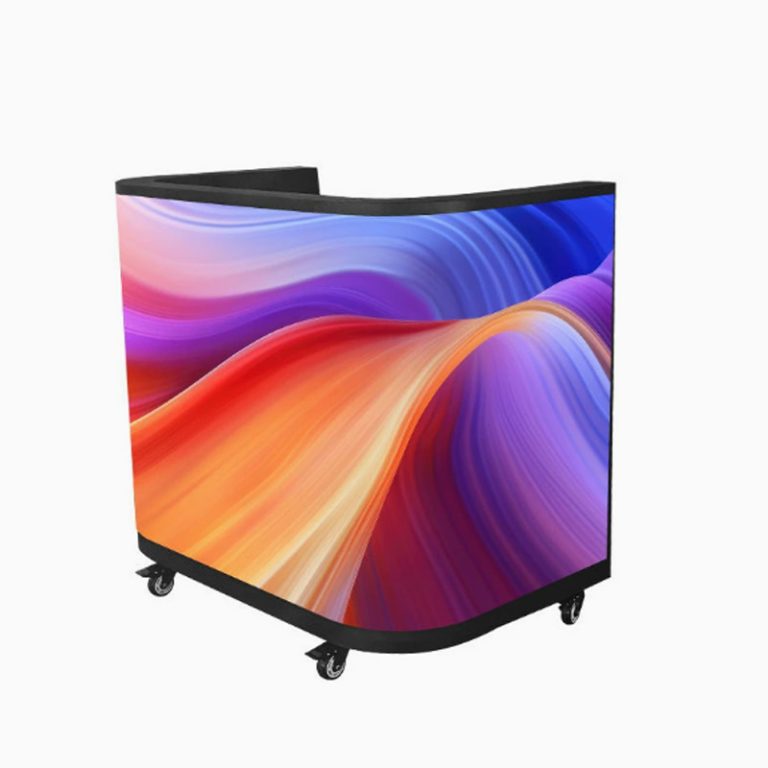
Building blends now need new shapes beyond flat panels. Our bendable display line backs curved fronts or round setups through flexible bases. Flexible screens change display tech a lot. They break free from the stiff rules of old screens. They fit curved stages, arc fronts, and unique setups. Also, special items like mirror advertising players join shiny surfaces with moving pictures. These work well for high-end store interiors wanting active digital signs. In this way, they open up creative options for designers and users alike.
Considerations for Installation and Maintenance
Good setup planning makes sure top work over an LED system’s life. It also lowers running costs.

Installation Requirements for LED Displays
Fixing frames need to hold the cabinet weight spread while giving space for air flow to release heat. The work is straightforward and handy. Every part aims to help set up and take down. Installation reaches a smooth joining, which supports lifting setups and upright setups. Power lines should follow unit split rules. Each cabinet gets power on its own but links through control systems, which makes future changes or swaps easier. For instance, aluminum-profile enclosures cut the load on wall fixes by more than 30%. They suit big building fronts where building strength counts a lot. Overall, these steps lead to safe and effective placements.
Maintenance Practices for Optimal Performance
Regular wipe-down stops dust build-up that might hurt light output or cooling work. We suggest steady tuning with built-in check tools in our control software packs. We offer active upkeep like usual screen wipe and setting tuning, which helps buyers spot possible issues and manage long-term costs well. Fast module swap plans ensure little break in service during live work. This is vital in sports fields or travel centers where steady running matters. Hence, owners can keep high standards with less effort.
Leyaled: A Reliable Manufacturer of Analytical Instruments
As a worldwide manufacturer based in Shenzhen with more than ten years of experience in combined LED making systems, we link studying new ideas with strict quality checks under ISO9001:2008 rules. Leyaled is a high-tech firm focused on the combined LED display field that covers study, making, and selling. It has 8 top SMT auto-making lines. Our group has over fifty experts in light, electronics, and material studies who keep improving product trust through fast aging tests beyond usual levels. Each screen goes through 72 hours of harsh testing before factory exit, which makes sure steady work in many settings and a life beyond usual marks. This drive lets us give custom OEM/ODM answers in quick build times. We keep steady work across the world, from sports fields to smart city plans. In addition, our approach builds trust with clients through proven results.
Conclusion: Choosing the Right Display Technology
Picking between standard displays and modern LEDs relies on place conditions, clarity needs, maintenance costs, and aesthetic look aims. Today’s LEDs go beyond old tech with light saving, unit growth, place toughness, and art bend. These range from see-through fronts to deep bent walls, all within green power plans that cut their own cost over the years. When looking at choices like inside fine-pitch types against outside high-light signs or bendable art displays blended into builds, it matters to match tech details with planned use spots. Our experts give full advice via our contact page, which ensures each plan hits the best visual effect with solid help over its life. Ultimately, this guided choice leads to lasting value and satisfaction.
FAQ
Q1: What are the main benefits of using an LED display over a traditional screen?
A1: LED displays provide better brightness that fits various lighting places. They use less power than LCDs or plasma panels. They also last longer thanks to good heat control systems built into each cabinet. These traits make them a smart pick for many needs.
Q2: How do I determine which type of LED display is best suited for my application?
A2: Think about setup spot (inside vs outside), needed clearness based on watcher distance (pixel pitch), place risks (IP rating), and fix limits. Talking to our tech group makes sure the exact type is picked that fits your work aims. This way, you get the right fit without guesswork.
Q3: Can your company assist with installation and maintenance services?
A3: Yes. We give full tech help, including a place check during setup and ongoing upkeep plans. These cover tuning updates and quick-fix trouble through special engineering teams around the world. Such support keeps your system running at peak.