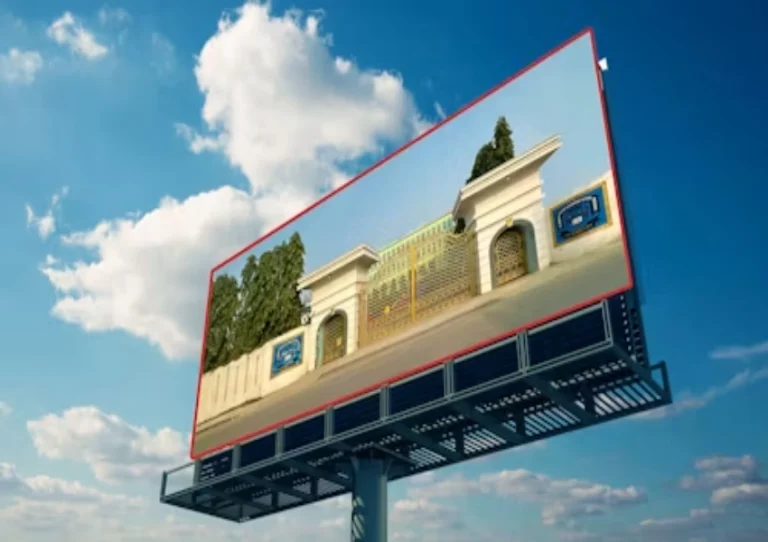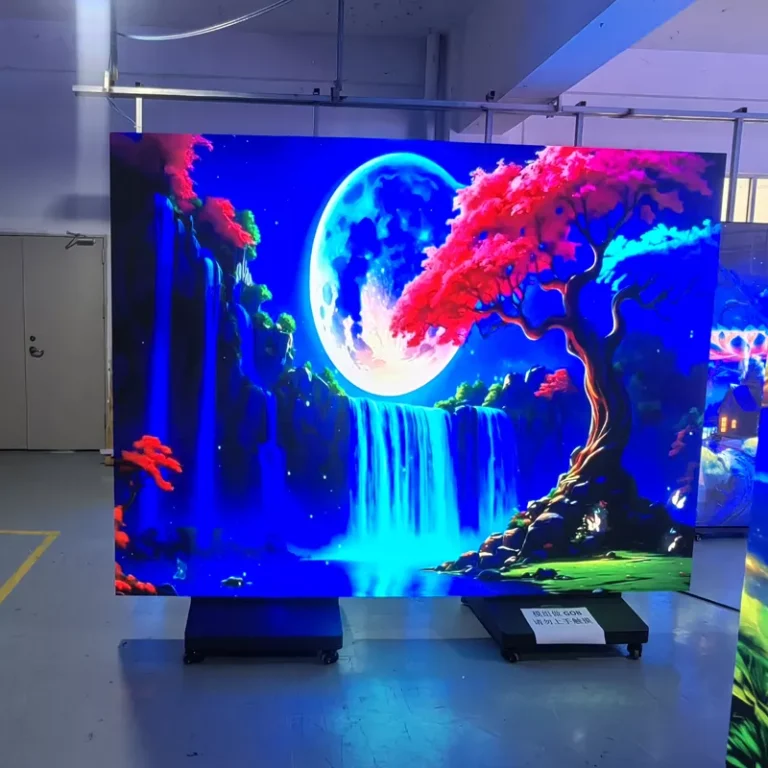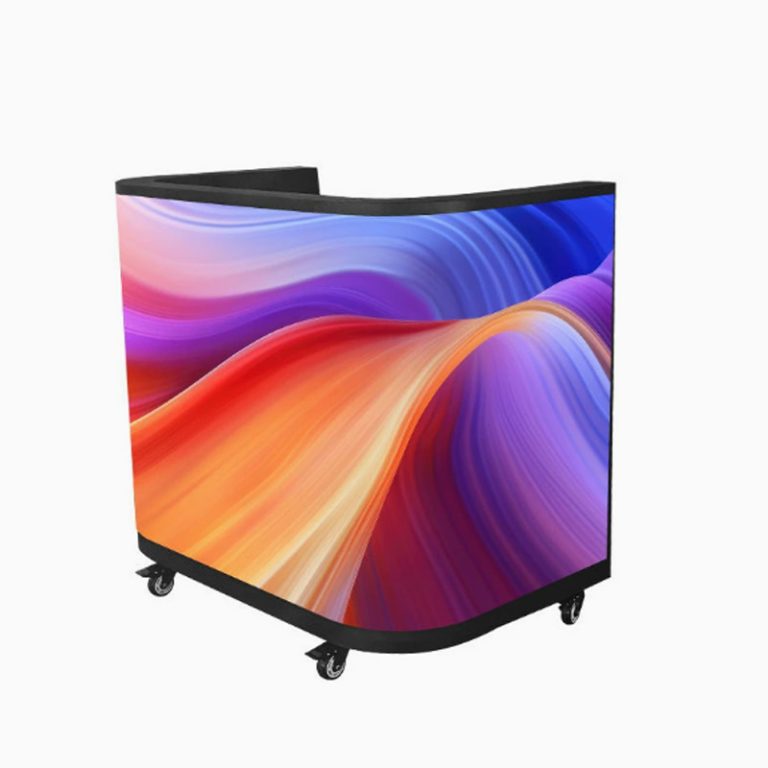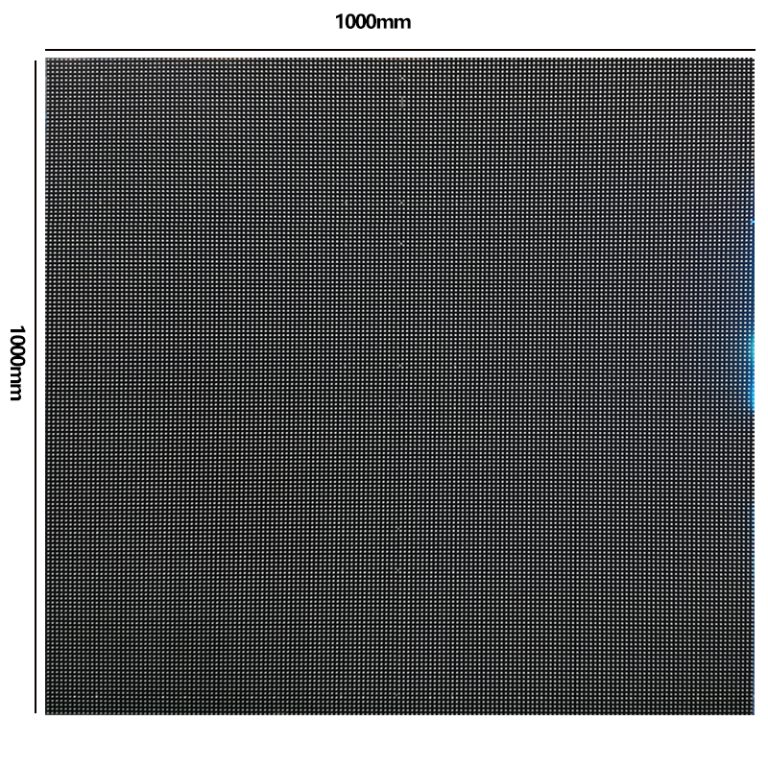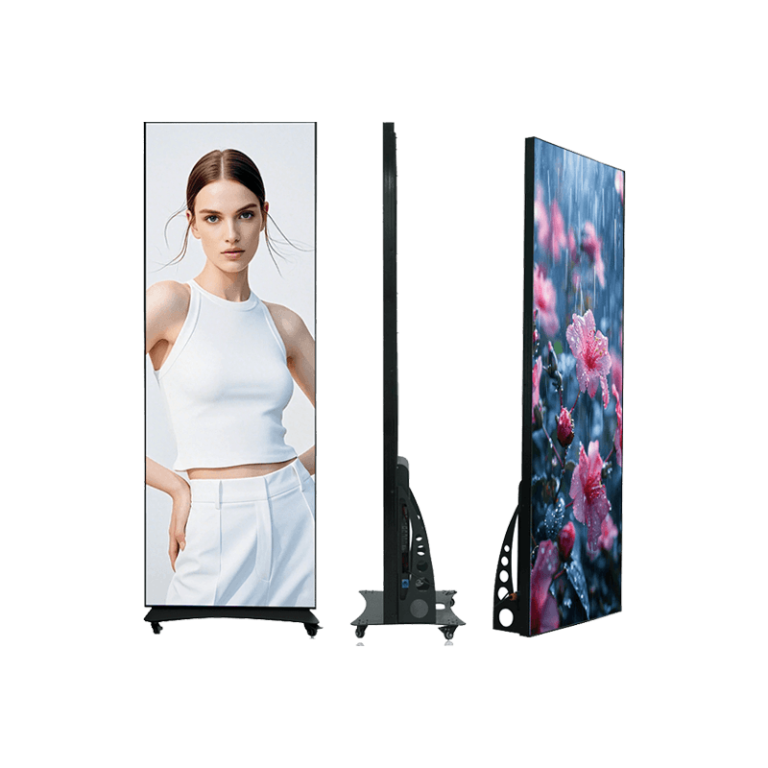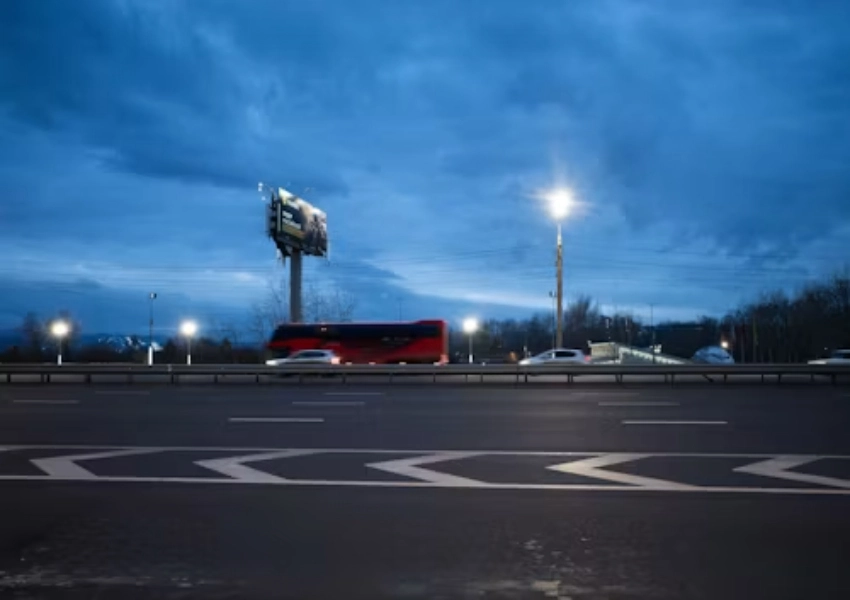
A highway LED billboard has a different job from a city center display. Drivers see it from far away, usually for only a few seconds, while moving through changing sun, rain, dust, and glare. That short viewing window changes the buying decision. The best roadside LED display is not always the finest pitch or the biggest cabinet. It is the screen that stays readable at speed, carries a simple message, and survives years of outdoor exposure with manageable service costs.
For highway advertising, buyers usually compare pixel pitch, brightness, cabinet strength, IP rating, power use, viewing angle, and maintenance access. Price still matters, of course. But a low purchase price can be poor value if the screen is too dim at noon, too dense for the viewing distance, or too difficult to repair beside a busy road.
Start With Viewing Distance, Not Pixel Pitch Alone
Pixel pitch should follow the real viewing distance. A driver who first sees the screen from 80, 120, or 200 meters does not need the same resolution as a pedestrian standing four meters away. There is a simple principle: the closer the viewer, the smaller the pitch should be; a finer pitch improves detail but also raises cost. For highway work, that means a long-distance LED screen can often use a wider pitch while still looking sharp from the road.
P3 and P2.5 can make sense for closer 4-6 m viewing or small, high-detail screens. Highway advertising normally sits farther away, so P5, P6, P6.25, P8, or P10 may give a better cost-to-visibility balance. A P6 LED billboard is often a practical middle ground because it keeps text and large graphics clear at road distance without forcing the project into fine-pitch pricing.
Match the Message to the Distance
A highway ad should not be treated like a website banner. Large type, high contrast, short copy, and one clear visual beat usually work better. Even a high-resolution outdoor advertising screen will fail if the content is crowded. The screen specification and the creative plan need to meet each other.
Check Cabinet Size Before Final Resolution
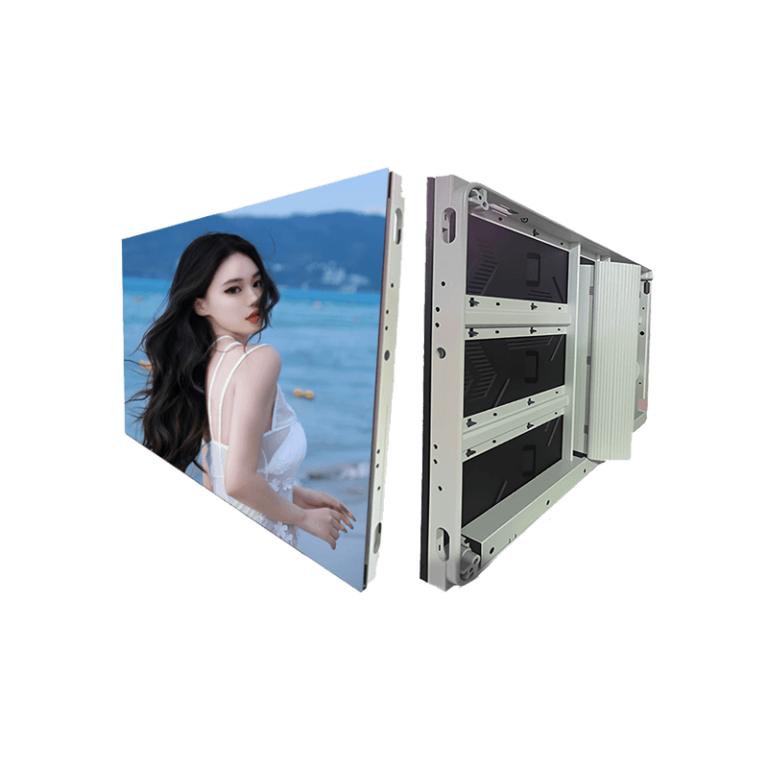
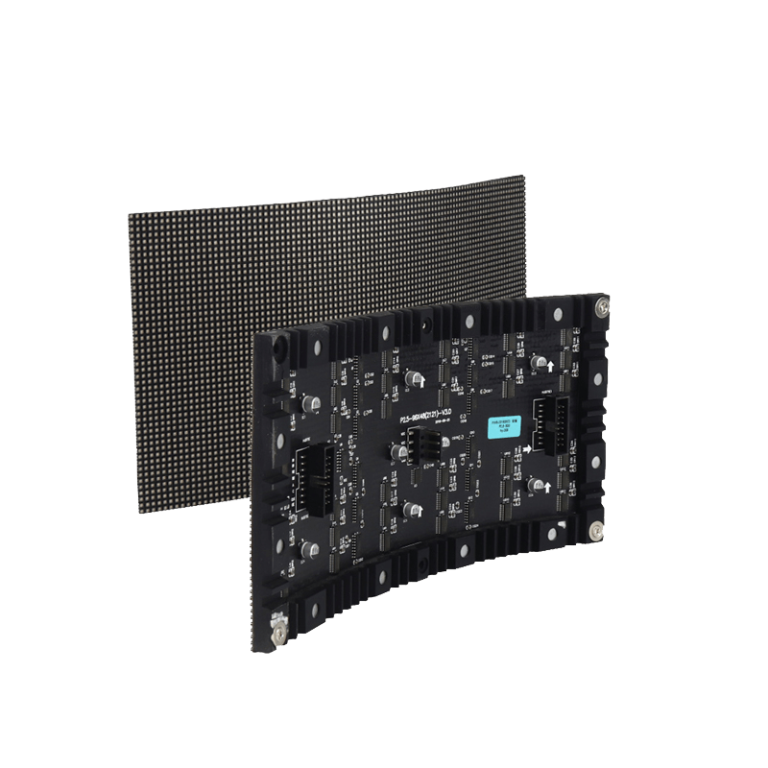
Resolution is not only pixel pitch. Cabinet size and final screen dimensions decide the pixel count. Leyaled’s dış mekan P6,25 inç ekran is a useful reference for larger outdoor builds, while the dış mekan NEDEN OLMUŞ billboard P6 shows the product direction for billboard-style advertising.
Brightness and Contrast Decide Daylight Readability
Pavement screens are exposed to a higher amount of light than other urban screens throughout the day. Sun angle changes throughout the day, and direct glare in the afternoon is common for some of the screens. In the knowledge base for the industry there is information on the use of ultra-high-brightness RGB LEDs for outdoor LED screens. This type of content is easily read for advertising on very bright screens. The knowledge base also speaks of automatic brightness control, which can reduce light pollution and running costs for screens.
O dış mekan NEDEN OLMUŞ görüntülemek category is relevant here because outdoor models are built around visibility, weather resistance, and cabinet structure. For transportation and highway-related scenes, transportation NEDEN OLMUŞ display solutions also point to information delivery in road and transit environments.
Weather Protection Is a Long-Term Cost Issue
Highway advertising projects sit in places where wind, dust, rain, heat, UV exposure, and vibration are not occasional problems. They are the daily working conditions. IP65 protection at the front and at least IP54 at the rear for many outdoor screens, with operating temperature planning around -20°C to 50°C. It also calls out waterproofing, dust protection, UV resistance, wind resistance, heat dissipation, grounding, and lightning protection as practical design concerns.
This is where a cheap outdoor advertising screen can become expensive. Water inside a cabinet, poor airflow, or weak structural design can shorten LED life and raise repair frequency. For highway sites, repairs may need traffic management or special access equipment. That turns a small module problem into a larger service bill.
Ask About the Cabinet, Not Only the LED Lamp
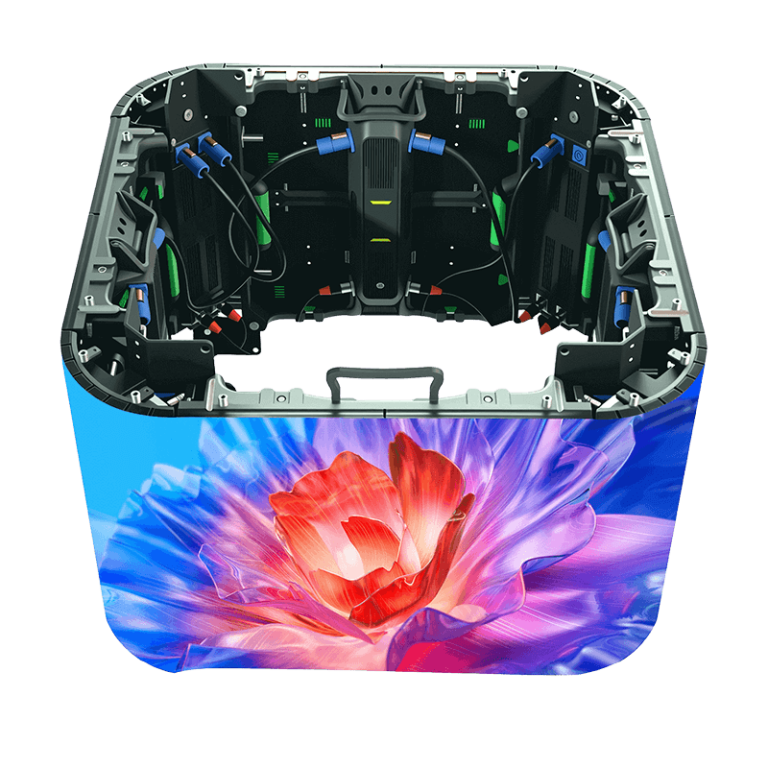
Cabinet material, sealing, drainage, cable entry, ventilation, and module replacement method all affect highway reliability. A screen can have good LEDs and still fail early if heat or water management is weak.
Plan for Dust and Road Vibration
Roadside conditions bring dust, exhaust residue, and vibration from traffic. Buyers should ask how often the screen should be cleaned, whether modules can be replaced without full disassembly, and how the frame handles long-term movement.
Power, Maintenance, and Access Should Be Priced Upfront
The power cost of a highway LED billboard depends on screen area, brightness schedule, content type, local electricity price, and average operating hours. A simple static image can use less than fast, full-white video. Dimming at night can lower consumption. The knowledge base also notes that outdoor LED displays are moving toward better energy use and that long-term operating cost should be part of the purchase decision, not an afterthought.
Maintenance access is just as important. A highway site may not have the same easy rear access as a mall screen. Before ordering, confirm whether the screen will need a rear walkway, crane access, or front maintenance. Also check spare modules, receiving cards, power supplies, and response time. The goal is not to buy the lowest screen; it is to keep the ad face working through the contract period.
Leyaled brings useful project-side support for this type of decision, which operates a 7,000-square-meter factory in Shenzhen with automated production lines, supplies indoor and outdoor full-color LED displays and LED module series, and uses 72 hours of factory testing, including high and low temperature cycling and brightness decay tests. The company also provides on-site installation support, a 3-year free warranty, lifetime technical support, 24-hour response, and 48-hour on-site repair for qualifying issues.
Çözüm
A highway LED billboard should be chosen based on distance, daylight, weather, access, and message design. P6 or P6.25 can be a strong fit when the screen is viewed from moving vehicles and the content is simple. Buyers who need a durable roadside LED display can start with Leyaled resources and outdoor product and then confirm brightness, IP rating, cabinet structure, service access, and the real cost of keeping the screen on the road.
SSS
Q1: Is p6 enough for a highway LED billboard?
A1: In many highway locations, yes. P6 can work well when viewers are far away and the message uses large text and simple graphics.
Q2: How bright should a roadside LED display be?
A2: It should be bright enough for direct daylight and also dim smoothly at night. Ask for the brightness range, sensor control, and low-brightness grayscale.
Q3: What raises outdoor billboard maintenance costs?
A3: Weak sealing, poor heat dissipation, difficult access, low-quality power supplies, and no spare module plan usually raise long-term costs.