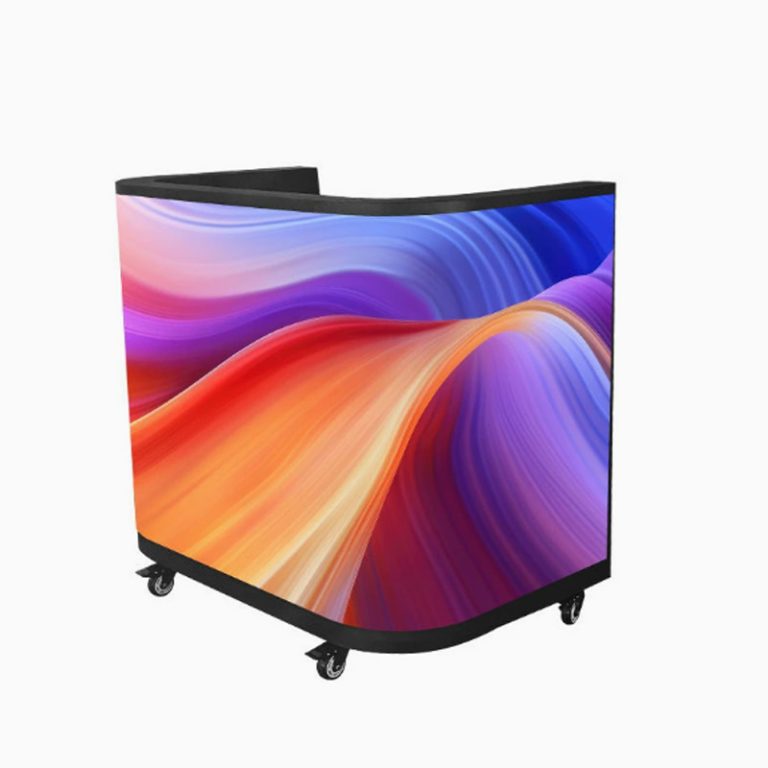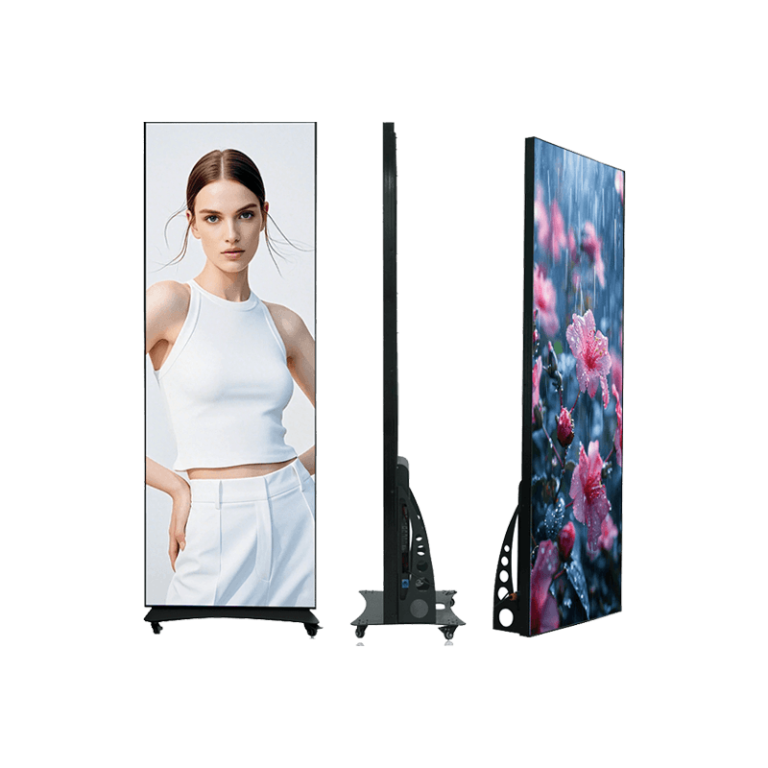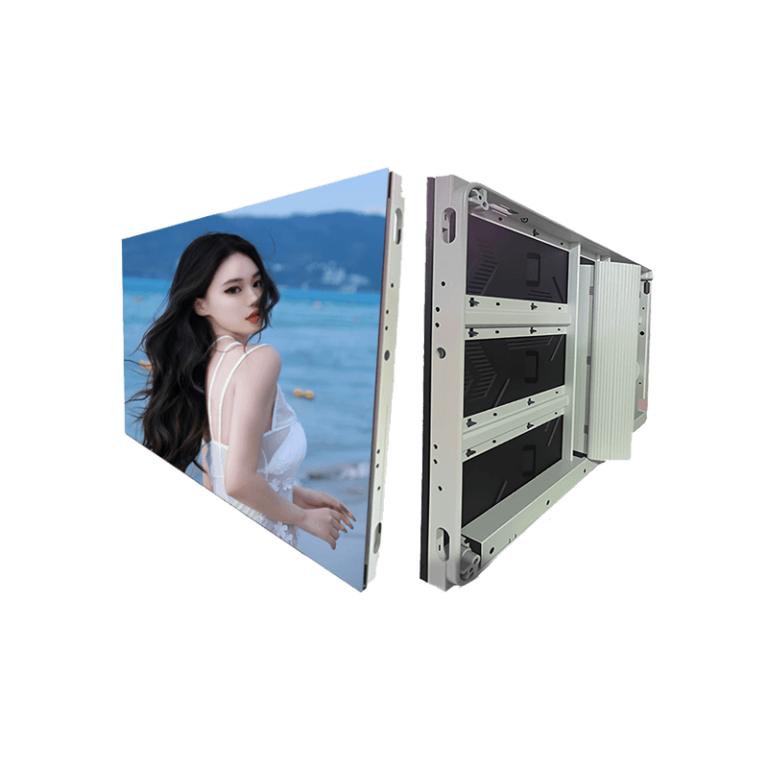
Transparent LED screen pixel pitch is often treated as a single resolution decision. On a glass facade, it is a balance between image detail, viewing distance, transparency, brightness, building sightlines, and the content that runs during the day. A pitch that looks attractive in a sample panel can be excessive from the street or too coarse for a close retail window. The facade has to be measured as a viewing environment.
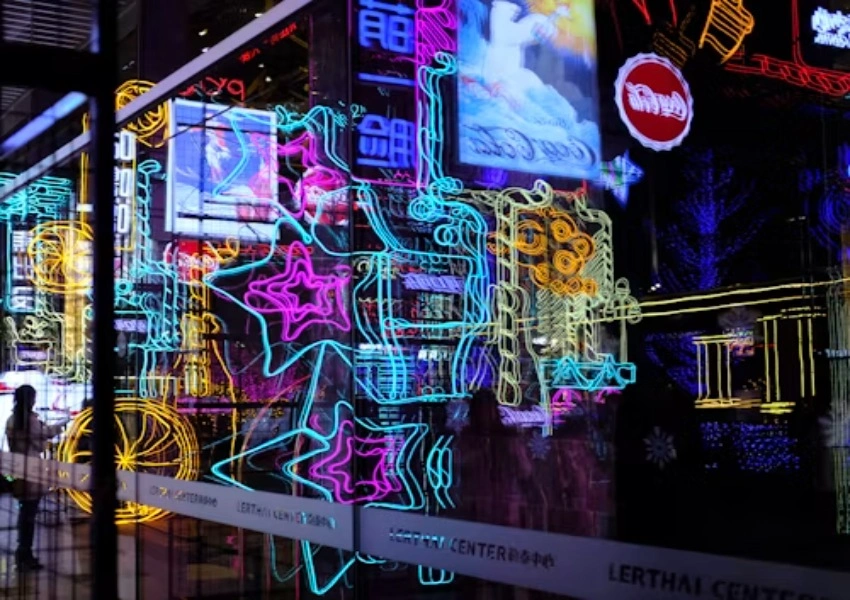
Unlike an opaque wall, a transparent display leaves the building and daylight visible behind the image. That is usually the point. The open structure can reduce visual bulk and preserve interior views, yet it also means the viewer sees the screen, glass, reflections, and interior lighting together. A good specification starts with the most important audience position and the real content, not a maximum pixel count.
Map Who Sees the Glass Facade and From Where
Separate the audience into zones. Pedestrians directly outside a retail window may be one to five metres away. Shoppers across a mall walkway see the whole display from farther back. A glass facade LED display on a street may be viewed from a pavement, a junction, or vehicles moving past. Each zone has different reading time and image-detail needs.
Use the closest meaningful viewer as the first check, then compare it with the primary commercial viewing distance. Fine pitch costs more and can reduce the visible openness of the installation. A wider pitch can work well for large logo animations, product silhouettes, and broad colour fields viewed from a distance. It is less forgiving with small type, dense product grids, or close-up video. A transparent ไฟ LED แสดงผล product discussion should include a measured elevation drawing and realistic content samples.
Pitch and Resolution Are Not the Same Question
Transparent LED display resolution depends on pitch and physical screen size. A large facade with a moderate pitch can have many pixels overall, while a small window with the same pitch may not have enough pixels for detailed graphics. Give the content team the final pixel map before they design the campaign. That avoids tiny text, faces with awkward detail, and logos that sit across cabinet boundaries.
Keep Transparency in the Specification
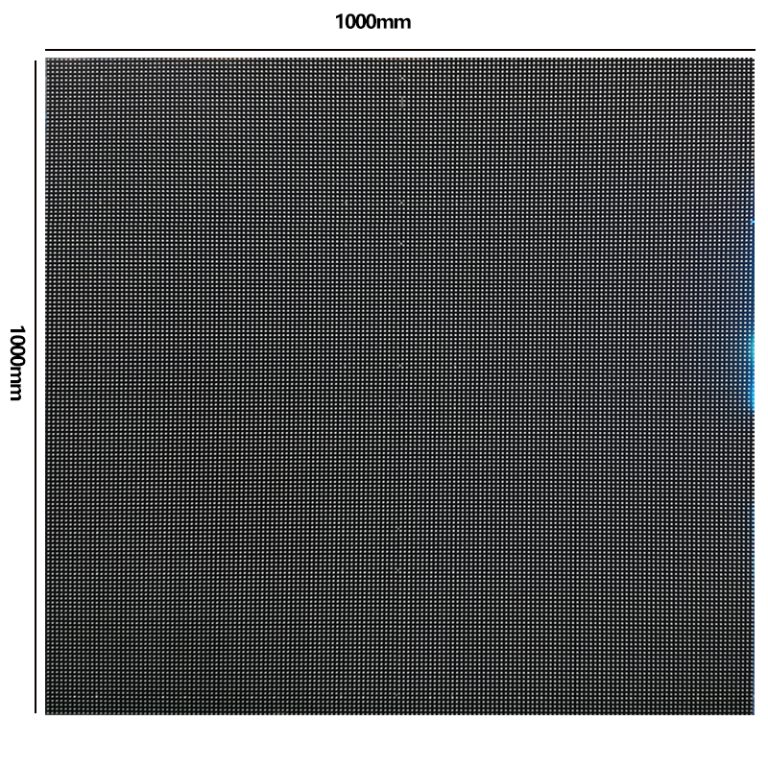
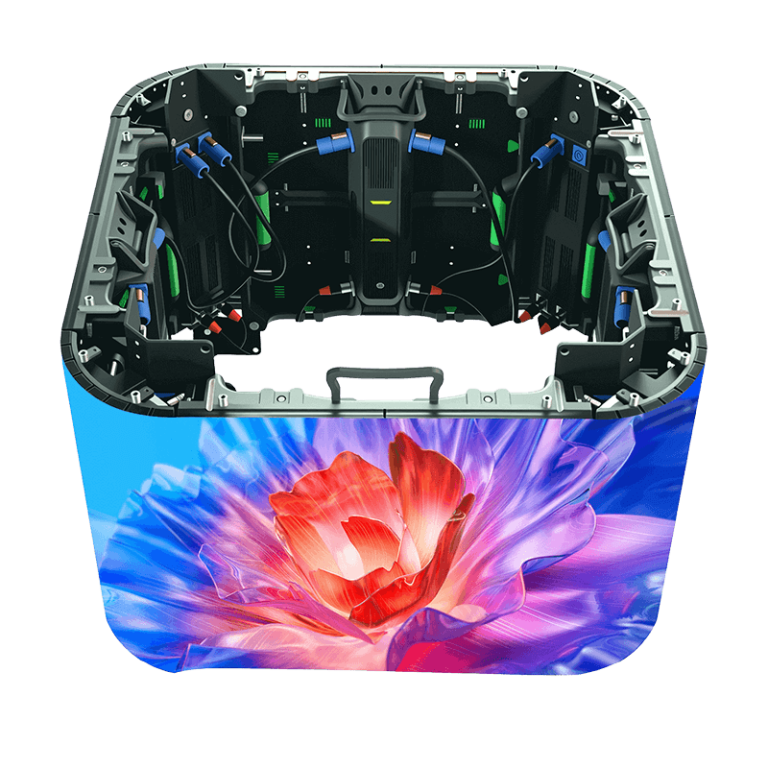
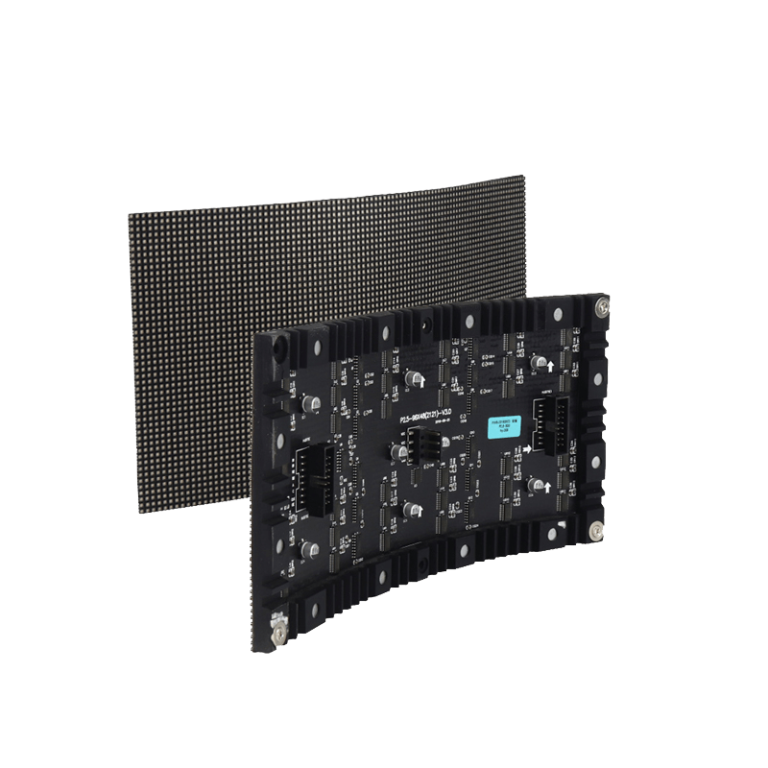
A transparent screen uses open areas between the LED structure to preserve light and visibility. Leyaled’s transparent screen material lists transparency up to 75 percent, 80 mm thickness, aluminium or die-cast aluminium cabinet options, and several brightness levels. It also gives indoor pitches such as 2.6-5.6 mm and 3.91-7.82 mm, with 1,000 x 500 mm or 1,000 x 1,000 mm cabinet formats. These are useful boundaries for a project brief, not a universal answer.
The more open the screen appears, the more the background affects the image. Dark interior finishes can make graphics look different from a bright retail fit-out. Reflections from the glass may be strong at some times of day. A retail window LED screen should therefore be viewed from the street under daytime light, after interior lighting is on, and at night before the buyer signs off on brightness or pitch.
Set Brightness for the Facade, Not the Datasheet
Transparent LED screen brightness needs to work against the light behind and in front of the glass. A street-facing facade with sun on the exterior needs a different setting from an inward-facing mall window. Too little brightness loses the campaign. Too much brightness can look harsh after dark, reduce the sense of transparency, and become a concern for nearby occupants or local rules.
Transparent screen brightness options ranging from 600 to 4,000 cd per square metre depending on the configuration, plus 1,920-3,840Hz refresh for the listed transparent formats. Ask for a controllable brightness range, scheduled settings, and a check of colour at reduced output. A retail LED display can be persuasive in a showroom test, but facade approval should happen in the final glass and lighting condition.
Content Needs a Different Approach
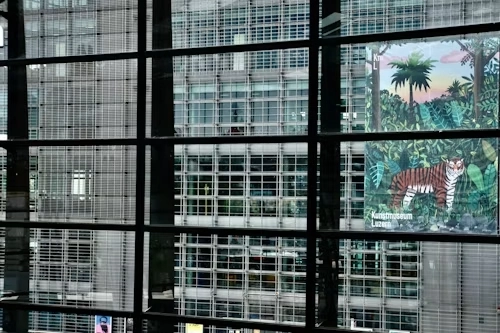
Avoid designing a transparent facade as though it were a solid cinema screen. Bold shapes, short messages, clean contrast, and content with breathing room tend to work better. Fine white type may disappear against daylight. Dark backgrounds may not behave as expected because the viewer can still see through the screen. Run content at the intended brightness and look at it from each audience zone before finalizing the campaign.
Check Structure, Power, and Maintenance Early
Glass creates extra coordination. The screen needs a mounting method that respects the building structure, facade movement, cleaning routes, fire strategy, power entry, data path, and access to modules. Do not assume a slim display has no structural implications. The cabinet load, suspension points, and safety retention should be reviewed with the facade team before the screen size is promised to marketing.
The transparent screen material also notes quick installation and maintenance methods, but accessibility still depends on the building. A display behind glass may be visually neat and difficult to service if a cabinet fails. Confirm whether service happens from the front, the back, or an interior route. For large building applications, fixed installation ไฟ LED displays can help start the conversation about cabinet layout and long-term access.
Choose Pitch From a Real Facade Brief
Choose a smaller transparent LED screen pixel pitch when people stand close, content includes product detail or readable information, and the facade area is modest. Choose a wider pitch when the screen is large, most viewers are farther away, transparency is a priority, and content relies on large visual elements. Do not make the purchase without testing an actual sample at the glass.
In a final technical review, แอลจังหวัด can provide a cabinet, pitch, brightness, and mounting discussion informed by indoor and outdoor display experience. Leyaled also has factory testing such as temperature cycling and brightness-decay checks. Request product-specific evidence and a clear service plan. The result should be a glass facade that remains part of the building rather than a bright obstruction in front of it. Please do not hesitate to contact us should you require further assistance.
คำถามที่พบบ่อย
Q1: What transparent LED screen pixel pitch is best for a shop window?
A1: It depends on the nearest shopper, window size, content detail, available light, and transparency target. Test a sample at the glass with the real campaign content.
Q2: Does a smaller pitch always look better on glass?
A2: No. It can add detail for close viewers, but may add cost and reduce the open appearance without improving the experience for people who view the screen from far away.
Q3: Can transparent LED screens run in direct daylight?
A3: They can, provided the brightness, glass reflections, content contrast, and local environment are tested. Daylight performance should be checked at the real facade, not only indoors.