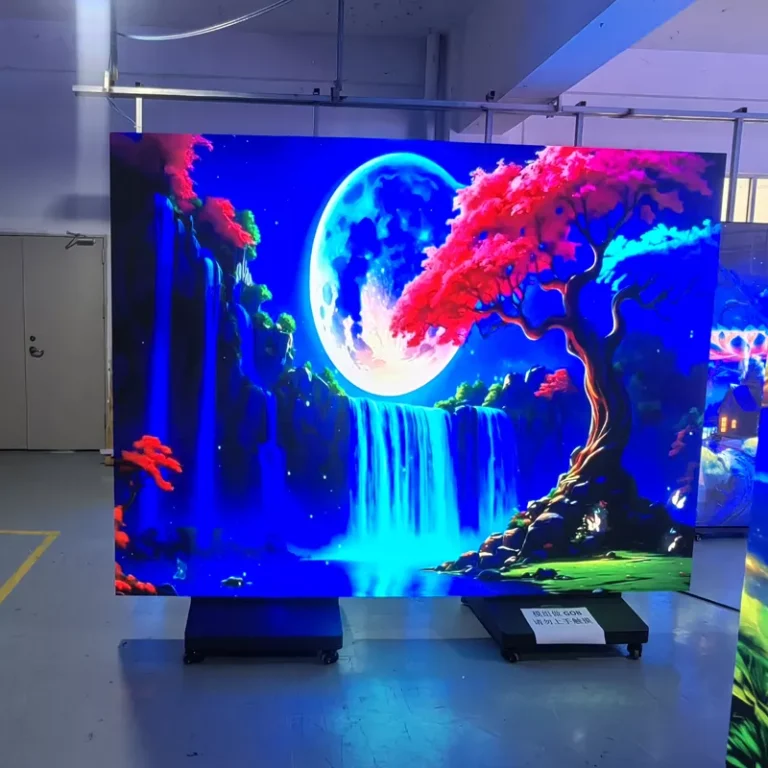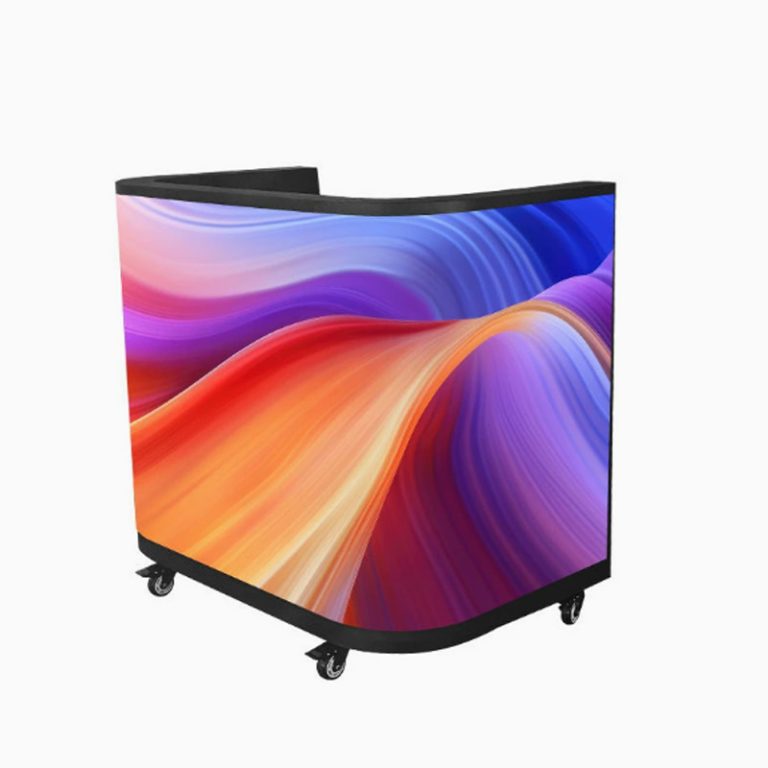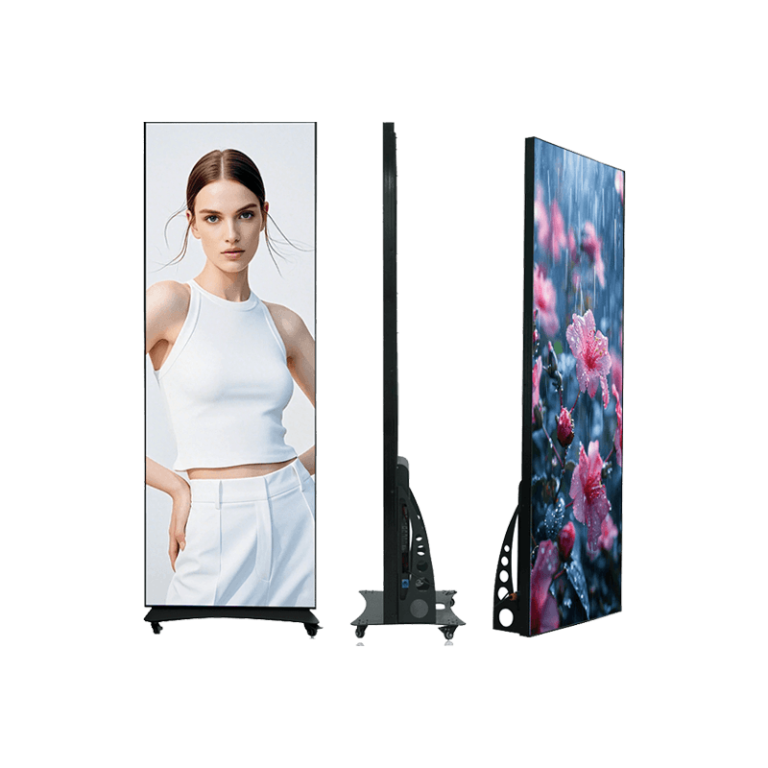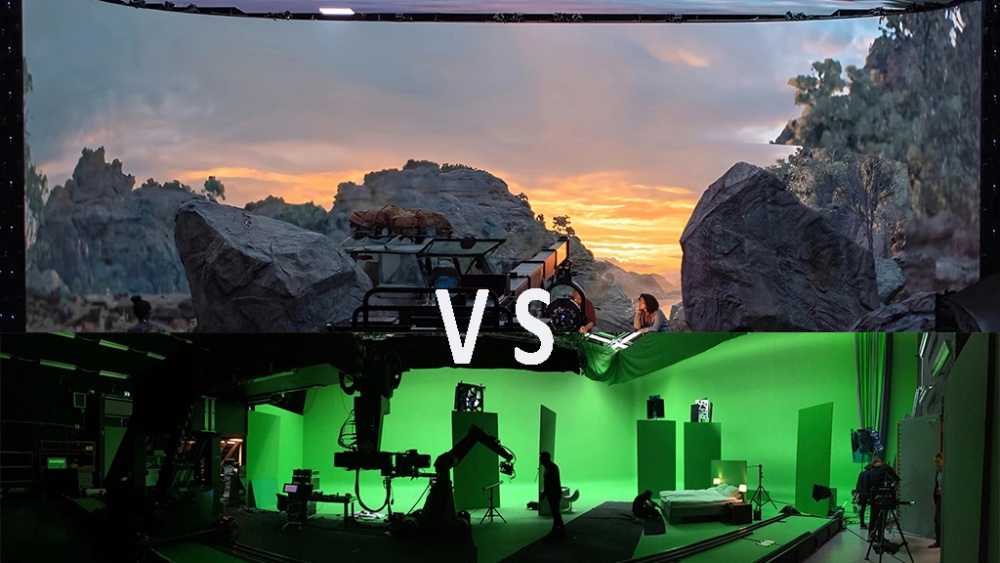
Системы «умного дисплея» и «зеленого экрана» предлагают два разных подхода к визуальному производству. В продолжающейся дискуссии о том, что лучше — «умный дисплей» или «зеленый экран», обе системы предоставляют создателям контроль над цифровыми настройками, но их базовые технологии значительно различаются в плане создания и обработки изображений.
Понимание основных технологий, лежащих в основе «умных» дисплеев и «зеленых» экранов.
Основы технологии интеллектуальных дисплеев
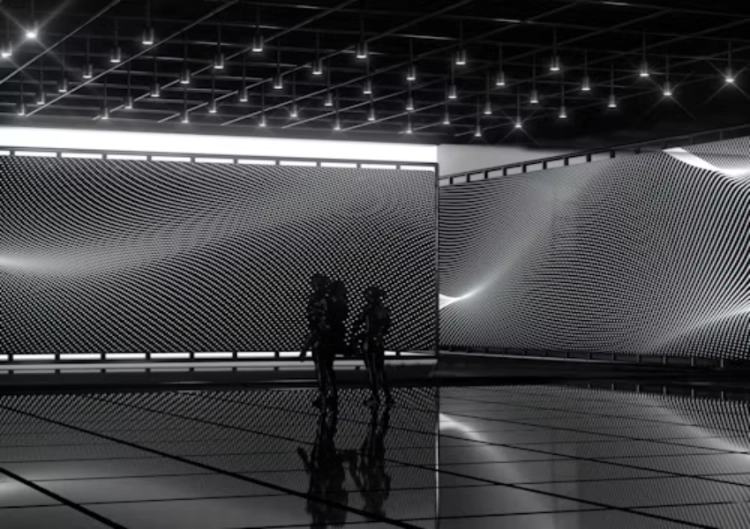
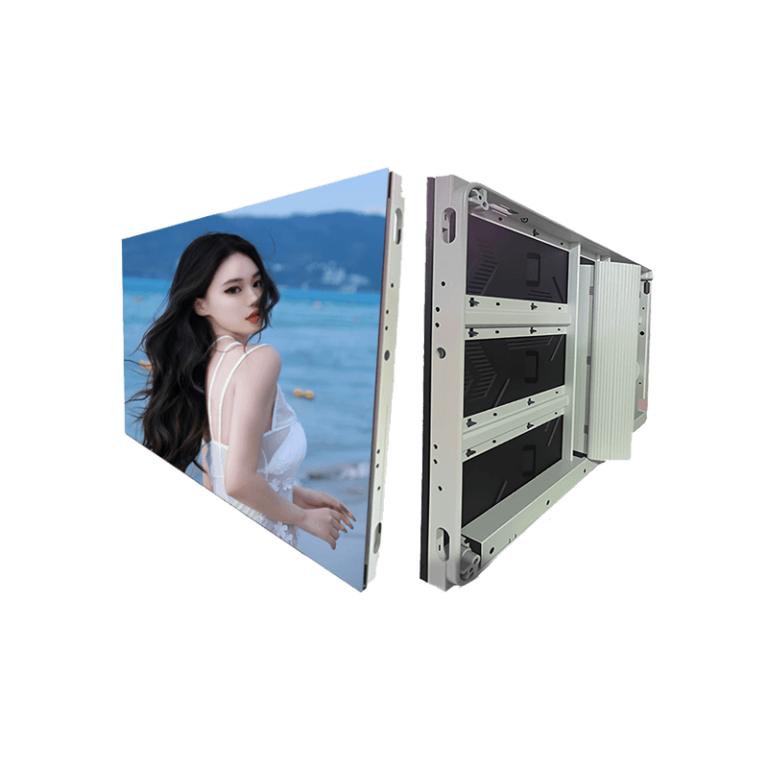
Интеллектуальные дисплеи сочетают в себе светодиодные панели со встроенными процессорами и возможностями подключения для получения визуальных результатов в режиме реального времени. Эти комбинированные системы обеспечивают быструю демонстрацию контента, гибкую регулировку яркости и простое согласование с внешними источниками данных. Они обеспечивают высокое качество изображения: благодаря использованию методов активного сканирования, картинка остается стабильной, без помех, четкой и динамичной, с разнообразными эффектами движения, а видео воспроизводится плавно. Такой тщательный подход помогает интеллектуальным дисплеям надежно работать даже в сложных условиях освещения или движения.
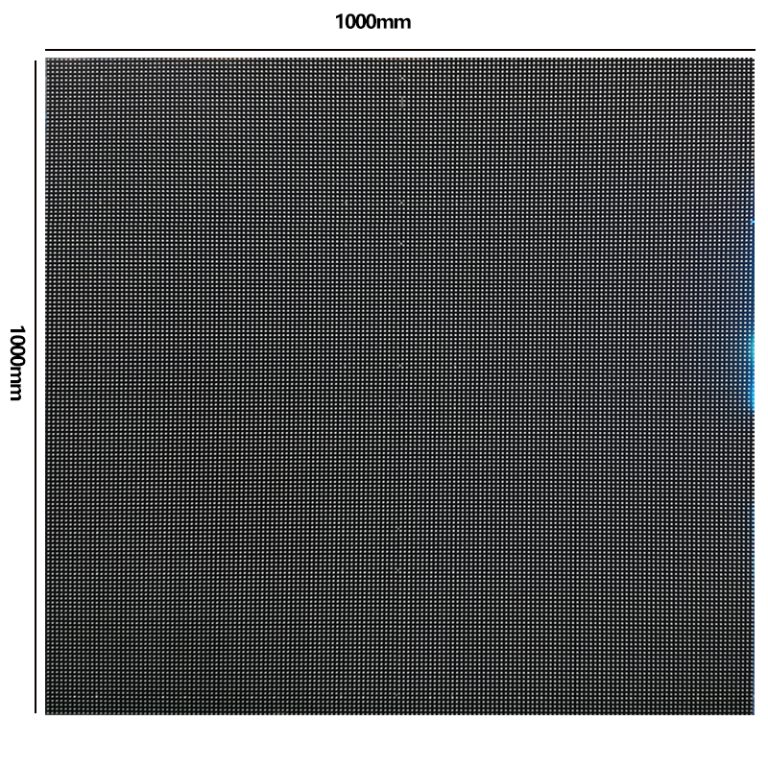
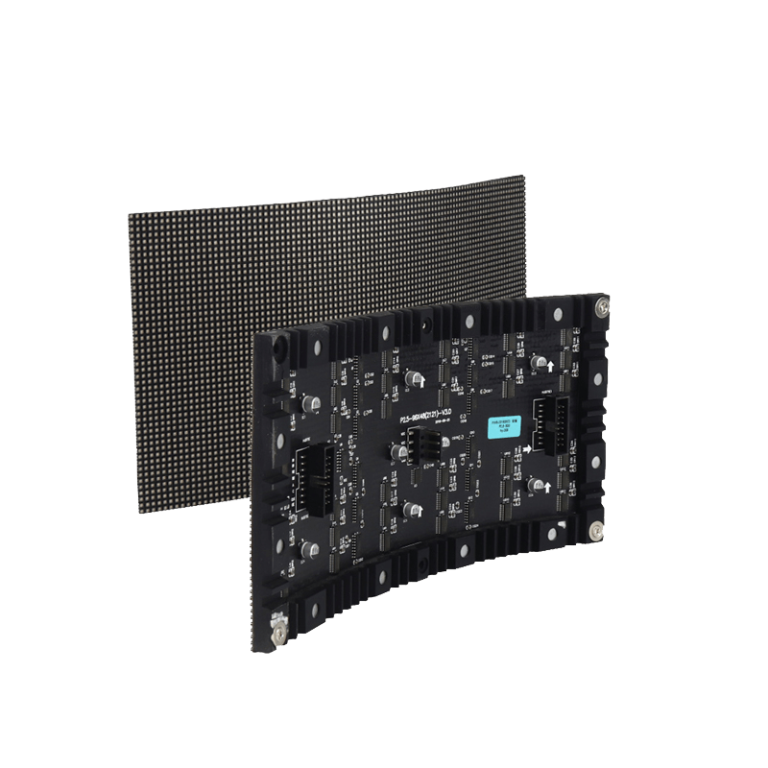
Расстояние между пикселями существенно влияет на резкость изображения — например, внутренний корпус для дисплея P4.81 Обеспечивает плотность пикселей около 43 264 на квадратный метр, а также сверхширокий угол обзора 160°, что позволяет четко видеть изображение под разными углами. Аналогичным образом, скорость обновления и настройка цвета определяют, насколько хорошо движение и оттенки отображаются на экране.
Технические основы систем с использованием зелёного экрана.
Использование зелёного экрана основано на цветовом кеинге для выбора определённого оттенка фона (часто зелёного) для последующей цифровой замены при монтаже. Этот метод требует равномерного освещения фона, чтобы избежать теней или цветовых искажений, которые могут испортить процесс кеинга. Обычно для этого требуются специальные схемы освещения и много времени на монтаж, чтобы добиться плавного перехода между реальными объектами и искусственным фоном.
Хотя зеленые экраны полезны для запланированных студийных съемок, они, естественно, отделяют объект от окружающей обстановки до окончания съемки, что ограничивает возможности предварительного просмотра в реальном времени, которые предлагают интеллектуальные дисплеи прямо на месте съемки.
Оценка показателей производительности светодиодных экранов
При проверке качества интеллектуального дисплея на четкость изображения и надежность работы влияют различные ключевые показатели. К ним относятся уровень яркости, уровень контрастности, скорость обновления, время отклика и стабильная настройка на разных панелях.
Яркость и контрастность светодиодных дисплеев
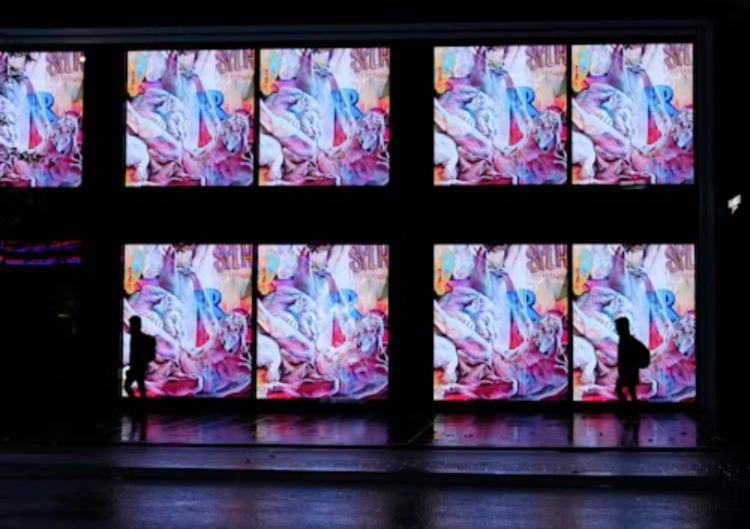
Яркость определяет, насколько хорошо изображение отображается при освещении в гримерной — экраны с высокой яркостью остаются видимыми на улице или при ярком студийном освещении. наружный дисплей P2.604 Обеспечивает яркость 10 000 нит и четкое изображение со всех сторон. Это подходит для просмотра новостей на открытом воздухе или проведения мероприятий, где солнце может снизить четкость изображения.
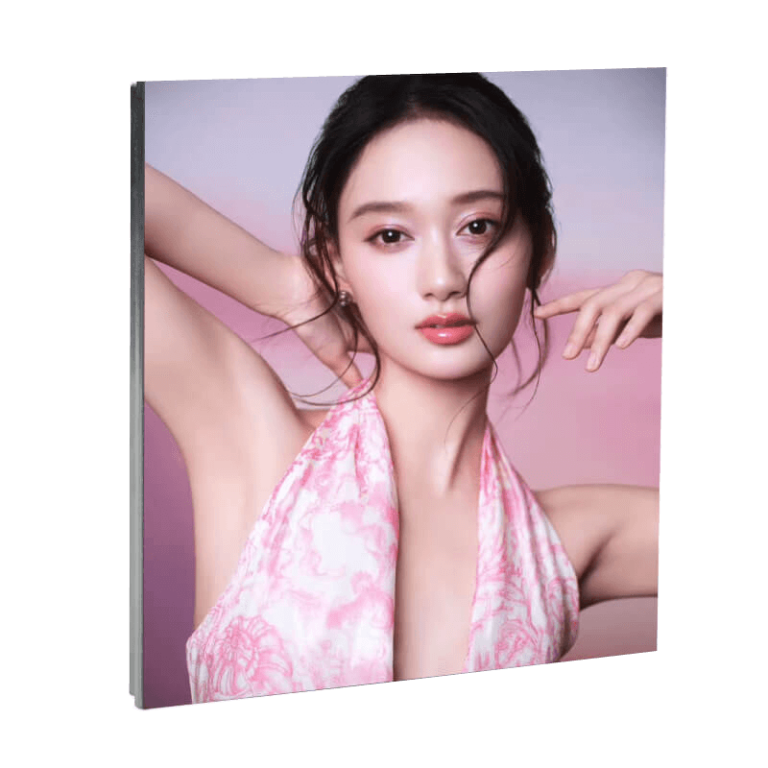
Уровень контрастности определяет глубину изображения; более высокие уровни обеспечивают более глубокий черный цвет и более реалистичные картинки. Наш светодиодный дисплей с алюминиевым профилем обеспечивает контрастность 10 000:1 и 16-битную шкалу серого для четких цветовых переходов. Интеллектуальные методы локального затемнения также улучшают распределение света по экрану, повышая реалистичность без чрезмерной яркости.
Стандарты точности цветопередачи и калибровки
Точная цветопередача достигается за счет тщательной настройки RGB-подсветки в соответствии с общепринятыми правилами, такими как Rec. 709 или DCI-P3. Модуль хранит собственные данные настройки и автоматически подтягивает их при замене компонентов. Это обеспечивает стабильное качество изображения даже после ремонта или замены деталей — важный момент для телестудий или демонстрационных залов, которым необходимо добиться равномерного отображения цвета на множестве панелей.
Устройства настройки обеспечивают баланс оттенков между отдельными модулями; наши технические группы используют автоматические датчики освещенности при проведении испытаний, чтобы поддерживать отклонения в пределах ±2% по всем элементам. Такая равномерность гарантирует, что в больших системах, таких как глубокие кинозалы, визуальные оттенки будут оставаться одинаковыми на протяжении всего времени эксплуатации.
Частота обновления, время отклика и четкость изображения при движении.
Высокая частота обновления уменьшает мерцание при быстрой смене кадров, что особенно важно для съемочных зон, где вспышки могут испортить видеосъемку. литый алюминий P6 Обеспечивает частоту обновления ≥3840 Гц с равномерным воспроизведением видео, подходящим для просмотра телепередач в прямом эфире. Быстрое время отклика устраняет шлейфы в динамичных сценах, а технология синхронизации стабилизирует передачу кадров между входным оборудованием и элементами экрана, обеспечивая плавное ощущение движения на больших расстояниях просмотра.
Сравнение «умных» дисплеев с приложениями на основе «зеленого экрана».
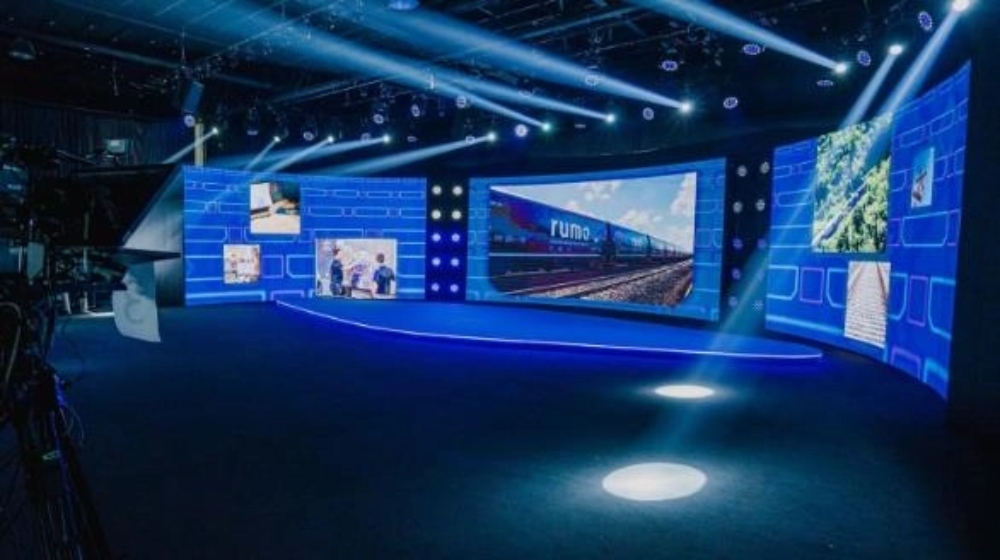
При сравнении интеллектуальных дисплеев и хромакея для профессиональных приложений, оба метода способствуют созданию визуальных образов, однако они подходят для разных производственных процессов в зависимости от требуемой скорости и возможностей внесения изменений.
Визуализация в реальном времени против гибкости постобработки
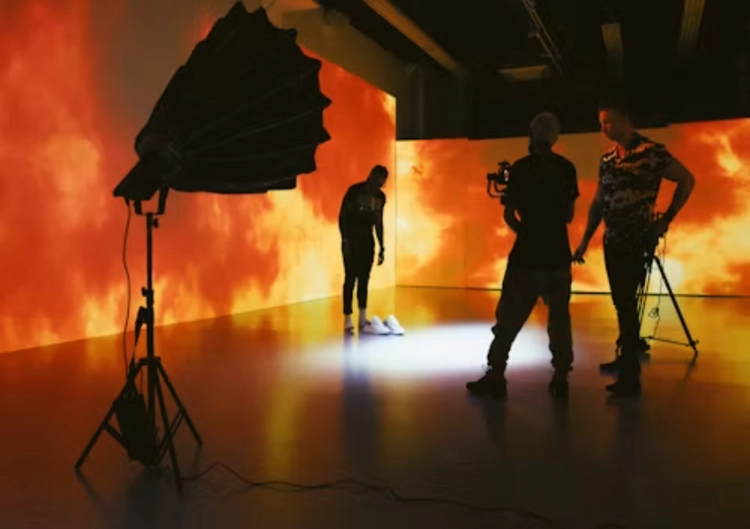
Основное различие между рабочим процессом с использованием «умных» дисплеев и зелёного экрана заключается в визуализации в реальном времени. «Умные» дисплеи позволяют мгновенно воссоздавать обстановку без задержек при микшировании — актёры могут нормально реагировать в сценах, которые видны прямо за ними. Светодиодные дисплеи полностью преодолели ограничения старых стационарных шоу. С другой стороны, зелёные экраны предоставляют творческим группам больше пространства для монтажа, но увеличивают время ожидания из-за исправления кеинга и корректировки микширования. Для работ, ориентированных на быструю съёмку, таких как прямые трансляции или ручная настройка оборудования, «умные» светодиодные помещения превосходят цветные настройки, поскольку снижают зависимость от процессов, выполняемых после съёмки.
Эффективное использование пространства и организация пространства
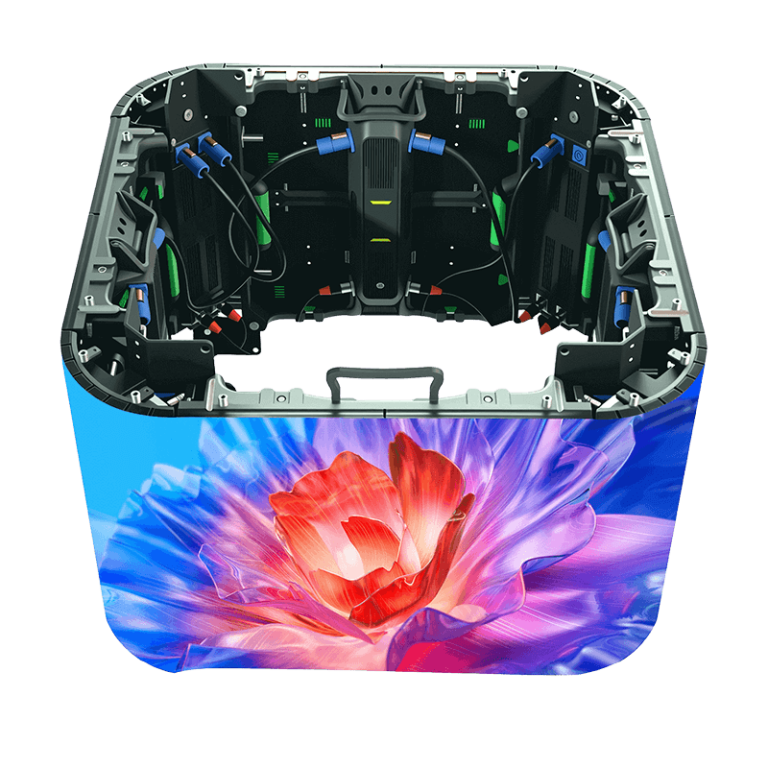
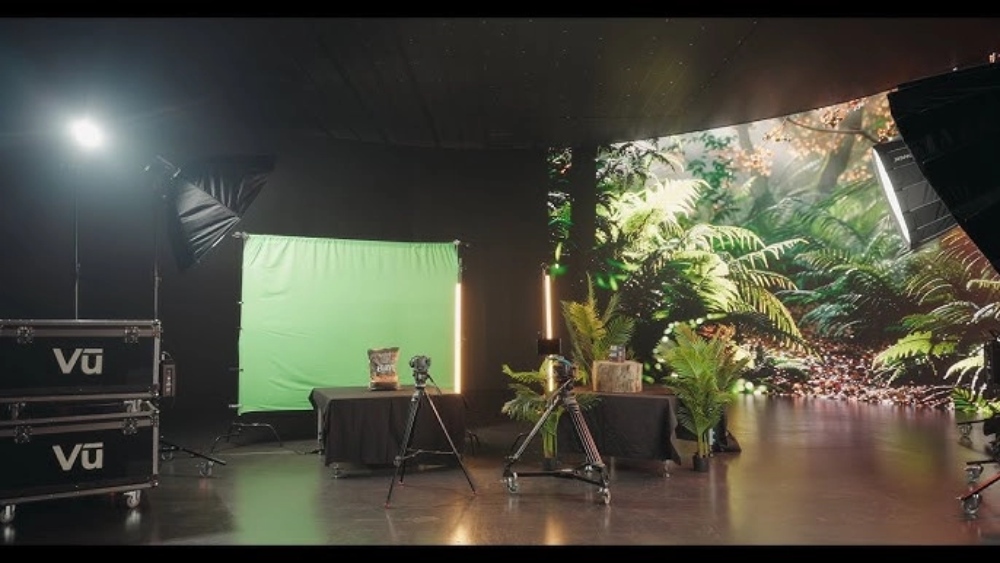
Светодиодные стены позволяют органично вписывать фоновые изображения в реальные планы помещений, сокращая требования к цветовой гамме по сравнению с цветовыми решениями, требующими контролируемого освещения вокруг блестящих поверхностей. Модульная конструкция и гибкая установка: благодаря сборке по частям, она поддерживает множество способов монтажа, таких как крепление к стене, встраивание или подвешивание. Сборка из отдельных панелей позволяет создавать проекты, одинаково подходящие как для небольших студий, так и для больших залов. Для зелёных экранов требуется точное расположение камеры относительно световых элементов фона; неправильные линии приводят к ошибкам изображения, которые трудно исправить при последующем редактировании.
Анализ затрат на протяжении всего срока эксплуатации
Начальная цена лучших светодиодных систем может превышать стоимость цветных систем на основе ткани; тем не менее, в долгосрочной перспективе эксплуатационные расходы склоняются в пользу светодиодов благодаря их прочности и меньшему количеству периодов обслуживания. Низкое энергопотребление и длительный срок службы: светодиодные светильники потребляют меньше энергии, что подходит для стабильных и длительных проектов. Регулярная перенастройка позволяет избежать затрат на перекраску или подсветку, характерных для старых фонов, а энергосберегающие схемы снижают свои затраты за счет меньшего энергопотребления.
Оценка визуального реализма и иммерсивного потенциала
Визуальная реалистичность определяет, насколько хорошо зрители взаимодействуют в современных рекламных роликах — сочетание намеков на истинную глубину с соответствующим освещением усиливает глубокие эмоции, которые не могут вызвать стандартные цветовые фоны.
Восприятие глубины и интеграция освещения в светодиодных средах
Эффекты сдвига в режиме реального времени, обеспечиваемые системами слежения за камерой, позволяют изменять ракурс при смещении камеры относительно отображаемых изображений. Высокая контрастность и широкий цветовой диапазон гарантируют четкость и яркость изображения при различных условиях освещения. Встроенная функция согласования освещения с яркостью отображаемой сцены создает впечатление естественного расположения объектов в искусственной обстановке.
Всё чаще в имитационных производственных процессах используются эти навыки: руководители проверяют финальные сведенные кадры в режиме реального времени на месте, а не просто делают предположения после рендеринга, что ускоряет принятие творческих решений, сохраняя при этом стандарты качества, характерные для кинофильмов.
Ограничения хромакей-композитингов в реалистичном рендеринге
Даже с учетом усовершенствований программного обеспечения, устраняющих утечки по краям или несоответствия блеска, смешивание цветовых ключей по-прежнему сталкивается с проблемами в сложных играх теней или прозрачных объектах, где прозрачность частей смешивает методы выбора ключевых кадров. Утечки по краям, несоответствия теней и различия в отражениях снижают уровень реалистичности. Эти технические ограничения затрудняют достижение фотореалистичного смешивания по сравнению с прямой съемкой с камеры с использованием настроенных светодиодных фонов.
Перспективы развития производственных сред на основе дисплеев
Благодаря новым идеям, постоянно совершенствующимся сетям интеллектуальных дисплеев, достижениям в области материалов, оптимизации с помощью искусственного интеллекта и экологическим целям, формируется мышление следующего этапа в строительстве.
Достижения в технологиях MicroLED и квантовых точек.
Технология MicroLED обеспечивает более высокую светоотдачу при меньшей тепловой нагрузке, чем обычные SMD-чипы, а добавление квантовых точек позволяет расширить цветовой диапазон до уровня, подходящего для кинопроизводства. MicroLED обещают более высокую яркость при меньшем энергопотреблении, чем традиционные светодиоды. В совокупности эти шаги способствуют повышению точности пикселей, обеспечивая реалистичное HDR-изображение без потери энергосбережения, что крайне важно для крупных систем.
Интеграция систем оптимизации изображений на основе искусственного интеллекта.
Встроенные в управляющие программы ядра машинного обучения регулируют линии яркости на основе проверки сцены, предугадывая изменения освещения до того, как они произойдут. Модели машинного обучения динамически регулируют уровни контрастности, насыщенности и экспозиции. Предварительная настройка сокращает объем ручной работы во время прямых трансляций, поддерживая стабильный баланс оттенков даже при изменении состояния помещения, характерном для смешанных зон внутри и снаружи. Эта автоматическая помощь снижает нагрузку на оператора, сохраняя при этом профессиональный уровень стабильности изображения, необходимый телеканалам или центрам обработки изображений, использующим большие многопанельные системы.
Вопросы устойчивого развития в производстве и эксплуатации дисплеев.
В экологичном строительстве особое внимание уделяется многоразовым материалам на всех этапах производства, а также принципам минимизации отходов. Наши алюминиевые шкафы на 15% легче стандартных моделей и отличаются высокой энергоэффективностью, потребляя в среднем всего 270 Вт на квадратный метр. Меньший вес означает меньшие выбросы, а продуманные схемы электропроводки значительно сокращают потребление электроэнергии в режиме ожидания во время работы, поддерживая цели экологичного строительства, реализуемые по всему миру.
О нас – Экспертиза в разработке каждого решения для отображения информации
Мы — производитель из Шэньчжэня, специализирующийся на инновационных интегрированных светодиодных дисплеях, охватывающий все этапы — от исследований и разработок до глобального внедрения решений. Лейалед. Наше предприятие занимает площадь 7200 квадратных метров и оснащено восемью автоматизированными линиями поверхностного монтажа (SMT), включая четыре полностью автоматизированные, что обеспечивает высокую точность и стабильность сборки. Компания FWS Technology Co., Ltd. — высокотехнологичное предприятие, специализирующееся на комплексном производстве светодиодных дисплеев, включая исследования и разработки, производство и продажи. Вся продукция сертифицирована по стандартам ISO 9001:2008, CCC и CE.
В наш ассортимент продукции входят полноцветные панели для внутреннего и наружного применения, такие как: Профильный алюминиевый светодиодный дисплей, Известны своей степенью водонепроницаемости IP65, подходящей даже для суровых погодных условий; гибкими модульными конструкциями, адаптируемыми для коммерческих выставок; а также прочными наружными блоками, такими как литой алюминиевый корпус P6, разработанный для бесшовной стыковки с точностью менее 0,1 мм, обеспечивающий непрерывный панорамный обзор, идеально подходящий для иммерсивных мероприятий по всему миру.
Обладая 15-летним опытом и подкрепленной командой разработчиков, насчитывающей более пятидесяти специалистов, мы постоянно внедряем передовые технологии, сочетая технологическое превосходство с принципами устойчивого производства, направленными на снижение воздействия на окружающую среду и повышение стандартов пользовательского опыта на мировом рынке интеллектуальных дисплеев.
По вопросам, касающимся индивидуальных решений, разработанных с учетом спецификаций вашего проекта, пожалуйста, свяжитесь с нами через интерфейс связи на нашем официальном портале. Свяжитесь с нами.
Часто задаваемые вопросы
В1: Как шаг пикселя влияет на четкость изображения на смарт-дисплеях?
A1: Меньшие значения шага пикселя увеличивают плотность пикселей на квадратный метр, что приводит к более четким изображениям, особенно на близком расстоянии — это критически важно для внутренних помещений, требующих детального отображения текстуры, таких как корпоративные выставочные залы или студии вещания.
В2: Почему интеллектуальные дисплеи на основе светодиодов считаются более экологичными, чем традиционные системы хромакея?
A2: Светодиоды потребляют значительно меньше энергии на люмен по сравнению с традиционными осветительными приборами, используемыми в освещении зелёного экрана. В сочетании с компонентами, имеющими увеличенный срок службы, они снижают как эксплуатационные расходы, так и количество отходов материалов, связанных с частыми циклами перекрашивания.
В3: Какие преимущества модульные конструкции шкафов обеспечивают с точки зрения гибкости установки?
A3: Модульная архитектура обеспечивает масштабируемую конфигурацию, позволяя легко адаптироваться от компактных конференц-залов до просторных площадок для мероприятий, обеспечивая быструю сборку/разборку без ущерба для конструкции, тем самым оптимизируя логистическую эффективность в различных сценариях развертывания.