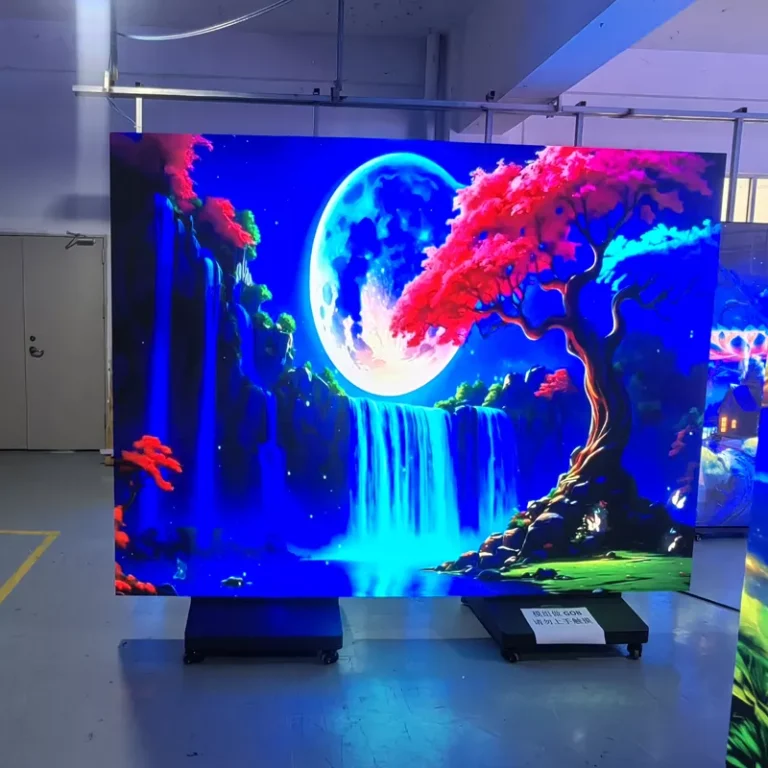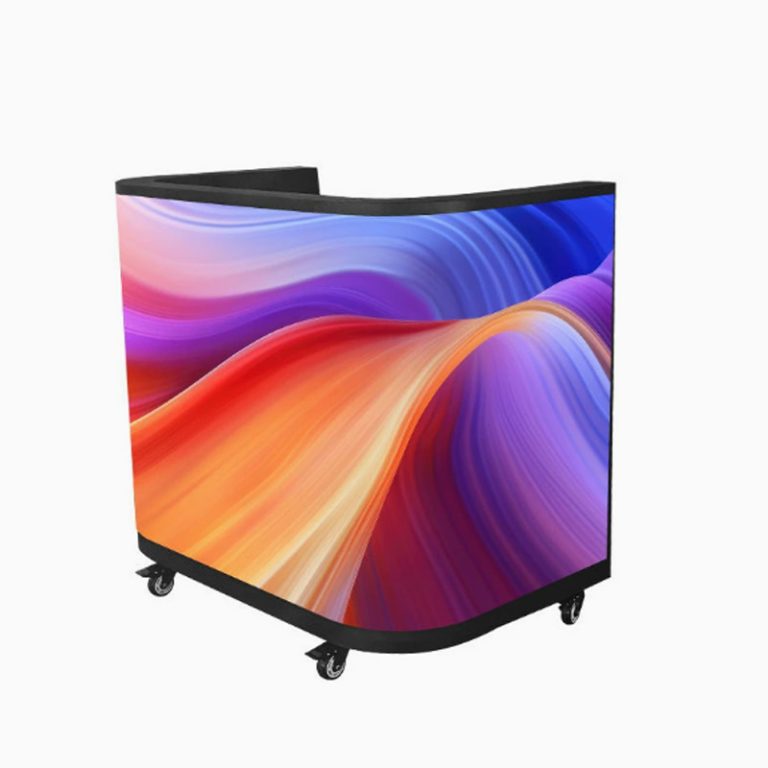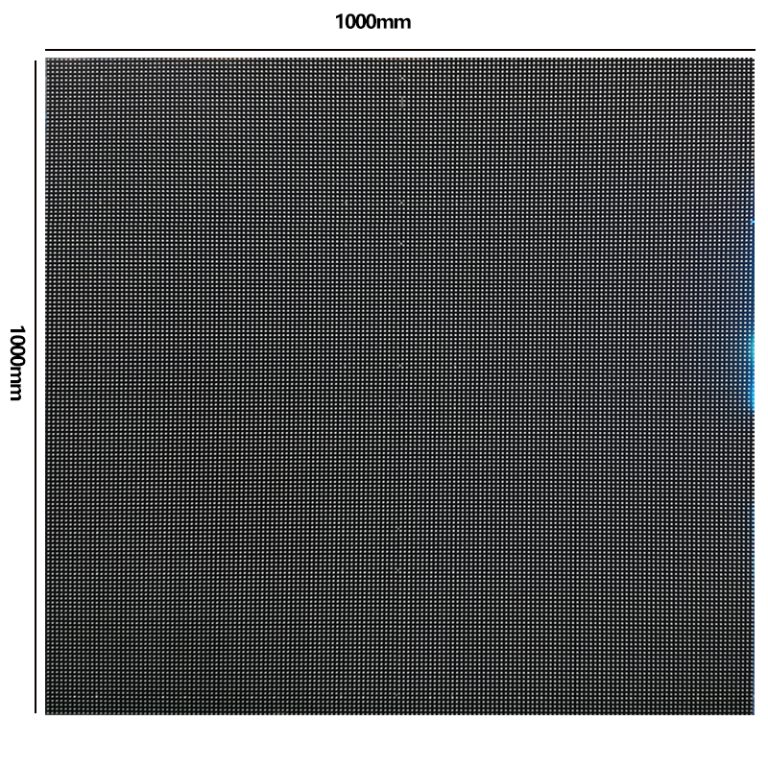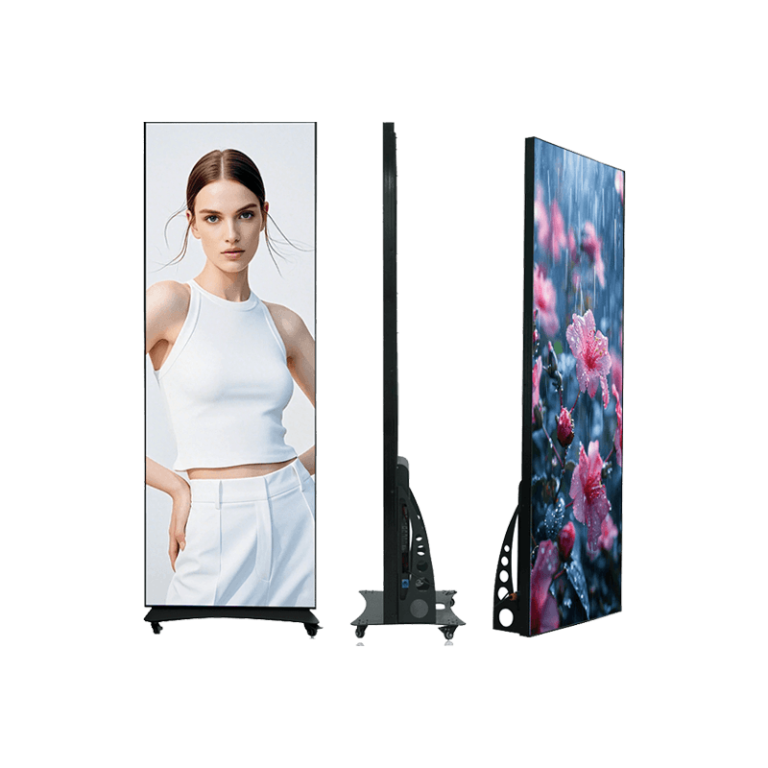
A flexible LED screen price can look confusing because buyers are not only paying for pixels. A curved display project also includes module flexibility, cabinet or frame design, structural support, control equipment, calibration, installation labor, spare parts, and the risk of getting the curve wrong. Two screens with the same square meters can have very different costs if one is a simple gentle arc and the other wraps around a column, wave wall, or creative retail facade.
The right way to read a flexible LED display price is to ask what the project shape demands. A flat wall mostly asks for area, pitch, brightness, and cabinet quality. A curved LED screen cost adds radius, bend tolerance, module alignment, seam control, and on-site adjustment. That extra engineering is often where the budget goes.
Pixel Pitch Sets the Base Price
Pixel pitch is the first major driver. A smaller pitch uses more LEDs per square meter, more driver work, and tighter production control. It can show finer detail at close viewing distance, but it also raises the screen price. For a lobby, showroom, broadcast corner, or product display, fine pitch may be worth it. For a large curved background viewed from farther away, a wider pitch may give better value.
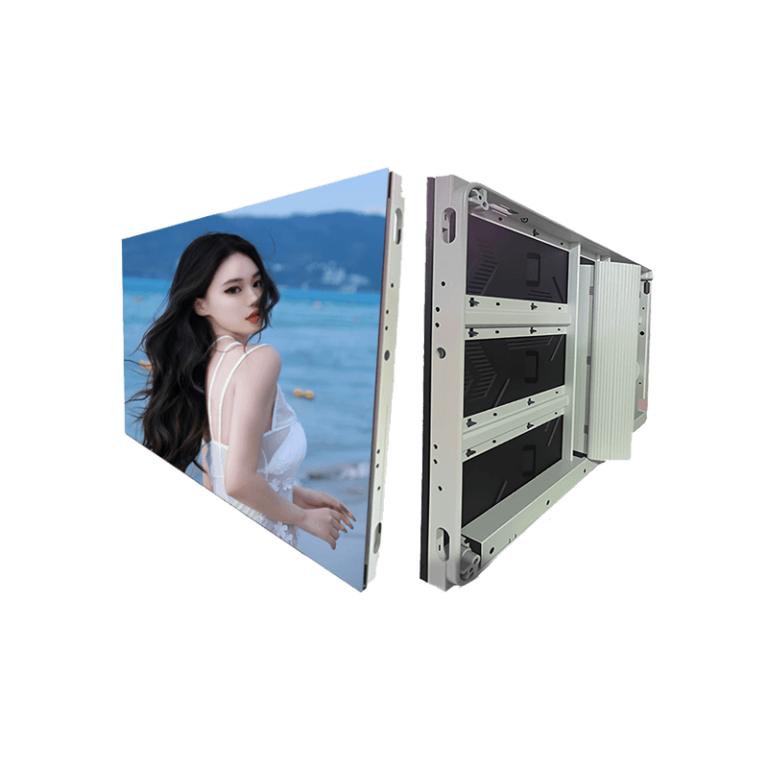
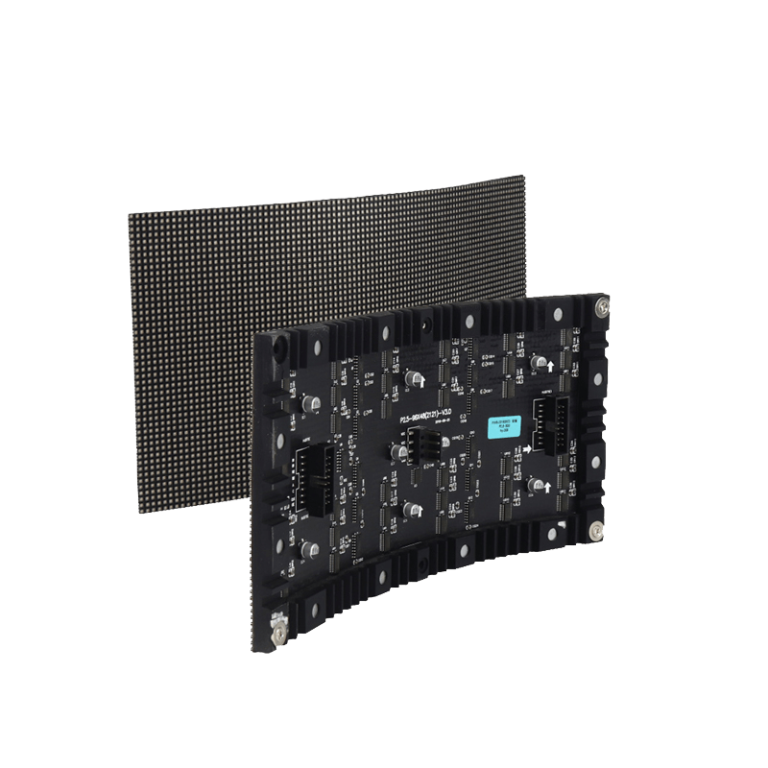
The P3.91 flexible LED screen is often used as a balanced option because it offers enough clarity for many creative spaces without moving into fine-pitch pricing. Leyaled’s светодиодные гибкий экран page lists flexible and bendable use, multi-angle folding or curling, a thin 2-5 mm form, seamless splicing with gaps under 0.5 mm, a high refresh rate, and custom curved, wavy, or spherical designs. Those features explain why a curved display is priced differently from a rigid flat panel.
Closer Viewing Raises the Specification
If viewers stand close, a coarse pitch may show visible pixels. That pushes the buyer toward a smaller pitch or a different viewing layout. Choose pixel pitch based on viewing distance, with closer distance calling for smaller pitch and higher display accuracy.
Large Curves Can Use Wider Pitch
A large airport wall, atrium column, or stage background may be seen from farther away. In that case, a wider pitch can control custom LED screen cost without damaging the viewing effect.
Curvature Changes Modules, Frames, and Labor
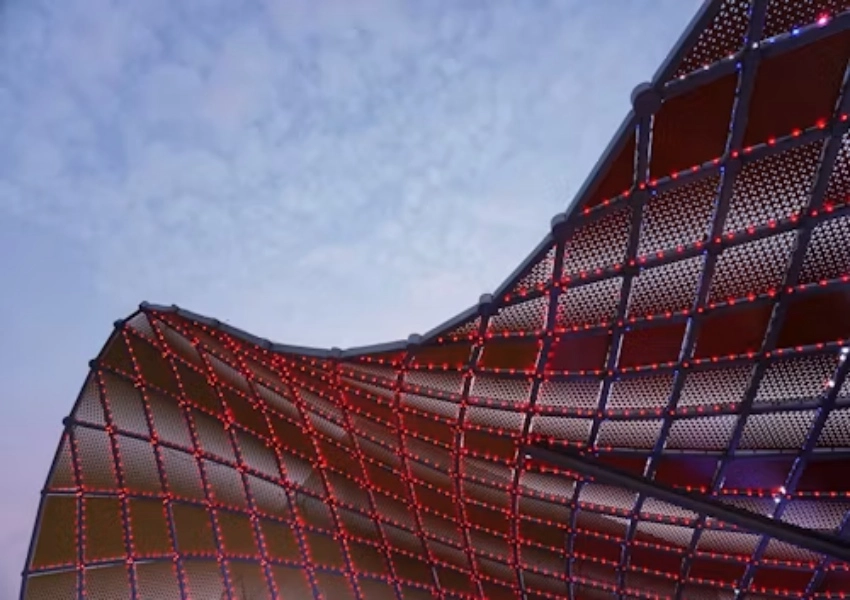
The curve itself is often the second cost driver. A gentle concave wall is easier than a tight column wrap. A single-radius arc is easier than a wave with a changing radius. A screen that bends in one direction is easier than a shape that changes plane or needs special corner treatment.
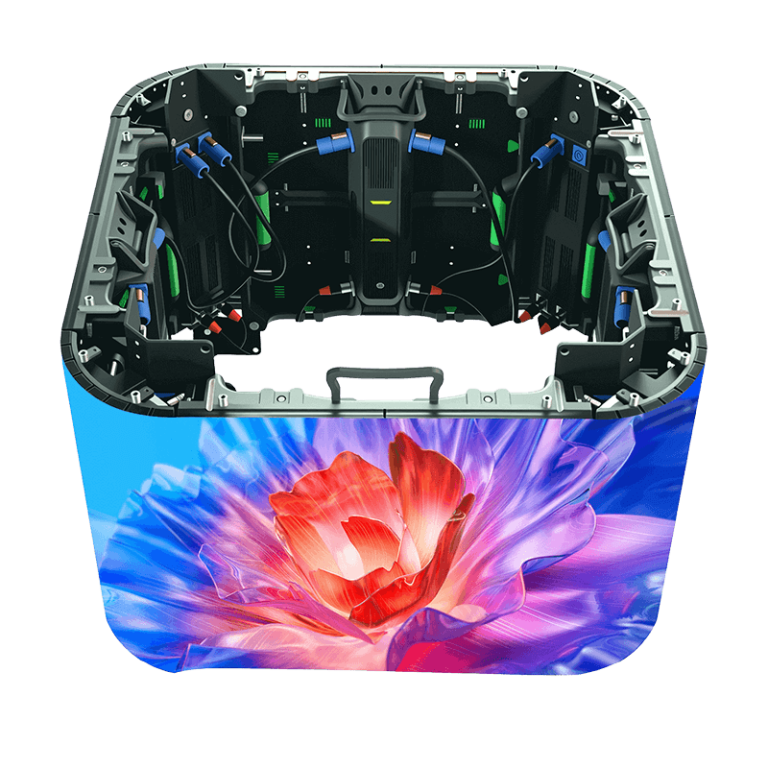
Flexible modules can follow curved surfaces, but the support structure still needs careful design. The frame must hold the modules flat enough to prevent visible ripples while allowing the intended radius. If the screen is not aligned correctly, seams, brightness shifts, and cabinet shadows become visible. Installation labor also increases because technicians spend more time checking radius, seam tension, cable routing, and module fit.
Лейаледс flexible display category and гибкий дисплей для помещений are useful starting points for projects that need curved or creative forms. They help buyers separate ordinary flexible product cost from project-specific cost, which may include drawings, frame fabrication, installation support, and calibration.
Brightness, Refresh Rate, and Grayscale Affect Real Value
A low, flexible LED screen price can hide a weak visual package. For commercial interiors, brightness that is too high can be uncomfortable, while brightness that is too low can look dull under retail lighting. For filmed or phone-recorded content, refresh rate matters because scan lines and flicker can damage the final video. For premium branding, grayscale and color uniformity matter at lower brightness levels.
Лейаледс внутренний дисплей П3.91 shows how these factors appear in a related indoor display: 3.91 mm pitch, high pixel density, high refresh rate, seamless splicing, a die-cast aluminum cabinet, front or rear maintenance, and a cabinet pixel density of 65,536 pixels per square meter. Although a flexible module has different mechanics, the same visual questions apply: will the screen look clean from the real viewing distance, and will moving content stay smooth?
Control System, Content, and Calibration Are Part of the Budget
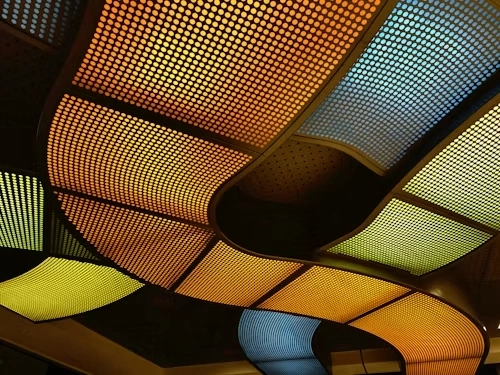
A curved LED screen is not finished when panels light up. The content has to fit the surface. A logo or product animation that looks correct on a flat design file can look stretched on a column. If the screen wraps around a corner, the creative team may need a custom canvas, content mapping, or previsualization. These costs should be planned before the purchase order.
Calibration is also part of the price story. Curved screens make uneven brightness easier to notice because the viewer sees the display from changing angles. Color differences between modules can break the illusion of one smooth surface. High-quality LED beads and driver chips, 72 hours of factory testing, high and low temperature cycling, and brightness decay tests. For creative displays, these quality steps support consistency across the curve.
Supplier Support Can Reduce Project Risk
The cheapest quote may not include enough project support. Buyers should ask whether the supplier can review drawings, recommend pixel pitch by viewing distance, advise on curvature limits, provide spare modules, and support installation. A curved project has less room for guesswork than a flat screen. If the radius, frame, or content map is wrong, the rework cost can quickly erase a low unit price.
Leyaled has 15 years of LED display experience, a 7,000-square-meter Shenzhen factory, automated production lines, and product coverage across indoor and outdoor full-color LED displays, LED modules, and flexible display categories. The after-sales package includes on-site installation, a 3-year free warranty, lifetime technical support, 24-hour response, 48-hour on-site repair for qualifying issues, plus regular cleaning and parameter calibration support. For a curved display project, that service depth can matter as much as the module price.
Вывод
The flexible LED screen price is shaped by more than area. Pixel pitch, curve radius, module design, frame accuracy, brightness, refresh rate, control mapping, installation labor, and service support all affect the final number. A buyer comparing flexible LED display prices should ask for a project-based quote, not only a square-meter price. For curved retail, stage, showroom, or facade projects, Лпровинция resources and flexible display pages give a practical base for matching the screen to the real shape.
Часто задаваемые вопросы
Q1: Why is a flexible LED screen more expensive than a flat led wall?
A1: Flexible projects add bendable modules, custom support, alignment labor, seam control, content mapping, and calibration work.
Q2: Is a P3.91 flexible LED screen good for curved displays?
A2: P3.91 is often a practical balance for many curved commercial and stage-style projects, especially when viewers are not extremely close.
Q3: What details should be shared before asking for a price?
A3: Share screen size, curve radius, viewing distance, indoor or outdoor use, content type, brightness needs, and installation access.